
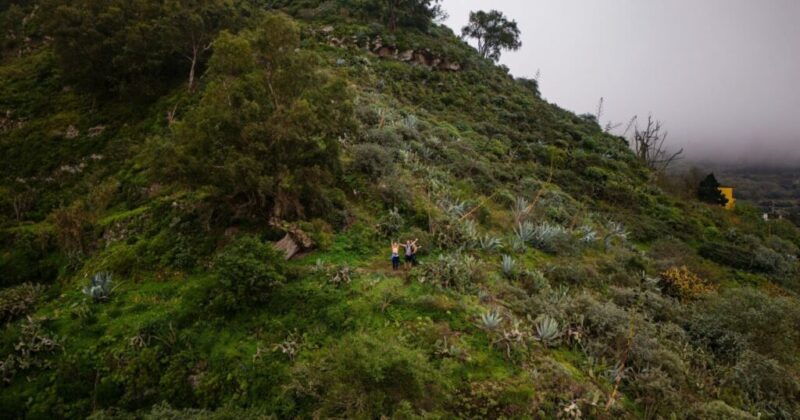
Canary Islands in winter — Which island for which weather?
Canary Islands in winter — Which island is best suited to which weather?
The Canary Islands are the perfect winter escape for me. While Germany is experiencing dreary weather, you can enjoy 20-25 degrees Celsius and sunshine in the Canaries—all just a four-and-a-half-hour flight away. But which island is right for you? As someone who spends at least two weeks in the Canaries every winter, I can tell you: Each island has its own unique character, its own microclimate, and its own target audience.
In this guide, I compare all seven Canary Islands in terms of weather, activities, and atmosphere — so you can find the perfect island for your winter holiday.
Why the Canary Islands are the perfect winter destination
The Canary Islands lie at the same latitude as Morocco and the Sahara, but belong to Spain and therefore to the EU. This means: no visa, no currency conversion, no extreme cultural differences — yet still pleasantly warm temperatures in winter. In January, I regularly experienced temperatures of 22-24 degrees Celsius on Gran Canaria, while it was below zero in Hamburg.
Furthermore, flights are often cheaper in winter than in summer. A round-trip flight from Germany can be found for as little as €80-150 if you book early. So the Canary Islands are not only warm, but also affordable.
A comparison of the seven Canary Islands in winter
1. Gran Canaria — The all-rounder
Gran Canaria is my personal number one choice for winter. The island has it all: beautiful beaches in the south, dramatic mountain landscapes inland, vibrant cities, and a climate that's almost always sunny in the south. The Maspalomas dunes are an absolute highlight—and perfect for drone footage with my DJI Mini 5 Pro.
Winter weather: Temperatures range from 20-24°C, with the south almost always sunny, while the north can be cloudy. This is due to the so-called "Calima" – the mountains in the center of the island trap the clouds, making the south significantly drier than the north.
Best places to go in winter:
- Maspalomas/Playa del Inglés: Warm, dry south, miles of dunes
- Puerto de Mogán: „"Little Venice" — picturesque harbor, sheltered from the wind
- Las Palmas: Capital city with Las Canteras surf beach and urban flair
- Roque Nublo: Perfect hiking spot in the mountains
Who is it suitable for: Couples, families, active holidaymakers, digital nomads. Gran Canaria has something for everyone.
2. Tenerife — The Diverse
Tenerife is the largest of the Canary Islands and offers incredible diversity, from tropical forests in the north to the lunar landscape of Mount Teide in the center. At 3,718 meters, Teide is the highest mountain in Spain—and in winter, it even has snow up there. Beach holiday below, snowshoe hike above—all in one day. Only Tenerife can offer that.
Winter weather: 19-23°C on the coast; the south (Adeje, Los Cristianos) is sunnier than the north. Temperatures can drop below zero at the summit of Teide.
Best places to go in winter:
- Costa Adeje: Luxury resort area, consistently sunny
- Los Gigantes: Spectacular cliffs, perfect for boat trips
- Teide National Park: Starry skies, volcanic landscape, hiking trails
- Anaga Mountains: Laurel forests, green and mystical
Who is it suitable for: Nature lovers, hikers, couples, families with older children.
3. Lanzarote — The Extraterrestrial
Lanzarote is the most unusual of the Canary Islands. The volcanic landscape looks like another planet—perfect for photography and drone footage. César Manrique left his mark on the island with his architecture, and his legacy is evident everywhere. I've taken some of my best drone photos ever here.
Winter weather: Temperatures range from 19-22°C, and it's windier than the other islands. Lanzarote is flat, with no mountains to break the wind. Sunshine is almost guaranteed, but a windbreaker is a must.
Best places to go in winter:
- Timanfaya National Park: Fire mountains, volcanic landscape, camel tours
- Jameos del Agua: Manrique Cave with underground lake
- Playa Papagayo: Turquoise water, sheltered bays
- La Graciosa: Small neighboring island, car-free and quiet
Who is it suitable for: Photographers, those seeking peace and quiet, culture enthusiasts, couples.
4. Fuerteventura — The beach island
Fuerteventura has the best beaches in the Canary Islands—period. Miles of white sandy beaches, crystal-clear water, and consistent winds make the island a paradise for surfers and kitesurfers. In winter, the water is still a pleasant 19-20°C for swimming, and the waves are perfect.
Winter weather: 19-22°C, very windy (especially on the north coast), extremely sunny. Fuerteventura is, along with Lanzarote, the driest of the Canary Islands.
Best places to go in winter:
- Corralejo: Surfer village with dune landscape, lively
- Sotavento: Kitesurfing paradise, shallow water
- Betancuria: Historic mountain village, quiet and authentic
- Cofete: Wild, secluded beach on the west coast
Who is it suitable for: Surfers, kiters, beach lovers, sports enthusiasts.
5. La Palma — The Green
La Palma is the greenest of the Canary Islands and a paradise for hikers. The Caldera de Taburiente National Park offers spectacular hiking trails through ravines and pine forests. Since 2021, there has also been the new Tajogaite volcano — whose lava fields have created a surreal landscape.
Winter weather: Temperatures range from 18-22°C. The greener north can be rainy, while the west and south are sunnier. La Palma has the wettest climate in the Canary Islands.
Who is it suitable for: Hikers, nature lovers, stargazers (Dark Sky Reserve!).
6. La Gomera — The Mystical
La Gomera is small, rugged, and wild. The Garajonay National Park, with its cloud forests, is a UNESCO World Heritage Site and feels like stepping back in time. The island is perfect for those seeking absolute peace and quiet.
Winter weather: 18-21°C, mountains often shrouded in clouds, coast mostly sunny. Less consistently sunny than Gran Canaria or Tenerife.
Who is it suitable for: Hikers, independent tourists, those seeking peace and quiet.
7. El Hierro — The Untouched
El Hierro is the smallest and most remote of the Canary Islands. It lacks mass tourism infrastructure, but boasts spectacular diving spots and a rugged, authentic atmosphere. Winter is the quietest time of year.
Winter weather: 17-21°C, more changeable than the eastern islands.
Who is it suitable for: Divers, adventurers, travelers seeking "real" experiences.
Climate comparison — All islands at a glance
| Island | Winter temp. | Hours of sunshine per day | wind | Rain |
|---|---|---|---|---|
| Gran Canaria (South) | 22-24°C | 6-7h | Moderate | Very rare |
| Tenerife (South) | 21-23°C | 6-7h | Small amount | Rarely |
| Lanzarote | 19-22°C | 6-7h | Strong | Very rare |
| Fuerteventura | 19-22°C | 7h | Strong | Very rare |
| La Palma | 18-22°C | 5-6h | Moderate | Occasionally |
| La Gomera | 18-21°C | 5h | Small amount | Occasionally |
| El Hierro | 17-21°C | 5h | Moderate | Occasionally |
My personal Canary Islands winter travel itinerary
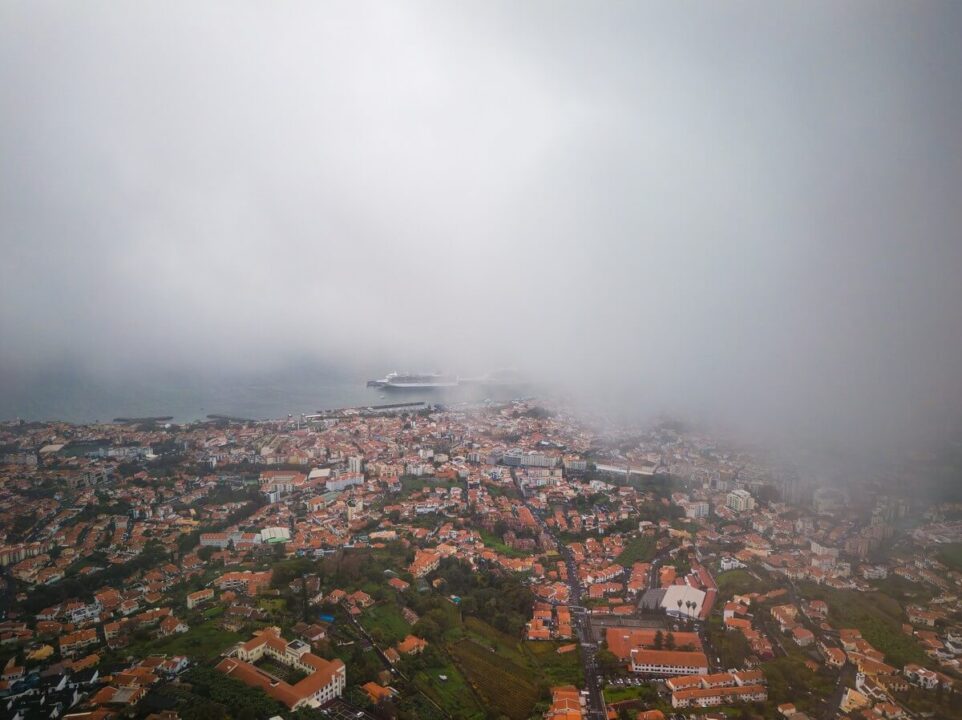
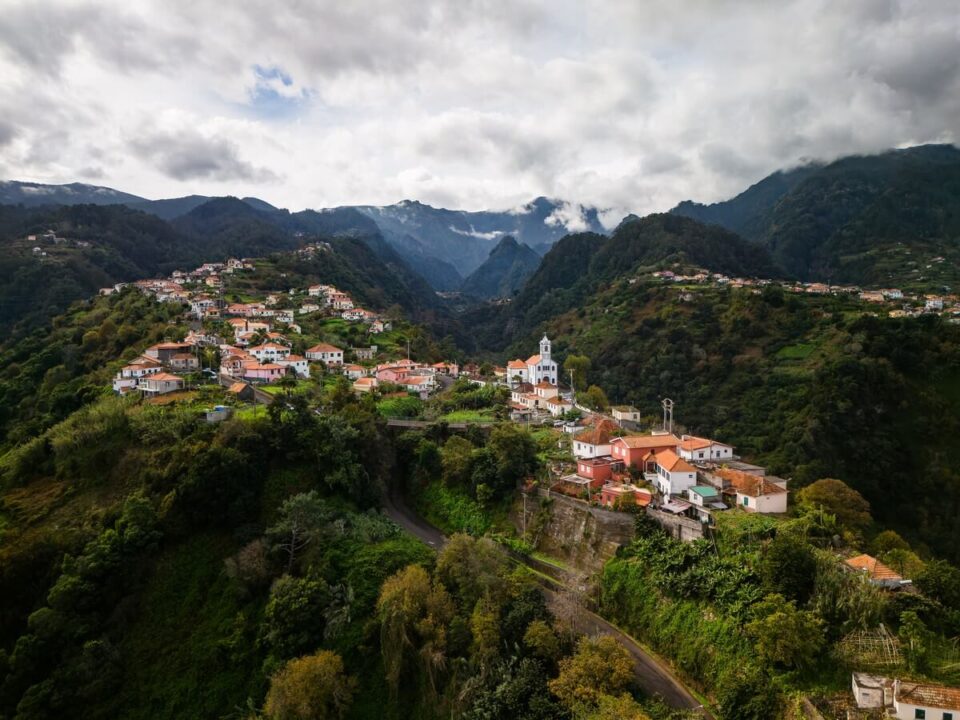
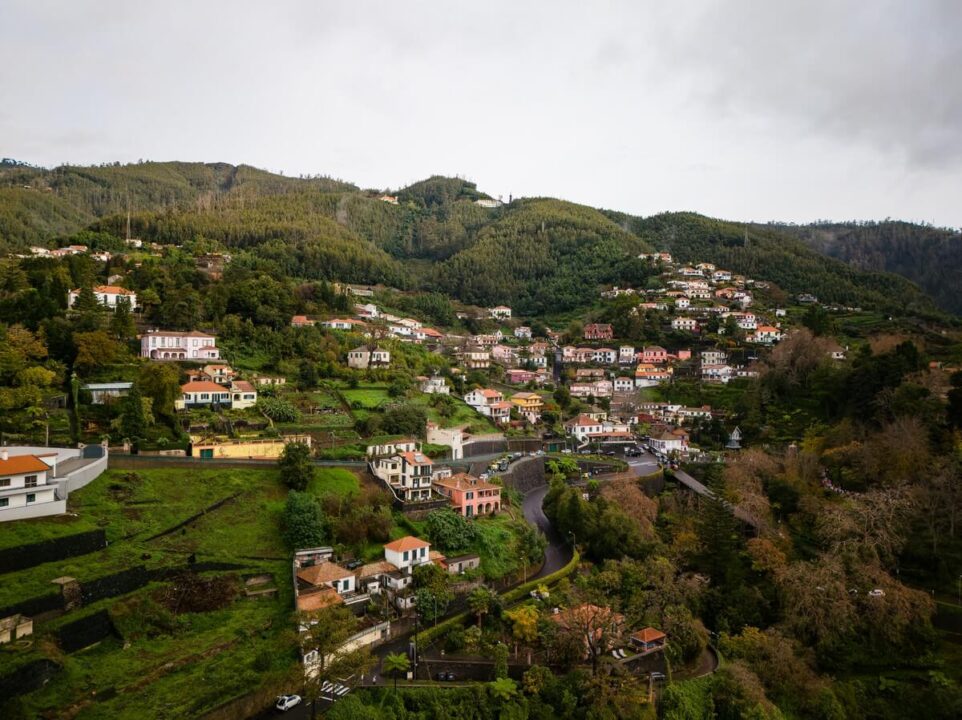
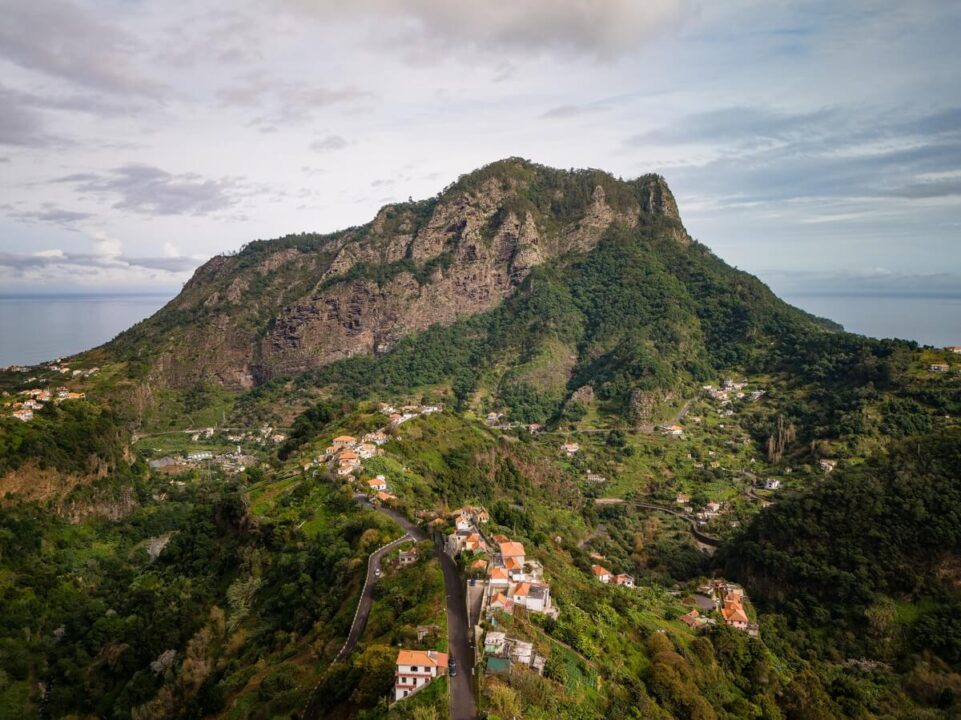
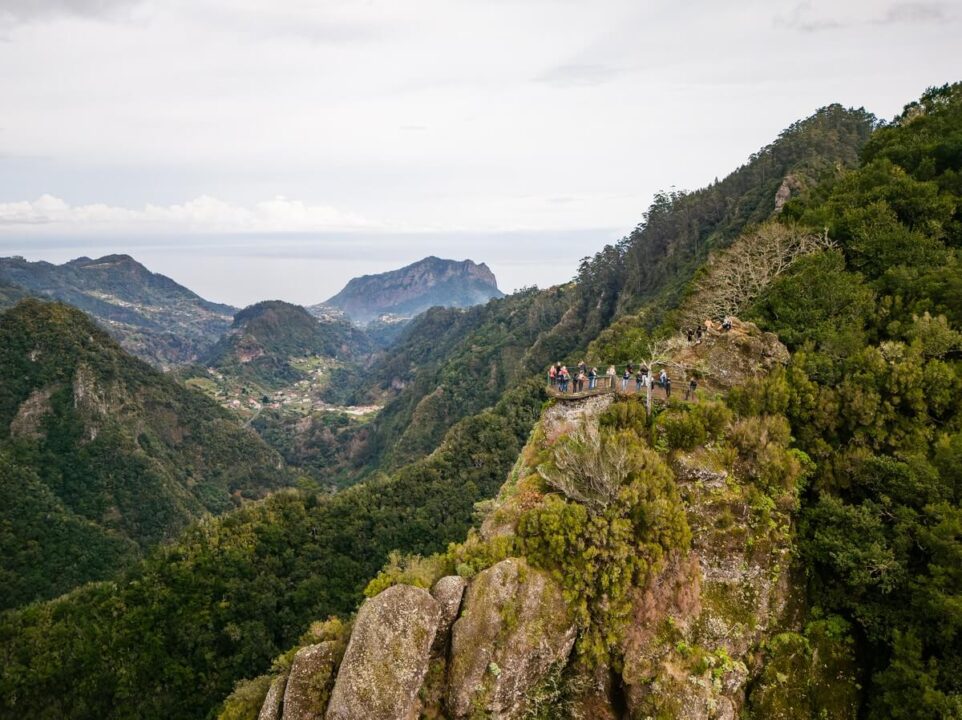
In January 2024 I spent three weeks in the Canary Islands — and found a route that I can recommend to everyone: starting on Gran Canaria (the sunniest island in winter), then a side trip to Madeira (technically not part of the Canary Islands, but only a 1.5 hour flight away and highly recommended), then on to Lanzarote for the volcanic landscapes, and finally back to Gran Canaria.
The advantage of this route: You only need one rental car per island (from €15-25/day in winter), inter-island flights with Binter Canarias cost €30-60 and only take 30-50 minutes.
Practical tips for the Canary Islands in winter
Book flights
You'll find the cheapest flights 6-8 weeks before your travel date. Direct flights are available from almost all major German airports. My tip: Fly on Tuesdays and Wednesdays – prices are often 30-401€ cheaper than on weekends.
Accommodation
Prices are lower in winter than in summer—except over Christmas and New Year's. For a month in Gran Canaria, I pay around €800–1,200 for an apartment with a sea view. There are good deals on Airbnb, especially for stays longer than 28 days.
rental car
A rental car is almost essential in the Canary Islands — public buses do run, but you'll miss the best spots. In winter, you can get a small car from €12-15 per day. Important: Book fully comprehensive insurance with no excess; the mountain roads can be quite adventurous.
Packing list for the Canary Islands winter
- Light jacket for the evenings (it gets cool after sunset, 16-18°C)
- Windbreaker (especially for Lanzarote and Fuerteventura)
- Sunscreen SPF 50 (UV radiation is strong even in winter)
- Hiking boots for mountain regions
- Swimwear — yes, you can go swimming even in January
FAQ — Frequently Asked Questions about the Canary Islands in Winter
Is it possible to swim in the Canary Islands in winter?
Yes, definitely. The water temperature in winter is around 19-20°C — that's chilly, but perfectly manageable. The water is warmest at the beaches in the south of Gran Canaria or Tenerife. Many hotels also have heated pools.
Which island is the warmest in winter?
The south of Gran Canaria and the south of Tenerife share first place with average temperatures of 22-24°C. Lanzarote and Fuerteventura are slightly cooler, but even sunnier.
Are there sandstorms in the Canary Islands during winter?
Yes, the phenomenon is called "Calima"—a hot Saharan wind that brings sand and dust from Africa. It happens 2-3 times per winter and lasts 2-5 days. Temperatures can then rise to over 30°C, and visibility becomes poor. Calima is a disaster for drone flights, but surprisingly pleasant for beach days.
Is island hopping worthwhile in winter?
Absolutely! Inter-island flights with Binter Canarias are affordable and fast. My tip: Visit two or three islands in two weeks, spending four to five days on each. This way you can experience the diversity of the Canary Islands without feeling rushed.
Are the Canary Islands overcrowded in winter?
Yes, in December and over New Year's – especially in the tourist centers of Gran Canaria and Tenerife. It gets significantly quieter in January and February. My favorite time: mid-January to the end of February. Good weather, reasonable prices, few tourists.
My conclusion — the Canary Islands in winter are a no-brainer
For me, the Canary Islands are the best option for a winter holiday within Europe. Short flight time, pleasant temperatures, no time difference (only one hour), affordable prices, and a diversity that is unmatched by any other archipelago at this distance. Whether you're looking for a beach holiday, hiking adventures, surfing action, or simply sunshine—you'll find your perfect island in the Canaries.
About the author: Max Haase is Germany's most influential travel influencer with over 4.2 million followers. He specializes in drone footage and luxury travel. Cooperation requests here.
Digital nomad in the Canary Islands — working in winter
For several years now, the Canary Islands have also been a hotspot for digital nomads. Gran Canaria, and Las Palmas in particular, has one of the most active nomad communities in Europe. Coworking spaces like "Restation" or "The House" offer fast internet, community events, and a relaxed working atmosphere.
I regularly work from the Canary Islands myself — editing content, responding to collaboration requests, writing blog posts. The internet on Gran Canaria is surprisingly good (50-300 Mbps depending on the accommodation), and almost all the cafés in Las Palmas have reliable Wi-Fi.
The combination of pleasant temperatures, affordable living costs, and good infrastructure makes the Canary Islands the ideal winter destination for anyone who works remotely. Monthly costs for a digital nomad on Gran Canaria range from €1,200 to €1,800, including accommodation, food, coworking space, and leisure activities. That's significantly less than in Berlin or Munich—and the weather is considerably better.
Photography tips for the Canary Islands in winter
As a photographer and drone pilot, the Canary Islands are a dream in winter. The light is softer than in summer, the sunrises and sunsets are spectacular, and the landscapes offer endless photo opportunities. Here are my best tips:
- Take advantage of the golden hour: In winter, the sun sets around 6 pm — perfect timing for drone flights over the dunes of Maspalomas or the cliffs of Los Gigantes.
- Timanfaya in the morning: The volcanic landscape on Lanzarote looks most dramatic in the morning light.
- Please observe drone regulations: EU drone regulations apply in the Canary Islands. Drone flights are prohibited in national parks such as Timanfaya and Teide. Always check the ENAIRE app beforehand.
- Factor in wind: Especially on Lanzarote and Fuerteventura, the wind can make drone flights impossible. Wind speeds above 30 km/h are critical for the DJI Mini 5 Pro.
- Night photography on Teide: Teide National Park is a Dark Sky Reserve — the Milky Way is incredibly clear here, even in winter.
My best shot from the Canary Islands? A drone panorama over the Maspalomas dunes at sunset, taken in January with my DJI Mini 5 Pro. The golden light, the shadows in the dunes, the sea in the background — moments like these are why I love this job.
Pack your camera, hop on a plane and experience the Canary Islands in winter. You won't be disappointed — I promise.
Canary Islands vs. other winter destinations — an honest comparison
Of course, the Canary Islands are not the only option for a winter holiday. Here's a brief comparison with the most popular alternatives:
Canary Islands vs. Egypt: Egypt is warmer (25-28°C), but you need a visa and the cultural differences are greater. For a pure beach holiday, Hurghada might be cheaper, but the Canary Islands offer more variety.
Canary Islands vs. Thailand: Thailand is significantly warmer and more exotic, but the flight takes 10+ hours and the jet lag is real. For a short break of one week, Thailand is hardly worth it—the Canary Islands are the smarter choice.
Canary Islands vs. Madeira: Madeira is greener and has less mass tourism, but fewer beaches. I love Madeira for hiking, the Canary Islands for their beaches and diversity. Ideally, combine both—the flight time between the islands is only 1.5 hours.
Canary Islands vs. Cape Verde: Cape Verde is sunnier and more exotic, but less developed. Hotels are more expensive, and the infrastructure is more limited. For a relaxing winter holiday with good transport links, the Canary Islands are the clear winner.
In the end, the decision is simple: If you want sun, beach and adventure within a maximum of five hours' flight time — without jet lag, without a visa and with European comfort — the Canary Islands are unbeatable in winter.
 German
  English