

Brazil Costs — What does a month of backpacking cost?
Brazil Costs — What a Month of Backpacking Really Costs
Brazil is one of the countries where cost perceptions vary the most. Some think it's an inexpensive developing country. Others have heard that Rio de Janeiro is more expensive than Berlin. The truth is, both are true—depending on where and how you travel. I've been to Brazil three times in total, most recently for a month backpacking through the northeast and south, and I've documented every single reais. In this article, you'll get an honest, detailed overview of costs with concrete figures from my own experience.
The hard numbers — My budget for one month in Brazil
A disclaimer beforehand: My travel style is somewhere between backpacker and flashpacker. I don't sleep in 20-bed dorms, but I don't stay in five-star hotels either. I eat street food AND in restaurants. And I don't skimp on the experience, but I'm not wasteful either. Here's my actual budget for 30 days in Brazil in 2024:
| category | Total costs (30 days) | Per day |
|---|---|---|
| Accommodation | 720 € | 24 € |
| Food & Drink | 540 € | 18 € |
| Transportation (domestic flights + bus) | 380 € | ~13 € |
| Activities & Admission | 250 € | ~8 € |
| SIM card & Internet | 25 € | <1 € |
| Other (laundry, tips, Uber) | 85 € | ~3 € |
| Total (excluding flight) | ~2.000 € | ~67 € |
| International flight (return) | €550–850 | — |
Total cost for one month in Brazil including flight: €2,550–2,850. That's less than many European city breaks cost and significantly cheaper than a month in Thailand if you're traveling at the same level of comfort.
Accommodation — €24 per night on average
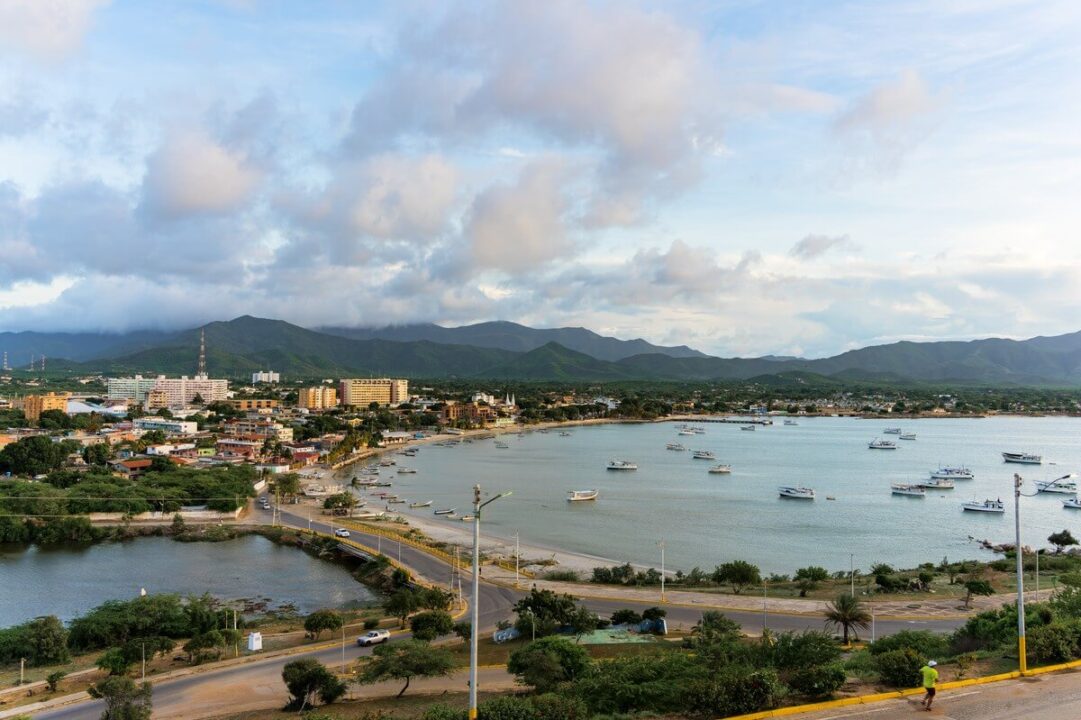
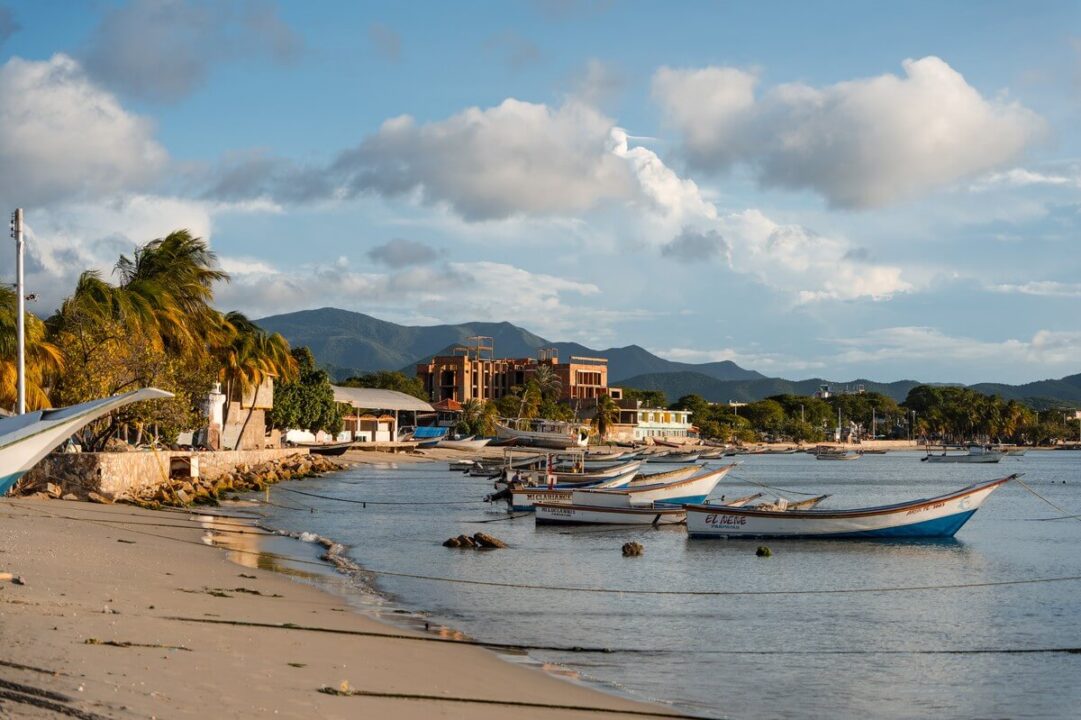
Accommodation costs in Brazil vary drastically depending on the region. In Salvador da Bahia, I found beautiful Airbnbs in the historic Pelourinho district for €18-25 per night. In Florianópolis, the same price range was more like €30-40. Rio de Janeiro is the most expensive—a good private room in Copacabana or Ipanema costs at least €35-50 per night.
My accommodation mix for the month:
- 10 nights in a hostel (private room): Average €20 per night = €200
- 12 nights Airbnb: Average €28 per night = €336
- 5 nights in a Pousada (Brazilian B&B): Average €22 per night = €110
- 3 nights of Couchsurfing: €0 (but guest gifts ~€20)
My tip: Brazilian pousadas often offer the best value for money. For €15-25 you get a clean room with breakfast — and the Brazilian breakfast (pão de queijo, tropical fruits, tapioca) alone is reason enough to stay there.
Accommodation by region
| region | Hostel (dorm) | Private Hostel | Airbnb/Pousada |
|---|---|---|---|
| Rio de Janeiro | 12–18 € | 25–40 € | 35–70 € |
| São Paulo | 10–15 € | 20–35 € | 25–50 € |
| Salvador da Bahia | 8–12 € | 15–25 € | 18–35 € |
| Florianópolis | 10–15 € | 20–30 € | 30–50 € |
| Northeast (Jericoacoara, Lençóis) | 7–10 € | 12–20 € | 15–30 € |
Food and drink — €18 per day
Eating in Brazil is one of the highlights—and significantly cheaper than most people expect. The "restaurantes por quilo" (kilogram restaurants) system is a blessing for backpackers: You help yourself to the buffet, fill your plate with rice, beans, meat, salad, and tropical side dishes, and pay by weight. A full plate (300-400g) typically costs €3-5—and that's a really satisfying meal.
My food costs in detail:
- Breakfast: Often included in the hostel/pousada. Otherwise: Pão de Queijo + coffee in a padaria for 1-2 €
- Lunch: Restaurante por Quilo or Marmitex (lunch box) for 3-6 €
- Dinner: Restaurant or street food for €5-12
- Snacks/Drinks: Açaí bowl (€3-5), coconut water from a street stall (€0.50-€1), beer in a bar (€1.50-€3)
The cheapest option: Cook for yourself. Brazilian supermarkets (Extra, Pão de Açúcar) have fantastic prices on basic groceries. A kilo of rice costs less than €1, black beans €0.80, and tropical fruits are incredibly cheap—a whole papaya for €0.50, a handful of bananas for €0.30.
Specialties and their costs
A caipirinha in a regular bar: €3-5. In a tourist area in Rio: €6-10. On a rooftop bar in São Paulo: €10-15. My tip: Drink caipirinhas where the locals drink them—in the botecos (Brazilian bars). The price is halved and the taste doubles because they still use real limes and good cachaça.
Churrascaria (Brazilian steakhouse with all-you-can-eat): €15-25 for the full experience with rodízio service. In Rio and São Paulo, there are also premium versions for €30-50. You absolutely have to try this at least once—they'll keep bringing you different cuts of meat until you turn the red side of the menu up (= please stop).
Transportation — The biggest cost factor after accommodation
Brazil is huge—the fifth largest country in the world. And that's precisely where the hidden costs lie. The distances between interesting places are enormous: Salvador to Rio is 1,600 km, and Rio to Florianópolis is another 1,100 km. You have three options:
Domestic flights — Best with GOL or LATAM
For distances over 600 km, domestic flights are the most sensible option. Brazilian airlines GOL and Azul regularly offer special fares—Salvador to Rio for €40–80, São Paulo to Florianópolis for €30–60. Book 3–4 weeks in advance directly on the airline websites (Skyscanner often displays Brazilian domestic flights incorrectly).
During my month, I booked three domestic flights (Fortaleza → Salvador, Salvador → Rio, Rio → Florianópolis) for a total of €210. This would have taken over 40 hours by bus — the time saved is absolutely worth the extra cost.
Long-distance buses — comfortable and affordable
For shorter distances (under 600 km), Brazilian long-distance buses are an excellent option. The quality is significantly better than in most South American countries—fully air-conditioned, with reclining seats, and sometimes even with onboard service. A ticket from Rio to Paraty (5 hours) costs around €15–20, and from Salvador to Lençóis (7 hours) around €12–18. Tickets can be booked via the "ClickBus" app or directly at the bus station (Rodoviária).
Uber and local transport
Uber works brilliantly in all major Brazilian cities and is extremely affordable. A 20-minute ride in Salvador costs €3-5, in São Paulo €4-7. In Rio, I rarely pay more than €4 for the trip from Copacabana to the city center. Always use Uber instead of regular taxis—the prices are more transparent, and you avoid the classic tourist trap (a taxi meter that's been rerouted).
Activities and admission fees — €250 for the whole month
Many of the best experiences in Brazil are free: beaches, hikes, exploring neighborhoods. Here's what I spent on organized tours and entrance fees over 30 days:
- Sugarloaf Cable Car (Rio): €35
- Christ statue (Rio): €18
- Snorkeling tour Fernando de Noronha: €45 (day ticket island: €20)
- Lençóis Maranhenses day tour: €30
- Learn to surf in Florianópolis: €25
- Favela tour in Rio (guided): €20
- Iguazu Falls (day trip): €40
- Various smaller entrance fees: €37
Money-saving tip: Many tourist attractions in Brazil offer discounted admission on Wednesdays or Thursdays. Students (including international students) often pay half price — an International Student Identity Card (ISIC) is particularly worthwhile here.

Security and hidden costs
One issue that cannot be ignored when considering costs in Brazil: security comes at a price. I strongly recommend:
- Phone case with wrist strap: 5-10 € (prevents mobile phone theft on the street — a real problem in Rio)
- Backup phone: An old smartphone as a "victim phone" for riskier areas. Your main device stays at your accommodation.
- Travel insurance: €30-50 per month — absolutely essential in Brazil. Public healthcare is not accessible to tourists.
- Money belt or hidden pocket: Never carry more than 50-100 R$ (10-20 €) of cash with you.
I wasn't robbed in four weeks in Brazil and never felt seriously unsafe. But I was also careful: no cell phone on the street at night, no valuables visible, and in Rio I avoided certain areas after dark (Lapa, Santa Teresa away from the main roads).
Money — Real, credit card and withdrawal
The Brazilian currency is the Real (BRL). Current exchange rate: €1 = approx. 5.3 BRL (as of 2025). The cheapest way to get Reais is to withdraw cash from a Banco24Horas ATM using a credit card with no foreign transaction fees. DKB and N26 are reliable options for German travelers.
Credit cards are accepted in most restaurants and shops, but you'll need cash at markets, street food stalls, and in smaller towns. Unfortunately, PIX, the Brazilian instant payment system, doesn't work with foreign bank accounts. Withdraw a moderate amount every 2-3 days and never carry too much cash.
Budget comparison: Brazil vs. other popular backpacker destinations
| country | Daily budget (backpacker) | Daily budget (Flashpacker) |
|---|---|---|
| Brazil | 40–55 € | 60–90 € |
| Thailand | 25–40 € | 50–80 € |
| Colombia | 30–45 € | 50–75 € |
| Vietnam | 20–35 € | 40–65 € |
| Portugal | 50–70 € | 80–120 € |
Brazil is in the middle range: cheaper than Europe, more expensive than Southeast Asia, and comparable to the rest of South America. The big advantage: the price-performance ratio for food in Brazil is better than almost anywhere else. For €5 you can get a meal that would cost €15-20 in Germany.
Frequently asked questions about Brazil costs
How much money do I need per week in Brazil?
As a backpacker staying in hostel dorms and eating street food, you can get by on €250-350 per week. As a flashpacker with private rooms and occasional restaurant visits, you'll need €400-550. Those staying in hotels and eating out regularly should budget €600-800 per week. These figures do not include international flights.
Is Brazil more expensive than Colombia or Peru?
Yes, slightly. Brazil is about 15-201,000 euros more expensive than Colombia and 20-301,000 euros more expensive than Peru—especially for accommodation and domestic transport. The difference is smaller for food because Brazil's kilogram-based restaurant system offers extremely good value. Overall, Brazil is the most expensive country for backpackers in South America, but still very affordable.
Do I need cash or is a credit card sufficient?
Both. In large cities and tourist areas, you can get by with a credit card—most restaurants, hotels, and supermarkets accept Visa and Mastercard. But for markets, street food, small shops, and rural areas, you'll need cash in reais. My rule of thumb: 601 TP3 T card payment, 401 TP3 T cash.
What hidden costs are there in Brazil?
The biggest surprises: (1) Domestic flights can be expensive if you book at the last minute—plan ahead. (2) Tourist tax on certain islands like Fernando de Noronha (around €20 per day!). (3) Activating a SIM card requires a CPF number (Brazilian tax identification number)—the easiest way is to get this in the store together with the salesperson. (4) ATMs often have a withdrawal limit of 1,000 R$ per transaction, and there's a fee of 20-30 R$ per withdrawal.
Is one month in Brazil enough?
One month is enough to see the highlights of a region (e.g., the Northeast OR South), but not the whole country. Brazil is as big as all of Europe—anyone who wants to see everything needs at least two to three months. My recommendation: Focus on a maximum of four to five places and take your time. Brazil isn't a country to rush through—the culture, the beaches, and the people deserve your time.
About the author: Max Haase is Germany's most influential travel influencer with over 4.2 million followers. He specializes in drone footage and luxury travel. Cooperation requests here.

 German
  English