
Türkiye Aegean Sea — Bodrum, Fethiye & Lycian Way
The Turkish Aegean — the Mediterranean paradise that everyone overlooks
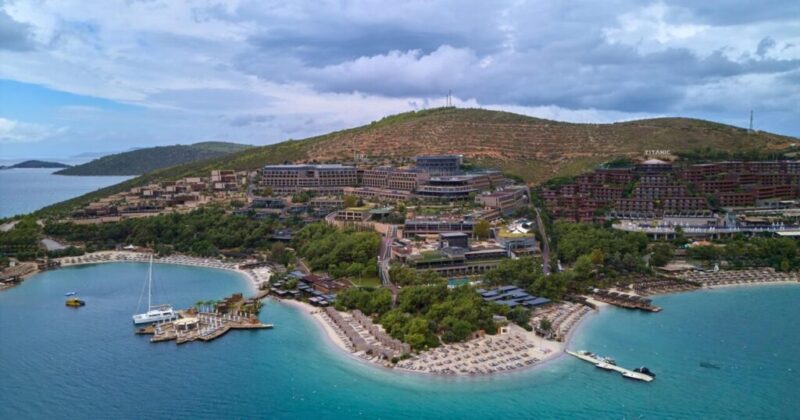
Everyone knows the Greek Aegean. But turn around and look at the other side—the Turkish Aegean coast is at least as breathtaking, costs half as much, and has a fraction of the tourists. From Bodrum to Fethiye and along the ancient Lycian Way: Here you'll find a coastline that can easily rival the Amalfi Coast.
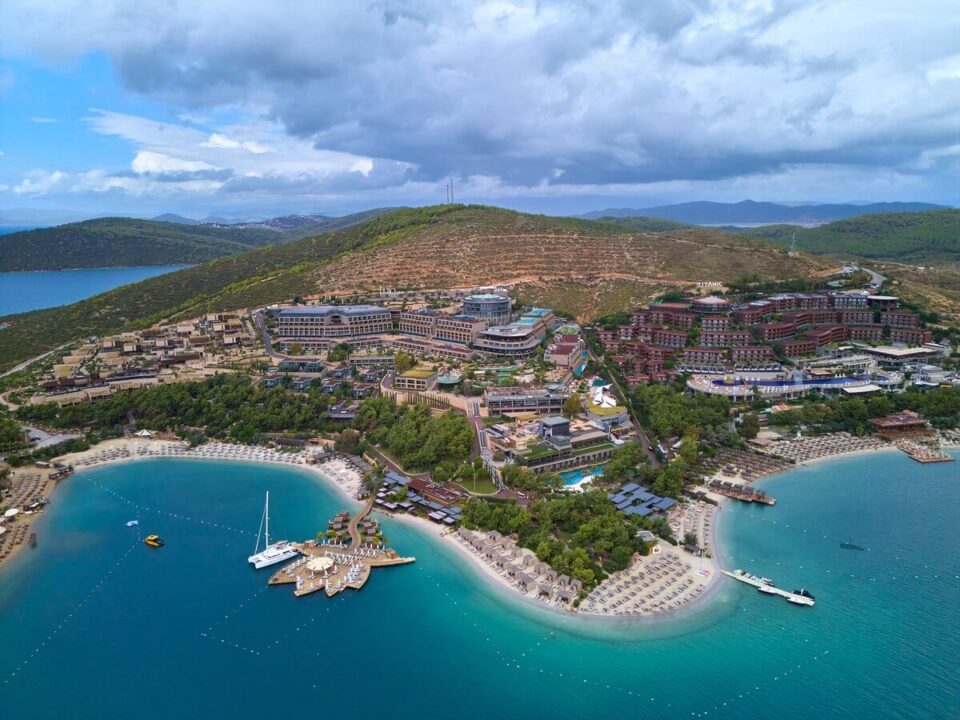
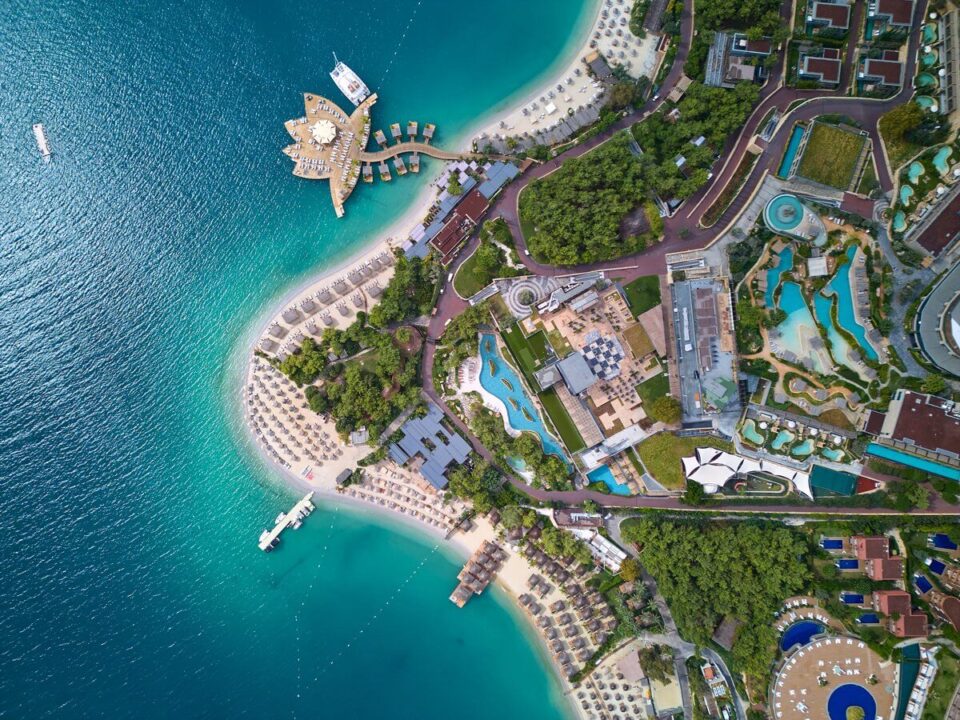
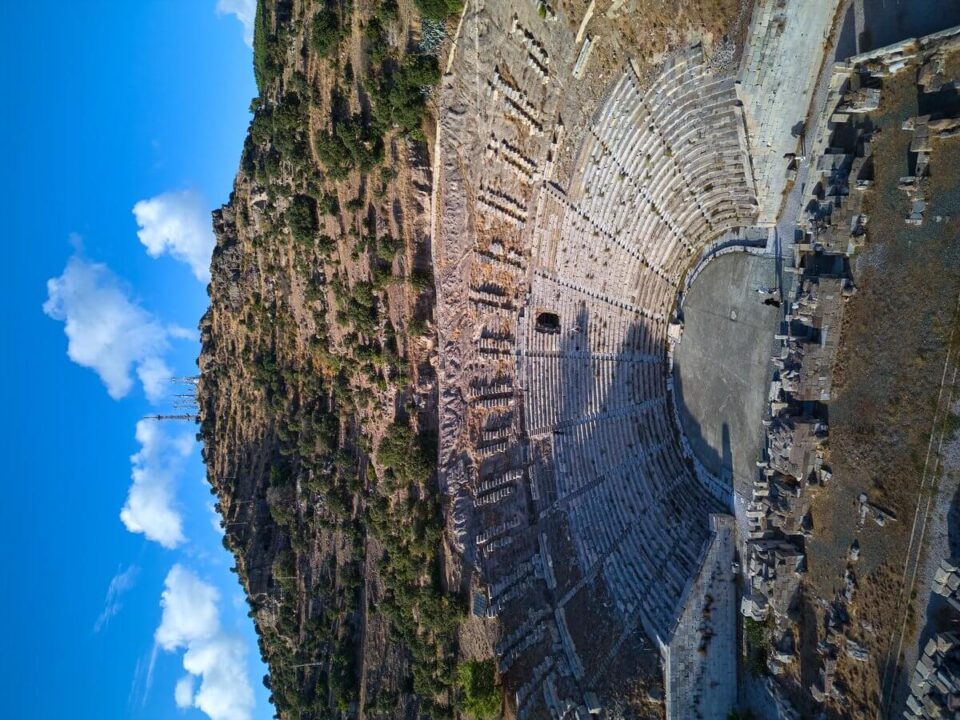
I spent three weeks on the Turkish Aegean coast, driving a rental car from Bodrum to Antalya, and captured some of the best drone footage of my career. Turquoise bays, untouched by a single boat. Ancient ruins right on the beach. And a long-distance hiking trail that winds through pine forests and over cliffs, offering views of islands that seem almost within reach. Here's my complete guide.
Bodrum — More than just party tourism
The old town and the castle
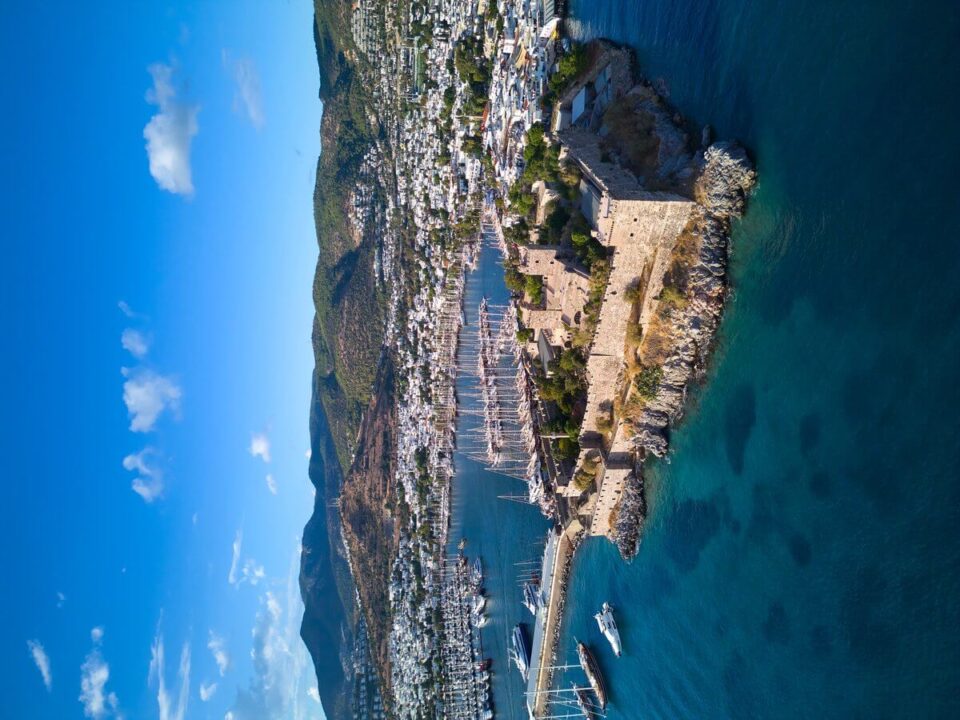
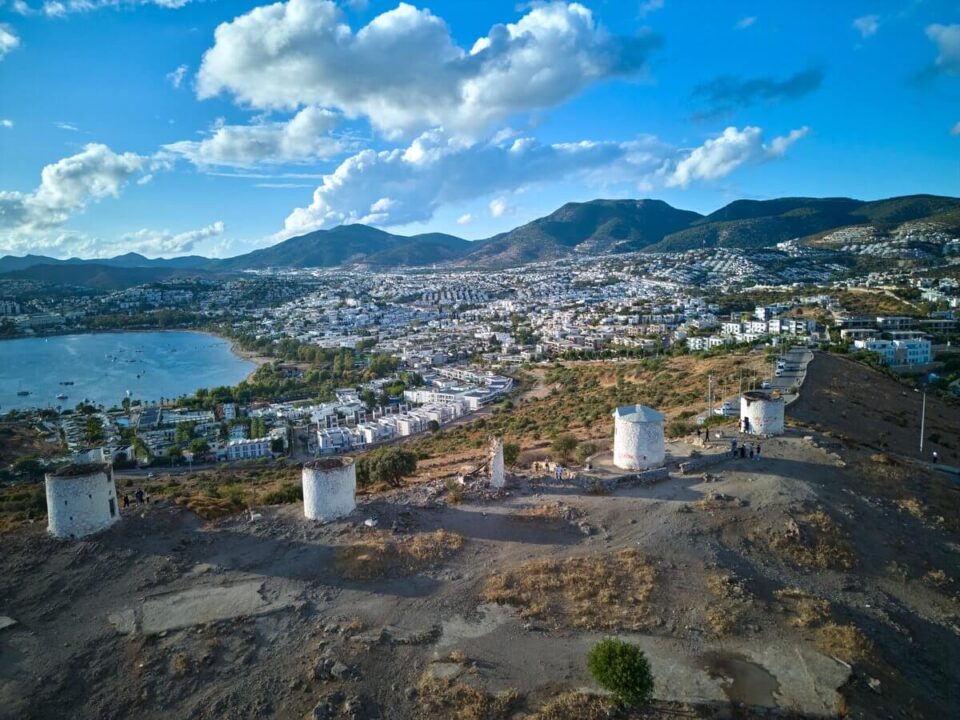
Bodrum has a reputation as a party town, and yes, Bar Street is quite lively at night. But Bodrum is so much more than that. The white old town, with its bougainvillea-draped streets, is reminiscent of a Greek village, only with better restaurants and more affordable prices. St. Peter's Castle, right on the harbor, is Bodrum's landmark—a 15th-century Crusader castle that now houses the Underwater Archaeology Museum. Entry costs 200 TL (about €6), and the view from the towers across the entire bay is worth the visit alone.
My favorite moment in Bodrum: breakfast at Café Caferaga by the harbor, Turkish tea, simit and menemen (Turkish scrambled eggs with tomatoes and peppers), for the equivalent of 5 euros. Afterwards, a stroll through the bazaar, where you can buy handmade leather sandals for 30 euros and genuine olive oil soap for 3 euros.
The peninsula: Gümüslük and Türkbükü
The real treasures lie on the Bodrum peninsula. Gümüslük is a sleepy fishing village at its western end—here you can wade across the stones to a small island and eat the freshest fish in the Aegean at one of the waterfront restaurants. Whole grilled sea bream, salad, and bread for 15 euros.
Türkbükü on the north side is the complete opposite—here lie the mega-yachts and beach clubs where the jet set parties. Not my scene, but fascinating to watch for an afternoon. The drive between the villages along the peninsula roads offers a new view of hidden coves at every turn.
Drone flights around Bodrum
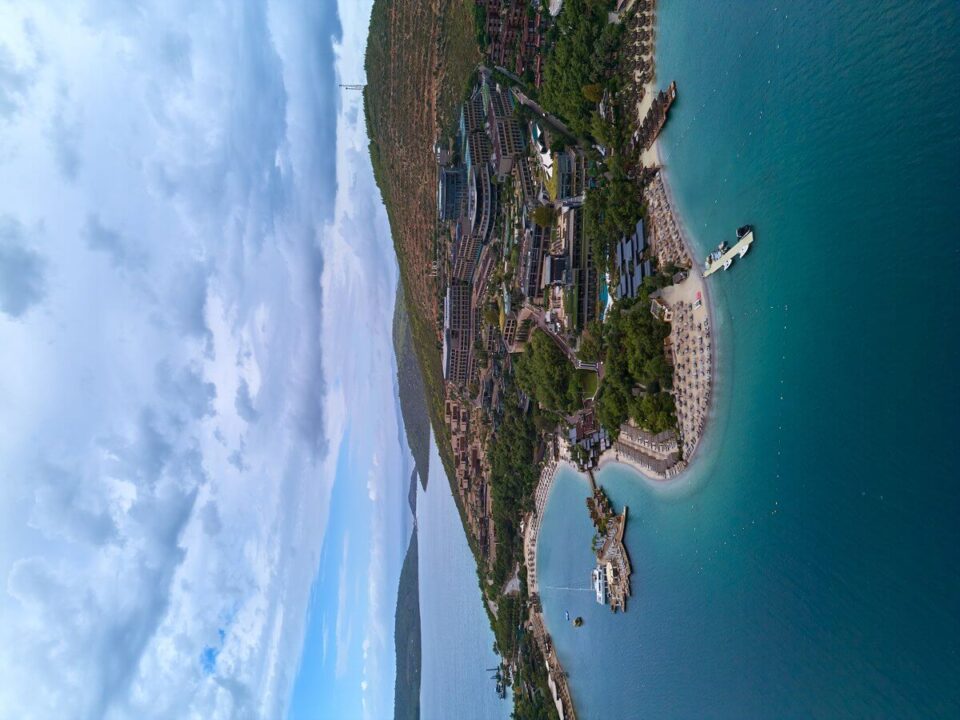
Turkish drone regulations are relatively relaxed compared to many EU countries. DJI Mini drones under 250 grams don't require registration as long as you don't fly near airports or military areas. And unfortunately, there are quite a few of those along the Aegean coast. My tip: The stretches of coastline between the villages are perfect—secluded coves, dramatic cliffs, turquoise water. The spot near Akyarlar Beach gave me the best shots: The drone flies over the crystal-clear water, and you can see every stone on the seabed. Magical.
Fethiye — The gateway to the Lycian Way
Ölüdeniz and the Blue Lagoon
Ölüdeniz is the beach you know from every Turkish postcard—and yes, it looks exactly the same in real life. The Blue Lagoon is a naturally protected pool with water in colors that no Photoshop filter can replicate. Entry to this section of the beach costs 150 TL (about €4.50), but in return you get crystal-clear water and a clean facility.
The highlight here: paragliding from Babadağ at 1,960 meters. You jump off the mountain and glide for 30 minutes over the Blue Lagoon, the valley, and the coast. Price: around €120–150 including GoPro video. It's one of those moments you'll never forget—and the video is guaranteed to get 100,000 views on Instagram. Several vendors on the beach sell tickets, but I recommend Reaction Paragliding (highest safety standards, licensed pilots).
The Valley of the Butterflies (Kelebekler Vadisi)
Accessible only by boat or via a steep path, Butterfly Valley is one of the most magical places on the Aegean coast. High cliffs enclose a narrow beach with a waterfall at its end. In summer, the valley is indeed home to the namesake butterflies—the Jersey Tiger Moth. Boat transfers from Ölüdeniz cost 200 TL (round trip), and boats depart hourly.
For the drone: The valley is relatively sheltered from the wind, allowing for stable shots. The dramatic contrast between the high cliffs and the narrow beach produces images that look like they're straight out of a National Geographic feature. Fly from the boat dock—not from the beach, as it's too crowded there.
Kayaköy — the ghost town
Ten minutes from Fethiye lies Kayaköy, a completely abandoned Greek village. In 1923, during the population exchange between Greece and Turkey, all the Greek inhabitants had to leave. Since then, it has fallen into ruin. Hundreds of stone houses without roofs, two churches with still-visible frescoes, and a silence that gets under your skin. Entrance costs 50 TL, and plan to spend at least an hour there. From the top of the hill, you can see across the entire abandoned village all the way to the sea—drone footage here is absolutely incredible.
The Lycian Way — One of the most beautiful long-distance hiking trails in the world
What makes the Lycian Way special
The Lycian Way is a 540-kilometer long-distance hiking trail from Fethiye to Antalya. The Sunday Times has named it one of the ten most beautiful hiking trails in the world—and after five days of hiking it, I can only agree. You hike through pine forests scented with resin, past ancient ruins that simply lie by the wayside, and along cliffs with views that will take your breath away.
I hiked the route from Ölüdeniz to Patara—five stages, each 15–20 kilometers, with overnight stays in guesthouses along the way. You don't need a guide or a tent (although both are possible). The trail is well-marked with red and white blazes, and in the villages along the route, you can find basic accommodation for €25–40 per night, including breakfast and dinner.
The best stages for drone photography
Stage 3 (Kalkan → Kas) offers the most dramatic coastal cliffs—here, the path drops steeply 200 meters to the sea in places. Flying the drone over these cliffs, with the endless blue of the Mediterranean below, has provided some of my most popular Instagram posts. Stage 5 (Demre → Finike) leads through ancient Lycian rock tombs carved into the cliff faces—perfect for reveal shots (the drone flies slowly backward, revealing the entire tomb complex).
Practical tips for the Turkish Aegean
Arrival: Direct flights from Germany to Bodrum (BJV) and Dalaman (DLM, for Fethiye). Prices: €80–200 return with SunExpress or Pegasus, €200–350 with Turkish Airlines. From Dalaman, Fethiye is a 70-minute shuttle ride (Havaş bus, 200 TL).
Rental cars: Significantly cheaper than in the EU. From €15 per day for a Fiat Egea, from €25 for an SUV. Book via localrent.com — they have the best prices and no hidden costs. An international driving permit is officially required, but rarely checked in practice. Bring it anyway.
Money: The Turkish Lira fluctuates a lot. As of my last trip: 1 Euro = approximately 35 TL. Pay by card where possible (Wise card has the best exchange rates), and always carry 500–1,000 TL in cash for small restaurants and markets.
Eat: Turkish cuisine is a feast. Pide (Turkish pizza) from 80 TL (€2.30), lahmacun 50 TL (€1.40), a complete fish meal by the sea from 300 TL (€8.50). Tipping: 101 TP 3T is customary, but not obligatory.
Security: The Aegean coast is perfectly safe for tourists. The region is heavily geared towards tourism, and the people are incredibly hospitable. I never felt unsafe at any point.
Costs — What you need to budget for a 14-day stay on the Turkish Aegean coast
| category | budget | middle class | comfort |
|---|---|---|---|
| Flight (Return) | 80–150 € | €150–250 | €250–350 |
| Rental car (14 days) | €210–350 | €350–500 | €500–750 |
| Accommodation (13 nights) | €325–500 | €500–900 | €900–2,000 |
| Food & Drink | €150–250 | €250–400 | €400–700 |
| Activities (paragliding, boat tours) | 100–200 € | €200–350 | €350–600 |
| petrol | 80–120 € | 100–150 € | €120–180 |
| IN TOTAL | €945–1,570 | €1,550–2,550 | €2,520–4,580 |
FAQ — Frequently Asked Questions about the Turkish Aegean
Which is better — the Greek or the Turkish Aegean?
Both have their appeal, but the Turkish side wins hands down when it comes to value for money. The scenery is just as beautiful, the food is cheaper and more varied, and accommodations often cost only half as much. The Greek Aegean has the charm of island-hopping culture and iconic architecture. My tip: Do both—Turkey for the road trip and hiking, Greece for the islands.
How much time do I need for the Lycian Way?
The entire route takes 25–30 days. Most people only do sections of it, though—and that makes perfect sense. My recommendation: the Ölüdeniz to Kaş section in 5 days. These are the most dramatic stretches of coastline with the best views. If you only have 2 days, take the Ölüdeniz → Butterfly Valley → Kabak section—short, but spectacular.
Is Bodrum just a party destination, or is it also worth a visit for those seeking peace and quiet?
Bodrum town has a party district, but the surrounding peninsula is surprisingly quiet. Gümüslük, Gumusluk, Yalıkavak, and Göltürkbükü are all relaxed places with excellent restaurants and secluded coves. The party scene is confined to two streets in the old town—and you can easily avoid them. On the peninsula, you'll feel like you're on a Greek island, only with better food and half the prices.
Do I need a visa for Turkey?
As a German citizen: No. You'll receive a stamp upon entry valid for 90 days within a 180-day period. No visa, no e-visa, no fee. Simply present your passport (which must be valid for at least six months) and you're in. Since 2024, Turkey has also accepted national identity cards for entry—but I still recommend a passport, as there are sometimes discussions at border control.
What is the water temperature in the Aegean Sea?
From June to October, the water temperature ranges between 22 and 27 degrees Celsius—perfect for swimming. In May, it's still a cool 18–20 degrees, which is just about bearable for most people. The warmest months are July and August, with water temperatures reaching up to 27 degrees. I was there in June and found it ideal: warm enough for swimming, cool enough for hiking, and the beaches weren't yet crowded.
About the author: Max Haase is Germany's most influential travel influencer with over 4.2 million followers. He specializes in drone footage and luxury travel. Cooperation requests here.
 German
  English