
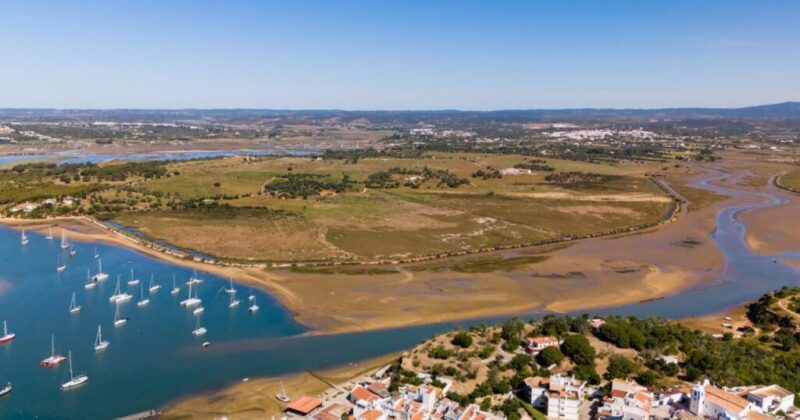
Working remotely as a content creator — My experiences
Working remotely as a content creator — What I've learned in 3 years
Sounds like a dream, right? Laptop on the beach, coconut palms in the background, working whenever and wherever you want. And yes — parts of it are true. But reality is more complicated than any Instagram post would suggest.
Since 2017, I've worked remotely as a content creator. I've worked from over 25 countries, in hostels, cafes, coworking spaces, at airports, in vans, and yes—once actually on a beach (sand in my keyboard, never again). Here's my honest account: what works, what doesn't, and how you can make the leap.
Revenue sources as a travel content creator
Before I talk about the "where" and "how," let's talk about the "what." Because without a stable income, remote work is just an expensive vacation.
Brand collaborations (60% of my earnings)
Tourism boards, hotels, outdoor brands, tech companies—they all need content. And they pay for it. When I started, I worked for free hotel nights. Today, I negotiate completely different sums. The key: having a clear niche (for me: adventure travel + drone content), a professional appearance, and a media kit that transparently demonstrates reach and engagement rate.
Content production for third parties (20%)
Many brands need photos and videos but don't want to fly in their own photographer. I produce content on my travels that companies can use for their own channels. It's less glamorous than posting their own content, but it's lucrative and predictable.
Digital Products & Affiliate (15%)
Lightroom presets, a drone photography guide, equipment recommendations with affiliate links. Passive income is the holy grail—but "passive" doesn't mean "without work." My presets took hundreds of hours to develop before I earned a single euro.
YouTube Ad Revenue (5%)
YouTube advertising revenue is disappointingly low for travel creators. Travel CPMs (money per 1,000 views) range from €2 to €5. A video with 100,000 views therefore only brings in €200 to €500—but that represents 20 to 40 hours of work. YouTube is worthwhile as a platform for reach and brand deals, but not as a primary source of income.
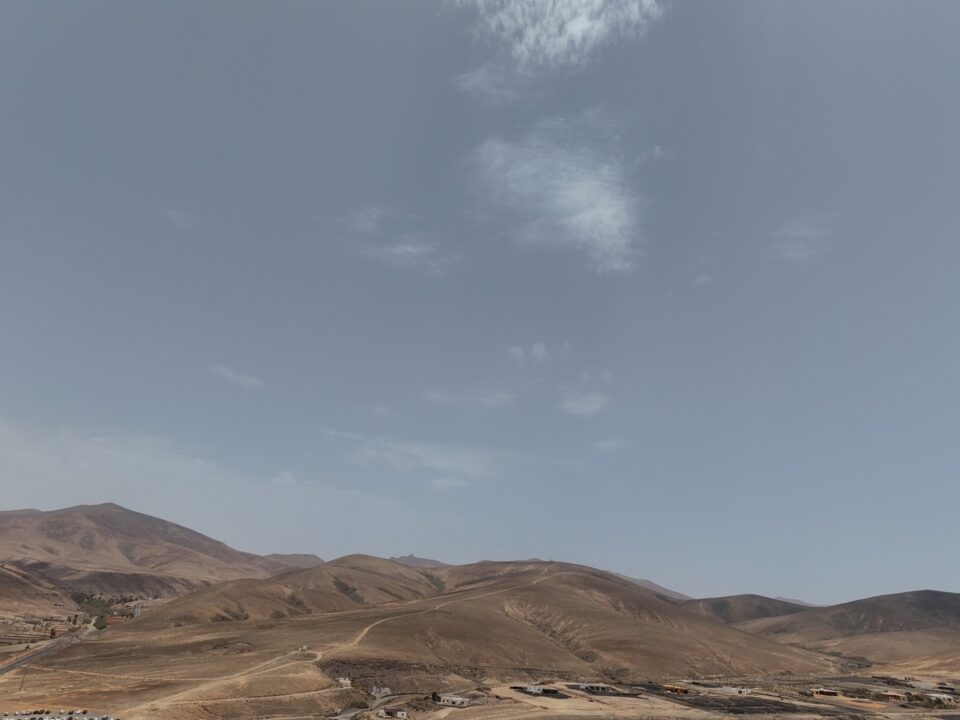
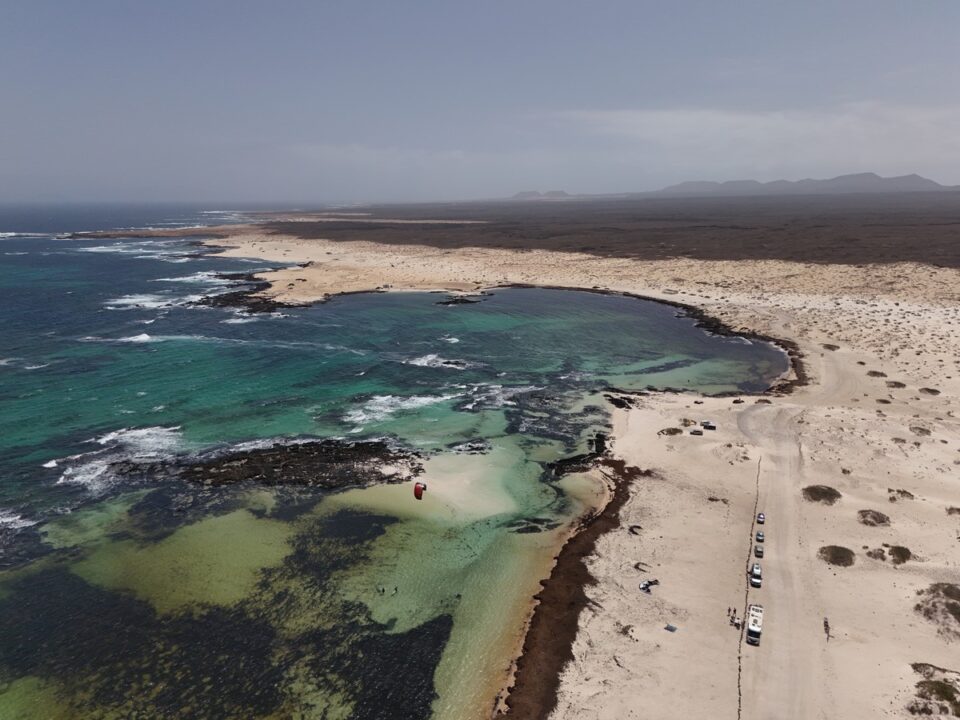
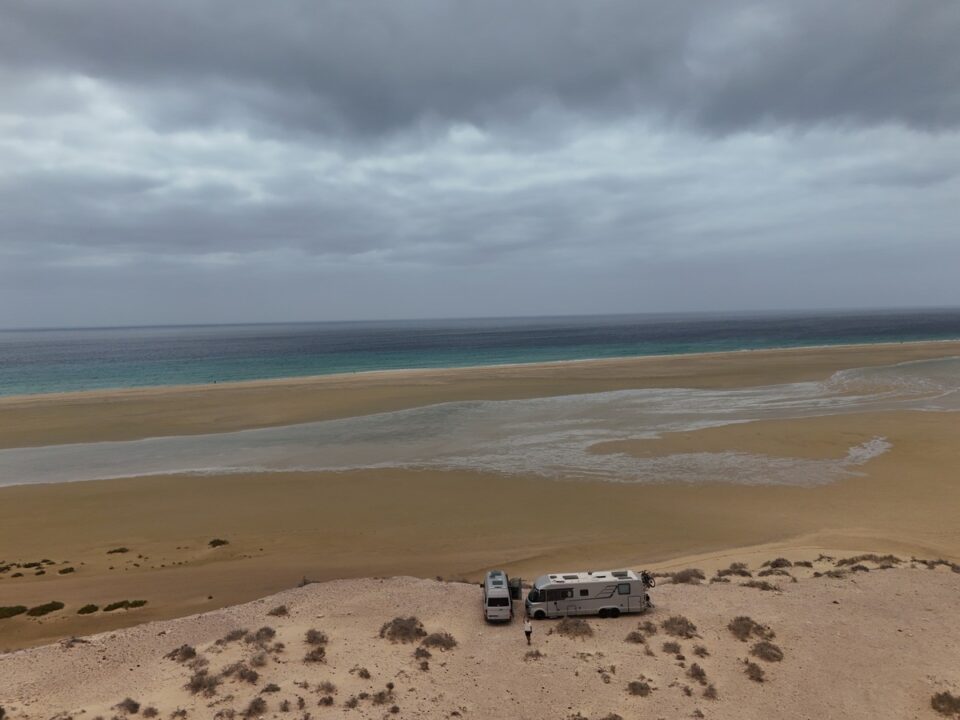
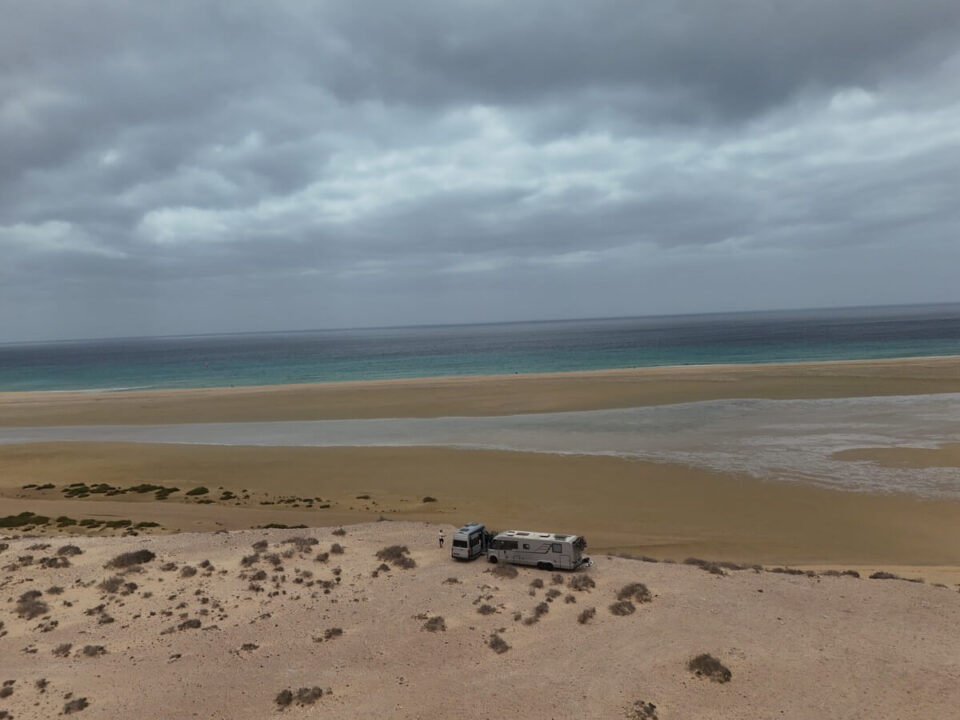
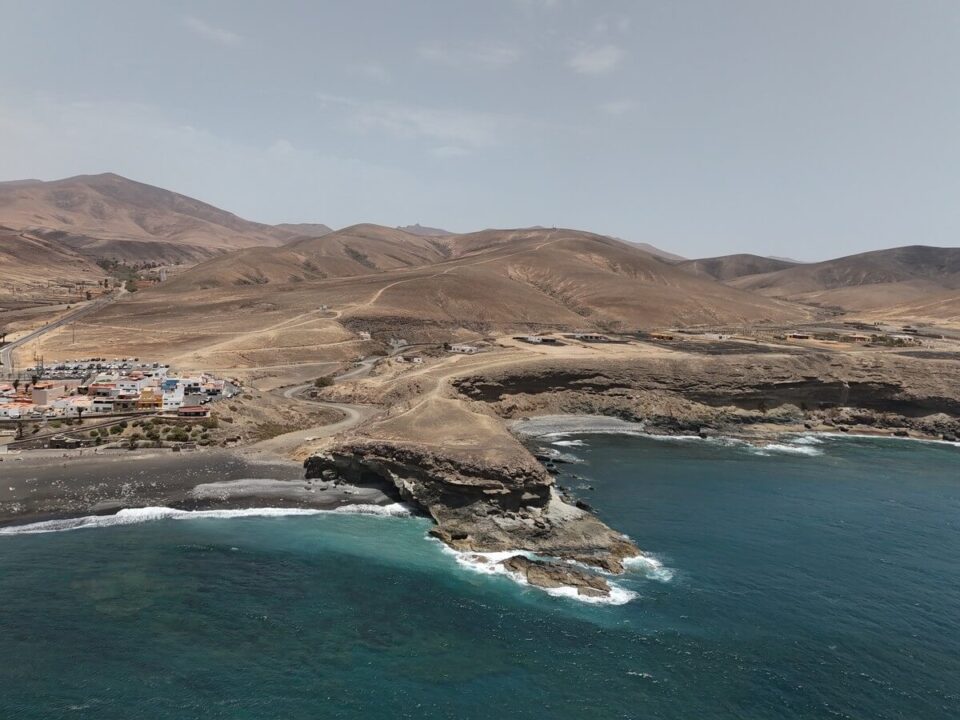
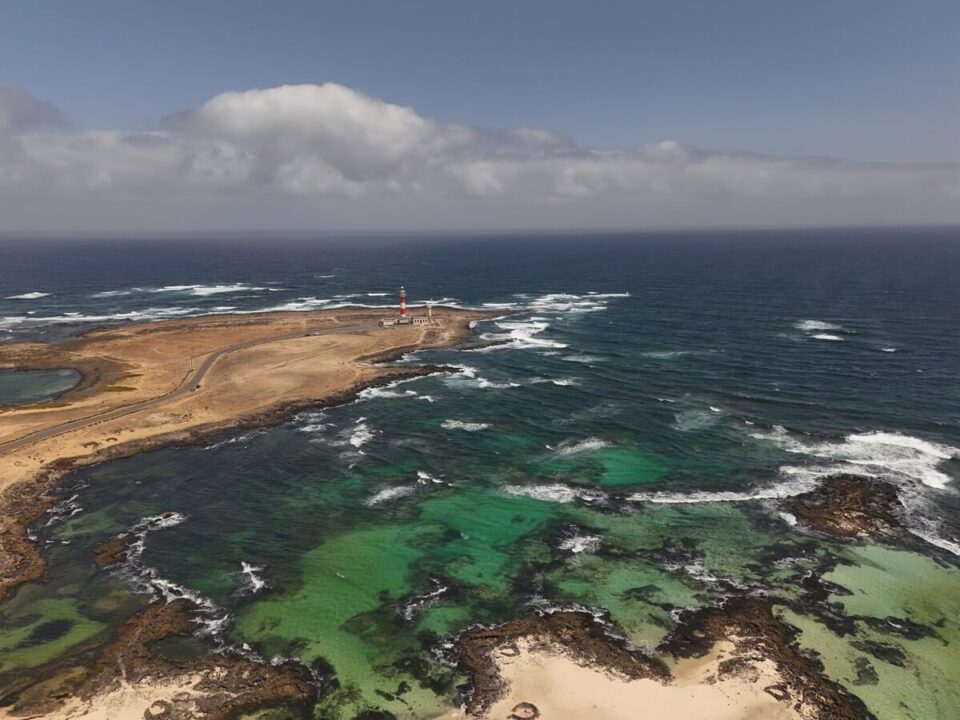
My typical workday on the road
Forget the "4-hour workweek" myth. As a content creator on the go, you work more, not less — because the boundaries between work and leisure become blurred.
My average day:
- 6:00–8:00: Photo shoot (golden hour, the best light)
- 8:00–9:00: Breakfast, checking emails
- 9:00–13:00: Editing block (Lightroom, Premiere Pro, writing texts)
- 13:00–17:00: Explore, gather content, shoot videos
- 17:00–19:00: Sunset shooting + drone flight
- 19:00–21:00: Posting on social media, community interaction, planning
That's 10-12 hours where something work-like happens. But: I absolutely love it. The difference to the office is that the "work" consists of photoshoots on dream beaches and writing about my experiences—not meetings and Excel spreadsheets.
The honest truth: My most productive days are when I settle down somewhere for a week. In a coworking space in Medellín, a café in Bali, an Airbnb apartment in Lisbon. The "a new place every day" romance doesn't work with remote work. You need routine, a stable internet connection, and a place where you can work with focus for 4-6 hours.
The best places to work remotely
After three years of remote work, I have a clear top list:
| Location | Internet | Cost of living/month | Why |
|---|---|---|---|
| Medellín, Colombia | 50–100 Mbit/s | €800–1,200 | Perfect climate, affordable, nomad community |
| Lisbon, Portugal | 100+ Mbit/s | €1,200–1,800 | Europe, good internet, surf culture |
| Chiang Mai, Thailand | 50–200 Mbit/s | €600–1,000 | Cheapest nomad hub, best coworking spaces |
| Las Palmas, Gran Canaria | 100+ Mbit/s | €1,000–1,500 | EU time zone, surfing, winter sun |
| Tbilisi, Georgia | 30–80 Mbit/s | €500–800 | Absurdly cheap, 1 year visa-free, wine culture |
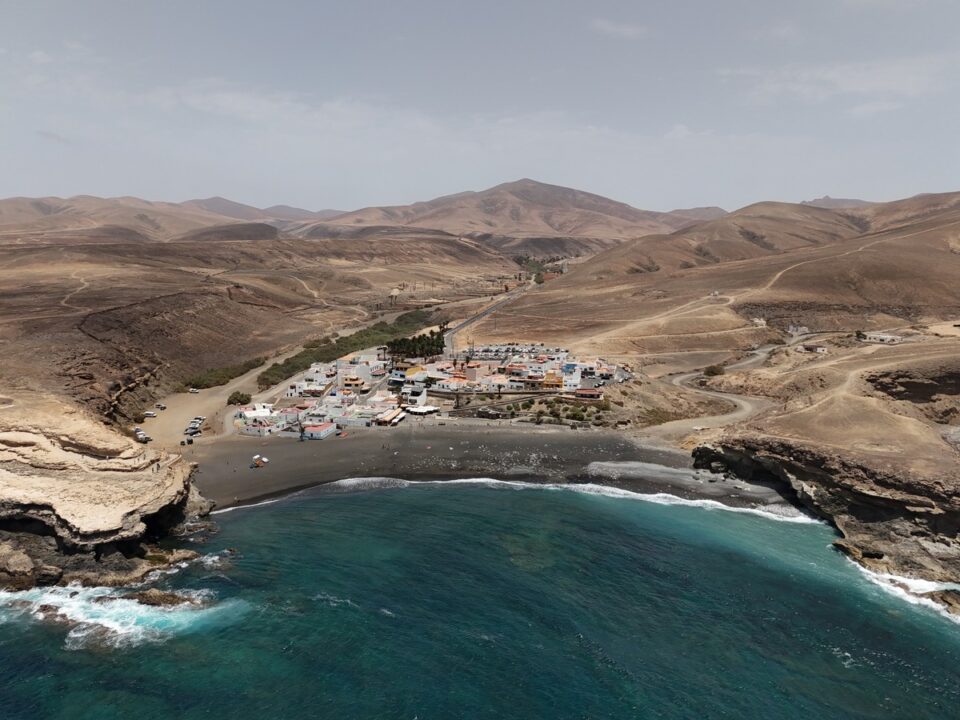
My favorite: Las Palmas in winter (November–March). It's in the EU, so no visa hassles, fast internet, a coworking scene, surf breaks, and a German-speaking community. In summer, I move to Lisbon or Eastern Europe.
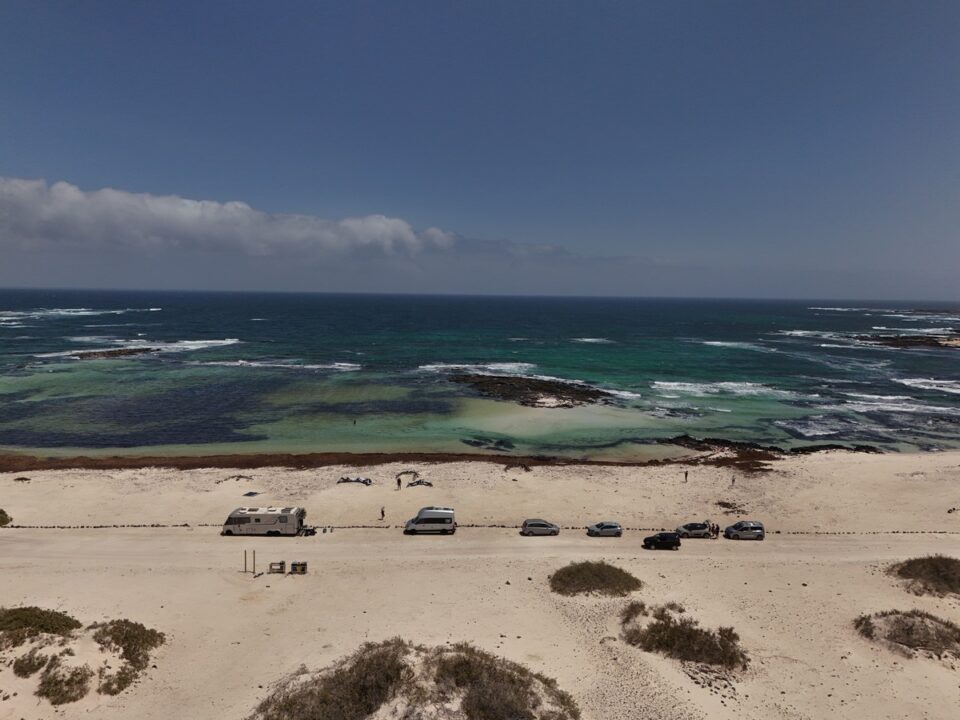
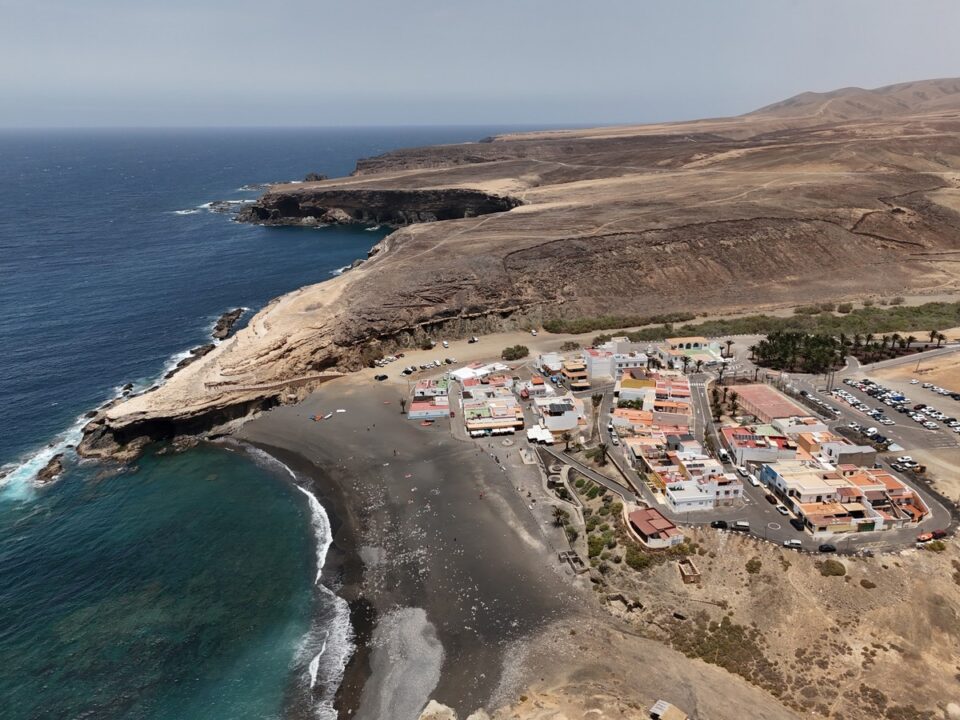
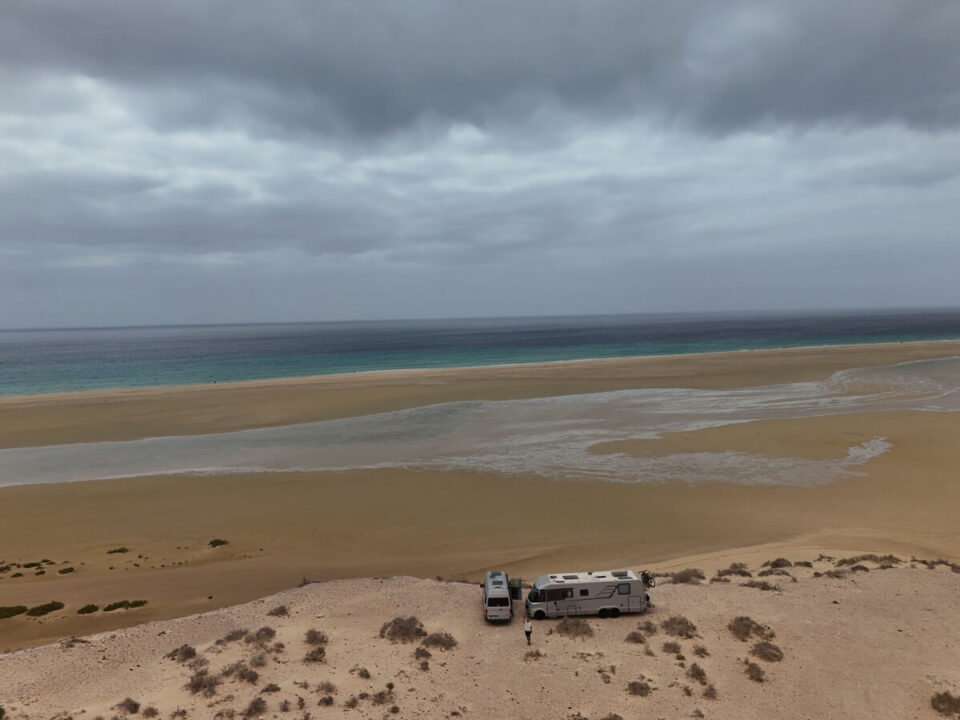
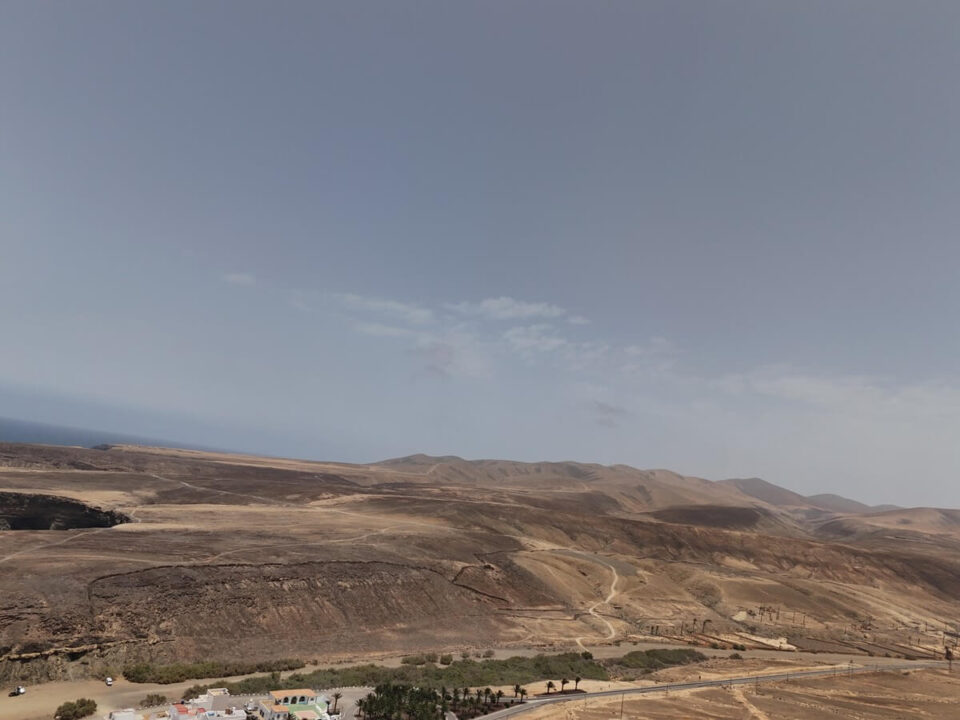
The hardest lessons as a remote content creator
1. Loneliness is real: The first three months traveling alone were magical. From month six onwards, it hit me. You miss deep friendships, not just hostel acquaintances. My solution: regularly return to the same place and build real connections there. Medellín and Las Palmas are now my "bases".
2. Burnout creeps up on you: If every day is supposed to be an "adventure," it eventually becomes exhausting. I've learned that every six to eight weeks I need a week of "normal life": staying in one place, cooking, reading, not touching a camera. It sounds unglamorous, but it's essential for survival.
3. Taxes and bureaucracy: As a German content creator abroad: Register your business in Germany, file a tax return, get health insurance (I'm with TK, which also works abroad), and be aware of the 183-day rule. Get a tax advisor who specializes in digital nomads—it will save you money in the long run.
4. The internet makes or breaks your day: I lost a meeting with a tourism board because the Wi-Fi in my Colombian hostel crashed at 2 PM. Since then: always have a backup hotspot with a local SIM card, run a speed test before every important call, and never leave critical uploads until the last minute.
5. Not every journey is content: The biggest mistake I made was filming everything, photographing everything, turning every experience into content. Eventually, you stop experiencing things—you're just producing. Now I have a clear rule: at least one day a week is camera-free. Period.
How you can get started as a content creator
Phase 1 (Months 1-6): Building the platform on the side. Start an Instagram account or YouTube channel about a topic you're passionate about, alongside your regular job. Post regularly (at least 3 times a week), learn photography and video editing, and build a community. Expect zero income.
Phase 2 (Months 6–12): Initial collaborations. Once you have 5,000 followers with good engagement (3%+), you can approach local businesses. Restaurants, small hotels, local brands. Start by working for portfolio material, not for money.
Phase 3 (Months 12–24): Monetization. Once you have 10,000–20,000 followers with consistent quality content, you'll start receiving paid inquiries. Create a media kit, set professional rates (don't work for free!), and diversify: affiliate marketing, presets, consulting.
Phase 4 (from month 24): Full-time. If your monthly income covers your living expenses for three consecutive months AND you have a three-month financial cushion, then you can take the plunge. Not before. Seriously.
If you want to travel through Europe in a van alongside your creator business, read my Van life costs Articles — that's a popular combination.
FAQ — Frequently Asked Questions about Remote Working as a Creator
Is it really possible to make a living as a content creator?
Yes — but it takes time. Plan for a 1–2 year build-up phase during which you'll earn little to nothing. The content creator market is competitive, but the demand for good content is huge. The key is niche + consistency + professionalization. Anyone who gives up after 6 months should never have started.
Do I need a lot of followers for remote work as a creator?
Fewer than you think. 10,000 engaged followers in a well-defined niche are more valuable than 100,000 ghost followers. Micro-influencers (10K–50K) often have better engagement rates and are more attractive to brands than large accounts with purchased followers. Quality always beats quantity.
What equipment do I need to get started?
A good smartphone (iPhone 12 or Samsung S21 or newer), a laptop with Lightroom and Premiere Pro (or DaVinci Resolve, which is free), and a simple tripod. That's it. No expensive camera equipment is needed until you've mastered the basics. Only upgrade when you realize your smartphone is limiting you.
Want to know where to take the best photos? Read my Travel photography tips — these apply to creators just as much as to hobby photographers. And for aerial photography: mine Drone recommendations.
About the author
Max Haase is Germany's most influential travel influencer with over 4.2 million followers. For collaboration inquiries: max-haase.com/collaboration

 German
  English