Collaboration with Influencers 2026: Tourism Board Guide
Influencer marketing in tourism is no longer an experiment in 2026—it is an integral part of destination marketing. An experienced Tourism Board influencer and B2B travel influencer brings together reach, credibility, and measurable results. Despite this, many still burn through their influencers. Tourism BoardSix-figure budgets are spent every year with the wrong creators, the wrong formats, and the wrong expectations. I know this because I'm on both sides: As a travel creator with over 4 million followers on Instagram and 500+ brand collaborations, I've been working with tourism boards worldwide for over ten years — from Visit Saudi and Tourism New Zealand to Visit Basque Country and Go Türkiye.
The article Influencer Marketing in Tourism: KPIs and Case Studies shows which metrics tourism boards should measure. Influencer Marketing in Tourism: KPIs and Case Studies.
This guide is for marketing professionals at tourism boards, DMOs, hotel chains, and destination management organizations who want to understand how influencer marketing in tourism really works—beyond agency buzzwords and case-study hype. You'll learn: What a campaign costs, how to find the right influencer Travel Influencer book, which content formats actually generate bookings, and how to accurately measure ROI.
- Absolute reach + content quality beats pure follower count
- Long-form travelogues and Reels complement each other: short-term inspiration, long-term discoverability.
Why influencer marketing is indispensable in tourism in 2026
Traditional tourism advertising has a problem: it's interchangeable. Every destination has beaches, mountains, or culture. A 30-second TV spot can't differentiate between them. But what advertising can't do is tell an emotional, authentic story that makes people put THAT specific destination on their bucket list and then actually book it.
That's precisely what professional travel influencers deliver. A well-produced travel report with drone footage, personal experiences, and honest recommendations has a lifespan of years—not seconds. My travel reports generate organic traffic and Google rankings for dozens of keywords for years after publication—a one-time investment with a lasting return. That's the difference between a paid ad and a paid asset.
For tourism boards, this means that those who do not invest in creator partnerships in 2026 will lose market share to destinations that do.
The 5 most common mistakes tourism boards make in influencer campaigns
Mistake 1: Focusing solely on follower count — but not solely on engagement rate.
Many agencies use a high minimum engagement rate as a criterion. What they fail to mention is that for creators with millions of followers, the rate is lower in percentage terms, but still substantial in absolute numbers. Tourism boards should focus on three metrics: absolute reach, audience demographics, and content quality.
Mistake 2: Briefings that are too narrow
"Post at 2 p.m., use hashtag #VisitXYZ, mention the hotel three times." — That’s not influencer marketing, that’s paid advertising in bad disguise. And that’s exactly how it comes across to the audience. The best campaigns give the creator creative freedom. My most successful tourism board collaborations had a briefing of no more than half a page: core message, must-see spots, budget. I designed the rest myself.
Mistake 3: One-off posts instead of long-term partnerships
A single Instagram post is like a single TV commercial: briefly visible, quickly forgotten. Sustainable destination marketing results are achieved through series: an SEO-optimized travel blog post + 5 Instagram Reels + daily Stories over a week. Or even better: recurring visits over 2-3 years that establish the destination as the creator's regular destination.
Mistake 4: Measuring ROI only in likes
Likes are the least important metric in tourism influencer marketing. What really counts: saves (people adding the destination to their bucket list), link clicks (interest in the destination), Google searches for the destination, and long-term SEO traffic to the blog post. A well-ranking blog post remains discoverable for years, while a viral reel quickly disappears.
Mistake 5: Barter deals instead of fair pay
"We invite you, and in return you create content." — This works for micro-influencers with fewer than 10,000 followers. For professional creators with millions of followers, a free hotel stay is no compensation for high-quality content. Fairly paid creators deliver better content because they don't have to juggle three other barter deals on the side.
What determines the cost of a campaign?
Costs depend on format, scope, duration, usage rights, exclusivity, and travel expenses. My management team prepares a customized quote for each campaign. Travel expenses (flights, hotels, transfers) are typically covered by the Tourism Board. Usage rights are billed separately. Terms and conditions are available upon request via the collaboration page.
A common misconception: The most expensive option isn't automatically the best. A top-tier creator with 3 million followers and a broad target audience often performs worse for a luxury destination than a mid-tier creator with 300,000 followers but a perfect luxury travel niche. Target audience fit trumps reach.
How to choose the right travel influencer
Step 1: Define the target group of the destination
Before you look for a creator, define your target audience: What nationality? What age group? What travel budget? What are their travel motivations (adventure, luxury, family, culture)? A German tourism board that wants to reach US tourists needs an English-speaking creator with a US audience—not a German creator with a DACH (Germany, Austria, Switzerland) community. This simple target audience analysis prevents most bad investments.
Step 2: Check content quality and production level
What really matters: Professional drone footage in 4K, cinematic reels, high-quality photography with professional equipment, and SEO-optimized blog posts that rank well on Google in the long term. The content must be of such high quality that you can use it directly on your destination's website—as an asset, not just as a social media post.
Step 3: Review past Tourism Board collaborations
Has the creator already worked with international tourism boards? What did the content look like? Can they provide verifiable results—not just screenshots, but actual post links with publicly visible likes, comments, and views? A creator with 30+ tourism board references knows the processes, doesn't need a detailed briefing, and delivers content tailored to the specific needs of DMOs.
Content impressions from current Tourism Board campaigns
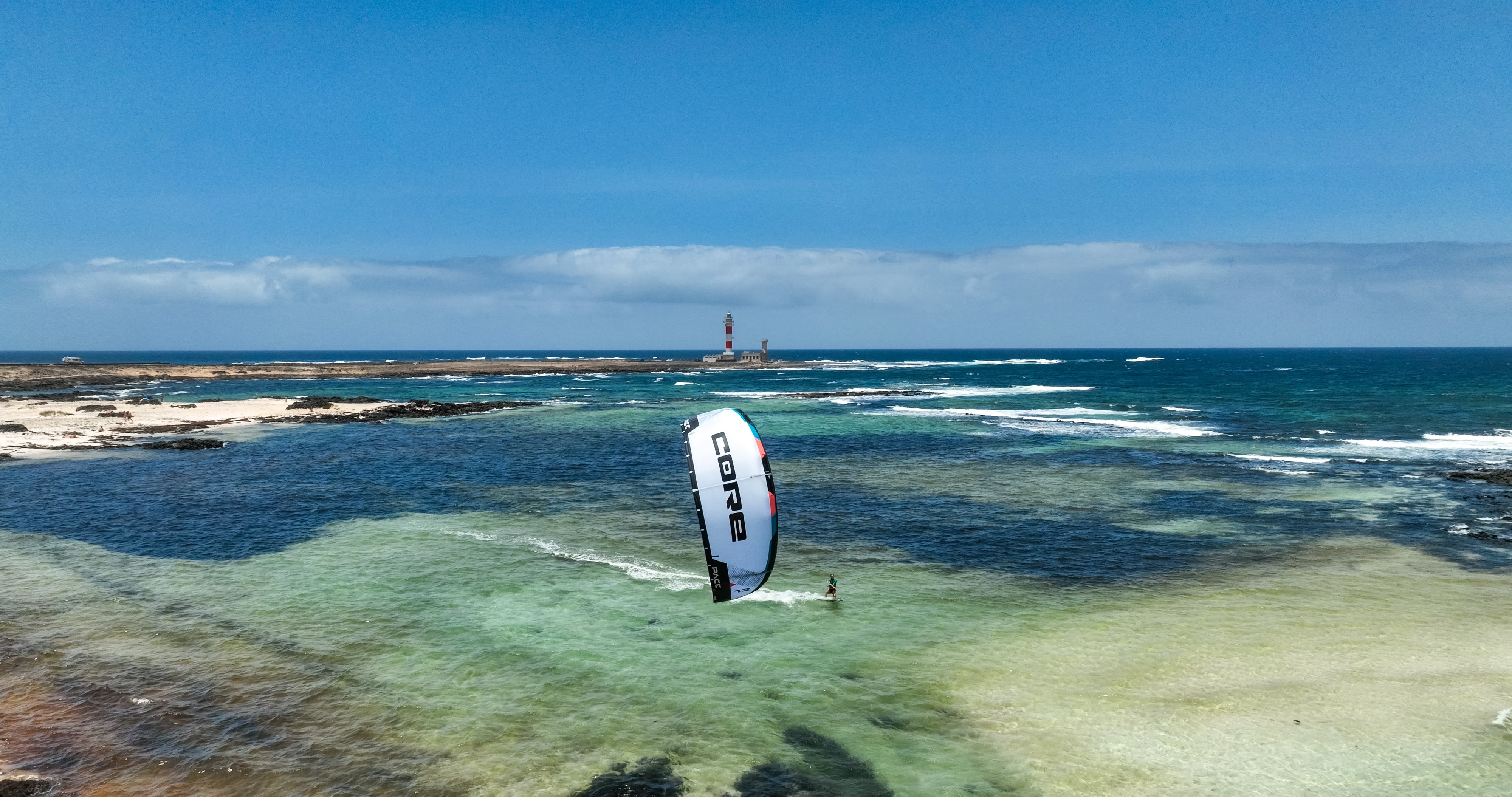
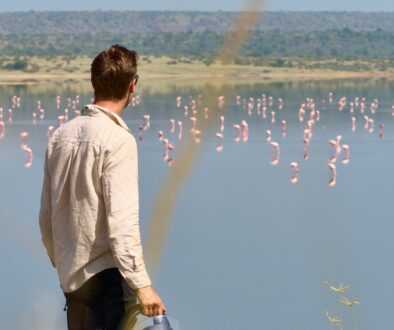
Examples from real campaigns — this is what professional tourism content looks like:
The best content formats for destination marketing
1. Long-form travel reports (blog)
SEO-optimized blog posts of 2,000–5,000 words that rank well on Google for "[Destination] travel report". The advantage: Organic traffic for years to come. A good travel report continues to have an impact long after the campaign has ended.
2. Instagram Reels (30–90 seconds)
Short, emotional videos featuring drone footage, transitions, and trending music. Reach: Approximately 2.6 million average views per Reel (Instagram Insights from the last twelve months, Media Kit). Ideal for raising awareness and providing inspiration during the planning phase.
3. Drone photography & videography
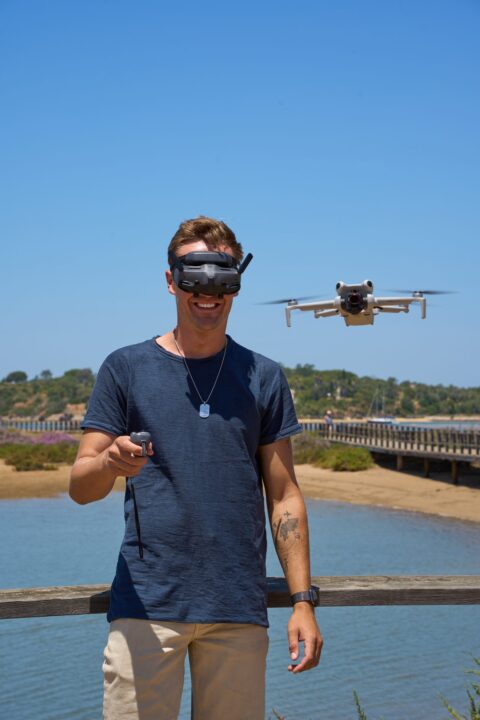
Drone footage is THE differentiator in destination marketing. A destination looks more spectacular from above than from eye level. I fly the DJI Mavic 4 Pro for premium shots with a 4/3″ Hasselblad sensor, and the DJI Mini 5 Pro (Under 249 g; operator registration remains mandatory in the EU) for compact, travel-friendly flying — professional image and video quality in 4K HDR. The result: content that also works on your own website and in ads.
4. Destination guides (evergreen content)
Comprehensive guides with routes, costs, tips, and FAQs, serving as a go-to resource for travelers. Format: Blog + Video + Social Carousel. These guides are shared and linked for years.
Campaign workflow — From inquiry to reporting
Phase 1: Briefing & Matching (before the trip)
The Tourism Board sends a briefing outlining the core message, must-see spots, target audience, and budget. The creator assesses the fit, develops a concept pitch with content formats, a posting plan, and a timeline. After agreement, a contract is drawn up detailing the scope of services, usage rights, and payment terms. Whether the briefing goes directly to the creator or through an agency is compared in this guide: Agency or direct booking with the creator.
Phase 2: Production (Travel + Post-production)
The creator travels to the destination and produces photo and video material. Tip: Give the creator at least 5-7 days on site. Superficial posts are created in 3 days. In 7 days, in-depth stories are created that capture the soul of the destination.
Phase 3: Content Release
Creator submits finished content for approval. IMPORTANT: Only one approval round is allowed. Check content factually (is the hotel name correct? Is the logo correct?), not stylistically (image cropping, color scheme, word choice).
Phase 4: Distribution & Monitoring
Content will be published via the agreed channels. Upon completion, the Tourism Board will receive a report with all KPIs: reach, impressions, engagement, saves, and link clicks.
Case Study: Tourism New Zealand — Ambassador Campaign
A concrete example from my most recent Tourism Board collaboration: A multi-day ambassador campaign for Tourism New Zealand, accompanied by my partner Janet Dannehl. Campaign focus: Positioning New Zealand as one of the world's most diverse outdoor and adventure destinations.
"An integrated campaign using multiple content formats generates significantly more reach than any single content type alone. The combination of cinematic reel content, visual slideshow posts, and daily stories is the sweet spot for modern destination marketing."
Max Haase, after the Tourism New Zealand campaign 2025
What was delivered
Several Instagram Reels featuring drone footage, outdoor activities, and cinematic landscape sequences. This includes a visual carousel post telling the story of the entire trip, over 18 Instagram Stories with location tags throughout the entire journey, and content usage rights for Tourism New Zealand on their own channels.
Verified performance data
The campaign achieved measurable results across all channels:
- Reel "Active Side of New Zealand" — 2.6 million views, 66,400 likes, 302 comments
- Reel "Roadtrip Through New Zealand" — 3.5 million views, 73,700 likes, 257 comments
- Slideshow post "My favorite highlights" — 1.7 million views, 48,400 likes, 221 comments
- More than 18 Instagram Stories — in real time over 11 days
Combined reach of all formats: approximately 9.8 million views (2 Reels + 1 Post + 18 Stories), 188,500 likes and 780 comments.
Case Study: Visit Saudi — Destination Campaign
Destination campaign in Saudi Arabia in collaboration with @visitsaudi (Visit Saudi). Campaign focus: Positioning Saudi Arabia as an emerging luxury adventure destination. Campaign results:
- Reel 1 — Visit Saudi — 4.5 million views, 123,565 likes, 358 comments
- Reel 2 — Visit Saudi — 2.8 million views, 83,245 likes, 406 comments
- 15 Instagram Stories — cumulatively approx. 2.2 million story impressions
Combined reach of all formats: approximately 9.5 million views total (Reels 4.5 million + 2.8 million, Stories approx. 2.2 million), 206,810 likes and 764 comments.
Likes and comments are publicly visible on the Instagram profile @_maxhaase_ . The view and story reach figures are taken from the account's Instagram Insights and are documented with screenshots in the report after each campaign.
Why work with Max Haase? — The advantages at a glance
As one of the leading travel creators in Europe, I bring everything that tourism boards need for a successful influencer marketing campaign:
- Over 4 million followers on Instagram
- 82 countries visited — real travel experience, no studio content
- DJI Mavic 4 Pro & Mini 5 Pro — 4K drone footage from the air
- Sony A7V & A7 IV — Full-frame photography & cinema-quality 4K video for blog and social media
- 500+ brand collaborations — including 30+ tourism boards worldwide (Visit Saudi, Tourism New Zealand, Go Türkiye, Visit Basque Country, etc.)
- SEO-optimized blog posts — rank organically and generate long-term traffic
- Duo option with Janet Dannehl (2.2 million followers) — combined reach over 6 million for even larger campaigns
- Transparent reporting — all KPIs after campaign completion included
The complete portfolio — all content categories
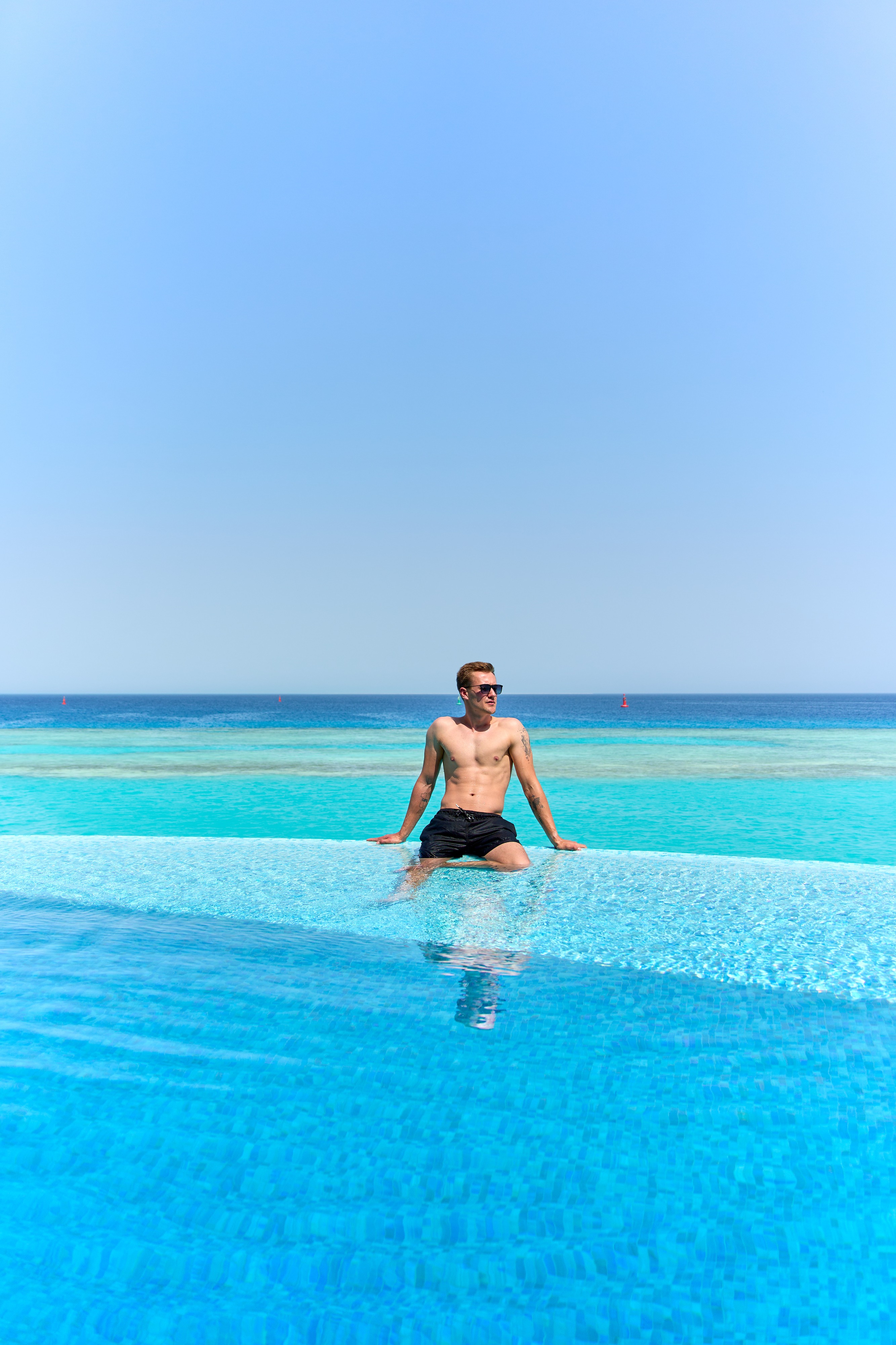
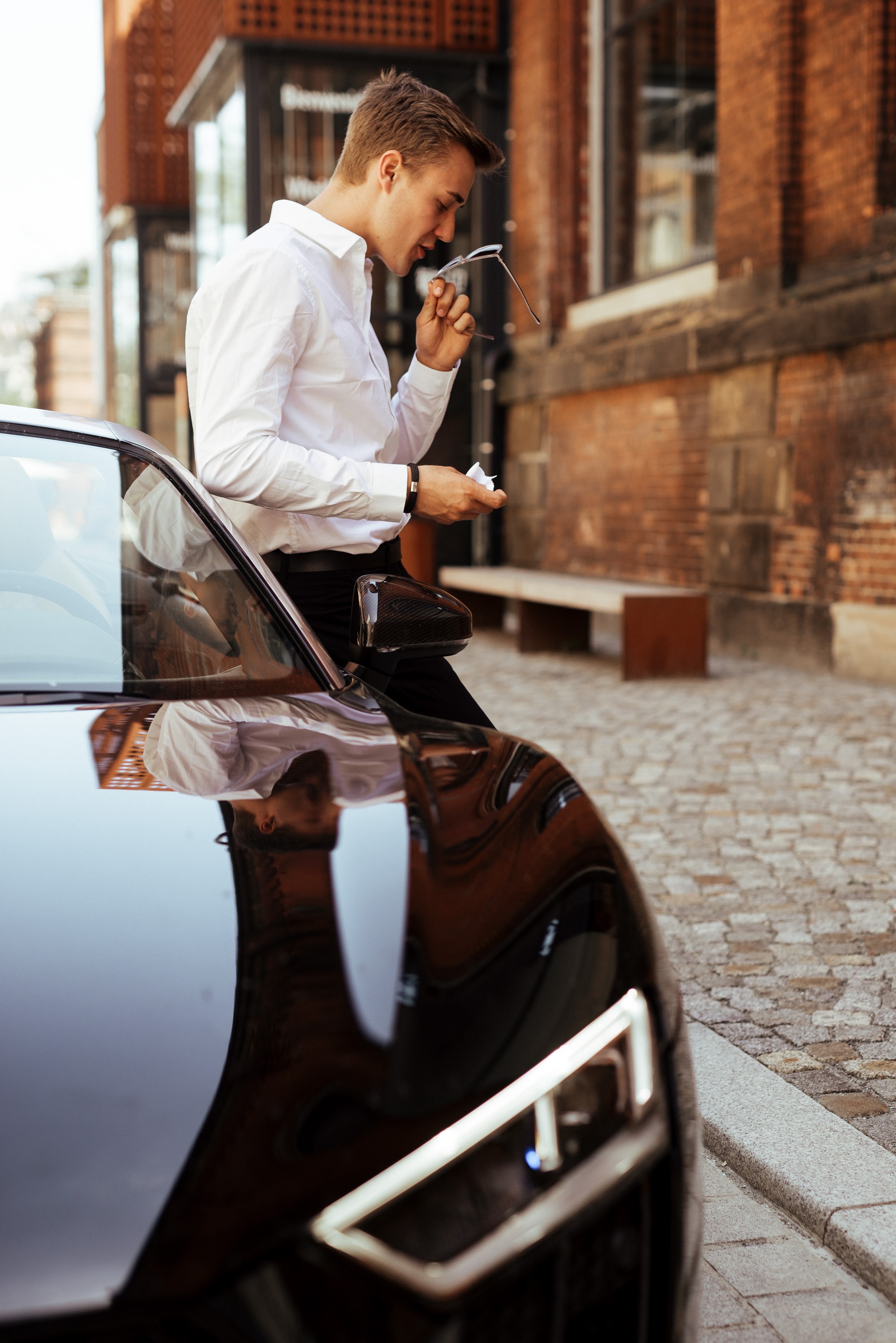
Here is a complete overview of the different content categories that can be delivered in collaborations:


Book a travel content creator or luxury travel influencer
Those who wish to plan the collaboration in detail can find information on services, processes and references on the booking pages: Book a Travel Content Creator for tourism boards, hotels and brands as well as Book Luxury Travel Influencer for luxury hotels and premium brands.
For hotels, the page Influencer collaboration for hotels describes process, formats and briefing. For campaigns in the German-speaking market, see Hire a German travel influencer. How hotels and creators work together is explained in the guide: Hotel Influencer Marketing.
FAQ — Influencer Marketing in Tourism
What will influencer marketing cost in tourism in 2026?
Costs depend on format, scope, duration, usage rights, exclusivity, and travel expenses. My management team will create a customized quote for each campaign. Terms and conditions are available upon request via the collaboration page.
How do I book a travel influencer correctly?
Start with a clear target group definition, check content quality and past campaign results using real Instagram data, request past case studies, and conclude a clean contract with scope of services, deadlines, usage rights and reporting obligations.
How long does it take for influencer content to show results?
Social media posts offer immediate reach. Blog posts take several months to achieve organic SEO ranking. The sweet spot: a combination of both — social media for short-term buzz, blogging for long-term visibility over years.
Should I book one or more creators?
The most efficient solution: A top-tier creator that covers multiple target groups simultaneously—adventure, lifestyle, drone cinematography, and optionally, as a duo campaign with a partner, the couple and female audiences. This allows you to reach several segments with just one contract, a consistent visual style, and a combined reach of over 6 million followers.
How do I measure the ROI of influencer marketing in tourism?
Short-term: Engagement rate, saves, link clicks, Instagram Insights screenshots with reach, impressions, and audience data. Medium-term: Google Trends for destination search queries, SEO traffic to blog posts. Long-term: Brand awareness studies, booking figures compared to the previous year.
What is the difference between an influencer and a content creator?
An influencer's primary focus is reach. A content creator's primary focus is production quality. The best partners for tourism boards are creators who combine both: reach AND quality. When making a selection, production quality is often more important because low-quality content, despite high reach, can damage a destination's brand.
Are micro-influencers worthwhile for tourism boards?
As a complement, not a replacement. The optimal strategy: A professional top-tier creator as the lead (for maximum reach, professional drone footage, and SEO-optimized blog content), supplemented by 1-2 micro-creators for local niches.
Conclusion — Influencer marketing in tourism is a must in 2026
Anyone doing destination marketing today who ignores creator partnerships is losing out—period. The question is no longer whether, but how tourism boards should work with travel influencers. This guide shows the key levers: selecting the right creators, fair compensation, a clear content strategy, and accurate reporting.
If you are a tourism board, DMO or hotel chain planning a campaign and are looking for an experienced travel creator with 4M+ followers and 30+ tourism board references, then write to me directly — my management will get back to you as soon as possible.
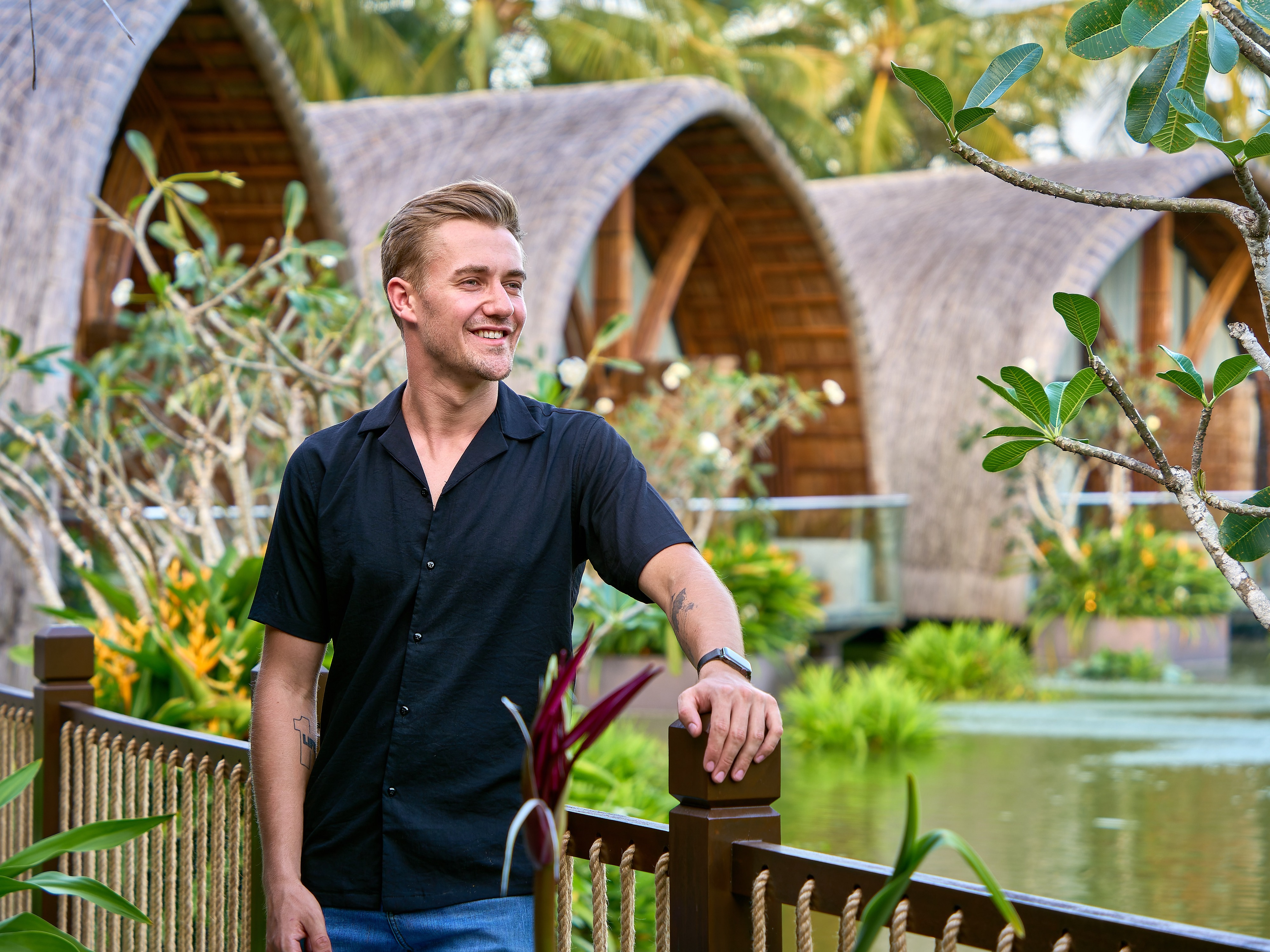
Max Haase
Travel Content Creator · Drone Photographer · Visual Storyteller
A professional travel creator for over 10 years with over 4 million followers. Specializing in high-end tourism board collaborations and visual travel storytelling.

 German
 English