
India Travelogue — Rajasthan, Taj Mahal & Chaos
India Travelogue — Rajasthan, Taj Mahal & the most beautiful chaos in the world
India is not a country. India is a continent encased in a nation. 1.4 billion people, 22 official languages, temperatures ranging from -40°C in the Himalayas to +50°C in the Thar Desert, and a chaos that either breaks your heart or wins it over. For me, it did both—simultaneously.
I spent three weeks traveling in northern India, mainly in Rajasthan and Uttar Pradesh. My route was: Delhi → Agra → Jaipur → Jodhpur → Jaisalmer → Udaipur → Pushkar → Delhi. The "Golden Triangle" plus an extension into Rajasthan. And I'll say it straight away: India is the most intense travel destination I've experienced in over 60 countries. Not the most beautiful, not the easiest—but the most intense.
Delhi — The culture shock comes immediately
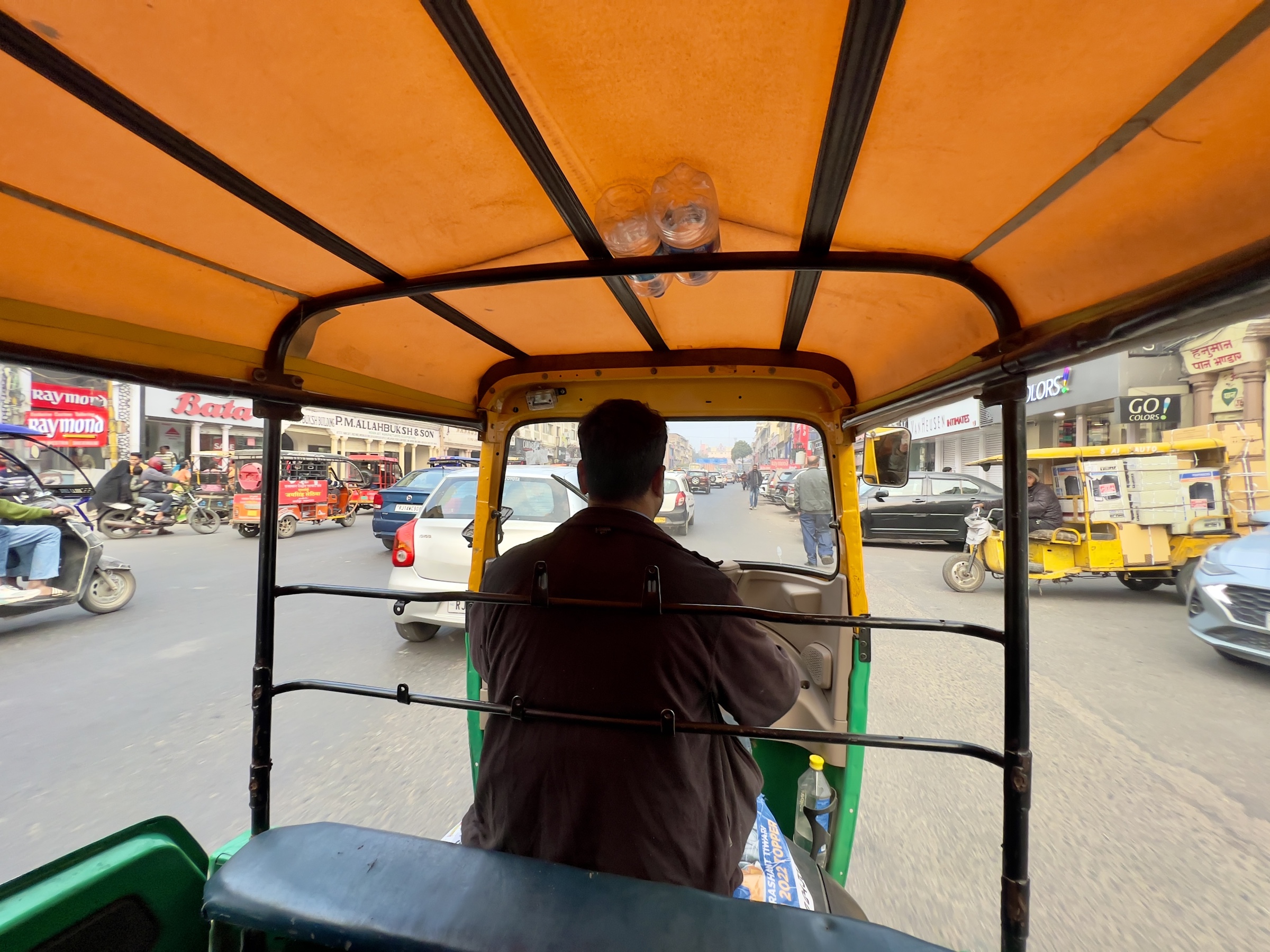
You land at Indira Gandhi International Airport, take a prepaid taxi (counter in the arrivals hall, fixed price, no haggling), and then Delhi hits you like a wall. Honking. Honking everywhere. Cows in the road. Rickshaws driving the wrong way. The smell of spices, exhaust fumes, and incense all at once. And in the middle of it all, people—people everywhere, in a density you can't imagine until you've experienced it.
Old Delhi — Chandni Chowk
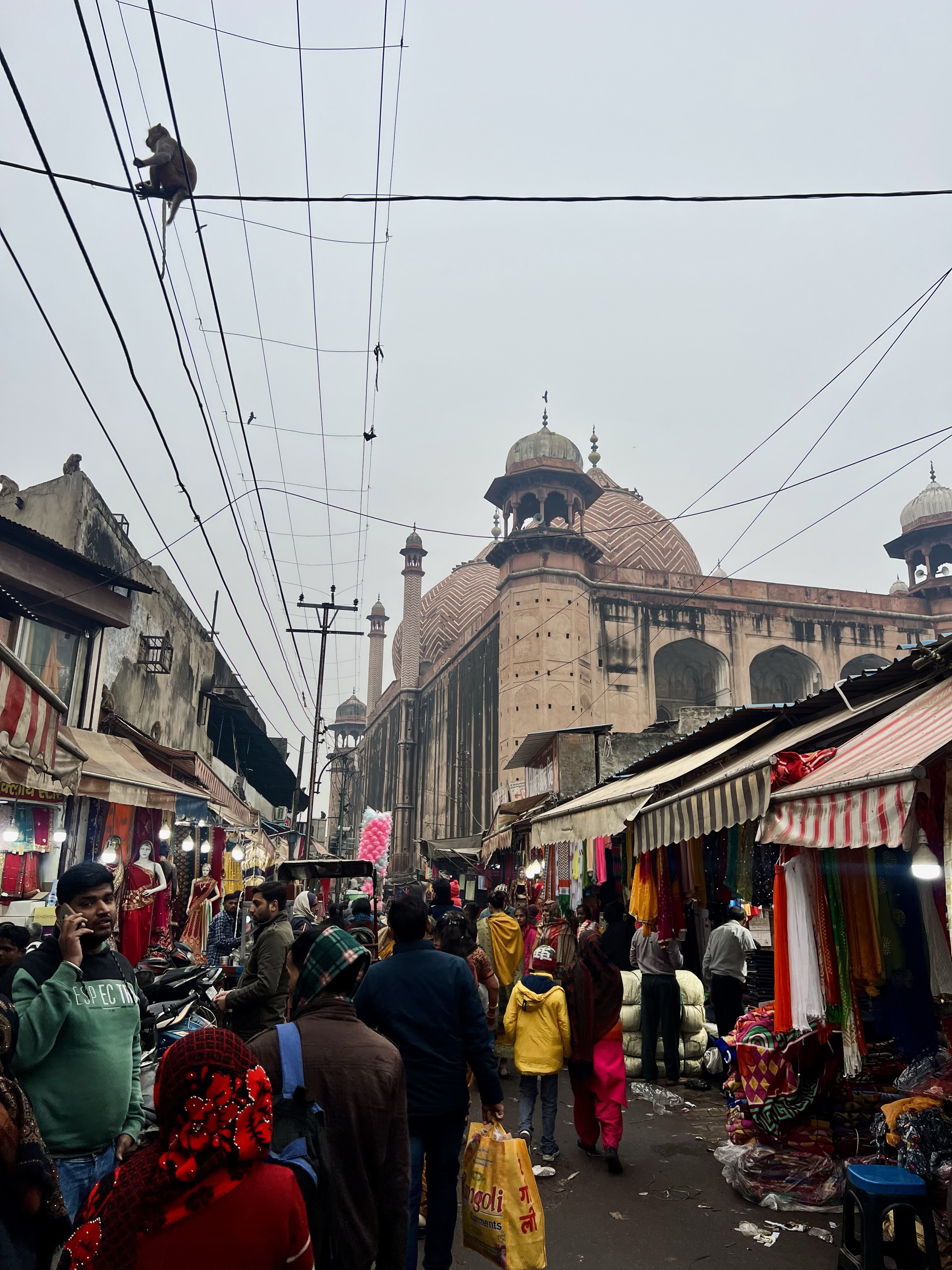
Chandni Chowk is Delhi's oldest and most chaotic market. The alleyways are so narrow that two rickshaws can't pass each other. Spice vendors, sweet shops, fabric merchants, jewelry, electronics—everything jumbled together, all at once. The smell of freshly fried jalebi (a sweet, spiral-shaped pastry that's dipped into hot oil right before your eyes) haunted me for three days.
Photographically, Chandni Chowk is both a nightmare and a paradise. The Sony A7 IV with the 35mm lens was my best friend—street portraits, details, capturing the chaos. The drone? Forget it. Too cramped, too crowded, too many cables. Here, only street photography counts.
Red Fort and Jama Masjid
The Red Fort (Lal Qila) is the former residence of the Mughal emperors—a massive red sandstone complex covering 254 hectares. Opposite it, the Jama Masjid is India's largest mosque, with room for 25,000 worshippers. From the minarets (35 rupees extra, about €0.40), you have the best view of Old Delhi. But be warned: the stairs in the minarets are narrow, steep, and dark. Claustrophobes should stay below.
Agra — The Taj Mahal and the disillusionment that followed
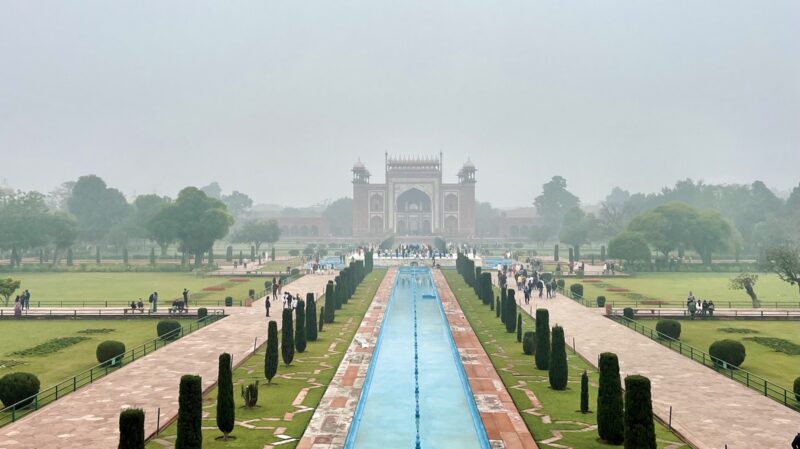
The Taj Mahal. The building everyone knows, the one everyone has a photo of, and yet—despite everything—it still takes your breath away the first time you see it in person. I was at the East Gate at 5:30 a.m. (buy your ticket online the day before, about €15 for foreigners), went through the main gate, and there it is: white marble shimmering pink in the morning light, perfect symmetry, the quartet of minarets, the reflecting pool in front.
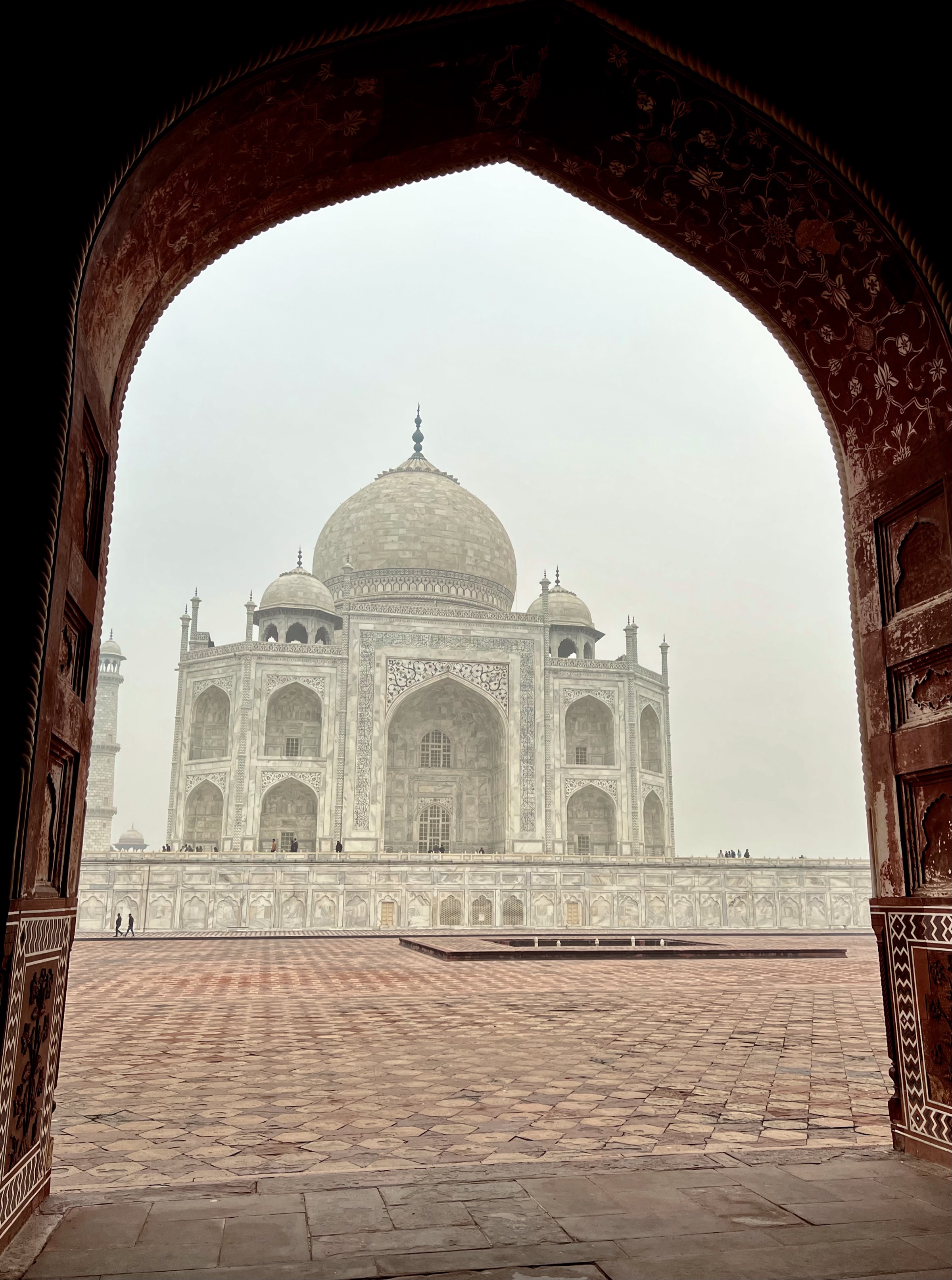
I had almost 90 minutes to myself—until around 7:30 a.m. when the tour groups arrived. During this golden hour, I took photos that require no post-processing. The Sony A7 IV with the 16-35mm lens for the wide-angle view, the 70-200mm for details of the marble inlays (Pietra Dura—semi-precious stones inlaid in white marble). The drone? Absolutely forbidden at the Taj Mahal. And rightly so—the place deserves silence, not buzzing.
The sobering reality: The rest of Agra is… not beautiful. The city lives off Taj Mahal tourism and little else. Agra Fort is worth seeing (Mughal architecture, view of the Taj Mahal across the Yamuna River), but the city itself is loud, dusty, and exhausting. My advice: Taj Mahal in the morning, Agra Fort in the afternoon, train to Jaipur in the evening.
Jaipur — The Pink City
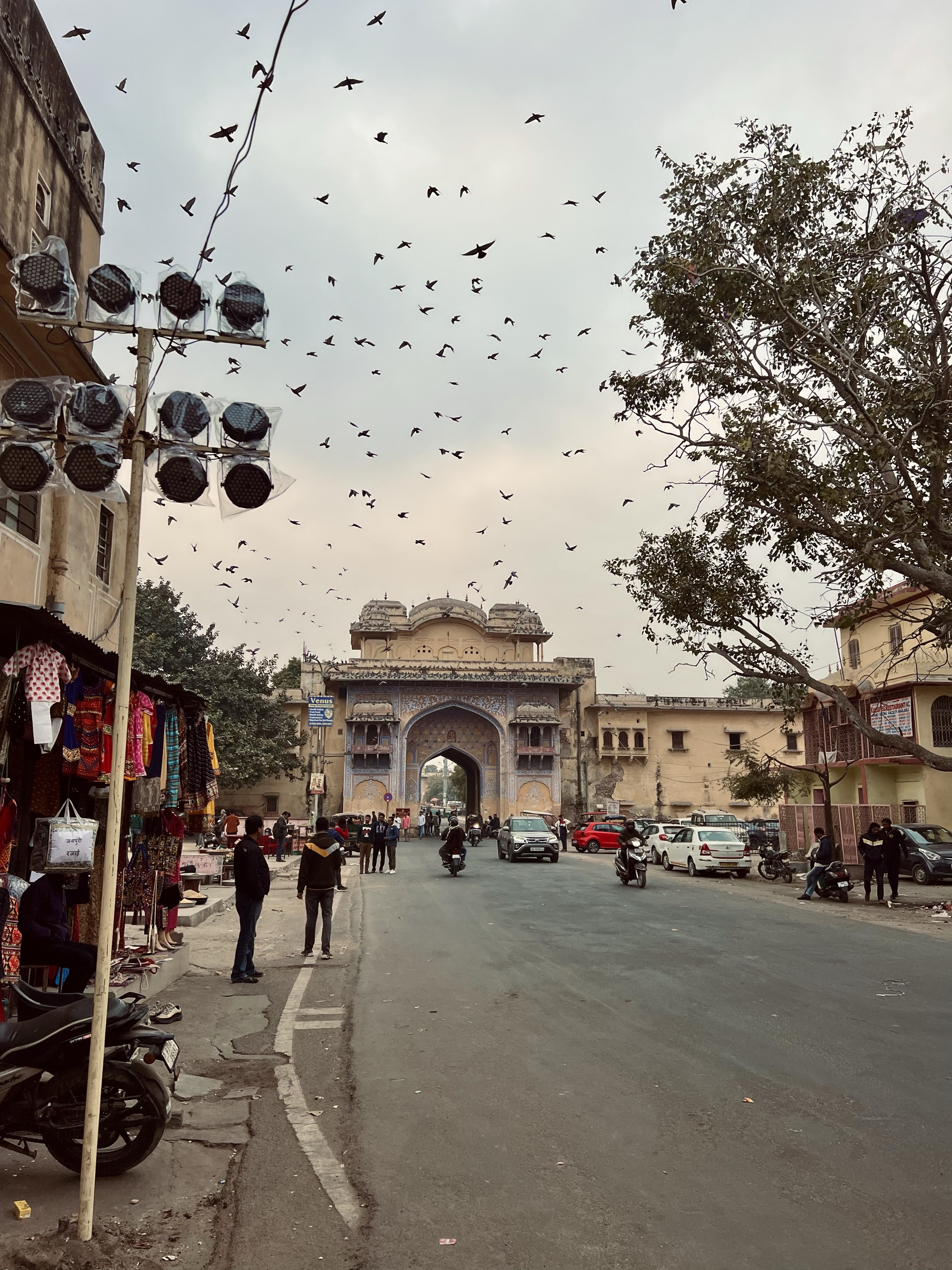
Jaipur was my favorite in Rajasthan. The entire old city is painted a warm terracotta pink (since 1876, when Maharaja Ram Singh had the city painted pink in honor of Prince Albert's visit). The result: a city that glows with golden light at sunrise and sunset and simply looks fantastic in photos.
Amber Fort
Eleven kilometers outside Jaipur, perched on a hill overlooking Maota Lake, Amber Fort is the most impressive palace I've seen in Rajasthan—a blend of Hindu and Mughal architecture, featuring a mirrored hall (Sheesh Mahal) that creates thousands of reflections by candlelight. The 20-minute hike to the fort is well worth it—from the top, I flew my drone over the lake and the surrounding hills. The fortress walls, stretching like the Great Wall of China, the pink of the city in the background, the lake as a mirror—these are images that go viral on Instagram.
Hawa Mahal
The "Palace of Winds"—a five-story pink sandstone facade with 953 small windows through which the women of the court could observe street life without being seen themselves. From the front, it's an iconic Instagram shot; from the back, rather underwhelming (it's really just a facade). Best photo spot: From the "Wind View" café opposite—rooftop terrace, chai, and the Hawa Mahal directly in front of the lens.
Nahargarh Fort at sunset
My insider tip for Jaipur: Nahargarh Fort towers above the city and offers the best sunset view over the Pink City. Fewer tourists than at Amber Fort, and the light at sunset—the whole city bathed in pink and gold—is the most photogenic moment Jaipur has to offer. Chai wallah at the top, sunset, drone flying over the city—a perfect evening.
Jodhpur — The Blue City
If Jaipur is pink, Jodhpur is blue. The old city below Mehrangarh Fort is a labyrinth of blue-painted houses. Why blue? Legend says it marked the houses of the Brahmin caste. The reality: blue keeps mosquitoes away and cools the houses. Either way, from a drone, Jodhpur looks surreal. A sea of blue, crisscrossed by narrow alleyways, dominated by the massive Mehrangarh Fort.
Mehrangarh Fort itself is one of India's most imposing fortresses—perched atop a 125-meter-high rock, with walls up to 36 meters high and 21 meters thick. Inside, a museum houses Mughal miniature paintings, royal cradles, and gilded elephant saddles. The view from the battlements over the blue city is breathtaking—especially in the morning when the mist hangs in the alleyways.
Jaisalmer — The Golden City in the Desert
Jaisalmer is the crowning glory. A city of golden sandstone, perched on the edge of the Thar Desert, it literally glows gold at sunset. Jaisalmer Fort is one of the last living fortresses in the world—some 3,000 people still live within its walls, in houses with carved sandstone balconies (havelis) so intricate they resemble lace.
Desert safari
A night in the Thar Desert is a must. Camel ride to camp (1-2 hours, yes, your backside will tell you), dinner under the stars, overnight stay on a dune. No light pollution, no noise—just you, the sand, and the Milky Way. The astrophotographs from the Thar are among my best ever. Sony A7 IV, wide-angle lens, 25-second exposure, ISO 3200—and the Milky Way stretches like a luminous ribbon across the dunes.
The next morning: Sunrise over the desert. The dunes in orange and gold, long shadows, the camels silhouetted against the horizon. The drone is in its element here—endless expanse, no obstacles, dramatic light. The desert from above is a dream of lines and curves.
Udaipur — The most romantic city in India
Udaipur is the opposite of Jaisalmer—instead of desert, there are lakes; instead of gold, there is white. The City Palace on the shores of Lake Pichola is a palace complex that has expanded continuously for over 400 years. Parts of it now form the Taj Lake Palace Hotel—a white palace that "floats" on an island in the lake and served as a backdrop for the James Bond film "Octopussy.".
My Udaipur ritual: Sitting on a rooftop terrace overlooking Lake Pichola in the evening, eating a thali (a tray with 8-10 different dishes, rice, chapati, dal — the whole of India on one plate for 3-5 EUR), and watching the sunset over the lake and the City Palace. The lights come on, the Palace Hotel glows white on the lake, the mountains in the background darken. Magical. Every evening.
Pushkar — Holy Lake and Holy Chaos
Pushkar is a small pilgrimage town surrounding a sacred lake—one of the few Brahma temples in the world. The town is vegetarian (no meat, no alcohol in the old town), the ghats (steps leading down to the lake) are teeming with priests and pilgrims, and the atmosphere is a blend of spiritual and hippie (lots of backpackers). The Pushkar Camel Fair in November is one of the world's largest livestock festivals—200,000 camels and horses, folk music, races, and colorful festive attire. A photographer's paradise.
Practical tips for India
transport
Trains are the backbone of Indian travel. Book via the IRCTC website (registration required) or the 12GoAsia app (easier, small surcharge). AC Chair Car or AC 3 Tier for overnight journeys — clean, air-conditioned, safe. Delhi-Agra: 2 hours on the Gatimaan Express. Between cities in Rajasthan: 4-8 hours depending on the route.
Within cities: Uber/Ola (Indian Uber) works perfectly. Rickshaws are cheaper, but you have to negotiate—insist on the price before the ride, not after. Rule of thumb: Halve the rickshaw driver's first offer; that's a fair deal.
Eat
Eating vegetarian food in India is easier and better than almost anywhere else in the world. Thali, dal, paneer, biryani, samosa, pakora—the selection is endless. Street food is fantastic, but be prepared for an upset stomach at first. Pack Imodium and electrolytes. No tap water, no ice (except in good restaurants), and only eat peeled fruit. After a week, my stomach adjusted, and I ate everything.
Drone in India
India has had strict drone regulations since 2021. Officially, you need a permit from the DGCA (Directorate General of Civil Aviation) and a UIN (Unique Identification Number). This is practically impossible for tourists. In reality: In Rajasthan, outside of airport zones and military areas, I had no problems at the forts and in the desert. Drones are strictly prohibited at the Taj Mahal, Red Fort, and Amber Fort, and this is enforced. My advice: Fly discreetly in the desert and at remote forts; pack your drone away at tourist hotspots.
Costs for 3 weeks in India (Rajasthan)
| Position | Cost |
|---|---|
| Flight (from Germany, return) | €350–600 |
| E-Visa | 25 € |
| Trains & Transport (Rajasthan Round Trip) | 60–120 € |
| Accommodation (21 nights, Heritage Hotels & Guesthouses) | €250–500 |
| Food & Drink | 100–200 € |
| Entrance fees (Taj Mahal, forts, palaces) | 80–150 € |
| Desert Safari & Activities | 40–80 € |
| Total per person | 905–1,675 € |
India is cheap—absurdly cheap for what you get. Heritage hotels in Rajasthan (former palaces and havelis converted into boutique hotels) cost €20–40 a night. A full thali meal costs €1–3. A chai from a street stall costs €0.10. The biggest expenses are the flight and entrance fees (as a foreigner, you pay 25 times the local price at the Taj Mahal—annoying, but understandable). Overall, India is one of the cheapest long-haul travel destinations in the world.
Best time to travel to Rajasthan
October to March — No question about it. In summer (April-June), temperatures in the Thar Desert and Jodhpur reach 45-50°C. That's not just unpleasant; it's life-threatening without preparation. The monsoon (July-September) brings rain and humidity. In winter (November-February), daytime temperatures range from 15-25°C, and at night it can drop to 5°C in the desert. I was there in November and had perfect weather—warm enough for a T-shirt, cool enough for hiking.
FAQ
Is India safe for solo travelers?
As a man: Yes, with common sense. Be careful at night in small towns, leave valuables in your hotel, and negotiate rickshaw fares beforehand. As a woman: Unfortunately, it's more complicated. Harassment does occur, especially in North India. Travel in groups, dress conservatively (cover your shoulders and knees), and book trustworthy accommodations. This isn't meant to discourage you—many women travel alone through India and have wonderful experiences. But the precautions are higher than in Southeast Asia or Europe.
Do I need a visa?
Yes — but it's easy. You apply for the e-Tourist Visa online at indianvisaonline.gov.in. It costs approximately €25, takes 72 hours to process, is valid for 30 days from the date of entry, and allows two entries. Your passport must be valid for at least six months and have two blank pages.
How do I deal with the „Delhi Belly“?
Upset stomachs in India are almost inevitable—it's the adjustment to different bacteria, not necessarily bad food. My survival kit: Imodium, electrolyte powder, activated charcoal tablets. For the first three days, I ate carefully (cooked food, no salad, no ice cream), then slowly reintroduced street food. After a week, my stomach had settled down, and I was eating at street stalls like a local.
How do I avoid tourist scams?
The classic scams: "The Taj Mahal is closed today" (it isn't), "I'm an official guide" (he isn't—official guides have ID cards), "Your hotel burned down" (it isn't—the rickshaw driver wants to get you a hotel commission). Rule: Smile, say "No thank you," and move on. Check the route to your destination on Google Maps beforehand so you know if the driver is taking detours. And: Always agree on the price BEFORE the service—for rickshaws, guides, and everything else.
What should I wear in Rajasthan?
Loose, light, and covering. Shoulders and knees must be covered in temples and mosques (mandatory). For women: A scarf/shawl is the most versatile garment—sun protection, temple visits, dust protection in the desert. Sturdy shoes are essential for the forts (lots of walking on uneven ground). A sun hat and sunglasses are a must. And: In Rajasthan, everyone wears color—be bold, colorful clothing makes a huge difference in photos.
More travel reports: All my travel reports
About the author: Max Haase is Germany's most influential travel influencer with over 4.2 million followers. He specializes in drone footage and luxury travel. Cooperation requests here.
 German
  English