
The best drones for travel photography in 2020
The best drones for travel photography — My honest comparison 2020
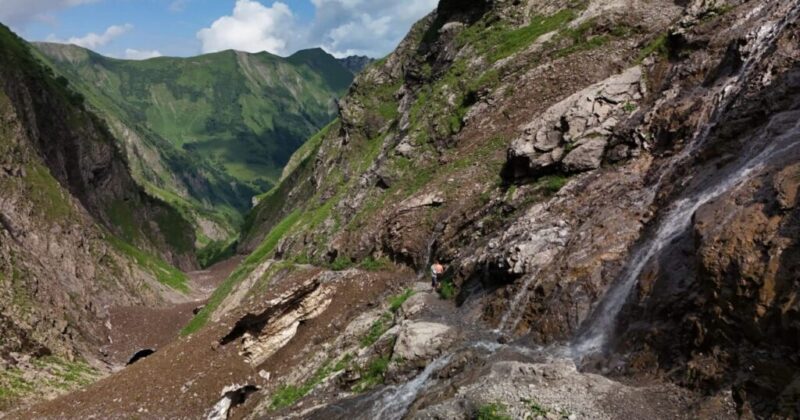
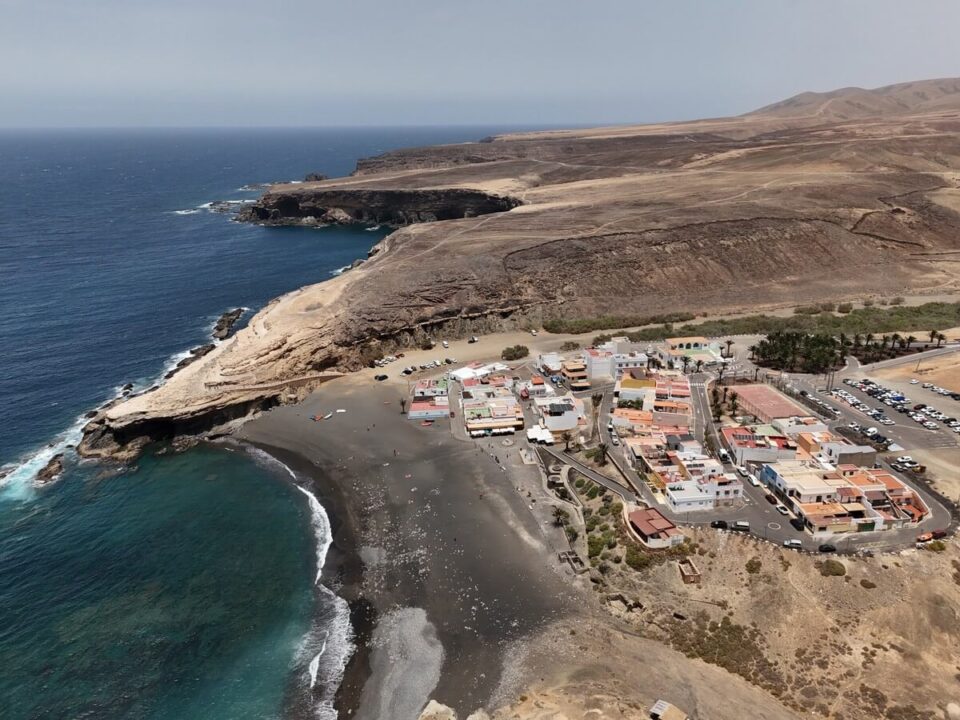
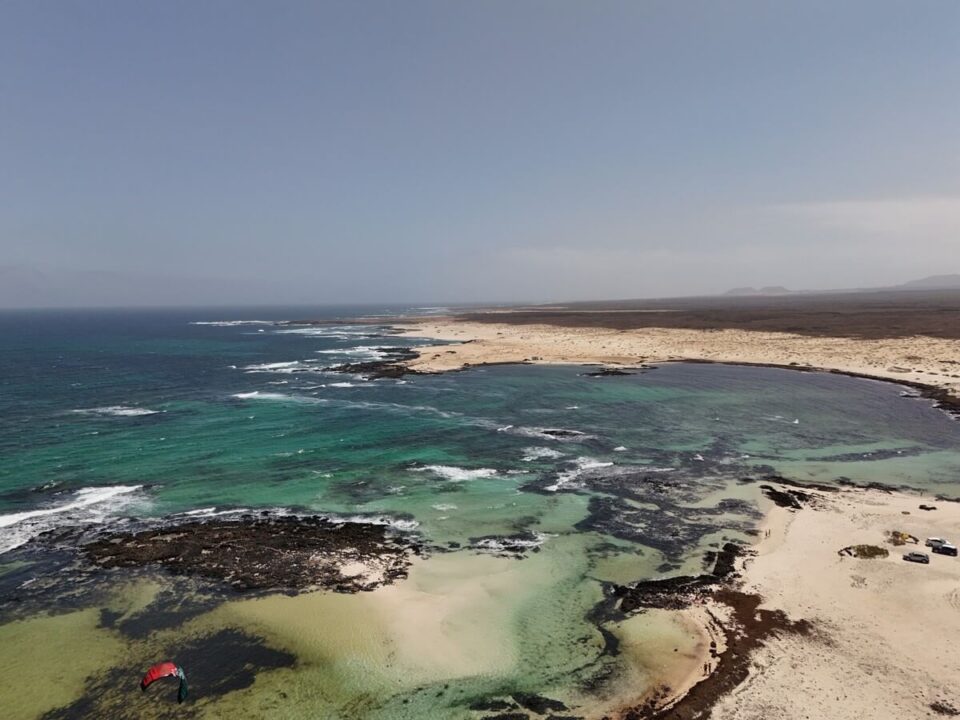
Since buying my first drone in 2017, my content has completely changed. Before: selfies on the beach. Now: epic aerial shots of volcanic craters, coastlines, and lonely mountain roads. Drone photos are the easiest way to take your travel photography to the next level—because the perspective alone creates WOW moments.
But which drone is right for travelers? I've taken four different drones on trips over the last three years and can tell you exactly what works and what's annoying. Here's my honest comparison of the best travel drones of 2020.
What really matters when choosing a travel drone
Forget the spec sheets for a second. Different things matter when you're traveling than in a drone forum:
1. Weight and packed dimensions
That's the most important factor. A drone that weighs 1.2 kg and needs its own backpack will be left at the hotel after three days. I speak from experience—I didn't even unpack my first Phantom 4 on half of my trips because lugging it around was so annoying. Under 500 grams is ideal, under 250 grams is perfect (also because of the regulations).
2. Battery life
When traveling, you rarely have time for five battery changes. You need a drone that can manage with one or two batteries. 30 minutes of flight time per battery is the sweet spot—anything less gets stressful.
3. Wind stability
On the coast, on mountain peaks, in gorges — wherever there's a spectacular view, there's wind. A drone that starts to wobble in wind force 4 is useless as a travel drone.
4. Image quality
At least 4K video and 12-megapixel photos. Anything less is outdated in 2020. A 1-inch sensor is the gold standard, but 1/2.3-inch sensors also deliver excellent results in good lighting conditions.
My top 3 travel drones of 2020 compared
| drone | Weight | Flight time | Price (Fly More) |
|---|---|---|---|
| DJI Mavic Mini | 249 g | 30 min | ~500 € |
| DJI Mavic Air 2 | 570 g | 34 min | ~1.000 € |
| DJI Mavic 2 Pro | 907 g | 31 min | ~1.700 € |
DJI Mavic Mini — The price-performance king
249 grams. That's below the magic weight limit that triggers stricter drone regulations in many countries. The Mavic Mini fits in any jacket pocket and still delivers 2.7K video and solid 12MP photos. Perfectly adequate for Instagram and YouTube. The only downsides: no 4K and it gets a bit twitchy in strong winds. But for the price, it's unbeatable and my clear recommendation for beginners.
DJI Mavic Air 2 — My personal favorite
The Air 2 is the upgrade that gets everything right. 4K/60fps video, 48MP photos, front and rear obstacle avoidance, 34 minutes of flight time. And it weighs only 570 grams—you'll hardly notice it in your backpack. I've taken the Air 2 to Colombia, Ecuador, and Argentina, and it never let me down. In good lighting conditions, the image quality is almost indistinguishable from the Mavic 2 Pro. My tip: Get the Fly More Combo with three batteries—it's massively worth it.
DJI Mavic 2 Pro — The professional tool
The Hasselblad sensor delivers the best image quality in the consumer drone market. If you're doing professional commissioned work or want to get the most out of challenging lighting conditions (twilight, backlighting), there's no way around the Mavic 2 Pro. For pure travel photography, however, it's too heavy and too expensive for me—the Air 2 delivers 90% better quality for 60% less weight.
Drone laws when traveling — what you need to know
Drone regulation is a minefield and the main reason why many people leave their drones at home. Here are my experiences from over 30 countries:
Completely forbidden: Morocco (will be confiscated at customs!), Cuba, Iran, North Korea. In these countries: Leave your drone at home, no discussion necessary.
Registration required: USA (FAA registration online in 5 minutes, $5), Thailand (NBTC registration, somewhat more complicated), Indonesia (theoretically necessary, practically ignored).
Under 250g is unproblematic: In many EU countries, Australia, and New Zealand, significantly more relaxed regulations apply to drones weighing under 250g. This is the major advantage of the Mavic Mini.
My principle: I don't fly over crowds, near airports, or over national parks (unless explicitly permitted). Common sense trumps researching regulations. And if in doubt, I ask locally—the locals usually know better than any forum.
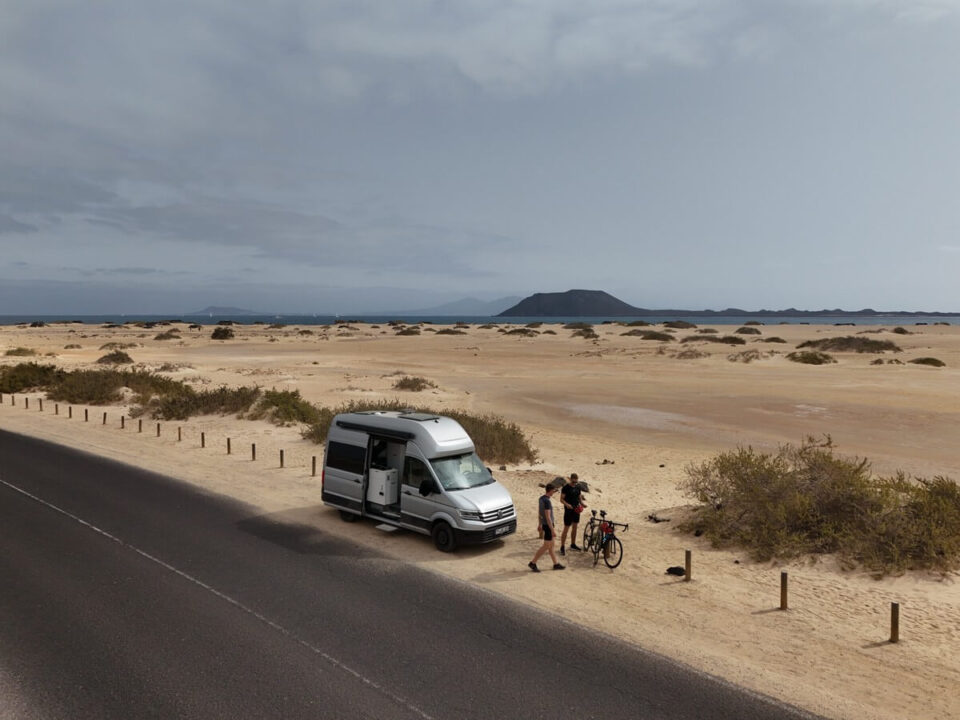
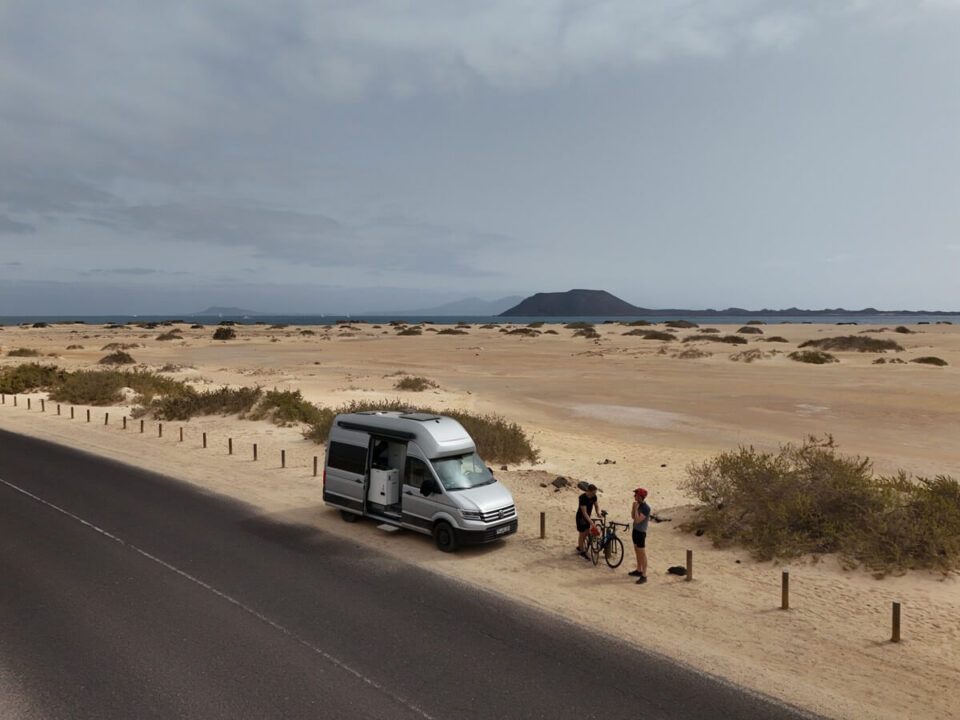
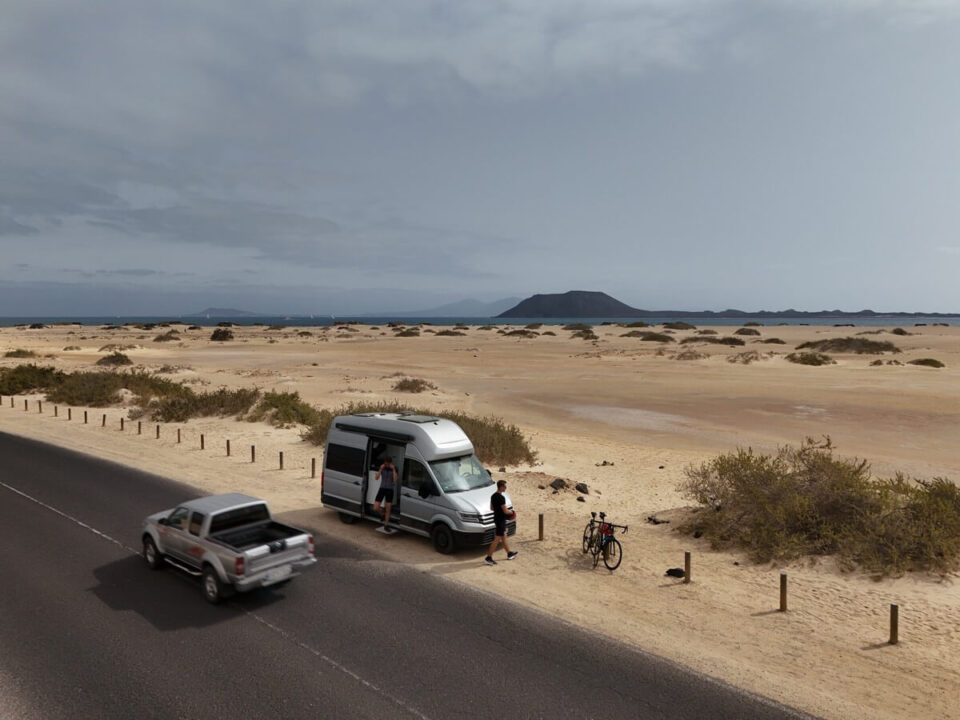
Practical tips for drone photography while traveling
Golden hour is a must: Drone photos taken at midday look flat and boring. The best shots are taken in the morning or evening when the shadows are long. My rule: I fly either during the first or last hour of daylight.
Batteries in hand luggage: Lithium batteries are not allowed in checked baggage. Always put them in your hand luggage. The drone itself can go in your checked baggage, but the batteries must be taken into the cabin. I've never had any problems at security—but I always keep the batteries handy in case they ask.
Backup SD cards: Take at least three SD cards with you. In Colombia, one of my SD cards crashed mid-flight—40 minutes of footage lost. Since then, I swap the card after every day of flying and immediately back up to my laptop.
ND filters are mandatory: A set with ND8, ND16, and ND32 filters costs 30–50 euros and makes a huge difference in video. Without ND filters, you get the typical jello effect and excessively fast shutter speeds in sunlight.
If you want to improve your camera skills in addition to your drone skills, read my Travel photography tips — the principles also apply to aerial photographs.
FAQ — Frequently Asked Questions about Travel Drones
Which drone is suitable for beginners traveling?
The DJI Mavic Mini, no question. 249 grams, 500 euros with the Fly More Combo, incredibly easy to use, and image quality more than sufficient for social media. You can fly it in many countries without registration, and it fits in any bag. Start with this and upgrade later if you find you need more.
Am I allowed to take my drone on the plane?
Yes. The drone can go in your hand luggage or checked baggage. The batteries MUST go in your hand luggage (Lithium-ion regulations). There's a maximum capacity of 100 Wh per battery—all current DJI drones are below that. I've never had any problems in over 50 flights. Tip: Discharge the batteries to below 30% for transport.
Is a drone worth it for travel photography?
Definitely—if you're prepared to carry the extra equipment and familiarize yourself with the laws of the respective countries. My drone photos are by far my most popular posts on Instagram. The aerial perspective is simply a game-changer that a regular camera can't offer.
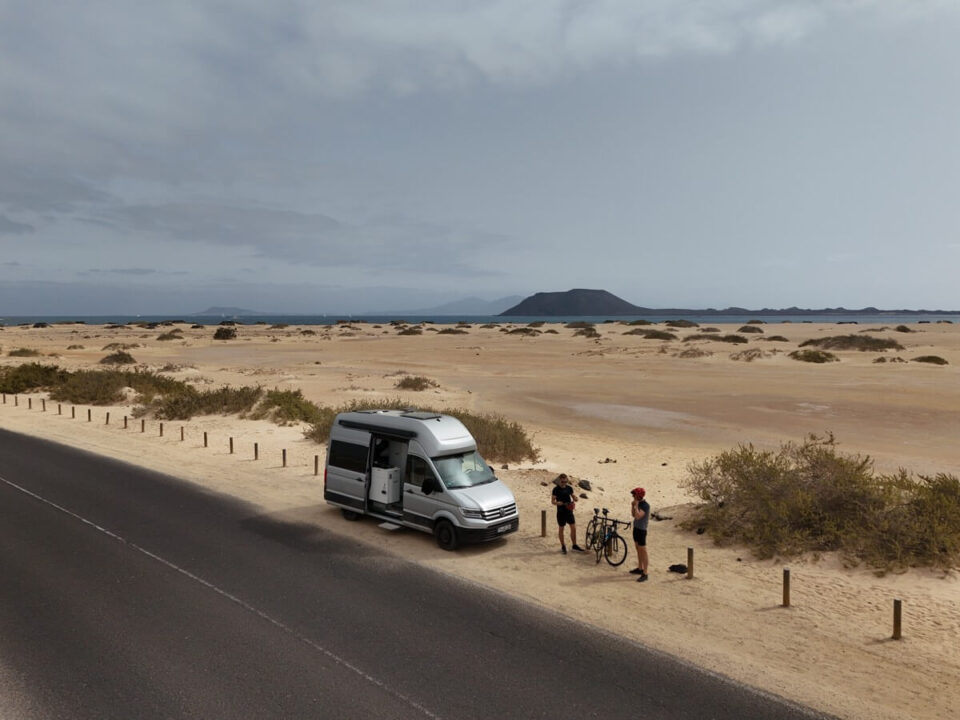
Want to know how to finance your van life adventure? Check out my article about Van life costs By the way, a drone and a camper are a perfect combination.
About the author
Max Haase is Germany's most influential travel influencer with over 4.2 million followers. For collaboration inquiries: max-haase.com/collaboration


 German
  English