
Ilha Grande & Paraty, Brazil: Costa Verde Travel Report
Costa Verde Brazil — Rio de Janeiro, Ilha Grande & Paraty Travelogue 2026
Brazil's Costa Verde is a 600-kilometer coastal road connecting Rio de Janeiro and São Paulo—and one of the most beautiful road trips in all of South America. Between tropical rainforest, colonial port towns, and the idyllic island of Ilha Grande, you'll find a wealth of landscapes and cultures in a relatively small area, a diversity that is often underestimated internationally. This travelogue is your compact guide to planning your own Costa Verde tour—with routes, highlights, and lessons learned from three weeks spent there.
- Ilha Grande: A car-free dream island with over 100 beaches and an Atlantic Rainforest Reserve. Lopes Mendes Beach (3-hour trek) regularly ranks among the top 10 beaches worldwide. Getting there: Boat from Angra dos Reis (approx. €30 round trip).
- Paraty: A UNESCO World Heritage Site candidate, with a perfectly preserved colonial old town featuring cobblestone streets, colonial churches, and schooner tours to nearby bays. One of the most atmospheric cities in Brazil.
- Rental cars from Rio: Recommended for a full Costa Verde tour. Route Rio → Angra dos Reis → Paraty → Trindade → Ubatuba: 350 km, plan three to five days including stops.
- Security: Costa Verde is significantly safer than Brazil's major cities. Ilha Grande and Paraty traditionally have a very peaceful atmosphere – ideal for relaxed travel, even for solo travelers.
- Cost reality: Guesthouses on Ilha Grande start at €35 per night, in Paraty at €40. Restaurants cost €8–18. A realistic 10-day tour costs €700–1,100 per person, excluding flights.


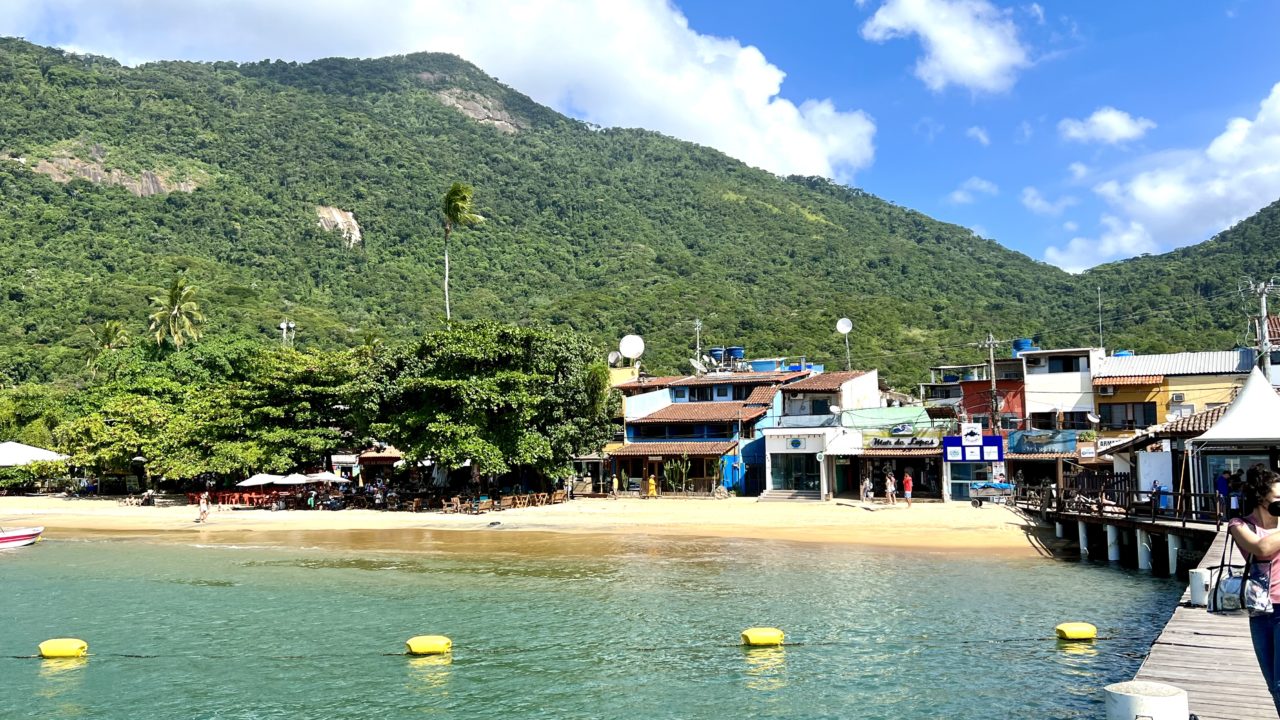
Ilha Grande, Brazil — Dream island without cars
Ilha Grande, Brazil, is the largest island in the Bay of Angra dos Reis and belongs to the state of Rio de Janeiro. The island is car-free (except for police and emergency vehicles), approximately 80 percent of it is designated as a nature reserve, and it boasts some of Brazil's most beautiful beaches. Anyone who has had enough of Rio's hustle and bustle will find the perfect contrast here: peace, nature, beaches, and an authentic island life unlike anything else on the Costa Verde.
Arrival at Ilha Grande
Standard route: Rental car or bus from Rio de Janeiro to Angra dos Reis (approximately a 3-hour drive, 170 km). From Angra, a boat departs every 1–2 hours to the main pier, Vila do Abraão (standard ferry 60–90 minutes, approximately €8; speedboat 30 minutes, approximately €25). For more comfort: private boat transfers from Angra cost approximately €80 per person for small groups. Tip: Late afternoons are often crowded with day-trippers; it's better to travel early in the morning or in the evening.
Vila do Abraão — The island center
Abraão is the island's main village and the only place with any significant infrastructure (restaurants, pousadas, a small market, and a bank branch). Here you'll find most of the accommodation options—from simple hostels starting at €10 in a dorm to boutique pousadas for €100+ per night. My favorite area: pousadas on the upper hillside overlooking the bay, about 200 meters from the main beach—quieter, cooler, and with a more beautiful sunrise panorama.


Lopes Mendes Beach — One of the most beautiful beaches in the world
Lopes Mendes is the island's most famous beach: 3 km of the finest white sand, turquoise water, and absolutely no development. It can only be reached by a three-hour trek through the Atlantic Rainforest or by boat taxi (around €25 round trip). Recommendation: Go by boat, hike back—this way you experience both the beach AND the rainforest, and the return journey is easier than the climb in the midday heat. Essentials: plenty of water, sunscreen, and sturdy footwear.
A second recommended beach: Lagoa Azul — a shallow freshwater lagoon with snorkeling opportunities. It's only accessible by boat tour; many pousadas offer 6-hour tours starting at around €35, including lunch.
Activities on Ilha Grande
Besides beach hopping, there are hikes to Pico do Papagaio (a 4-6 hour round trip with magnificent views over the entire bay), snorkeling and diving in the clear bays, a bicycle tour to the former prison ruins of Lazareto (car-free, so also doable on foot), and kayak rentals for the mangroves on the island's south side. A highlight for photography enthusiasts: the sunset boats, which depart daily at 4:30 pm — about €15 per person.


Paraty Brazil — Colonial Pearl of the Costa Verde
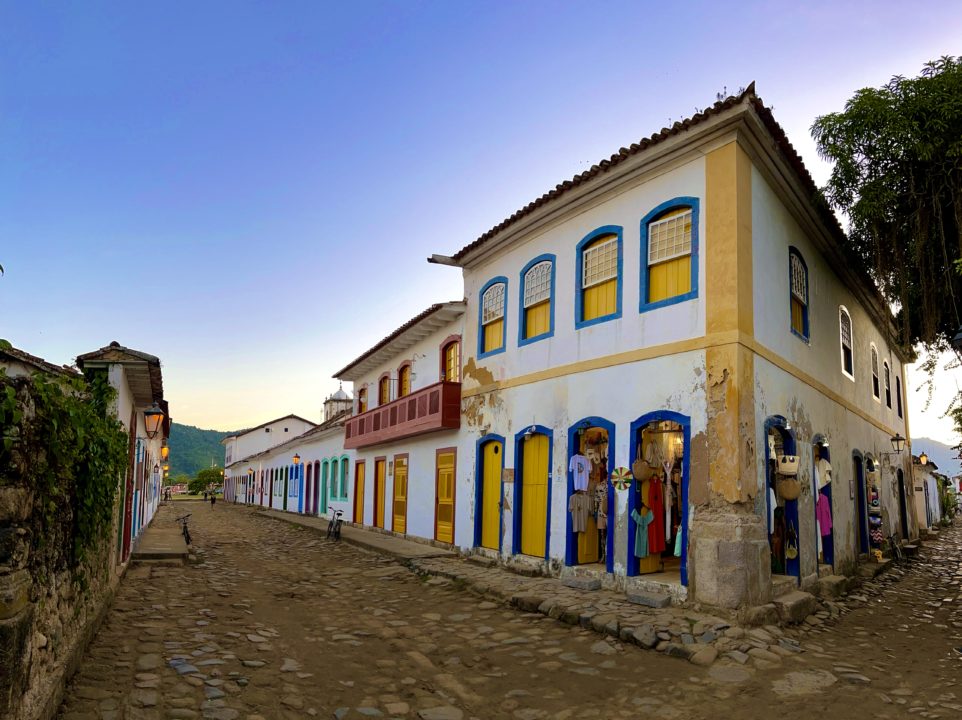
Paraty, Brazil, lies about 100 km west of Angra dos Reis and is one of the best-preserved colonial towns in Latin America. The historic old town—with its unmistakable Portuguese architectural style, whitewashed houses, blue and yellow door and window frames, and cobblestone streets—has been a protected monument since the 1950s and was added to the UNESCO World Heritage List in 2019. Anyone wanting to understand Brazilian colonial history cannot miss Paraty.
What you do in Paraty
The old town itself is car-free and partially submerged by the bay at high tide—a deliberate design choice to "cleanse" the streets. Three key landmarks are the Church of Nossa Senhora dos Remédios (1646), the Church of Santa Rita (formerly the slave church), and the historic harbor, from which schooner tours depart daily into the bay. A schooner day trip to three different bays and islands costs approximately €25–35 per person, including lunch.
Outside the city lie the famous "Cachoeiras" (waterfalls) in the hinterland—the Tobogã water slide and the Pedra Branca waterfalls are the most popular. They can be reached by rental car or organized tour from €25. Those staying a few days longer should hike in the Serra da Bocaina National Park in the hinterland—Atlantic rainforest at its best.


Overnight stay in Paraty
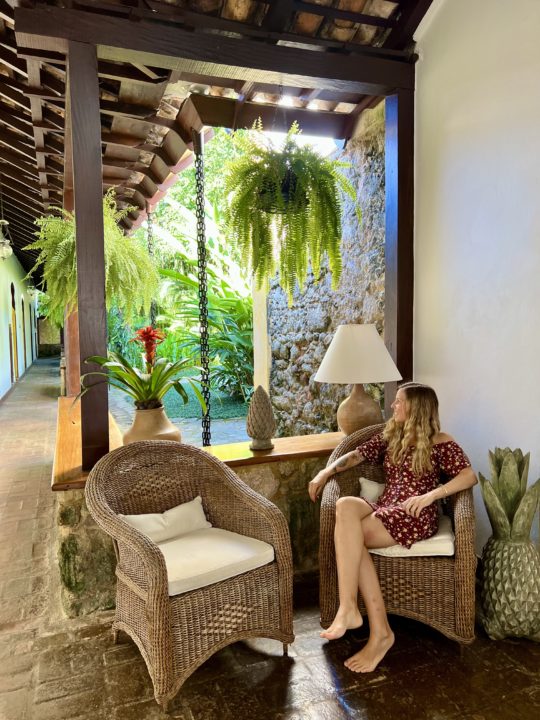
Pousadas in the historic old town are atmospheric, but start at €50 per night and go up from there. My favorite neighborhood: "Bairro Histórico" and the adjacent "Caborê"—cheaper, but only a 5-minute walk to the old town. Hostels are more common outside the center (around €15–25 in a dorm). During peak season (December–February, July), be sure to book 4–6 weeks in advance—Paraty is extremely popular as a weekend getaway for Brazilians from Rio and São Paulo.
Restaurants and dining culture
Brazilian-Portuguese culinary traditions meet a modern bistro scene here. Classic recommendations: Fresh fish dishes straight from the bay ("Peixe na Brasa"), classic rice, beans, and cassava, accompanied by a "Caipirinha" with locally distilled cachaça (Paraty has its own cachaça distilling tradition). Restaurants: "Banana da Terra" for fine dining, "Le Gite d'Indaiatiba" for French-inspired cuisine, and "Espadaim Café" for a relaxed lunch spot.
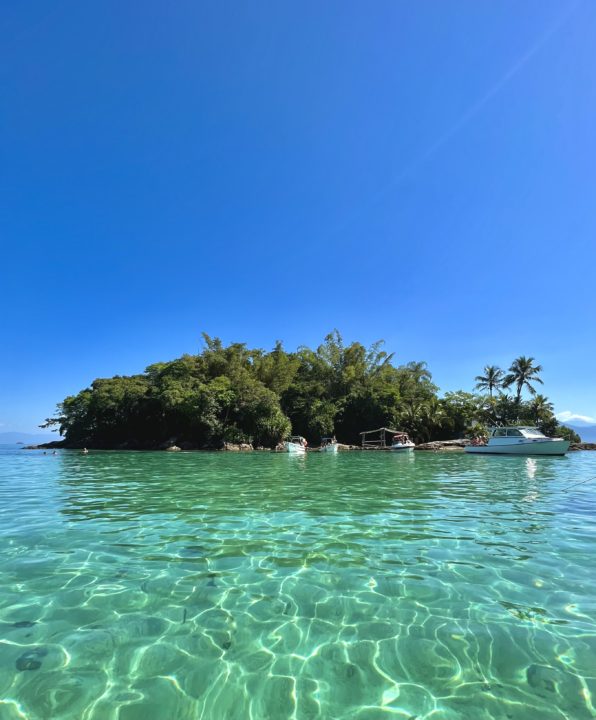


Trindade — a hidden gem south of Paraty
About a 25-minute drive south of Paraty lies the small fishing village of Trindade—a relaxed alternative to the somewhat more touristy Paraty. Here you'll find some of the most beautiful beaches on the entire Costa Verde ("Cachadaço," "Praia Brava"), a tranquil pousada scene, and hardly any international tourism. If you're looking for a week of pure beach fun, consider a day trip to Paraty and an overnight stay in Trindade.
Highlight: the natural rock pools („Piscinas Naturais“) — saltwater pools separated from the open sea by the rocks, offering a perfect snorkeling experience. Accessible on foot (approximately a 30-minute hike from the village center) or by boat.

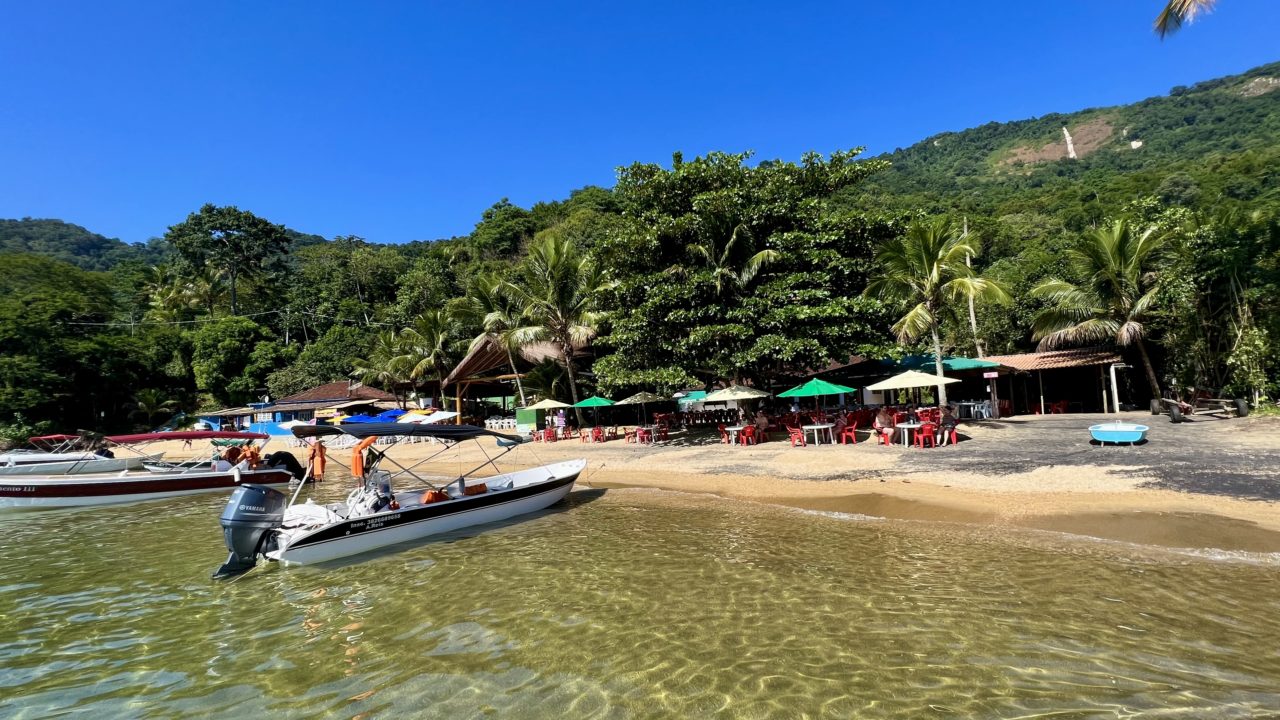

Rental car road trip Rio → Paraty → Ubatuba
The most spectacular way to experience the Costa Verde is a rental car road trip from Rio to São Paulo along the BR-101. The route is excellently maintained, well signposted, and safe to drive. Recommended stages for a 7-day tour:
- Day 1: Rio → Angra dos Reis (3 h), park car at the port, ferry to Ilha Grande.
- Days 2–4: Ilha Grande (beaches, trekking, boat tour). Car stays in the parking garage in Angra (~€10/day).
- Day 5: Back to Angra, then onward to Paraty (1.5 h).
- Days 6-7: Paraty Old Town, schooner tour, Cachoeiras waterfalls, possibly a day trip to Trindade.
- Day 8: Return to Rio or continue towards Ubatuba/São Paulo.
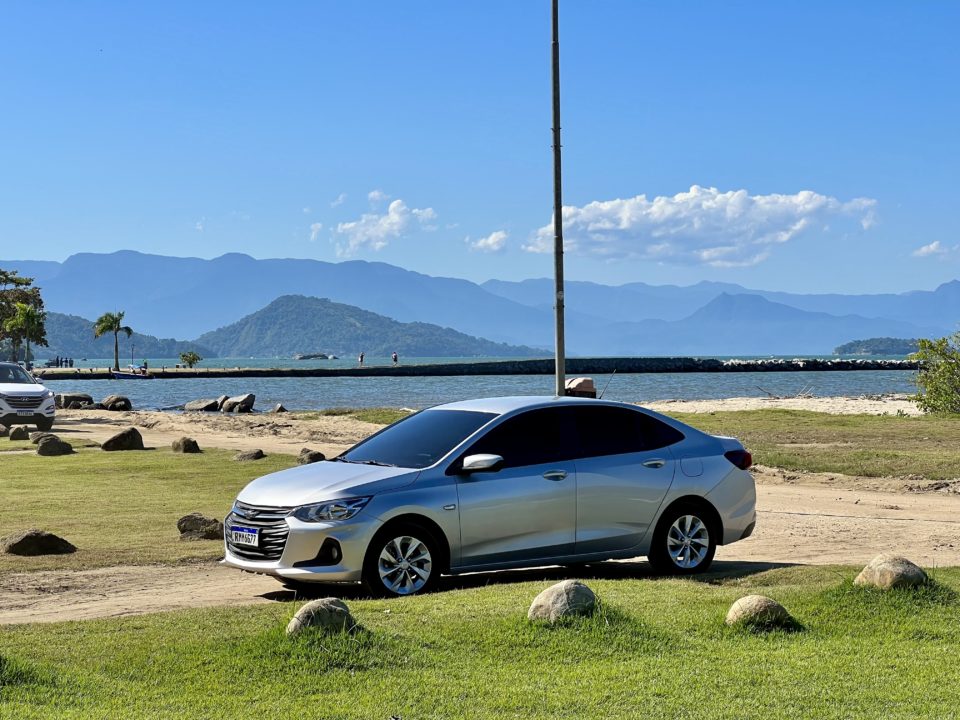
Rental cars from Rio start at around €35 per day (as of 2026). Recommendation: Compact SUV like Jeep Renegade or Volkswagen T-Cross — the Costa Verde road has some steep sections and in some places the potholes are deeper than is typical for German federal highways.

Costa Verde safety — Realistic assessment
The Costa Verde is considered significantly safer than the Brazilian metropolises of Rio and São Paulo. On Ilha Grande, in Paraty, and in the smaller coastal towns, the atmosphere is very relaxed; attacks against tourists are rare. Nevertheless, the universal Brazilian rules apply: no expensive jewelry, no open DSLR cameras near train stations, and lock the doors of rental cars at night. Exercise a little more caution in Angra dos Reis (the port city) than in rural areas.
Brazil has significant regional disparities in healthcare; outside the major cities, the standard is poor. Furthermore, tropical diseases like dengue fever and yellow fever can cost several hundred reais per day for treatment without insurance.
Rental car security
The BR-101 is safe to drive on during the day. Avoid stopping at night along the route, always drive with full tanks, and make longer fuel stops in Angra or Paraty. Police checks are frequent, usually friendly and routine. An international driving permit is officially required—in practice, many rental car companies accept German driver's licenses, but it's safer to apply for the international permit in Germany beforehand.


Best time to travel to Costa Verde
- May to September: Dry season, best time to travel. Lower probability of rainfall, temperatures 20–28°C, fewer tourists. Ideal for hiking and boat trips.
- October to April: Rainy season. Frequent tropical downpours (often short but intense), temperatures 25–35°C, higher humidity. High season over Christmas/New Year and Carnival (February/March) — book well in advance.
- My favorite: September/October — still dry, but beaches already warm, pousada prices relaxed before high season.
Costa Verde Costs — Realistic 10-Day Budget
| position | 10 days | Per day |
|---|---|---|
| Mid-range pousada | ~ 400 € | ~ 40 € |
| Restaurants & Street Food | ~ 200 € | ~ 20 € |
| Rental car + diesel | ~ 250 € | ~ 25 € |
| Activities (schowers, waterfalls) | ~ 120 € | ~ 12 € |
| Boat transfers | ~ 50 € | ~ 5 € |
| Total 10 days | ~ 1.020 € | ~ 100 € |
Costs excluding international flights. Those traveling backpacker-style (hostels, street food, public transport) can get by on about €50–60 per day. Those seeking comfort (boutique pousadas, restaurants) should budget more like €130–150 per day.
Connecting trips from Costa Verde — ideas for Brazil combination routes
Anyone already in Brazil should combine the Costa Verde with other highlights. Here are three popular connecting routes based on personal experience:
- Costa Verde + Bonito (Pantanal/Mato Grosso): Domestic flight from Rio to Campo Grande (~€120), then rental car or bus to Bonito. Famous for snorkeling in crystal-clear freshwater rivers with hundreds of fish species. Ideal as a 7-day add-on.
- Costa Verde + Iguaçu Falls: Domestic flight Rio → Foz do Iguaçu (~€130). The Iguaçu Falls are a UNESCO World Heritage Site and one of the most impressive natural wonders of South America. Three days are sufficient for the Brazilian and Argentinian sides plus the Itaipu Dam.
- Costa Verde + Salvador da Bahia: Domestic flight Rio → Salvador (~€80). Brazil's cultural heart with Afro-Brazilian traditions, Capoeira, the Pelourinho old town, and the stunning beaches of Praia do Forte. Recommended for culture enthusiasts.
Costa Verde from the perspective of a travel creator
Visually, the Costa Verde is one of the most rewarding regions in Brazil. The imagery is clearly defined: colonial architecture in Paraty (extremely strong for travel brands), tropical beach idyll on Ilha Grande (perfect hotel content), Atlantic rainforest (ideal for nature brands). Add to that the unique geographical beauty of the Bay of Angra with its more than 350 islands, captured from a drone's perspective—one of the few regions in Brazil that truly reveals its full impact from the air.
For tourism boards and hotel chains on the Costa Verde, professional visual storytelling campaigns with drone-savvy creators are an effective tool—the region is still significantly underrepresented in international travel marketing. Anyone planning a collaboration in the region can find all the formats on the [website/platform name]. Collaboration page.
Practical tips for your Costa Verde trip
What you should pack in your backpack
Tropical region with high humidity — your packing list should focus on functional clothing. Three essential items: a quick-drying T-shirt set (merino or synthetic, no cotton), a 10–20 L waterproof dry bag for boat trips and camera equipment, and a lightweight rain poncho — tropical downpours can be sudden and intense. Sunscreen SPF 50+ and insect repellent with DEET 30 belong in every travel first-aid kit.
Mosquitoes & Tropical Reality
There are some sandflies and mosquitoes on the Costa Verde, especially in the mangroves and on the beach at sunset. Wearing long, light clothing in the evening, using insect repellent for your face, and having a mosquito net in simple pousadas (guesthouses) is helpful. There is a risk of dengue fever in Brazil, which is higher seasonally (February–April). Those traveling in the summer should take extra care with mosquito protection.
Money & Payment
Cashless payments are no problem in tourist hotels and restaurants. On Ilha Grande, some smaller establishments only accept cash—bring about €100–150 in Brazilian Reais (BRL) for boat tickets, day trips, and small expenses. ATMs in Vila do Abraão are more often empty than full, while those in Paraty are significantly more reliable. Wise or Revolut cards offer the cheapest withdrawals.
Return transport
For those wishing to return their rental car at the end of the Costa Verde: Larger rental companies (Localiza, Movida, Hertz) have branches in Paraty, Angra dos Reis, and São Paulo. Drop-off in a different city than the rental location costs approximately €30–80 extra. Alternatively, bus connections from Paraty to Rio (4 hours, approx. €25) or Paraty to São Paulo (6 hours, approx. €35) are comfortable and reliable (Empresa Costa Verde, Reunidas).
Costa Verde vs. Costa do Sol comparison — Which Brazilian coast is better?
Brazil's state of Rio de Janeiro has two prominent coastal areas: the Costa Verde in the west (towards São Paulo) and the Costa do Sol in the east (towards Búzios). Both are popular, but very different:
- Costa Verde: Tropical, dense rainforest, colonial architecture, tranquil island atmosphere, and a more international flair thanks to the expat community in Paraty. Ideal for slow travel.
- Costa do Sol: Dryer, dune-like, more sophisticated atmosphere in Búzios ("the Brazilian Saint-Tropez"), water sports highlights like Cabo Frio. Ideal for beach party-oriented travelers.
For those who have to choose: nature lovers and culture travelers will likely prefer Costa Verde, while beach-hopping travelers will likely prefer Costa do Sol. Both regions can also be combined in a 14-day trip — starting in Rio, drive west along Costa Verde for a week by rental car, then return via Rio and drive east along Costa do Sol for a week.
Best Pousadas on the Costa Verde — Practical Recommendations
Based on several stays and research in Brazil travel communities, these are the reliably high-quality pousadas in the region:
- Pousada Naturalia (Ilha Grande): Classic island pousada near Vila do Abraão with a spacious garden and excellent breakfast. €60–90 per night.
- Asalem Boutique Hotel (Ilha Grande): Premium pousada with pool and bay view. €150–250 per night. Recommended for honeymoons and special occasions.
- Pousada do Ouro (Paraty): Restored colonial house right in the historic old town. €80–140 per night. Authentic Paraty experience.
- Pousada Literária de Paraty: Art and literature-oriented boutique concept. €120–180 per night. Very popular during the „Festival Literário Internacional de Paraty“ (FLIP) in July.
- Pousada do Cais (Trindade): Simple but charming pousada right on the beach. €50–80 per night. Prime location in Trindade.
Costa Verde: Special experiences off the beaten track
Those who have already done the standard tours or are specifically looking for special experiences should plan the following activities:
- Schooner overnight tour Ilha Grande: A 2-3 day boat tour with overnight stays in secluded bays on the island's south side. Approximately €200-350 per person including meals. Maximum island vibe without day-trippers.
- Kayak mangrove tour near Paraty: A 4-hour guided tour through the mangroves of the bay. Atmospheric, photogenic, and away from mass tourism. Approximately €35 per person.
- Cachaça distillery visit: Paraty has its own cachaça tradition with over 10 traditional distilleries ("engenhos") in the surrounding area. A day trip including tasting costs approximately €40–60.
- Aldeia Indigena Guarani visit: Guided day trips to one of the nearby Guarani indigenous communities. Authentic insight into Brazilian indigenous culture, approximately €50 including a donation to the community. Book only through authorized providers.
- Trekking in Serra da Bocaina National Park: A two-day trek through the Atlantic Rainforest with an overnight stay at a research station. Challenging, but unforgettable. Bookings only through the park administration in Paraty.
Costa Verde by drone — Top spots for aerial photography
For drone enthusiasts, the Costa Verde offers some of the most spectacular filming opportunities in Brazil. Important note: Brazil's aviation authority, ANAC, requires free online registration for drones over 250g; in the nature reserves of Ilha Grande and Paraty, drone flying without a special permit is a gray area—usually tolerated as long as it doesn't fly over people or take off near animals.
Top spots: Pico do Papagaio on Ilha Grande with its 360° panorama of the bay, Lopes Mendes Beach from a bird's-eye view, the historic old town of Paraty at sunset, the natural rock pools of Trindade, and the bay of Angra dos Reis with its more than 350 islands. For the best lighting conditions, fly early in the morning (before 8 a.m.) or in the evening (after 5 p.m.) — the midday tropical sun is harsh and often makes the photos lack contrast.
Equipment tip for drone photography
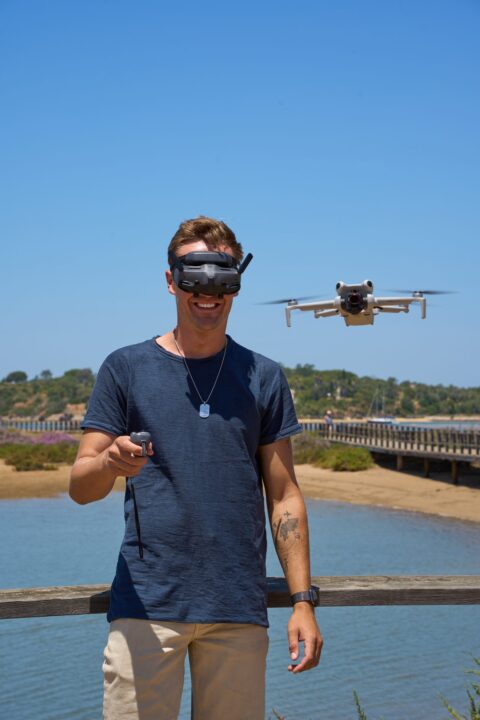
The DJI Mini 5 Pro Weighing under 250g, it's ideal for the Costa Verde — no ANAC registration required, easy to carry in hand luggage, and offers the best image quality in the under-250g class. ND filters are essential for bright beach shots; without them, all midday clips will be overexposed. More drone equipment in the Equipment Guide 2026.
Lessons Learned — What I would do differently next time
After several stays on the Costa Verde, I've come to some clear conclusions. Those who want to travel efficiently will benefit from these experiences: Book pousadas in Paraty at least four weeks in advance, especially during peak season. Bring enough cash in Brazilian reais—not all boat operators and small restaurants accept cards. Always plan for a buffer day in case of rain; tropical downpours can completely ruin a beach day. And: Start early—the best beaches on Ilha Grande are packed with day-trippers from 11 a.m. onwards.
FAQ — Costa Verde, Ilha Grande & Paraty
How much time should I plan for the Costa Verde?
A minimum of 7 days is needed for Ilha Grande and Paraty. Ideally, 10–14 days are recommended to also experience Trindade and some of the Cachoeiras waterfalls at a more leisurely pace. Those with less time should focus either on Ilha Grande (4–5 days) or Paraty (3–4 days).
What language is spoken?
Portuguese — Spanish is hardly understood. English is passable in tourist restaurants and mid-range pousadas, but not so much in local bars or in 4x4 traffic. Download Google Translate offline for Portuguese.
Do I need a visa for Brazil?
German, Swiss, and Austrian citizens receive visa-free entry to Brazil for 90 days, renewable once. Passports must be valid for at least six months. An onward ticket may be required upon arrival.
Is wild camping allowed on Ilha Grande or in Paraty?
On Ilha Grande: Wild camping is prohibited; camping is only permitted at two authorized sites in Abraão. In Paraty: Wild camping is not officially prohibited, but rarely practical—the two small campsites on the outskirts of town are better options.
What is the internet quality like?
In Vila do Abraão and Paraty, internet access is generally good (50–100 Mbps in mid-range pousadas). It is weak to non-existent on the remote beaches of Ilha Grandes and in the hinterland of Paraty. For those planning to work remotely: a local SIM card with unlimited data from Vivo or Claro is recommended as a backup.
Which payment methods work?
Cards (Visa, Mastercard) are accepted in hotels and larger restaurants. On Ilha Grande, some restaurants only accept cash—bring approximately €100–150 in reais upon arrival. ATMs are only available in Vila do Abraão. Significantly more bank branches are available in Paraty.
Do I need any special vaccinations?
Standard vaccinations plus hepatitis A and tetanus. Yellow fever vaccination is officially recommended for the region, but rarely checked in practice — anyone traveling on to northern Brazil (Amazon, Pantanal) after the Costa Verde should definitely get it done beforehand.
Can I travel to Costa Verde with children?
Very well suited. Ilha Grande is car-free (safe for small children), the beaches are shallow with clear water, restaurants are family-friendly, and pousadas often have family rooms. Paraty, with its flat cobblestone streets, is also easy to navigate. Strollers aren't suitable—pack a lightweight baby carrier instead.
What is the best photo subject in the region?
Three top subjects: Lopes Mendes Beach from above (drone), the historic old town of Paraty at sunset from the harbor quay, and the schooner boats in Paraty Bay with the mountains in the background. From the air: Angra dos Reis Bay with its more than 350 islands is one of the most rewarding drone locations in South America.
Where can I find good drone spots?
Ilha Grande Pico do Papagaio (highest point, 360° panorama), Praia do Caxadaço in Trindade, the natural rock pools near Trindade, and the Caborê district in Paraty at golden hour. More drone tips in the DJI Mini 5 Pro Review.
Max Haase
Travel Content Creator · Drone Photographer · Visual Storyteller
Since over 10 years professional travel creator with over 4 million followers. Specializing in high-end tourism board collaborations and visual travel storytelling.


 German
 English