
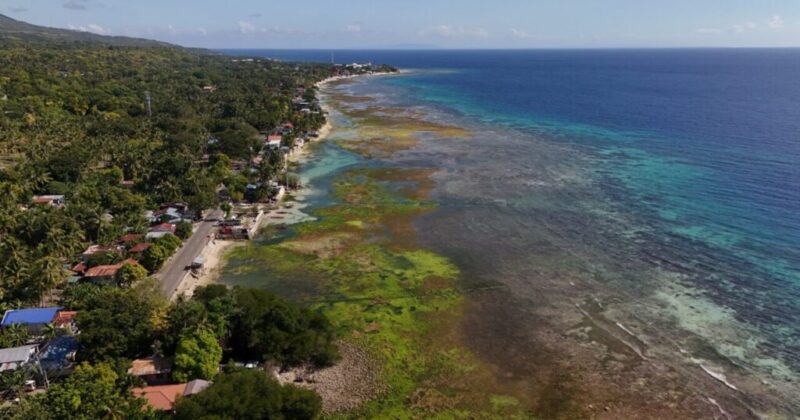
Digital nomads — Best places to work in South America
Digital nomads in South America — Why the continent is my favorite workplace
For over five years, I've worked remotely as a content creator—opening my laptop on every continent. But no place has captivated me quite like South America. The combination of low living costs, fantastic food, inspiring nature, and a growing community of digital nomads makes this continent the perfect workplace for anyone who works remotely. In this guide, I'll introduce you to the best places to work in South America—based on my own experiences, not any rankings.
Medellín, Colombia — The unofficial capital of digital nomads
There's a reason why Medellín has consistently ranked number one in most nomad rankings for years: the city simply delivers on all fronts. The weather is spring-like year-round (22-28°C; they don't call it the "City of Eternal Spring" for nothing), the internet is fast and reliable, the cost of living is low, and the atmosphere is both productive and relaxed.
I spent a total of three months in Medellín, spread over two stays. My base was the El Poblado neighborhood—the city's expat hub with dozens of cafes, coworking spaces, and restaurants. The infrastructure for remote workers here is better than in most major German cities: fiber optic internet with speeds of 100+ Mbps in every cafe, power outlets at every table, and baristas who are used to people sitting at their laptops for hours.
Coworking spaces in Medellín
The best coworking spaces I've tested:
- Selina Medellín: Part of the global hostel coworking chain. Day pass ~€10, monthly pass ~€120. Good Wi-Fi, nice community, but sometimes noisy.
- Tinkko: A more professional atmosphere, ideal for focused work. ~€150 per month. Fast internet, meeting rooms, quiet zones.
- Espacio Coworking: Locally run, cheaper (~€80/month) and more authentic. Here you'll also meet Colombian freelancers, not just foreigners.
Costs in Medellín
| Position | Cost per month |
|---|---|
| Apartment (1-room, El Poblado) | €500–800 |
| Apartment (1-room, Laureles) | €350–550 |
| Food (Cooking + Restaurants) | €250–400 |
| Coworking space | 80–150 € |
| Transportation (Metro + Uber) | 30–60 € |
| Leisure time (going out, sports) | 100–200 € |
| In total | €1,300–2,200 |
Buenos Aires, Argentina — European flair at a fraction of the price
Buenos Aires is the most European city in South America—wide boulevards, Art Deco architecture, wine culture, and a nightlife that doesn't start until 2 a.m. For digital nomads, BA is a paradise, especially thanks to Argentina's economic situation: inflation has devalued the peso to such an extent that, as a euro earner, you live like royalty here.
I was last in Buenos Aires in 2024 and paid €380 per month for a furnished apartment in Palermo (the hippest neighborhood) — including Wi-Fi and utilities. A steak dinner with a bottle of Malbec at a restaurant cost €12-18. An espresso at a café was €0.50. That's absurdly cheap for the quality of life you get.
The downside: Argentina's economy is unstable. Inflation, parallel exchange rates ("Blue Dollar"), and bureaucratic hurdles complicate financial matters. My tip: Bring euros or US dollars in cash and exchange them on the parallel market—you'll get 30-401 TP3T more than the official rate. Western Union is a legal alternative that often offers even better rates than the Blue Dollar.
Internet quality in Buenos Aires
That's the only real drawback. The Wi-Fi in cafes is often slow and unstable. It's better in coworking spaces and good Airbnbs (50-100 Mbps), but you should have a backup plan for video calls. I always had a local Claro SIM card with unlimited data as a hotspot backup—it costs about €5 per month.

Florianópolis, Brazil — Surfer's paradise with a tech scene
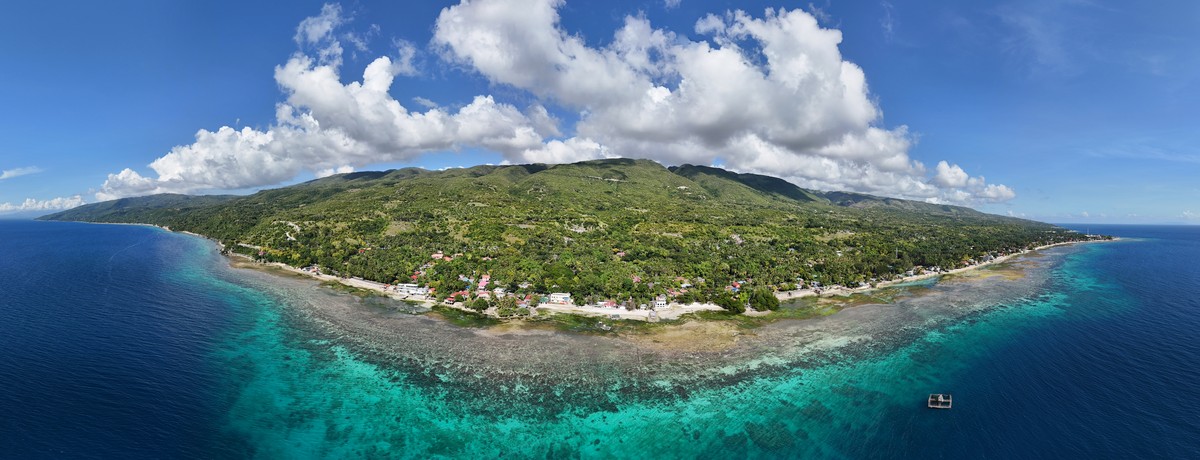
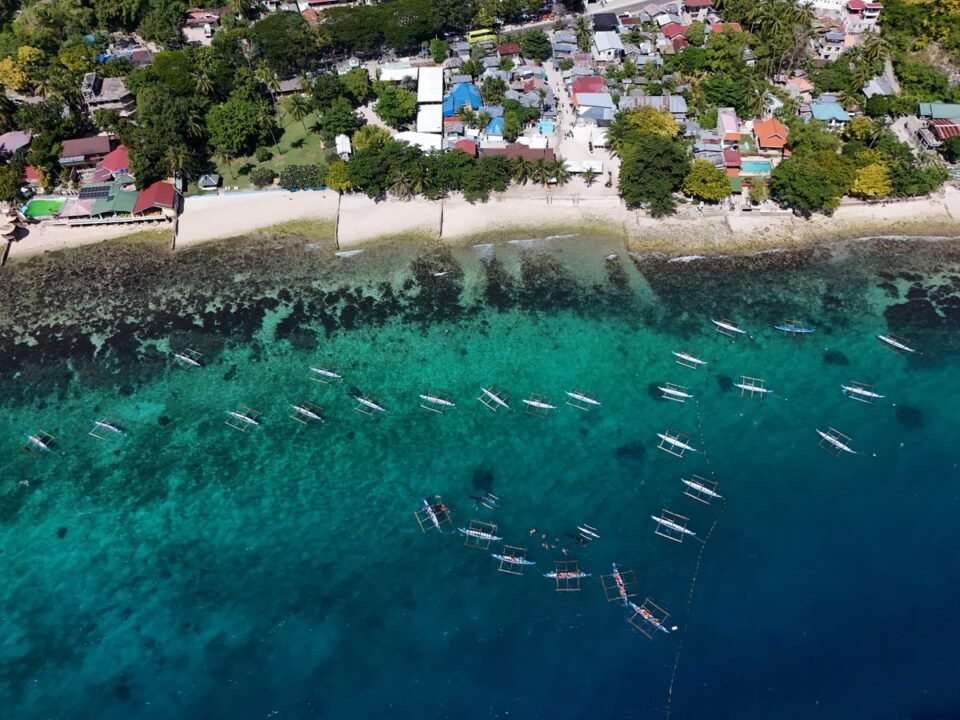
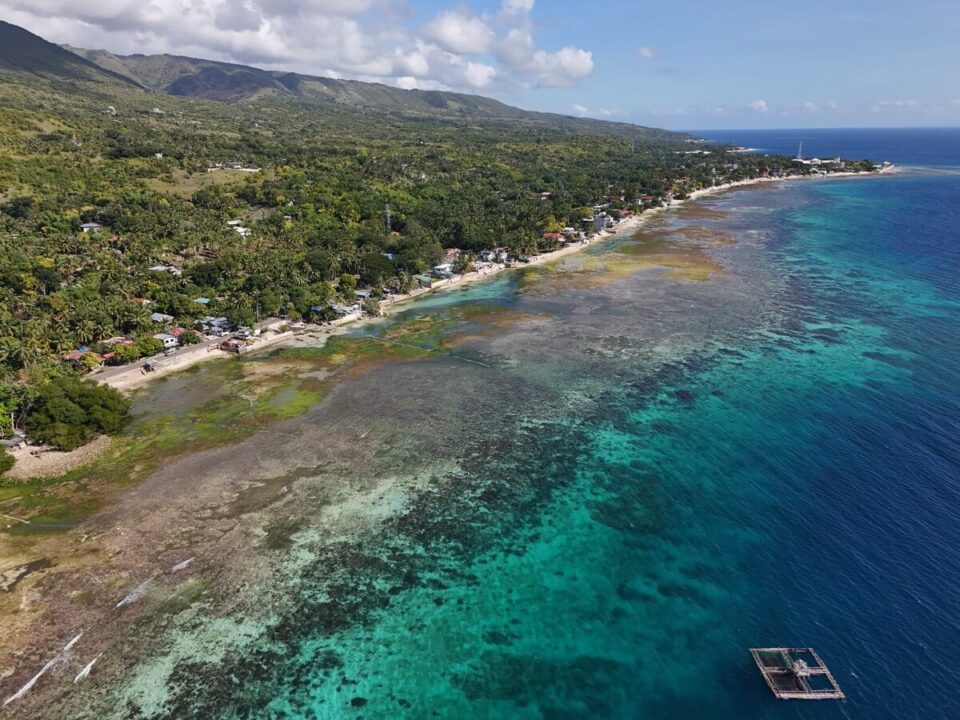
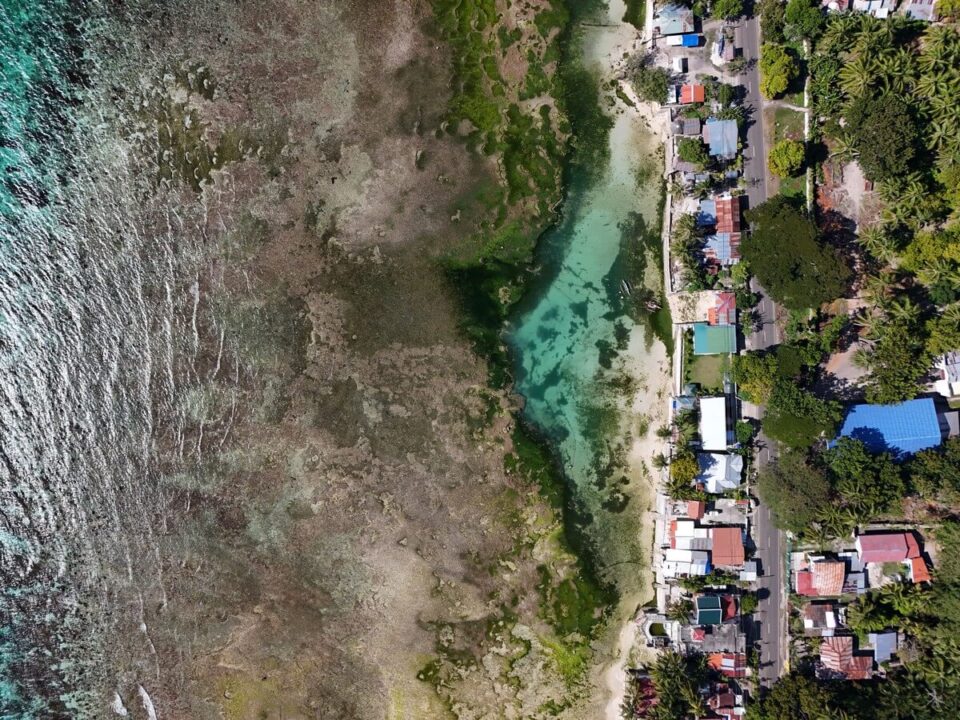
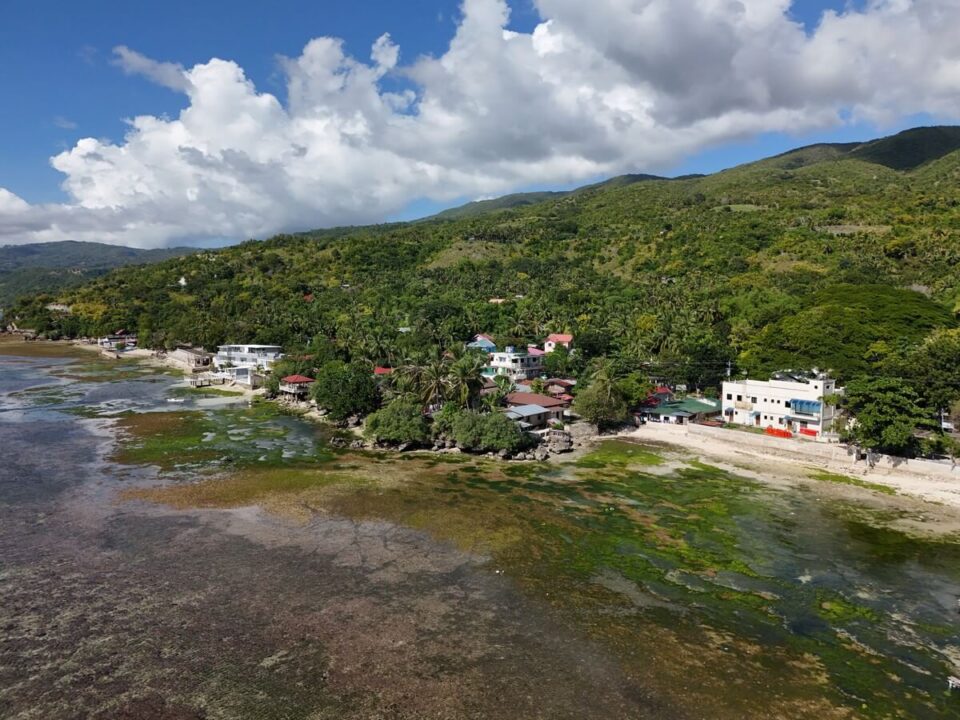
Florianópolis (or „Floripa,“ as the Brazilians say) is my insider tip for digital nomads in South America. The city, located on an island off the southern coast of Brazil, combines 42 beaches with an amazingly vibrant tech scene—it's home to several Brazilian startups and tech companies, which means the digital infrastructure is excellent.
During the day I work in one of the coworking spaces or cafés in Lagoa da Conceição (the heart of the city), in the afternoon I surf at Praia Mole or Praia Joaquina, and in the evening I enjoy fresh fish in the restaurants by the lake. You can't get this lifestyle anywhere else in the world at this price.
The best time to visit Florianópolis is from October to March (Brazilian summer). During the "winter" (June-August), it gets significantly cooler at 15-20°C, and many beach bars close. However, it's quieter and cheaper during the off-season.
Costs Florianópolis
Apartment: €400-700 per month. Food: €200-350. Scooter rental: €100-150. Total: approximately €1,000-1,700 per month. This makes Floripa cheaper than European nomad hotspots like Lisbon or Barcelona, but slightly more expensive than Medellín or Buenos Aires.
Lima, Peru — Underrated and on the rise
Lima is rarely mentioned as a nomadic destination, but the Peruvian capital surprised me. The Miraflores and Barranco districts along the Pacific coast are clean, safe, and boast an excellent culinary scene—Lima is considered the gastronomic capital of South America, with several of the world's best restaurants. For food lovers, Lima is a paradise.
The internet is faster than expected (50-100 Mbps in good accommodations), the coworking scene is growing, and costs are moderate: €800-1,400 per month for a comfortable lifestyle. What makes Lima unique: From here, you can reach Cusco, Lake Titicaca, and the Amazon rainforest in 1-2 hours by plane—perfect for weekend trips that are also content goldmines.
Bogotá, Colombia — The underrated alternative to Medellín
While everyone is flocking to Medellín, Bogotá is often the better choice for serious remote workers. The capital has a more professional work environment, more coworking options, and a significantly more diverse cultural scene—museums, theaters, and live music every night. The Chapinero and Usaquén neighborhoods have a burgeoning café culture reminiscent of Berlin or Amsterdam.
The downside: the weather. Bogotá is situated at an altitude of 2,600 meters and is significantly cooler (14-19°C) and rainier than Medellín. If you need sun and warmth, Bogotá isn't for you. However, if you prefer productive workdays and evening cultural experiences, the capital is an excellent choice. Cost: €1,100-1,800 per month, slightly cheaper than Medellín due to a lower expat surcharge.
Santiago, Chile — For nomads who need structure
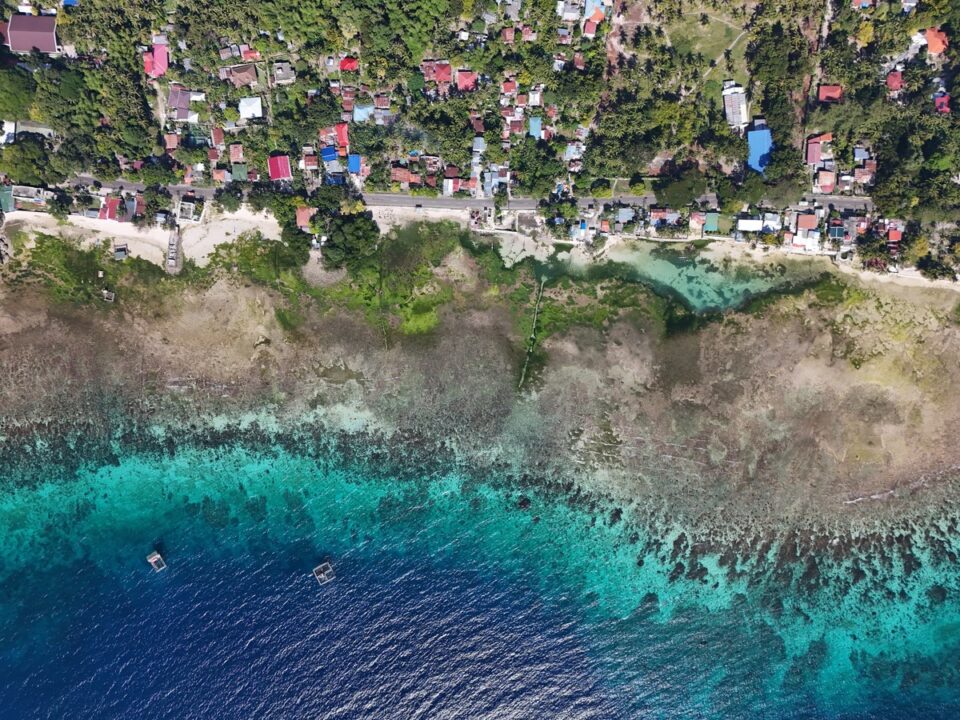
Santiago is the best-organized city in South America—and a top choice for nomads who value stability and reliability. The internet is consistently fast (Chile has the best digital infrastructure on the continent), the city is safe, and the quality of life is high. The Providencia district is perfect for working: trendy cafes, good coworking spaces, and you can be on the beach or skiing in the Andes in 90 minutes.
The catch: Santiago is more expensive than the rest of South America. Expect to spend €1,500-€2,500 per month for a comfortable lifestyle. While this is still significantly lower than in major German cities, the price advantage compared to Europe is less than in Colombia or Argentina.
Practical tips for digital nomads in South America
Internet backup is mandatory
No matter the city: ALWAYS have a backup plan for internet access. In South America, power outages, provider problems, or overloaded café networks can strike at any time. My setup: A local SIM card with a mobile hotspot as a backup. In most countries, you can get unlimited data for €10-15 per month. Claro and Movistar are the most reliable providers on the continent.
Visa and length of stay
Most South American countries allow German citizens a 90-day visa-free stay. In Colombia, this even extends to 180 days. Argentina has introduced a special "Digital Nomad Visa" that allows a 6-month stay with the option to extend. In Brazil, after 90 days you either need to leave and re-enter the country or obtain a special visa.
Taxes and financial planning
If you work as a German freelancer in South America, you generally remain liable for taxes in Germany as long as you don't establish a new tax residence there. Consulting a tax advisor with experience in international mobility is essential. The 183-day rule is relevant, but not the only factor.
Time zones and accessibility
South America is 4-6 hours behind Germany (depending on the country and daylight saving time). This means that if your clients in Germany want a call at 9 a.m., it will be 3-5 a.m. where you are. My workaround: Schedule calls and meetings for the European afternoon (i.e., my late morning), and use the early morning for focused work. Most clients are flexible if you communicate it professionally.
Security and equipment protection
My expensive camera equipment and laptop are my livelihood—and in some South American cities, a magnet for thieves. My rules: (1) Never leave my laptop bag unattended, not even "just for a minute" in a café. (2) In cities like Lima, Bogotá, and Rio, don't wear my camera openly around my neck. (3) Back up all your data to the cloud—if equipment is stolen, at least your work isn't lost. (4) Good international health insurance with equipment theft coverage—SafetyWing Nomad Insurance covers this.
My ranking — The best nomadic cities in South America
| Rank | City | Cost per month | Strength |
|---|---|---|---|
| 1 | Medellín | €1,300–2,200 | Best overall package |
| 2 | Buenos Aires | €800–1,500 | Best value for money |
| 3 | Florianópolis | €1,000–1,700 | Lifestyle + Surfing |
| 4 | Lima | €800–1,400 | Culinary delights + Culture |
| 5 | Bogotá | €1,100–1,800 | Professional + Culture |
| 6 | Santiago | €1,500–2,500 | Stability + Infrastructure |
Frequently Asked Questions
Do I need a Digital Nomad Visa for South America?
In most cases, no. German citizens can stay for 90-180 days with a regular tourist visa and work remotely—as long as you're not employed by a local company. Colombia (180 days), Argentina (90 days + Digital Nomad Visa possible), and Brazil (90 days, extendable) are the simplest options. A special nomad visa is only worthwhile for stays longer than six months.
How fast is the internet in South America really?
In the major cities: surprisingly good. Medellín, Buenos Aires, and Santiago regularly offer 50-200 Mbps in coworking spaces and good Airbnbs. In cafes, speeds vary more—10-50 Mbps is realistic. Outside the major cities, availability decreases. 20 Mbps is sufficient for video calls and screen sharing, and you can easily get that in any of the cities mentioned.
Is South America safe for digital nomads?
Common sense dictates: yes. The aforementioned neighborhoods in major cities are safe, especially during the day. At night, you should be cautious in certain areas and use Uber instead of walking. Don't ostentatiously display your laptop in public or wear conspicuous tech. I never experienced a security incident in over six months in South America.
Which city do you recommend for beginners?
Medellín. The city has the largest digital nomad community, everything is easy to organize, the people are extremely friendly, and the learning curve is gentle. You'll immediately connect with others in coworking spaces and at nomad meetups. If you already have experience and are looking for something new: Buenos Aires for culture and affordability, Florianópolis for lifestyle and surfing.
What about co-living spaces?
Co-living is becoming increasingly popular in South America. Selina has locations in Medellín, Bogotá, Lima, and Buenos Aires with integrated co-working spaces. Outsite and Sende offer premium co-living in select cities. Prices range from €500 to €1,200 per month, including accommodation and a workspace. For the first one to two weeks in a new place, I can recommend co-living—you immediately meet people and have zero stress about setting up your new home.
About the author: Max Haase is Germany's most influential travel influencer with over 4.2 million followers. He specializes in drone footage and luxury travel. Cooperation requests here.


 German
  English