
Travel Creator Equipment 2026: My complete setup
My Equipment 2024 — Camera, Drone & Accessories for Professional Travel Photography
The question I get asked most often is: "Max, which camera do you use?" Answer: It's not just one camera. It's a system of camera, drone, action cam, and accessories that I've perfected over years. After more than 82 countries, hundreds of thousands of photos, and thousands of drone flights, I know exactly what works—and what's unnecessary.
In this guide, I present my complete equipment: what I use, why I use it, and what you really need (spoiler: less than you think).
Main camera — Sony A7 IV
The Sony A7 IV has been my main camera since 2022 and will remain so in 2025. Full-frame sensor, 33 megapixels, excellent autofocus with real-time tracking, 4K 60fps video, and a dynamic range that delivers clean results even in difficult lighting conditions (sunrise/sunset, backlighting).
Why not the Sony A7R V (61 MP) or the A1 (50 MP)? Because 33 megapixels are perfectly adequate for Instagram, the web, and even print posters. The A7R V has larger files (more storage, slower workflow), and the A1 costs almost three times as much. The A7 IV is the sweet spot between resolution, speed, and price.
My Sony A7 IV in numbers (2024)
| Metric | Value |
|---|---|
| Triggers 2024 | ~42.000 |
| Total triggers | ~180.000 |
| countries travelled to | 24 |
| Repairs needed | 0 |
| Battery life (realistic) | ~600 photos |
Price: ~€2,500 (body only) — an investment that pays off over the years.
Lenses — Less is more
Sony 16-35mm f/2.8 GM II — My main lens
80%. My photos are taken with this lens. Wide-angle for landscapes, f/2.8 for starry skies and low light, and the optical quality is on par with Sony GM (meaning: sharp to the corners, virtually no distortion). Whether it's a mountain panorama in the Alps, a street scene in Porto, or the Northern Lights in Iceland—this lens can handle it all.
Price: ~2.200€
Weight: 547g
Sony 70-200mm f/4 G OSS II — For detail and compression
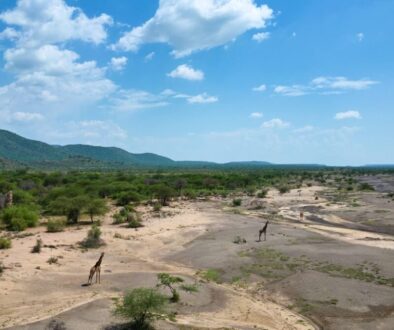
My go-to telephoto zoom for safaris, capturing landscape details, and portraits with background blur. It's not as fast as the f/2.8 (which also weighs almost twice as much), but it's lighter and more compact. This 90% lens was my go-to lens on my Kenya safari.
Price: ~1.800€
Weight: 794g
Sony 50mm f/1.4 GM — For Available Light
The perfect prime lens for low-light situations: restaurants, night markets, interiors. The f/1.4 aperture means I can take sharp photos even by candlelight without having to increase the ISO. Also indispensable for portraits with extremely creamy bokeh.
Price: ~1.500€
Weight: 516g
Drone — DJI Mini 5 Pro
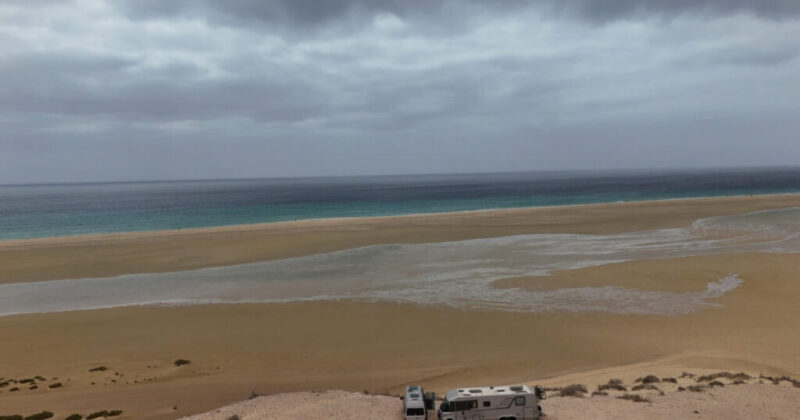
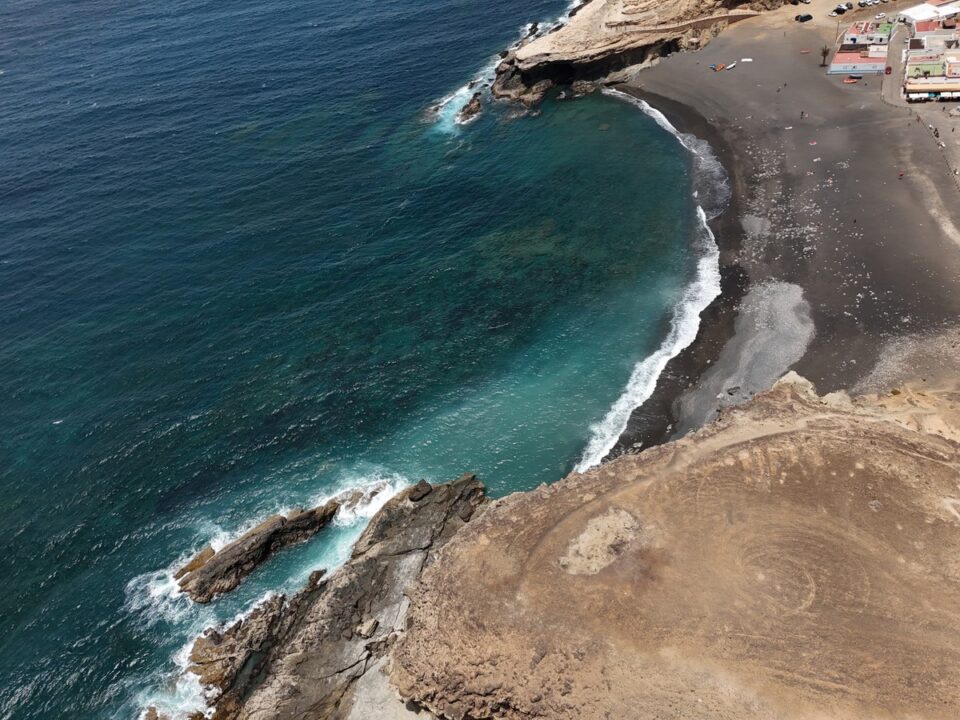
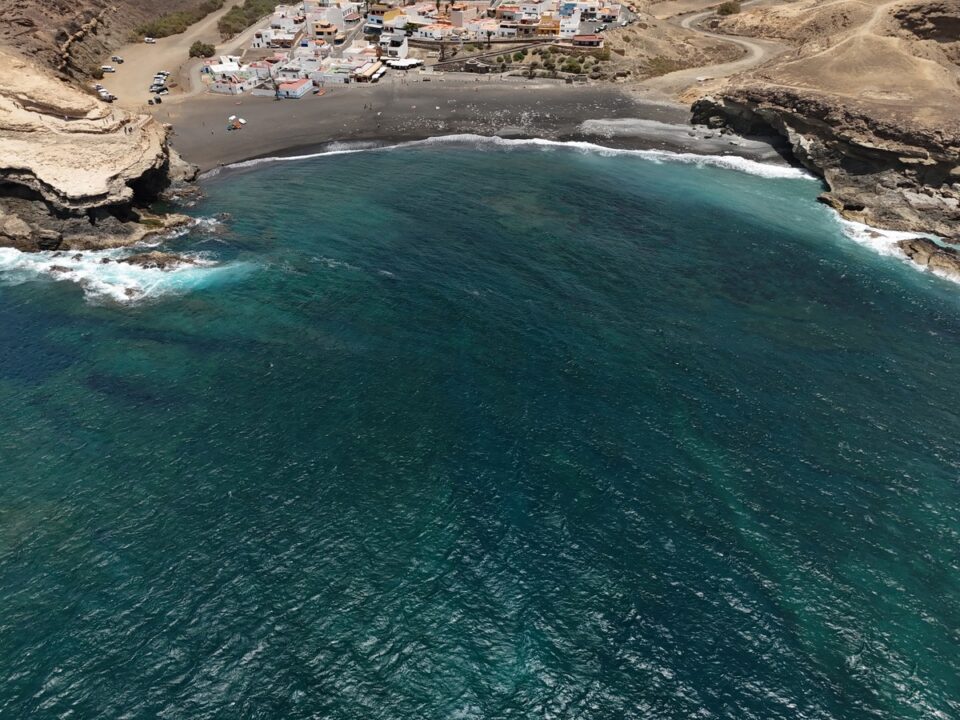
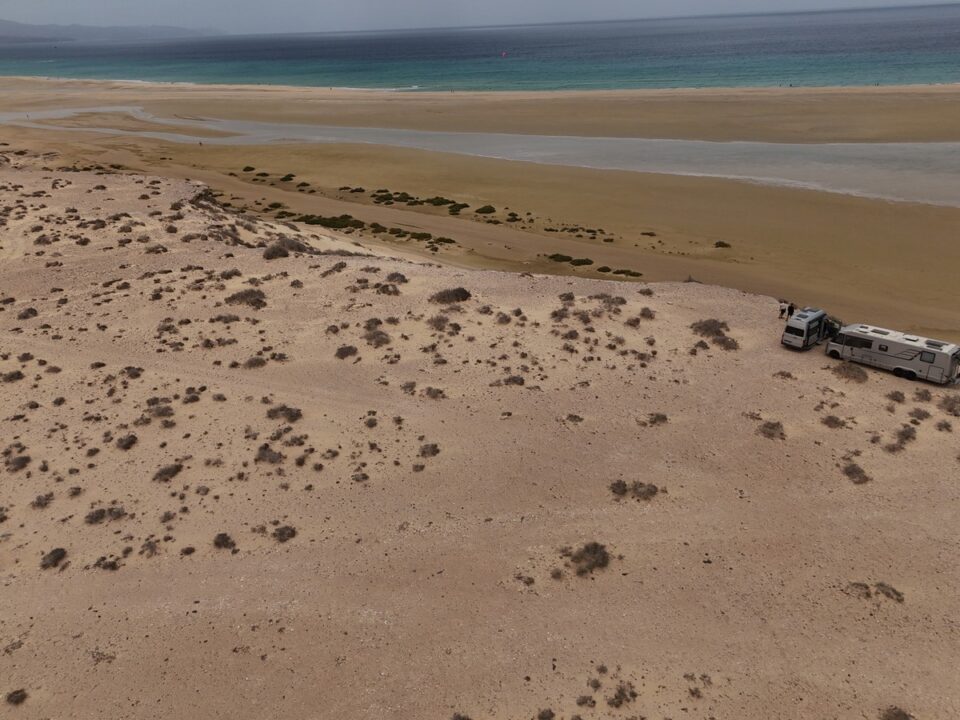
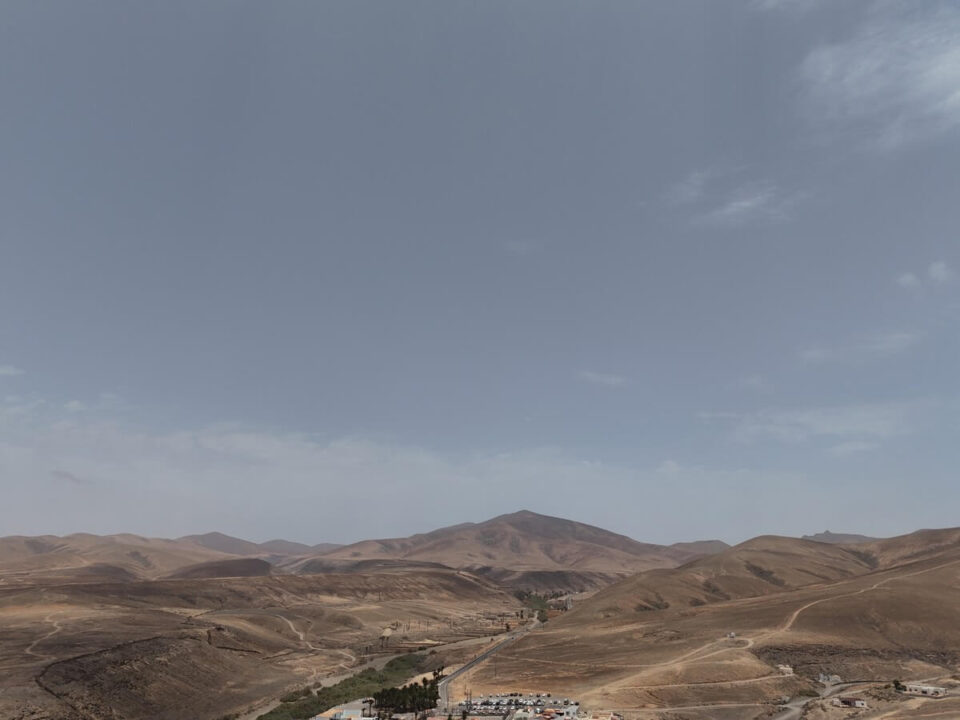
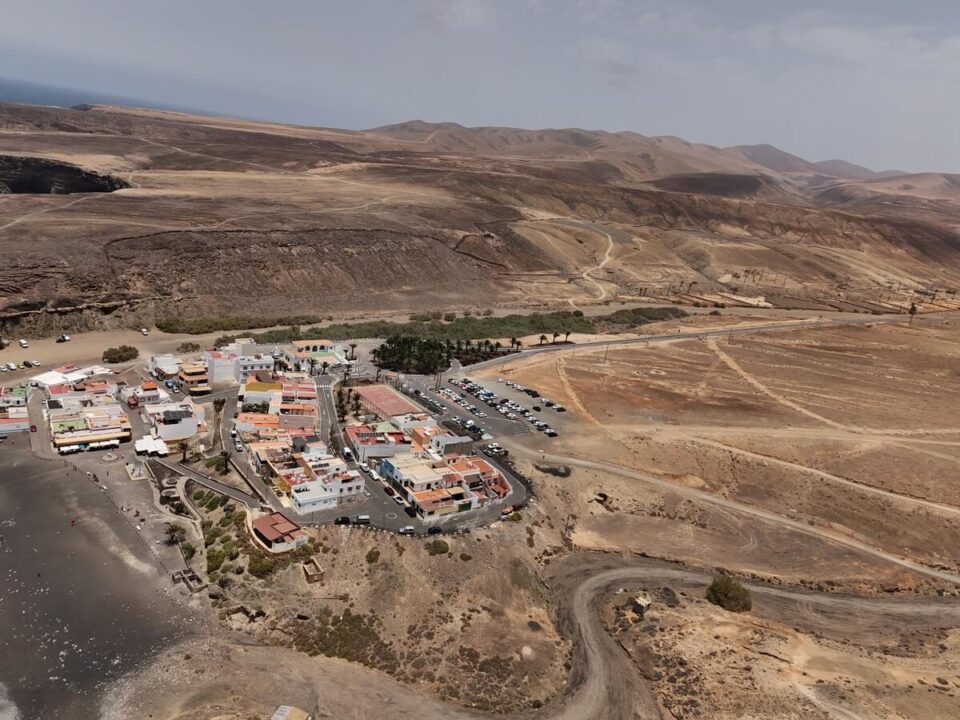
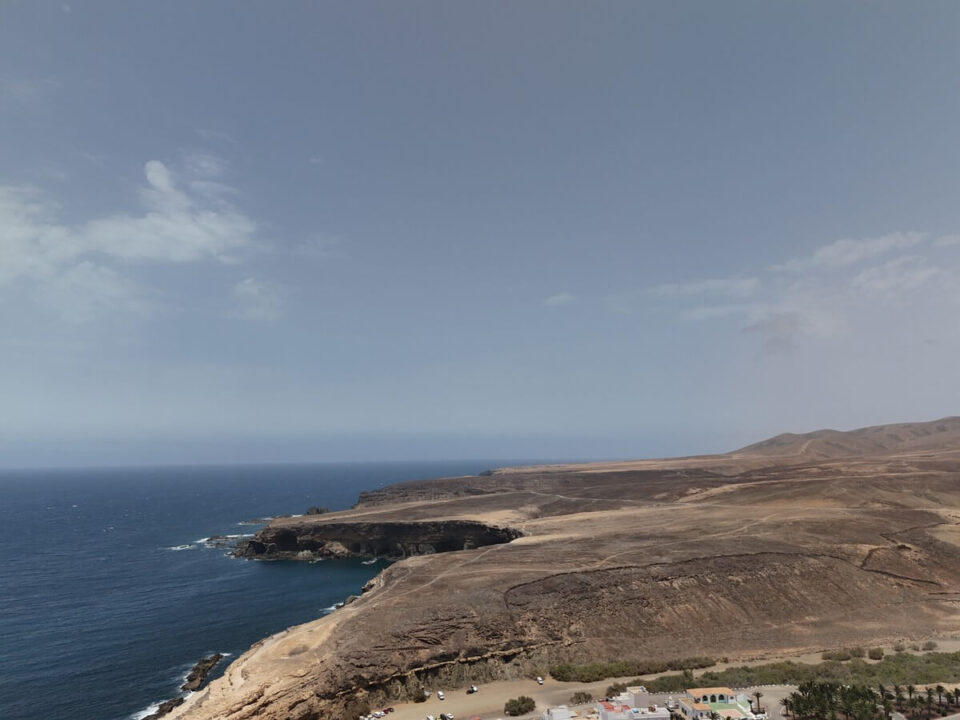
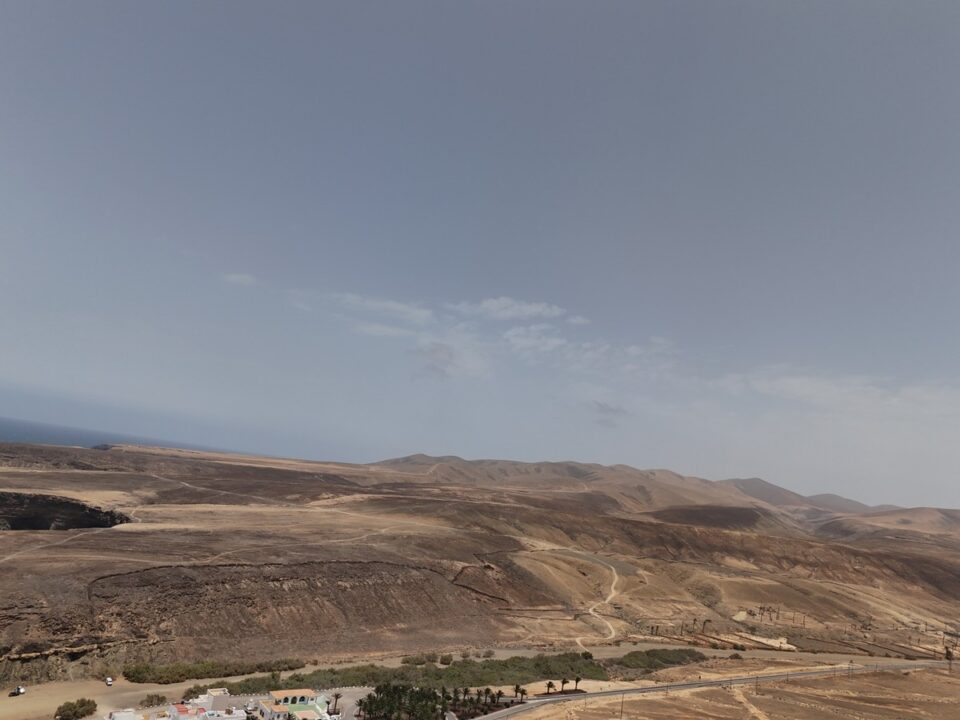
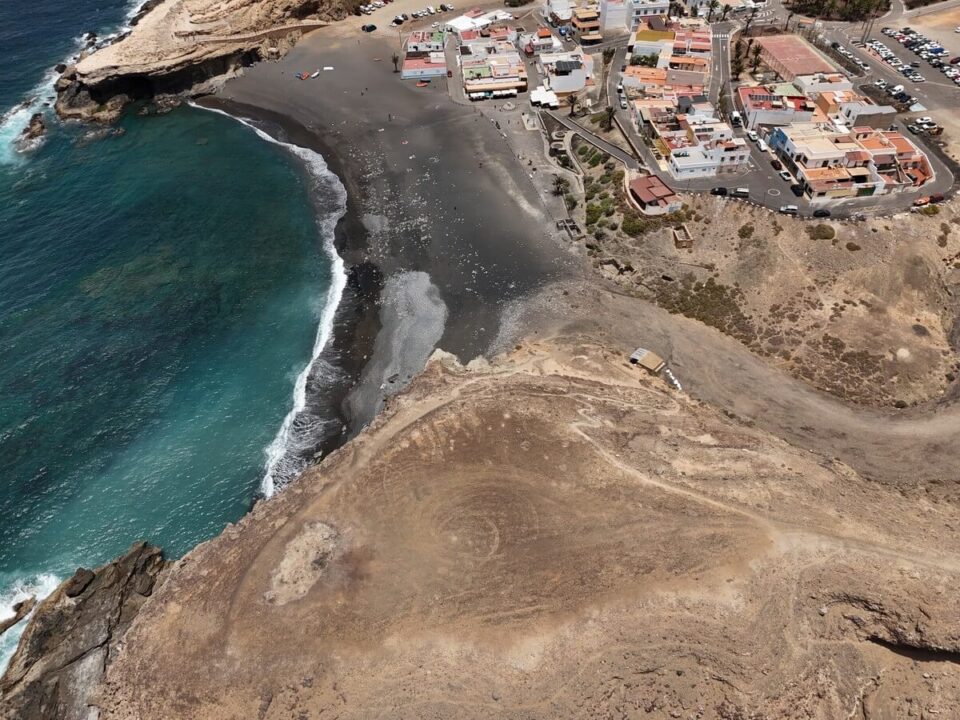
The DJI Mini 5 Pro is the reason I've been photographing in a completely different league since 2023. It weighs under 249g (meaning no drone license is required in most EU countries), offers 4K 60fps video, 48MP photos, obstacle avoidance in all directions, and a real-world flight time of 32-35 minutes per battery.
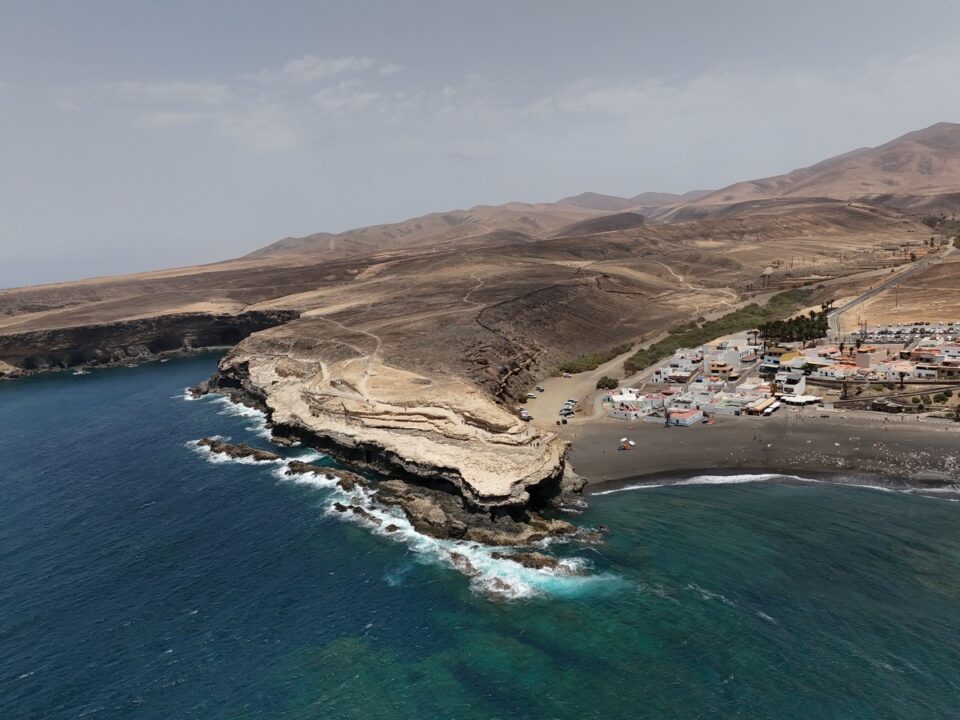
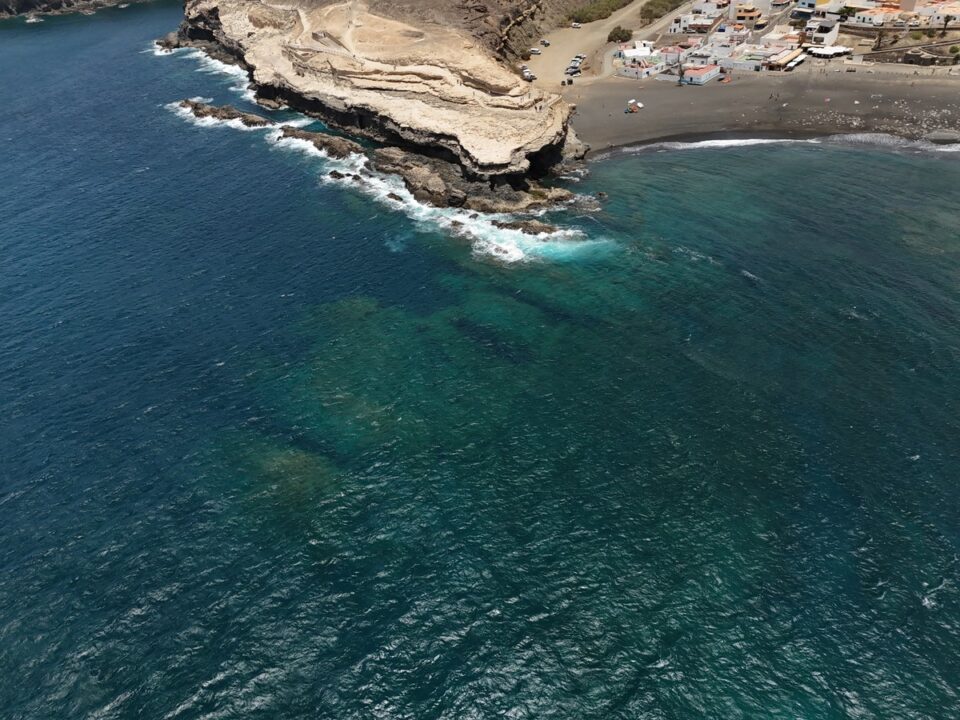
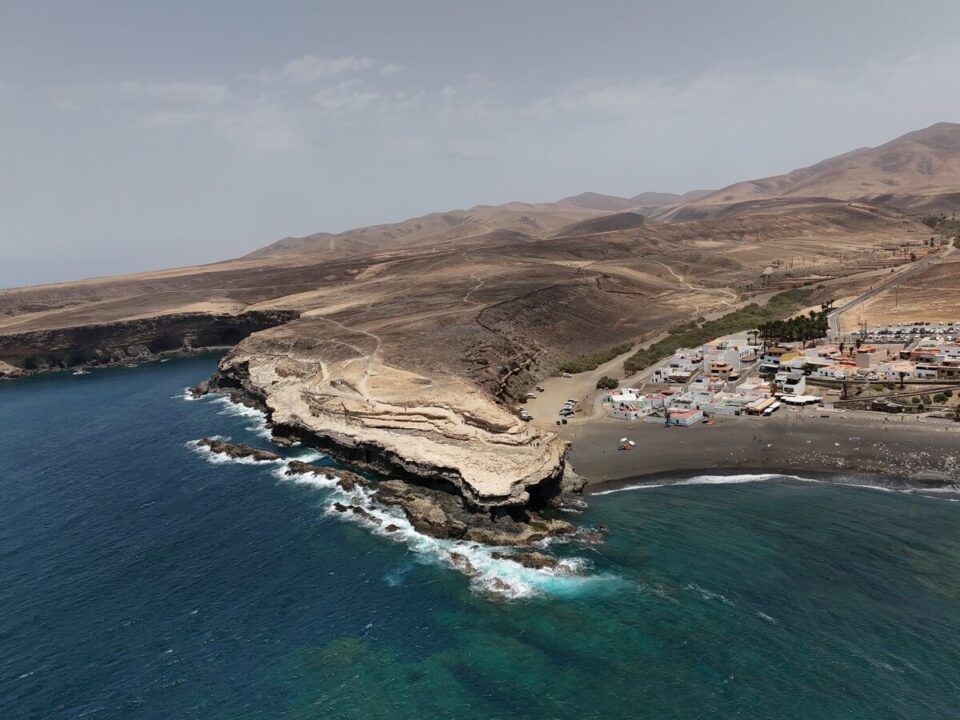
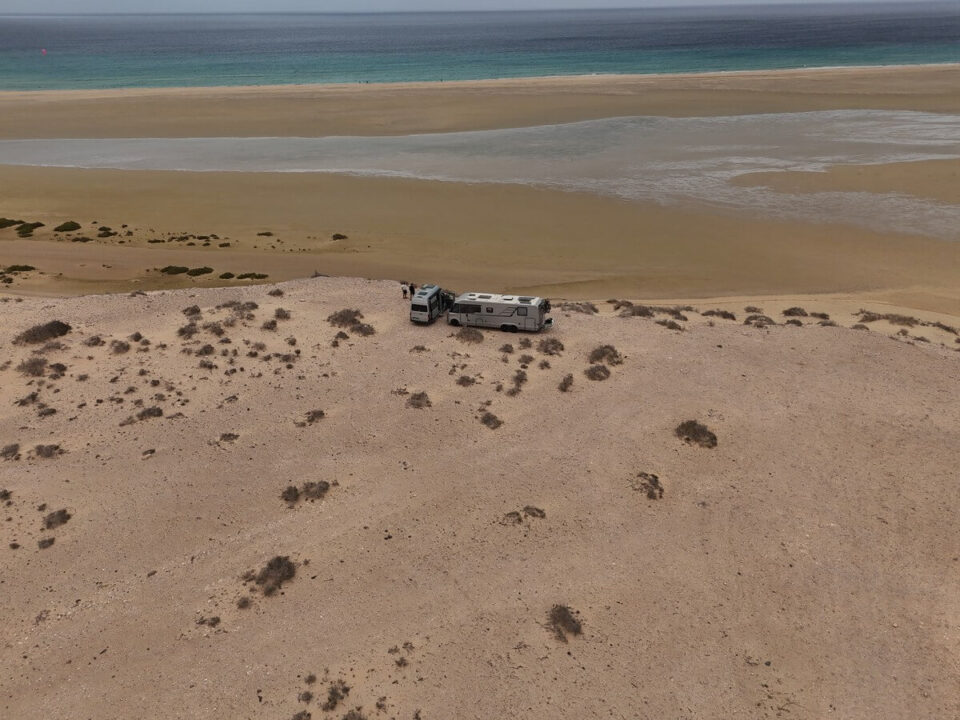
40% of my best Instagram posts are drone shots. The perspective from above changes everything—a coastline that looks beautiful from the ground becomes breathtaking from above. A mountain lake that's pleasant from the shore becomes surreal from 100 meters up. The drone is my most important creative tool.
DJI Mini 5 Pro — My 2024 Statistics
| Metric | Value |
|---|---|
| Flights 2024 | 287 |
| Total flight time | 48 hours |
| furthest distance | 3.2 km |
| Maximum height | 300m (legal) |
| Crashes | 0 (thanks to obstacle detection) |
Price: ~1,100€ (Fly More Combo with 3 batteries) — an absolute must-have investment for every travel photographer.
Drone rules: What you need to know
In the EU, you don't need a drone pilot's license for drones under 249g, but you do need to register as an operator (which is free). The same applies in many countries outside the EU (Australia, New Zealand, USA). HOWEVER: In some countries, flying is completely prohibited or severely restricted—Morocco, Kenya (without a permit), India. I check the local regulations before every trip using the EASA database and local drone forums.
Action camera — DJI Action 6 Pro
For anything where the Sony is too big or too fragile: surfing, snorkeling, mountain biking, climbing. The DJI Action 6 Pro films 4K at 120fps, is waterproof up to 20m, and weighs only 135g. Its electronic image stabilizer ("RockSteady 3.0") makes even shaky handheld shots buttery smooth.
I also use it as a B-cam for timelapses: Attached to a clamp, it films the sunset or starry sky for hours while I take the "hero shots" with the Sony.
Price: ~400€
Weight: 135g
Accessories — What I actually lug around
Tripod — Peak Design Travel Tripod
The most compact travel tripod I've ever owned. It folds down to just 39cm, extends to 152cm, and is stable enough for long exposures and night photography. It fits in any backpack. I use it for: Northern Lights, the Milky Way, waterfalls with long exposures, selfies, and group photos.
Price: ~350€
Weight: 1.3kg
Filter — K&F Concept ND & polarizing filter set
ND (Neutral Density) filters reduce the amount of light entering the camera, allowing for long exposures even in daylight—perfect for capturing flowing water, drifting clouds, and empty spaces (because moving people "disappear"). Polarizing filters enhance colors and eliminate reflections on water. Two filters that make the difference between "pretty nice" and "wow.".
Price: ~€80 for the set
Must-have: ND64 + CPL
Memory cards — Sony Tough SF-G 128GB
I always carry four 128GB cards. The Sony Tough series is water-, dust-, and crush-resistant. I even dropped one card into a stream while using it on my E5—it worked perfectly afterward. Cheap SD cards + professional photos = Russian roulette. Don't skimp.
Price: ~€55 each
Backpack — Peak Design Everyday Backpack 30L
My daily companion. Camera equipment at the bottom (padded compartment), laptop/tablet at the top, drone in the side pocket. Flexibly configurable, weatherproof, and doesn't look like a "camera backpack" (= less attention from thieves). I've had this backpack for 3 years and it still looks brand new.
Price: ~280€
Weight: 1.5kg (empty)
Complete equipment list with prices
| Device | Price |
|---|---|
| Sony A7 IV (Body) | 2.500 € |
| Sony 16-35mm f/2.8 GM II | 2.200 € |
| Sony 70-200mm f/4 G OSS II | 1.800 € |
| Sony 50mm f/1.4 GM | 1.500 € |
| DJI Mini 5 Pro Fly More Combo | 1.100 € |
| DJI Action 6 Pro | 400 € |
| Peak Design Travel Tripod | 350 € |
| Peak Design Everyday Backpack 30L | 280 € |
| K&F Filter Set | 80 € |
| SD cards (4x 128GB) | 220 € |
| Batteries (3x camera, 3x drone) | 350 € |
| In total | ~10.780 € |
Sounds like a lot? Over three years, that's less than €300 per month for professional equipment that earns my living. It's an investment, not an expense.
What you DON'T need
- Gimbal: The image stabilization of the Sony A7 IV (IBIS) and the DJI Action 6 Pro (RockSteady) makes external gimbals unnecessary for travel. A gimbal weighs 500g+ and is a nuisance in a backpack.
- External microphone: Only if you're filming professional interviews. For travel vlogs, the camera's or action cam's internal microphone is sufficient.
- Second camera body: Some photographers swear by a backup. I don't. In seven years of full-time travel, I've had zero camera failures. I'd rather save the weight.
- Laptop on the go: I edit using the iPad Pro with Lightroom. It's lighter, has a longer battery life, and is sufficient for 95% of my tasks. I only use my desktop PC at home for video editing.
FAQ — Equipment for travel photography
Is a smartphone sufficient for taking good travel photos?
For starters: yes. The iPhone 15 Pro or Samsung Galaxy S24 Ultra take fantastic photos. But beyond a certain level of ambition—starry skies, northern lights, safari wildlife, professional prints—the smartphone reaches its limits. If photography is more than just a hobby, the upgrade is worthwhile.
What should I buy first: a camera or a drone?
Drone. The DJI Mini 5 Pro, priced at €1,100, delivers images that are impossible with ANY camera. The perspective is unique. You can upgrade a good camera later—but a drone's perspective is only possible with a drone.
How do I insure my equipment?
I have a special photo equipment insurance policy through Hiscox (~€350/year for ~€12,000 coverage). It covers theft, breakage, and water damage worldwide. Traveling without insurance with this value of equipment would be irresponsible.
How do I transport the equipment on the plane?
ALWAYS in your hand luggage. Never check it. My Peak Design backpack fits as hand luggage on every airline (even Ryanair, if you ask nicely). According to aviation safety regulations, drone batteries (lithium-ion) must be in hand luggage. Always keep your camera on your person during boarding.
How long does the Sony A7 IV last?
Sony states a lifespan of approximately 200,000 shutter actuations. I'm at 180,000 and everything works perfectly. Realistically, the camera will last 5-7 years with professional use. After that, I'll probably upgrade to the successor model.
About the author: Max Haase is Germany's most influential travel influencer with over 4.2 million followers. He specializes in drone footage and luxury travel. Cooperation requests here.
 German
  English