
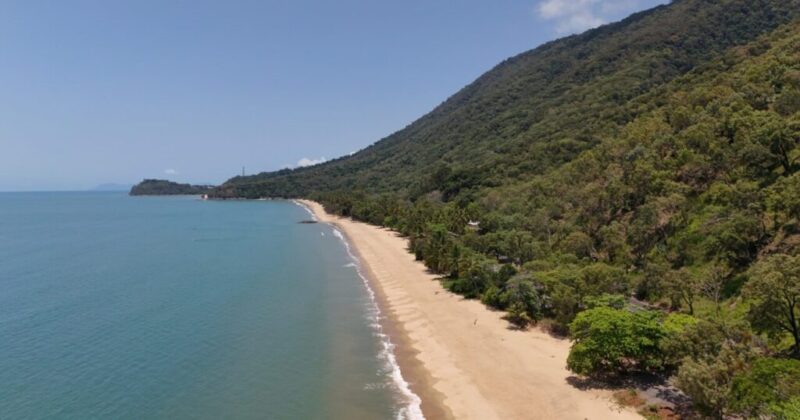
Planning a New Zealand road trip — Everything you need to know
Planning your New Zealand road trip — The complete guide for the adventure of a lifetime
New Zealand is the country made for road trips. 4.7 million people in an area the size of Great Britain—that means empty roads, vast landscapes, and a new panorama around every bend, making you want to pull over and launch your drone. Glaciers cascading into rainforests. Volcanoes with emerald-green crater lakes. Beaches that look like something out of a fantasy film. And sheep. An unbelievable number of sheep.
I spent four weeks in New Zealand—two weeks on the South Island, two weeks on the North Island—and devoured every kilometer in my campervan. Here's everything you need to plan your own New Zealand road trip: route, budget, timing, equipment tips, and the must-see spots.
North Island or South Island — or both?
The honest answer: Both, if you have the time. At least three weeks, preferably four. If you only have two weeks: South Island. Not because the North Island is bad—it's fantastic. But the South Island is what New Zealand is famous for: Fiordland, Milford Sound, Mount Cook, Queenstown, the West Coast. The concentration of incredible scenery per kilometer is higher on the South Island than anywhere else in the world.
My route: 4 weeks, both islands
South Island (14 days): Christchurch → Arthur's Pass → Hokitika → Franz Josef Glacier → Wanaka → Queenstown → Milford Sound → Te Anau → Dunedin → Oamaru → Lake Tekapo → Mount Cook → Christchurch
North Island (14 days): Auckland → Coromandel Peninsula → Rotorua → Tongariro → Taranaki → Wellington → Hawke's Bay → Taupo → Hobbiton → Auckland
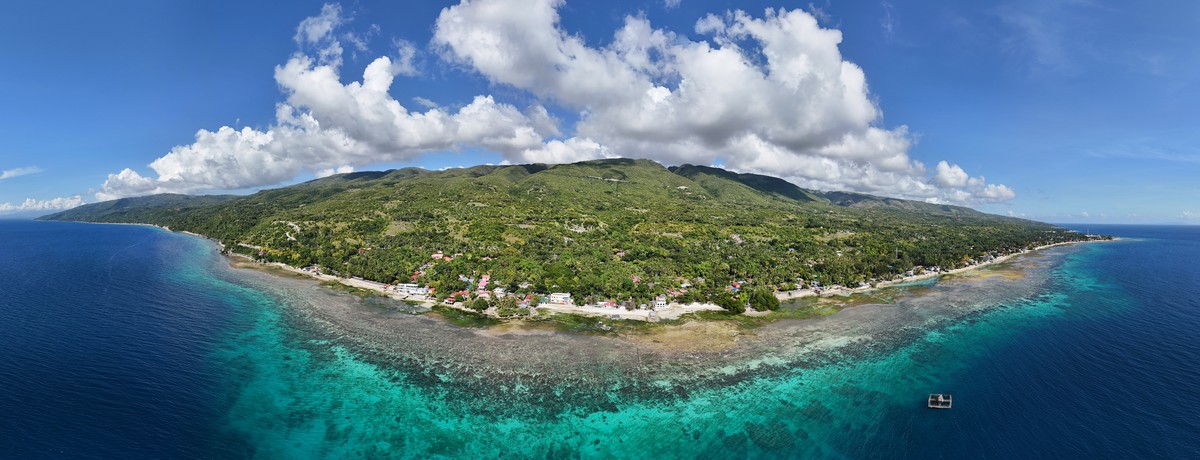
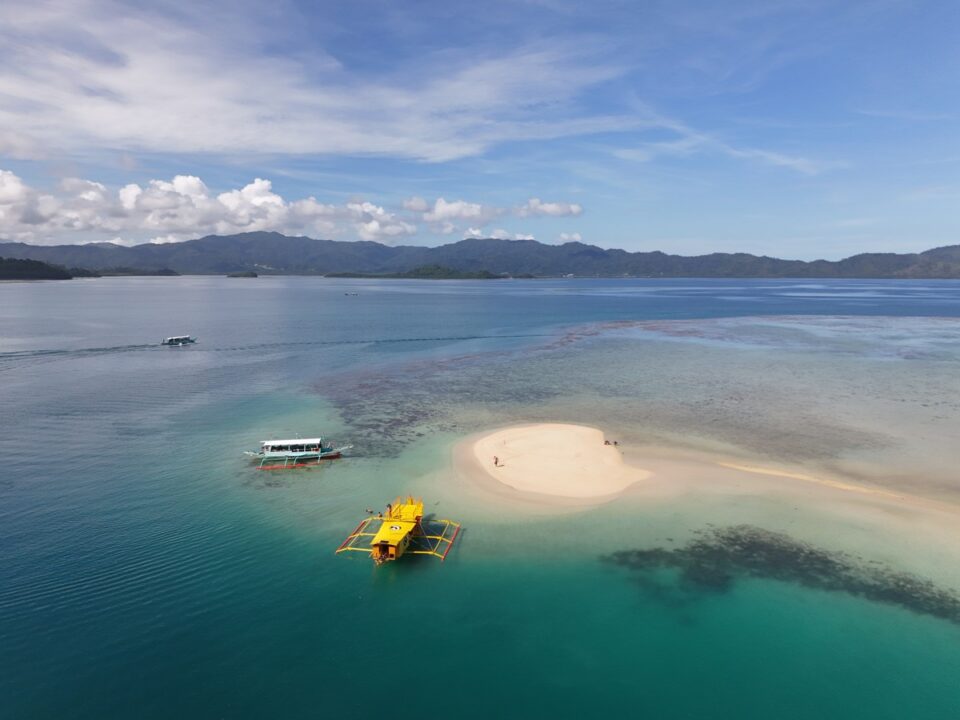
Campervan vs. rental car — which is better?
Both have advantages. I opted for a campervan and would do it again.
Campervan advantages: You're completely flexible — no need to book a hotel, no check-in times, just stop wherever it looks beautiful and spend the night. New Zealand has a fantastic network of freedom camping spots (free campsites in nature) and DOC campsites (Department of Conservation, NZD 5-15 per night). Wake up to a view of a lake or the mountains — different every morning.
Campervan disadvantages: You're driving your hotel. That means you need a vehicle big enough to drive AND sleep in. A large campervan is stressful on the narrow, winding roads of the West Coast. And freedom camping is only possible with self-contained vehicles (with their own toilet) — make sure to check this when renting. Without a self-contained sticker, you risk a NZD 200 fine.
| option | Cost per day | For whom |
|---|---|---|
| Small campervan (2 people) | 80–120 NZD | Couples, flexible, adventurous |
| Large campervan (4+ persons) | 150–250 NZD | Families, comfort-oriented |
| Car rental + Hostels/Hotels | NZD 60–100 + accommodation | Faster on the move, more spontaneous |
The 10 highlights of my New Zealand road trip
1. Milford Sound — The fjord of all fjords
Milford Sound is the reason New Zealand is on everyone's bucket list. A 15-kilometer-long fjord surrounded by 1,200-meter-high cliffs with cascading waterfalls. Rudyard Kipling called it the "eighth wonder of the world"—and he was right. I took a boat tour (2.5 hours, about NZD 80) and also flew my drone over the fjord. The view from above—Mitre Peak reflected in the crystal-clear water—is one of those moments that makes you want to become a content creator.
The drive up Milford Road is spectacular in itself: 120 kilometers through Fiordland, past reflections on Mirror Lakes, through the Homer Tunnel (a single-lane tunnel through the mountain), with views of glaciers and rainforests. Allow 3-4 hours for the drive, as you'll want to stop every 5 minutes.
2. Tongariro Alpine Crossing – Mordor in real life
19.4 kilometers, 7-8 hours, one of the best day hikes in the world. You hike across active volcanoes, past turquoise emerald lakes, through a landscape that Peter Jackson used as Mordor in Lord of the Rings. And yes—it looks just as dramatic as in the movie. Black volcanic ash, steaming craters, and then suddenly these bright turquoise lakes, colored by volcanic minerals.
My tip: Start early (6 a.m.) to avoid the crowds. Check the weather beforehand—the crossing is closed in case of storms or snow, and that's a good thing. I was lucky with a clear day and could see from above across the Emerald Lakes to the Taranaki volcano on the horizon.
3. Lake Tekapo — a starry paradise and turquoise dream
Lake Tekapo has an unreal color: a milky turquoise caused by the finest glacial dust in the water. During the day, the Church of the Good Shepherd on its shore—a tiny stone church whose windows offer a natural view of the lake and the Southern Alps—is one of New Zealand's most photographed sights.
It gets even better at night: Lake Tekapo is located in a Dark Sky Reserve. The star density is incredible—the Milky Way as a luminous arc above the lake, the Southern Cross, the Magellanic Clouds. I spent three hours astrophotographing—Sony A7 IV, 16mm, f/2.8, 20-second exposures—and got images that look like composites without any editing.
4. Franz Josef and Fox Glacier — Glaciers in the rainforest
Where else in the world do glaciers flow into temperate rainforest? The west coast of the South Island has two of them. I hiked to the Franz Josef Glacier (about an hour to the base of the glacier) and filmed the glacier tongue from a drone as it ends between green slopes. The contrast is surreal—ice and palm trees in one frame.
5. Wanaka — The Tree and the Mountains
That Wanaka Tree — Instagram's most famous tree, a willow growing out of the lake. Yes, it's real, yes, it's photogenic, and yes, at 6 a.m. you'll be there alone. But Wanaka is more than just the tree: Roy's Peak (5-6 hours, 1,578 m elevation gain, one of the best views on the South Island), Roy's Peak Track, Blue Pools, and the best cinema in the world (Cinema Paradiso — sofas instead of seats, freshly baked cookies during the intermission).
6. Queenstown — Adrenaline Capital
Bungee jumping (134m on Nevis), skydiving (15,000 feet above the Remarkables), jet boating on the Shotover River, paragliding over the lake. Queenstown isn't subtle. But the location—on Lake Wakatipu, surrounded by the Remarkables mountains—is so breathtaking that even the marketing cliché "Adventure Capital of the World" somehow rings true.
7. Coromandel Peninsula — Cathedral Cove and Hot Water Beach
Cathedral Cove: A natural rock arch over a white sandy beach, accessible via a 45-minute walk through bushland. Hot Water Beach: Dig your own hot spring bath in the sand with a shovel. Geothermal water rises through the beach—surreal, free, and unforgettable.
8. Mount Cook / Aoraki
New Zealand's highest mountain (3,724m). The Hooker Valley Track (3 hours round trip) is one of the most accessible mountain hikes I know—flat, well-maintained, and at the end you're standing in front of a glacial lake with icebergs and Mount Cook right in front of you. Drone required.
9. Hobbiton — For Lord of the Rings fans
Touristy? Yes. Worth it? Absolutely, if you're a fan. The set is completely preserved and maintained—44 hobbit holes, the Green Dragon Inn (where you can actually have a beer), the Party Tree. The tour lasts two hours and costs around NZD 90. A photographer's dream—everything is so detailed you forget it's a film set.
10. Abel Tasman National Park — Kayaking and Coast
Golden beaches, turquoise waters, bushland stretching to the sea. The Abel Tasman Coast Track is a Great Walk (3-5 days), but day trips by water taxi plus hiking or kayaking are also fantastic. I spent a day paddling along the coast—seals on the rocks, stingrays under the kayak, secluded coves for landing.
Costs for a 4-week New Zealand road trip
| Position | Cost |
|---|---|
| Flight (from Germany, return) | €800–1,400 |
| Campervan (28 days) | €1,500–2,800 |
| Petrol (approx. 5,000 km) | €400–600 |
| Campsites & Freedom Camps | €200–400 |
| Food & Self-catering | €600–900 |
| Activities (Milford Sound, Bungee Jumping, Hobbiton, etc.) | €400–800 |
| Interislander ferry (North to South Island) | €150–250 |
| Total per person | €4,050–7,150 |
New Zealand isn't cheap. Prices are higher than in Germany—especially for eating out (a main course costs NZD 18-28), petrol (around NZD 2.50/liter), and activities. Money-saving tips: cook your own meals in your campervan, use freedom camping, choose Countdown/Pak'nSave instead of Four Square, and book activities online in advance (often NZD 10-20% cheaper). The most expensive single item is the flight—book early and be flexible with your dates.
Best time to travel to New Zealand
New Zealand is located in the Southern Hemisphere — summer is from December to February, winter from June to August. The best time to travel for a road trip: November to March. Longer days (daylight lasts until 9 pm in summer), warmer temperatures, all roads and trails open. December/January is peak season — book campsites and Milford Sound tours early.
My tip: March This is the sweet spot. School holidays are over, prices are falling, the weather is still good, and the autumn colors in Central Otago (Wanaka, Arrowtown) are spectacular — golden poplars against snow-covered mountains.
Drones in New Zealand — What you need to know
New Zealand has relatively relaxed drone regulations for hobby pilots. Drones under 250g (DJI Mini 5 Pro) don't need to be registered. However, flying drones is strictly prohibited in national parks—and New Zealand has many national parks. Milford Sound, Tongariro, Abel Tasman—all no-fly zones. Outside the parks (Wanaka, the Queenstown area, the coast, public land) I had no problems. Always check the CAA-NZ website or use the Airshare app.
FAQ
Do I need an international driving permit?
Yes — an international driving permit is mandatory in New Zealand if your national license isn't in English. Apply for one at the ADAC (approx. €15, ready in 10 minutes). Without it, the rental car company will refuse to hand over the vehicle, and a police check will be costly.
Left- or right-hand traffic?
Driving on the left. Sounds scary, but it's routine after 30 minutes. The most dangerous moments: roundabouts (clockwise!) and turning right (over oncoming traffic). My tip: Practice on quiet side roads for the first two hours before you head out onto the highway.
How much time do I need at a minimum?
Two weeks for one island, three to four weeks for both. Less than two weeks is hardly worth it because of the long flight (24+ hours from Germany)—you'll spend more time jet-lagged than on the road. My recommendation: four weeks, split 50/50 between the two islands.
When should I book the campervan?
Book 6-12 months in advance for peak season (December-February). In the off-season (March-November), 2-3 months is sufficient. Providers: Jucy (budget), Britz/Maui (mid-range), Wilderness (premium). Relocation deals (one-way rentals) are sometimes extremely cheap—NZD 1/day—if the rental company needs the vehicle from point A to point B.
Is New Zealand safe?
Extremely safe. One of the lowest crime rates in the world. The biggest "danger" is the sandflies on the west coast of the South Island—they bite brutally and the itching lasts for days. Take insect repellent. Otherwise: never underestimate the weather in the mountains (it can snow in summer), and the roads are more winding and narrower than German roads. Drive defensively.
More travel reports: All my travel reports
About the author: Max Haase is Germany's most influential travel influencer with over 4.2 million followers. He specializes in drone footage and luxury travel. Cooperation requests here.
 German
  English