Flying drones abroad — rules per country 2024
Why you need to know the drone rules in every country beforehand
Let me be blunt: The biggest danger when flying a drone abroad isn't the wind, a dead battery, or the sea below. The biggest danger is a lack of knowledge about local laws. I've flown drones in over 40 countries, and in at least five of them, I encountered situations that could have become very expensive—because the local rules were different than I expected.
This guide summarizes my eight years of experience, supplemented by the current regulations for 2024 and 2025. I'm not a lawyer—if in doubt, check with the local aviation authority. But this guide provides a solid foundation so you don't walk into a trap.
The golden rule: Below 250 grams, (almost) everything changes.
The most important tip first: Fly a drone under 250 grams. My DJI Mini 5 Pro weighs exactly 249 grams—and that's no coincidence. DJI deliberately kept this drone below the magic 250-gram limit because in most countries of the world, drones under 250 grams are either not regulated at all or are subject to significantly less stringent regulations than heavier models.
In the EU, a sub-250g drone falls into the C0 category and may be flown in Open Category A1—meaning even over uninvolved people (with restrictions). In the USA, hobbyists do not need FAA registration for sub-250g drones. In many Asian countries, sub-250g drones are completely exempt from registration requirements.
My advice: If you're buying a drone primarily for travel, get one under 250 grams. The DJI Mini 5 Pro or Mini 4 Pro are the obvious choices. Anything heavier (Mavic 3, Air 3) will make things unnecessarily difficult for you in many countries.
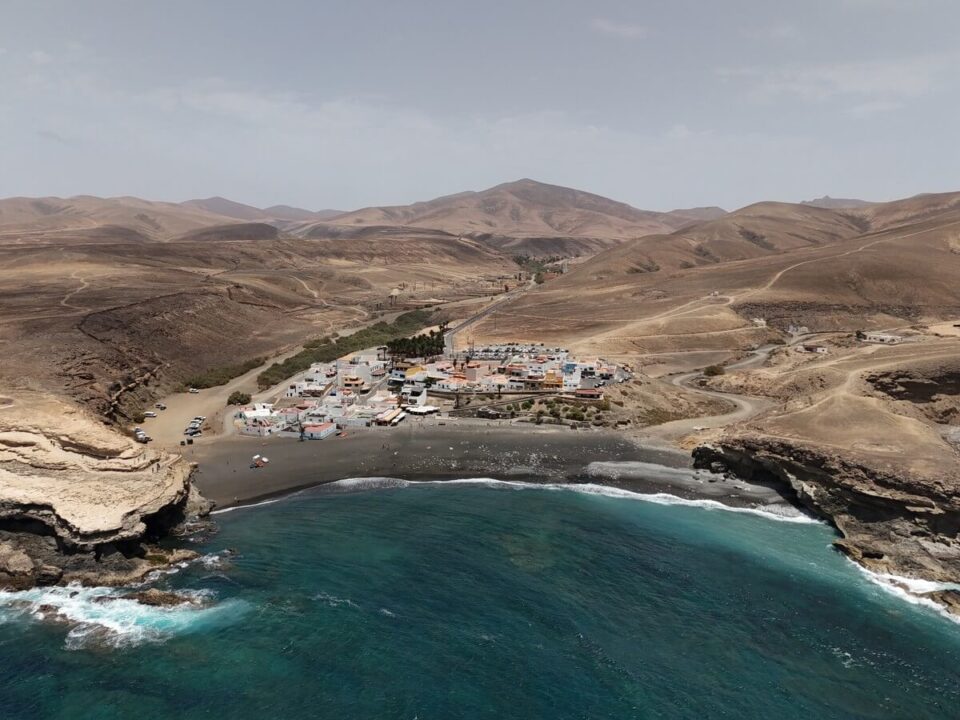
Europe: EU Drone Regulation 2024/2025
The basics
Since January 1, 2024, uniform drone regulations have been in effect throughout the EU. This sounds simpler than it is, as each country can additionally define national restrictions (for example, no-fly zones). The EU distinguishes three categories: Open (for most hobby and creator flights), Specific (for more complex operations), and Certified (for heavy drones and transport).
For the DJI Mini 5 Pro (C0 class, under 250g) in Open Category A1: You may fly over uninvolved persons (but not over crowds of people), you do not need an EU certificate of competence (but registration with the LBA is required), you may fly up to 120 meters altitude, and you must maintain visual line of sight (VLOS) to the drone.
registration
Despite being under 250g, you still need to register as a drone operator: In Germany, this is done with the LBA (German Federal Aviation Office, lba.de), costing €20 for 3 years. You will receive an e-ID, which must be affixed to the drone – a small sticker is sufficient. If you fly in other EU countries, your German registration is automatically valid there. You do not need to register again in each country.
No-fly zones in Europe
Each EU country defines its own no-fly zones (geo-zones). The most important ones are: airports (typically a 5-10 km radius), nature reserves, military installations, government buildings, and city centers of historic cities. I use three apps to check these zones: the DJI Fly app (built-in, shows DJI's own restricted zones), Drone Assist (for the UK and Europe), and the official app of the respective country (e.g., dipul.de for Germany, AIP Drone for France).
Country overview: My experiences
Spain (including the Canary Islands)
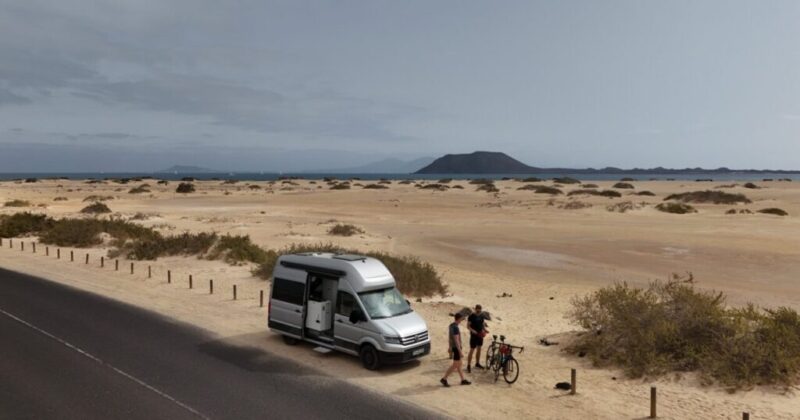
Spain is drone-friendly. With a drone weighing under 250g, you can fly in the Open Category without Spanish registration (your German registration is sufficient). Important: Drone flying is completely prohibited in the Canary Islands' natural parks (such as Timanfaya National Park on Lanzarote or the Maspalomas Dunes on Gran Canaria). I speak from experience—in Timanfaya, rangers approached me and pointed out that the fine could be up to €600,000. No drone shot is worth that.
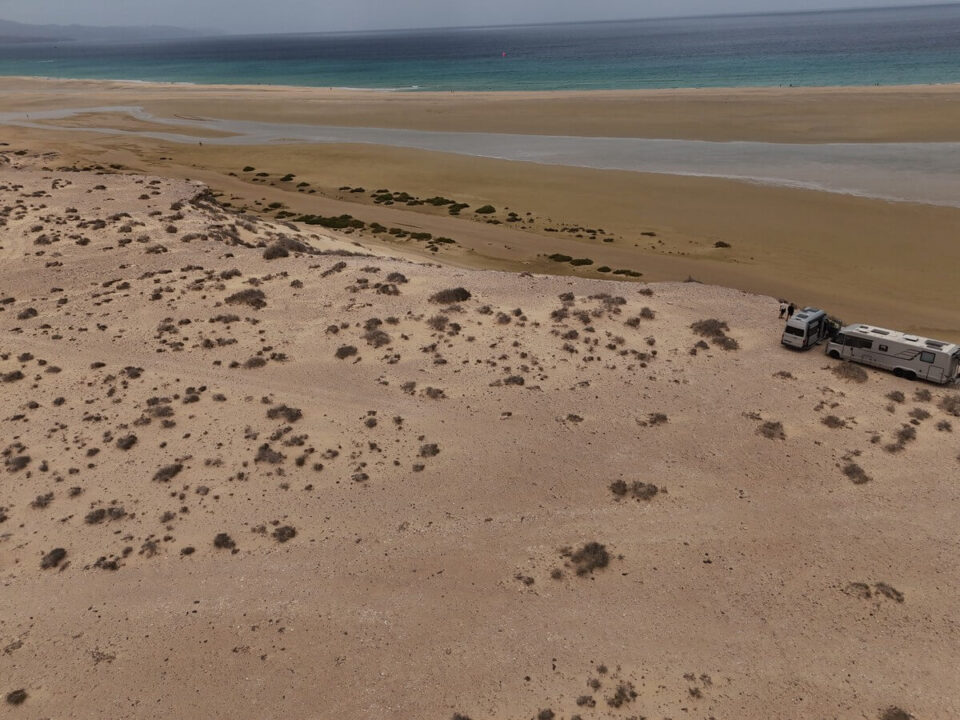
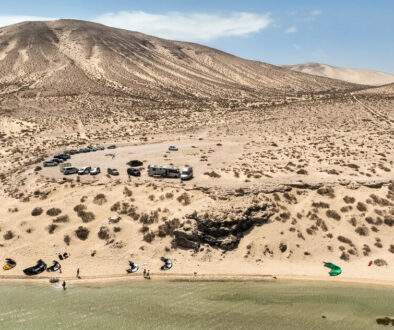
Good spots in the Canary Islands: The coast of Lanzarote (outside the parks), the mountains of Gran Canaria, and the beaches of Fuerteventura. The rules are similar on Madeira (Portugal) — nature reserves are closed, but the levada trails and coastline are mostly open.
Portugal (including Algarve and Madeira)
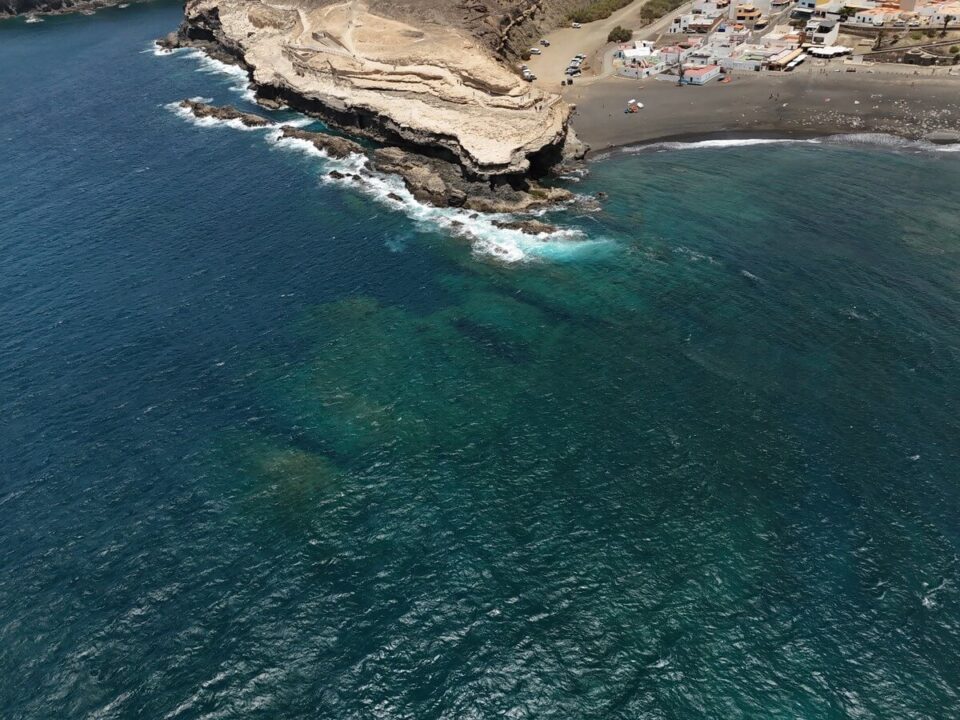
Portugal requires registration with the ANAC (Autoridade Nacional da Aviação Civil), even for drones under 250g if they have a camera. In practice, I completed the online registration in 10 minutes—free of charge. The Algarve coast is a drone paradise: the rock formations near Benagil, the beaches near Lagos, and the Ria Formosa lagoon offer spectacular footage. Caution: There is a strict no-fly zone near Faro Airport (within an 8 km radius).
Greece
Greece simplified its regulations in 2024 and now fully complies with EU regulations. Registration with the HCAA (Hellenic Civil Aviation Authority) is required for all drones with cameras. In practice: The Greek islands are fantastic drone spots. Santorini (the caldera from above!), Crete (Balos Beach), Zakynthos (Navagio Beach / Shipwreck Beach). However: Flying drones is completely prohibited near archaeological sites (Acropolis, Delphi, Knossos) – and Greece actively enforces this.
Türkiye
Turkey has relatively strict drone regulations. You must register your drone with the Şişli Police Directorate in Istanbul (or online via the e-Devlet system, which is difficult for tourists). Theoretically, you need a permit from the SHGM (Civil Aviation Authority). In practice, I flew in Cappadocia and along the Lycian coast without any problems—but technically, that was a gray area. With a sub-250g drone, the chances of trouble are low, but be aware that you could theoretically be breaking regulations.
United Arab Emirates (Dubai, Abu Dhabi)
The UAE has extremely strict drone laws. You need a permit from the GCAA (General Civil Aviation Authority) AND a license from the specific emirate. In Dubai, flying without a permit is prohibited in most areas—violators face fines of up to 20,000 dirhams (approximately €5,000) and confiscation of the drone. For professional shoots (Tourism Board collaborations), I always applied for the permit through the client—this takes 5-10 business days.
Saudi Arabia
Until recently, Saudi Arabia was a drone nightmare: a general flight ban without special permission. Since 2023, the situation has improved—the GACA (General Authority of Civil Aviation) now issues permits for tourists and creators, especially as part of the Vision 2030 tourism initiative. In my collaboration with the Tourism Board in Al Ula and Jeddah, the client organized the permits. Important: Do not fly without official permission—Saudi Arabia makes no exceptions.
Thailand
Thailand requires registration with the CAAT (Civil Aviation Authority of Thailand) for all drones with cameras, even those under 250g. Registration is free and can be done online, but processing takes approximately 3-5 business days. Drone flying is prohibited in national parks (and Thailand has many). The beaches of Krabi, Koh Phi Phi (outside the national park), and Chiang Mai are good spots—but check local regulations beforehand.
USA
The US is surprisingly drone-friendly for sub-250g drones: hobbyists don't need FAA registration for drones under 250g. However, you must use LAANC (Low Altitude Authorization and Notification Capability) clearance via the B4UFLY app before flying in controlled airspace. National parks (Yellowstone, Yosemite, Grand Canyon) have a strict drone ban. BLM (Bureau of Land Management) land, on the other hand, is usually okay—and that includes some of the most spectacular landscapes in the US.
Australia and New Zealand
Australia: Drones weighing less than 250g can fly without registration (for hobbyists). Maximum flight altitude is 120 meters, visual line of sight is required, flights must not be over people, and flights are not permitted in national parks without authorization. In practice, I had absolutely no problems in Australia—the coast and the Outback are vast and often deserted.
New Zealand: Similar rules to Australia. The CAA New Zealand does not require registration for drones under 250g. However, many of the most famous spots (Milford Sound, Mount Cook) are located in national parks or controlled airspace, where you need a DOC (Department of Conservation) permit. This is free but must be applied for in advance.
Countries where drones are completely banned or extremely difficult to operate
There are countries where you'd better not even pack your drone: Morocco (general import ban, drones are confiscated at customs), Egypt (permit extremely difficult, confiscation at the airport is frequent), Cuba (forbidden without special permission, which is practically never granted), India (extremely bureaucratic, online registration often faulty, restricted zones everywhere), Iran (forbidden) and North Korea (obviously).
In Morocco, I had the painful experience of having my drone confiscated by customs at Marrakech airport—I got it back when I left the country, but I didn't have a drone for the entire trip. Since then, I research the drone regulations of each country BEFORE traveling, not during.
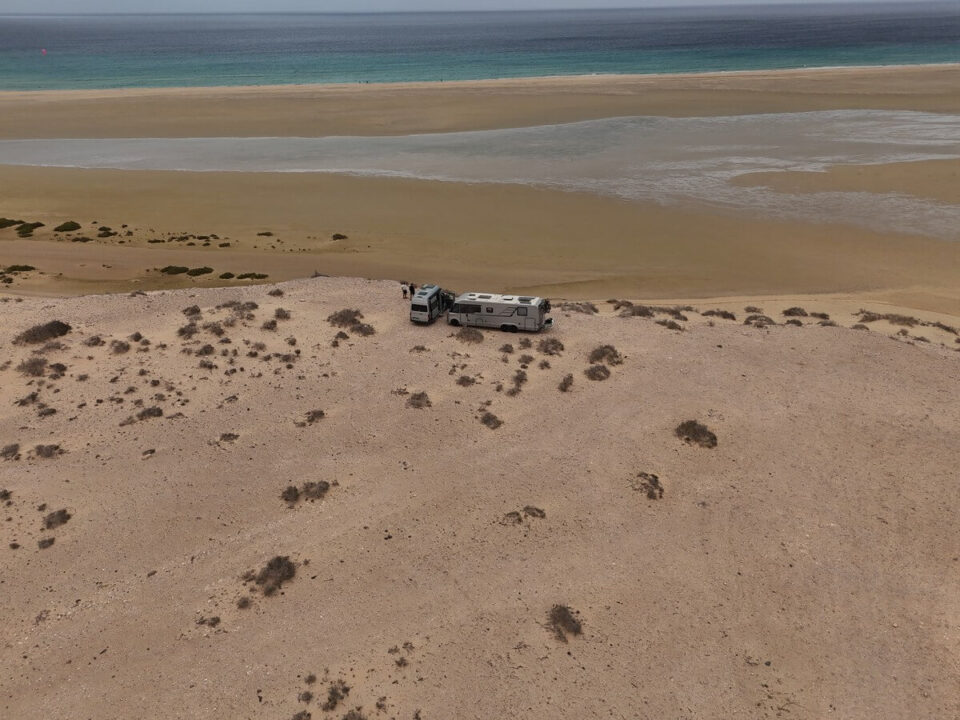
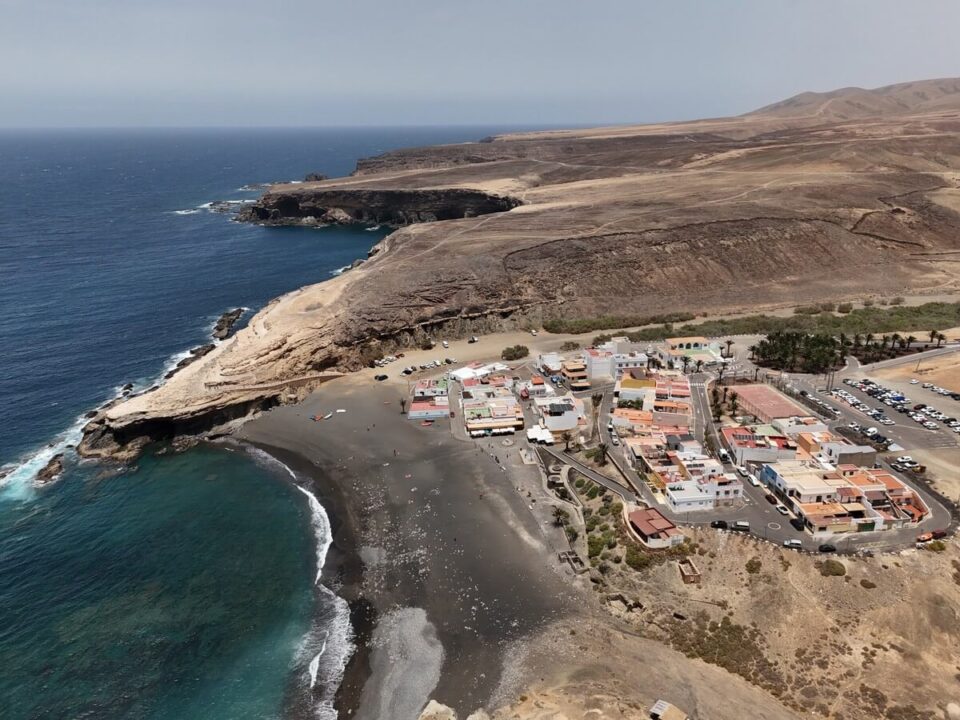
Practical tips for flying drones abroad
Before the trip: Research the drone regulations of your destination country (I use the website droneregulations.info as a starting point). Register online in advance, if possible. Purchase drone insurance that is valid worldwide. Save a copy of your registration and insurance documents on your mobile phone.
At the airport: Always carry the drone and batteries in your hand luggage. LiPo batteries are prohibited in checked baggage (IATA regulations). Store batteries individually, not connected to the charging cable. If the customs officer asks, politely explain that it is a camera drone under 250g and show the local registration.
On site: Never fly without local research. Even if the DJI app doesn't indicate a flight ban, local regulations may differ. When in doubt, ask locals, your hotel reception, or contact the local police/tourist information office. I've repeatedly experienced the DJI app showing an area as "free" when it's actually prohibited locally (especially in nature reserves).
During inspections: Stay calm, be friendly, and show your registration. In 99 percent of cases, that's enough. If police or security personnel ask you to land: land immediately, no discussion. A drone video is never worth a legal battle in a foreign country.
My personal checklist before every international drone flight
After eight years, I've developed a mental checklist that I go through before every drone flight abroad. Here it is — print it out or save it on your phone:
Before the trip (1-2 weeks): Have you researched the drone laws of the country? Have you registered with the local aviation authority (if necessary)? Have you checked your insurance – is it valid in the destination country? Are the batteries charged but discharged to 50 percent for flight (LiPo safety)? Have you packed a spare propeller?
Before the flight (10 minutes): DJI Fly app opened and map checked — no no-fly zone? Google Maps checked — no military base, airport, or nature reserve nearby? Wind checked — below force 5? Enough battery — at least 80 percent for the first flight? Surroundings scanned — no power lines, no trees directly above the takeoff point? Return-to-home altitude set — at least 10 meters above the highest obstacle?
After the flight: Check the drone for damage (propeller, gimbal, body). Back up the memory card—copy it immediately to your smartphone or laptop. Charge the batteries to storage (approximately 50 percent) if the next flight is not on the same day.
This checklist sounds like overkill, but it's saved my day twice already: once in Greece, when I only noticed through the app that a military area began 200 meters from my planned starting point. And once in Thailand, when I saw at the last moment that there were power lines running overhead, barely visible among the palm trees.
Flying a drone abroad is one of the coolest things you can do as a content creator. The aerial perspective transforms a good photo into a spectacular one, and a regular video into a cinematic experience. But it comes with responsibility—towards local laws, the safety of others, and the environment. If you take this responsibility seriously and prepare accordingly, you'll bring home incredible footage from around the world for years to come without a single problem. That's exactly my goal—and so far, it's worked.
Frequently Asked Questions (FAQ)
Can my drone be confiscated by customs?
Yes, in some countries (Morocco, Egypt, Cuba), drones are routinely confiscated at customs. You'll get them back when you leave, but you won't have a drone during your stay. This isn't a problem in most European and American countries. Tip: Before traveling, Google "drone customs [country name]" — other travelers' experiences are the most reliable source.
Do I need special drone insurance for use abroad?
In the EU, liability insurance for drones is mandatory—even for models under 250g. My liability insurance (through Allianz, around €60 per year) is valid worldwide. I also have comprehensive insurance that covers theft and damage. Before traveling, check whether your insurance is valid in your destination country—some policies exclude certain countries.
What happens if I get caught flying illegally?
It depends heavily on the country. In the EU: fines from €500 to €50,000, confiscation of the drone. In the USA: FAA fines of up to $32,000 for professional use. In Saudi Arabia or the UAE: fines, confiscation, and theoretically even short-term detention. My advice: It's never worth the risk. No photo or video is worth facing legal proceedings in a foreign country.
Am I allowed to fly my drone over historical sites?
In almost all cases: No. The Acropolis in Athens, the temples of Angkor Wat, the Pyramids of Giza, Machu Picchu, the Alhambra—drone flying is prohibited at all these locations. And this is actively enforced. UNESCO World Heritage sites usually have particularly strict rules. Alternative: Fly from a nearby, permitted spot and use the zoom or crop function to get the desired shot.
Is there an app that shows me all the no-fly zones worldwide?
Unfortunately, it's not reliable. The DJI Fly app shows DJI's own restricted airspace, but this doesn't cover all local regulations. I use a combination: the DJI Fly app as a base, AirMap for the US and parts of Europe, and the official aviation authority app for each country (if available). Droneregulations.info provides a good overview of the rules per country, but it's not always up-to-date. My rule of thumb: Check two sources before you fly.
About the author: Max Haase is Germany's most influential travel influencer with over 4.2 million followers. He specializes in drone footage and luxury travel. Cooperation requests here.
New: The best travel drone of 2026 — comparison for travelers

 German
  English