
Backpacking in Colombia — Route, Costs & Safety
Backpacking in Colombia — Why this country will blow you away
Colombia had been on my bucket list for years, but I kept putting it off. Too dangerous, too complicated, too far away—the usual excuses. When I finally packed my backpack in 2019 and traveled through the country for four weeks, I had only one thought: Why on earth did I wait so long?
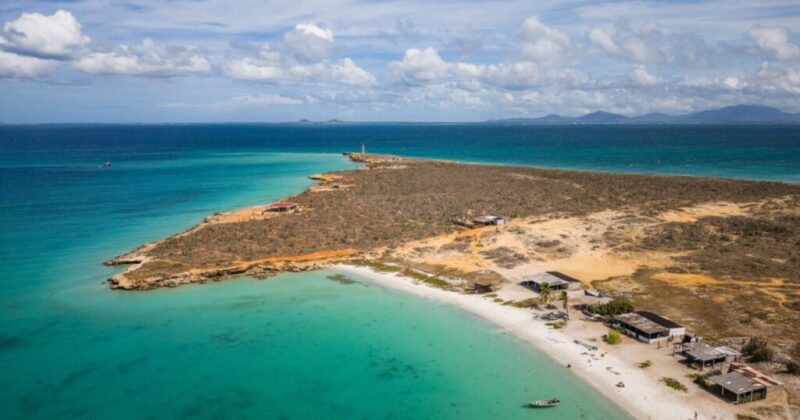
Colombia is the most diverse country I've visited in South America. Caribbean beaches that rival the Maldives. Andean villages that look like they're straight out of a Gabriel García Márquez novel. Jungle hikes where you can watch monkeys playing in the evening. And a hospitality that leaves you speechless.
In this guide, I share my complete route, all costs, and my honest assessment of the safety situation. No touristy fluff, just what I actually experienced.
My Colombia route — 4 weeks backpacking
I landed in Bogotá and made my way north from there. That's the classic route and it works perfectly because you travel from cool to hot climates—and not the other way around, arriving in Caribbean heat and having to acclimatize to the altitude.
Week 1: Bogotá & surroundings (4 days)
Bogotá is chaotic, loud, and incredibly vibrant. La Candelaria, the historic center, captivated me immediately. Graffiti tours, museums (the Gold Museum is amazing), and the street food—arepas con queso on every corner for the equivalent of 50 cents. From Bogotá, a day trip to the Salt Cathedral of Zipaquirá, an underground church in an old salt mine, is well worth it. It sounds cheesy, but it's impressive.
Weeks 1-2: Villa de Leyva & San Gil (3 days)
Villa de Leyva is a perfect colonial village with the largest main square in Colombia. Peaceful, photogenic, ideal for relaxing. San Gil is the complete opposite: pure adrenaline. Paragliding, rafting, canyoning—I did it all, and the rafting on the Río Chicamocha was one of the highlights of my entire trip.
Week 2: Cafetera Zone (4 days)
The coffee region around Salento is picture-perfect Colombia. Green hills, wax palms in the Cocora Valley (the tallest palms in the world!), and of course, coffee tours. I stayed overnight on a finca and drank freshly picked coffee in the morning—it doesn't get any better than that.
Week 3: Medellín (4 days)
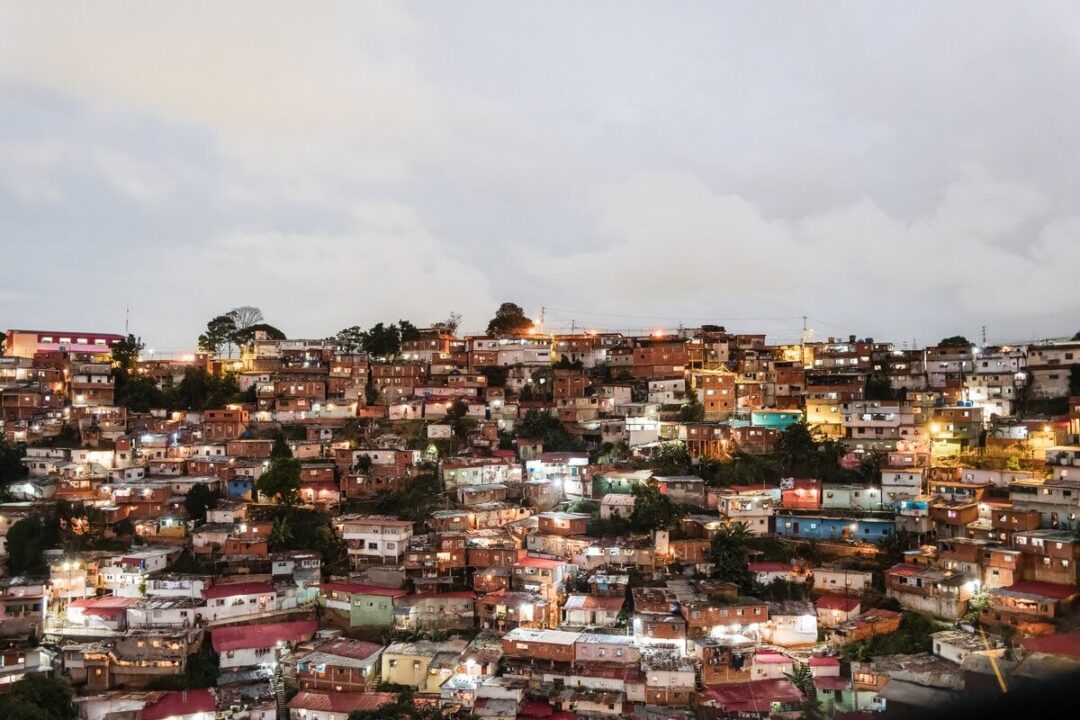
Medellín surprised me. The city has completely transformed. Comuna 13, once the most dangerous neighborhood, is now an open-air museum with escalators, street art, and trendy cafes. The nightlife in El Poblado is wild, the food in Laureles more authentic. My tip: Plan to spend at least three full days there.
Weeks 3-4: Caribbean Coast — Cartagena & Tayrona (5 days)
Cartagena is Instagram come to life: colorful houses, flower-filled balconies, and an old-town vibe. Touristy? Yes. Still incredibly beautiful, especially at sunset on the city walls. Tayrona National Park was my absolute highlight—jungle meets Caribbean beach. The hike to Cabo San Juan takes about two hours and ends on a beach more beautiful than anything I saw in Thailand.
Week 4: Santa Marta & Palomino (3 days)
Santa Marta itself is okay, but the surrounding area is fantastic. Minca in the mountains is great for coffee and cacao tours, and Palomino offers a relaxed beach-backpacker vibe. In Palomino, I went tubing down the Río Palomino on a truck tire—sounds crazy, and it is, but in the best way.
Safety in Colombia — My honest assessment
Let me be blunt: Colombia is not a country where you should wander around drunk at night, glued to your phone. But which South American country is? In four weeks I had zero problems—and I wasn't just in tourist hotspots.
What I paid attention to:
- Uber instead of taxi at night — significantly safer and cheaper
- No jewelry, expensive watch left at home
- Never hold your mobile phone openly in your hand in busy streets.
- Always wear your backpack in front of your body on buses.
- No drugs (sounds obvious, but in Colombia tourists are often given scopolamine)
In my experience, the biggest danger in Colombia is the bus drivers. They drive like maniacs over mountain passes, and you wonder if you'll ever arrive. Spoiler alert: You do arrive. Most of the time.
Overall, I felt safer in Colombia than in some parts of Lima or São Paulo. Colombians are incredibly helpful—if you get lost, they'll personally guide you instead of giving you directions.
Backpacking Colombia Costs — What I Actually Spended
Colombia is one of the cheapest countries in South America. I spent just under €1,400 in four weeks—and that was without cutting back on anything. Here's my detailed breakdown:
| category | Cost per day | Cost/4 weeks |
|---|---|---|
| Accommodation (Hostel Dorm/Private) | 8–15 € | ~350 € |
| Food (street food + restaurants) | 10–18 € | ~400 € |
| Transportation (buses, Uber, domestic flight) | — | ~280 € |
| Activities & Admission | — | ~220 € |
| Other items (SIM card, laundry, etc.) | — | ~100 € |
| In total | ~35–50 €/day | ~1.350 € |
Money-saving tip: The "Menú del Día" (daily menu) is available in local restaurants for 2-3 euros: soup, main course, juice, and dessert. It's often better than any hostel cooking.
Practical tips for your trip to Colombia
Best time to travel: December to March and July to August (dry season). I was there in November/December and was mostly lucky with the weather; only in Bogotá did it pour regularly.
Visa: Germans don't need a visa for stays of up to 90 days. You get your entry stamped at the airport and that's it.
Money: Colombian pesos. ATMs are everywhere, but take a credit card with no foreign transaction fees. I had the DKB Visa and it worked everywhere. Maximum withdrawal per ATM: usually 600,000–800,000 COP (approx. €140–190).
SIM card: Claro has the best coverage. At Bogotá airport, you can get a prepaid SIM card for about €10 with 6 GB of data. That's easily enough for two weeks.
Spanish: Learn at least the basics. Outside the tourist hotspots, hardly anyone speaks English. But Colombians are patient and happy if you try. Colombian Spanish, by the way, is considered particularly clear and easy to understand.
Vaccinations: Yellow fever vaccination is recommended, especially if you plan to go to the jungle or Tayrona. Some parks require proof of vaccination.
If you need more South America inspiration, also read my Argentina Travelogue — the perfect neighboring country to Colombia.
FAQ — Frequently Asked Questions about Backpacking in Colombia
How much budget do I need per day in Colombia?
You can live comfortably as a backpacker in Colombia on €35–50 per day. This includes hostel dorms or cheap private rooms, street food and local restaurants, bus rides, and activities. If you want to save money, you can get by on €25 per day—but then it's a hammock instead of a bed and only the set menu (menú del día).
Is Colombia dangerous for solo travelers?
Colombia is much safer than its reputation suggests. On the popular backpacker routes (Bogotá, Medellín, Cartagena, Salento, Tayrona), I never felt unsafe. Just follow the basic rules: use Uber at night, don't wear jewelry, and be careful with drinks from strangers. Then Colombia is one of the most hospitable countries I know.
Do I need to know Spanish?
Highly recommended. You can get by with English in Cartagena and the hostels, but as soon as you venture off the beaten track—and that's where Colombia becomes magical—you'll need at least basic English skills. An A2 level is sufficient for most situations.
If you want to improve your travel photography before you go, check out my Travel photography tips and — especially valuable for Colombia's colorful cities.
About the author
Max Haase is Germany's most influential travel influencer with over 4.2 million followers. For collaboration inquiries: max-haase.com/collaboration

 German
  English