
Activities while sailing: 6 ideas for active sailing trips
30-second summary
- Learnable in 1 hour, works without wind – my top activity at anchor, whether in the Algarve, Sardinia or the Caribbean.
- Kitesurfing: Plan B when there's too much wind – better to book a course in advance than to improvise in strong winds.
- Shore excursions: Renting a car, Vespa or e-bike makes Portugal, Italy or Croatia twice as worth seeing.
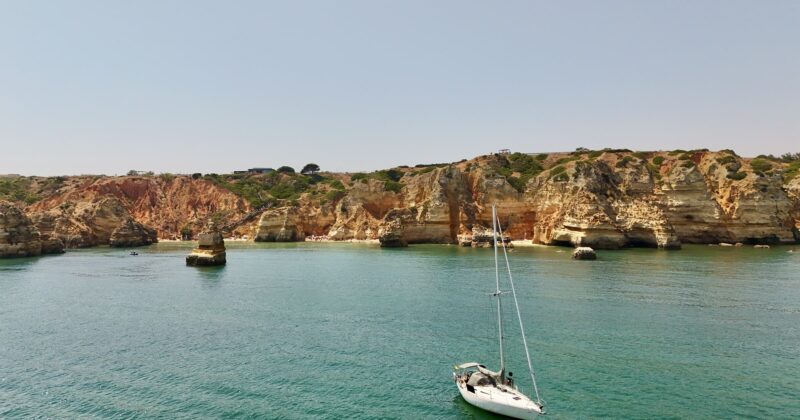
- Beach and cliff days: Praia da Marinha, Praia de Benagil or hidden coves in Greece as a regeneration stop between stages.
- Onboard rituals: hammock in the bow pulpit, sunset dinner, counting stars – a luxury you only have on your own yacht.
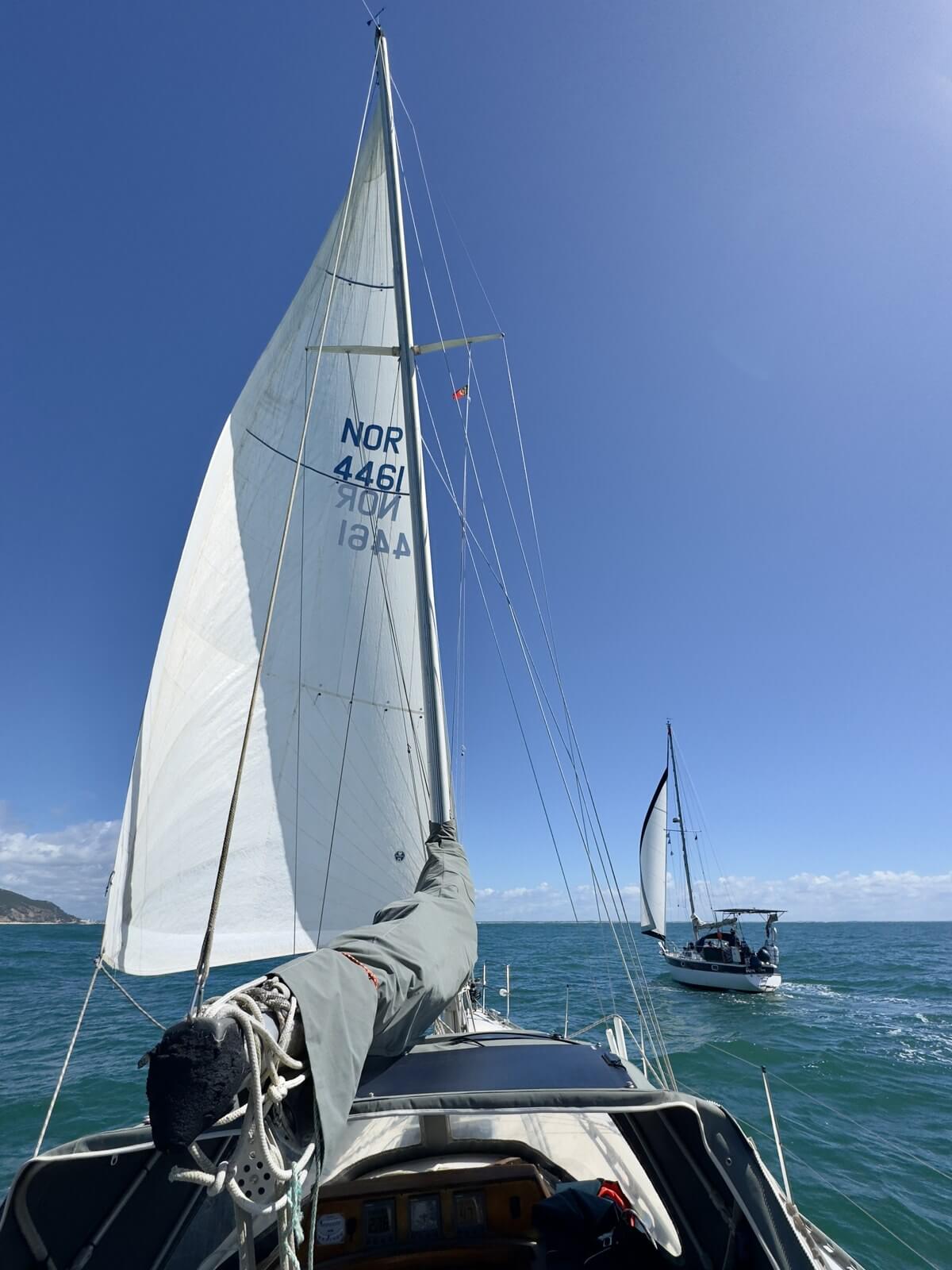
Sailing sounds romantic – until the wind doesn't come for two days or blows from the wrong direction. That's when it's decided whether a sailing holiday will be stressful or the best trip of the year. I've been sailing for over ten years, overseen more than 500 collaborations with tourism boards and luxury brands, and now spend half the summer living on a yacht. In this guide, I'll show you the best activities while sailing – the water-based highlights, the land-based spots, and the quiet moments of luxury on board. No theory, just what worked on my own trips in Portugal, Spain, Italy, Greece, and the Caribbean.
1. Foiling – the best activity on the water (even without wind)
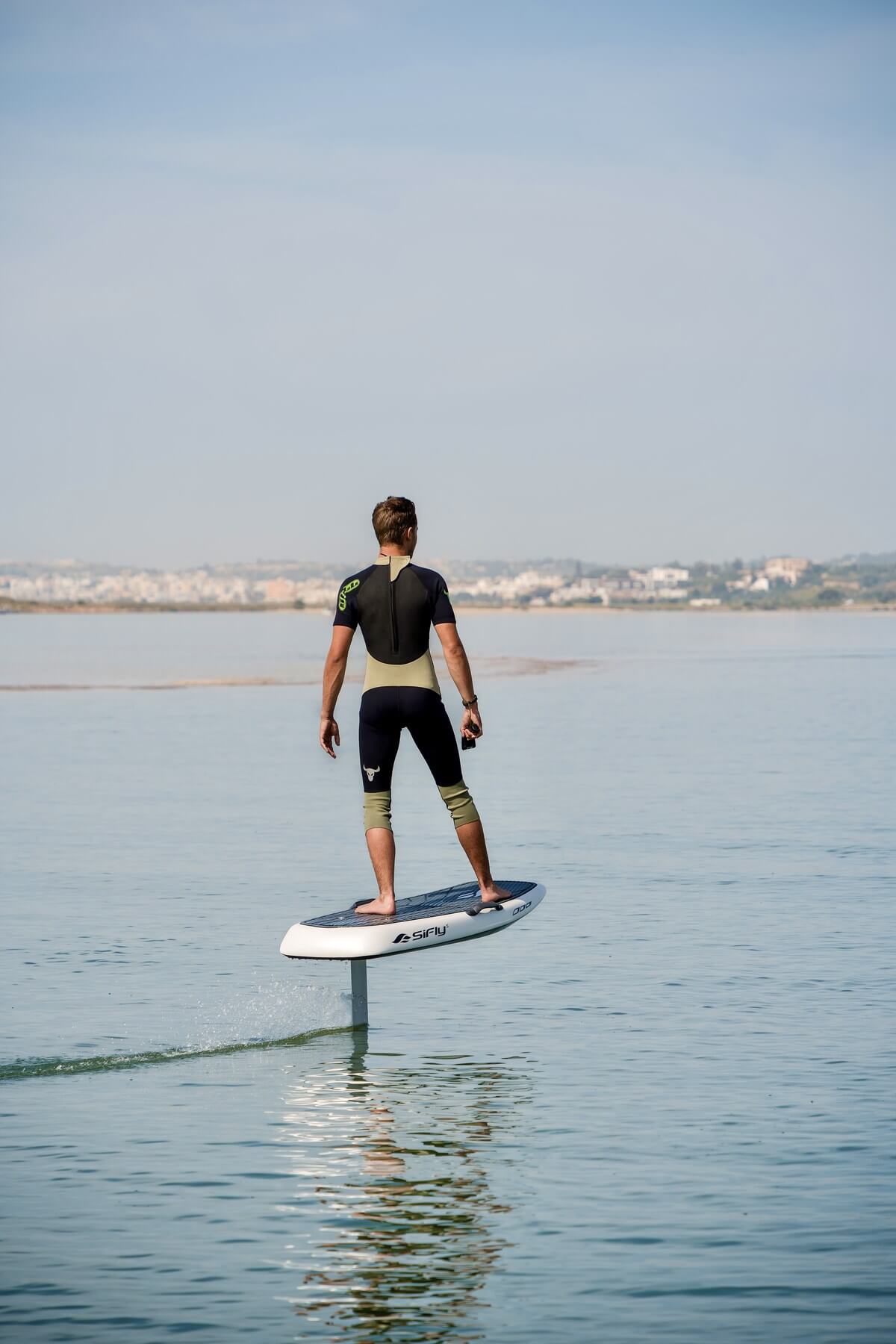
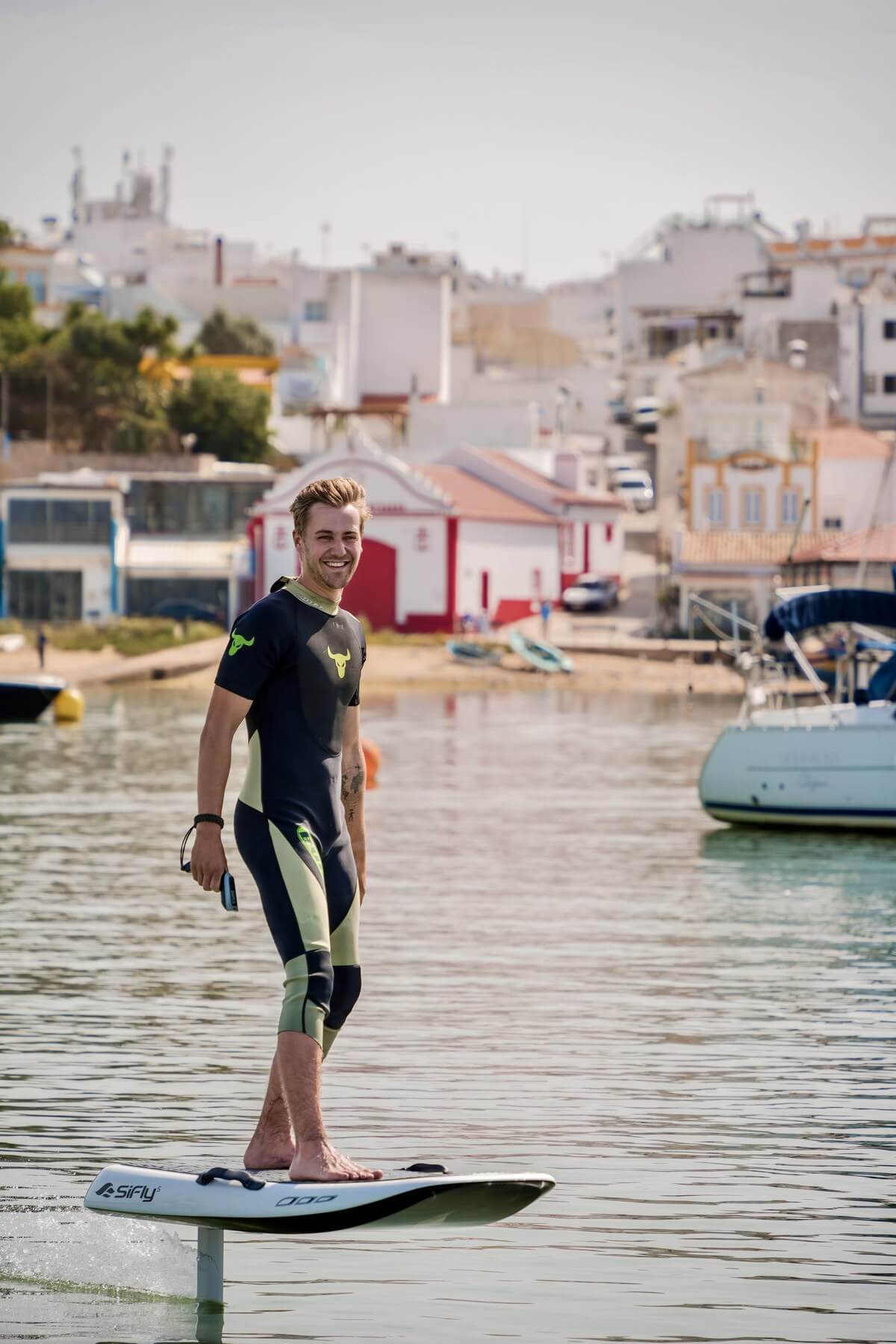
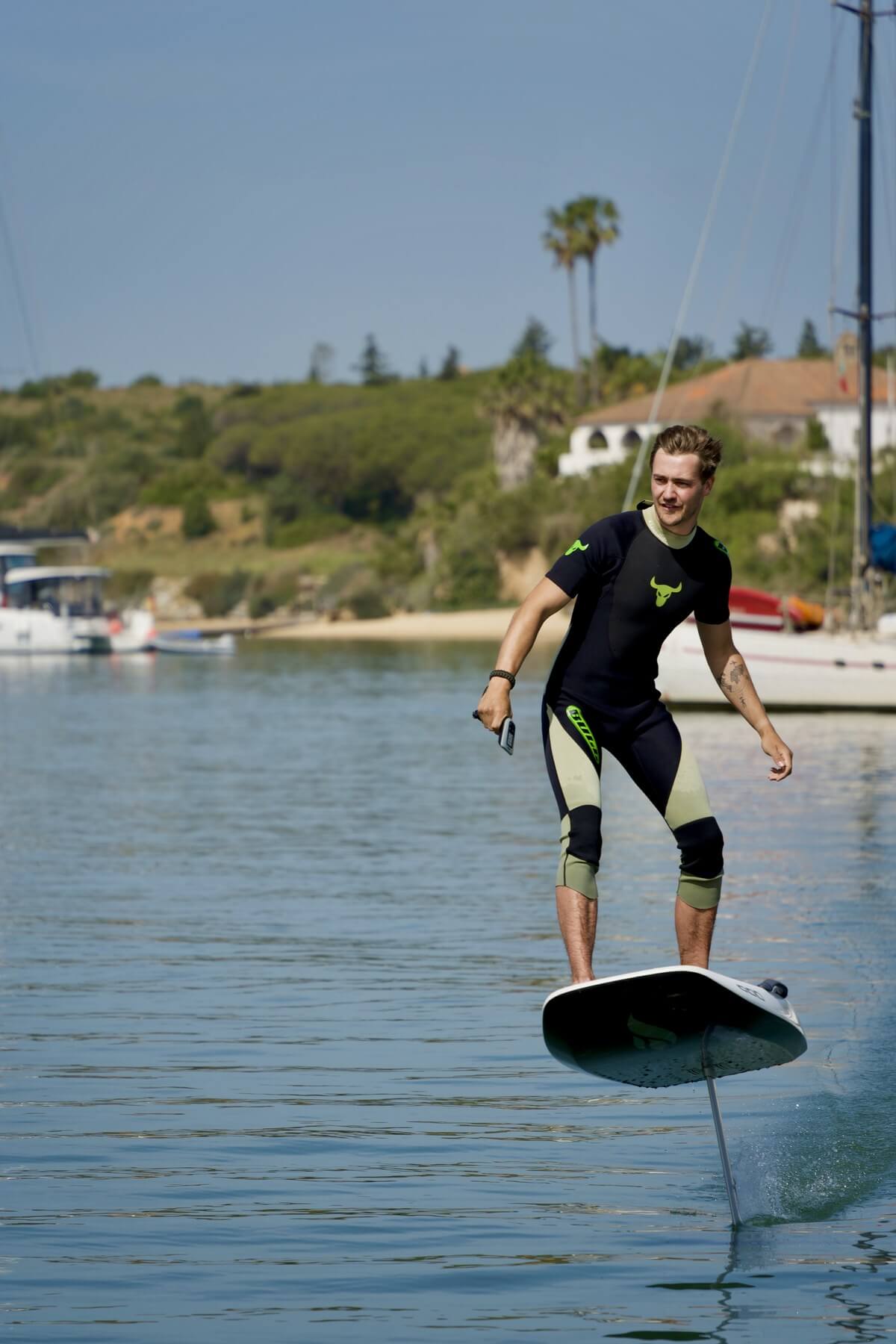
E-foiling is the activity that completely transformed my summer on the boat. You stand on a board with an electric motor and hydrofoil underneath, control it via radio remote, and fly just under a meter above the water's surface. No wind is needed, no noisy combustion engines, no dependence on waves – all you need is calm water and ideally a mothership to launch from.
, I ride the SiFly Stellar S, and I can honestly say: after about an hour, you're standing up. For the first five minutes, you lie on your stomach and get used to the thrust, then kneeling, then standing. Once you're on the foil, you glide along so silently that you hear the dolphins and sea turtles beside you before you see them. For me, foiling is the ideal sport during a sailing trip because it perfectly fills the gap that sailing leaves: calm mornings at anchor, still afternoons, warm evening sun over the bay.
2. Kitesurfing – the plan B when there's too much wind
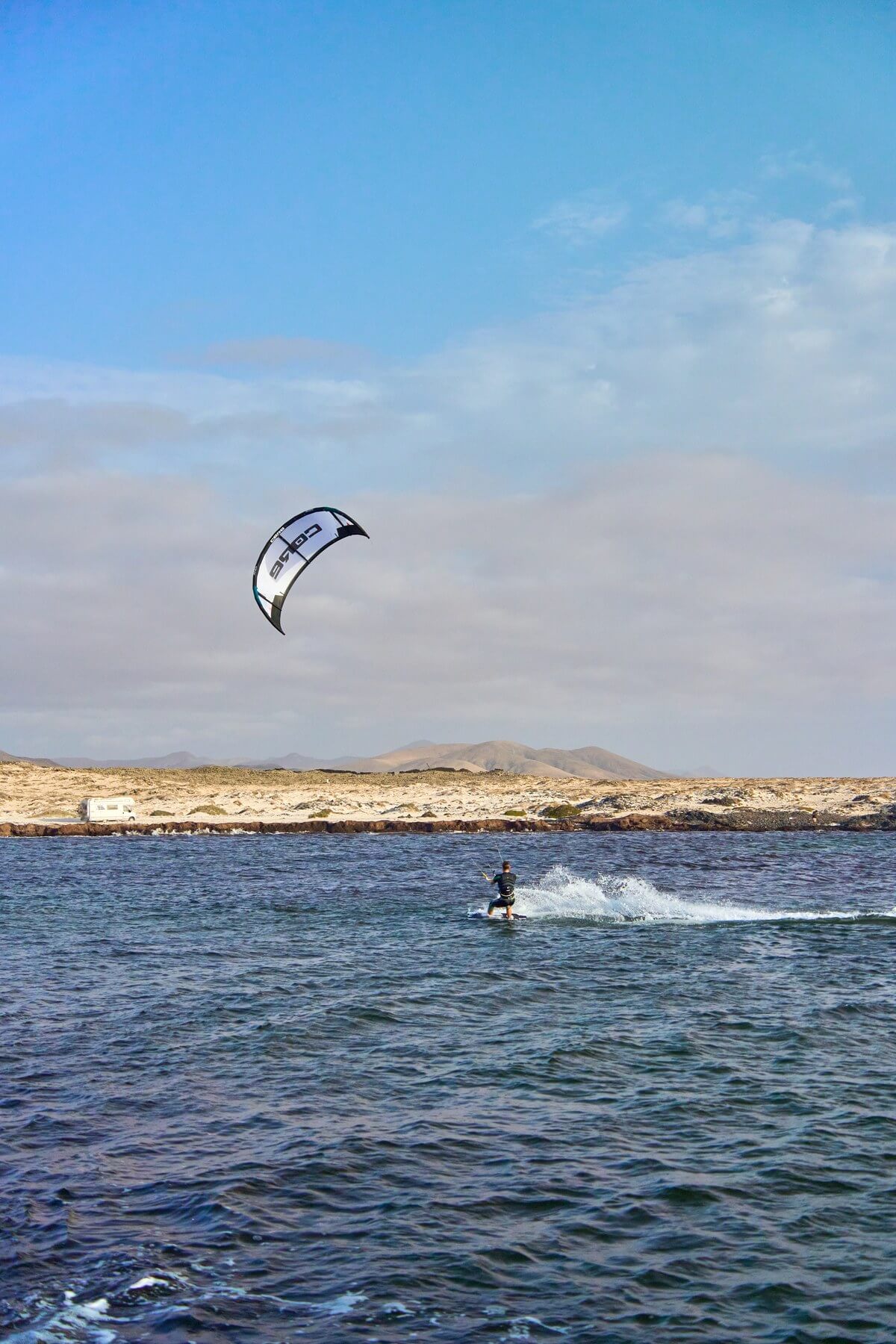
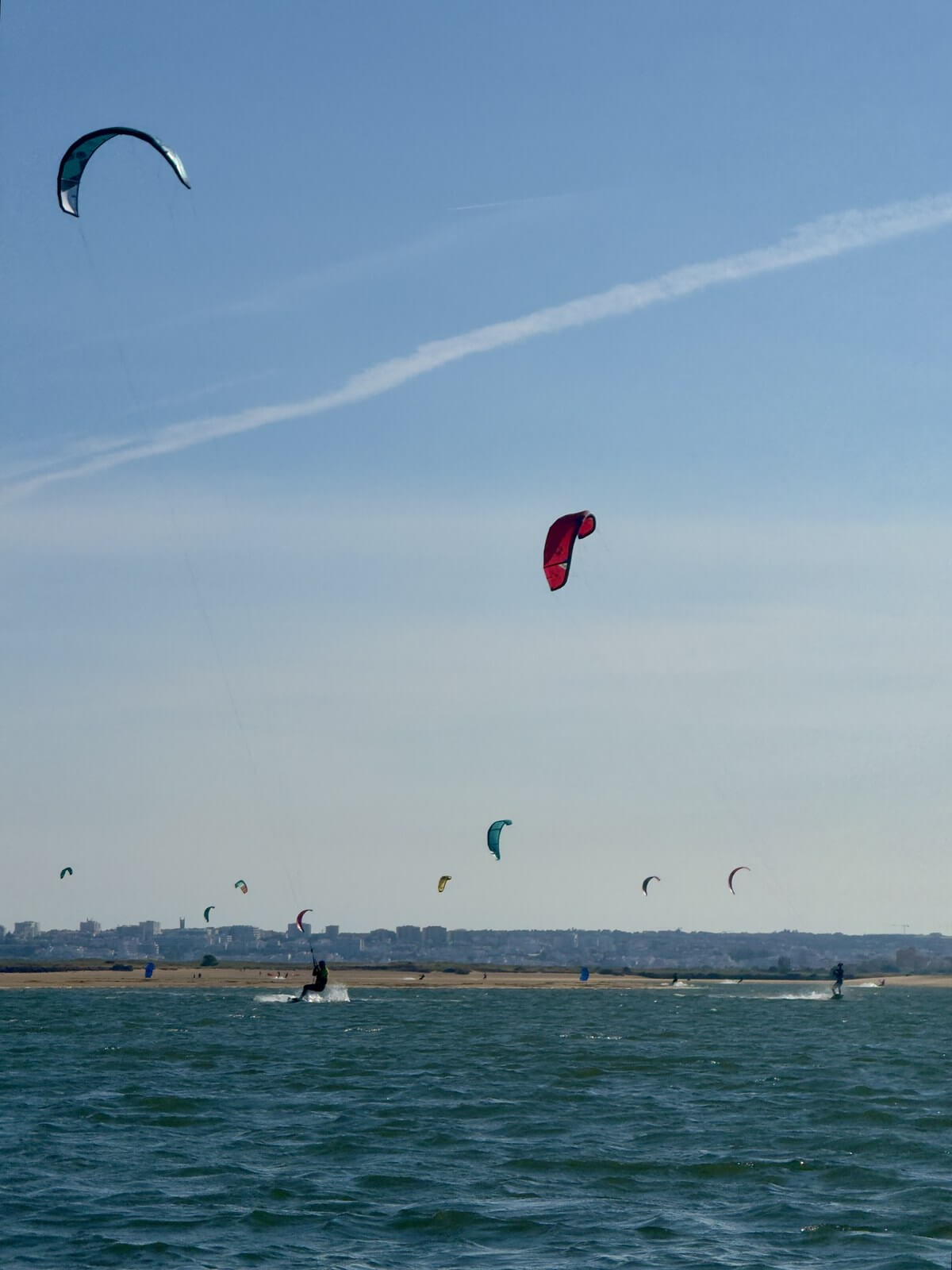
When the wind blows stronger than 25 knots, almost everyone anchors in the sheltered bay and waits. I use these days for kitesurfing. The Algarve, Fuerteventura, Sardinia, Tarifa in Spain, and many islands in Greece have reliable wind spots right next to classic sailing areas. From the anchorage, you can often reach the beach in fifteen minutes.
A clear warning: Don't start kitesurfing during a sailing trip. It's the fastest way to injure yourself or someone else. Book a full course two weeks in advance at a location like Tarifa, Fuerteventura, or Leucate in France. Once you're confident handling the kite and bar, your sailing trip will be much more flexible: Calm day? Foil. Too much wind? Kite. Perfect sailing wind? Sail. You'll never be dependent on a single weather pattern again.
3. Marina hopping – experiencing harbor life as an activity in itself
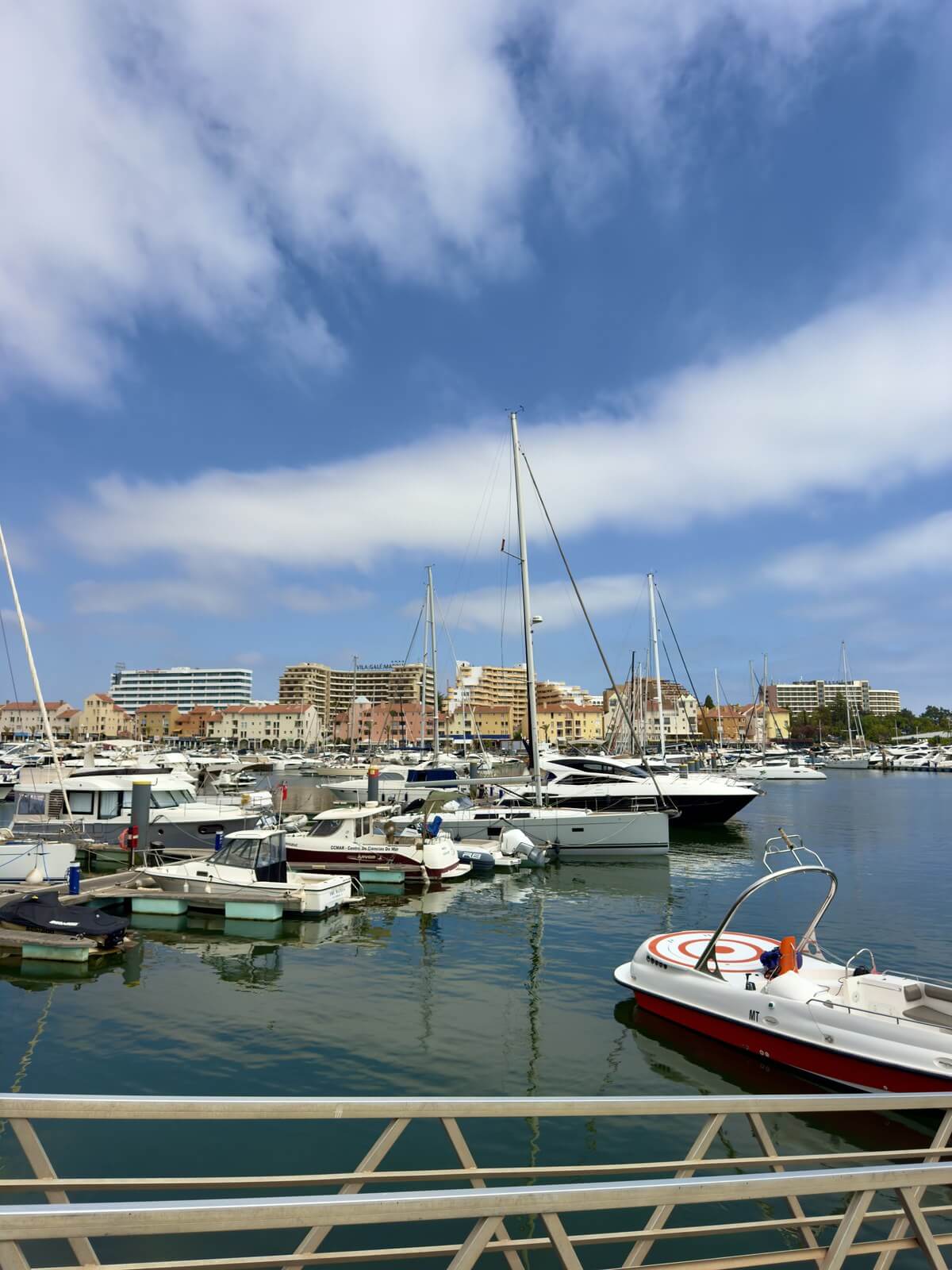
Underrated, but for me one of the best parts of sailing: time spent in the marina. Vilamoura in Portugal, Saint-Tropez in France, Porto Cervo in Sardinia, Hvar in Croatia, Mykonos in Greece, Palma de Mallorca in Spain – each of these marinas is like a small town in its own right. Superyachts right next to fishing boats, restaurants open until late at night, chandleries for spare parts, sauna and pool with a marina guest pass.
On a two-week sailing trip, I always plan at least two nights in a marina. Not just for refueling and laundry, but because conversations with fellow skippers returning from the Caribbean or the Mediterranean are irreplaceable. If you're chartering a boat, ask the harbor master for the best place to eat seafood – it's never the one most prominently listed on Google Maps.
4. Beach and cliff stops – the bay as a retreat
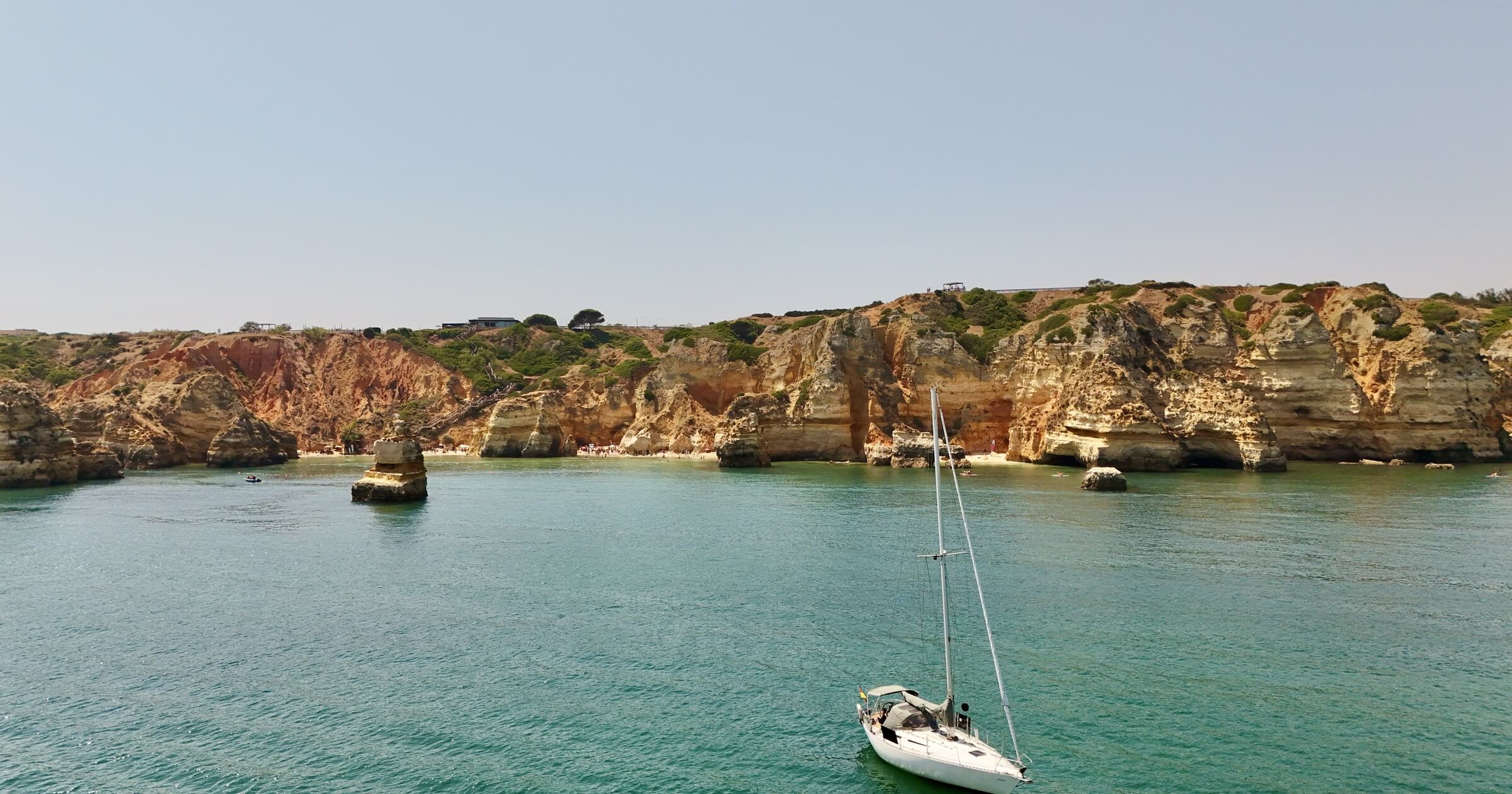
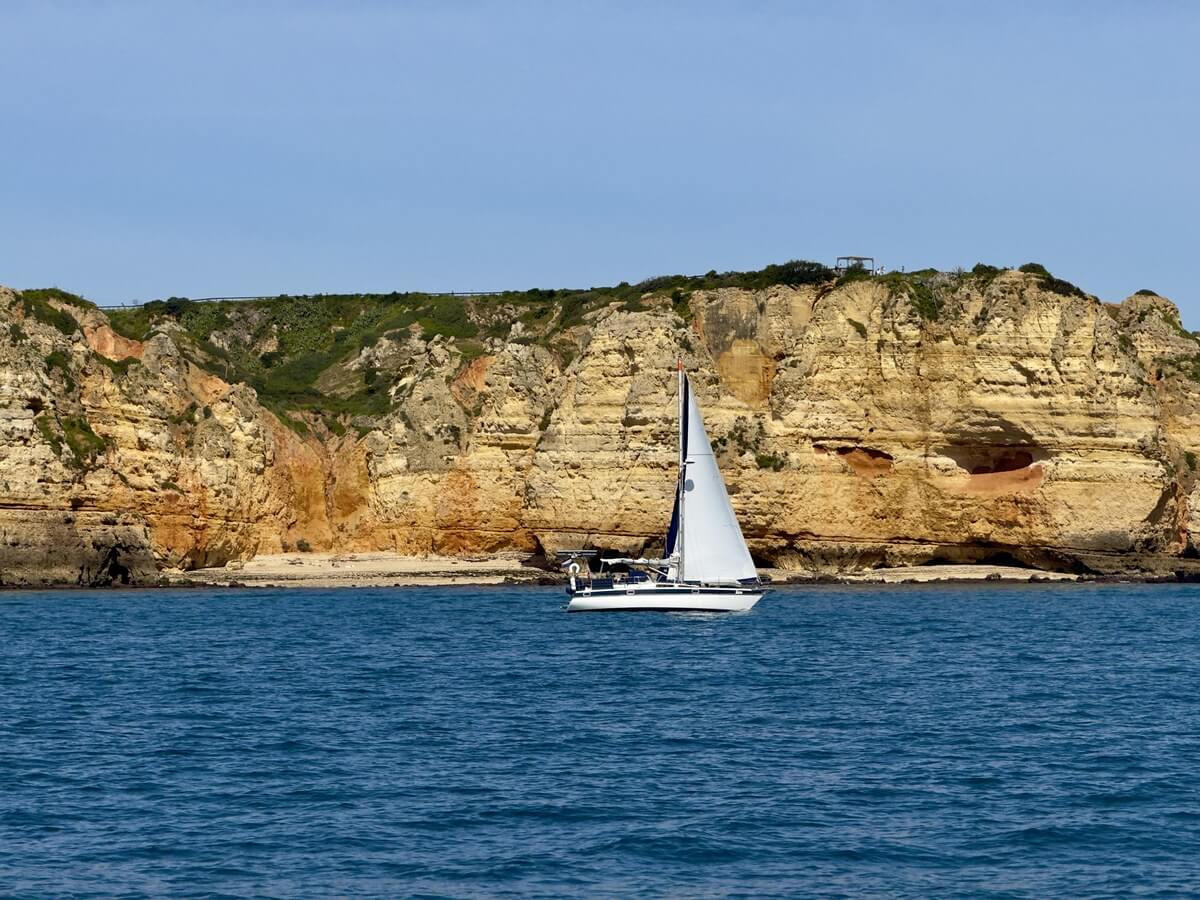
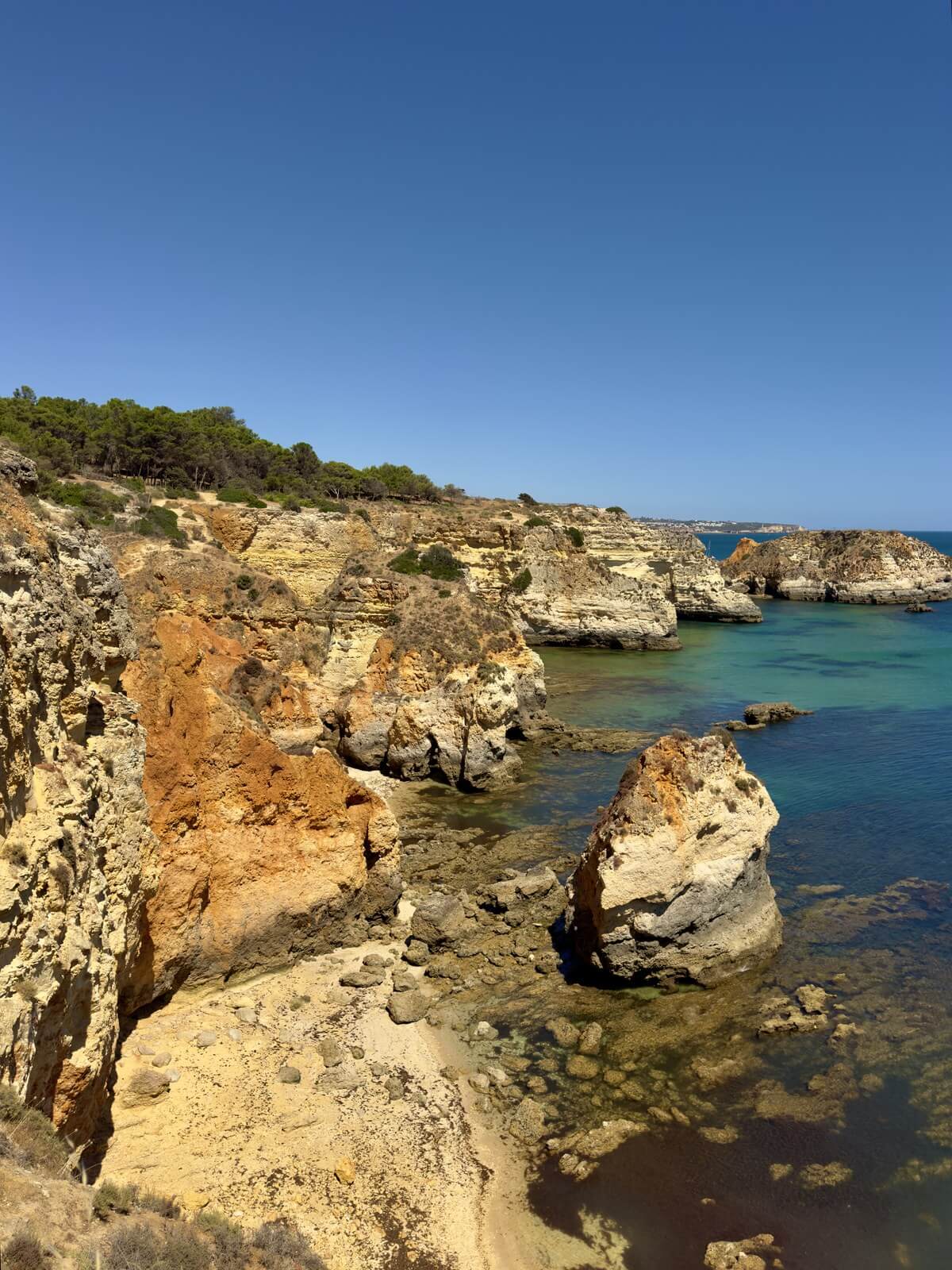
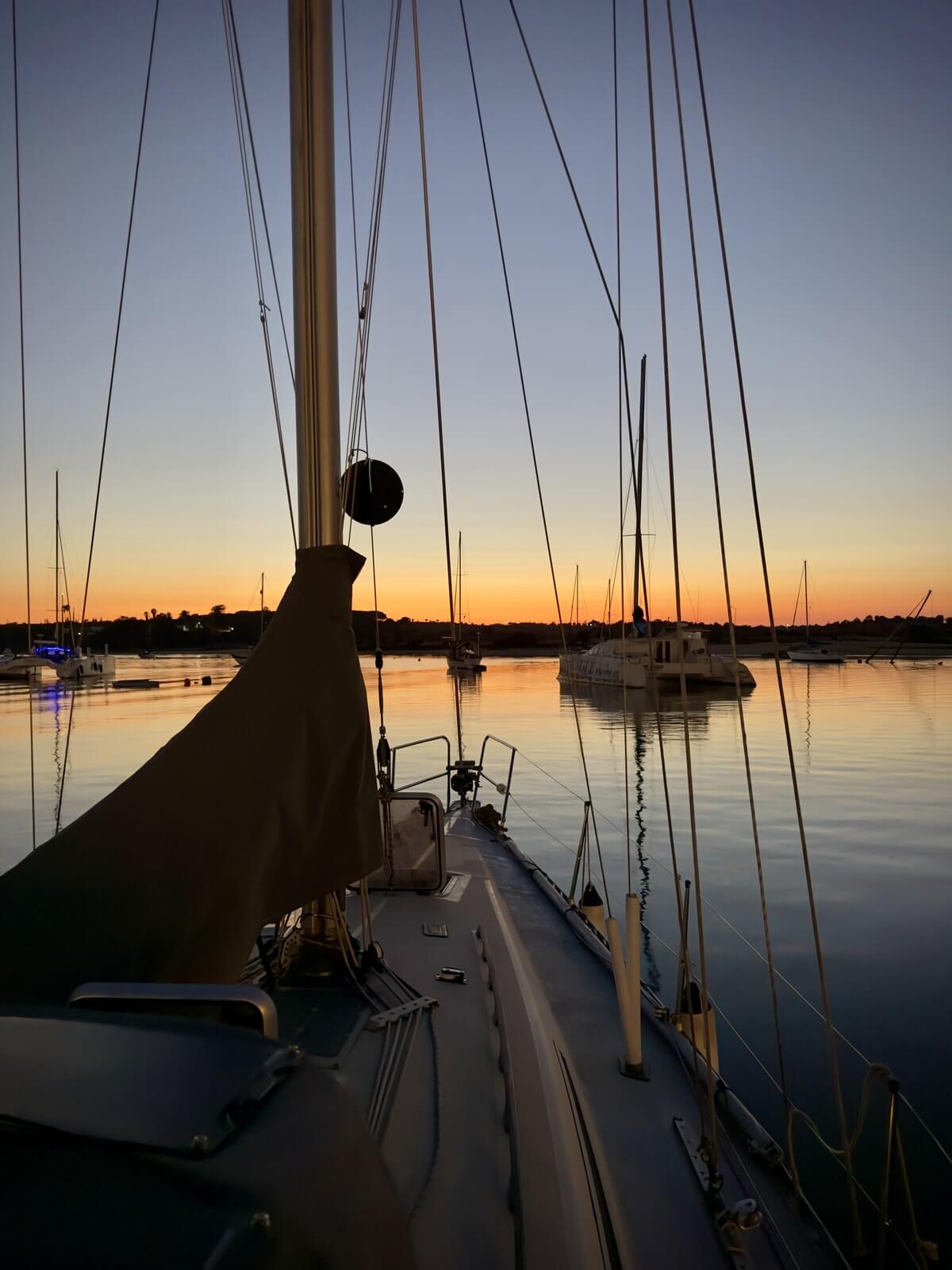
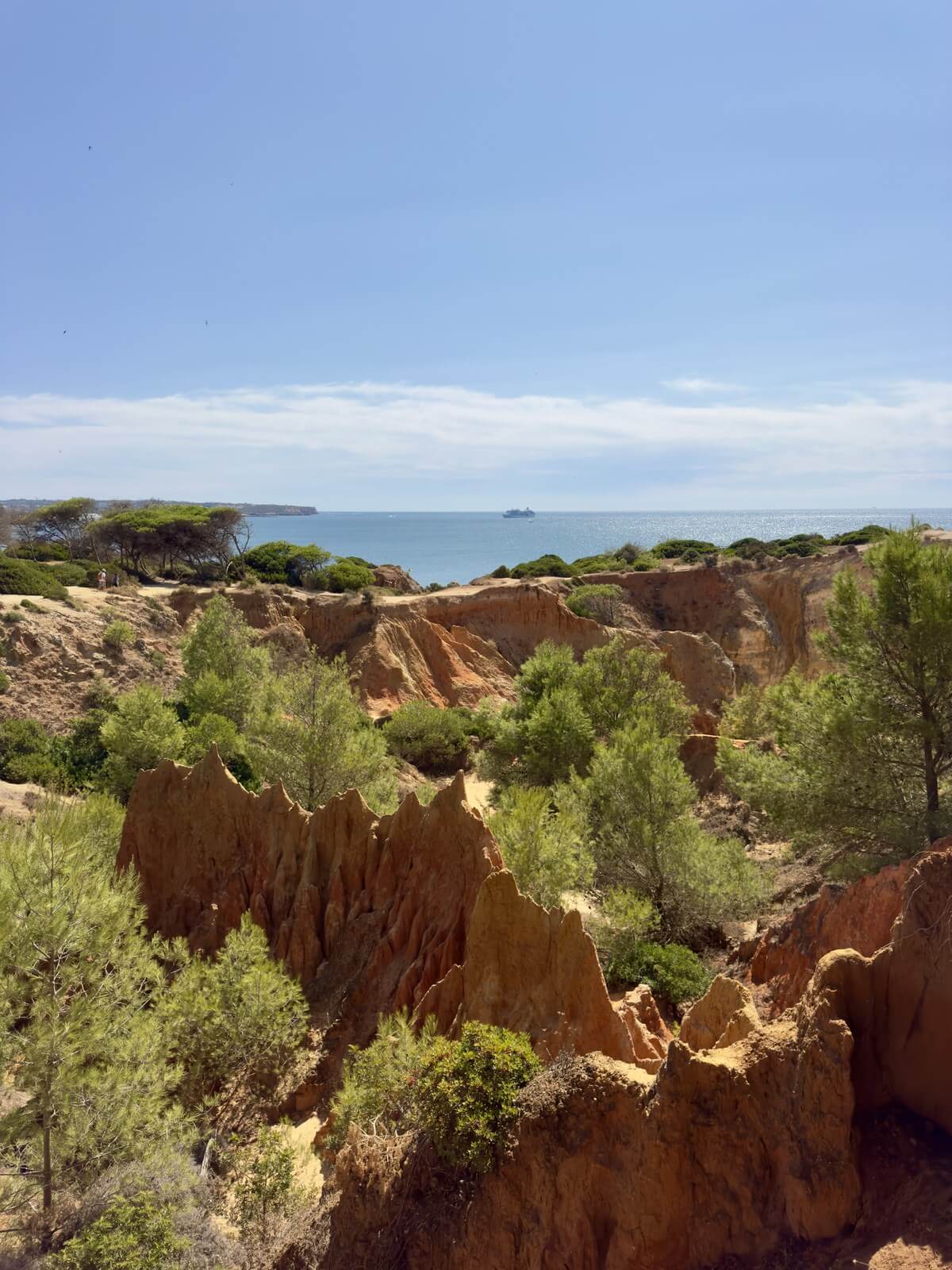
After three hard days of sailing, neither your body nor your mind wants anything more than to lie in a sheltered bay. My absolute favorites: Praia da Marinha and Praia de Benagil in the Algarve, the Blue Cave on Biševo in Croatia, the limestone bay of Formentera in Spain, the pink sand beaches of Sardinia in Italy, and Shipwreck Bay in Zakynthos, Greece.
Find an anchorage, dinghy ashore, snorkel mask in. Praia de Benagil is notorious among day-trippers – but those arriving by water can have the grotto all to themselves very early in the morning. And honestly: an hour on the cliff path, followed by a dip in the turquoise water, beats any spa day.
5. Shore excursions – why you should regularly leave the boat
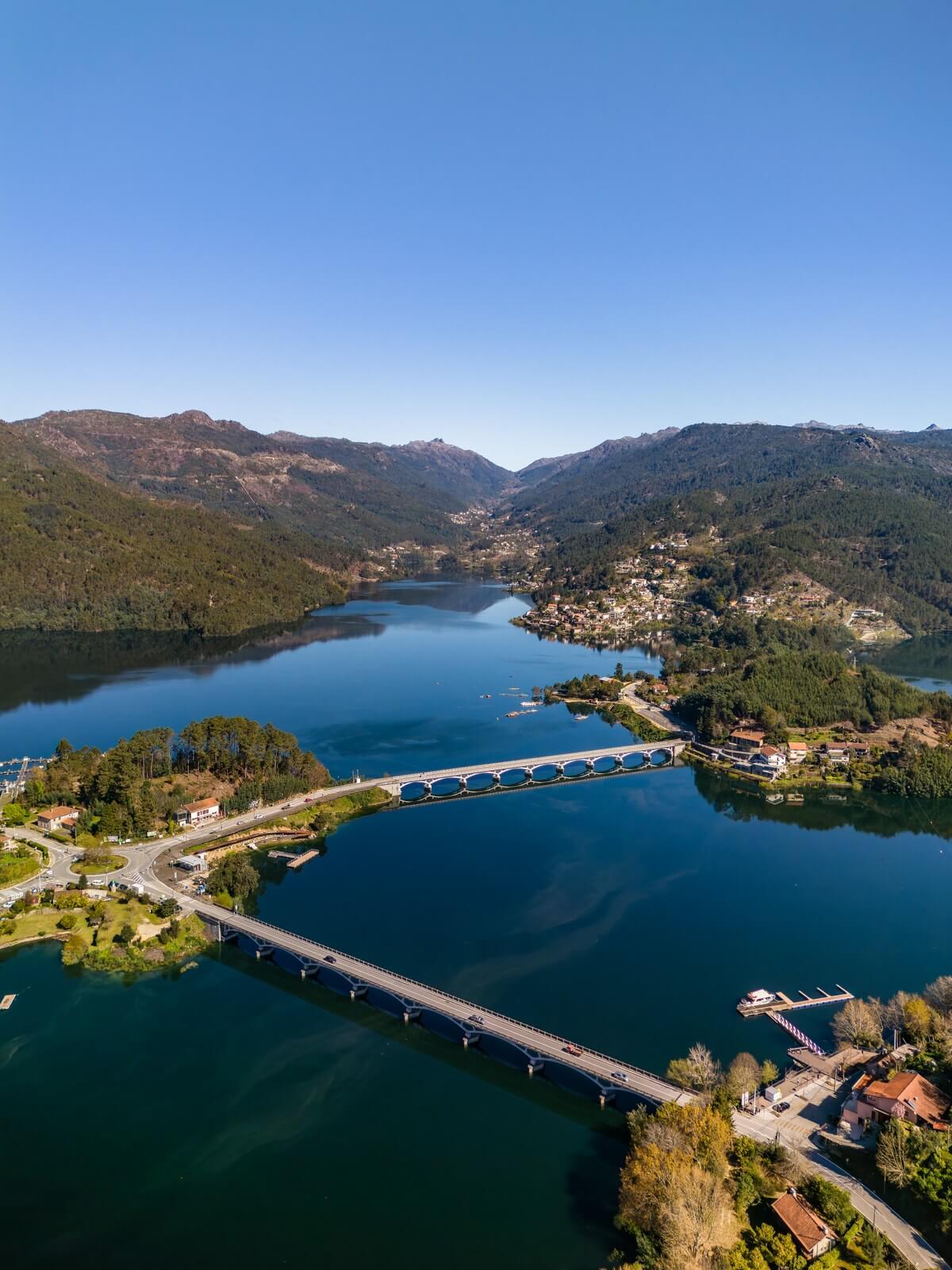
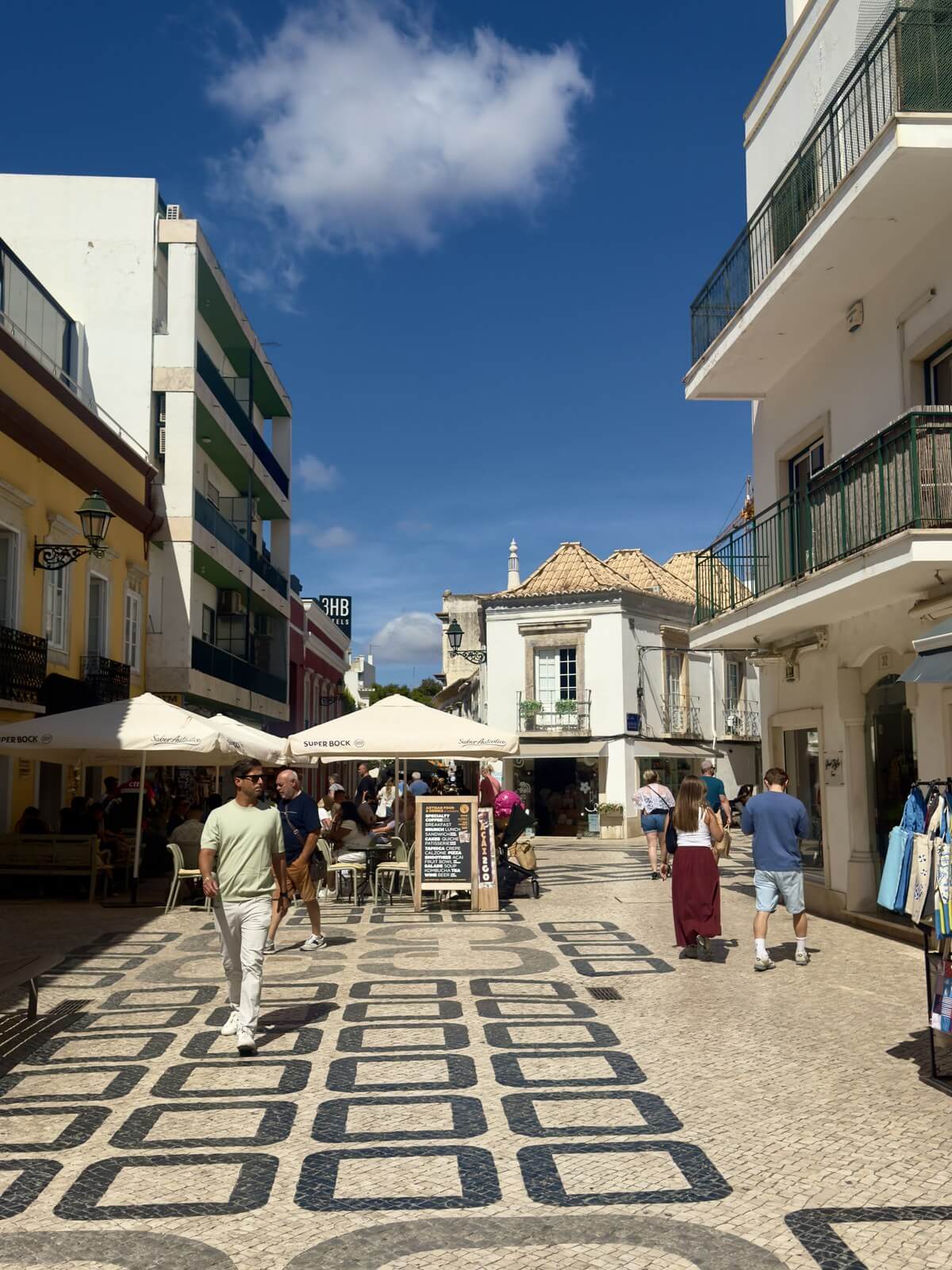
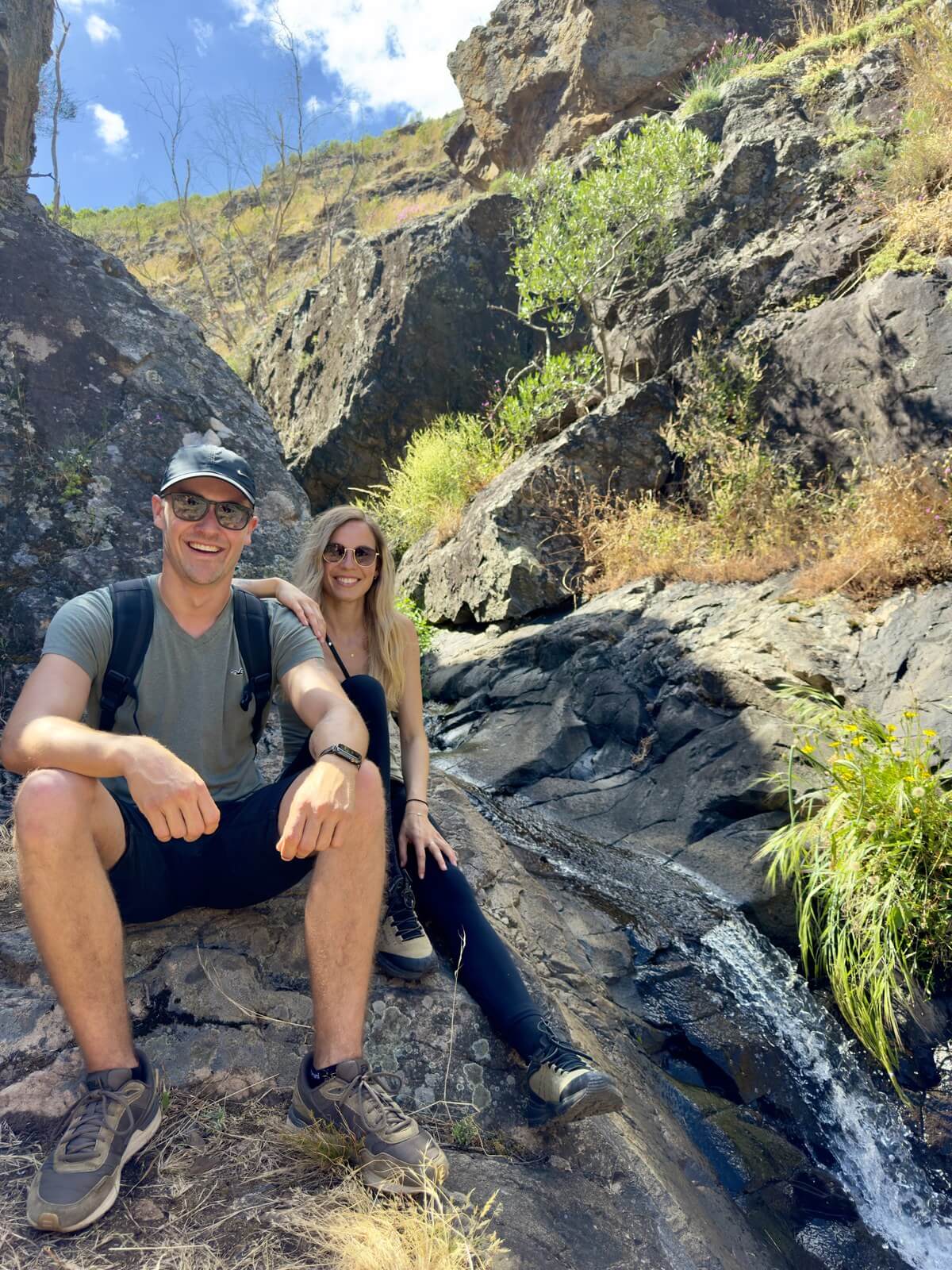
The biggest mistake first-time sailors make is staying by the water the whole time. Yet the most spectacular destinations are often just a half-hour drive away. From Portugal, I drove a rental car to Bom Jesus do Monte in Braga, to the Peneda-Gerês National Park, and to waterfalls beyond Monchique. In Italy, you can drive to the Supramonte mountains from any Sardinian port. In Greece, the Samaria Gorge is well worth a visit from Crete.
My rule of thumb: For every third sailing day, I plan a day ashore. Rental car, Vespa, or e-bike, depending on the region. And a hiking trail, a church, a viewpoint with a drone spot, a homemade dinner in a small taverna. Back on board, you love sailing again because your perspective has changed.
Are you planning a sailing trip and want to know which destination suits your style? On my Collaboration page Here you will find all the trips and productions that I have done for Tourism Boards and brands on board.

6. On-board rituals – the quiet luxury on board
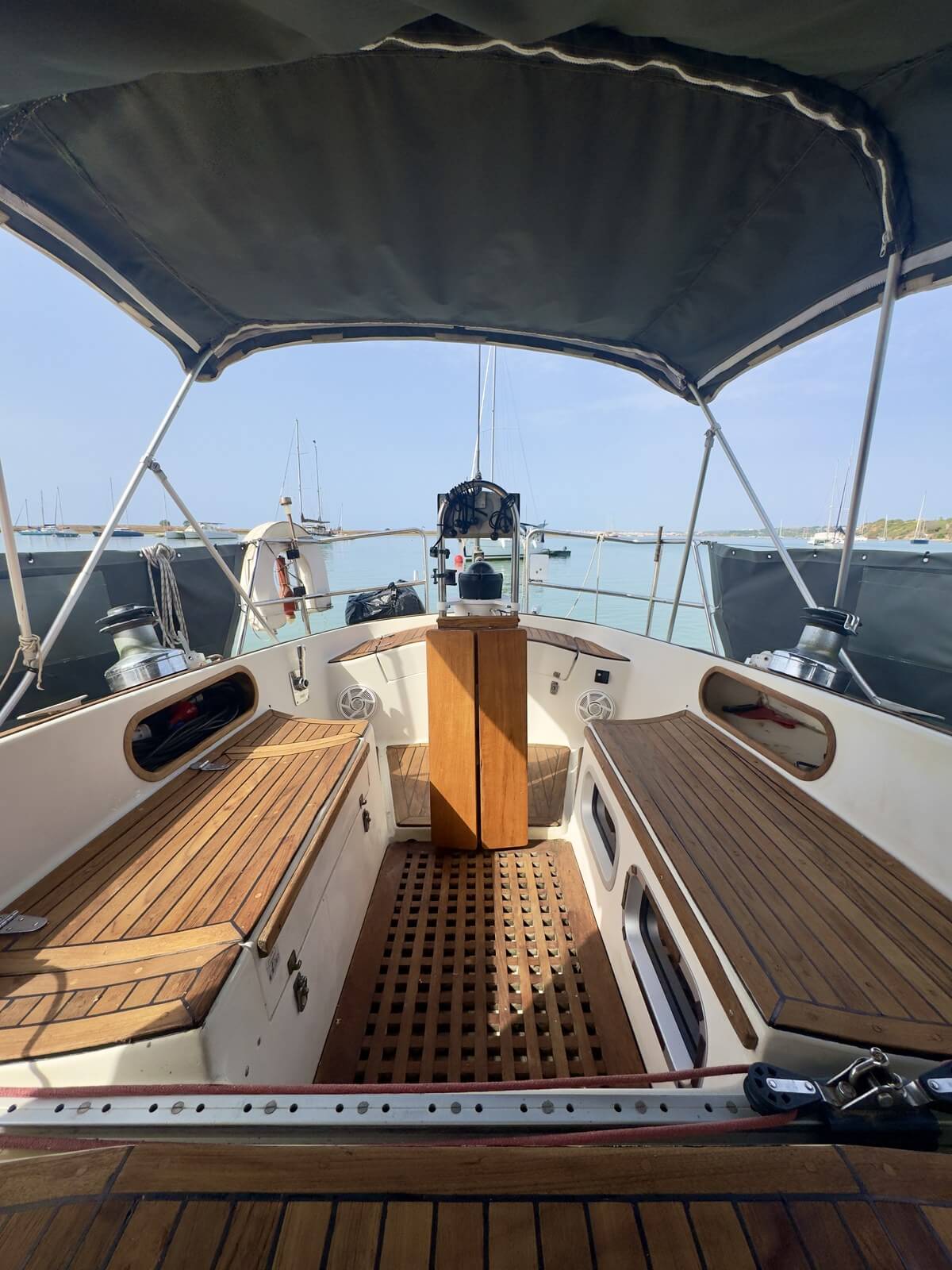
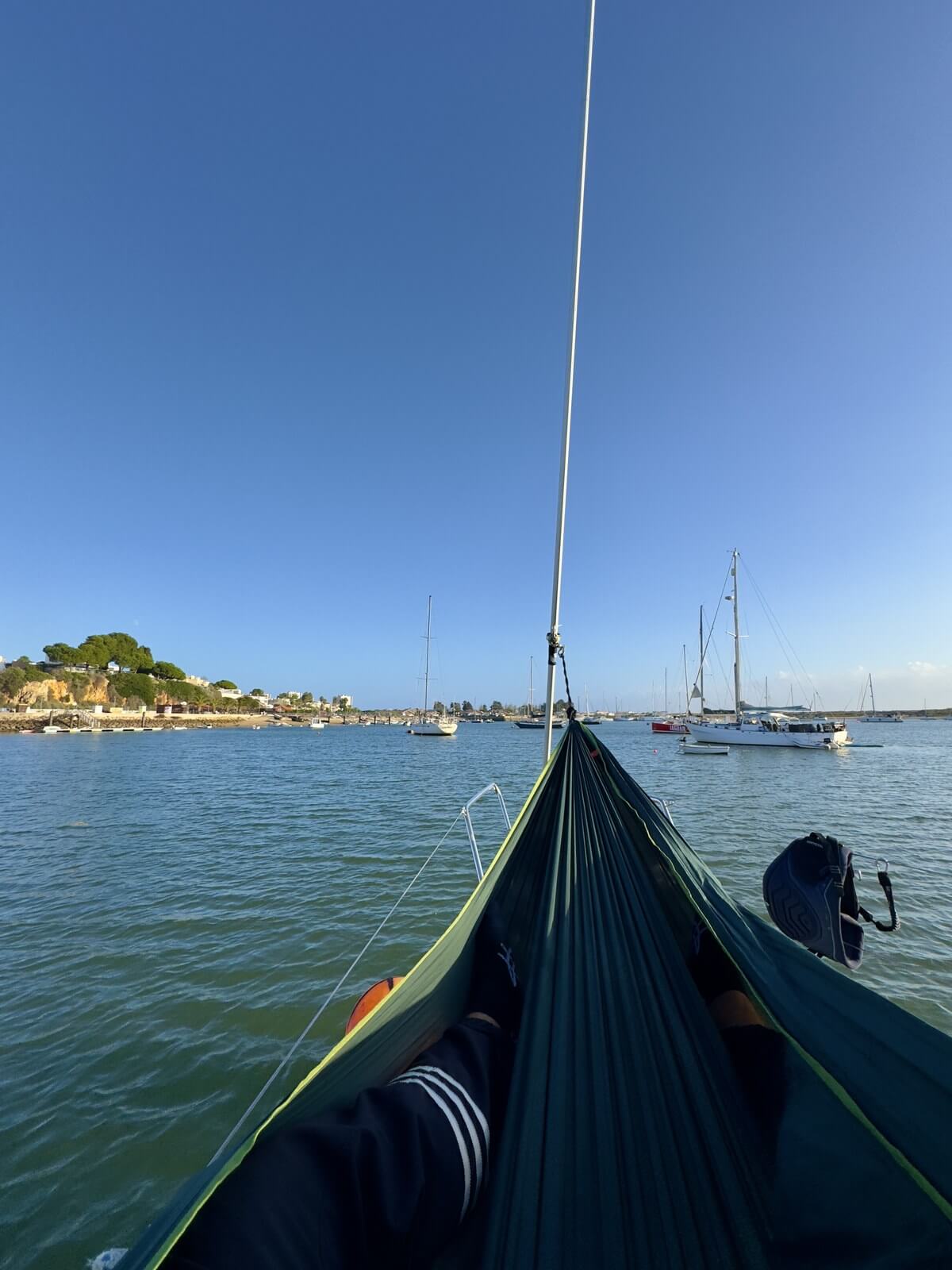
What sets a sailing trip apart from any other vacation? The rituals that only exist on a boat. Hammock strung between the bow pulpit and the mast, the boat gently rocking in its anchorage, you lying horizontally fifty centimeters above the water's surface, watching the sunset paint the rigging red. I take a lightweight ultralight hammock on every trip. Setup: five minutes. Reward: priceless.
Then there are the established evening rituals: a sunset aperitif in the cockpit, dinner together under the deck saloon, counting stars after midnight without light pollution. On a yacht off the coast of Sardinia or somewhere in the Caribbean, you see constellations you've never seen from home. The simultaneous lapping of the water against the hull is what every meditation app tries in vain to simulate.
The best sailing areas for active trips compared
Not every region is equally suitable for all activities. I've ranked the top destinations according to how they feel in practice:
| Territory | country | Best activity | season |
|---|---|---|---|
| Algarve | Portugal | Efoiling, kite surfing, cliff hikes | May–October |
| Cyclades | Greece | Island hopping, kitesurfing (Meltemi) | June–September |
| Sardinia & Corsica | Italy / France | Bays, hiking, gourmet stops | May–September |
| Balearic Islands | Spain | Party marinas, kitesurfing Formentera | May–October |
| Dalmatia | Croatia | Harbor hopping, diving, old towns | May–September |
| British Virgin Islands | Caribbean | Snorkelling, foiling, beach bars | December–April |
| Baltic Sea (Rügen/Bornholm) | Germany / Denmark | Dune hiking, sauna stops | June–August |
My personal ranking for diversity: Algarve for foiling plus land program, Sardinia for the interplay of bay and mountains, Croatia for skipper beginners because of the many protected islands and the Caribbean as a winter escapade with guaranteed trade winds.
Packing list for active sailing activities
What always accompanies me during an active yachting week, whether in Portugal or Greece:
- Wakeboard/Efoil shorts with UV protection – not just swim trunks, otherwise the seatbelt will cause chafing.
- Lightweight neoprene vest – at 21°C water, the vest keeps you in the water for two hours longer.
- Waterproof bag 20–30 liters – for dinghy trips to beaches without infrastructure.
- Trekking sandals – flip-flops will break on the first cliff path.
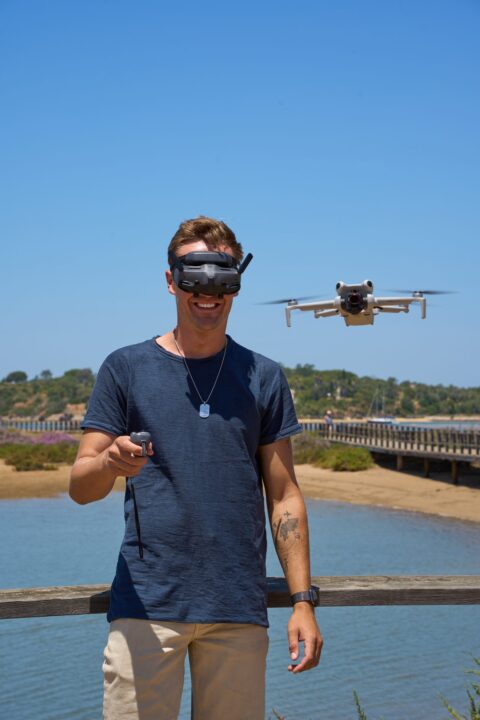
- – I fly the DJI Mini 5 Pro, compact enough for transport in a dinghy, powerful enough for coastal panoramas.
- 20,000 mAh power bank – powers drones and cameras for two full days without onboard power.
- Ultralight hammock – 200 grams, saves every calm afternoon.
- Snorkel set – not the cheap plastic kind, but a set with tempered glass and a silicone mask.
Frequently asked questions about sailing activities
What activity is most worthwhile when there is no wind?
Foiling. It's the only watercraft that doesn't require wind, hardly needs waves, and is quick to learn. Kayaking is the analog alternative.
Is it possible to learn kitesurfing during a sailing trip?
No. Kitesurfing requires five to ten days of instruction in a shallow, standing-water area. Book this as a separate trip – otherwise you endanger yourself and others.
Which sailing area offers the best combination of activity and relaxation?
The Algarve in Portugal and Sardinia in Italy offer both: impressive underwater coastlines, good winds, spectacular hinterlands and relaxed marinas without the touristy atmosphere of Ibiza.
How many sailing days should I alternate with activity days?
My ratio is 2:1 – two days sailing, one day ashore or doing activities in the bay. On two-week trips, that equates to four to five "rest days." That's enough to keep both body and crew fresh.
Are activities like foiling allowed on every charter yacht?
Not automatically. Ask the charter company specifically about Efoil, Seabob, or jet skis beforehand. Some insurance policies do not cover the transport of motorized water toys.
Which shore excursions are specifically worthwhile in the Algarve?
Bom Jesus do Monte in Braga, the Peneda-Gerês National Park, Monchique with its Caldas thermal baths, and the historic old town of Lagos. You'll need a rental car for all four.
What is the most affordable active sailing activity?
Snorkeling. Cost: a one-time fee of 60–80 euros for decent equipment, then nothing. In Greece, Croatia, and the Caribbean, you'll see more fish without an oxygen tank than at most dive sites in German-speaking countries.
Max Haase
Travel Content Creator · Drone Photographer · Visual Storyteller
A professional travel creator for over 10 years with over 4 million followers. Specializing in high-end tourism board collaborations and visual travel storytelling.

 German
 English