
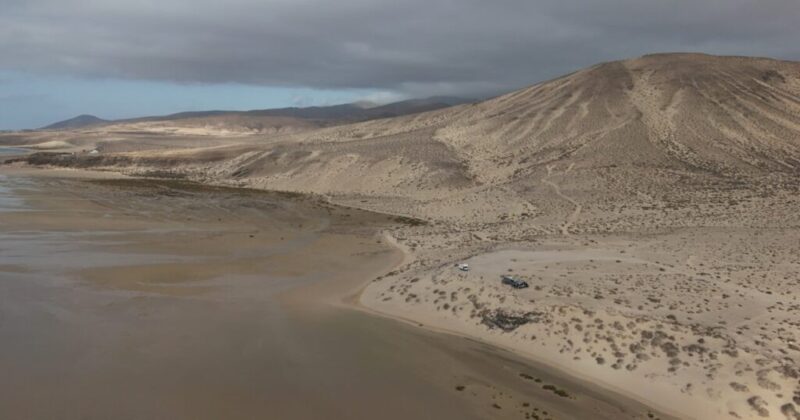
DJI Mini 4 Pro Review — The best travel drone?
Warum die kompakte Reisedrohne meine treueste Reisebegleiterin war
Bevor ich auf die modernste Reisedrohne umgestiegen bin, war die kompakte Reisedrohne zwei Jahre lang meine Hauptdrohne — und ich sage bewusst „war“, nicht „gewesen“, denn sie ist immer noch eine fantastische Drohne. In über 40 Ländern hat sie mich begleitet, von den Kanaren bis nach Neuseeland, von den Alpen bis in die Wüste Saudi-Arabiens. Hunderte Flugstunden, tausende Aufnahmen, null Abstürze. Dieses Review basiert auf realer, intensiver Nutzung über zwei volle Jahre.
Warum schreibe ich ein Review über eine Drohne, die schon einen Nachfolger hat? Weil die kompakte Reisedrohne Stand 2026 das beste Preis-Leistungs-Verhältnis aller Reisedrohnen bietet. Seit dem Release der modernste Reisedrohne sind die Preise der kompakte Reisedrohne deutlich gefallen — und das macht sie zum absoluten Geheimtipp für Einsteiger und Budget-bewusste Creator.
Technische Daten der kompakte Reisedrohne
Sensor: 1/1.3-inch CMOS, 48 megapixels
Video: 4K/60fps, 4K/100fps (HDR mode only), FHD/120fps
Photo: 48 MP RAW (DNG) and JPEG
Weight: 249 grams (below the EU registration limit)
Flight time: Up to 34 minutes (realistically 28-31 minutes)
Reach: Up to 20 km (O4 transmission)
Obstacle detection: Omnidirectional
Price: From around 599 euros (used), 799 euros (Fly More Combo new)
The 1/1.3-inch sensor: Amazingly good for its size
Als DJI die kompakte Reisedrohne vorstellte, war ich skeptisch: Kann ein 1/1.3-Zoll-Sensor wirklich genug Qualität für professionelle Arbeit liefern? Die Antwort nach zwei Jahren: Ja, mit Einschränkungen. Bei Tageslicht und Golden Hour produziert die kompakte Reisedrohne Bilder, die auf Social Media (Instagram, TikTok, YouTube) nicht von einer Mavic 3 zu unterscheiden sind. Erst wenn du auf einem 27-Zoll-Monitor reinzoomst, siehst du den Unterschied in den Details.
The sensor's strength lies in its resolution: 48 megapixels in such a small drone allow you to crop images generously. I regularly took a horizontal 48-megapixel image and cropped it to a vertical Instagram format—and the quality was still outstanding. I still use this workflow today.
Where the sensor reaches its limits: in low light. Noise becomes visible from ISO 800, and problematic from ISO 1600. Everything is fine at sunset with residual daylight—but the truly dark blue hour or even night shots are not this drone's forte. Here, the Mini 5 Pro, with its larger 1-inch sensor, has a clear advantage.
Video quality: More than enough for social media
The 4K/60fps video recording is sharp and detailed. The D-Log M color profile gives you plenty of flexibility for color grading in post-production, and the result looks professional. I've used it for tourism board collaborations in Colombia and Morocco, and no client has complained about the quality.
The Mini 4 Pro's slow-motion capability is more limited than its successor: 4K/100fps is only available in HDR mode (with reduced dynamic range), and the native 4K/60fps can only be slowed down to 40 percent, which isn't always sufficient for the typical cinematic slow-motion effect. FHD/120fps works, but the loss of quality is noticeable on large screens when watching Full HD.
What positively surprised me about the Mini 4 Pro was the electronic image stabilization (EIS) in combination with the 3-axis gimbal, which produces incredibly smooth footage. Even in moderate winds (force 3-4), there's no shaking or jerking in the image. DJI's gimbal quality is outstanding across all models—this was already the case with the Mavic Pro and hasn't diminished since.
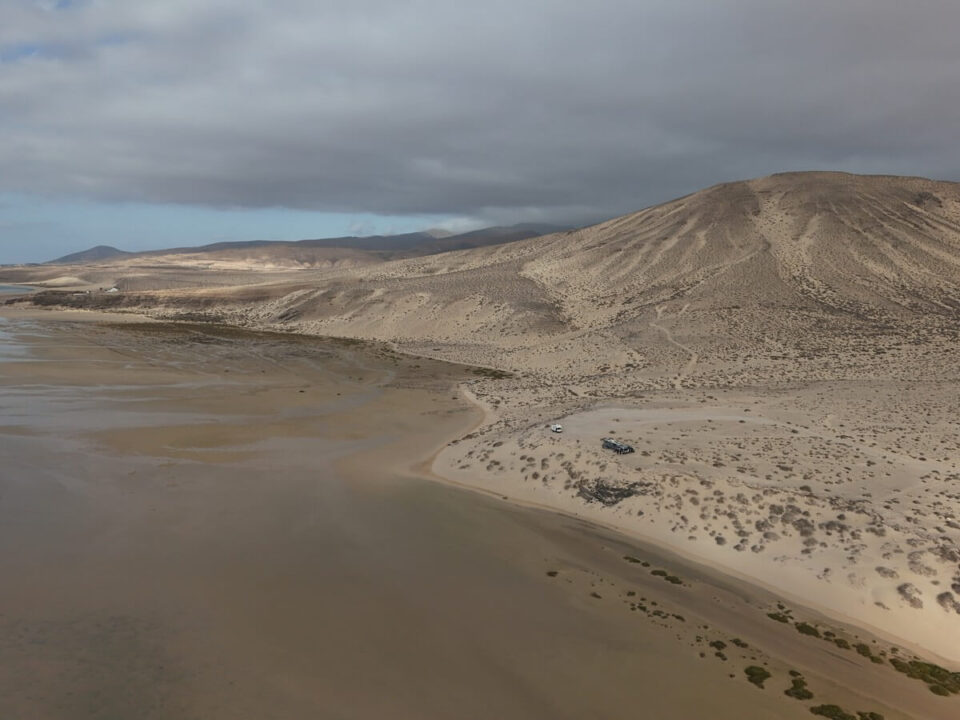
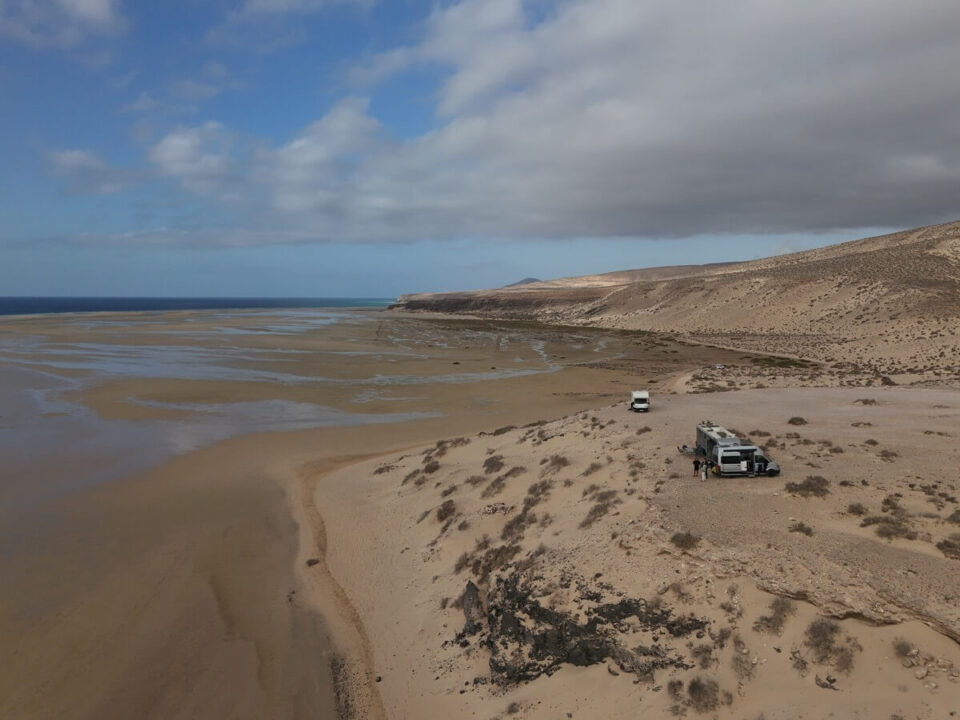
Flight characteristics and range
Die kompakte Reisedrohne nutzt DJIs O4-Übertragungssystem mit einer theoretischen Reichweite von 20 Kilometern. In der Praxis fliege ich nie weiter als 2-3 Kilometer, aber die starke Verbindung zeigt sich in der Signalqualität: Selbst in Städten mit dichtem WiFi-Verkehr hatte ich mit der kompakte Reisedrohne deutlich weniger Verbindungsabbrüche als mit der Mini 3 Pro davor.
Die omnidirektionale Hinderniserkennung war bei der kompakte Reisedrohne die große Revolution. Die Mini 3 Pro konnte nur nach vorne, hinten und unten schauen — seitliche Hindernisse wurden nicht erkannt. Die kompakte Reisedrohne sieht in alle Richtungen und warnt beziehungsweise bremst automatisch. In der Praxis hat mich das mindestens fünfmal vor einer Kollision bewahrt, besonders beim Rückwärtsfliegen in engen Umgebungen.
The only time you notice the drone's light weight of just 249 grams is in its flight characteristics in windy conditions. At wind force 5, the Mini 4 Pro struggles noticeably, and the battery drains significantly faster. My personal limit is wind force 4—I only fly above that if the location is truly exceptional and I can assess the risk.
Battery life: Solid, but not outstanding
DJI gibt 34 Minuten Flugzeit an. In der Praxis komme ich auf 28 bis 31 Minuten, was für eine Sub-250-Gramm-Drohne absolut respektabel ist. Im Vergleich: Die Mini 3 Pro schaffte circa 25 Minuten real, die modernste Reisedrohne circa 35 Minuten. Der Unterschied zur modernste Reisedrohne klingt gering, aber über einen ganzen Drehtag mit drei bis vier Akkus summiert sich das auf 15 bis 20 Minuten extra Flugzeit — das kann einen kompletten zusätzlichen Spot bedeuten.
My tip: Charge the batteries overnight using the charging hub from the Fly More Combo. The hub charges the batteries sequentially (not simultaneously), but takes about 90 minutes for all three. In the morning you'll have three fully charged batteries for the day.
kompakte Reisedrohne in 2026: Lohnt sich der Kauf noch?
Absolut — und hier ist warum. Seit dem Release der modernste Reisedrohne sind die Preise der kompakte Reisedrohne deutlich gefallen. Das Fly More Combo bekommst du neu für circa 799 Euro, gebraucht in gutem Zustand ab 599 Euro. Für diesen Preis bekommst du eine Drohne mit omnidirektionaler Hinderniserkennung, 4K/60fps, 48-Megapixel-Fotos und unter 250 Gramm Gewicht. Zeig mir eine andere Drohne, die das zu diesem Preis bietet — es gibt keine.
Für wen lohnt sich die kompakte Reisedrohne besonders? Für Einsteiger, die ihre erste ernsthafte Drohne kaufen wollen. Für Reisende, die hauptsächlich bei Tageslicht fliegen. Für Content Creator mit begrenztem Budget, die trotzdem professionelle Ergebnisse wollen. Für Fotografen, die die Drohne als Ergänzung zu ihrer Bodenkamera nutzen. Und für alle, die den Aufpreis von 400 Euro zur modernste Reisedrohne nicht rechtfertigen können oder wollen.
Für wen lohnt sich die kompakte Reisedrohne NICHT? Wenn du regelmäßig bei schwachem Licht fliegst (Blue Hour, Dämmerung), wenn du professionelle Slow-Motion-Aufnahmen brauchst (4K/100fps im Normalformat), oder wenn du maximale Bildqualität für bezahlte Kundenaufträge lieferst. In diesen Fällen lohnt sich der Aufpreis zur modernste Reisedrohne.
Meine Lieblingsaufnahmen mit der kompakte Reisedrohne
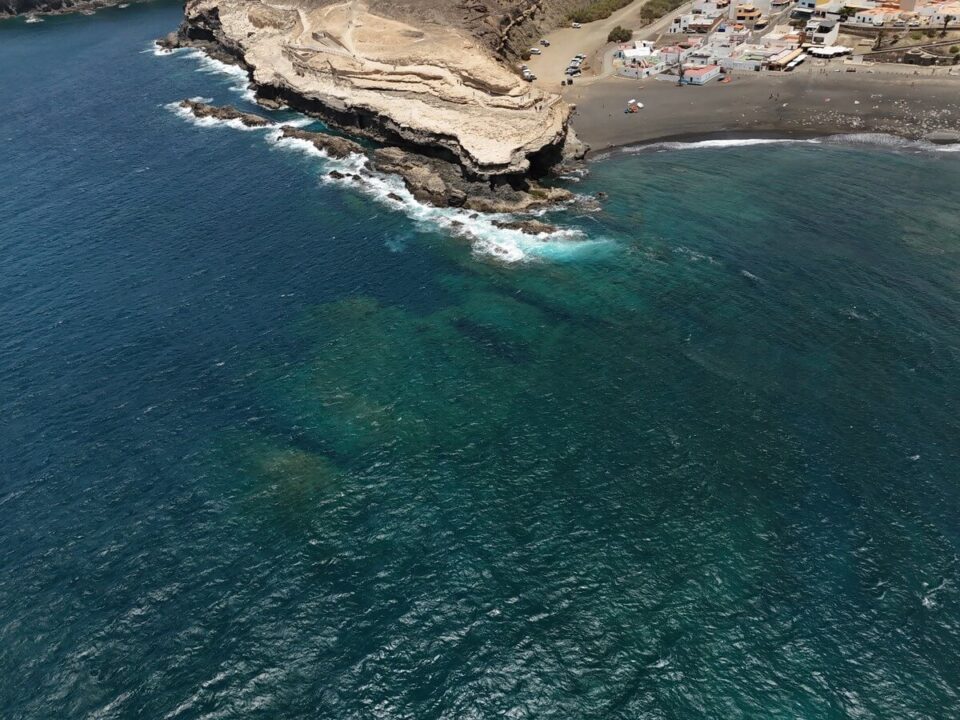
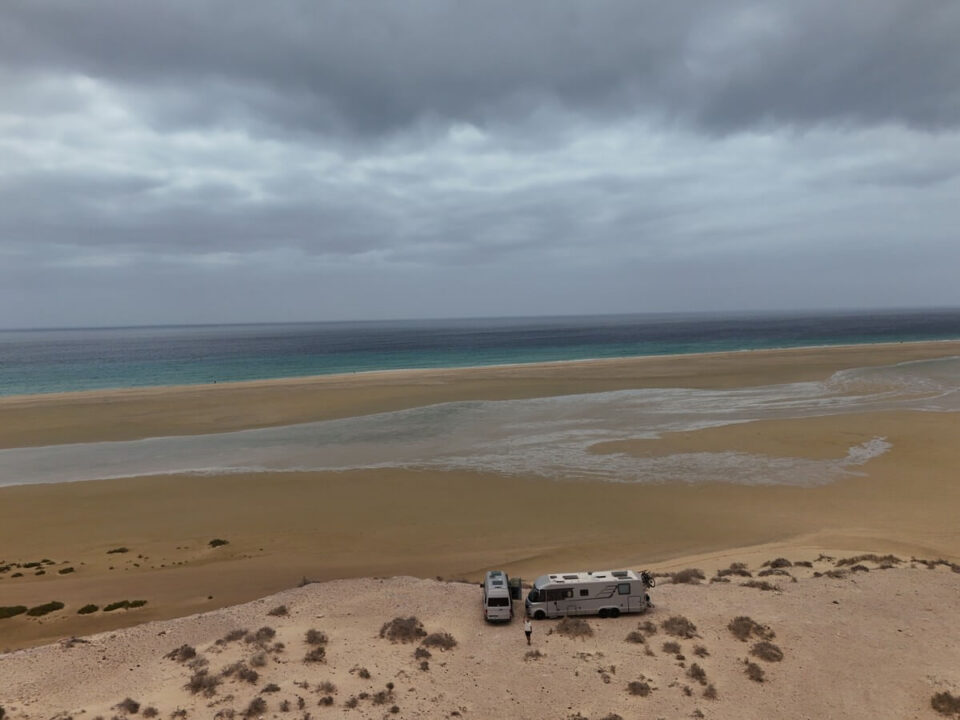
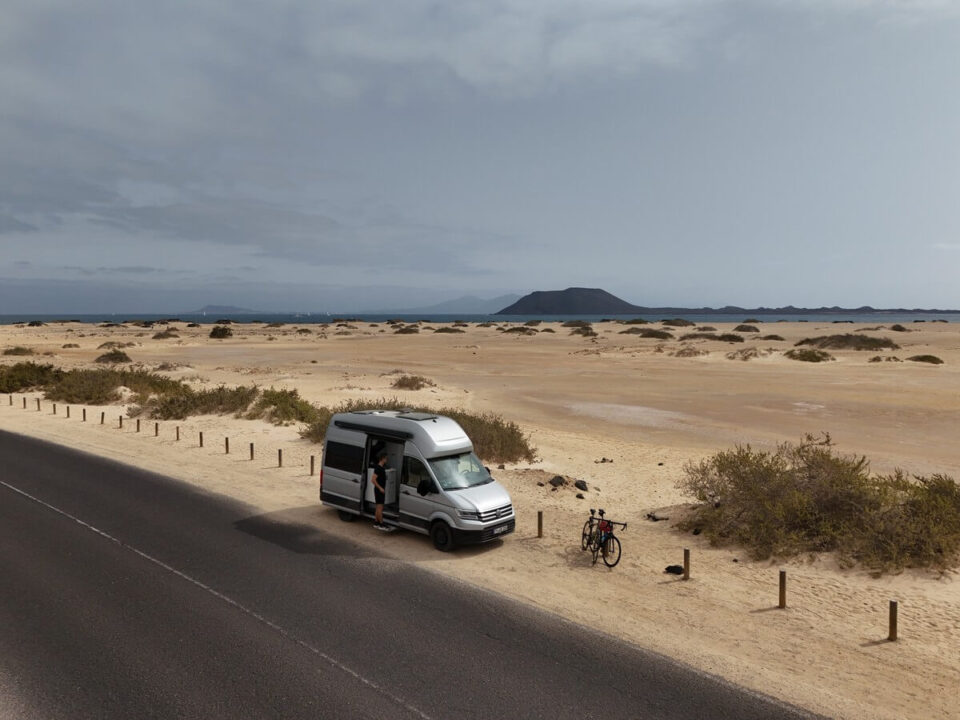
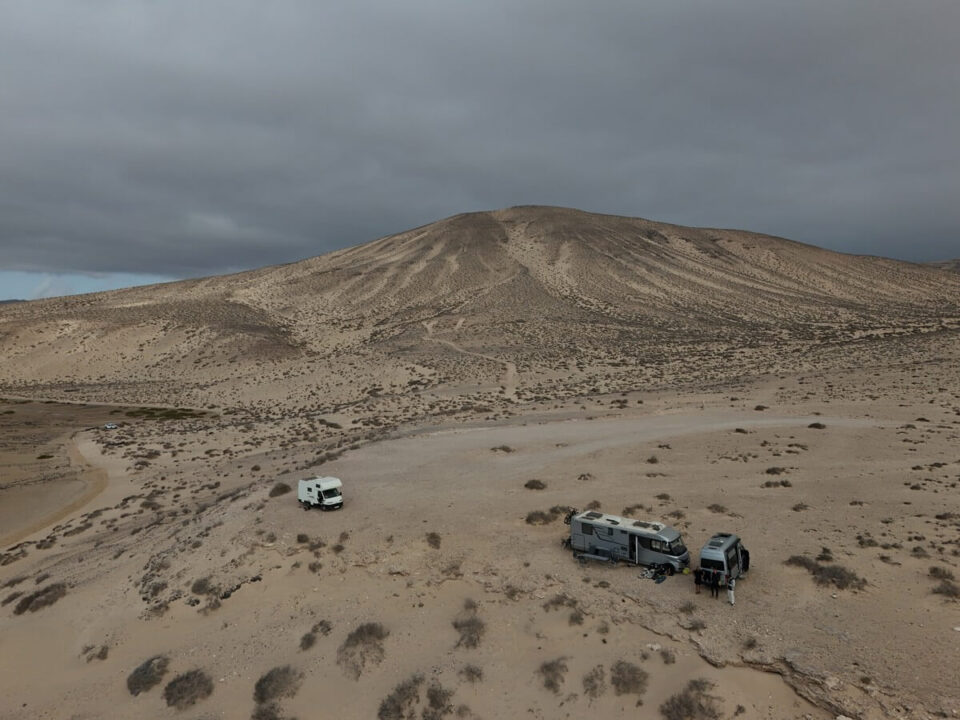
In two years, I've taken some of my most cherished drone shots ever with the Mini 4 Pro. The sunrise over the dunes of Maspalomas on Gran Canaria—the golden line between desert and ocean, from a height of 120 meters. The volcanic landscape of Lanzarote at sunset, where every crater casts long shadows. The coastal cliffs of the Algarve with their turquoise bays, which look like precious gems from above.
And then there was the flight over the levadas in Madeira—narrow irrigation channels that wind through dense laurel forests. From below, you see only walls of green, but from above, a pattern of water, forest, and clouds unfolds, almost surreal. That was the moment I understood why drone footage is so fascinating: it shows you familiar places from a perspective your brain has never seen before.
Schwächen der kompakte Reisedrohne — ehrlich bewertet
Low-light performance: Der 1/1.3-Zoll-Sensor stößt bei wenig Licht an seine Grenzen. Ab ISO 800 sieht man Rauschen, ab ISO 1600 wird es für professionelle Zwecke problematisch. Die modernste Reisedrohne ist hier spürbar besser.
No true 4K/100fps slow motion: The 100fps resolution is only available in HDR mode, which limits the dynamic range and isn't well-suited for color grading. For true cinematic slow motion, you'll need the successor.
O4 vs. O5 transmission: In most situations, you won't notice any difference. In cities with a lot of mobile network traffic (Barcelona Old Town, Tokyo Shibuya), I occasionally experienced brief picture interruptions with O4—not dramatic, but noticeable.
Battery life in winter: At temperatures below 5 degrees Celsius, battery life drops by approximately 20-30 percent. In the Alps in February, I only got about 22 minutes of runtime per battery. Tip: Warm the batteries in your jacket pocket and insert them just before starting.
No adjustable aperture: Wie bei der modernste Reisedrohne ist auch hier die Blende fest — bei f/1.7. ND-Filter sind Pflicht bei hellem Sonnenlicht.
Mein Zubehör-Setup für die kompakte Reisedrohne
I spent over two years putting together the perfect accessory setup:
Freewell ND filter set (ND8, ND16, ND32, ND64) — approximately €45. I use these filters on every flight in sunny conditions. The ND32 is my most frequently used filter.
Landepad (circa 15 Euro) — klingt albern, ist aber essentiell. Auf Sand, Gras oder Kiesel wirbelt die kompakte Reisedrohne beim Starten und Landen genug Staub auf, um den Gimbal zu verschmutzen. Ein faltbares Landepad von 55 cm Durchmesser passt in jede Tasche und löst das Problem.
Propeller guard (around €25) — I only use it when flying indoors (hotels, villas for real estate content). Outdoors, they are unnecessary and reduce flight time by about 3-4 minutes.
USB-C to Lightning cable — in case you're still using an older iPhone. The DJI RC 2 remote controller has USB-C, while many smartphones still use Lightning or Micro-USB.
My conclusion: The best introduction to the world of drones
The DJI Mini 4 Pro is the drone I can unconditionally recommend to any beginner or traveler. It's light enough to fly legally in almost any country, small enough to fit in any bag, and good enough to deliver professional results—at least in daylight. Its current price of around €599–€799 makes it the unbeatable price-performance winner among travel drones.
Ist sie die beste Reisedrohne? Nicht mehr, seit die modernste Reisedrohne existiert. Aber sie ist die beste Reisedrohne für ihr Geld. Und das zählt für die meisten Menschen mehr als ein marginaler Qualitätsunterschied, den nur Pixel-Peeper auf einem kalibrierten Monitor erkennen.
My rating: 8.5 out of 10. In 2024 it would have been 9.5 — but the successor has raised the bar, and the sensor's low-light performance is no longer up to date. For everything else: fantastic.
Frequently Asked Questions (FAQ)
Kann ich mit der kompakte Reisedrohne professionell arbeiten?
Ja, solange du hauptsächlich bei Tageslicht und Golden Hour fliegst. Ich habe mit der kompakte Reisedrohne Aufnahmen für Tourism-Board-Kooperationen in Kolumbien, Marokko und auf den Kanaren gemacht — kein Kunde hat die Qualität beanstandet. Für professionelle Low-Light-Arbeit (Events am Abend, Architektur bei Nacht) würde ich allerdings zur modernste Reisedrohne oder einer Mavic greifen.
Wie lange hält die kompakte Reisedrohne bei intensiver Nutzung?
My drone has lasted over two years and an estimated 400-500 flights without any problems. DJI builds extremely robust drones—mechanically, there are hardly any issues with these mini-drones. The typical "death" of a drone is always a crash, not wear and tear. If you fly carefully and keep obstacle avoidance activated, the drone will easily last three to five years.
Gibt es Firmware-Updates noch für die kompakte Reisedrohne?
As of 2026, DJI is still providing firmware updates for the Mini 4 Pro. The drone has only been on the market since the end of 2023 and still has at least two to three years of software support ahead of it. DJI is more reliable with firmware maintenance than most tech companies—even the Mavic Air 2 from 2020 still receives occasional updates.
kompakte Reisedrohne oder kompakte Reisedrohne mit DJI RC 2?
I recommend the version with the DJI RC 2 remote controller (with built-in screen). Yes, it's about €150 more expensive, but you'll save your smartphone's battery, have a brighter screen that's still readable in direct sunlight, and the overall experience is significantly smoother. If you use the drone regularly, the investment is worthwhile.
Was mache ich, wenn meine kompakte Reisedrohne im Meer abstürzt?
Short answer: You buy a new one. Saltwater and electronics don't mix. Therefore, my most important tip for coastal flights: Always activate Return-to-Home when the battery is low, never fly directly over water without GPS lock, and always keep enough battery reserve for the return flight. DJI Care Refresh (around €79/year) replaces the drone in case of total loss—a worthwhile investment for coastal content creators.
About the author: Max Haase is Germany's most influential travel influencer with over 4.2 million followers. He specializes in drone footage and luxury travel. Cooperation requests here.


 German
  English