

Northern Cyprus travel report — a hidden gem in the Mediterranean
Northern Cyprus travel report — a hidden gem in the Mediterranean that no one has on their radar
Northern Cyprus. It sounds complicated at first—a divided island, politically contested, accessible only via Turkey. That's precisely why I was curious. And that's exactly why Northern Cyprus is one of the last true hidden gems in the Mediterranean. No cruise ships, no all-inclusive resorts, no overcrowded old towns. Instead: pristine beaches, crumbling Gothic cathedrals, friendly people, and prices that make you double-check the receipt.
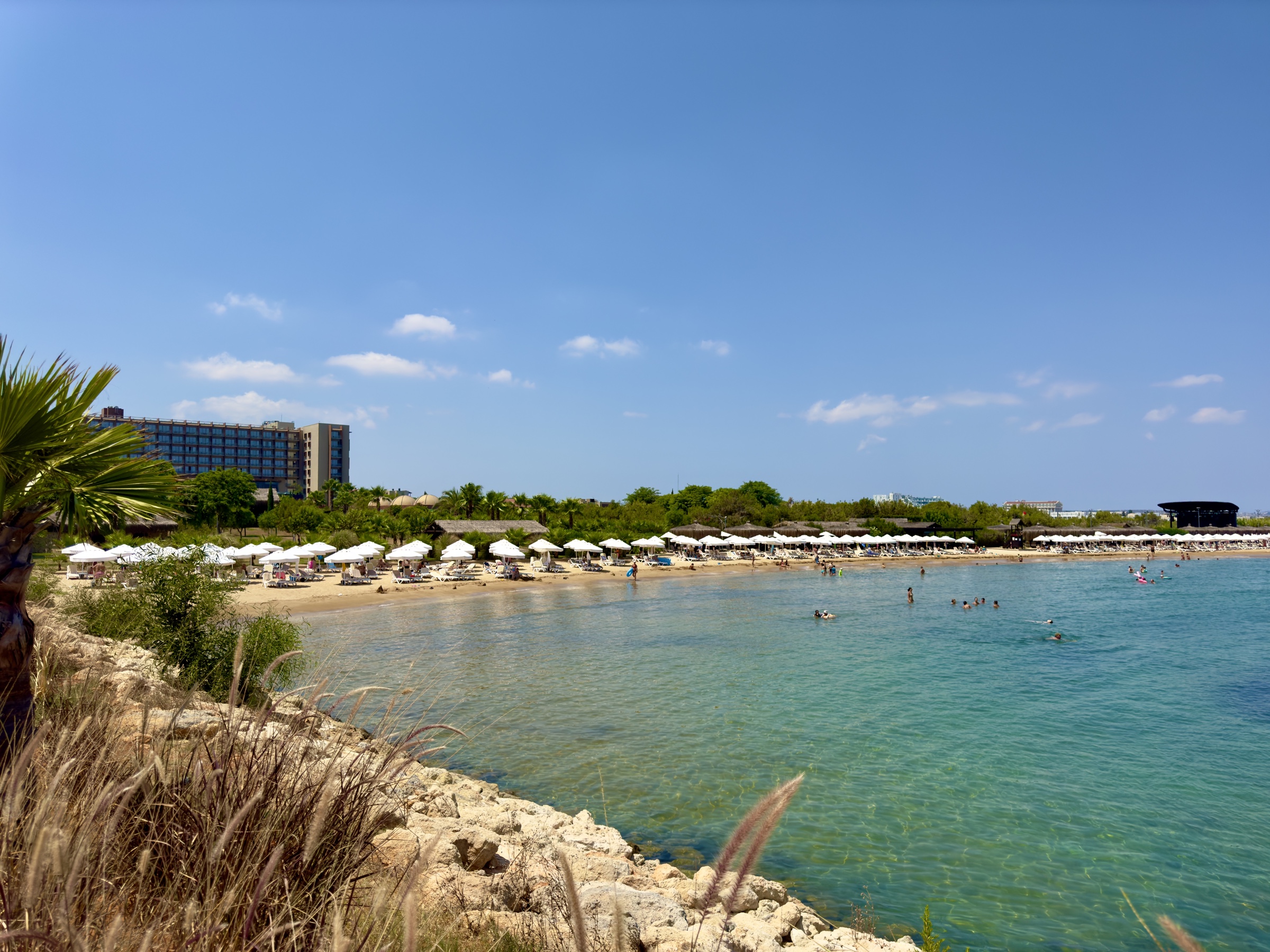
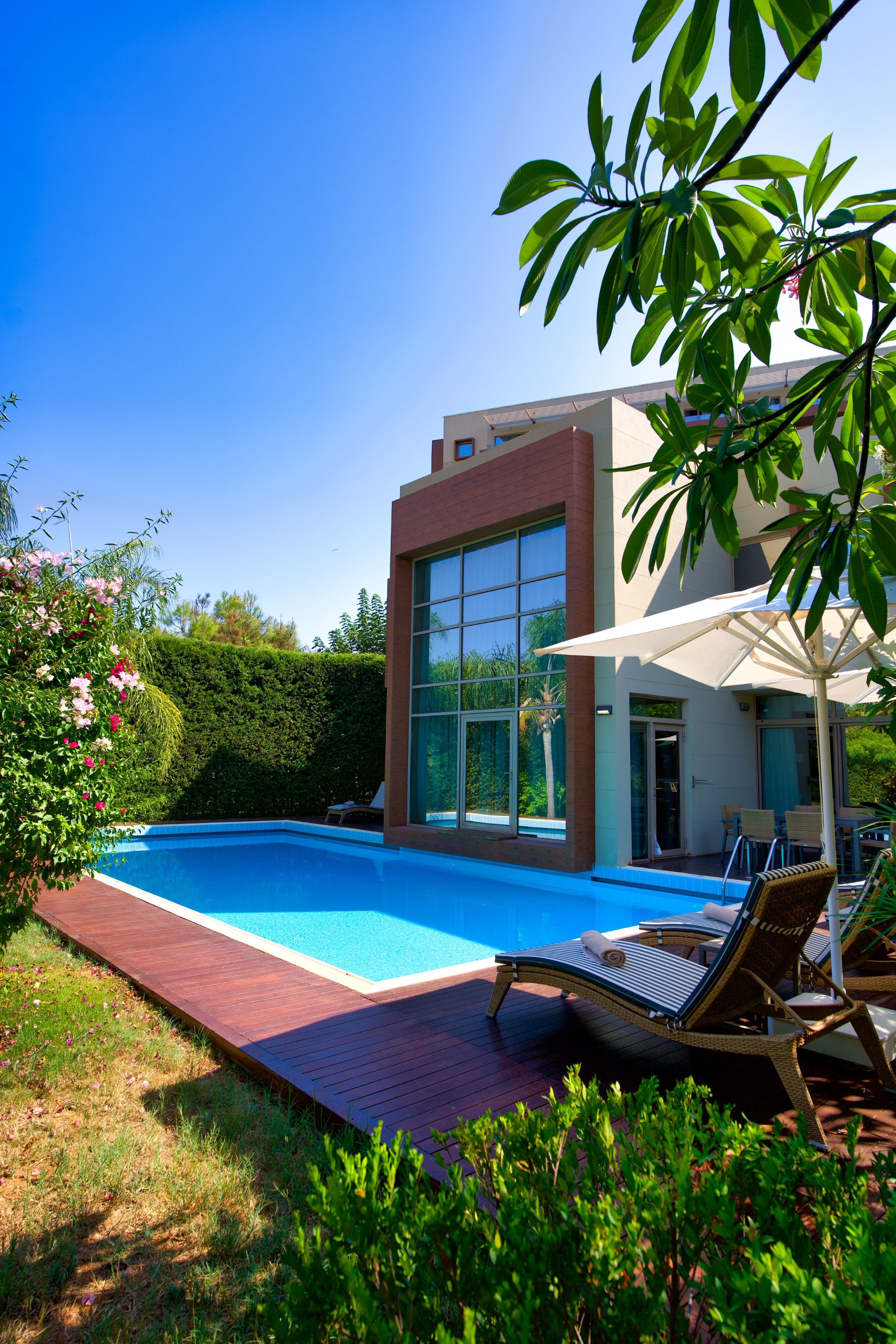
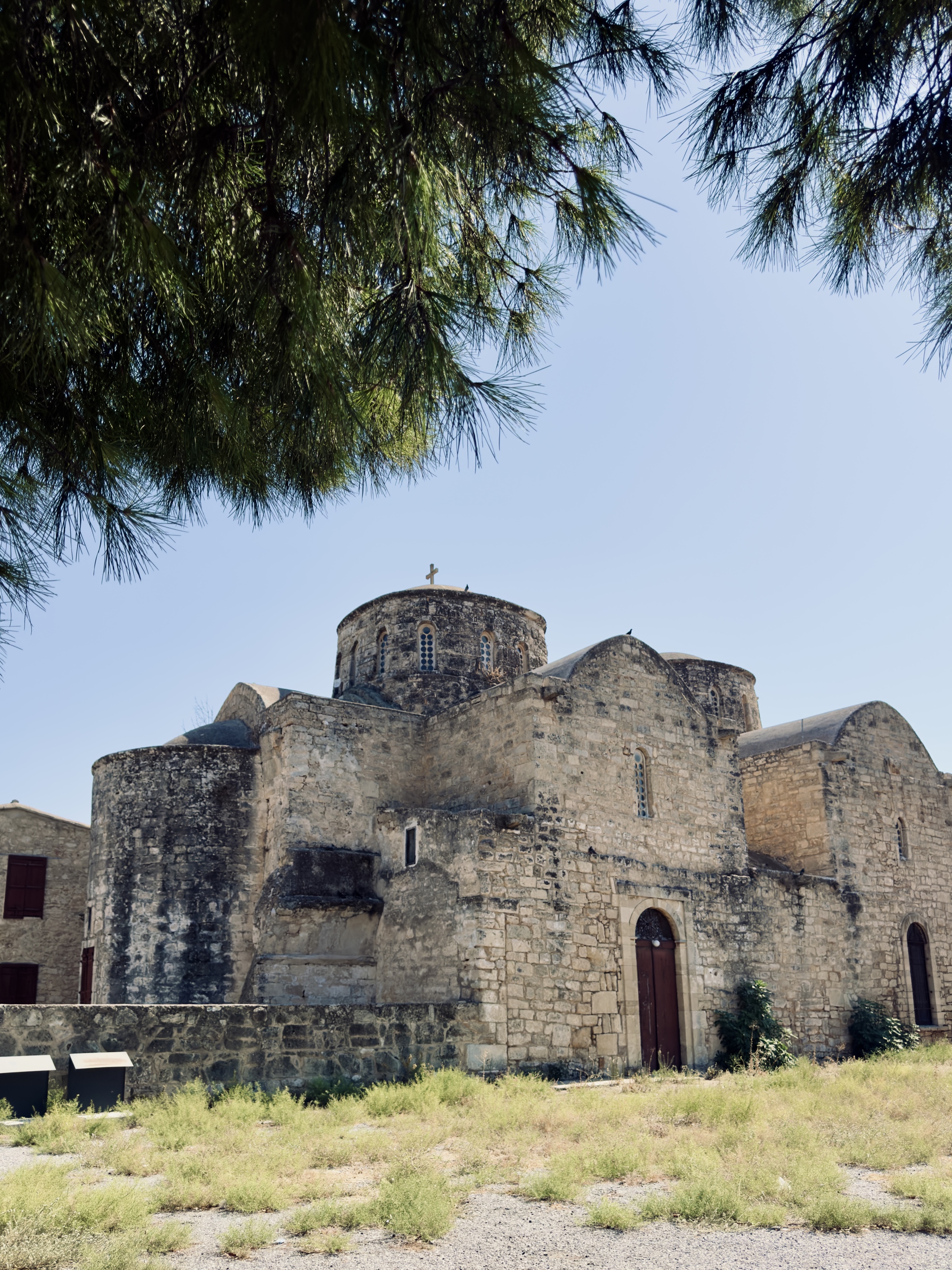
I spent 12 days in Northern Cyprus with a rental car, my DJI Mini 5 Pro in my backpack, and zero expectations. What I came away with: one of the best trips of my life and a few thousand photos that are better than anything I've ever taken in the mainstream Mediterranean.
Getting to Northern Cyprus — How to get there
Here's where things get political: Northern Cyprus is only recognized as an independent state by Turkey. Therefore, there are no direct flights from the EU. You fly via Istanbul or Antalya to Ercan (ECN), Northern Cyprus's only airport. It sounds complicated, but in practice it isn't—Pegasus Airlines and Turkish Airlines fly several times a day, the layover in Istanbul takes 2-3 hours, and the total travel time from Germany is 6-8 hours.
Alternative: You fly to Larnaca (Southern Cyprus, EU) and cross the border inland. At the official checkpoints, this is straightforward with your passport—stamps are rare these days, and rental cars from the south have been allowed in the north for several years now (check with the rental company beforehand!). I flew via Ercan and rented a car there—easier and cheaper.
Kyrenia (Girne) — The Pearl of the North Coast
Kyrenia is a place you'll instantly fall in love with. A horseshoe-shaped harbor, lined with Ottoman houses converted into restaurants and cafes, overlooked by a massive Crusader castle. In the evening, the lights reflect in the harbor basin, fishermen mend their nets, and you sit by the water with a raki and fresh fish, wondering why everyone doesn't vacation here.


Kyrenia Castle is worth a visit in itself—it dates back to the 7th century and was expanded by Byzantines, Crusaders, Venetians, and Ottomans. Inside, there's a shipwreck museum with a 2,300-year-old Greek merchant ship that was salvaged off the coast in the 1960s. From the castle battlements, I filmed the entire harbor with my DJI Mini 5 Pro—the video has received over 400,000 views on Instagram. The colors at sunset are surreal: gold, orange, turquoise.
My tip for Kyrenia
Set aside an evening for the port, but spend the days in the mountains above. Bellapais Abbey (a 13th-century Gothic ruin overlooking the coast) is a 15-minute drive away and one of the most photogenic places I know in the entire Mediterranean. Standing up there alone at 7 a.m., when the light filters through the Gothic arches—unforgettable.
Famagusta (Gazimağusa) — Ghost town and history
Famagusta touched me the most. The old city within the Venetian walls is a living museum—mosques that were once churches, Ottoman bathhouses, narrow alleyways with cats perched on every wall. The Lala Mustafa Pasha Mosque was once St. Nicholas' Cathedral—a Gothic church with an attached minaret. Architecturally absurd, historically fascinating.
And then: Varosha. The restricted district, deserted since 1974. Once a thriving tourist area with high-rises and beachfront hotels, now a ghost town behind barbed wire. In 2020, parts were reopened, and you can walk along the beach promenade and peer through the fences at decaying hotel ruins. It's unsettling, surreal, and incredibly powerful as a photo opportunity. Nature is reclaiming everything—trees grow through hotel balconies, shrubs push their way through the asphalt.
Karpaz Peninsula — The wild end of the island
The Karpaz Peninsula is the northeasternmost finger of Northern Cyprus and the wildest, most untouched part of the entire island. There are more donkeys than people here. Seriously—the wild donkeys of the Karpaz are an attraction in themselves. They simply stand by the roadside, completely unfazed by cars and tourists.
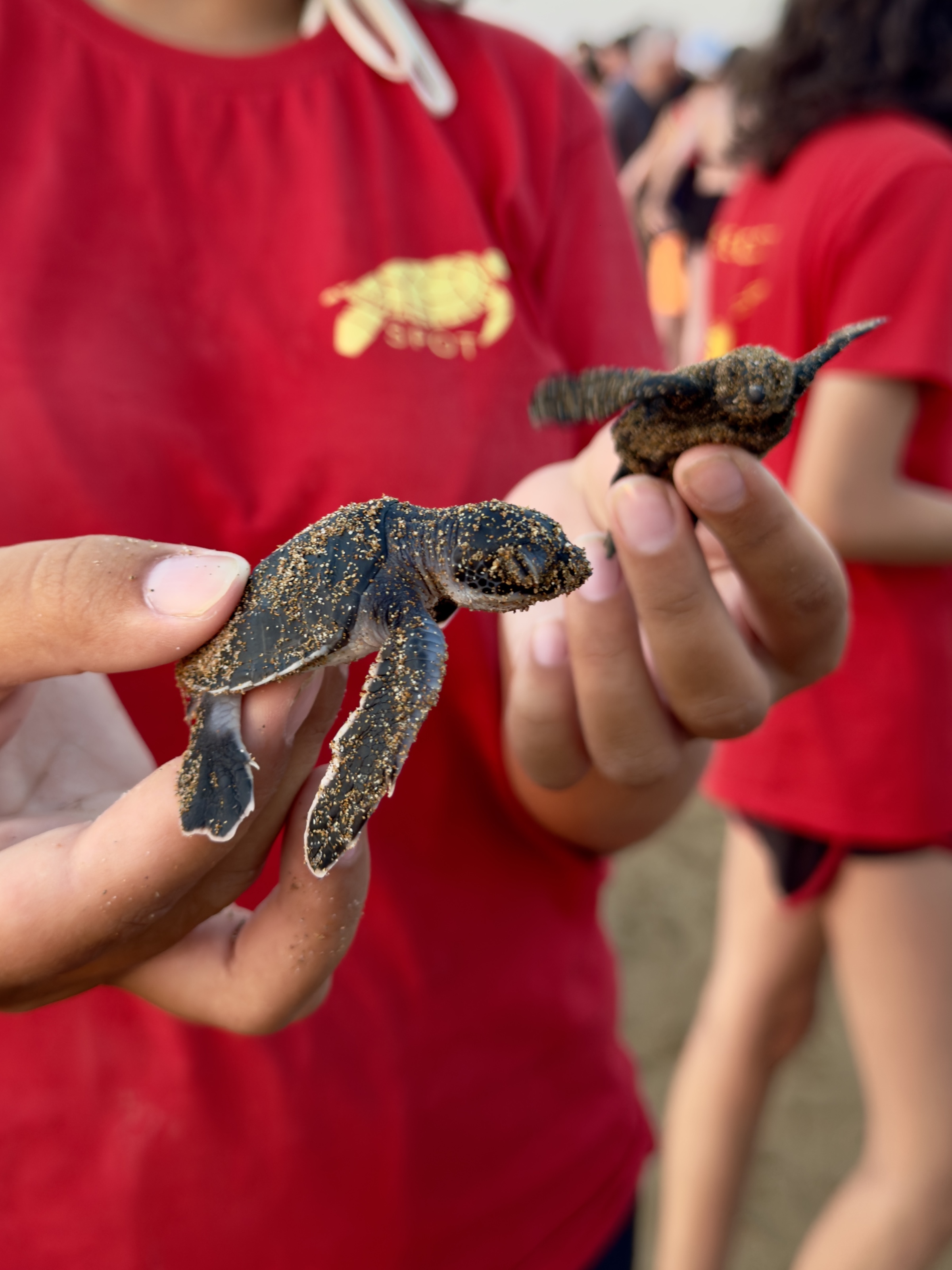
Golden Beach (Altınkum) at the tip of the peninsula is one of the most beautiful beaches I have ever seen. Fine golden sand, crystal-clear water, no sunbeds, no parasols, no beach bar. Just sand, sea, and silence. In summer, loggerhead sea turtles (Caretta caretta) nest here—the nesting areas are marked and protected.
Golden Beach looks even more impressive from the drone – the turquoise of the water, the gold of the sand, the green vegetation behind it. No Photoshop, no boosted saturation – the colors are truly like that. I've taken beach photos in the Caribbean, in Southeast Asia, in the Pacific – Golden Beach holds its own against them all.
St. Hilarion — The castle that inspired Disney's Sleeping Beauty
High atop the Kyrenia Mountains, at an altitude of 732 meters, stands St. Hilarion Castle. Legend has it that Walt Disney used this castle as inspiration for Sleeping Beauty's castle. Whether that's true or not—when you stand up there and gaze at the towers rising from the rock, with the north coast 700 meters below, you'll instantly believe the story.
The castle has three levels: the barracks on the ground floor, the church and living quarters in the middle, and the royal tower at the top, offering the best views. The climb to the top tower is steep, and some of the steps are dilapidated, but the view is well worth the effort. From the top, I took some of my best drone shots—the castle perched on the rocky promontory, the sea in the background, and the Kyrenia Mountains to the left and right.
Food in Northern Cyprus — Turkish Cypriot cuisine
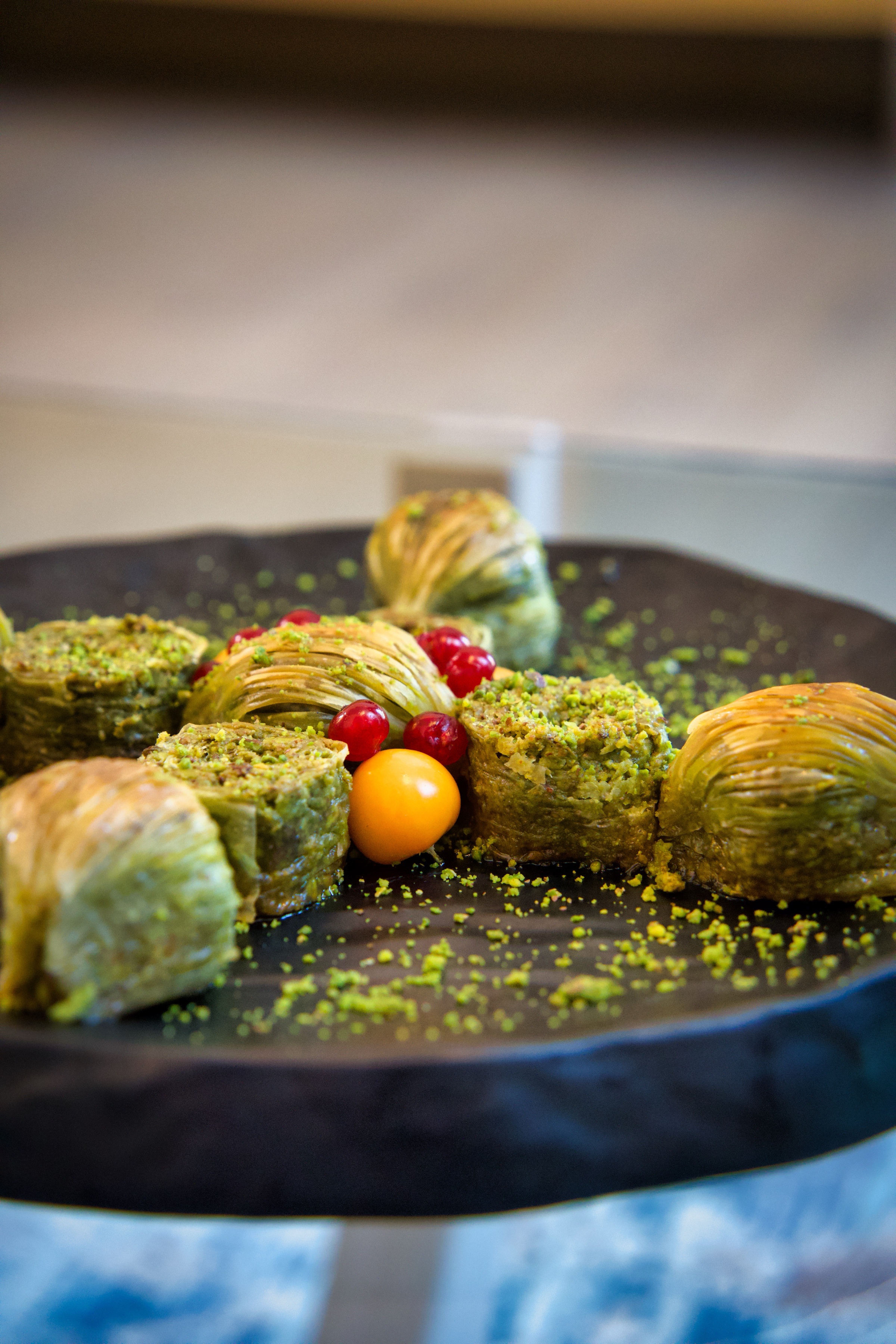
The cuisine is a blend of Turkish and Cypriot with British influences (the British were the colonial power until 1960). Meze is ubiquitous—15 to 20 small plates arriving at the table one after another: hummus, halloumi (called hellim here and invented here), börek, grilled meats, salads, and pickled vegetables. A meze meal costs €8–12 per person and is enough to fill you up for the whole day.
My top recommendations:
- Hellim: Fresh, warm, grilled — tastes completely different from the packaged halloumi in the German supermarket.
- Şeftali Kebab: Minced meat in a net, grilled over charcoal — the national dish of Northern Cyprus
- Molehiya: A stew made from corchorus leaves (sounds weird, tastes fantastic), typically Cypriot.
- Kolokas: Taro root cooked in tomato sauce with chicken — Comfort Food
Drone rules in Northern Cyprus
Northern Cyprus, as of my visit, has no strict drone regulations. No registration is required, and no special permits are needed for hobby pilots. However, do not fly over military areas (there are several, especially along the Green Line), not at border crossings, and generally respect privacy. I was able to fly everywhere without any problems—on the beach, over the coast, and near the castles. But this can change, so always check the current regulations beforehand.
Cost — The budget paradise in the Mediterranean
| Position | Costs (12 days) |
|---|---|
| Flight (via Istanbul, return) | €150–250 |
| Rental car (12 days, including insurance) | €180–280 |
| Accommodation (boutique hotels & guesthouses) | €300–500 |
| Food & Drink | €150–250 |
| Entrance fees & activities | 30–60 € |
| Total per person | €810–1,340 |
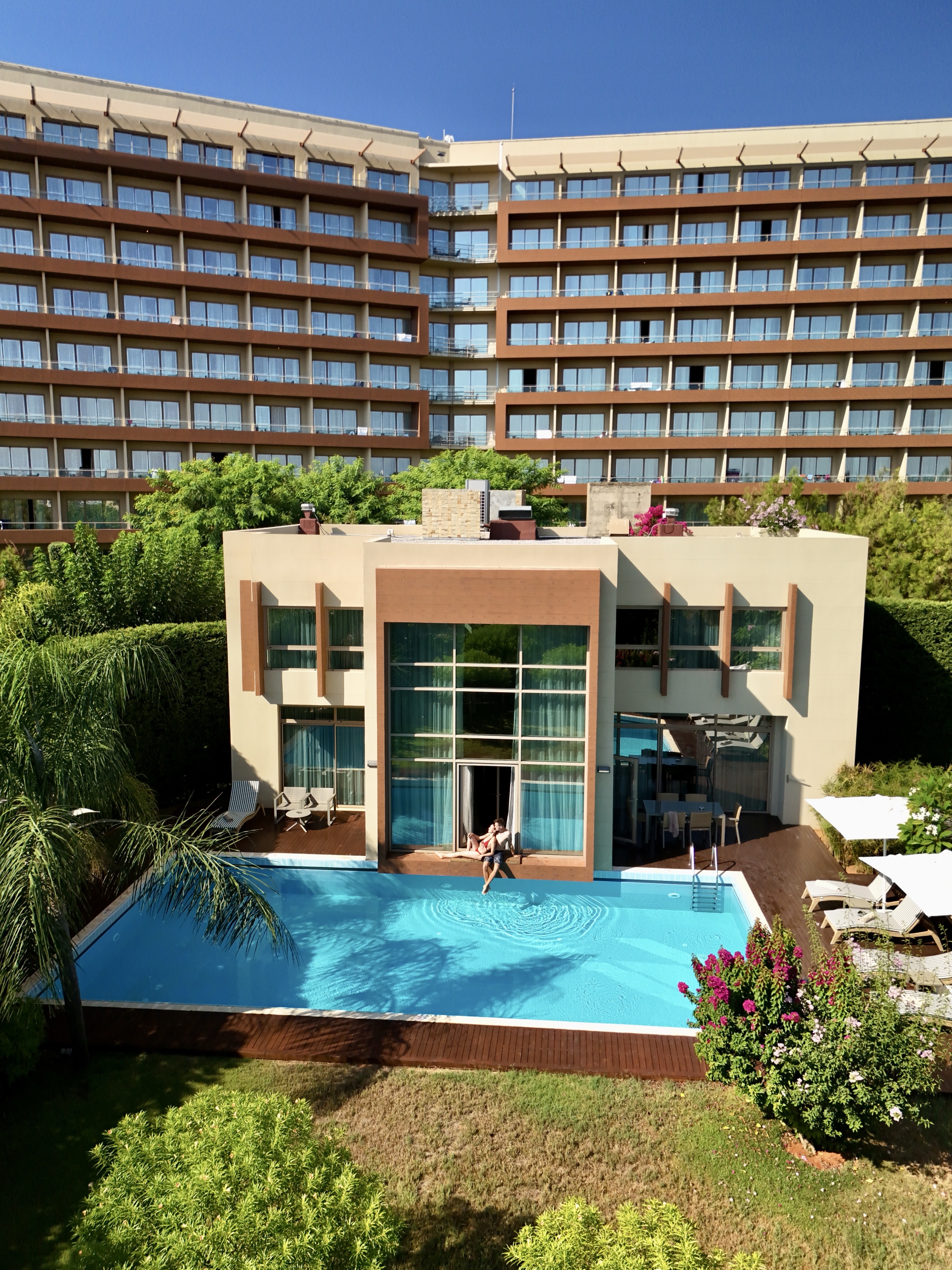
For comparison: For the same money, you might get 5 days in a mediocre hotel in Mallorca. In Northern Cyprus, you live like royalty for 12 days. An espresso costs 1 Turkish Lira (approx. €0.50), a complete meze meal under €10, and a boutique hotel with a pool €35-50 per night. The Turkish Lira is a huge advantage for European travelers.
Best time to travel to Northern Cyprus
April to June and September to November are ideal. In the height of summer (July/August) it gets 35-40°C – manageable, but not optimal for active travel. In winter (December-February) it's mild (15-20°C), but some accommodations outside the cities are closed. I was there in May and had perfect temperatures of 25-28°C; I could swim, hike, and be outside all day.
FAQ
Is Northern Cyprus safe?
Yes — I never felt unsafe. The crime rate is extremely low, and the people are friendly and helpful. The political situation (divided island) doesn't affect tourists in their daily lives. You only notice the division at border crossings and occasionally at military exclusion zones.
Do I need a visa for Northern Cyprus?
No — with a German passport you can stay visa-free for up to 90 days. Entry via Ercan is straightforward. If you're coming from the south, you don't need anything except your passport. No stamp in your passport, no form, no fee.
Will my rental car from the south be accepted in the north?
Yes, in principle, but you'll need additional insurance for Northern Cyprus (your regular insurance from the south isn't valid there). There are insurance offices at the border crossings that offer this for around €20 per day. Easier: Rent a car directly in Northern Cyprus – cheaper and less stressful.
Is there internet and mobile phone reception?
Yes — but your German mobile phone will connect to Turkish networks (Turkcell, Vodafone TR). Since the end of EU roaming charges, whether Turkey is covered depends on your tariff. Tip: Buy a local SIM card (Telsim or Turkcell) at Ercan Airport — it costs about €10 for 10 GB. Wi-Fi is available in all hotels and most cafes.
Can I take day trips from Northern Cyprus to the south?
Yes — the border crossings are open for tourists. All you need to travel from north to south is your passport. You can have breakfast in Kyrenia in the morning, cross the Ledra Street border on foot in Nicosia (the divided capital) at midday, and spend the afternoon relaxing on the beach in Larnaca. The combination of both parts makes the trip particularly exciting.
More travel reports: All my travel reports
About the author: Max Haase is Germany's most influential travel influencer with over 4.2 million followers. He specializes in drone footage and luxury travel. Cooperation requests here.
 German
  English