
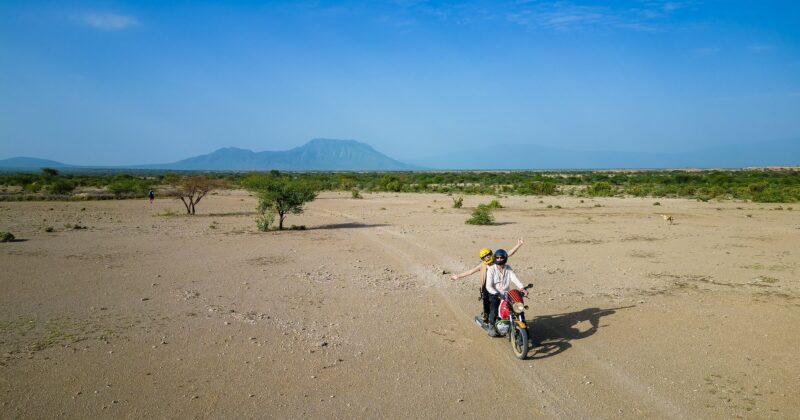
Kenya Safari & Swimming 2026: Masai Mara, Lodges & Diani Beach
Kenya is one of the most diverse and fascinating travel destinations in the world – and I say that after visiting more than 68 countries. In February 2024, I spent two intense weeks in East Africa and experienced everything that makes this country so special: breathtaking safari experiences in Nairobi National Park, profound cultural encounters with the Maasai, and spectacular landscapes from the Great Rift Valley to the white beaches of the Indian Ocean. In this detailed travelogue, I share my honest experiences, practical tips, and the best photo spots – so you can plan your own perfect trip to Kenya.
- Safari combination: Masai Mara (3 days) plus Diani Beach delivers Big Five, Maasai culture and the Indian Ocean in two weeks from Nairobi.
- Cost range: Budget trip from 800 euros per person, comfort option with lodges and domestic flights around 2,500 euros for 14 days including safari.
- The Kenya eTA costs approximately USD 30 online, processing takes 48-72 hours; drone permit from the KCAA must be applied for in advance (USD 50, 2-3 weeks).
- Nairobi Highlights: Nairobi National Park with skyline backdrop, David Sheldrick Elephant Orphanage (feeding at 11 a.m., 15 USD) and Giraffe Centre in Karen.
- Best time to travel: July to October for the Great Migration in the Masai Mara; February offers stable weather, little rain and good visibility for drone photography.
Kenya is located in East Africa, directly on the equator, and borders the Indian Ocean, Tanzania, Uganda, South Sudan, Ethiopia, and Somalia. With an area of 580,367 square kilometers, the country is about one and a half times the size of Germany. Its landscape is incredibly diverse: from the snow-capped peaks of Mount Kenya (5,199 m) to the endless savannas of the Masai Mara, the dramatic Great Rift Valley with its flamingo lakes, and the tropical coral reefs off the coast of Mombasa. This variety within a relatively compact area makes Kenya the ideal destination for anyone wanting to combine nature, culture, and adventure in a single trip.
Nairobi – The most exciting capital city in Africa

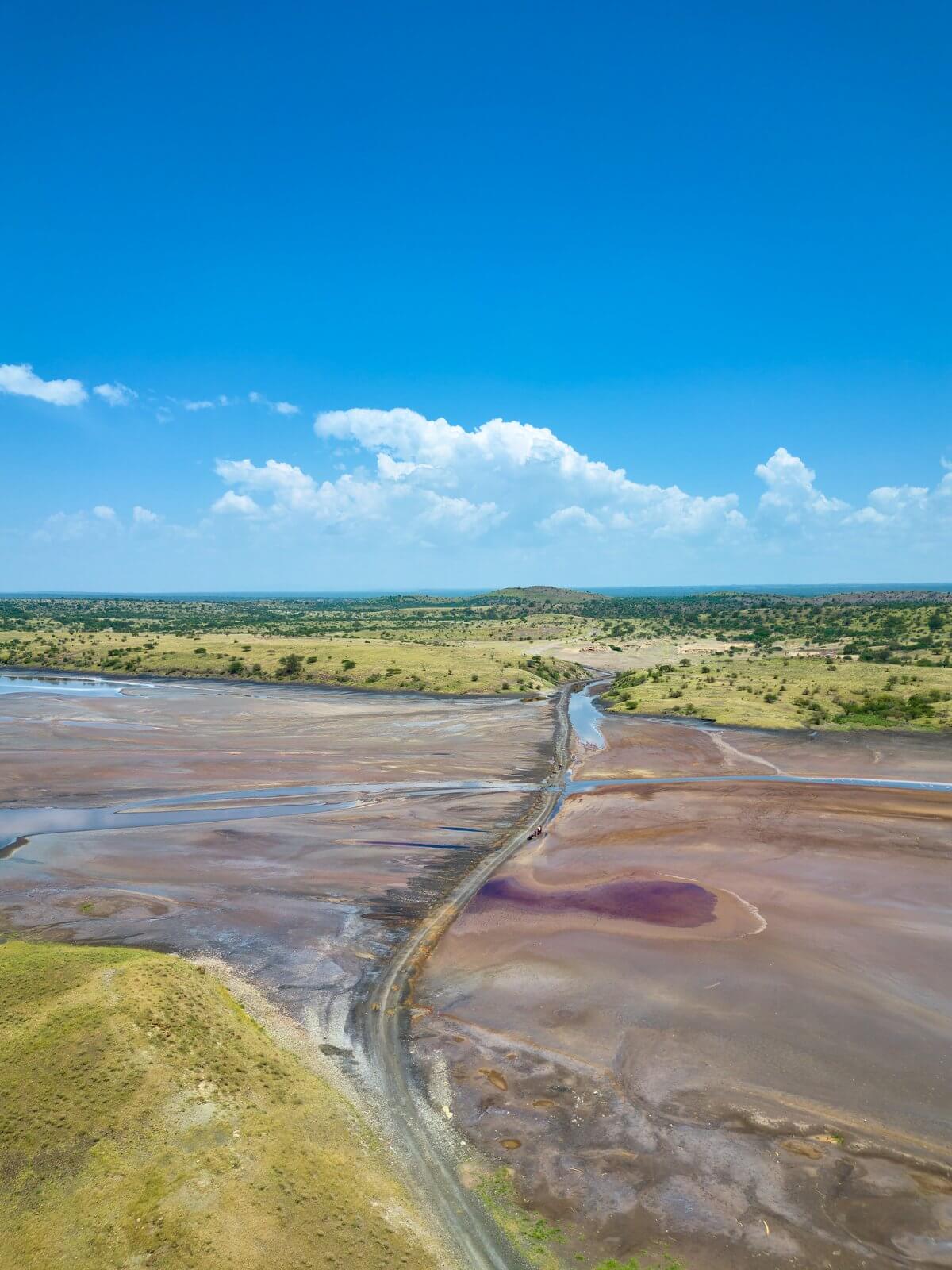
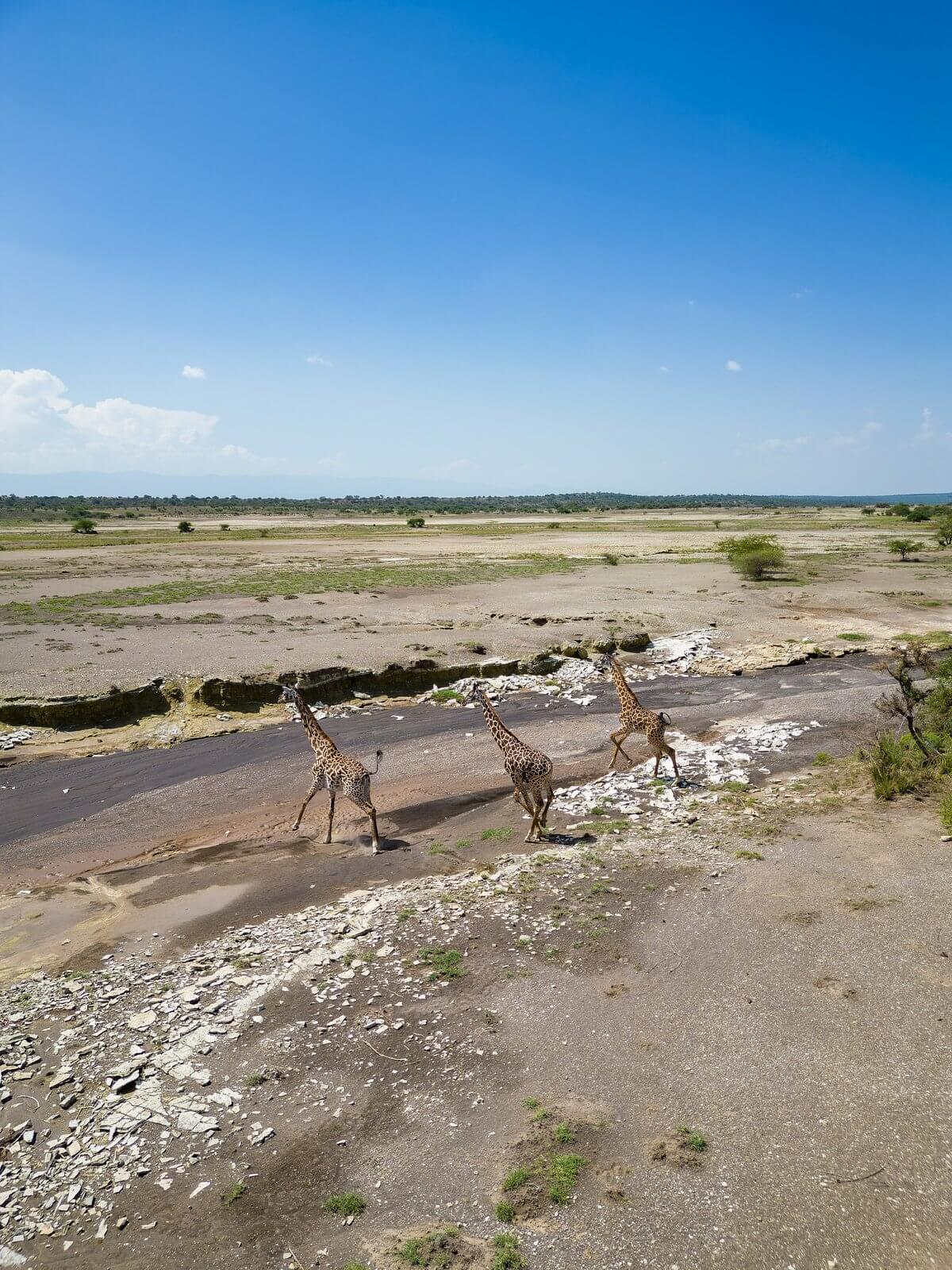
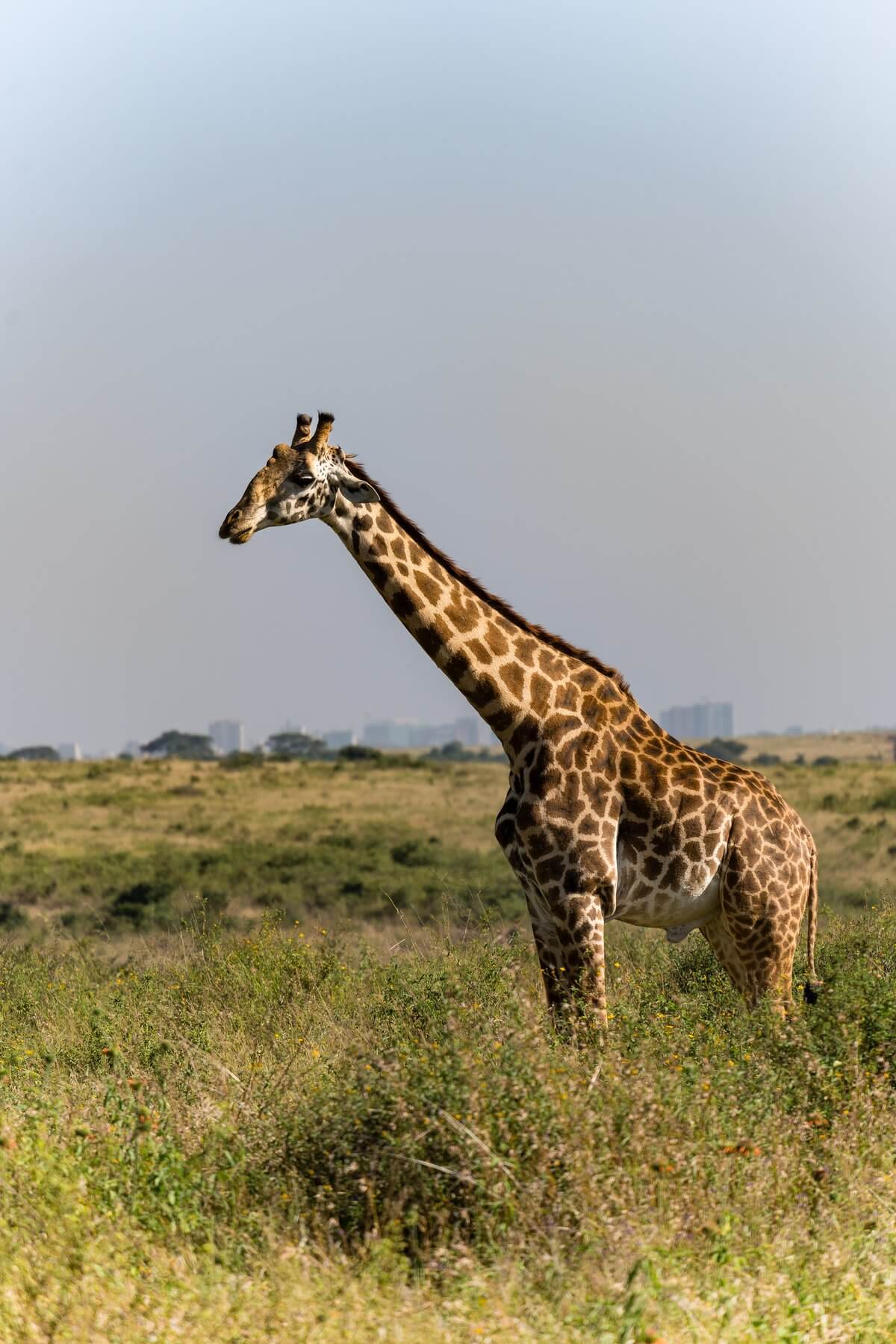
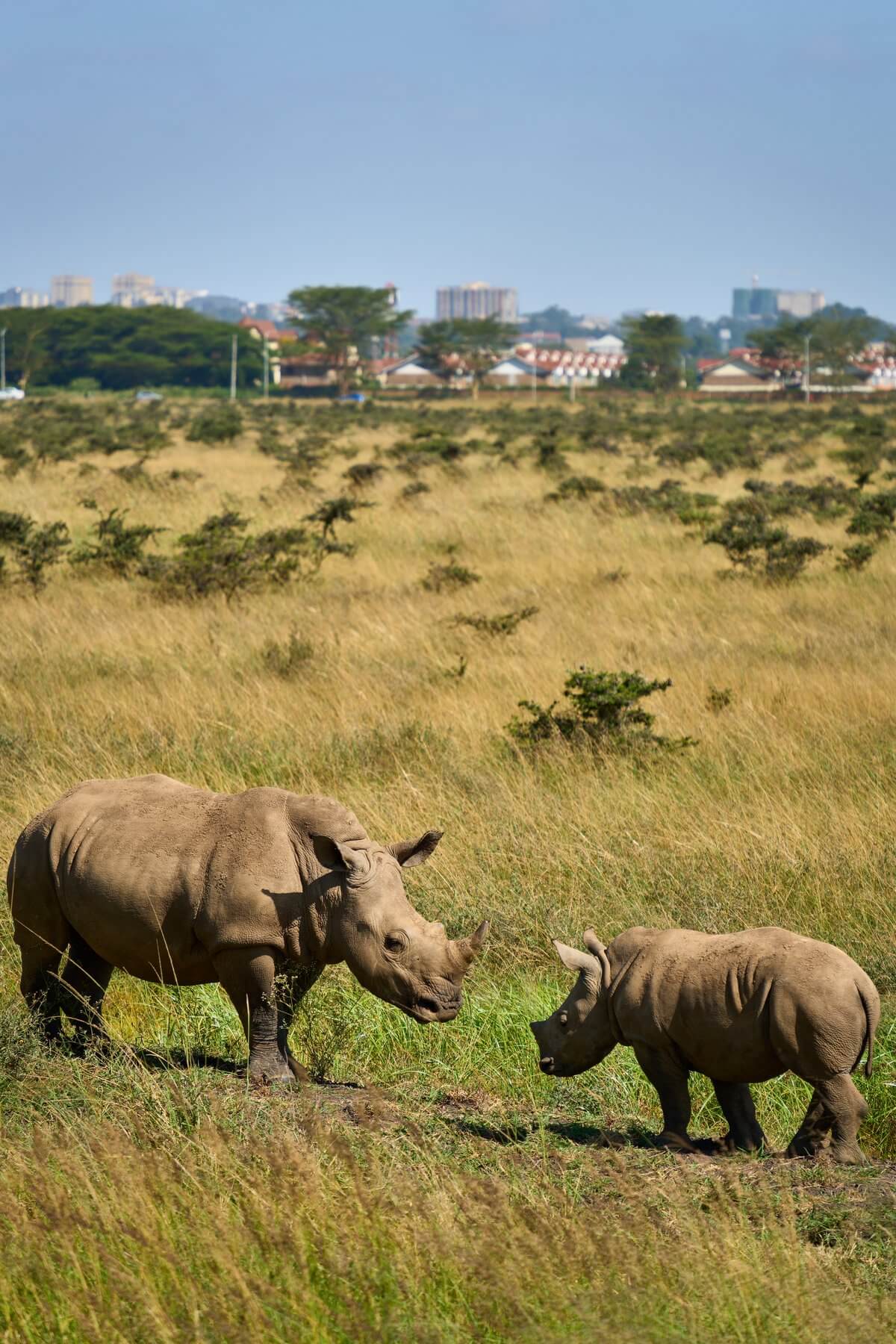
Nairobi is far more than just a stopover on the way to a safari. The Kenyan capital, with over four million inhabitants, is one of the most dynamic metropolises on the African continent and deserves at least two to three days of dedicated exploration. What makes Nairobi unique worldwide is that it is the only capital city in the world to contain a full-fledged national park within its city limits. In Nairobi National Park, I was able to observe lions, rhinos, giraffes, zebras, and buffalo—with the skyline of modern skyscrapers in the background. This surreal scene, where wildlife and metropolis merge, is among the most powerful visual impressions of my entire trip.
Besides the national park, Nairobi offers other highlights that shouldn't be missed. The David Sheldrick Wildlife Trust is an elephant orphanage where orphaned baby elephants are raised and later released back into the wild. The daily feeding at 11 a.m. is a moving experience that should be booked online in advance (entrance fee approximately USD 15). The Giraffe Centre in Karen allows you to feed Rothschild's giraffes up close – a perfect experience, especially if you're traveling with children. For foodies, I recommend the legendary Carnivore Restaurant, where a variety of meats are grilled over a huge open fire – from classic beef to ostrich steak and even crocodile.
As a content creator, I also had the opportunity in Nairobi to prepare my equipment for the upcoming safari days. I'm traveling with a Sony A7 IV as my main camera, several lenses (including a 200-600mm telephoto zoom for wildlife), a DJI Mini 4 Pro A drone for aerial photography and the DJI RS 4 gimbal for stabilized video recording. Important note for drone pilots: In Kenya, you need a permit from the Kenya Civil Aviation Authority (KCAA), which I applied for online several weeks before my trip. The process takes about 2-3 weeks and costs approximately USD 50.
Masai Mara Lodge: Safari in the heart of the African wilderness
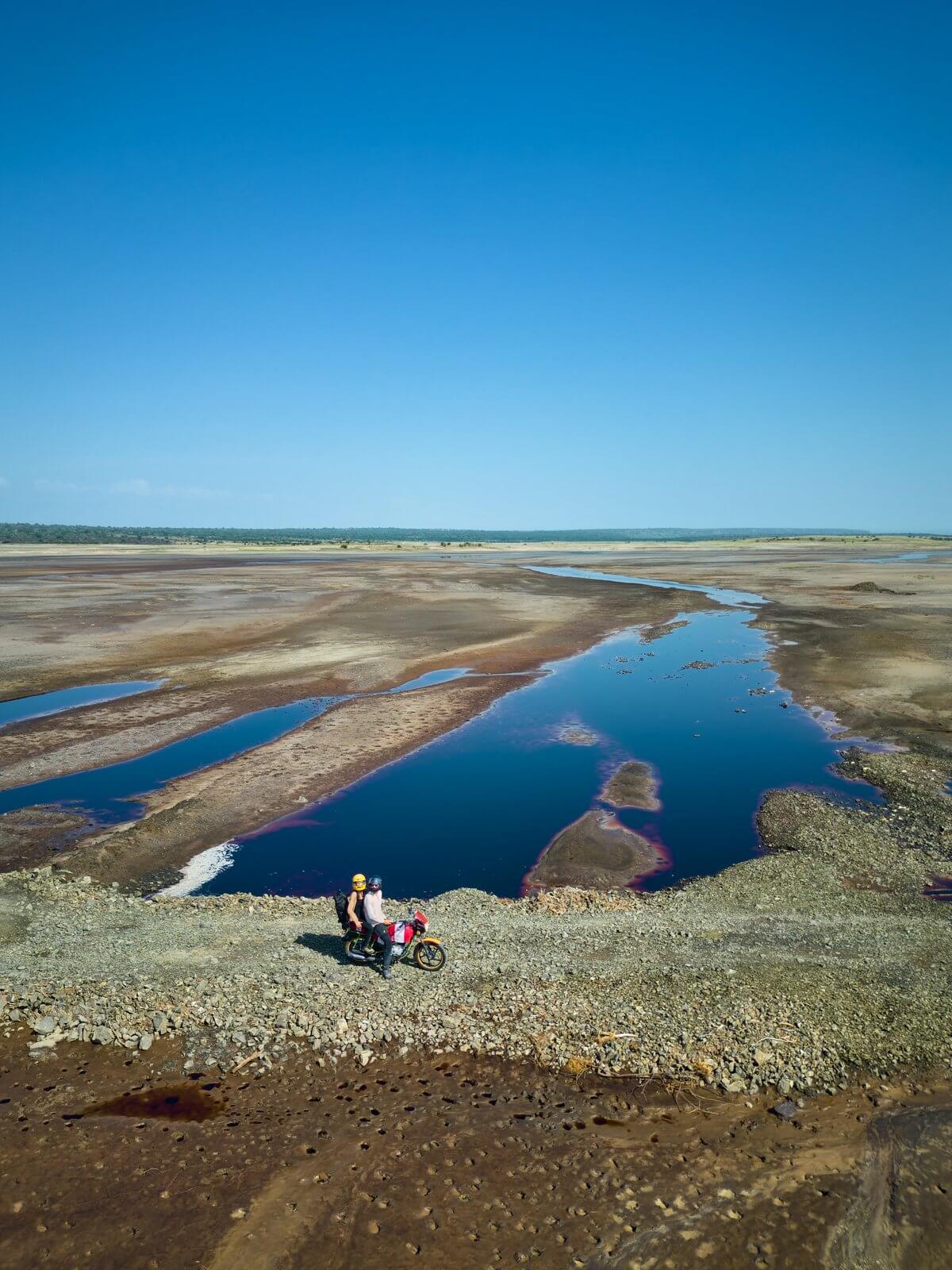
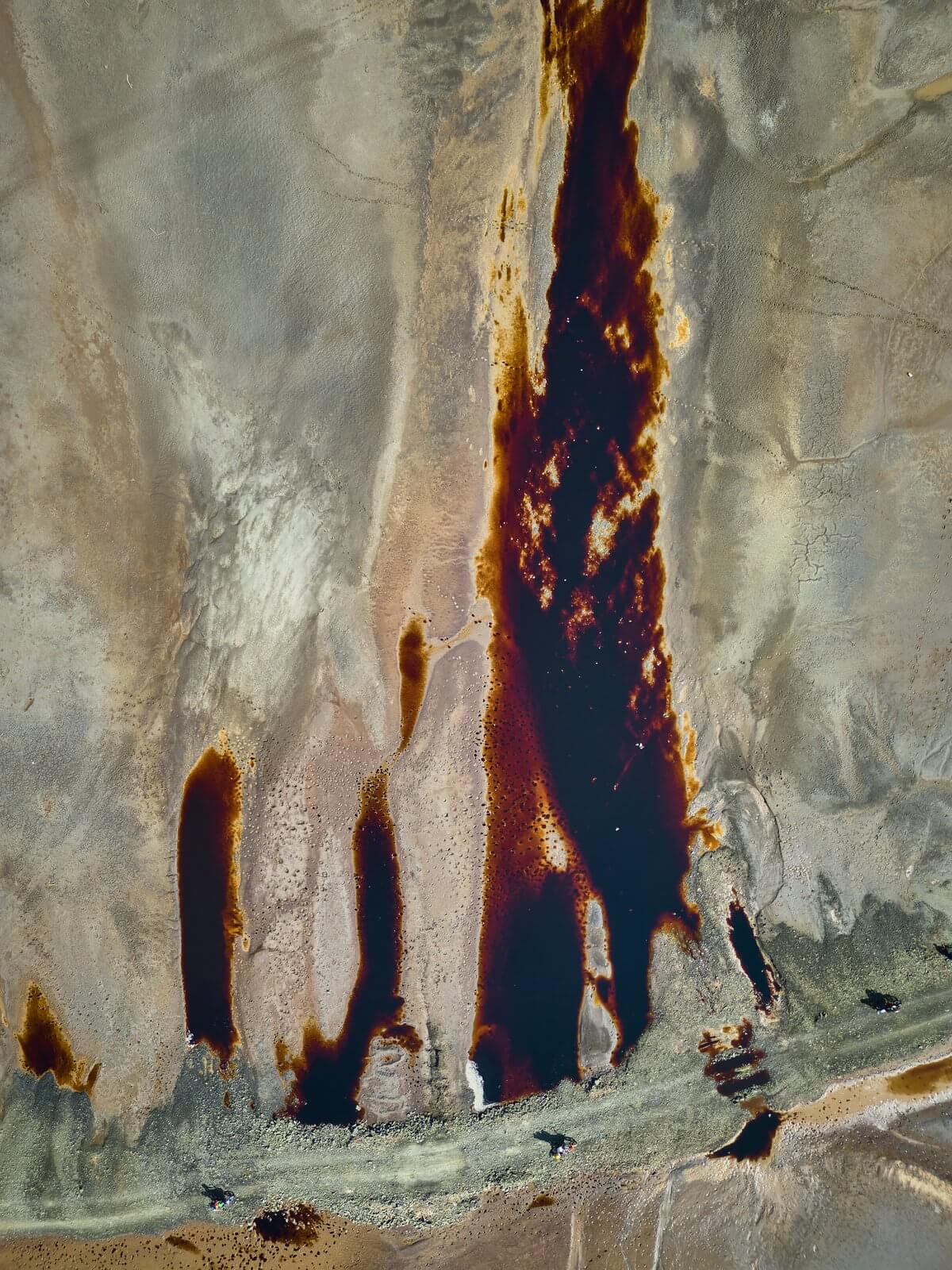
The safari experiences in Kenya exceeded all my expectations. The Masai Mara, at 1,510 square kilometers, is one of the most famous wildlife reserves in the world and is the northern extension of Tanzania's Serengeti. Together, they form one of the largest contiguous ecosystems on our planet. Between July and October, the Great Migration takes place here – the largest mass movement of mammals on Earth, during which over two million wildebeest, zebras, and gazelles cross the Mara River. Even outside of this period, the density of wildlife is impressive.
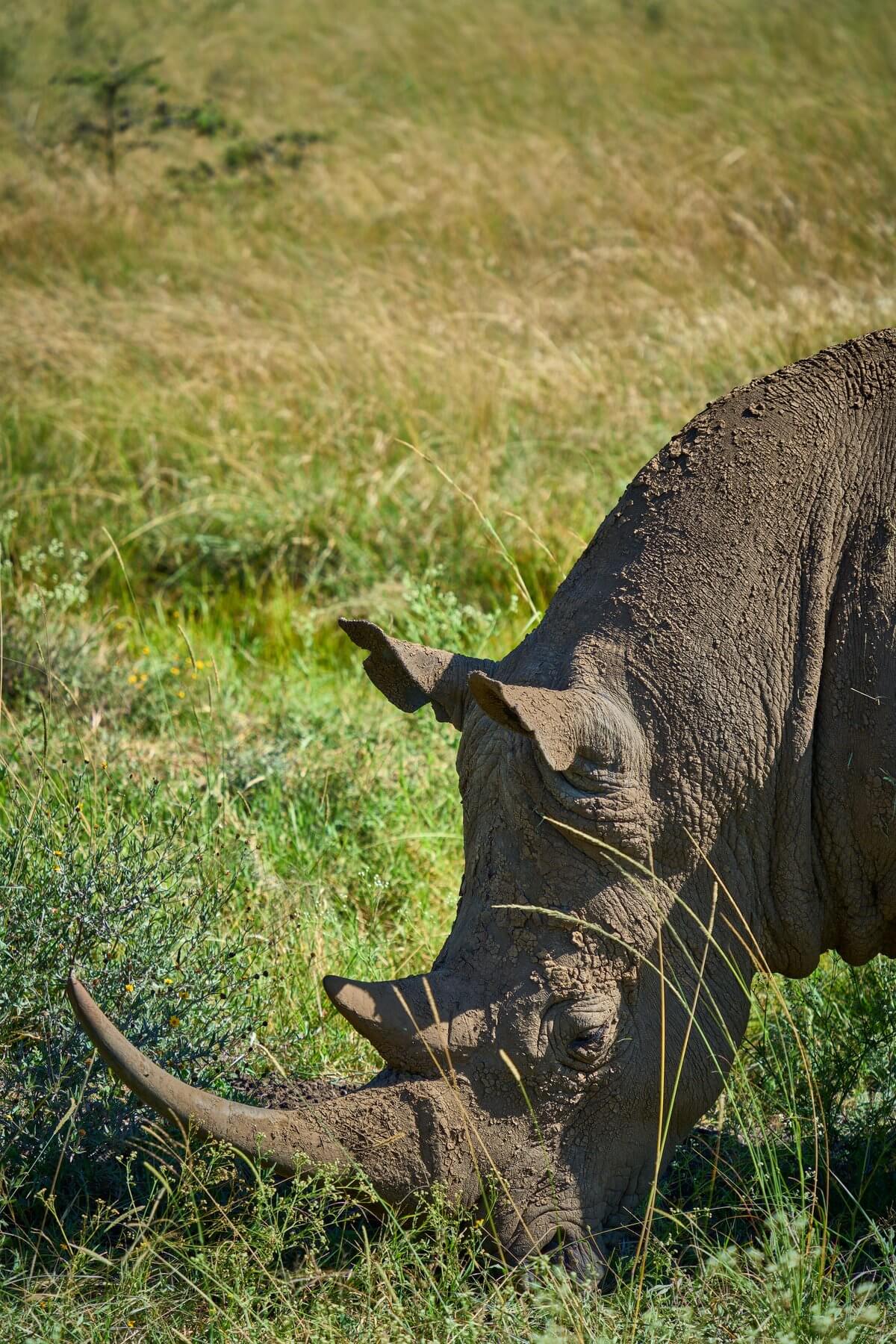
In Nairobi National Park, I had one of my most memorable wildlife encounters: a pride of lionesses with several cubs was resting in the tall grass, just a few meters from our 4x4. The serenity of these majestic animals is impressive – they seem to completely ignore the vehicles. Also in the park, I was able to photograph rhinos at close range, including a mother with her calf. The black rhino is critically endangered – there are only about 6,000 individuals left worldwide, and Kenya is home to a significant portion of this population.
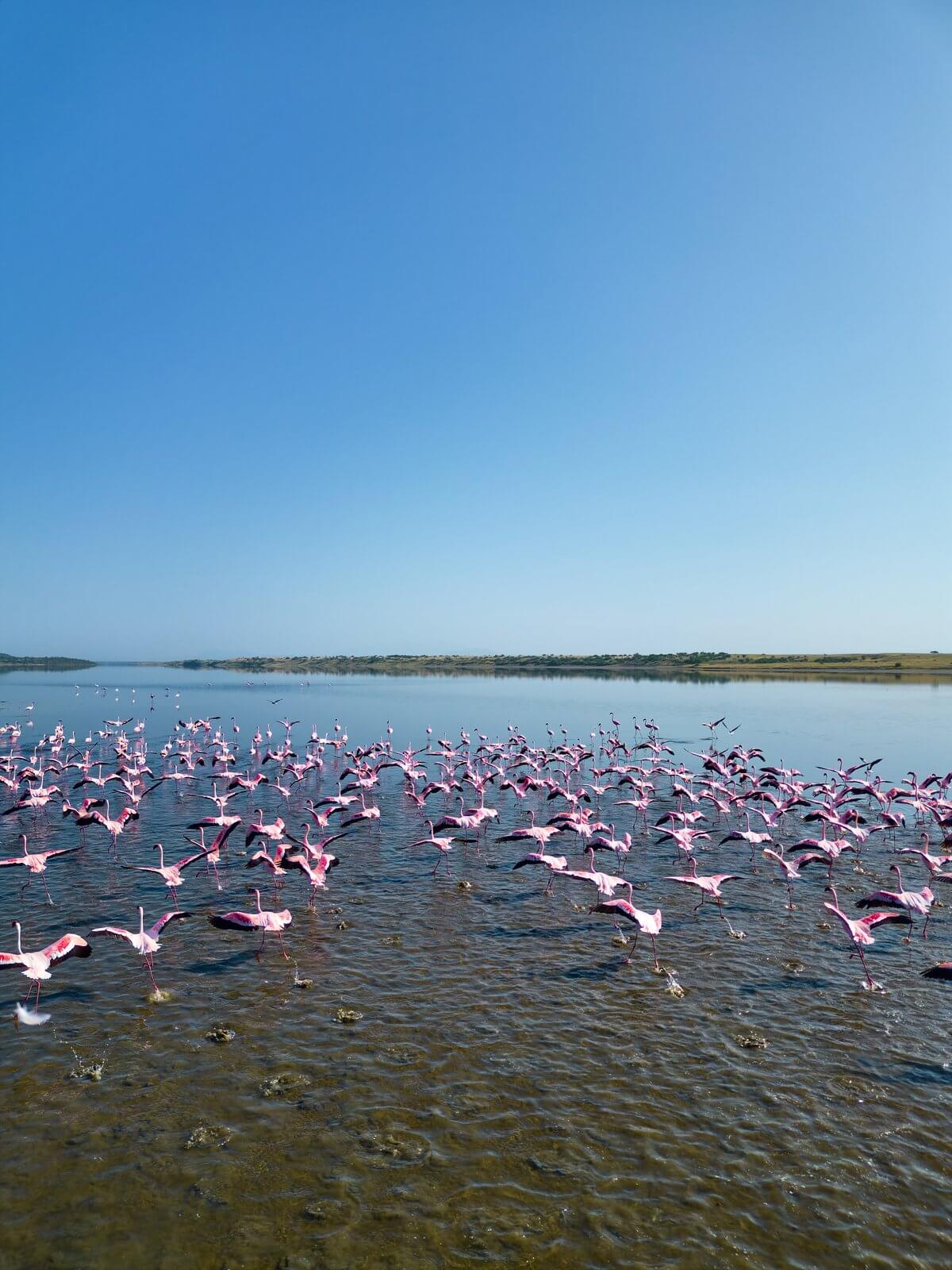
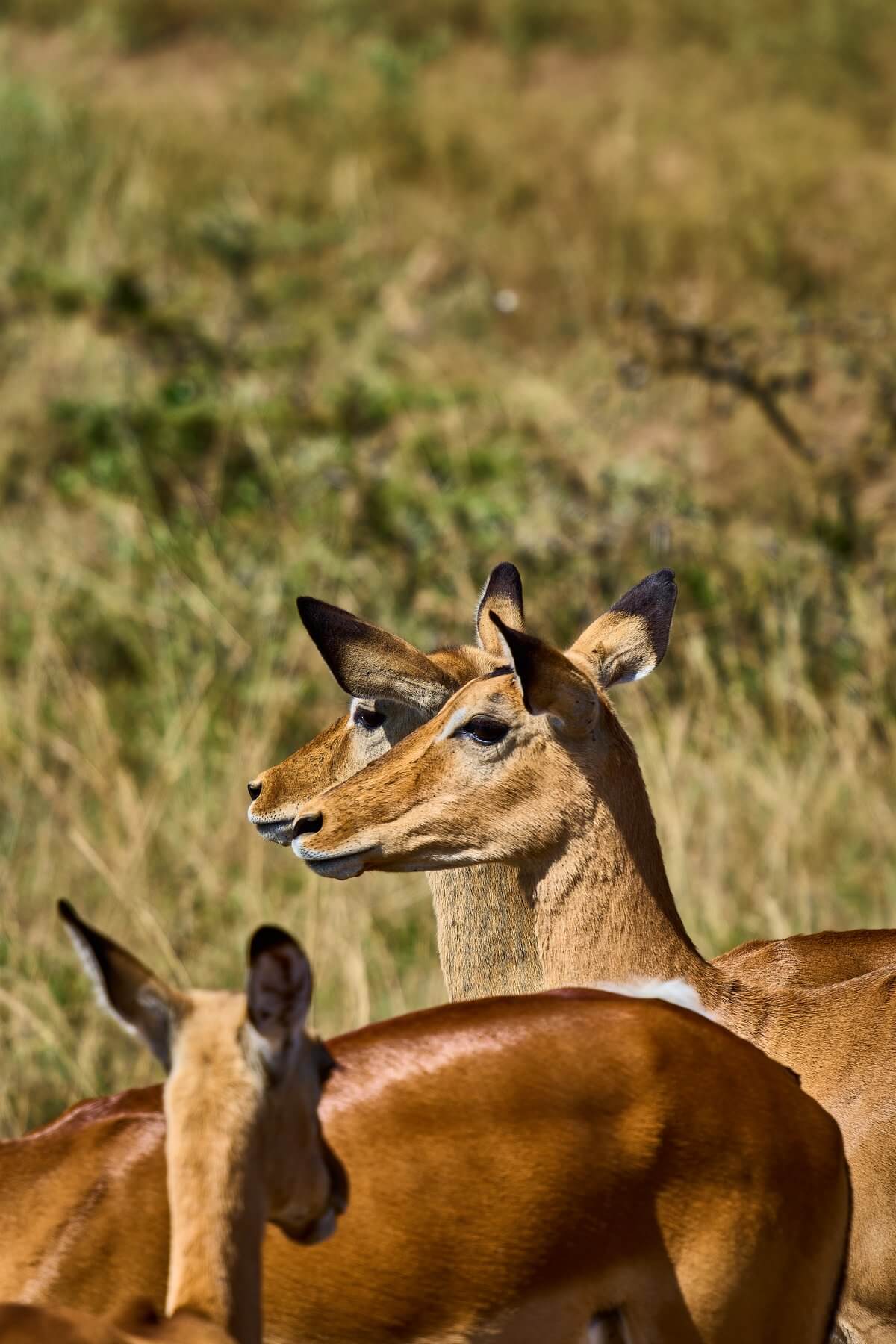
During the following days of our safari, we encountered the full spectrum of East African wildlife: herds of elephants leisurely traversing the savanna, giraffes gracefully walking through the acacia landscape, hippos in the Mara River, and crocodiles along its banks. The flamingo lakes in the Great Rift Valley—especially Lake Bogoria and Lake Nakuru—offered a truly unique natural spectacle: hundreds of thousands of pink flamingos transforming the water into a sea of pink. I was able to capture these scenes from a bird's-eye view with the drone.
The light in Kenya is a gift for photographers. Located directly on the equator, the country offers consistently warm, golden light at sunrise and sunset, bathing the savanna in surreal colors. My tip: The early morning hours (from 6:00 am) and the late afternoon (from 4:00 pm) are the best times for safari photography – both because of the light and the wildlife activity.
Among the Maasai – Cultural encounters that change lives
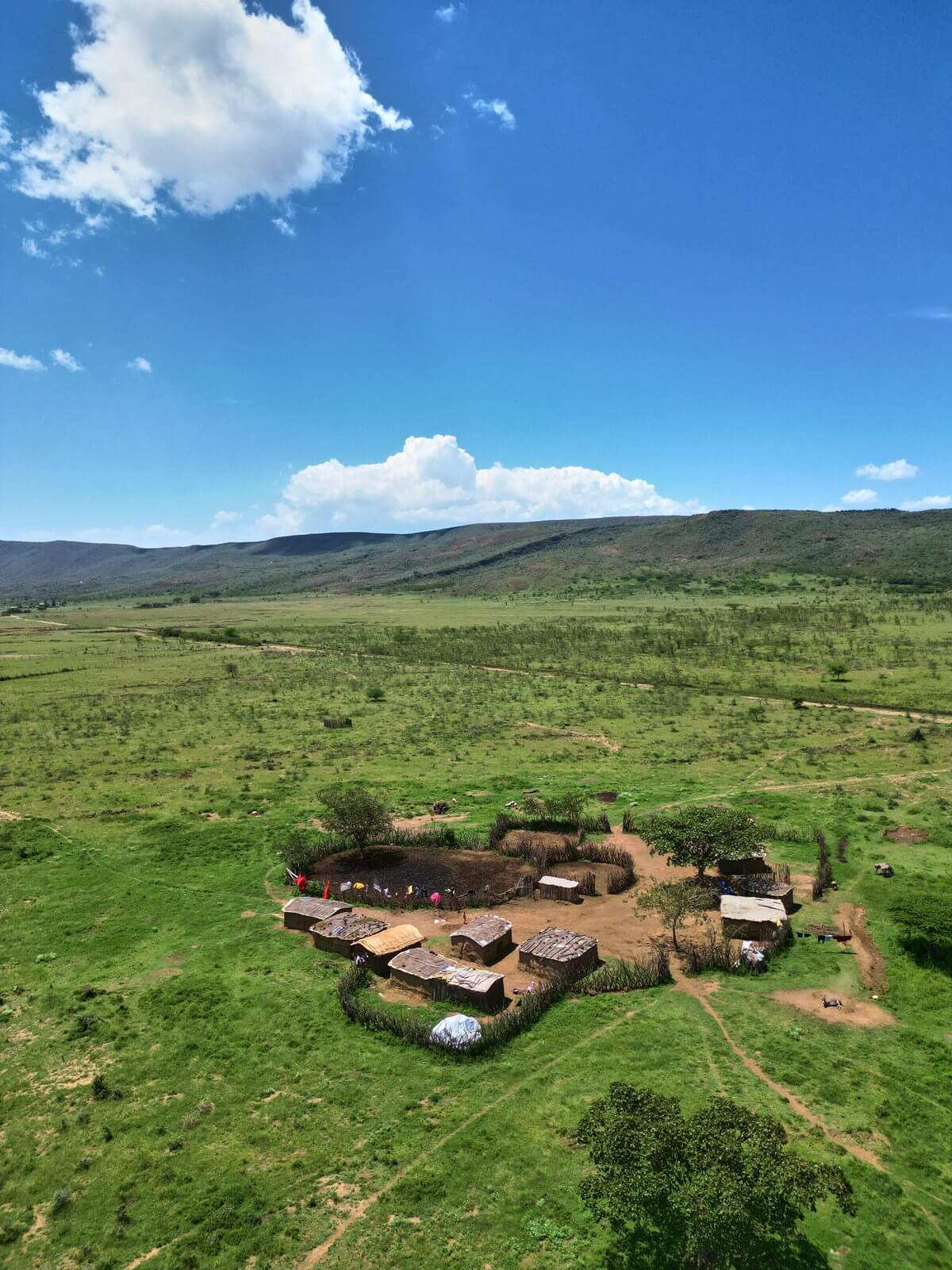
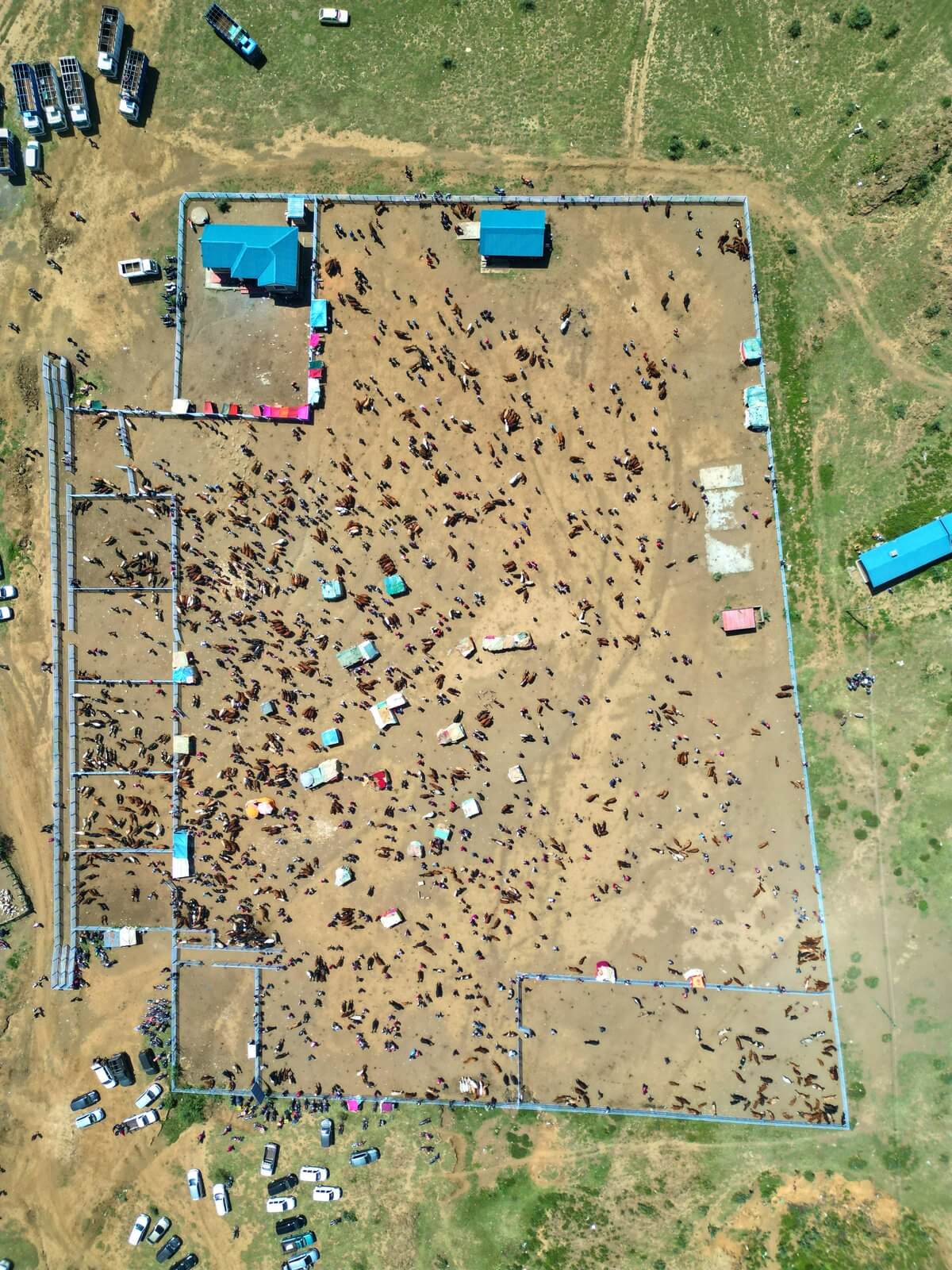
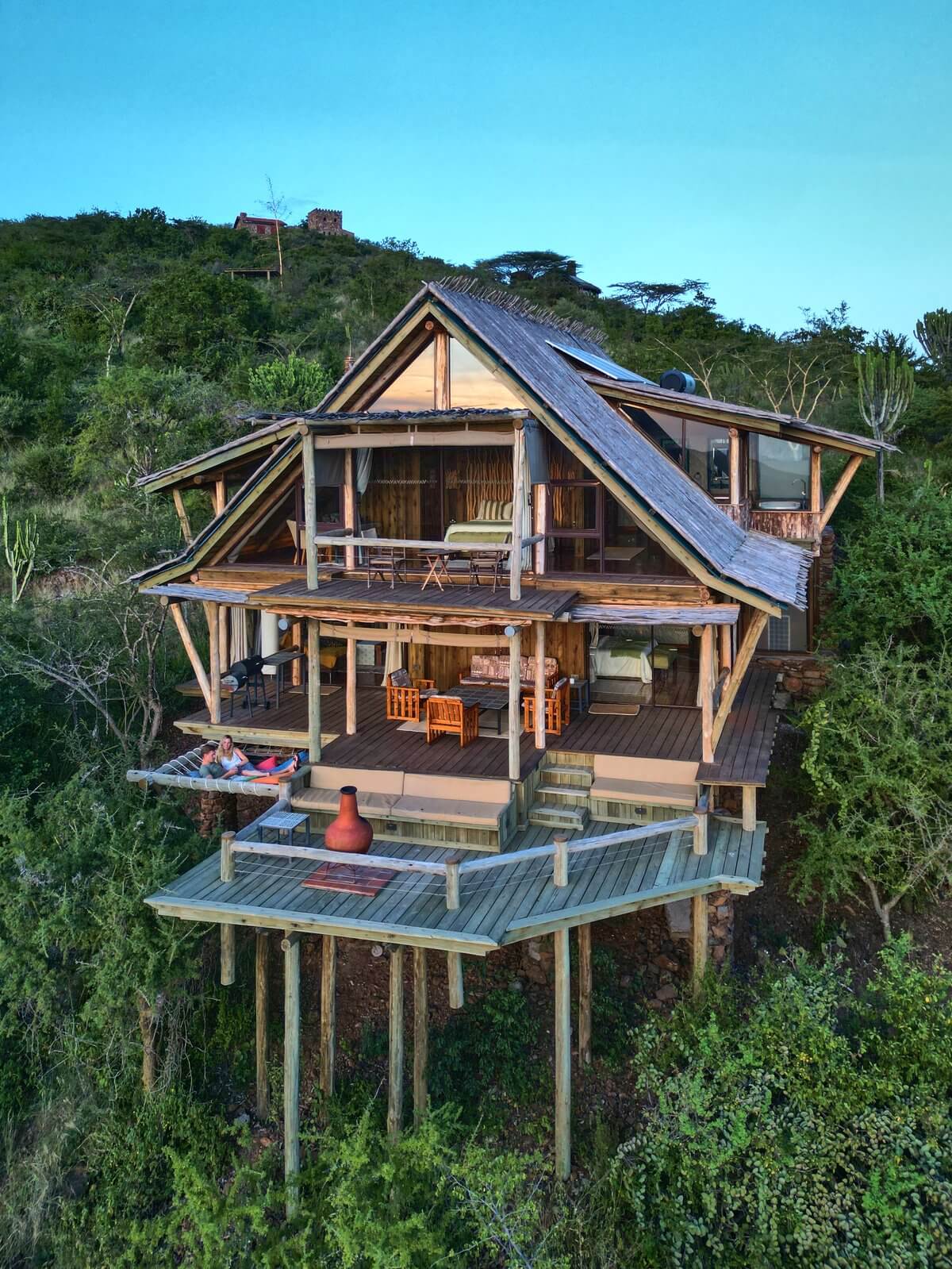
The absolute highlight of my Kenya trip was without a doubt the overnight stay in a traditional Maasai village, a so-called "boma." The Maasai are a semi-nomadic people with approximately one million members living in Kenya and Tanzania. Despite modernization, they have preserved many of their centuries-old traditions – from their characteristic red shuka clothing and intricate beadwork to their songs and dances.
Upon my arrival, I was greeted with traditional songs and the famous Adumu – the leaping dance in which the young warriors (Moran) take turns jumping as high as possible. The height of the jumps is a sign of strength and prestige within the community. Afterwards, the villagers showed me their way of life with impressive openness: how they start fires by friction, how they extract water from volcanic rock, how they tend their livestock, and how they build their houses (Manyattas) from a mixture of cow dung, clay, grass, and wood.
The night in the Maasai village was one of the most intense experiences of my life. Wrapped in traditional blankets, without electricity or cell phone reception, surrounded only by the sounds of the African night – the distant roar of lions, the chirping of countless crickets, and the soft murmuring of villagers around the fire. The next morning, I was rewarded with a spectacular sunrise over the savanna.
A particularly special moment occurred when I showed the Maasai warriors my drone. Their fascination with the aerial footage of their village – which they were seeing from above for the first time – was indescribable. This cultural exchange, where modern technology meets traditional ways of life, is one of the images that makes this trip so special.
Diani Beach Kenya: Safari and swimming — Kenya's tropical paradise
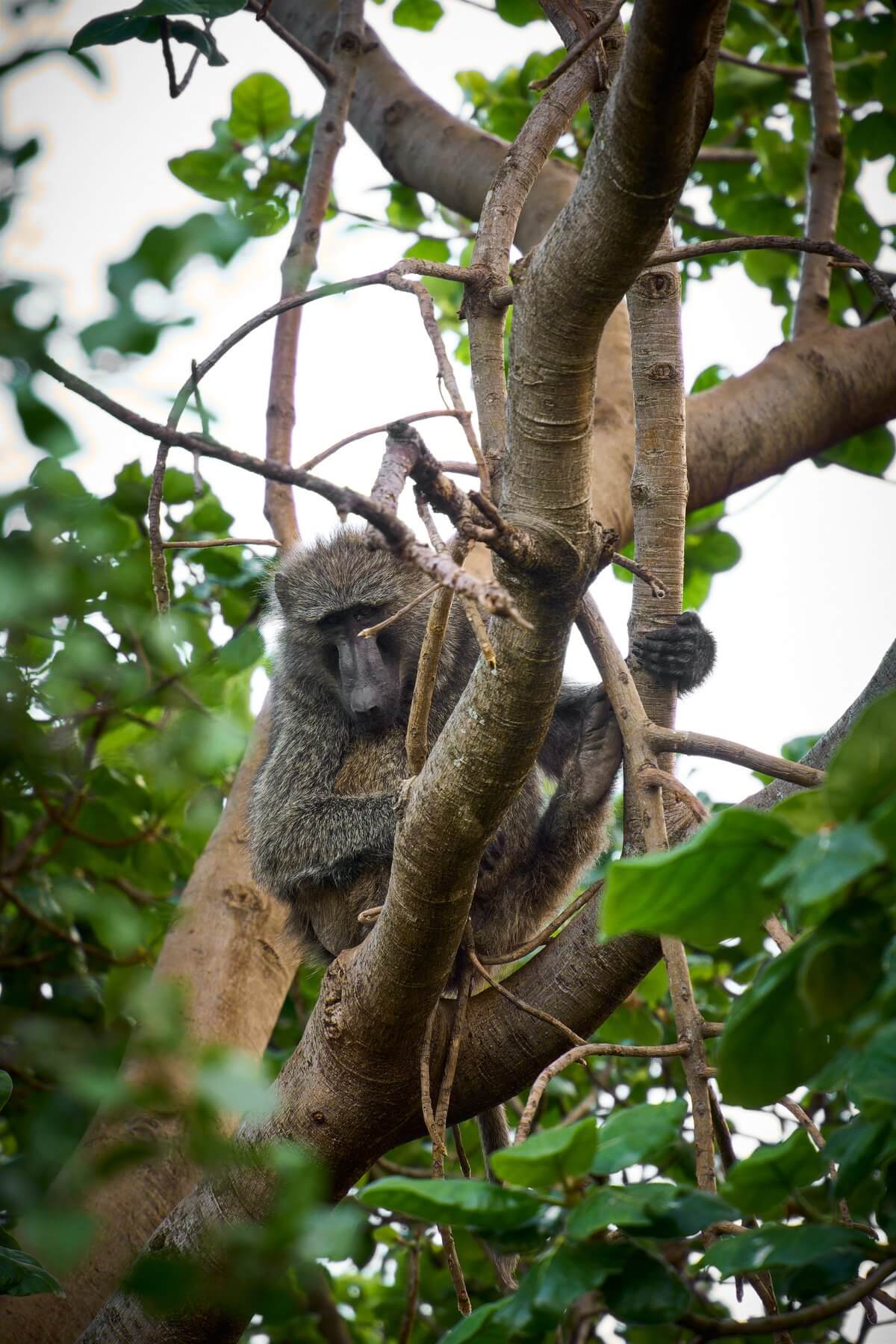
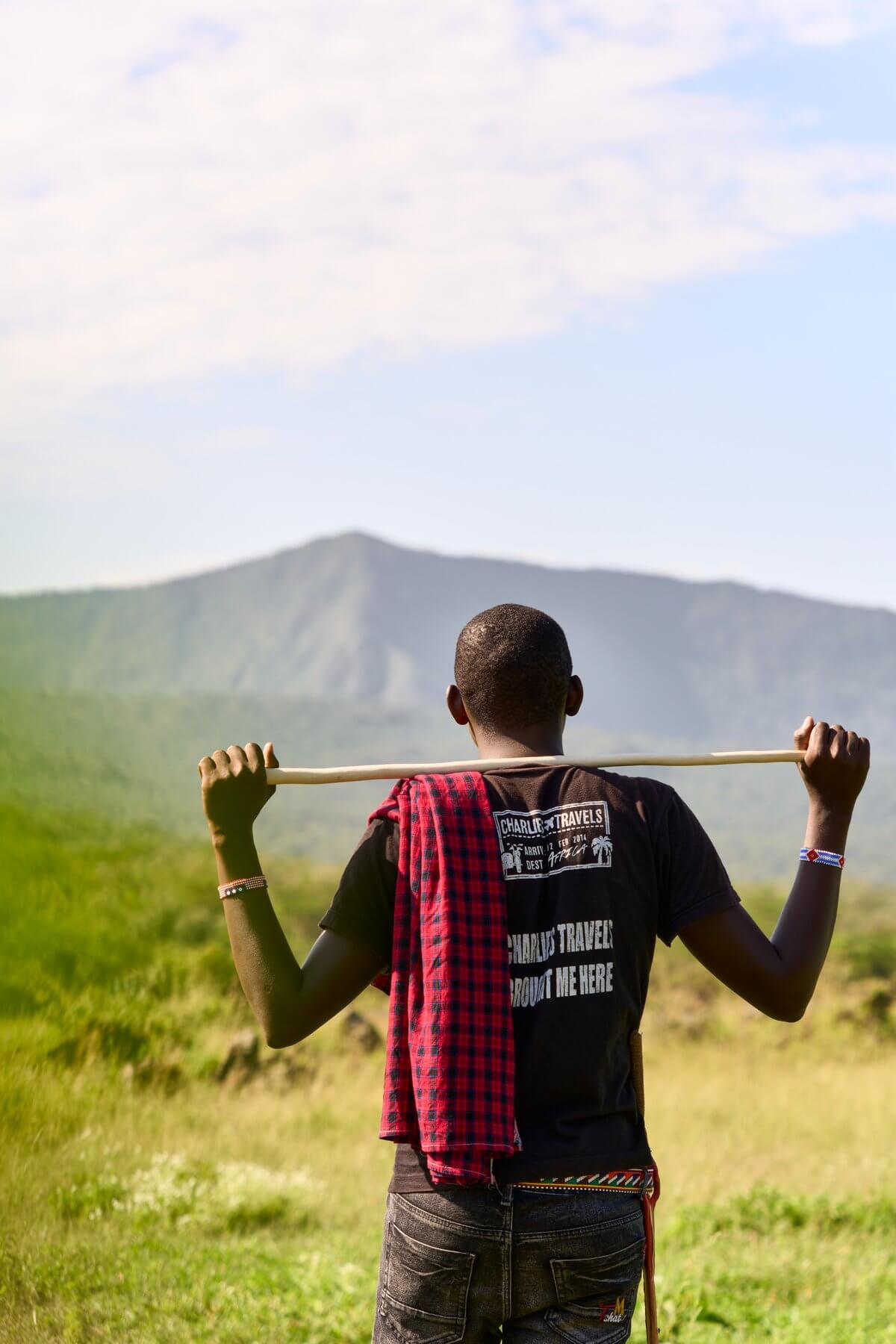
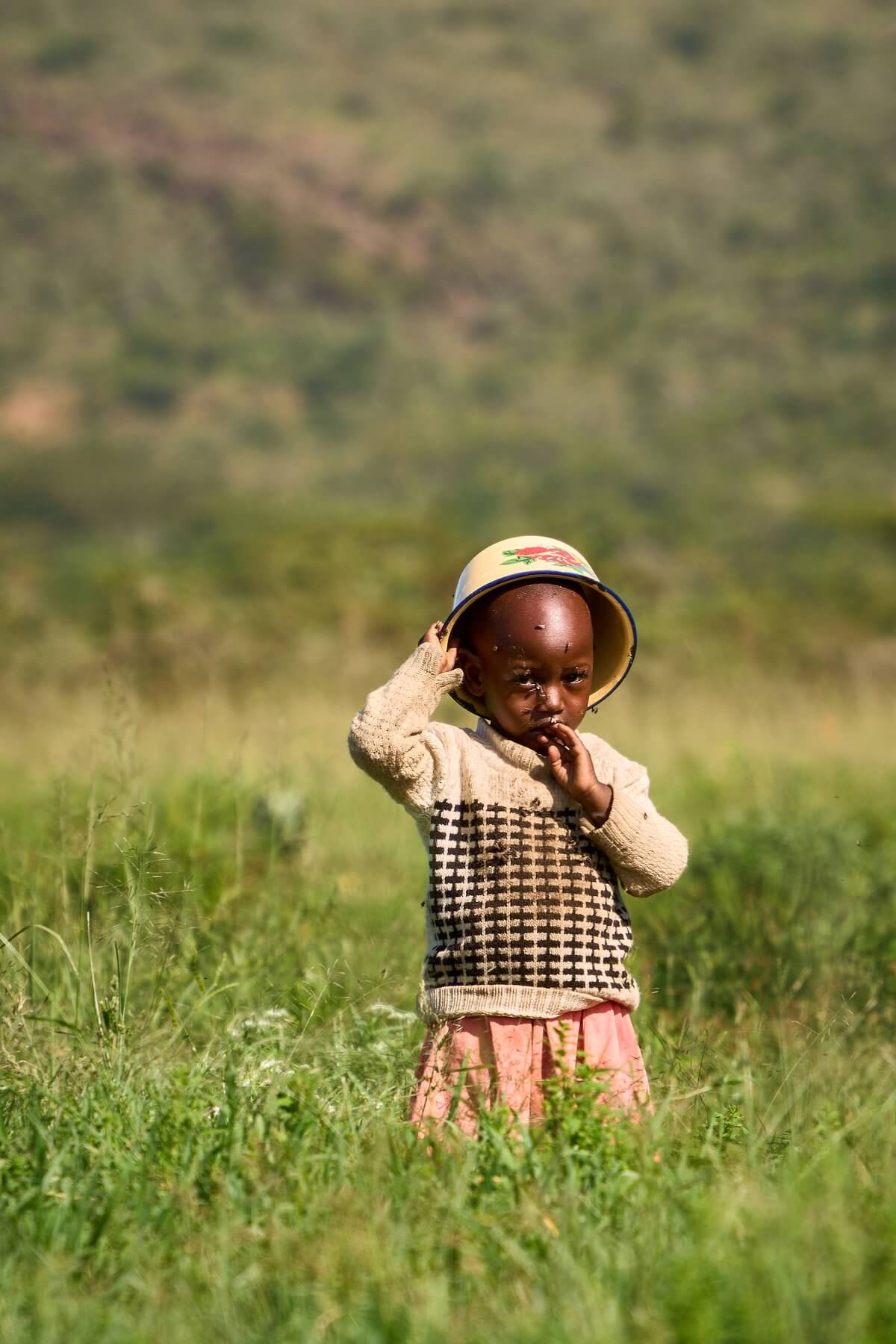
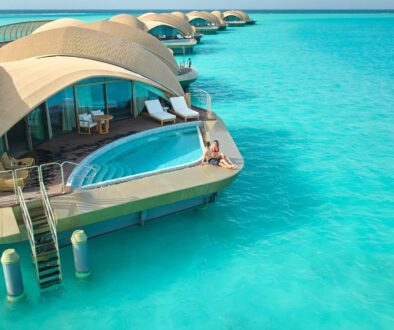
After the intense safari and cultural experiences in the interior, I highly recommend rounding off your trip with a few days on the Kenyan coast. The contrast couldn't be greater: from the dry, vast savannah to white sandy beaches, palm groves, and the turquoise waters of the Indian Ocean. The Kenyan coast stretches for 480 kilometers and offers some of the most beautiful and affordable beaches in East Africa.
Diani Beach, about 30 kilometers south of Mombasa, has repeatedly been voted the best beach in Africa – and deservedly so. Fine, powdery white sand, crystal-clear water in various shades of blue, and a relaxed atmosphere make Diani the perfect place to unwind after an intense week on safari. Accommodation ranges from simple guesthouses (from USD 30/night) to luxury resorts (USD 200+/night).
The coast also offers excellent opportunities for snorkeling and diving. The coral reefs in Watamu Marine National Park and Kisite-Mpunguti Marine Park are among the most biodiverse in all of East Africa. Culinary delights await in Swahili cuisine, a unique blend of Arabic, Indian, and African influences: fresh fish, coconut curries, chapati, and the famous Swahili samosas.
Kenya Safari & Beach Holidays: Practical Tips (All Inclusive or Individual?)
Kenya can be visited year-round. The best time for safaris is the dry season from June to October (Great Migration in the Masai Mara) and from January to March. The coast is most pleasant from January to March and September to November. I was there in February – perfect weather, fewer tourists than in the high season, and lower prices.
Visa and entry requirements: German citizens need an eTA (electronic Travel Authorization), which can be applied for online at etakenya.go.ke. The cost is approximately USD 30, and processing time is 48-72 hours. Important: Your passport must be valid for at least six months and have at least two blank pages.
A yellow fever vaccination is required for entry from certain countries and is generally recommended. Malaria prophylaxis is also recommended – especially if you are traveling to the Masai Mara, the coast, or lower altitudes. Drinking water should only be consumed from sealed bottles. Travel health insurance with repatriation coverage is mandatory.
Kenya offers options for various budgets. Safari: 150-1,000+ USD per night depending on accommodation. Coast: from 30-50 USD per night. Food: 5-30 USD per meal. For a two-week trip including safari and beach time, you should expect to spend a total of 3,000-8,000 EUR (depending on the level of comfort).
A telephoto lens is essential for safari photography – at least 200mm, preferably 400mm or more. I use the Sony 200-600mm f/5.6-6.3 G. A drone requires a KCAA permit (2-3 weeks' notice, approximately $50 USD). Pack plenty of memory cards and batteries – there are no shops in the wilderness.
Conclusion – Why Kenya belongs on every bucket list
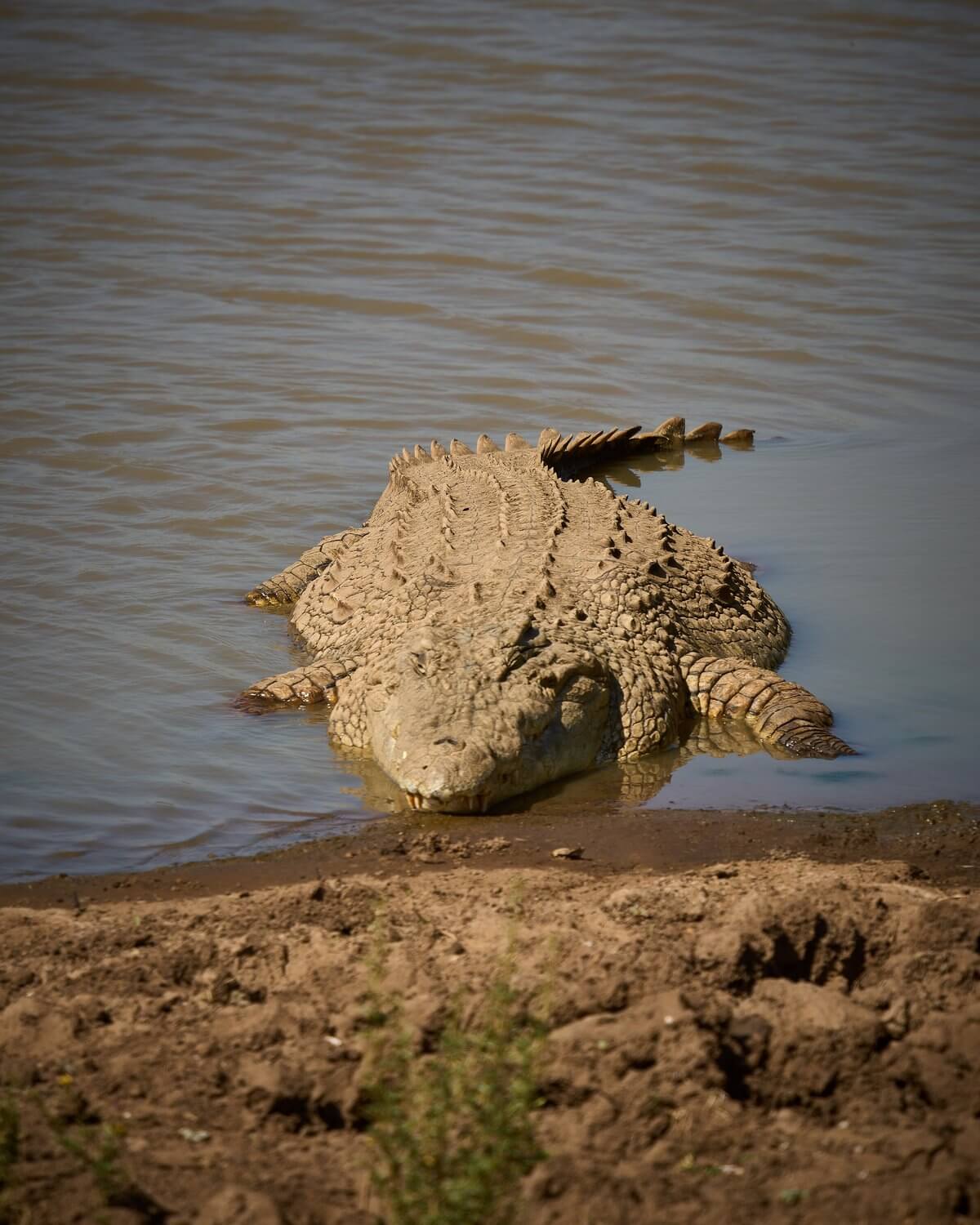
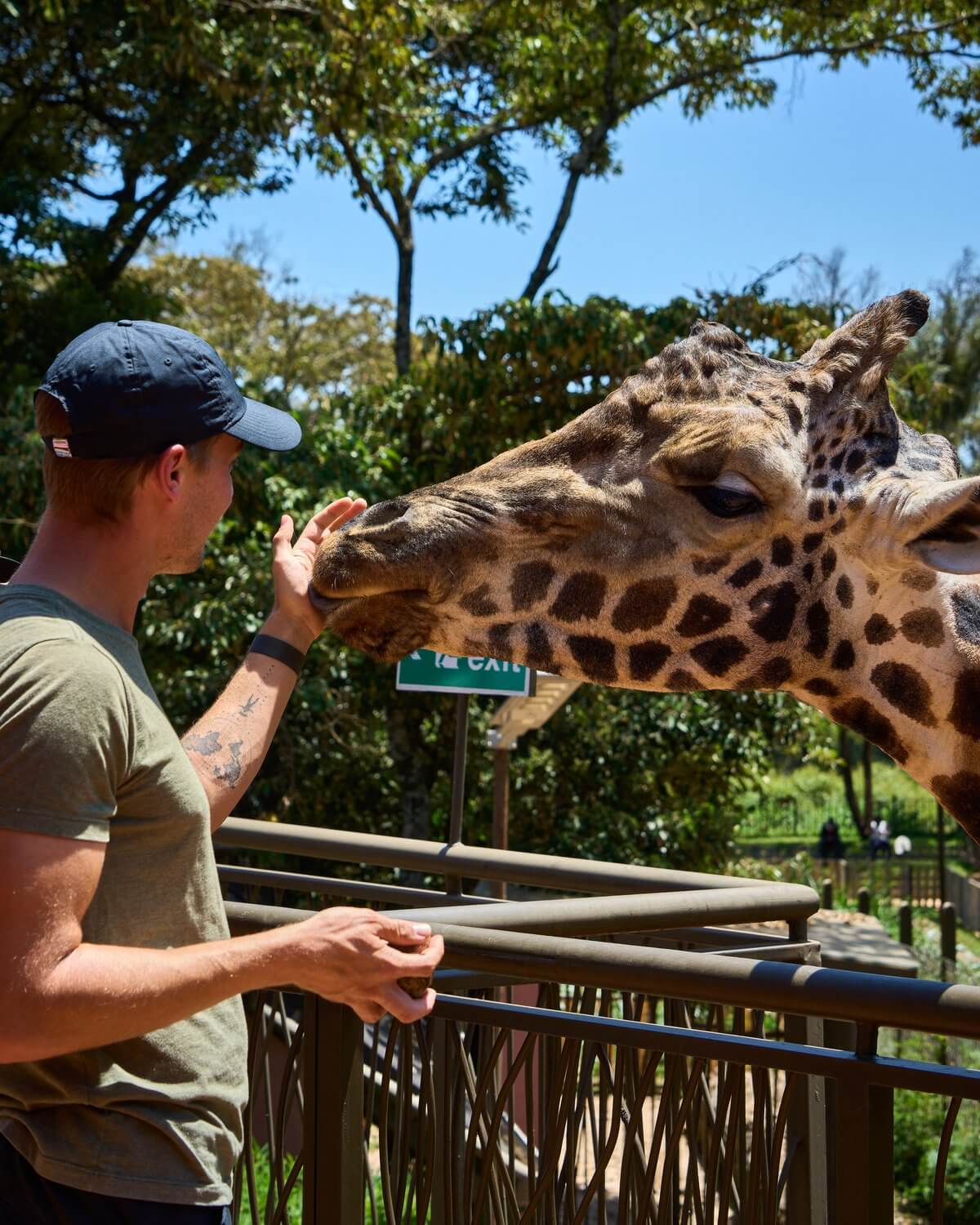
After visiting more than 68 countries, I can say: Kenya is among the top five travel experiences of my life. The combination of world-class safari experiences, profound cultural encounters with the Maasai, dramatic landscapes from the Great Rift Valley to the Indian Ocean, and a warm-hearted population is rarely found in such abundance anywhere else in the world. Kenya is not a country you visit once and then forget about – it is a country that changes you and keeps calling you back.
Kenya Costs & Practical Tips
| Position | budget | comfort |
|---|---|---|
| Safari (3 days, Masai Mara) | 300-500 € | 800-2.000 € |
| Accommodation/Night (Nairobi/Mombasa) | 15-30 € | 60-200 € |
| Food/day | 5-10 € | 15-30 € |
| Visa (eTA) | ~30 USD (online) | |
| 2 weeks total (pP) | ~800 € | ~2.500 € |
FAQ – Kenya Travel & Safari
When is the best time to go on a Kenyan safari?
The absolute peak season for safaris in the Masai Mara is from July to October, when the Great Migration takes place and millions of wildebeest, zebras, and antelopes cross the Mara River. The animals congregate at the waterholes, and the sightings are legendary. Alternatively, January to March is a good option: significantly fewer tourists, lower lodge prices, clear visibility for photography, and the wildlife is easily spotted through the short grass. The long rainy season from April to June is less advisable – some lodges close, some tracks become impassable, but it is the green season with spectacular landscapes.
Do you need a visa for Kenya?
Yes. Since 2024, the old visa-on-arrival system has been abolished and replaced by the electronic travel authorization (eTA). Applications are submitted online at etakenya.go.ke, currently cost around USD 30, and should be made at least 3 days before arrival. You will need a passport valid for at least 6 months, a photo, your flight itinerary, and proof of accommodation. The authorization will be sent by email and is valid for 90 days. No consulate visit is required.
Is Kenya safe for travelers?
In all classic tourist regions – safari parks (Masai Mara, Amboseli, Tsavo, Beyond the islands of Samburu, the coast around Diani, Watamu, and Malindi, as well as central Nairobi and the villa districts like Westlands and Karen, Kenya is safe and very tourist-friendly. As in any African metropolis, there are areas in Nairobi that should be avoided at night (Eastleigh, Kibera, certain parts of the Central Business District). Basic rules: use Uber/Bolt at night, don't visibly display valuables, and avoid the coastal border area with Somalia (north of Lamu). For safari tourists, Kenya is one of the safest destinations in Africa.
How much does a 2-week trip to Kenya cost?
A complete trip including safari and beach time costs from around €800 per person (budget option) to €2,500-€4,000 (comfort/luxury), excluding long-haul flights. The biggest expenses are the safari (€300-€500 for a 3-day budget trip, €800-€2,000 for a 3-day mid-range/luxury lodge) and the domestic flight from Nairobi to the Masai Mara (approximately US$300 round trip, but saves 6-8 hours of driving). All-inclusive resorts on the coast are available from around €80 per person per night. You can find a detailed budget breakdown in my Kenya Safari Costs article. Kenya Safari Costs Article.
Which vaccinations are recommended for Kenya?
Yellow fever vaccination is mandatory if you are arriving from a yellow fever risk area (currently NOT mandatory for direct flights from Germany, but is sometimes checked at the border). Hepatitis A and B, typhoid, tetanus/diphtheria, and rabies vaccinations (for longer stays) are strongly recommended. Malaria prophylaxis is essential for safari regions and the coast – Malarone or doxycycline after consulting a tropical medicine specialist. Seek advice from a tropical medicine specialist at least 6-8 weeks before departure.
What's the best way to combine safari and swimming?
The classic route: first safari, then beach. Start in Nairobi (1-2 nights, acclimatization), then 3-4 days in the Masai Mara (optionally including Amboseli or Lake Nakuru), followed by a domestic flight to Mombasa or Diani Beach for 5-7 days of beach vacation. The beach portion is perfect for relaxing after the early safari starts (5-6 am). Diani Beach is my personal recommendation: white sand, turquoise water, no mass tourism, many small boutique hotels. Mombasa North (Nyali, Bamburi) is more touristy and less expensive.
What should you wear on safari?
The golden rule: muted colors (beige, khaki, olive green, brown), no bright or blue tones. Blue attracts tsetse flies, bright white repels wildlife. Practical items: lightweight long-sleeved shirts and long trousers (sun protection + insect repellent), a warm fleece for morning walks (temperatures in the Mara mountains drop to 10-15°C), a hat, good closed-toe hiking boots, and a duster for camera equipment. On the coast, classic beachwear is sufficient – in Mombasa, out of respect for the Muslim population, keep your shoulders and knees covered.
Is it possible to fly a drone in Kenya?
Official authorization from the Kenya Civil Aviation Authority (KCAA) is mandatory – without it, you risk severe penalties, including confiscation. The application is submitted online, takes 2-3 weeks, and costs around USD 50. Flying is strictly prohibited in national parks, even with KCAA authorization – the Kenya Wildlife Service does not allow drones in protected areas. Flights are permitted with authorization along the coast (outside of marine parks) and in rural areas. Practical tip: Submit your application at least 4 weeks before departure and have all necessary documents (passport copy, drone serial number, travel itinerary) ready.
All-inclusive or individual safari – which is more worthwhile?
For first-time visitors and those seeking comfort, organized safaris are usually the better choice: all logistics, flights, transfers, guides, and meals are arranged, minimizing the risk of problems. Prices start at around €1,500 for 7 days all-inclusive. Experienced independent travelers can save significantly: rental car (4x4 from €80/day), direct lodge booking, and independent route planning. This is more demanding (roads, navigation, price negotiations) but worthwhile for longer trips. My recommendation: first safari organized, second independent.
How much do you tip in Kenya?
Tipping is an integral part of the tourism industry and a significant source of income for guides and drivers. A general rule of thumb is: safari guides 10-15 USD per guest per day, lodge staff collectively 5-10 USD per guest per day (kitty/community tip box), and restaurant waiters 10 USD if no service charge is stated. On the coast, beach vendors and boat operators rely on tips – 5-10 USD for a half-day tour is appropriate. Tips can be given in USD or Kenyan Shillings (KES) – both are accepted.
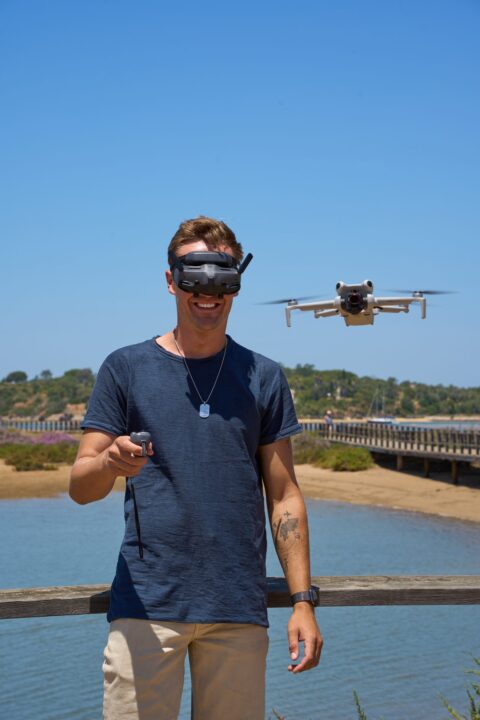
Max Haase
Travel Content Creator · Drone Photographer · Visual Storyteller
A professional travel creator for over 10 years with over 4 million followers. Specializing in high-end tourism board collaborations and visual travel storytelling.

 German
 English