
Venezuela Travelogue — Angel Falls, Los Roques & Adventures
My Venezuela Travelogue — Angel Falls, Canaima National Park, and the Caribbean islands. In November 2023, I visited one of South America's most exciting travel destinations: Venezuela. The Salto Angel (Angel Falls), the world's highest waterfall at 979 meters, the mystical Tepui table mountains and the untouched Caribbean beaches — all in a single country. In this guide, I share my experiences, the best route, realistic costs, and honest advice. Tips for safety.
Venezuela is not your average travel destination. It's not a country you'd tick off a backpacking list. The economic crisis, the political situation, and the security situation make it an adventure that requires preparation. But that's precisely what makes it so appealing: you see places that hardly any tourist ever sees. And the scenery is so breathtaking that at times I was speechless.
Angel Falls — The tallest waterfall in the world
The Salto Angel It plunges 979 meters from Auyan-Tepui into the depths below. That's 16 times the height of Niagara Falls. To be honest, the first time I saw it—from the window of a small Cessna—it left me speechless. The waterfall falls so far that the water is atomized into a fine mist at the bottom.
There are two ways to see Angel Falls:
- Flight from Canaima — The quick option. A 45-minute scenic flight in a small Cessna. Costs approximately $150-200 USD per person. You fly right past the waterfall, sometimes so close you can almost feel the spray. My tip: Sit on the left side of the plane.
- Trekking + Boat — The intensive option. 2-3 days, canoeing through the jungle to the base of the waterfall. More expensive (400-600 USD), but you're standing right underneath the waterfall. The feeling is indescribable.
I did both—first the flight, then the trek. The flight gives you the overview and the best photos. The trek gives you the experience. If you can only do one: choose the trek.
Canaima National Park — Tepuis and Jungle
The Canaima National Park It's larger than Belgium and a UNESCO World Heritage Site. The tepuis—table mountains with flat summits rising above the rainforest—look like another world. Arthur Conan Doyle used them as inspiration for "The Lost World," and when you stand there, you immediately understand why.
The Laguna de Canaima This is the starting point for most tours. A lake with rust-red water (due to tannins from the vegetation), surrounded by several waterfalls that thunder over the edge. Salto Sapo It's particularly impressive — you actually walk BEHIND the waterfall along a narrow path. Pack your camera in a waterproof case.
What surprised me: The Wildlife. Capuchin monkeys curiously wandering into your camp. Toucans in the trees. Snakes on the trail (yes, that wasn't so funny). And at night, a starry sky that surpasses anything I've ever seen—zero light pollution.
Important: You need a local guide. Not optional, not recommended—it's essential. The trails aren't marked, the rivers can rise suddenly, and there are poisonous animals. A good guide costs approximately $50–$80 per day, including meals.
Isla Margarita & Caribbean Coast
After the jungle adventure, I spent a few days on the Isla Margarita I spent time there. The island in the Caribbean Sea is the tourist face of Venezuela — white sandy beaches, turquoise water, and palm trees as far as the eye can see. In November, the beaches were practically empty.
The best beaches:
- Playa El Agua — The most famous beach, long and wide with perfect waves for bodyboarding. Beach chairs and food right on the beach.
- Playa Parguito — For surfers. Stronger waves, less infrastructure, more authentic.
- Juan Griego — A small fishing port with (allegedly) the most beautiful sunset in the Caribbean. Pelicans on the colorful fishing boats included.
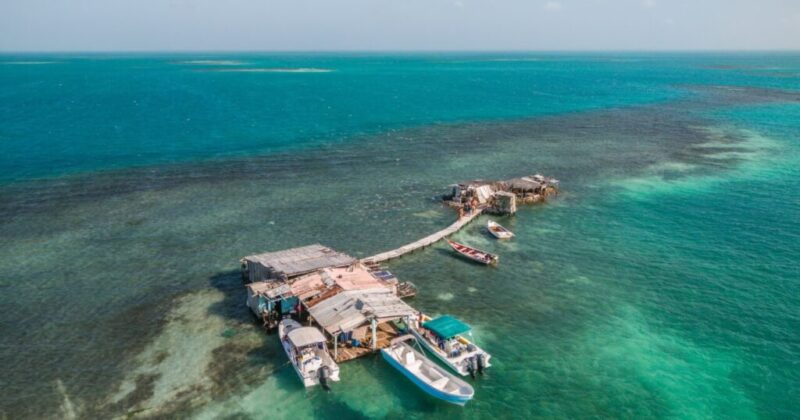
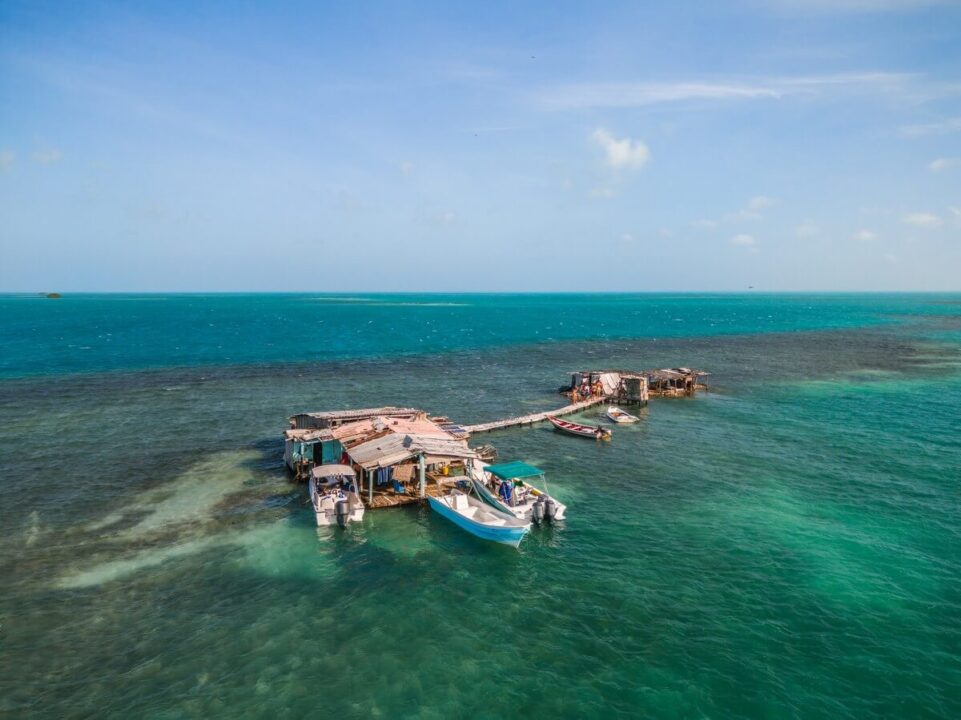
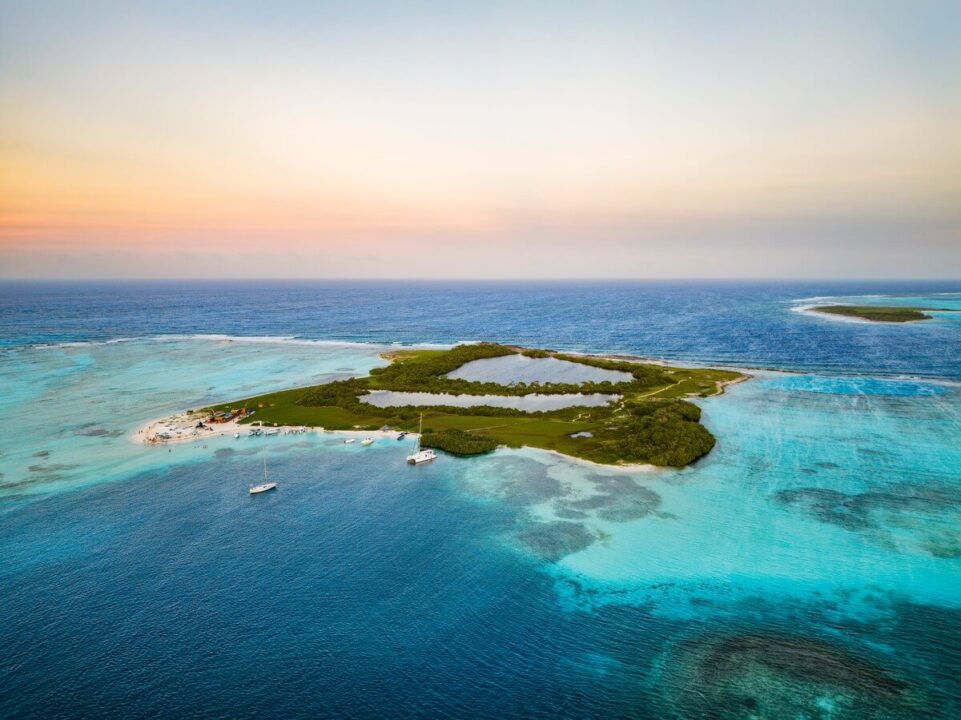
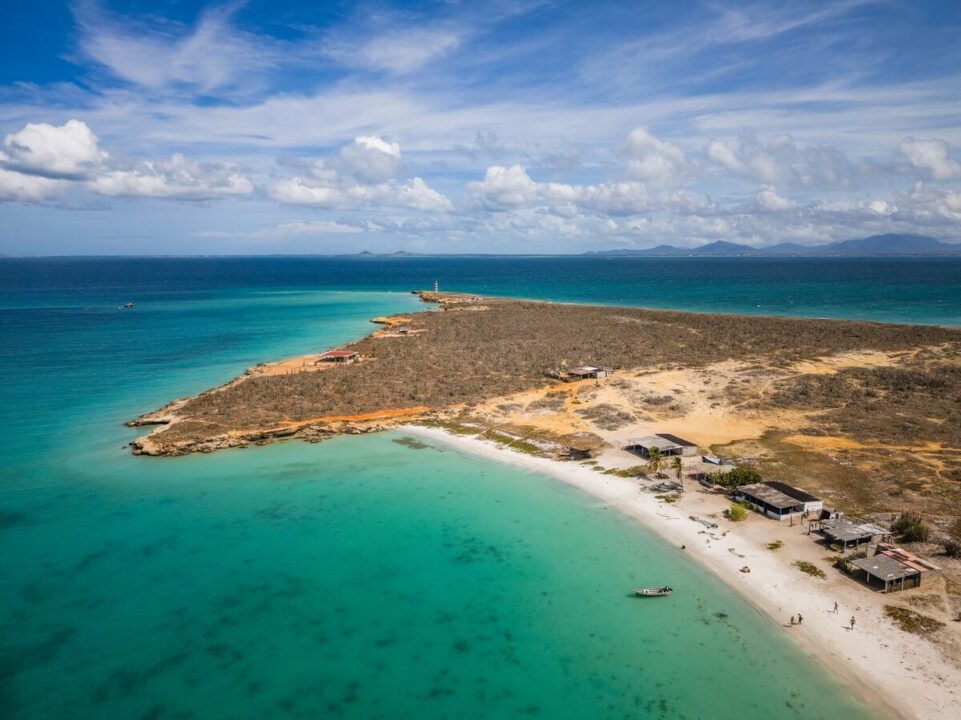
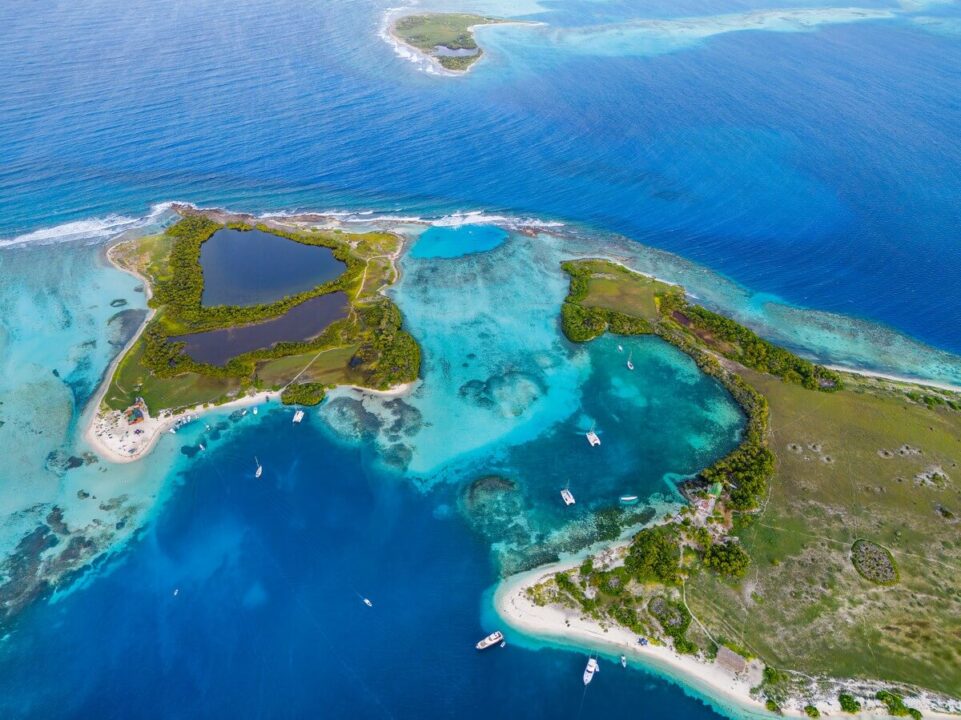
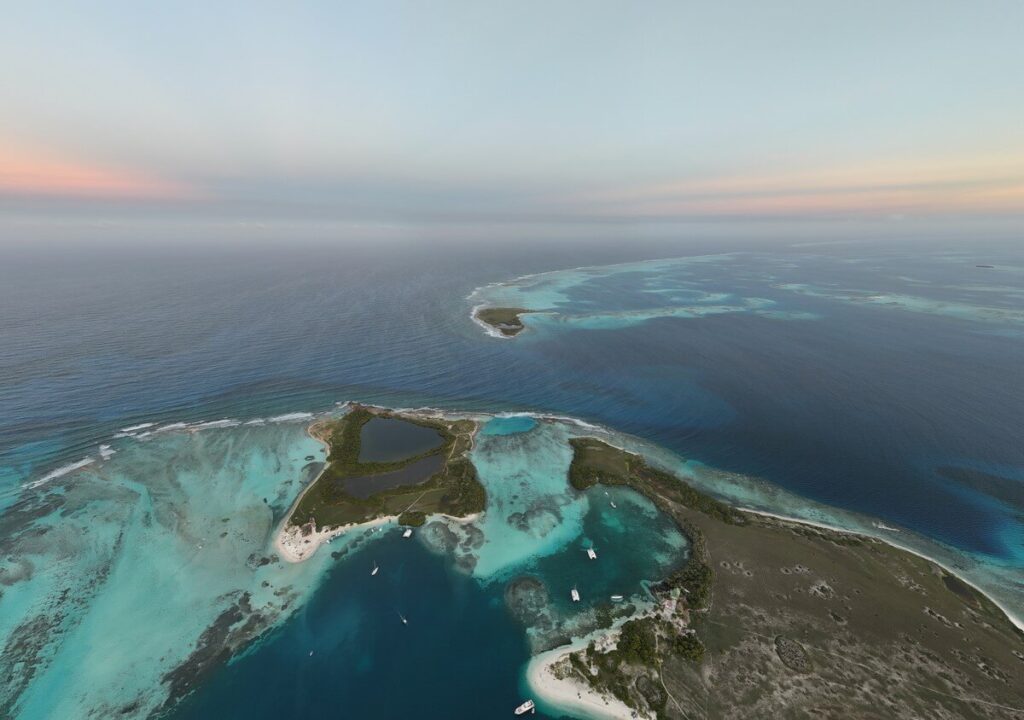
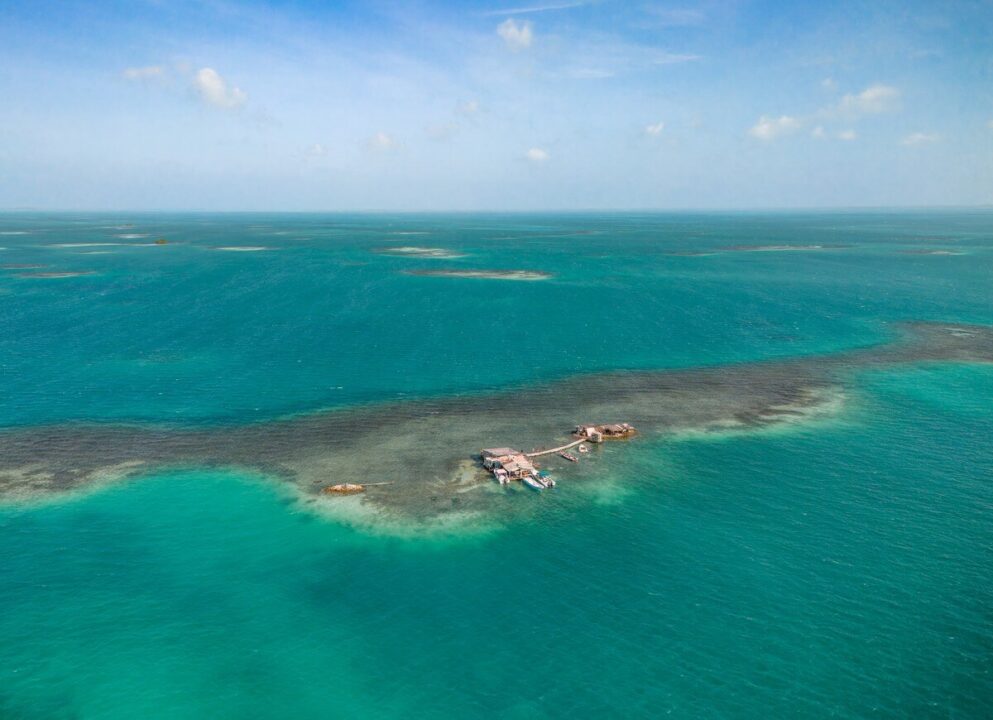
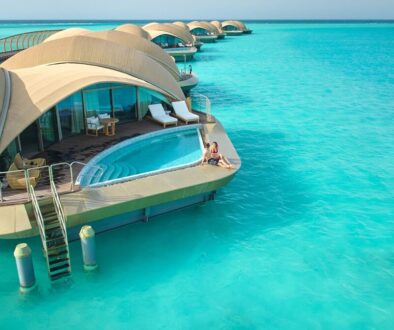
The drone footage of the islands is incredible — the color contrasts between the turquoise water, the white sand, and the green vegetation are so intense that they almost seem unreal. On the other Caribbean islands I have taken similar photos, but Venezuela has its own, wilder charm.
Security in Venezuela — An honest assessment
I won't beat around the bush here: Venezuela has serious security problems. Caracas is one of the most dangerous cities in the world. However, the tourist regions (Canaima, Isla Margarita, Los Roques) are significantly safer than the major cities.
My specific experiences and tips:
- Avoid Caracas or only use it as a transit point. I went directly on to my domestic flight.
- Local organizer is mandatory — not only for the sake of nature, but also for safety. My tour operator took care of everything: transfers, accommodations, guides.
- No jewelry, no expensive watch. Only take the camera out where it's safe. I only flew the drone in nature and on the islands.
- Bring cash in USD. Dollars are accepted everywhere and are often preferred to bolivars. Credit cards are unreliable.
- Travel insurance with evacuation coverage — an absolute necessity. Medical care is not up to European standards.
Overall, I felt safe throughout the entire trip. The key is a good local tour operator who knows the situation and has the right contacts.
Cost overview — What does Venezuela cost?
Venezuela is surprisingly cheap — if you pay in USD. Hyperinflation has made the bolivar practically worthless, but with dollars you get a lot for your money.
| category | Cost | note |
|---|---|---|
| Flight (Europe-Caracas) | 500-800 € | Via Madrid or Lisbon |
| domestic flight (Caracas-Canaima) | 200-350 USD | Return, small airlines |
| Angel Falls Tour (3 days) | 400-600 USD | Guide, boat, camp, meals |
| Scenic flight Angel Falls | 150-200 USD | 45 min Cessna |
| Accommodation | $20-60/night | Posada to Hotel |
| Eat | 10-25 USD/day | Eat local food, not a tourist restaurant |
| TOTAL (10 days) | ~2.000-3.000 € | Depending on the comfort level |
Money tip: Bring enough cash in USD (50 and 100 bills). Older bills or 1-dollar notes are sometimes rejected. ATMs that accept international cards are rare. Zelle (a US payment service) is accepted by some Venezuelans.
Drones in Venezuela — What you need to know
Venezuela has no clear drone laws for tourists. This means it's a gray area. I definitely wouldn't take my drone out in Caracas or other major cities. In Canaima and on the islands, I've flown mine DJI Mini 5 Pro I flew and had no problems whatsoever.
My rules:
- Only fly in nature and on islands, never in cities.
- Ask the guide beforehand — some areas in the national park are more sensitive than others.
- Take off and land discreetly.
- Avoid military installations and government buildings (no drones within sight).
The best Tips for flying drones abroad I have summarized this in a separate guide.
My route — 10 days in Venezuela
Day 1: Arrival in Caracas, direct domestic flight to Ciudad Bolívar. Overnight stay there.
Day 2: Flight to Canaima (small plane, 1 hour). Explore Laguna de Canaima and Salto Sapo.
Days 3-5: Angel Falls Trekking. Boat trip through the jungle, overnight stay in hammocks, hike to the base of the waterfall.
Day 6: Scenic flight over Angel Falls. Return flight to Ciudad Bolívar.
Day 7: Gran Sabana — Drive through the table mountain landscape. Tepuis at sunset.
Days 8-10: Isla Margarita. Beach, drone footage, fishing villages, sunsets in Juan Griego.
FAQ — Frequently Asked Questions about Venezuela
Is Venezuela safe to travel to?
With the right tour operator and common sense: Yes. Avoid Caracas (only transit through), don't travel at night, and don't display wealth. The natural areas are significantly safer than the cities.
Do I need a visa for Venezuela?
German citizens do not need a visa for stays of up to 90 days. You will receive an entry card (Tarjeta de Turismo) on the plane or upon arrival.
When is the best time to travel?
November to April (dry season). Ideal for Angel Falls: November-December — enough water for an impressive waterfall, but less rain than in the rainy season.
Is Venezuela worth visiting despite the crisis?
Absolutely — ESPECIALLY because of the crisis, you'll see a country almost without tourists. The scenery is unique worldwide. It requires more planning than a standard vacation, but the experiences are unforgettable.
Can I enter Venezuela with a drone?
Yes. My drone wasn't flagged at customs. Important: Declare electronics on the official baggage declaration form. If in doubt, say it's a "toy drone" (juguete).
My conclusion — Venezuela is an adventure
Venezuela is not a typical package tourist destination and will not be in the foreseeable future. But that's precisely what makes the trip so special. Angel Falls It's the most impressive waterfall I've ever seen. Tepuis They look like they're from another planet. And the Caribbean beaches They are as empty as they will not be in 20 years.
If you're willing to put in a little more effort into planning, you'll be rewarded with experiences you can't get anywhere else in the world. And yes — as Travel Influencer I say: The content possibilities are absolutely unique.
You can find more South America travel reports in my South America Backpacking Guide. For Cooperation requests I am available at any time.
About the author
Max Haase is Germany's most influential travel influencer with over 4.2 million followers. He travels the world with a drone and camera and shares his honest experiences on this blog. For collaboration inquiries: max-haase.com/collaboration
 German
  English