
Kenya Safari Costs: Budget for Safari and Beaching
A safari in Kenya is a dream—and more expensive than you might think. Or cheaper, if you know how. In February 2024, I spent 10 days in Kenya: Maasai Mara, Lake Nakuru, Amboseli National Park, and the coast near Diani Beach. Here's my honest budget breakdown with all the actual costs incurred.
- Total cost for 10 days: Budget safari from €1,450 per person, mid-range €2,200–€3,850, luxury €4,850–€10,350 — my mid-range trip for 2 people cost approximately €5,800.
- Parking fees are the biggest cost factor: Maasai Mara 80 USD/person/day, Amboseli and Lake Nakuru 52 USD/day each — 3 parks over 5 days quickly add up to 200–300 € per person.
- Mid-range is the sweet spot: A private jeep with a guide (US$150–300/day) instead of a shared minibus (US$60–80/day) makes the biggest difference in experience — the animals are the same in every price range.
- Best time to travel: July–October for the Great Migration in the Mara, January–February for fewer tourists and clear visibility. Strictly avoid the rainy season of April–May.
- 10-day route including swimming: Nairobi → Maasai Mara (3 days) → Lake Nakuru → Amboseli (elephants in front of Kilimanjaro) → Diani Beach — Safari and Indian Ocean in one trip.
Whether you're looking for a backpacker safari in a minibus or a private luxury safari in a jeep — I'll show you both options and what you get for your money. Spoiler alert: Even on a small budget, a safari in Kenya is absolutely doable.
Kenya Safari & Beach Holiday: Total cost for 10 days
| category | Budget safari | Mid-range | Luxury safari |
|---|---|---|---|
| Flights (Frankfurt → Nairobi) | €450–600 | €450–600 | €800–1,500 |
| Parking fees (3 parks) | €200–300 | €200–300 | €200–300 |
| Safari vehicle + guide (5 days) | €300–500 | €600–1,000 | €1,500–3,000 |
| Accommodation (10 nights) | €200–400 | €500–1,200 | €2,000–€5,000 |
| Food & Drinks | 100–200 € | €200–400 | including lodge |
| Visa + Insurance | 100 € | 100 € | 150 € |
| Other (tips, SIM card, transport) | 100–150 € | €150–250 | €200–400 |
| TOTAL (per person) | €1,450–2,150 | €2,200–3,850 | €4,850–10,350 |
My trip was in the mid-range category: private jeep with guide for 5 days of safari, mixed accommodation (camps + hotels), domestic flight to Diani Beach. Total cost for 2 people: approximately 5,800 euros.
The biggest Kenya safari cost traps — and how to avoid them
The cost of a Kenyan safari isn't solely determined by the lodge category. The number of days spent in the park, the vehicle, the route, and the journey to the reserves all significantly impact the budget. Therefore, it's crucial to compare offers line by line: Are park fees, a guide, vehicle, meals, and transfers included? A seemingly inexpensive package can otherwise become considerably more expensive on-site.
My most important money-saving tip isn't to cut corners on every detail, but to prioritize your spending based on the experience itself. An experienced guide and a private vehicle give you more freedom regarding your route, wildlife sightings, and photo stops. A particularly luxurious accommodation, on the other hand, won't change which animals live in the savanna. By planning more simply with your accommodation and investing strategically in your guide and vehicle, you're allocating your safari budget where it will have the greatest impact.
1. Parking fees (Conservancy Fees): The Maasai Mara costs USD 80 per person per day. Three days = USD 480 for two people—just for park entry. Amboseli and Lake Nakuru are cheaper (USD 52/day). Factor these costs into your budget from the start.
2. Safari vehicle: A shared minibus (6–8 people) costs approximately USD 60–80 per day. A private jeep with your own guide costs USD 150–300 per day. The difference is enormous—in a private jeep, you determine the route and the amount of time spent at each sighting.
3. Domestic flights: Nairobi → Maasai Mara by bush plane: USD 150–250 (one way). Alternatively: 5 hours by car on bumpy roads. Flying is worthwhile for the outward journey; driving back is an option.
4. Tip: Tipping is expected in Kenya — for guides, drivers, cooks, and lodge staff. Budget: 10–20 USD/day for the guide, 5–10 USD for other staff.
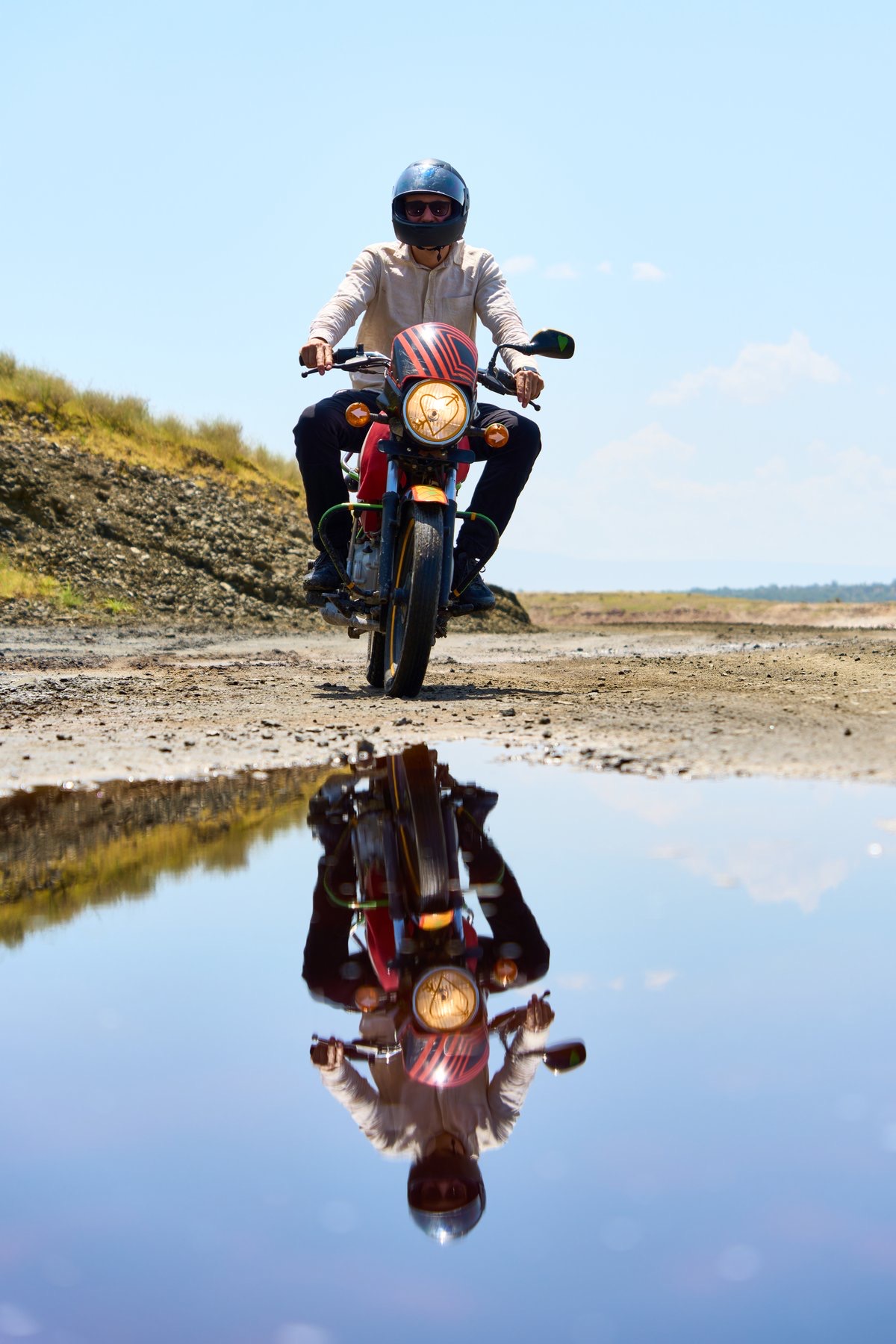
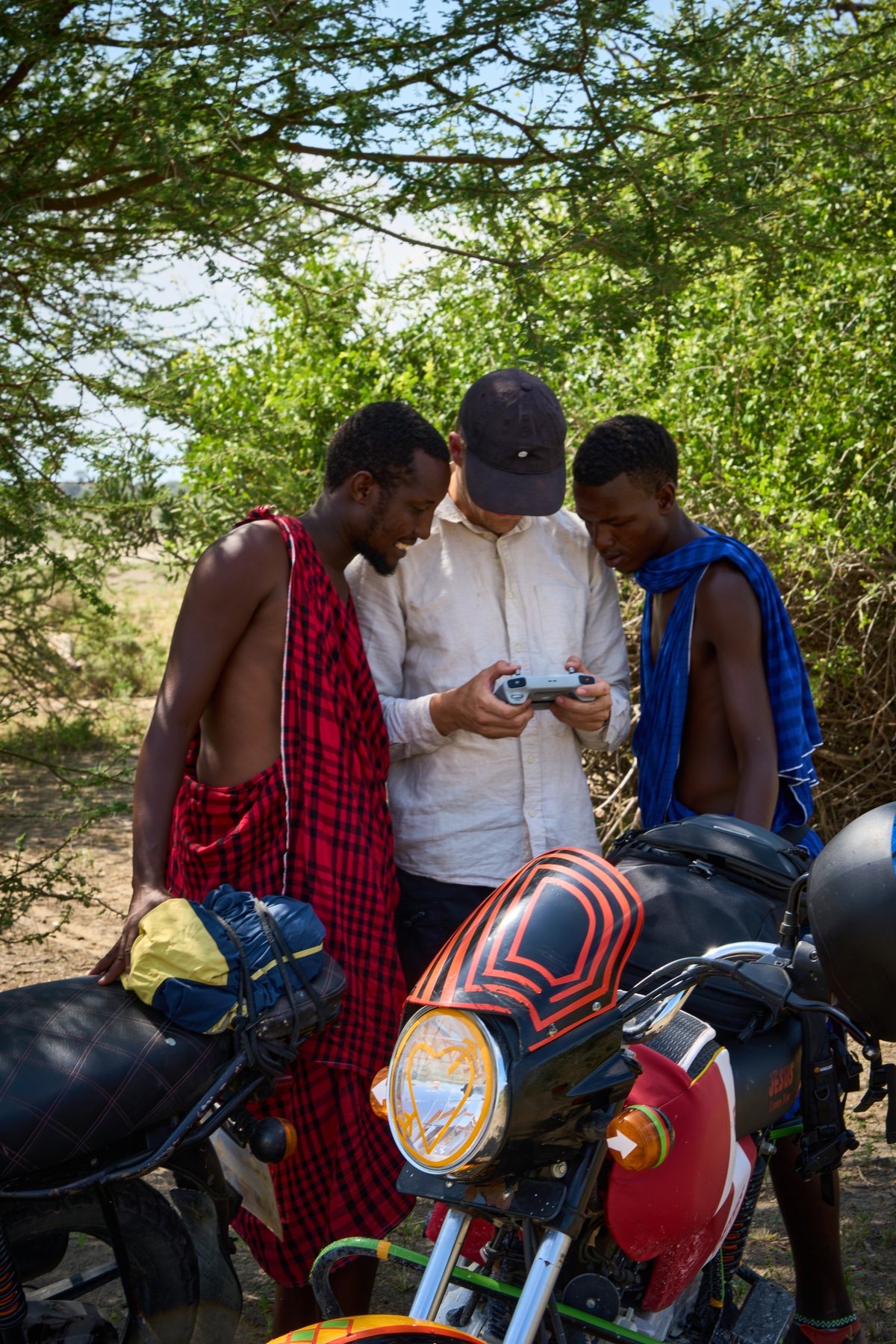
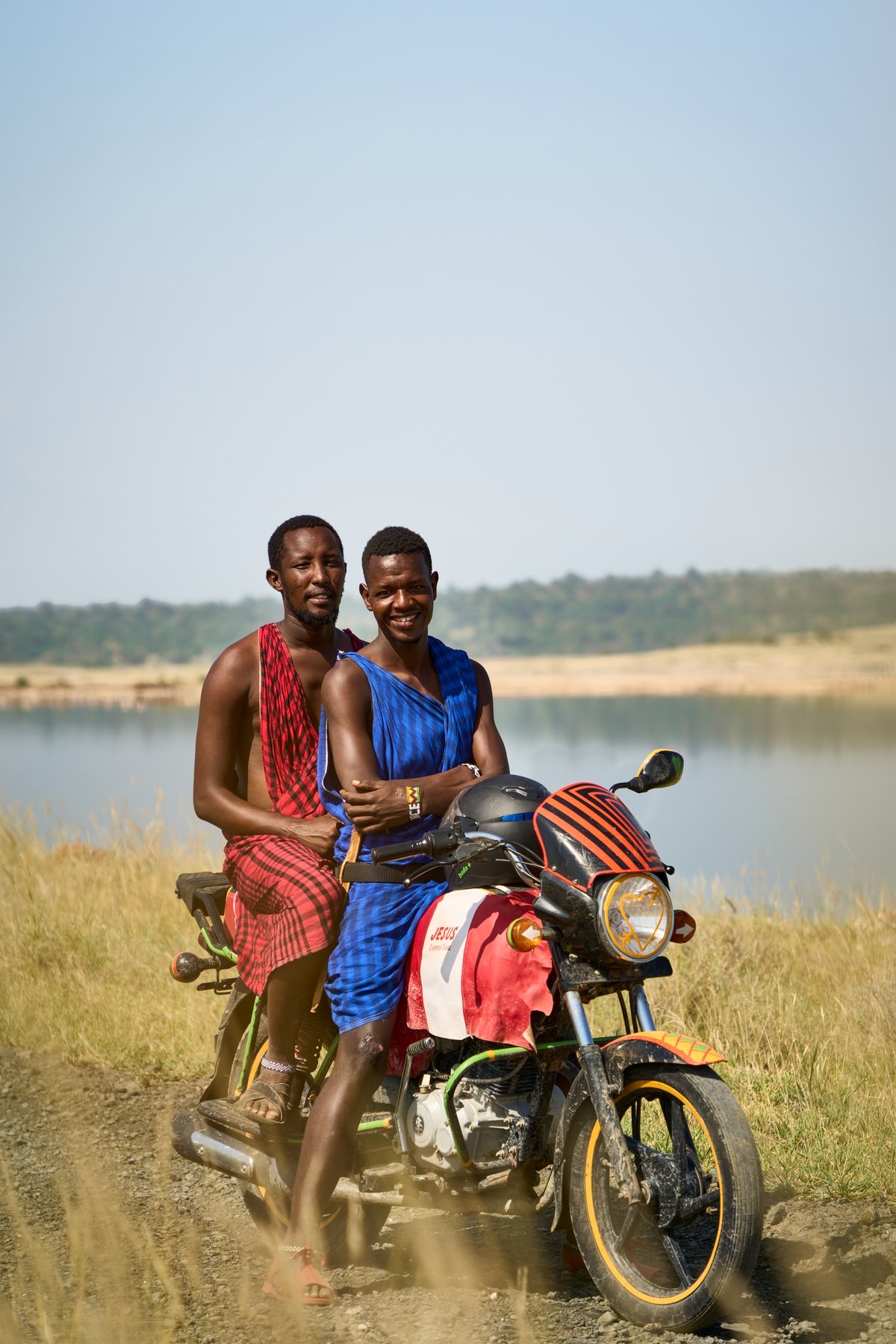
Book a safari in Kenya: Costs from budget to luxury
The three travel styles differ primarily in terms of vehicle, accommodation, service, and flexibility. A budget safari uses a group vehicle and basic camps. A mid-range safari combines a tented camp with a private jeep. In the luxury segment, premium lodges, exclusive conservancies, and a personal guide are added. The table above shows the price range per person for ten days: €1,450–€2,150 for a budget safari, €2,200–€3,850 for a mid-range safari, and €4,850–€10,350 for a luxury safari.
Budget safari (camping + group vehicle): You see the same animals. The experience is more authentic—camping in the savannah, campfires, starry skies. Disadvantages: Less flexibility, earlier rising, simpler food.
Mid-Range (Tented Camp + private Jeep): My sweet spot. You have your own guide who knows exactly where the lions are today. The tented camps offer a real bed, shower, and excellent food — right in the heart of the wilderness.
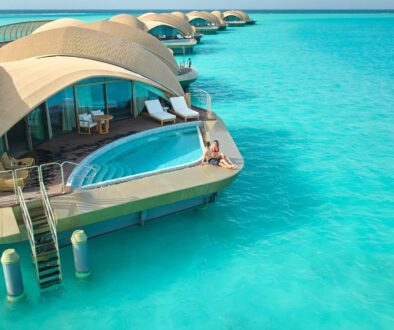
Luxury Safari (Premium Lodge): Breathtaking lodges with infinity pools and views of the savanna. Butler service, gourmet cuisine, exclusive conservancies with hardly any other tourists. Absolutely dreamlike – but the price difference is enormous.
My honest opinion: For a first safari, a mid-range option is perfectly adequate. The animals are the same in every price range. What makes the difference is a good guide and a private vehicle. That's the most worthwhile investment.
Budget safari in Kenya: low costs, shared experience
The budget option is suitable if wildlife viewing is clearly more important than comfort. Camping and a shared minibus reduce costs; however, in a vehicle you'll be sharing the route, space, and schedule with other travelers. Early starts, simpler meals, and fewer spontaneous stops are part of the trade-off. Expect to pay €350–500 per person for a three-day budget safari from Nairobi, excluding long-haul flights. For a complete trip, you should factor in park entrance fees, coastal excursions, and travel to the starting point separately.
Mid-range safari in Kenya: Cost-effective with targeted comfort
Mid-range safaris proved to be the most sensible middle ground on my trip: a private vehicle with a guide, plus camps and hotels instead of exclusively luxury lodges. A tented camp offers a real bed, shower, and good food without losing the feeling of being in the wilderness. My ten-day trip, including five safari days and a domestic flight to Diani Beach, cost around €5,800 for two people. This concrete experience illustrates better than a flat daily rate how to combine safari and beach time.
Luxury safari in Kenya: Lodge costs and exclusivity
On a luxury safari, you're paying for premium lodges, personalized service, prime locations, and private conservancies with fewer other vehicles. Therefore, decide how important comfort and exclusivity are to you compared to additional safari days. You can find more information about this combination of nature experience and comfort in my [article/guide/etc.]. Luxury Adventure Travel Guide.
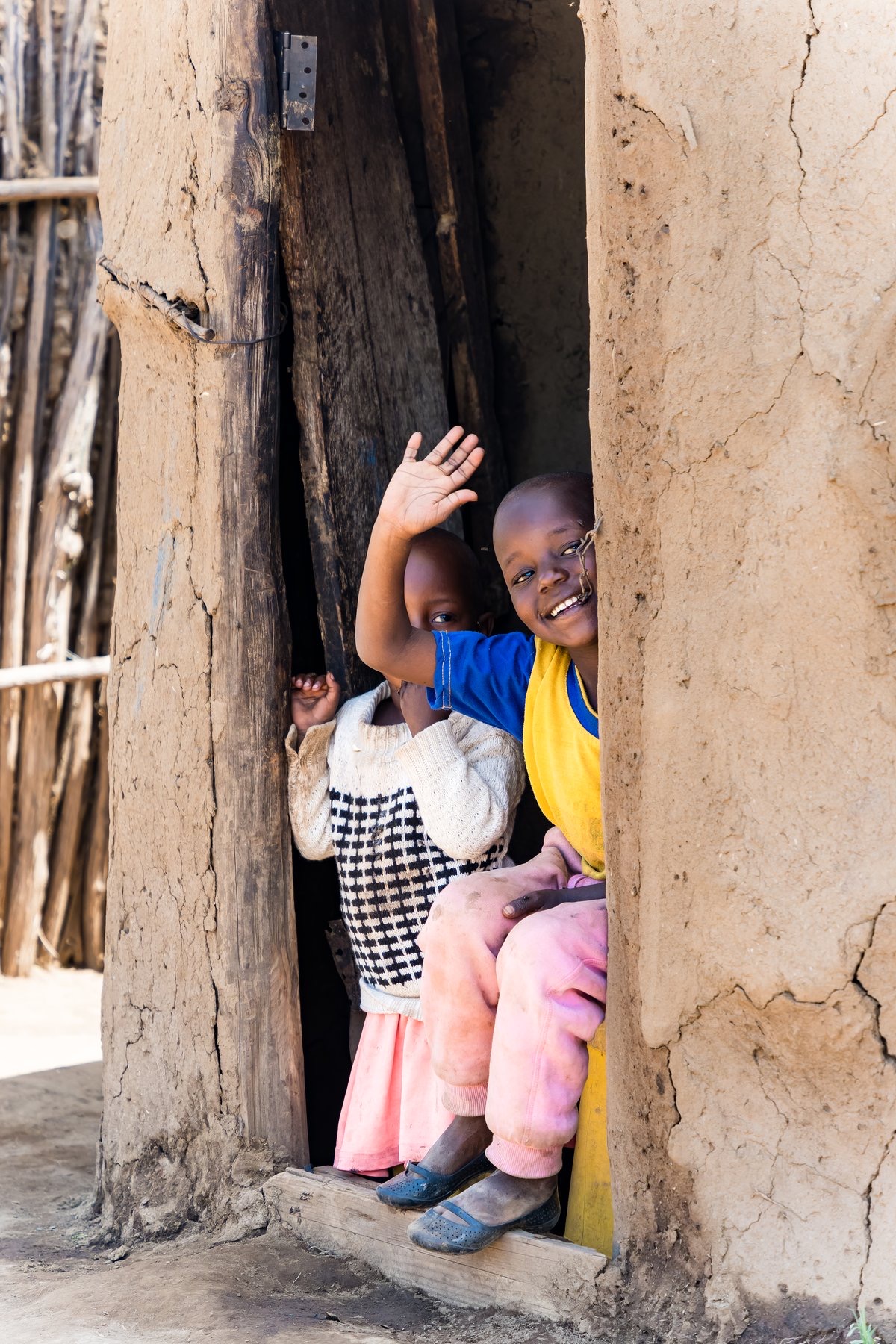
Kenya holiday with safari: Costs and route for ten days
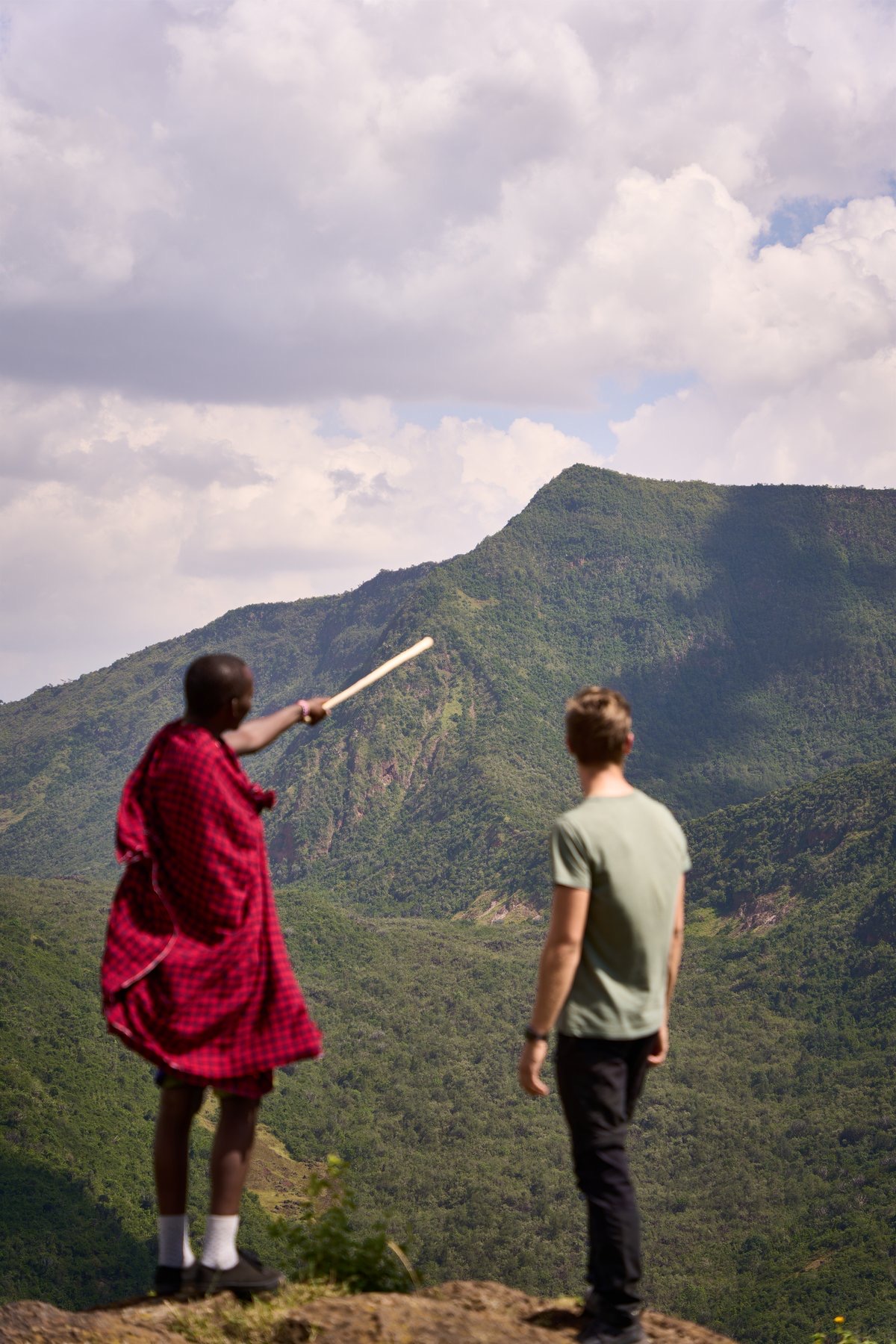
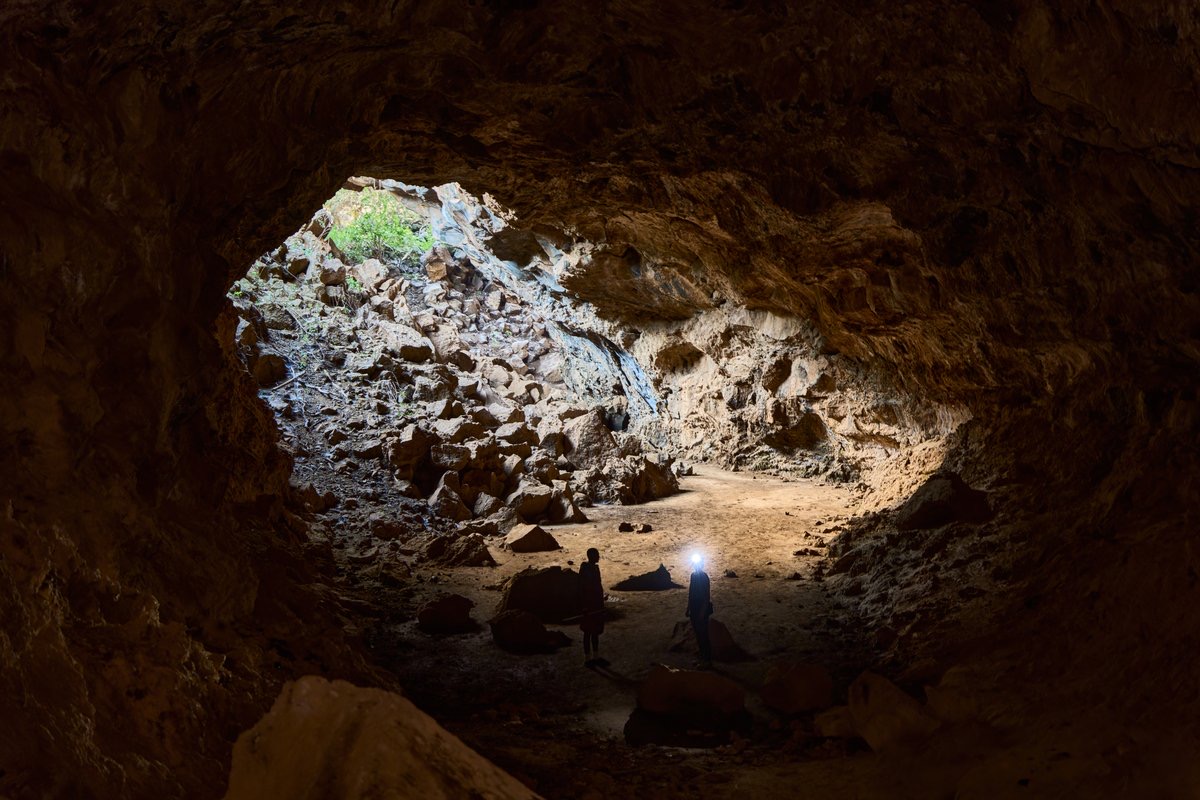
The route connects the city, three distinct safari regions, and the coast. Thus, the trip consists of more than just game drives: Nairobi provides a first impression, the Maasai Mara the vast savannah, Lake Nakuru the lake district, Amboseli the view of Kilimanjaro, and Diani Beach relaxation on the Indian Ocean. Those who wish to delve deeper into the personal encounters and landscapes will find them in my Kenya travelogue about Maasai, safari and dream beaches.
- Days 1-2: Nairobi Arrival, recovery from jet lag, David Sheldrick Elephant Orphanage, Giraffe Centre. Accommodation: Hotel in Karen (quiet suburb). Budget: €30–50/night.
- Days 3–5: Maasai Mara (3 days/2 nights) The highlight. Lions, leopards, elephants, wildebeest, zebras — all in one day. Up early at 6:00, game drive until 10:00, lunch break, second drive from 15:00–18:00. Visit to a Maasai community. Tented camp: €80–150/night.
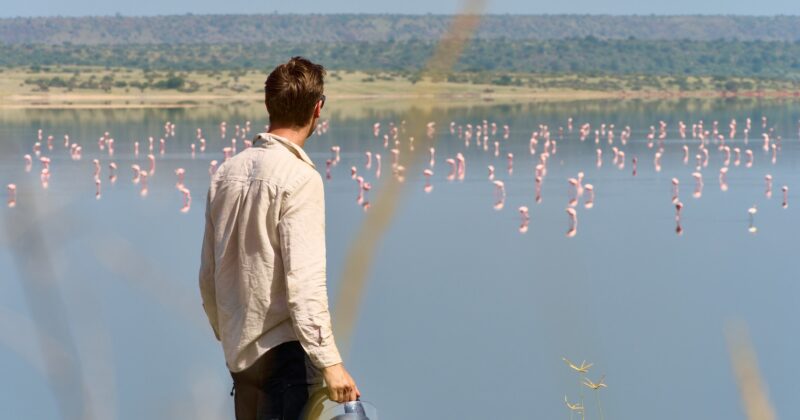
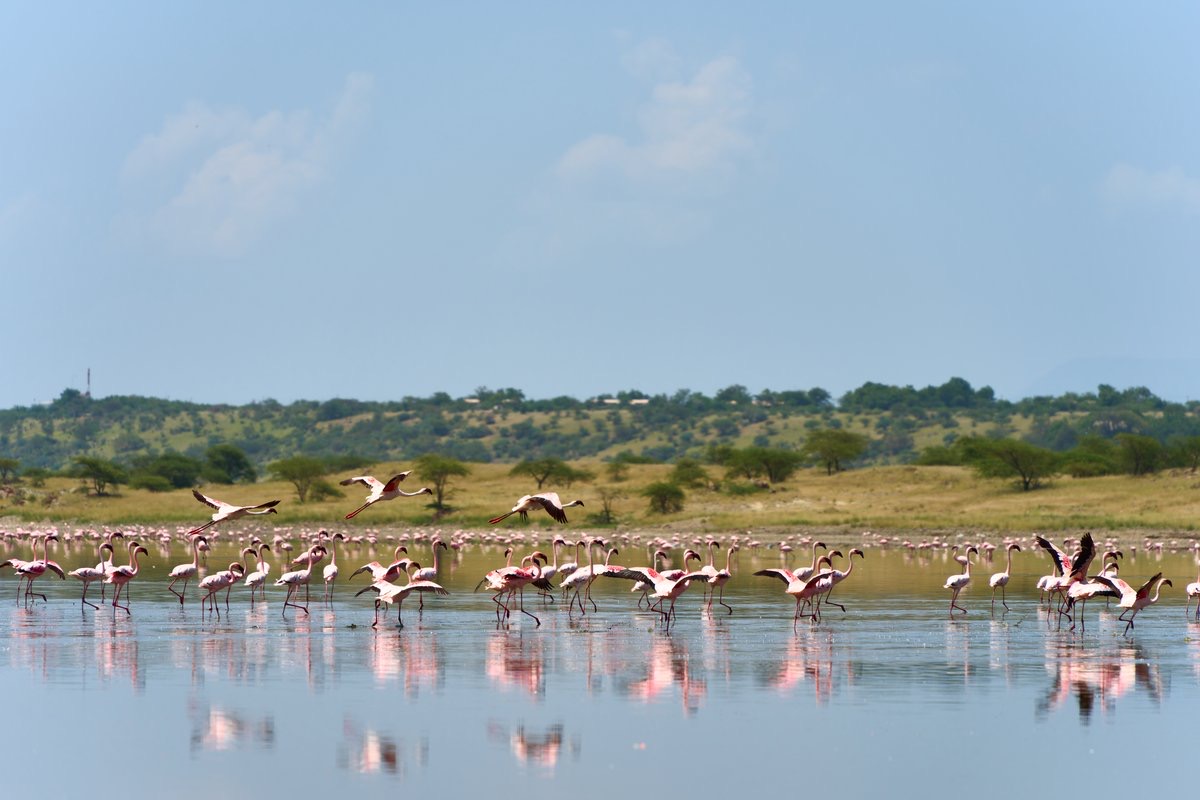
- Day 6: Lake Nakuru Pink flamingos (thousands!), rhinos, giraffes against a backdrop of lakes. Perfect as a stopover on the way to Amboseli. Budget lodge: €40–70/night.
- Days 7–8: Amboseli National Park Elephants in front of Kilimanjaro — Kenya's most iconic image. Amboseli is smaller and more manageable than the Mara, perfect for photography. Camp: €60–100/night.
- Days 9–10: Diani Beach White sandy beach on the Indian Ocean. Snorkeling, relaxation, seafood. The perfect end to a safari. Flight from Ukunda back to Nairobi. Beach hotel: €50–100/night.
Kenya Safari Regions: Parks, Landscapes and Cost Planning
Safari in Nairobi: Kenyan wildlife against the skyline
Nairobi National Park lies within the city limits. There, you can observe lions, rhinos, giraffes, zebras, and buffalo against the backdrop of the skyline. This makes Nairobi more than just a layover at the airport. The David Sheldrick Elephant Orphanage and the Giraffe Centre in Karen are also featured in my travelogue. Plan to include these stops at the beginning of your trip, rather than just treating them as transit points between your flight and safari.
Maasai Mara in Kenya: Safari and Great Migration
The 1,510 square kilometer Maasai Mara borders the Serengeti to the north. Between July and October, the Great Migration, with wildebeest, zebras, and gazelles, traverses this shared ecosystem. Even outside these months, the animal density is high. Elephants, giraffes, hippos, and crocodiles were among the animals I observed. A stay of several days is recommended because light, animal movements, and sightings change between morning and afternoon drives.
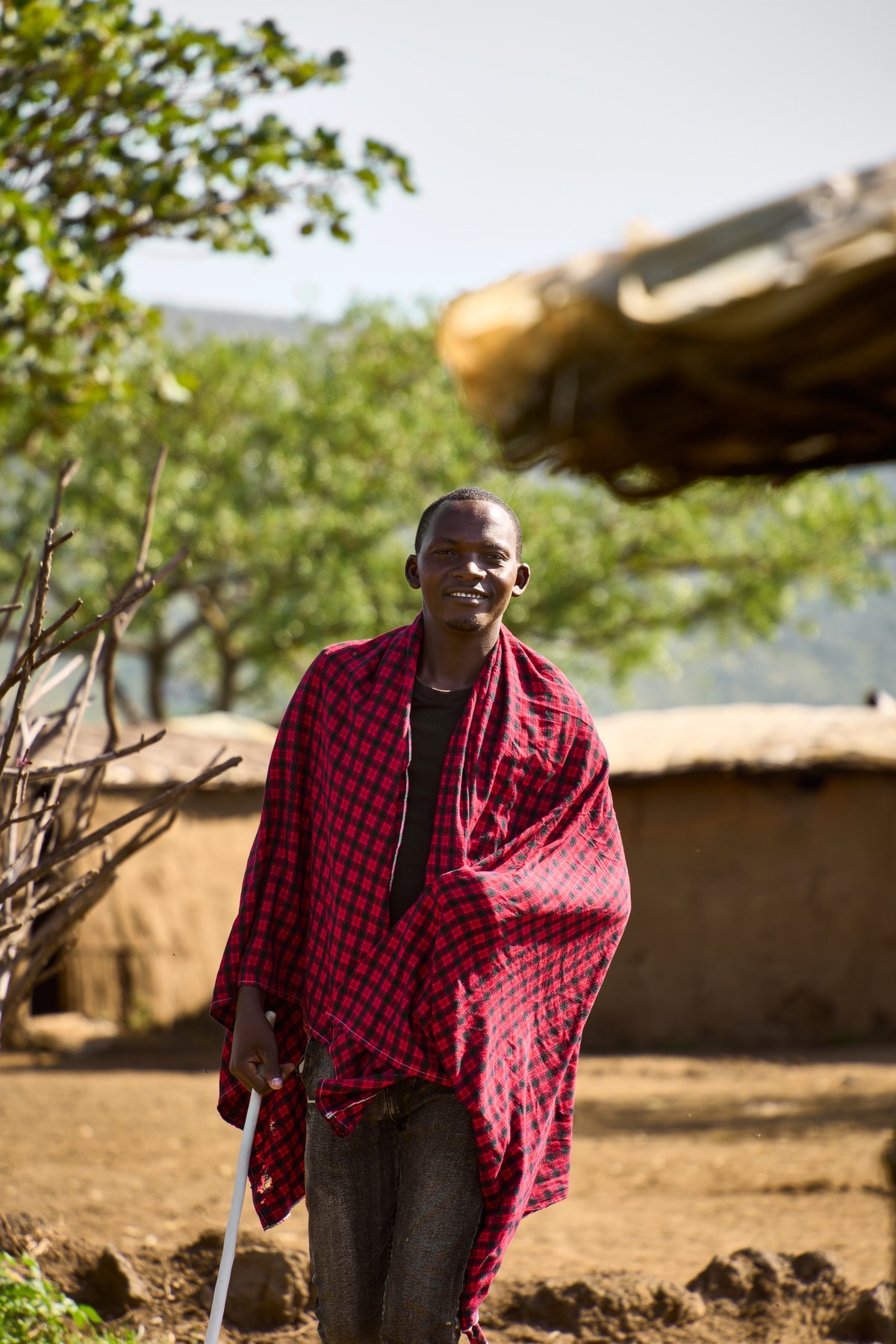
For me, the region also includes encounters with the Maasai. I spent the night in a boma and experienced traditional songs, the adumu jumping dance, and the daily life of the community. Such visits shouldn't be treated as a short show. Time, respect, and genuine exchange transform this activity into a cultural experience.
Lake Nakuru in Kenya: Safari at the Great Rift Valley
Lake Nakuru is a logical stopover between the Mara and Amboseli. I saw flamingos, rhinos, and giraffes there against the backdrop of the lake. Nakuru thus offers a different visual focus than the vast savannah. In addition to accommodation, factor in the park fee of USD 52 per person per day and the extra driving time.
Amboseli in Kenya: Safari with a view of Kilimanjaro
Amboseli is smaller and easier to navigate than the Mara. Its signature feature is elephants against the backdrop of Kilimanjaro, making the region particularly interesting for photography. I've allocated two days for this route and budgeted for $52 USD per day for park entry. Combined with the Maasai Mara, this creates a varied safari experience instead of several similar days in different parks.
Kenya Safari and Beach: Diani Beach as the finale
Diani Beach is located about 30 kilometers south of Mombasa. White sand, the Indian Ocean, and snorkeling opportunities make the coast a welcome contrast to the early morning game drives. My ten-day itinerary includes two beach days and the return flight from Ukunda to Nairobi.
Practical tips for your Kenya safari and costs
Check vaccinations, malaria prophylaxis and entry requirements with a tropical medicine specialist or official authorities before your trip, as they are subject to change.
On safari, you're often several hours away from the nearest hospital. Therefore, check whether your travel insurance covers medical expenses and medically necessary repatriation.
- Health and entry requirements: Plan to check the current regulations well in advance of your departure.
- Best time to travel: July–October (Great Migration in the Mara) or January–February (fewer tourists, good visibility). Avoid the rainy season (April–May).
- Camera: A telephoto zoom lens is essential — 200mm minimum, 400mm ideal. My setup: camera + 70–200mm f/2.8 + drone (for landscape shots, NOT over animals!).
- Clothing: Neutral colors (khaki, brown, olive green). No black (attracts flies), no white (gets dirty immediately), no blue (tsetse flies).
- Cash: In Nairobi and Diani you can pay by card. Safari camps often only accept cash (USD or KES). Bring 200–300 USD in small bills.
FAQ — Frequently Asked Questions about Kenya Safari Costs
How much does a ten-day safari in Kenya cost?
For the safari and beach holiday combination calculated here, the total cost per person ranges from €1,450 to €2,150 for a budget-friendly trip, €2,200 to €3,850 for a mid-range trip, and €4,850 to €10,350 for a luxury trip. This includes the items listed in the table, from flights and park fees to accommodation, meals, insurance, and other expenses. My own mid-range trip cost approximately €5,800 for two people.
When is the best time to go on a Kenyan safari?
July to October is the peak season for the Great Migration in the Maasai Mara. January to March is an alternative with fewer visitors; I was there in February and experienced stable weather, little rain, and good visibility. January to March and September to November are pleasant times on the coast. Expect the long rainy season from April to June and avoid April and May if possible.
What is the minimum cost for a budget safari in Kenya?
A 3-day budget safari from Nairobi (group vehicle, camping) costs from €350–500 per person, excluding flights. With flights from Germany: from approximately €800–1,000.
Are safari costs cheaper in Kenya or Tanzania?
Kenya tends to be cheaper. Tanzania's park fees (especially for the Serengeti and Ngorongoro) are significantly higher. For budget safaris: Kenya. For exclusive wilderness: Tanzania.
Can I organize a Kenya safari myself?
Yes, but not recommended for a first safari. A local guide knows the animal routes, talks to the rangers, and navigates the bumpy tracks. You can book significantly cheaper through local agencies than through European tour operators.
What animals can you see on a Kenyan safari?
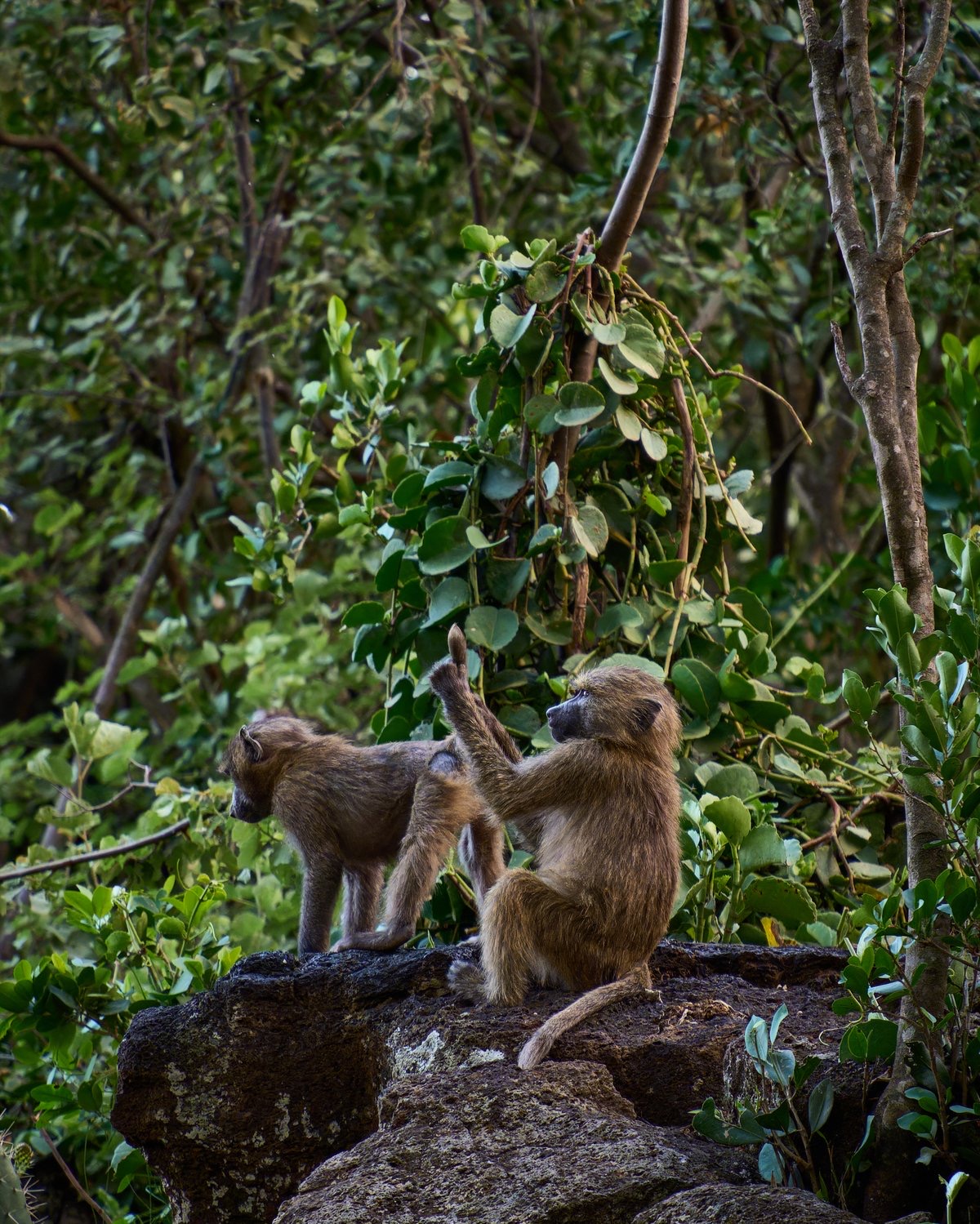
Elephants, zebras, giraffes, buffalo, wildebeest: almost guaranteed. Lions: very likely (90%+). Leopards: with luck (50%). Cheetahs: rare. Rhinos: only in certain areas (Nakuru, Ol Pejeta).
Do I need a drone on a Kenyan safari?
Drones are prohibited in Kenyan national parks. I only flew the drone outside the parks—for landscape and Maasai village shots. Be sure to obtain permission from the KCAA beforehand.
Kenya safari content: Collaboration with Max
As a travel content creator, I produce photo and video content for tourism boards, hotels, and brands. This includes aerial footage, cinematic reels, and visual storytelling from destinations I've personally visited. If you're planning a campaign focused on Kenya, safaris, or luxury adventures, you can find information about my services and how to contact me on my website. Request Collaboration.
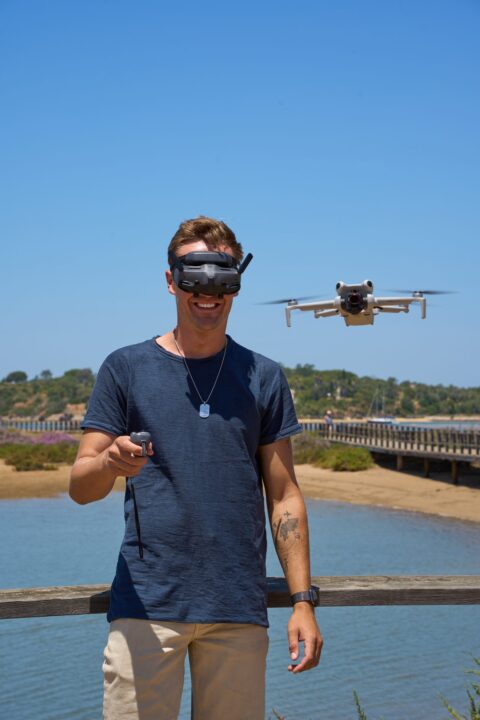
Max Haase
Travel Content Creator · Drone Photographer · Visual Storyteller
Since over 10 years professional travel creator with over 4 million followers. Specializing in high-end tourism board collaborations and visual travel storytelling.
 German
 English