
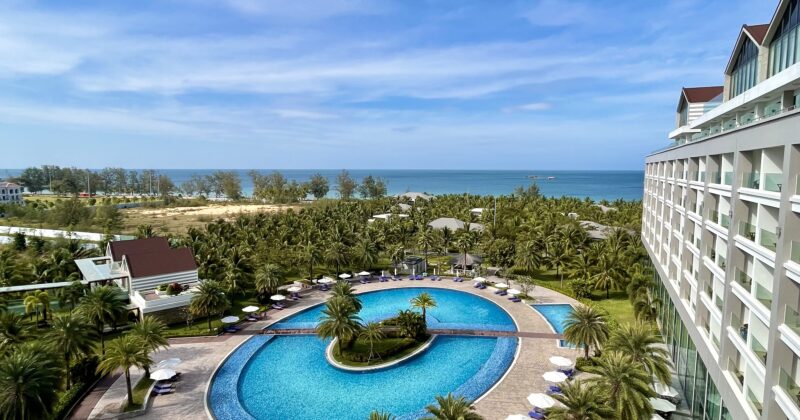
Vietnam Phu Quoc: Weather, hotels & best time to travel to Vietnam
Phu Quoc — Vietnam's tropical island paradise in the Gulf of Thailand
When I first heard about Phu Quoc, my reaction was honestly: Where is that, anyway? A Vietnamese island in the Gulf of Thailand, closer to Cambodia than to Ho Chi Minh City—it didn't exactly sound like an obvious travel destination. But that's precisely what makes Phu Quoc so special: For most German travelers, this island is still a blank spot on the map, while for Asian tourists it's already a hotspot. After a week on the island, I can say: Phu Quoc completely surprised me—and deserves far more attention.
- Arrival: From Ho Chi Minh City, a 55-minute flight; ferry from Ha Tien for 12 euros with a Cambodia combination ticket — 30 days visa-free for Germans.
- Beaches: Sao Beach with the whitest sand in Southeast Asia; Ong Lang Beach as a quiet alternative; Starfish Beach with hundreds of starfish.
- Hon Thom cable car: The world's longest overwater cable car, 7.9 km long, up to 170 m above sea level; ticket only about 10 euros for a 15-minute panoramic view.
- Cost: Street food meal 2-5 euros, scooter from 5 euros per day, snorkeling tour 15-25 euros; weekly budget from 800 euros.
- Travel time: November to March is the dry season with temperatures between 28-32 degrees Celsius and plenty of sunshine; Long Beach offers a different sunset every evening.

Getting there — How to get to Phu Quoc
Getting to Phu Quoc is easier than you might think. Since the international airport opened in 2012, there have been direct flights from Ho Chi Minh City (55 minutes), Hanoi (2 hours), and even some international destinations like Singapore, Seoul, and Bangkok. From Germany, the best option is to fly via Ho Chi Minh City—the connection is both affordable and efficient.
Alternatively, there's a ferry from Ha Tien on the Cambodian border, which takes about 90 minutes. This route is worthwhile if you've already traveled around Cambodia—it's only 5-6 hours from Phnom Penh to Ha Tien. The ferry costs around €12 per person, and the crossing through the Gulf of Thailand is an experience in itself when the weather is good.
German citizens enjoy a significant advantage: Vietnam grants visa-free entry to Phu Quoc for up to 30 days, even without a Vietnamese visa. However, this only applies if you remain on the island. If you wish to travel to the mainland afterward, you will need a regular visa (e-visa online, approximately USD 25).
Phu Quoc Beaches: Long Beach, Ong Lang Beach & Hidden Gems
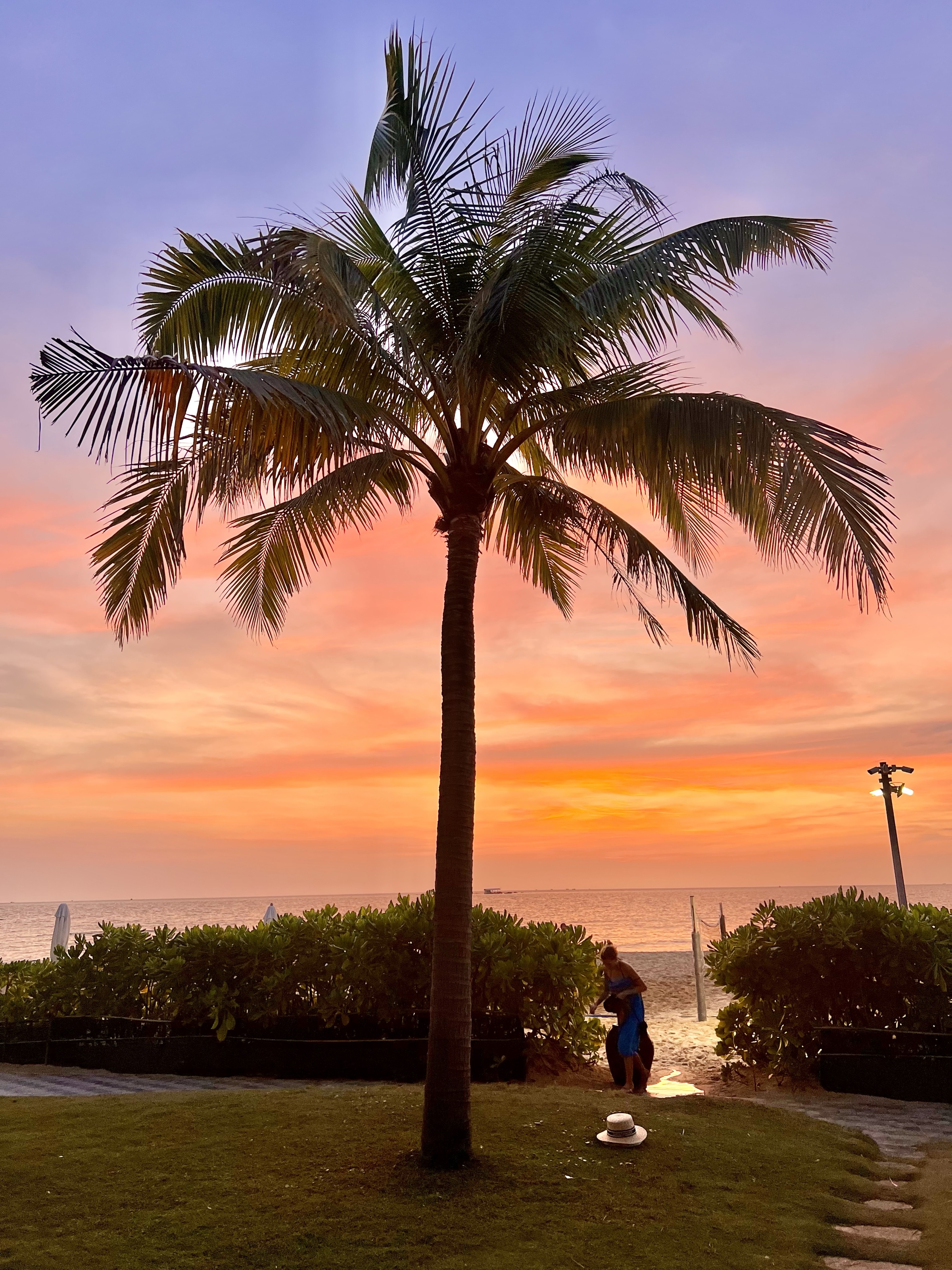
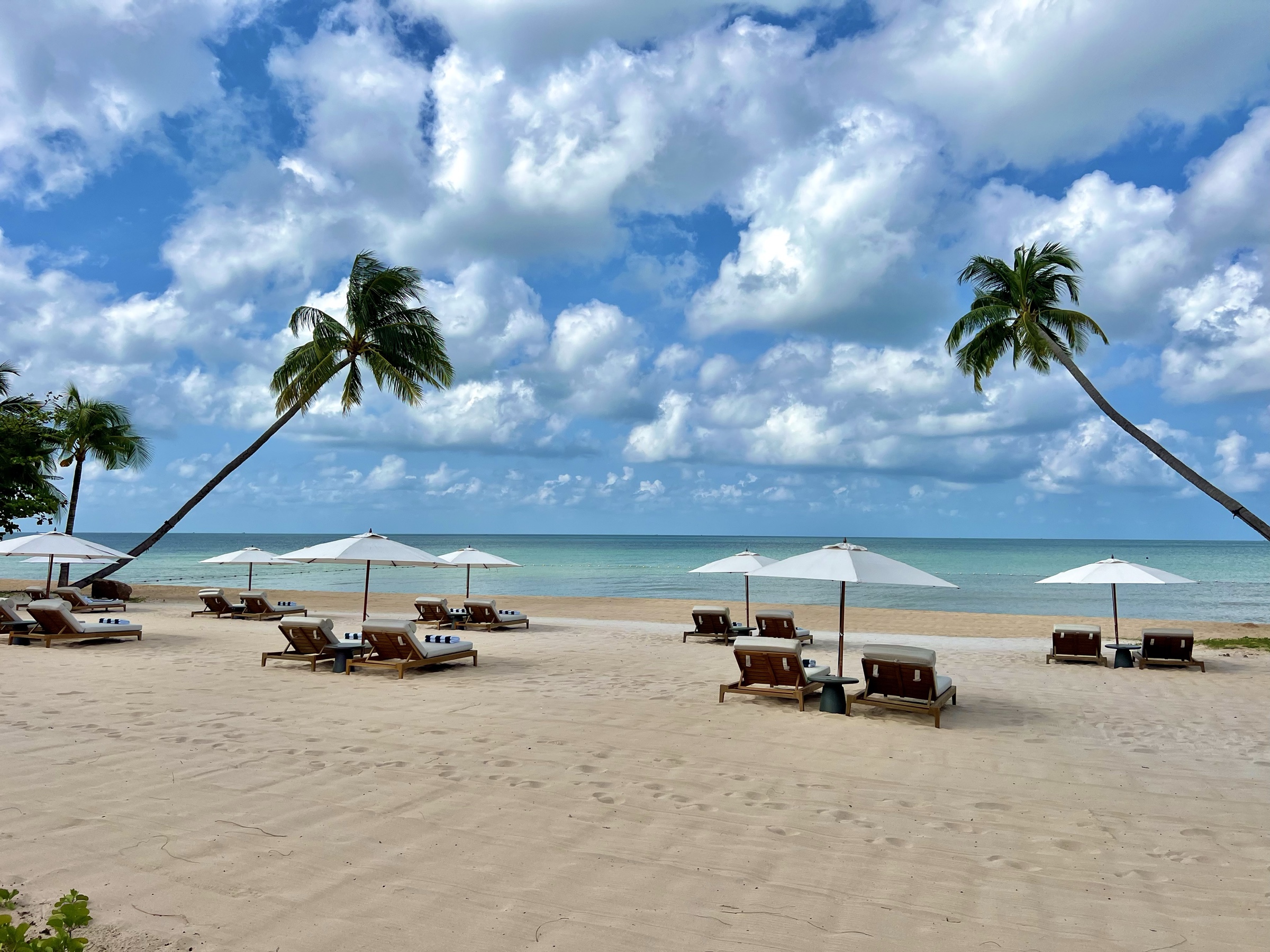
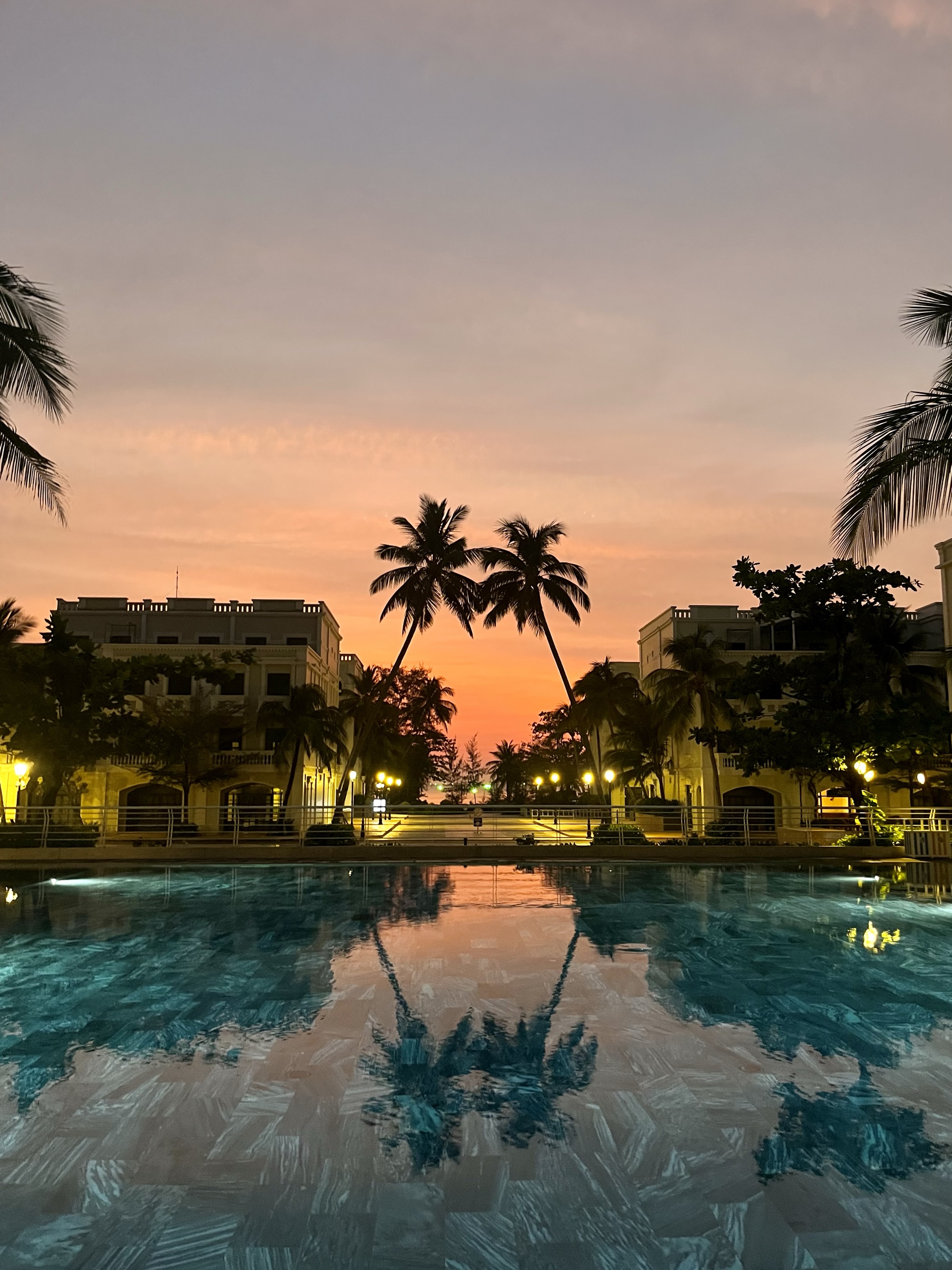
Phu Quoc boasts over 150 kilometers of coastline and some of the most beautiful beaches in Southeast Asia. The most famous is Long Beach (Bai Truong) on the west coast—a roughly 20-kilometer stretch of sand where most of the hotels and resorts are located. The sunset here is legendary: a perfect golden sphere sinking into the Gulf of Thailand. I photographed it every single evening of my stay, and each time it looked different.
But the real highlights lie away from Long Beach:
Sao Beach (Bai Sao) — The Instagram beach
Sao Beach in the south of the island has the whitest sand and the most turquoise water I've seen in all of Southeast Asia. Seriously—the water is so clear you can see 5 meters down to the seabed from the jetty. The wooden swings in the water have become a popular photo spot, and yes, I couldn't resist either. Tip: Arrive early in the morning (before 9 a.m.) and you'll practically have the beach to yourself. From 10 a.m. onwards, the day-trippers arrive and it gets crowded.
Ong Lang Beach — My personal favorite
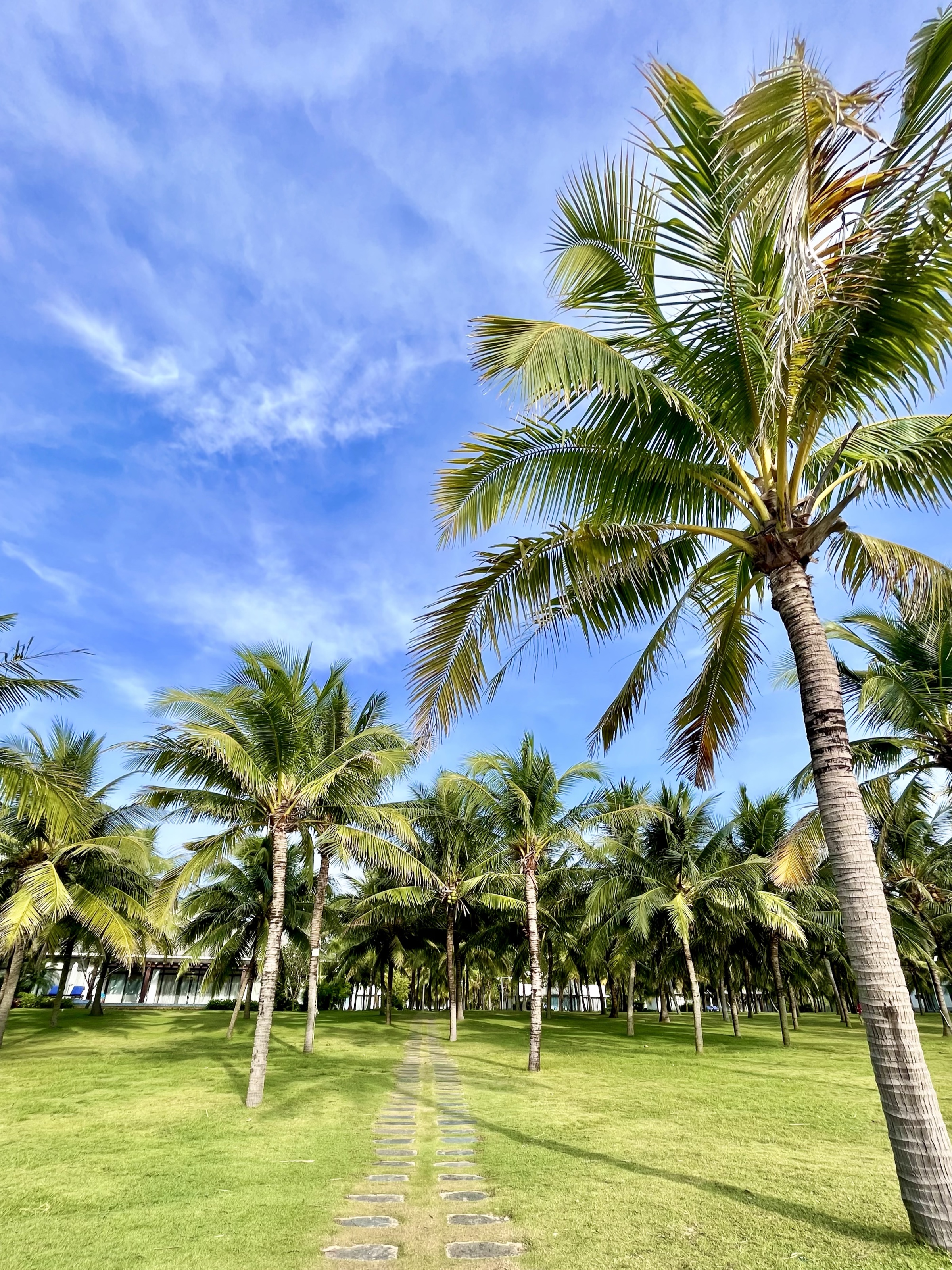
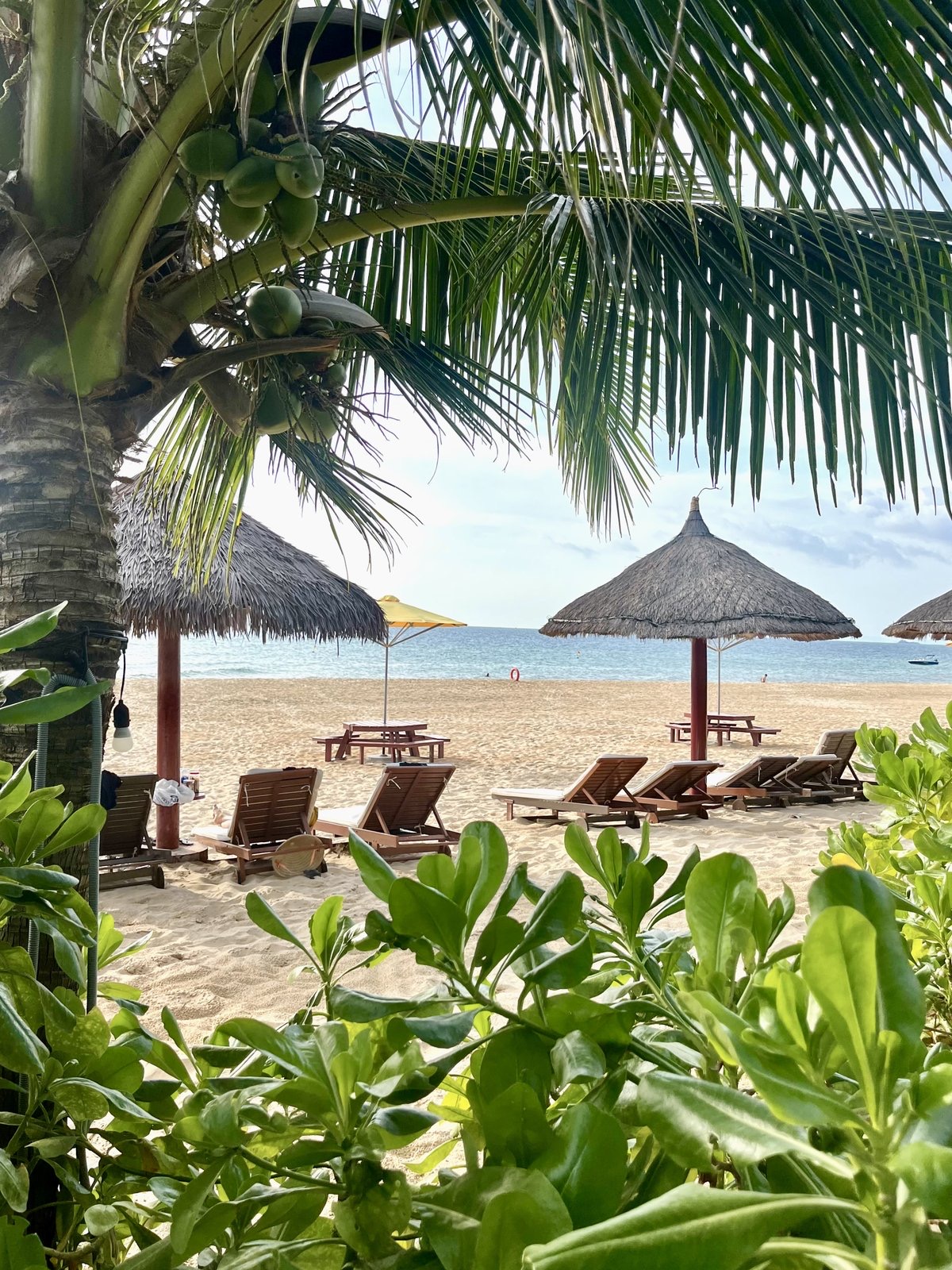
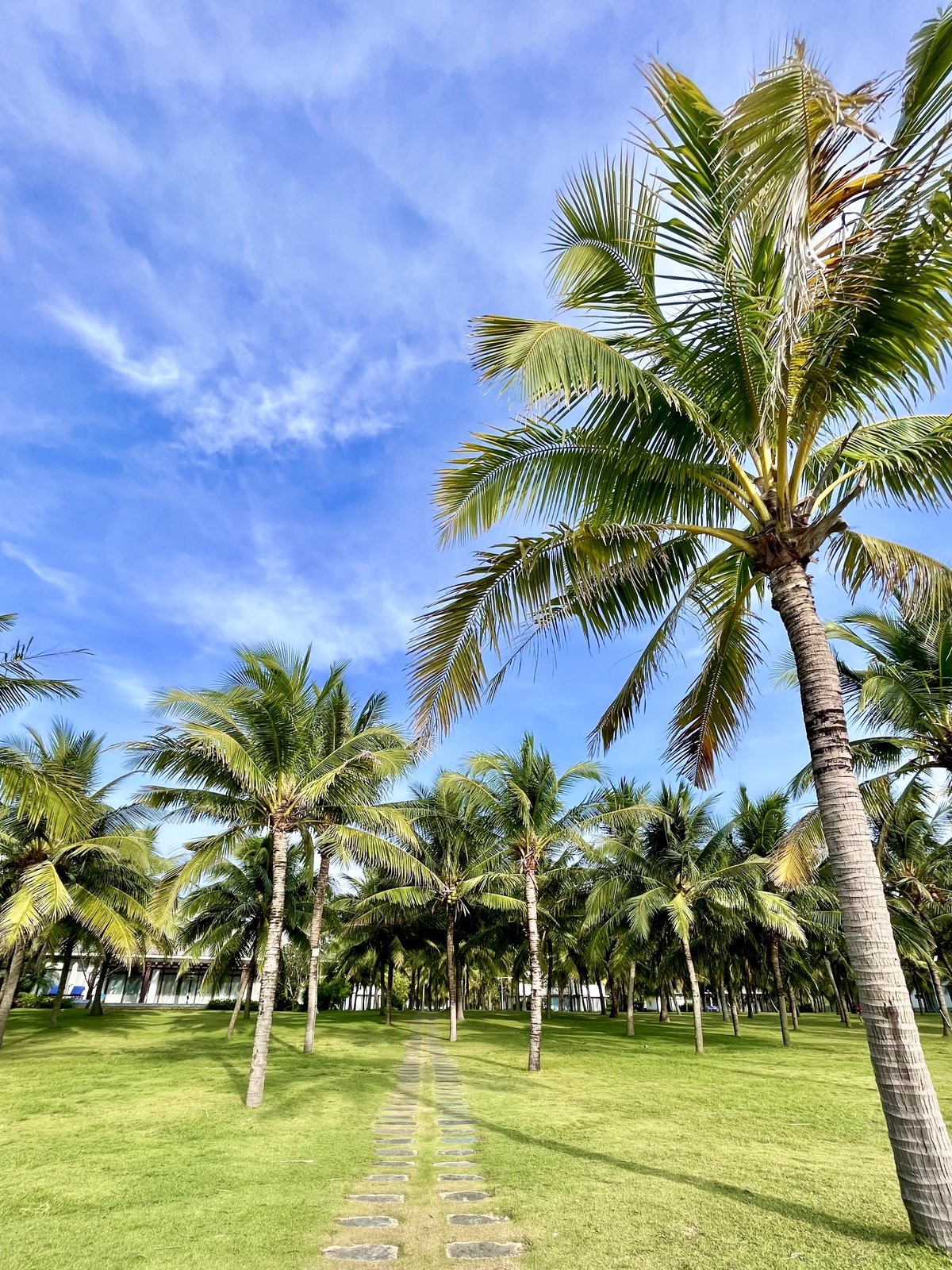
Ong Lang Beach Ong Lang Beach on the northwest coast is what Long Beach was 10 years ago: quiet, unspoiled, and with a fraction of the tourists. Palm trees still stand right on the water's edge, small boutique resorts are nestled in the greenery, and in the evenings you hear nothing but waves and crickets. Ong Lang is perfect for drone photography—the coastline with its rock formations looks spectacular from above.
Starfish Beach (Bai Rach Vem) — Surreal nature experience
Starfish Beach lies in the north of the island, and the name says it all: Hundreds of orange-red starfish float in the shallow, crystal-clear water. It feels like an aquarium, only you're right in the middle of it. Please don't touch them or take them out of the water—the starfish are delicate. Taking photos and marveling at them is perfectly sufficient.
Drone footage on Phu Quoc — rules and best spots
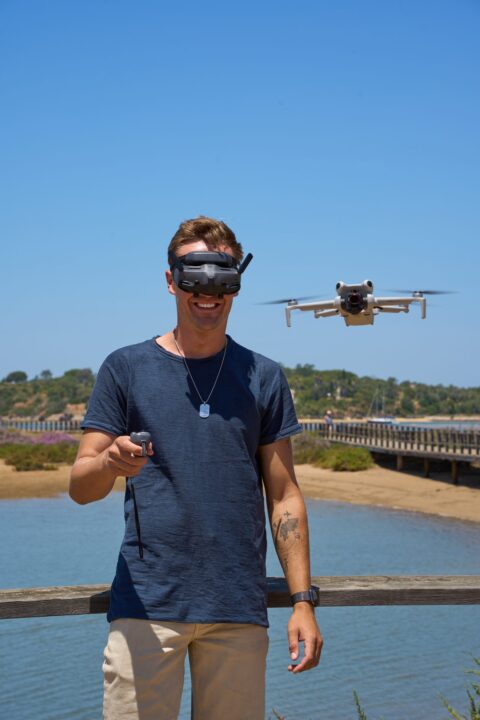
Vietnam officially has strict drone laws—theoretically, you need a permit from the Civil Aviation Authority. In practice, however, the rules are relatively relaxed on Phu Quoc, especially on the more remote beaches. I launched my DJI Mini 5 Pro (under 249g) from several spots and never had any problems. Nevertheless, always fly respectfully, not over people, not near the airport, and keep the drone within visual line of sight.
My top 5 drone spots on Phu Quoc:
- Sao Beach: The turquoise play of colors from above is breathtaking — especially at low tide when sandbanks form.
- To the Thoi Islands: The archipelago in the south with its small uninhabited islands and the cable car panorama
- Ganh Dau Beach: In the north, with a view of Cambodia on the horizon
- Hon Thom cable car: The world's longest overwater cable car (7.9 km) from above — an absolute highlight
- Ong Lang Beach at sunset: The rock formations cast long shadows in the golden light.
Things you absolutely must do on Phu Quoc
The Hon Thom cable car — 8 kilometers above sea level
The Sun World Hon Thom Nature Park cable car is a truly superlative experience: 7.9 kilometers long, up to 170 meters above sea level, it connects the main island with Hon Thom Island. The ride takes about 15 minutes and offers a panoramic view that left me speechless. Below you: turquoise sea, small fishing boats, uninhabited islands. A ticket costs around €10—a steal for what you get.
Duong Dong Night Market — Street Food Paradise
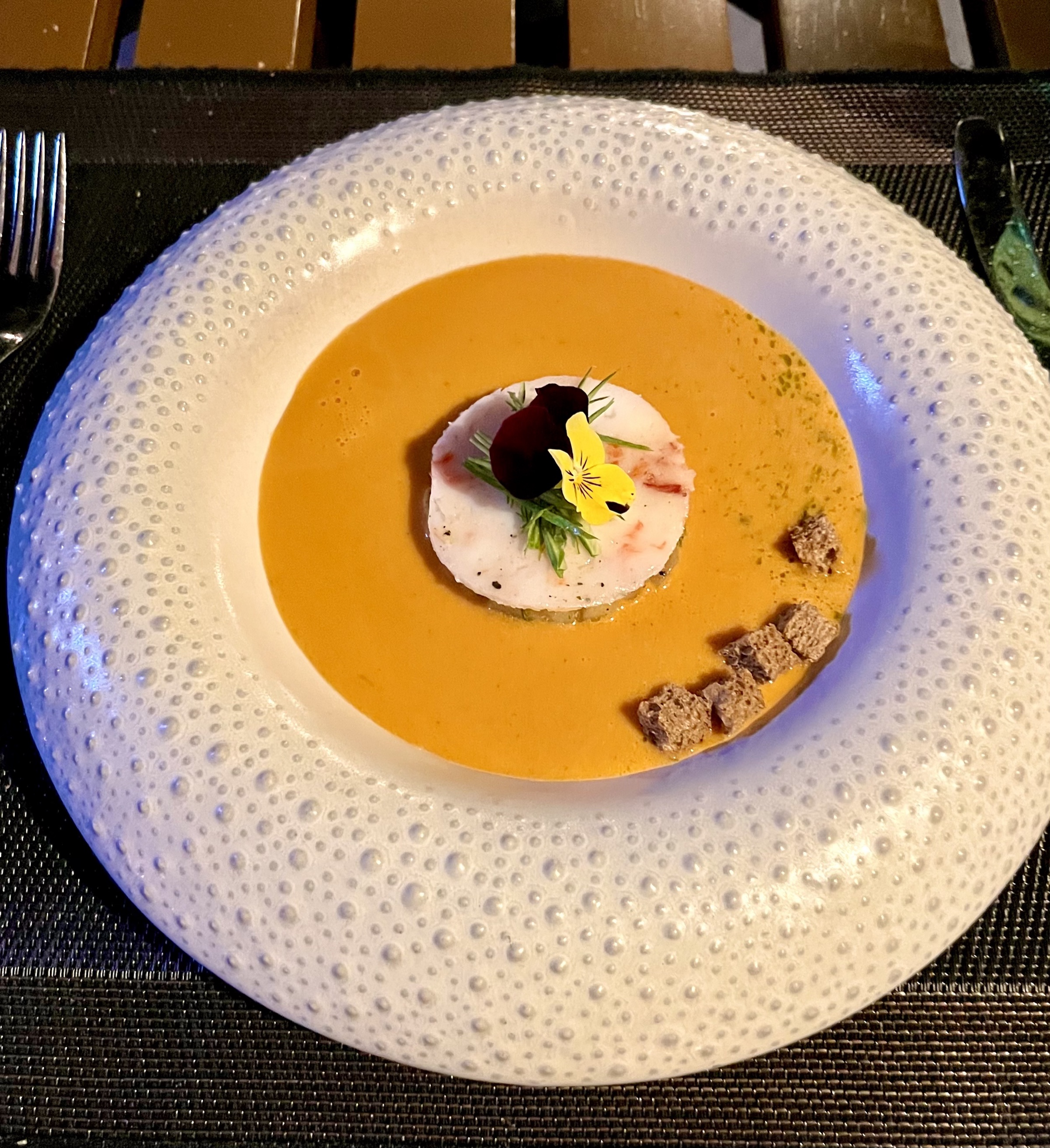
Every evening, the capital city of Duong Dong transforms into a street food paradise. The night market along the waterfront is a feast for food lovers: grilled lobsters, fresh mussels, shrimp skewers, and of course, pho in all its variations. Best of all, a full meal of fresh seafood, rice, and a cold Saigon beer rarely costs more than €5-8. I went there every evening and tried something new each time. My highlight: the sea urchin soup (Sup Nhum) — it tastes much better than it looks.
Phu Quoc Pepper Farm
What many don't know: Phu Quoc produces some of the best peppercorns in the world. Phu Quoc pepper is famous among chefs worldwide and is even used in Michelin-starred restaurants. A tour of a pepper farm takes about 30-45 minutes and costs nothing (except for the pepper you buy at the end—which you definitely will). Fresh pepper tastes so completely different from the stuff you find in the supermarket that you'll wonder what you've been eating all your life.
Snorkeling and diving at the An Thoi Islands
The archipelago south of Phu Quoc consists of 15 small islands with pristine coral reefs. A snorkeling trip by boat costs around €15-25 per person (including lunch!) and takes you to 3-4 different spots. Underwater visibility is often 15-20 meters—ideal for my DJI Action 6 Pro, which I use for all my underwater shots. The highlight was a school of several hundred damselfish that I swam through.
Costs on Phu Quoc — Surprisingly affordable
| Position | Costs (approx.) |
|---|---|
| Flight from Germany (return, with layover in Ho Chi Minh City) | €500–800 |
| Boutique resort per night | €30–80 |
| 5-star resort per night | €100–300 |
| Scooter rental per day | 5–8 € |
| Street Food (Meal) | 2–5 € |
| Restaurant (Seafood) | 5–15 € |
| Snorkeling tour (full day) | 15–25 € |
| Hon Thom cable car | ~10 € |
| 1 week total (budget) | €800–1,200 |
| 1 week total (Comfort) | €1,500–2,500 |
Phu Quoc weather & best time to travel: Month by month
The best time to travel is from November to March—the dry season with temperatures between 28 and 32°C and plenty of sunshine. December is perfect: warm weather, little rain, and the high season has just begun, so prices are still moderate. From May to October is the rainy season, which doesn't mean it rains all day—short, heavy showers in the afternoon are typical, followed by sunshine. The rainy season has one advantage: prices drop by 30-501 TP3T, and the island is significantly less crowded.
My stay was in January, and the weather was perfect on 6 out of 7 days — blue skies, light winds, temperatures around 30°C. On the only cloudy day, the light was even better for photos because the colors of the sea appeared more intense without direct sunlight.
Getting around on the island
There are essentially three options: scooter, taxi/Grab (the Asian equivalent of Uber), or rental car. I recommend the scooter—it's the cheapest and most flexible mode of transport. For €5–8 per day, you can get an automatic scooter that allows you to explore the entire island. The roads have been massively improved in recent years, and the traffic is significantly calmer than on the Vietnamese mainland.
Phu Quoc Hotel Tips: From Backpacker Hostels to Luxury Resorts
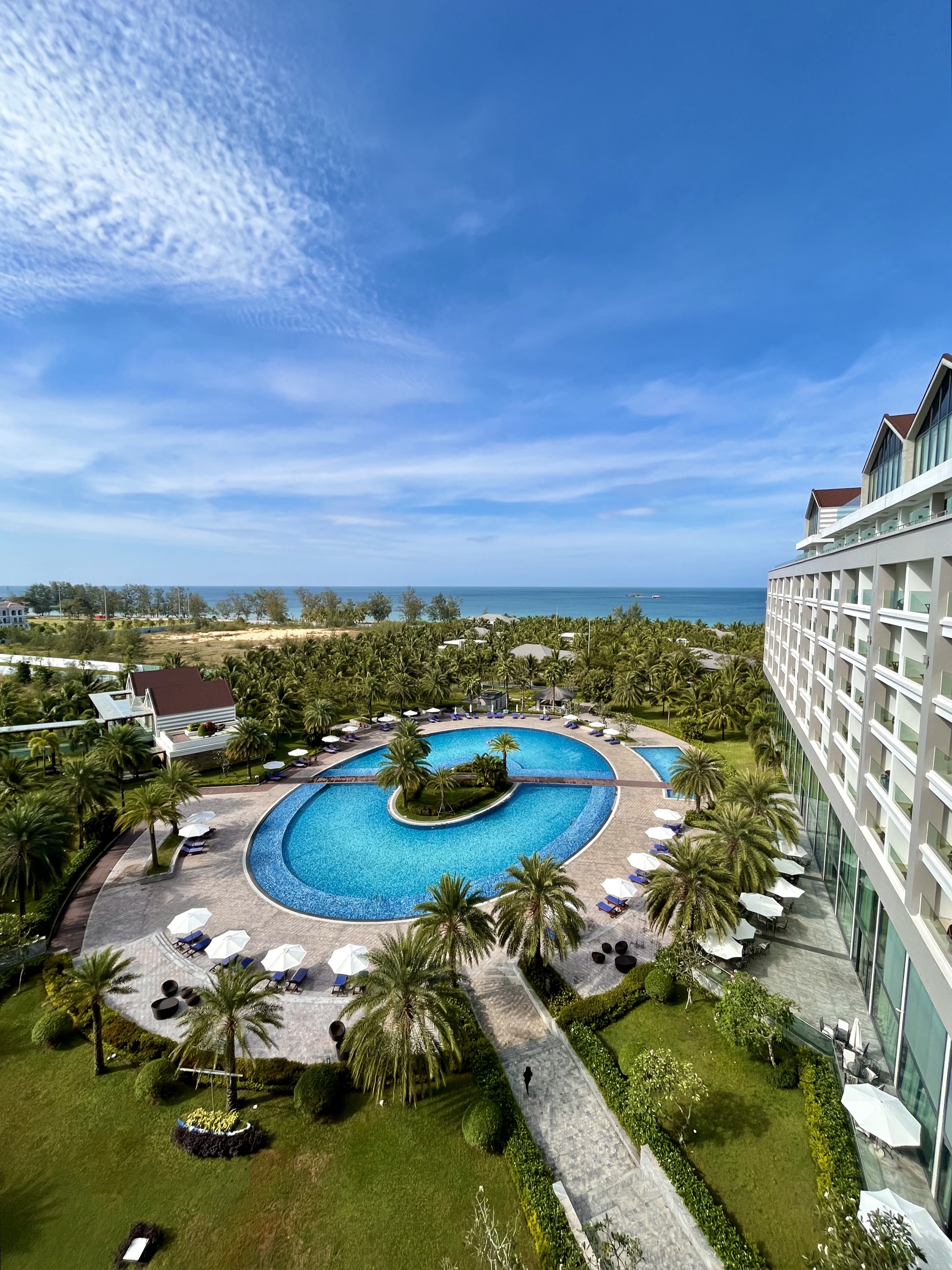
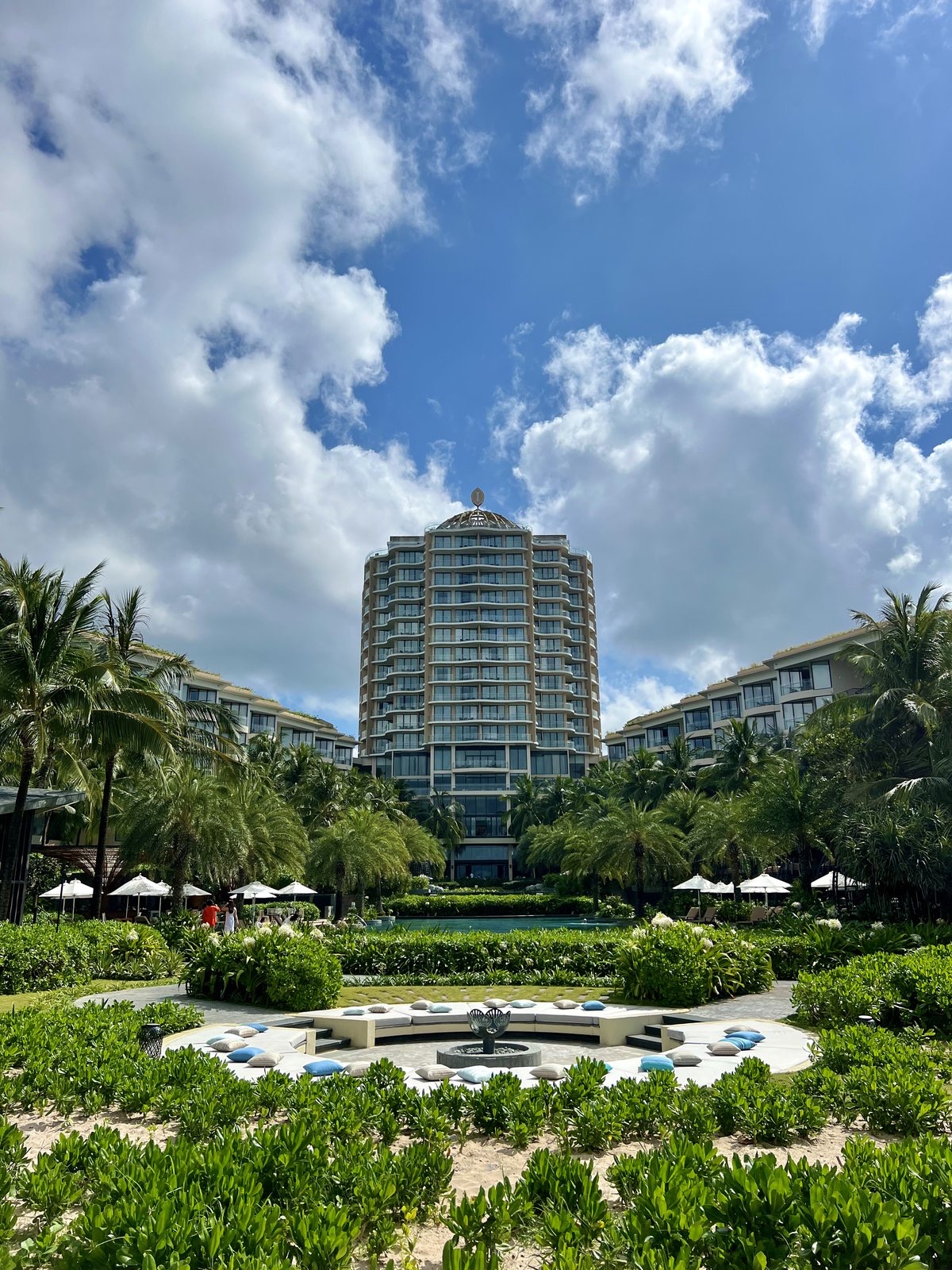
Phu Quoc has experienced a construction boom in recent years, and the range of accommodations is enormous. Along Long Beach, resorts line up one after another—from simple guesthouses for €15 a night to Intercontinental hotels for €400+ a night. My recommendation for the best value: the area around Ong Lang Beach. Here you'll find charming boutique resorts with a pool, direct beach access, and breakfast for €40-70 a night. The Mango Bay Resort and the Chen Sea Resort are two of my favorites.
For backpackers, the area around the night market in Duong Dong is ideal — central, affordable, and with good access to the beaches. Dorms are available from €5-8 per night, private rooms from €12-20.
Frequently asked questions about Phu Quoc
Do I need a visa for Phu Quoc?
No, as a German citizen you can stay on Phu Quoc for up to 30 days visa-free — provided you travel directly to the island and do not leave for the mainland. If you want to travel to mainland Vietnam after your stay on Phu Quoc, you will need an e-visa (online, 3-5 days, approx. USD 25).
Is Phu Quoc safe?
Phu Quoc is extremely safe. Violent crime is practically nonexistent. Petty crime (pickpocketing) does occur, but is rare. The biggest "danger" is road traffic—drive carefully on your scooter and always wear a helmet. Don't drink tap water (bottled water costs €0.20–€0.50), and eat street food at busy stalls (high turnover = fresh food).
How many days do I need for Phu Quoc?
Five to seven days are enough to see the highlights. My ideal itinerary: two days at the beaches in the south (Sao Beach, An Thoi), one day snorkeling, one day in the north (Starfish Beach, Ganh Dau), one day in Duong Dong and at the night market, and one to two days relaxing by the pool or on the beach. If you really want to explore the island in depth, ten days is ideal.
Can I fly a drone on Phu Quoc?
In practice, yes—with limitations. Officially, Vietnam requires a permit for drone flights. On Phu Quoc, this is handled more leniently on beaches and in nature, as long as you fly responsibly. Keep your distance from the airport (at least 5 km), don't fly over crowds, and be respectful to locals. My DJI Mini 5 Pro (under 249g) didn't raise any questions at the airport upon arrival.
Is Phu Quoc worth visiting compared to Thailand?
Absolutely — especially if you're already familiar with Thailand. Phu Quoc is cheaper than most Thai islands (Koh Samui, Phuket), significantly less crowded, and offers a more authentic experience. The food is fantastic, and the infrastructure has improved dramatically in recent years. Thailand does better when it comes to nightlife and parties. However, if you're looking for peace, nature, and genuine island charm, Phu Quoc is the better choice.
Max Haase
Travel Content Creator · Drone Photographer · Visual Storyteller
Since over 10 years professional travel creator with over 4 million followers. Specializing in high-end tourism board collaborations and visual travel storytelling.


 German
 English