
Tourism Board Cooperation: How it will work in 2026
Cooperation with Tourism Boards — How it really works
In my more than ten years as a travel creator, I've worked with tourism boards from over 20 countries—from New Zealand and Saudi Arabia to Venezuela. What looks like a dream job from the outside ("Do you get paid to travel?!") is actually a complex business involving pitches, negotiations, contracts, and a lot of professional work behind the scenes.
In this post I'll explain how Tourism Board collaborations really work, what you need to bring as a creator, and what mistakes I made at the beginning.
What are Tourism Board collaborations?
Tourism boards are the official marketing organizations of countries, regions, or cities. They have budgets to promote their country as a travel destination—and are increasingly working with content creators instead of traditional advertising. The Saudi Arabian Tourism Board, for example, invests billions in marketing the country as a tourist destination, and influencer marketing is a key component of this strategy.
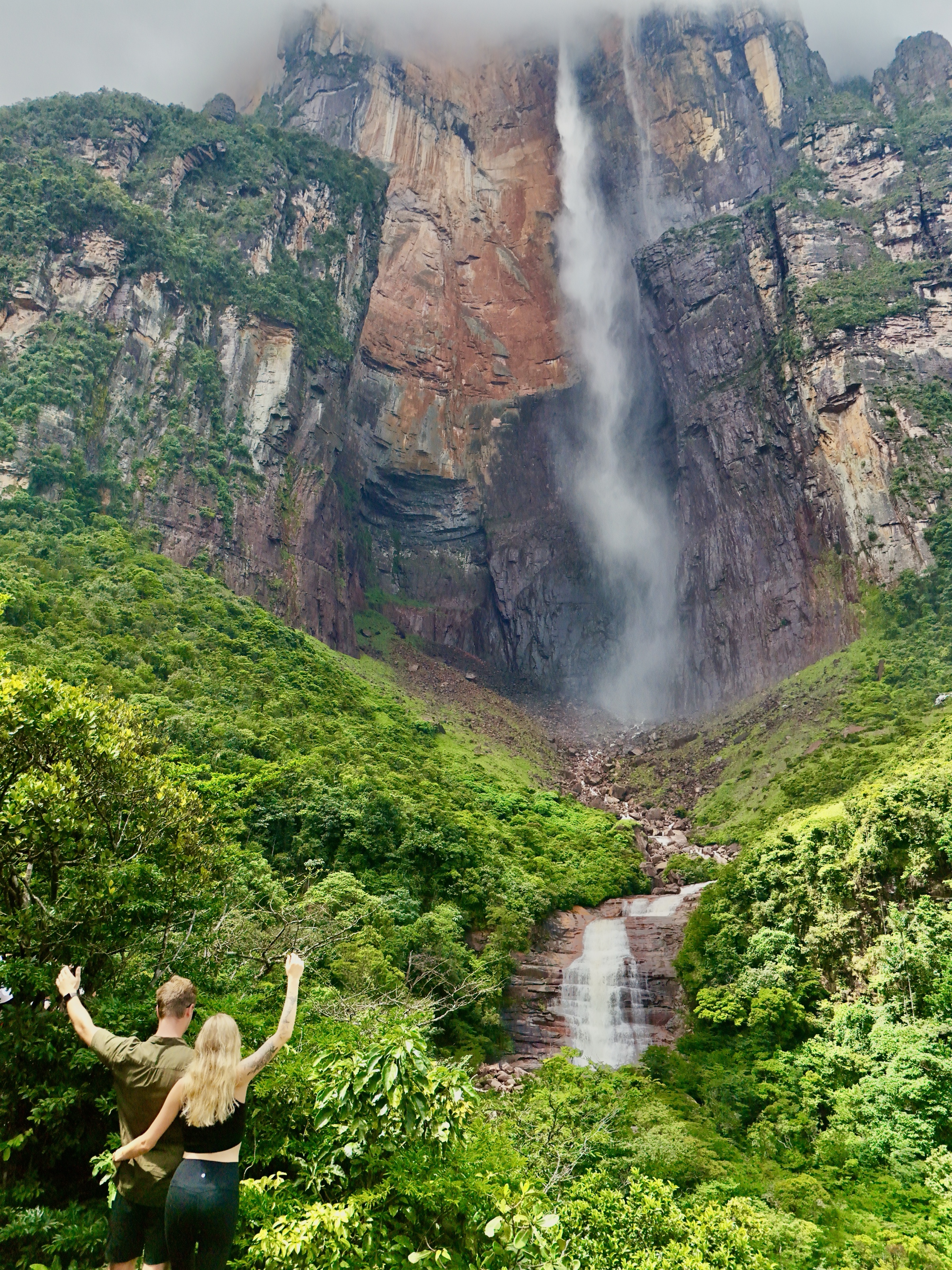
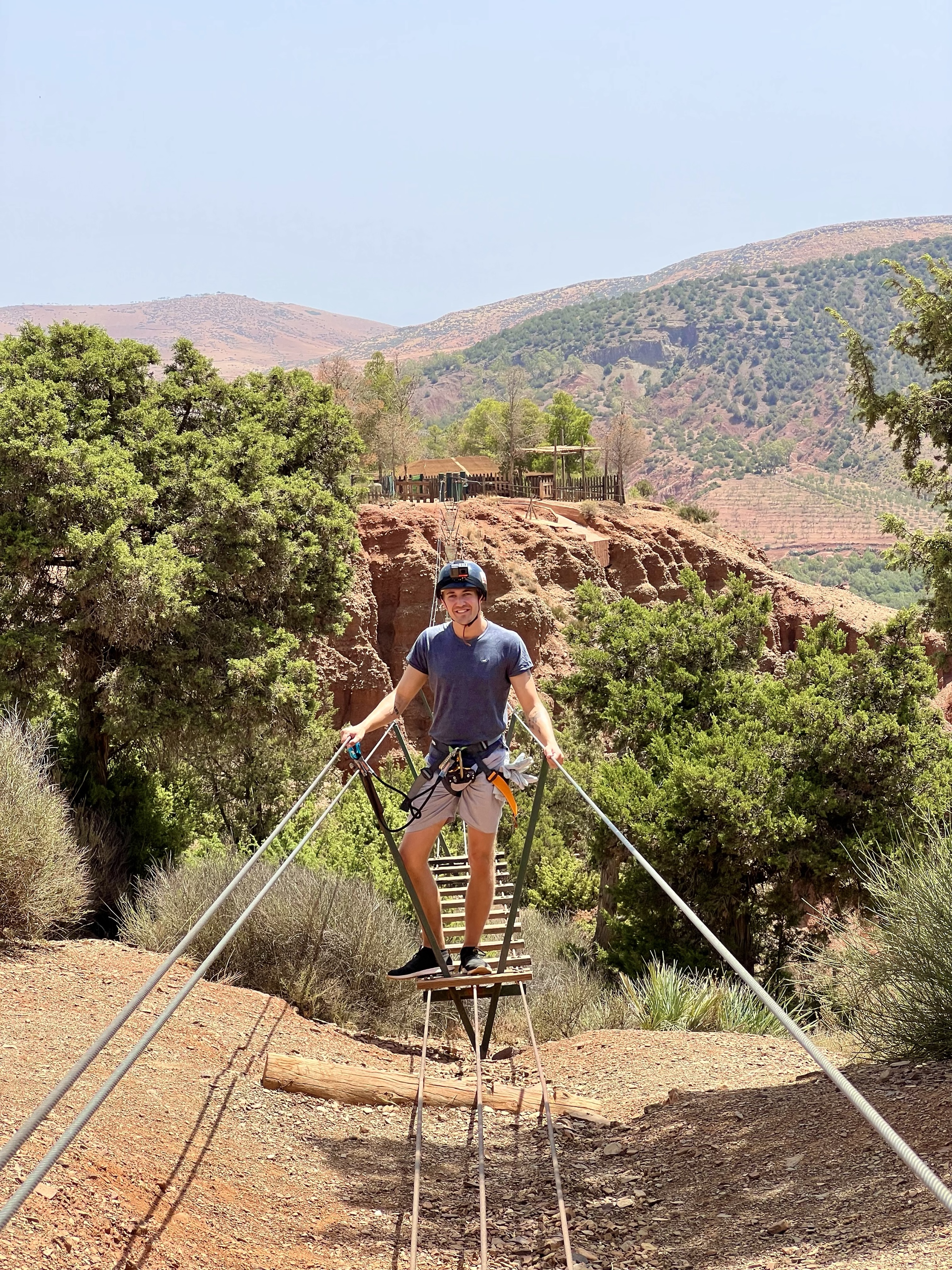
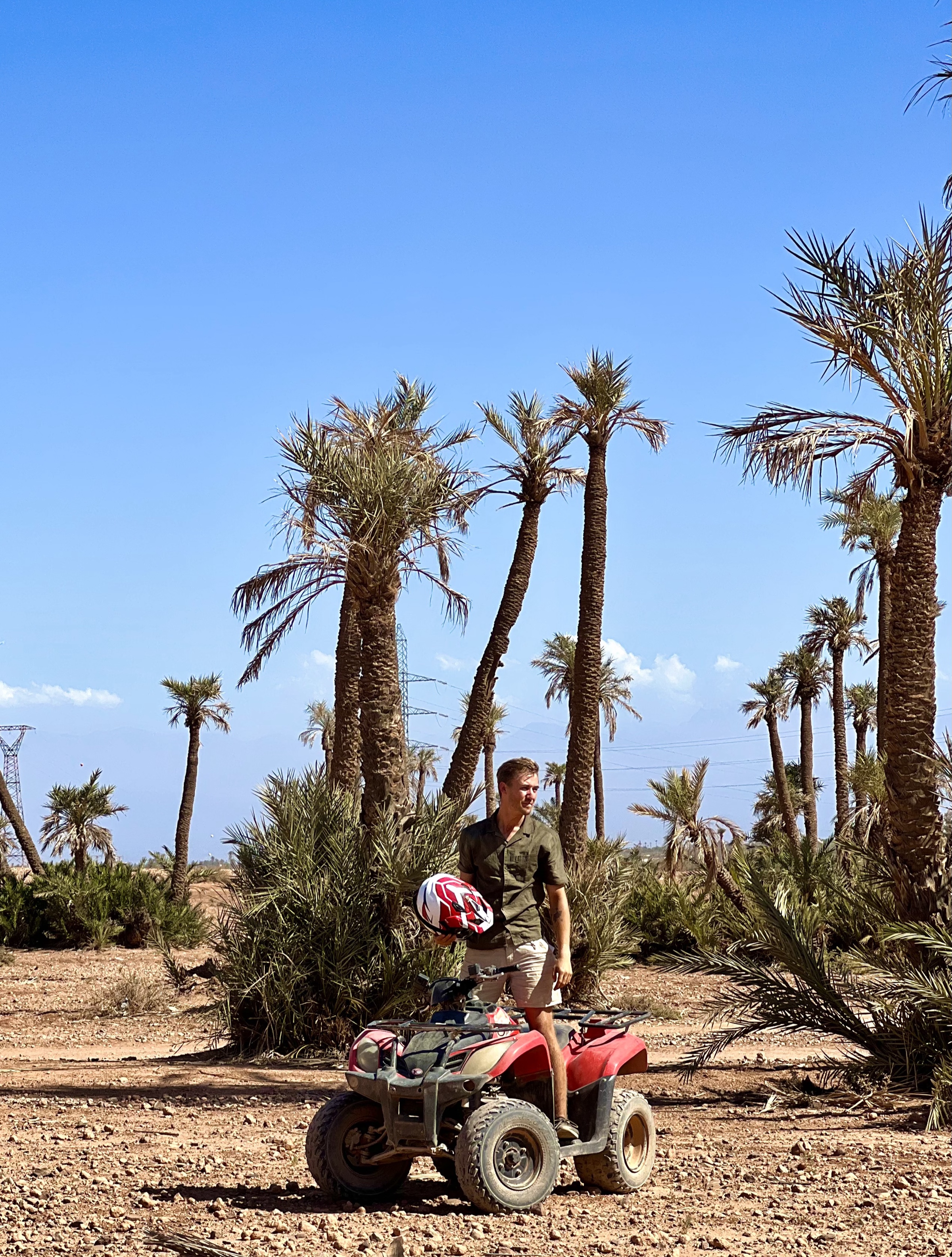
A typical collaboration can encompass everything from a one-week press trip where you explore the country and create content, to long-term ambassador programs spanning several years. The range is vast—and so is the pay.
How does a cooperation come about?
There are basically two ways:
1. The Tourism Board will contact you (inbound)
This is the most convenient option. Since I've gained over 4 million followers, most inquiries come directly to me—via email, Instagram DMs, or PR agencies representing the Tourism Board. I typically receive 3-5 inquiries per week, of which I might accept one.
The key to inbound inquiries: Visibility. Not just on Instagram, but also on Google. If a marketing manager at a tourism board searches for "German travel influencer" or "Travel Influencer Germany," your name has to come up. That's precisely why I invest so much in SEO and my website.
2. You actively pitch to the Tourism Board (outbound)
At the beginning of my career, I contacted tourism boards myself. It works—but it requires strategy. Here's my tried-and-tested approach:
- Research: Find out who is responsible for influencer marketing at the Tourism Board. LinkedIn is invaluable for this.
- Media Kit: Create a professional media kit with real numbers — reach, engagement rate, target audience, previous collaborations.
- Creative concept: Don't just pitch "I want to travel to you," but a concrete content concept: "5 drone spots in your country that no one has shown yet."„
- References: Show results of previous collaborations — reach, engagement, content created.
The typical process of a Tourism Board cooperation
Phase 1: Contact and briefing (2-8 weeks before the trip)
Once initial contact is established, a detailed briefing follows. The Tourism Board specifies which regions, activities, and messages should be the focus. For example, in my collaboration with the Colombian Tourism Board, the briefing was: "Showcase Colombia as a safe, diverse travel destination—moving away from the old narcos image."„
During this phase, I also negotiate the terms: fee, travel expenses, content scope, usage rights, and timelines. More on that later.
Phase 2: Travel and content production (5-14 days)
The actual trip is the most intense part. I typically have a full schedule with location visits, activities, and meetings with local guides. At the same time, I produce content: photos with my Sony A7 IV, drone footage with the DJI Mini 5 Pro, and action cam footage with the DJI Action 6 Pro.
A typical day looks like this: Getting up before sunrise for the best drone light. Three to four locations a day. In the evening: Reviewing photos, initial editing, posting Instagram Stories. Vacation? Not a chance. It's work—albeit in an incredibly beautiful setting.
Phase 3: Post-production and release (2-6 weeks after the trip)
After the trip, the real work begins: sorting and editing photos, cutting Reels, writing blog posts, and preparing Stories. For a one-week trip, I typically produce 10-15 Instagram posts, 3-5 Reels, 20+ Stories, and one in-depth blog post. That quickly adds up to 40-60 hours of post-production.
Phase 4: Reporting and Billing
Finally, I deliver a report to the Tourism Board with all the KPIs: reach, impressions, engagement, saves, shares. Most Tourism Boards also want the media files in high resolution for their own channels—separate usage rights are agreed upon for this.
How much can you earn from Tourism Board collaborations?
That's the question I get asked most often. The honest answer: It varies wildly. Here's a realistic overview:
| Type of cooperation | Creator Level | Fee range |
|---|---|---|
| Press trip (costs covered only) | Micro (10-50k) | €0 + travel |
| Press trip + fee | Mid (50-500k) | €2,000–€8,000 |
| Single campaign | Macro (500k-1M) | €8,000–25,000 |
| Premium campaign | Mega (1M+) | €15,000–€50,000+ |
| Long-term ambassadors (6-12 months) | Mega (1M+) | €50,000–200,000+ |
Important: These figures are gross and do not include production costs. Flights, hotels, equipment wear and tear, insurance, post-production – all of this needs to be factored in. Of a €15,000 fee, perhaps €7,000-€8,000 remains after taxes and expenses.
The five biggest mistakes in Tourism Board collaborations
1. Accept barter deals
The most common mistake, especially at the beginning: Tourism boards offer "flight + hotel in exchange for content." It sounds tempting, but it's a losing proposition. You invest 40+ hours of work and get a trip worth maybe €2,000. Your hourly wage: less than €50. I learned early on: no fee, no collaboration. Exceptions are only made for absolute dream destinations that are strategically valuable for my portfolio.
2. Have no contract
Always—ALWAYS—have a written contract. I once produced content for a tourism board that then didn't pay for months. Since then, I only work with a contract and a 50% deposit before the trip.
3. Promising too much content
Many creators try to outdo each other in pitches with content promises: "20 posts, 10 reels, 50 stories!" The problem: Quality suffers massively. Less content of the highest quality is better. My rule of thumb: A maximum of 2 posts per travel day.
4. Giving away usage rights
Usage rights are a separate item. If the Tourism Board wants to use your images for their website, brochures, or advertising, that costs extra. I charge a surcharge of 30-50% on the base fee for extended usage rights.
5. Inability to say no
Not every collaboration is a good collaboration. I reject 80% of all requests—either because the budget isn't right, the destination doesn't fit my brand, or the requirements are unrealistic. Saying no is one of the most important skills as a creator.
Which tourism boards pay the best?
In my experience, there are significant regional differences:
- Highest budgets: Middle East (Saudi Arabia, UAE, Qatar), South Korea, Japan — premium prices are paid here.
- Good budgets: Scandinavia, Australia, New Zealand, Canada — professional marketing departments with realistic budgets
- Moderate budgets: Southern Europe (Portugal, Greece, Croatia), South America — often tighter budgets, but often more creative concepts
- Tight budgets: Southeast Asia, Eastern Europe — barter is often offered here, paid collaborations are less common.
How to build a Tourism Board portfolio
If you're just starting out, here's my step-by-step plan:
Stage 1 (0-50k followers): Travel at your own expense and create high-quality content. Tag tourism boards and local tourism organizations. Apply for blogger trips and press trips.
Stage 2 (50-200k followers): Create a professional media kit. Start actively pitching. Accept your first paid collaborations, even if the fees are still small.
Stage 3 (200k-1M followers): Work with an agency or manager. Demand fair fees. Build long-term relationships with tourism boards.
Level 4 (1M+ Followers): You negotiate on equal terms. Premium prices. Exclusivity. Long-term ambassador programs. This is the phase I'm currently in — and this is where the really exciting deals are made.
FAQ — Frequently Asked Questions about Tourism Board Cooperations
How do I find the right contact person at the Tourism Board?
LinkedIn is your best friend. Search for job titles like "Head of Influencer Marketing," "PR Manager," or "Digital Marketing Manager" combined with the country name. Tourism boards often work with PR agencies—you can find these with a simple Google search for "[country] tourism PR agency.".
Do I need a certain number of followers for Tourism Board collaborations?
Not necessarily. Some tourism boards work with micro-influencers with as few as 10,000 followers—though usually without payment. For paid collaborations, the threshold is generally 100,000+ followers, depending on the niche and engagement rate.
How long does it take to establish a cooperation?
From initial contact to the trip, it typically takes 2-6 months. For more spontaneous projects, it sometimes only takes 2-3 weeks. I now plan my collaborations 3-6 months in advance—this allows me to plan the best content and integrate the trip into my calendar.
Do I, as an influencer, have to pay taxes on Tourism Board fees?
Yes, absolutely. As a self-employed creator, you have to declare all income for tax purposes—including benefits in kind like paid travel. I strongly recommend consulting a tax advisor who specializes in the creator economy. The tax intricacies (business expenses, travel costs, equipment depreciation) are complex, but if done correctly, you can deduct quite a bit.
What happens if the weather is bad and I can't produce the planned content?
That's a real risk, especially with outdoor content. My contracts always include a force majeure clause that covers bad weather. During my Norway campaign, we had three days of fog—we adjusted the schedule and found alternative locations. Flexibility and a plan B are essential.
My conclusion after 10+ years of Tourism Board collaborations
Tourism board partnerships are at the heart of my business as a travel creator. They allow me to travel the world, produce incredible content, and earn a living. But it's a business—with negotiations, deadlines, contracts, and responsibilities. Those who understand this and act professionally can be extremely successful in this field.
The most important piece of advice I can give to any aspiring travel creator: Invest in your visibility and your professionalism. Tourism boards work with creators who are reliable, deliver high-quality content, and reach a clearly defined target audience. If you offer that, the inquiries will come.
About the author: Max Haase is Germany's most influential travel influencer with over 4.2 million followers. He specializes in drone footage and luxury travel. Cooperation requests here.
How I got my first Tourism Board collaboration
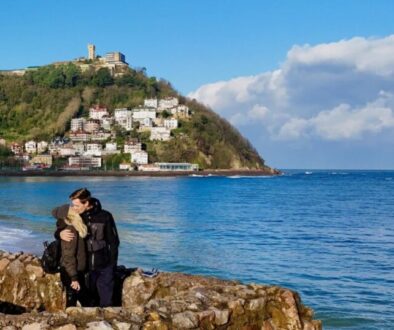
My very first real tourism board collaboration was with the Basque Country—and it came about rather indirectly. I had posted a series about northern Spain on Instagram, simply because I was traveling there privately. A marketing manager from the Basque Tourism Board saw the posts and contacted me. The offer: a week in the Basque Country, fully organized, with a small fee.
Looking back, the fee was ridiculously low—but the experience was priceless. I learned how professional collaborations work, what tourism boards expect, and how to behave professionally as a creator. This first collaboration opened doors for me: The Basque Country recommended me to other Spanish regions, and so my portfolio grew bit by bit.
Today, with over 68 Tourism Board partnerships in my portfolio, I routinely say yes or no to requests. But everyone starts small — and the first partnership is always the most difficult.
The role of PR agencies
Many tourism boards don't work directly with creators, but rather through PR agencies. These agencies curate the creator selection, organize travel, and manage communication. As a creator, you then have two points of contact: the agency for operational matters and the tourism board for strategic issues.
My experience with agencies is mixed. The good ones understand creator marketing, respect creative freedom, and pay on time. The bad ones try to squeeze out as much content as possible for as little money as possible and treat creators like interchangeable service providers.
My tip: Find out whether you're working directly with the Tourism Board or through an agency. Direct contact leads to longer-term relationships and often better budgets. Agencies, on the other hand, allow you to secure initial partnerships more quickly.
Content strategy for Tourism Board collaborations
The content you produce for a tourism board must serve two target groups: your own community AND the tourism board itself. These are often different requirements.
Your community wants authentic, honest impressions—not glossy advertising. The Tourism Board wants to showcase the country in the best possible light and convey specific messages. The challenge lies in combining both: content that feels authentic and personal, while simultaneously delivering the Tourism Board's key messages.
My approach: I always tell my personal story. "I experienced X, discovered Y, Z surprised me." This keeps the content authentic, and the destination is presented in an organically positive light — without blatant advertising messages.
For example, during my Saudi Arabia collaboration, I didn't just photograph tourist attractions, but shared my genuine surprise at how modern and hospitable the country is. That was honest, authentic—and exactly the message the Tourism Board wanted to convey.
At the end of the day, Tourism Board collaborations are partnerships. The better you understand the Tourism Board's needs and integrate them into your content, the more often they will book you again—and the higher your fees will become over time.
New: How Tourism Boards work with travel influencers — Complete guide
More articles on this topic:
- Luxury Adventure Travel — The best experiences for discerning travelers
- Influencer Marketing in Tourism – Why Tourism Boards Rely on Creators
- Collaborations & Cooperations — Book Max Haase

 German
  English