
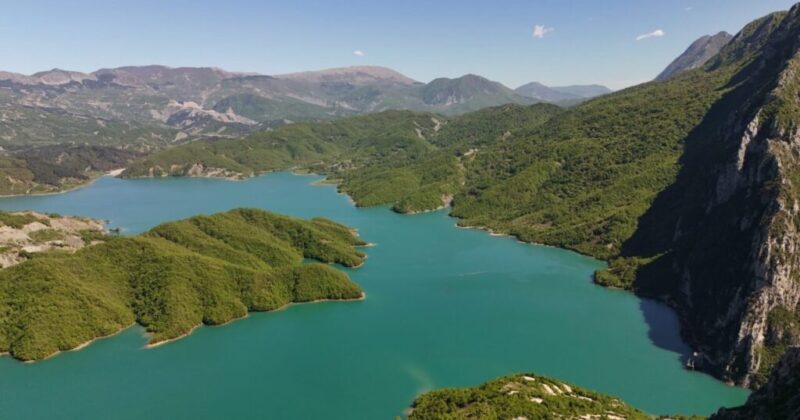
Albania: Insider tip 2026: Europe's cheapest holiday destination
Albania is Europe's best-kept secret – for now. The combination of crystal-clear, Caribbean-like beaches, dramatic Albanian Alps, UNESCO World Heritage sites, and prices 40–50% lower than in neighboring Greece and Italy makes Albania arguably the most exciting travel destination in Europe in 2026. I traveled through the country for several weeks in both 2023 and 2024 – once by campervan from north to south, and once as a backpacker along the Riviera. Albania has developed massively in both years: improved infrastructure, more accommodations, better roads, but still authentic. In this guide, I'll show you the complete map of Albania with all its regions, the best road trip route for 7, 10, or 14 days, the most beautiful beaches of the Albanian Riviera (which you'll prefer to Greece), package tour alternatives for a truly independent vacation, my insider tips, and everything you need to know about the question: Is it dangerous to travel to Albania?
- Route through Albania: Shkodra → Albanian Alps (Theth) → Tirana → Berat → Gjirokastra → Saranda → Ksamil – 650 km in 7, 10 or 14 days, depending on your pace.
- Albania's most beautiful beaches: Ksamil (the "Maldives of Europe"), Dhërmi, Himarë, Gjipe Beach – turquoise water, white sand, prices 30 % below Greece.
- Albania Costs 2026: €30–50/day for backpackers, €60–90/day for comfortable accommodation, €120–180/day for luxury – Albania is the cheapest beach destination in Europe.
- Is Albania dangerous? No, significantly safer than many holiday destinations. Crime rate is low, hospitality legendary. The biggest "danger" is narrow, winding roads.
- Best time to travel: May–June and September–October (22–28 °C, fewer tourists, lower prices). July/August is hotter (30–38 °C) and more crowded.
Albania map and regions: The complete overview
The map of Albania reveals an astonishingly diverse country: only 28,748 km² in size (smaller than Belgium), but with 476 km of Mediterranean and Adriatic coastline, snow-capped 2,700-meter mountains, UNESCO World Heritage cities, archaeological sites, inland lakes, and one of the most spectacular Riviera coastlines in Europe. For a meaningful tour of Albania, you should be familiar with all four main regions:
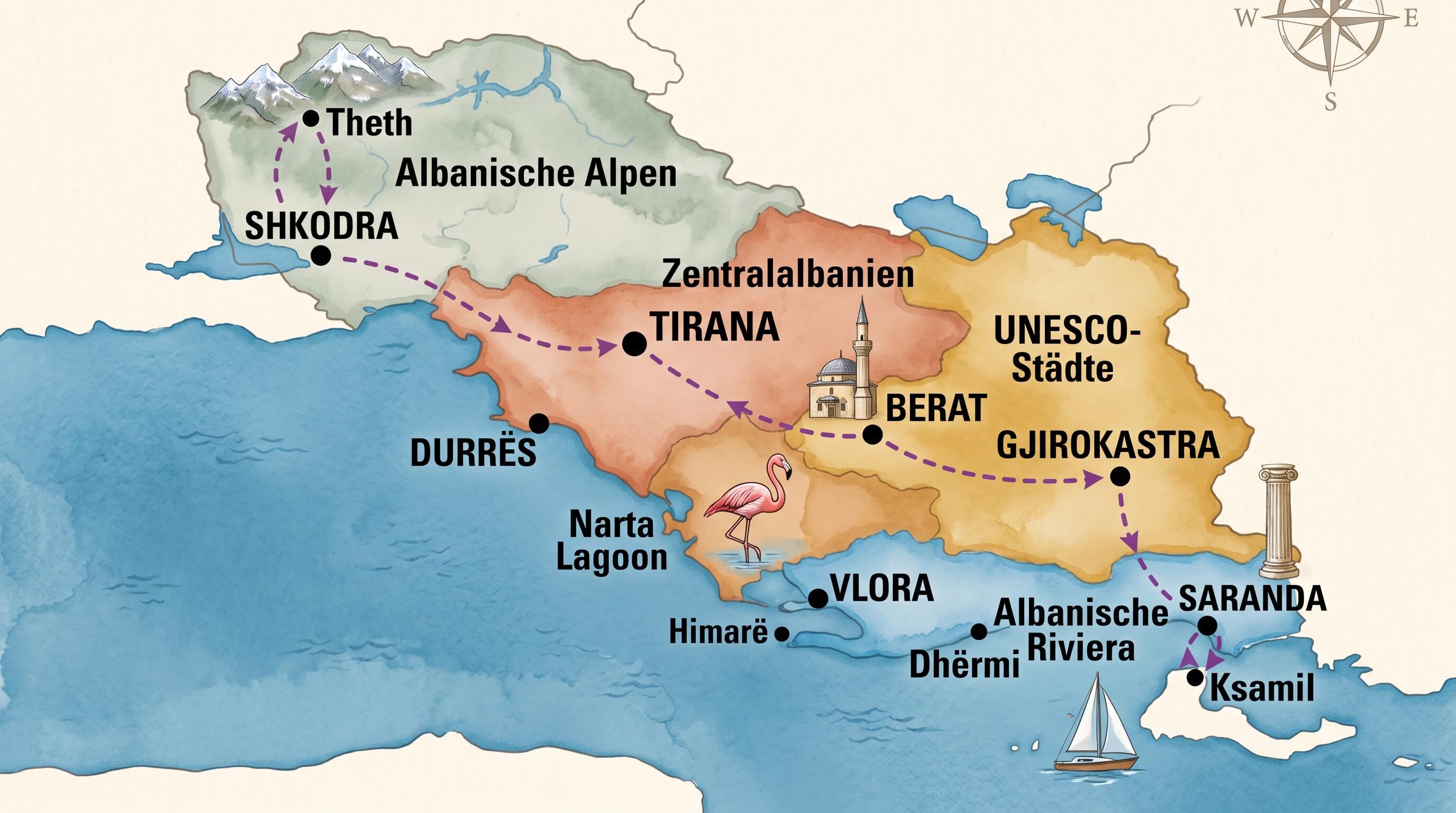
1. Albanian Alps (Northern Albania): The Accursed Mountains (Albanian: Bjeshkët e Nemuna) are one of the most pristine mountain regions in Europe. Here you'll find the famous village of Theth at 800 m and the 3-day hike from Theth to Valbona – one of the best alpine hikes in the Balkans. Best time to visit: June to September (snow possible until May).
2. Central Albania (Tirana and surroundings): The agricultural heartland of Albania lies around the capital city of Tirana. In just 10 years, Tirana itself has transformed from a gray, socialist monolith into the most vibrant city in the Balkans – with rainbow-colored facades, a booming café culture, and excellent restaurants. Perfect as a 2-day start to your tour.
3. UNESCO Cities (Central/Southern Albania): Berat ("City of a Thousand Windows") and Gjirokastra ("Stone City") are both UNESCO World Heritage Sites. Featuring Ottoman architecture from the 15th to 19th centuries, charming old towns built on hills, both are easily doable in one day, but two days are recommended.
4. Albanian Riviera (South Coast): The 100 km long coastline between Vlora and Saranda is Albania's tourist highlight – and is already considered by many to be "more beautiful than the Greek islands". Crystal-clear Ionian Sea, white marble sand, imposing cliffs. Top spots: Ksamil (the "Maldives of Europe"), Dhërmi, Himarë, Gjipe Beach.
Shkodra (arriving via Podgorica, Montenegro) → Albanian Alps (Theth, 2 nights) → Tirana (2 nights) → Berat (1 night) → Gjirokastra (1 night) → Saranda/Ksamil (3–4 nights on the beach). This makes for a perfect 10–12 day round trip. Those with 14 days can add a second week on the beach or explore the Riviera in more detail.
Round trip Albania: Route for 7, 10 and 14 days by car or campervan
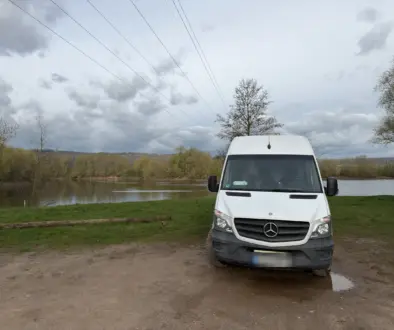
It works perfectly with your own car, a rental car, or a campervan. The roads have improved dramatically in the last five years – the main routes between Shkodra, Tirana, and Saranda are fully paved and easily navigable. The road becomes steep and winding in the mountains (Theth), but it was completely paved for the first time in 2024 (previously, parts of it were gravel).
Getting to Albania:
- Flight + rental car: Direct flights from Germany to Tirana from €80 (Lufthansa, Wizzair, Ryanair). Rental cars from Tirana airport from €25/day. Ideal for 7–10 day tours.
- Enter via Slovenia – Croatia – Montenegro (2,000 km from Frankfurt, 22 hours driving time). Stopovers: Ljubljana, Plitvice Lakes, Dubrovnik, Kotor. Campervan trip with 2 weeks in Albania + 1 week in the Balkans = perfect for a 4-week holiday.
- Rent a campervan locally: From providers like IndieCampers Tirana from €45/day. Less travel stress, ideal for 2-week trips focusing on Albania.
7-day Albania round trip: Essential route: Tirana (1 night) → Berat (1 night) → Saranda/Ksamil (3 nights) → Gjirokastra (1 night) → back to Tirana. Beach-focused, sufficient for the main highlights, but the Albanian Alps are omitted.
10-Day Round Trip to Albania: The Sweet Spot: Shkodra (1 night) → Theth/Alps (2 nights) → Tirana (1 night) → Berat (1 night) → Gjirokastra (1 night) → Saranda/Ksamil (3 nights) → Return journey. All regions covered, a perfect mix of mountains, culture, and beach.
Round trip Albania 14 days: Luxury version: Same route as 10 days, but with 2-3 extra days on the Riviera (Himarë, Dhërmi), additional day in Tirana for museums and shopping, plus day trip to the Blue Eye (Syri i Kaltër) and to the ancient site of Butrint near Saranda.
Toll fees in Albania: None! Albania currently has no toll stations. The only fees are: national park entrance fees (€2–5) and a partial city entrance fee near Tirana (€2).
Albanian Riviera: Albania's most beautiful beaches from Ksamil to Vlora
The Albanian Riviera is the highlight of any holiday in Albania. The approximately 100 km long coastline between Vlora in the north and Saranda in the south offers turquoise waters, white marble sand, and dramatic cliffs – but at a fraction of the price of Greece or Italy. Here are the most beautiful beaches in Albania:
1. Ksamil – The „Maldives of Europe“: Albania’s southernmost resort is now its most famous. Four small islands off the coast can be reached by kayak or swimming. The water is as clear as in the Maldives, the sand almost white. The downside: very crowded in the height of summer (July/August) – come in June or September. Top beaches: Pasqyrat Beach (Mirror Beach), Plazhi i Ishujve (Island Beach).
2. Dhërmi – The quietest Riviera town: 40 km north of Saranda, not yet overrun by tourism. Long pebble beaches, crystal-clear water, good restaurants. Accommodation is significantly cheaper than in Ksamil. Top beach: Gjipe Beach (only accessible on foot, a 30-minute descent, but secluded).
3. Himarë – A beach town steeped in history: A charming small town nestled between Dhërmi and Saranda. Home to a Greek minority, it boasts excellent Greek-Albanian cuisine. The town has a beach right in its center, and there are also hidden coves like Livadhi Beach just north of the town.
4. Gjipe Beach – A hidden gem: Between Dhërmi and Himarë lies Albania's most secluded dream cove. Accessible only on foot via a 4-km hiking trail (or by boat from Himarë). Canyon-like cliffs, turquoise water, often just a handful of people. For campers: There's a small campervan parking area in the canyon (€10/night).
Between Dhërmi and Himarë, now featuring trendy beach clubs. A good balance between infrastructure and authentic Albanian charm.
6. Vlora – Gateway to the Riviera: The largest city on the Riviera, less suitable for a direct beach holiday (the city beach is okay), but rather as a base. From Vlora, you drive up the legendary Llogara Pass road (1,027 m with views of the entire coast) before turning off towards the Riviera towns.
Water quality and cleanliness: The Ionian Sea is one of the cleanest in the Mediterranean, with underwater visibility of 15–25 m. Snorkeling in Ksamil, Dhërmi, and Gjipe is spectacular. There is a litter problem on some local beaches (especially during peak season), but the hidden beaches are perfectly clean.
Tirana, Berat and Gjirokastra: UNESCO cultural heritage in the interior
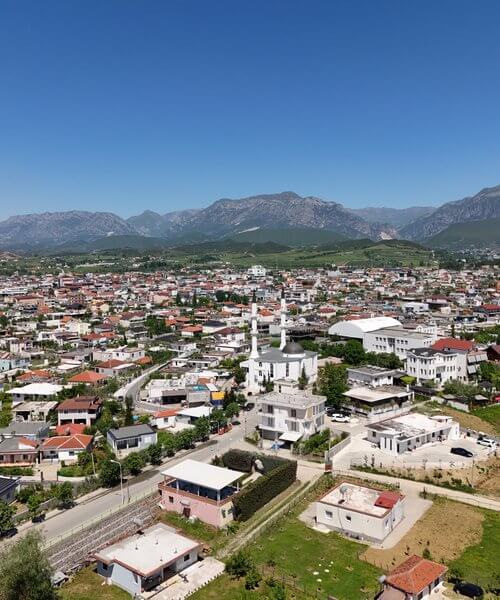
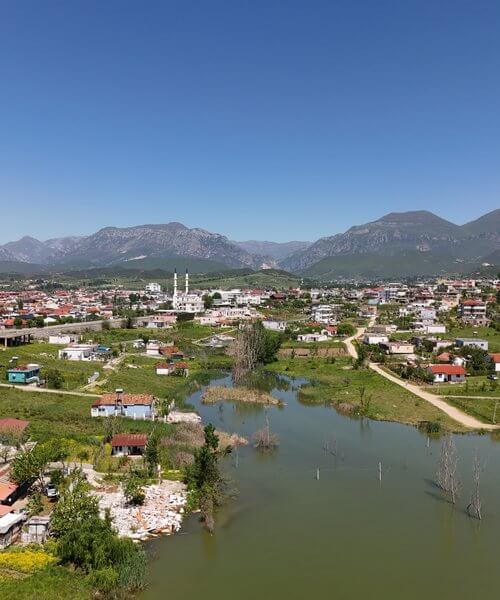
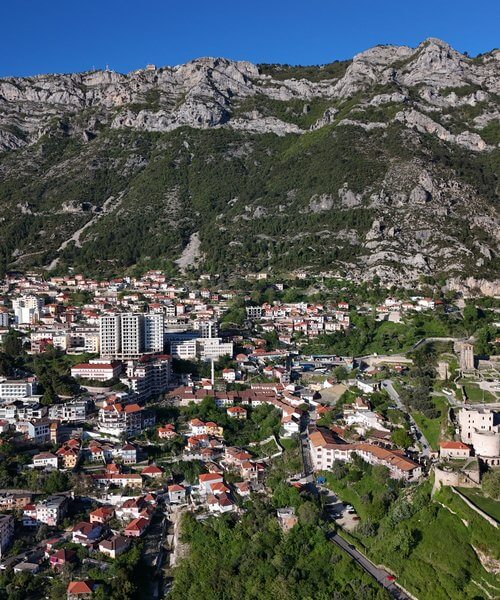
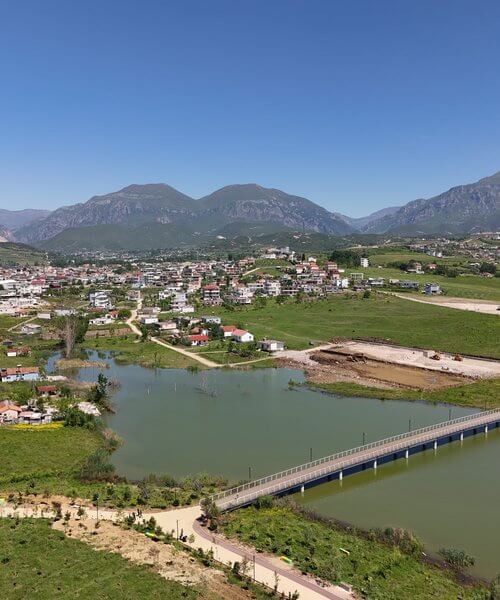
Besides the Albanian Riviera, the historic cities in the interior of the country form the cultural backbone of any Albanian holiday. There are three cities you absolutely shouldn't miss: the capital, Tirana, and the two UNESCO World Heritage sites of Berat and Gjirokastra.
Tirana – The most colorful capital city in the Balkans: As recently as 2010, Tirana was a gray, socialist city. Today, it is one of the most creative cities in the Balkans. Former mayor Edi Rama (now prime minister) had entire high-rise facades painted in vibrant colors. Skanderbeg Square is the heart of the city. Top sights: Bunk'Art 1 and 2 (nuclear bunkers from the Hoxha era, now museums, €10 entrance fee), Dajti Mountain cable car (720-meter panoramic view over the city, €10), National Historical Museum with its famous mosaic pediment.
Dining in Tirana: Albanian cuisine is a blend of Italian, Greek, and Turkish influences. Must-try dishes: Tavë Kosi (lamb with yogurt sauce, €8), Byrek (filled phyllo pastry, €1), Fërgesë (pepper and tomato casserole, €6). Top restaurants: Mullixhiu (modern Albanian cuisine), Oda (traditional, 3 courses €15), Padam (location + atmosphere).
Berat – The City of a Thousand Windows: A UNESCO World Heritage Site since 2008. The Ottoman houses on the hillside have so many windows that the city, bathed in sunlight, resembles a mosaic of windows. The Kala Fortress on the hill is inhabited (!) – 100 people still live in the Ottoman houses within the fortress, nestled among 13th-century churches and frescoes by Onufri (Albania's most famous icon painter). Plan for two full days.
Gjirokastra – The Stone City: Also a UNESCO World Heritage Site, even better preserved than Berat. The entire old town is built of grey slate, even the roofs. Birthplace of Enver Hoxha (former dictator) and Nobel laureate Ismail Kadare. The citadel houses a fascinating weapons museum. Top hotels: Hotel Kotoni (traditional stone house, €55/night), Stone City Hostel (for backpackers, €18/night).
Butrint: A hidden gem: Just 15 km south of Saranda lies one of the most impressive archaeological parks in the Mediterranean – the ancient city of Butrint (a UNESCO World Heritage Site). Roman amphitheater, Byzantine baptistery, Venetian fortress – all within a park dotted with cypress trees and lagoons. Entrance fee €10; allow 3-4 hours.
Albanian Alps: Hike from Theth to Valbona and insider tips
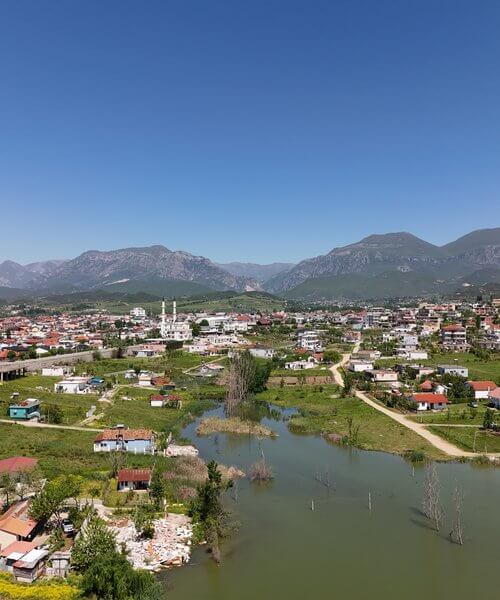
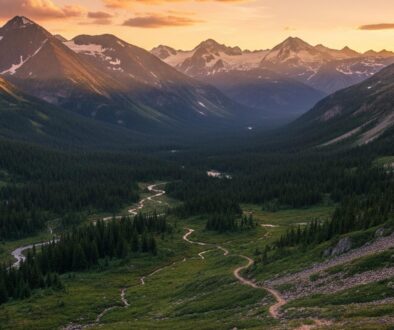
The Albanian Alps (Bjeshkët e Nemuna – Cursed Mountains) are the most surprising region of Albania for many travelers. Pristine 2,700-meter peaks, deep gorges, traditional stone houses, wolves and bears roaming the forests. In terms of spectacular scenery and authenticity, the Albanian Alps can easily compete with the Swiss or Austrian Alps – but you pay a third of the price.
Theth National Park: Until 2024, the village of Theth, at an altitude of 800 meters, was only accessible via a 40-km gravel road. It is now paved (80 km of the route), but still a 1.5-hour drive from Shkodra. Accommodation: traditional kulla watchtowers (stone tower guesthouses) from €40 per night including breakfast and dinner. Top recommendations: Guesthouse Bajraktari, Villa e Bardhë.
Sights in Theth: Theth Church (18th century), Blue Eye of Theth (small mountain pool with intense blue water), Grunasi Waterfall (30-minute hike), Lock-in Tower (medieval watchtower for blood feud victims).
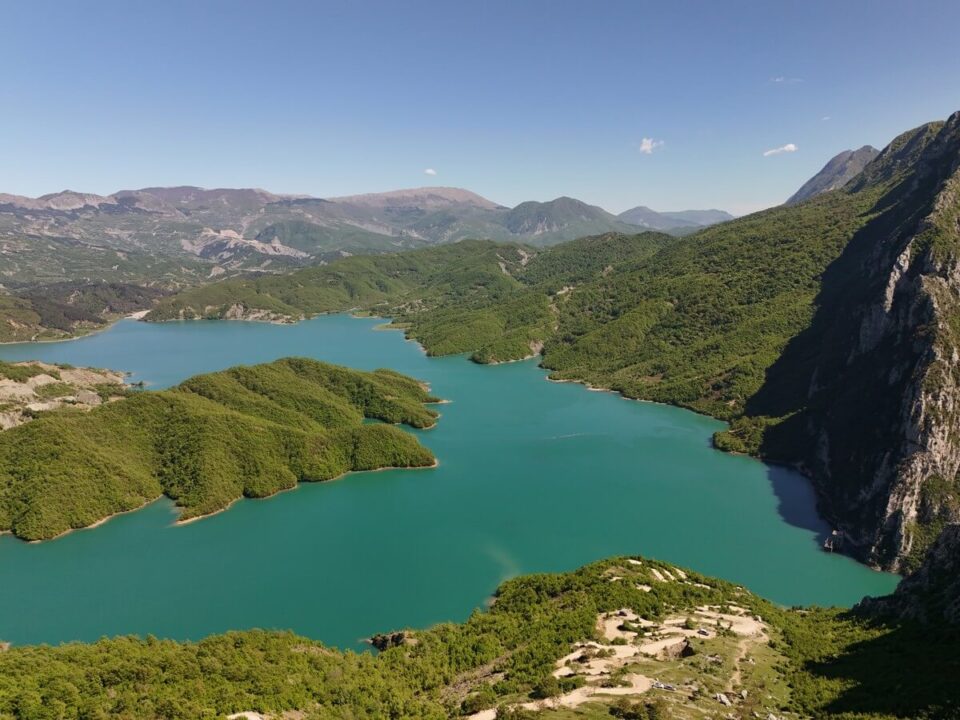
The legendary Theth-Valbona hike: This 3-day hike from Theth to Valbona is considered one of the most beautiful alpine hikes in Europe. Day 1: 6-8 hour ascent over the Valbona Pass (1,795 m) with incredible panoramic views. Day 2: 6-hour descent to Valbona. Day 3: Ferry across Lake Komani (one of the most beautiful lakes in the world, like the Norwegian fjords but more affordable) back to Shkodra. Luggage transport by mule can be arranged (€40).
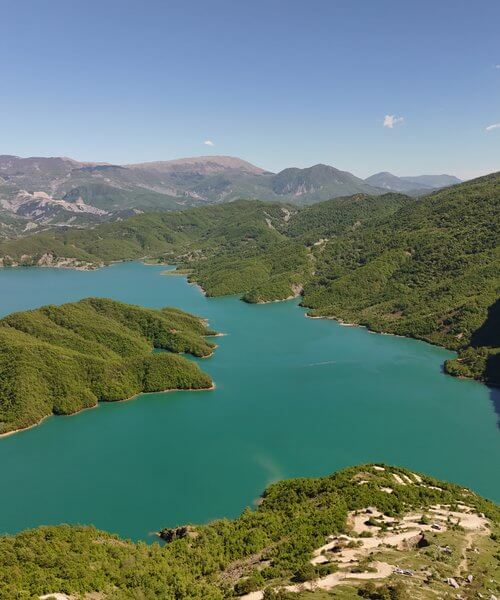
Lake Komani Ferry: Even if you don't want to hike, a trip on Lake Komani is an absolute highlight. This artificial reservoir between Shkodra and Fierza is 34 km long, cuts deep into the mountains, and is spectacular. The ferry trip takes 3 hours and costs €10 per person. Minibuses from Shkodra organize transport to the ferry terminal.
Best time to travel to the Albanian Alps: June to September. Before June there is still snow on the passes; after October it gets cold and some accommodations close.
Albania: Costs in 2026: Europe's cheapest travel destination?
The question of cost for a holiday in Albania is one of the country's biggest advantages. In 2026, Albania was the most affordable travel destination in all of Europe west of Romania – significantly cheaper than its neighbors Greece, Italy, and Montenegro. Here's the complete budget:
- Hostel bed €10–18/night, 3-star hotel €35–55/night, boutique hotel in Ksamil/Berat €60–90/night, all-inclusive resort on the Riviera €70–110/person/night. Perfectly organized via Booking.com/Airbnb.
- Breakfast at a bakery €1–3, lunch at a small restaurant €6–10, a three-course dinner with wine at a good restaurant €15–25. A beer €1.50–3, a coffee €0.80–1.50.
- Beach bar and sun lounger: On most Riviera beaches, €10–20 for 2 sun loungers + parasol for the whole day. In premium beach clubs in Ksamil, up to €40 per day.
- Rental cars from Tirana cost €25–40 per day, diesel is €1.60 per liter (cheaper than in Germany), and fuel for the entire round trip (700 km) is approximately €100. Furgons (shared taxis between cities) cost €5–10 per trip.
- Sights: Butrint €10, Theth National Park €5, Bunk'Art €10, Lake Komani ferry €10. All significantly cheaper than comparable attractions in Greece.
Overall budget overview (2 people):
- Backpacking budget: €30–50/day per person (hostel + self-catering + public transport)
- Standard budget: €60–90/day per person (mid-range hotel + restaurants + rental car)
- Comfort budget: €120–180 per day per person (boutique hotel + upscale restaurants + activities)
- Luxury budget: €250+/day (premium resort + private yacht + three-star restaurants)
Albania vs. Package Holidays: Package holidays to Albania are becoming increasingly popular in 2026 – especially all-inclusive packages with flights starting from €599 per person for one week, with many offers from TUI, DER Touristik, and FTI. However, independent travel is almost always cheaper and more exciting. A 10-day road trip with a rental car, 3-star hotels, and restaurants often costs less than an all-inclusive package.
Is Albania dangerous? Safety and what you need to know
A Google search for "is vacationing in Albania dangerous" yields around 1,600 searches per month in Germany. The question is justified – until the 1990s, Albania had a bad reputation, shaped by the communist Hoxha dictatorship and the anarchy of the early 2000s with pyramid schemes. But that's all in the past. Today, Albania is one of the safest travel destinations in Southern Europe.
Crime statistics Albania vs. neighboring countries (2024 UNODC data):
- Albania: 1.3 violent crimes per 100,000 inhabitants/year
- Greece: 0.8 (lower, but also significantly more tourists → more pickpocketing)
- Italy: 0.5 (generally lower, but significantly higher in major cities like Naples)
- Germany: 0.9 (for comparison – Albania is slightly higher)
Typical risks for tourists in Albania:
- Pickpocketing: As in any tourist destination, especially Tirana city center. Less common than in Rome or Athens.
- The biggest real danger: Albanian driving style is chaotic, like something out of southern Europe. Winding mountain roads without guardrails. Drive with caution.
- Rental car fraud: Document every scratch with photos before picking up the vehicle. Book comprehensive insurance with no excess.
- Stray dogs: Especially in mountainous regions, mostly harmless, but do not feed them.
- Old war material: Until 2015, landmines from the Kosovo War were still present in remote mountain regions. Today, they have all been officially cleared, but do not venture off marked hiking trails.
What Albania is known for (positive side): hospitality (besa – the Albanian word of honor is legendary), extremely low robbery and rape rates, no organized crime in tourist areas, very safe beaches and nightlife for women.
Albania is safer than Italy or Spain. The only times I felt uneasy were on some narrow, winding roads – never because of other people. Women traveling alone consistently reported a positive reception and no harassment whatsoever.
Best time to travel to Albania and practical tips for your holiday
The best time to travel to Albania depends on your preferences. Albania has a Mediterranean climate on the coast and a continental climate inland and in the mountains. Here are the months in detail:
- 18–24 °C on the coast, green and blooming inland, some snow still in the Alps. Ideal for city breaks and early beach days.
- 22–28 °C, perfect balance – warm enough for the sea, not too hot, and the Riviera isn't overcrowded yet. My absolute favorite.
- 28–34 °C (sometimes 38 °C inland), peak season, Riviera crowded. Still significantly cheaper and less crowded than Greece. Okay for pure beach holidaymakers.
- September: 24–28 °C, water 24–26 °C (warmer than in June!), peak season over, prices are dropping. My #2.
- 18–24 °C, calm, restaurants/hotels begin to close from mid-October on the Riviera.
- November to March: 8–14 °C, rain, mountain hotels closed. City breaks in Tirana are okay, beach and mountain trips not recommended.
Albanian is a distinct Indo-European language, unrelated to Greek, Italian, or Slavic languages. In Tirana and along the Riviera, most people in the tourism industry speak English and Italian well, and many older people also speak German (many Albanians have worked in Germany/Austria). In the mountains, hardly anyone outside of their hosts speaks English.
Albanian Lek (ALL). 1 € = approx. 100 ALL. Euros are widely accepted in tourist areas (hotels, rental cars, restaurants in Ksamil/Saranda). It's better to have ALL for domestic travel. ATMs are available in every town; fees are 3–5 € per withdrawal.
For EU citizens: A national identity card is sufficient, no visa is required, and there are no stay limits for up to 90 days. For others: mostly visa-free entry for up to 90 days. Entry is possible by plane (Tirana International Airport), by car via Montenegro (Hani i Hotit, Morine) or North Macedonia.
Albania is very liberal – registration is not mandatory, but recommended. Drones are prohibited over military areas, barracks, or airports. Flying on the beach is no problem. Albania is therefore a drone paradise, especially for Riviera photography.
My personal highlight: Sunrise in Ksamil on a deserted beach in June 2024. Just you, the turquoise sea, and the four islands off the coast. In that moment, I knew: Albania is the new Greece. But not for long.
FAQ: Albania Holidays – Frequently Asked Questions
Is Albania a hidden gem in 2026?
Fewer than 5 years ago, but still a significant number. Visitor numbers increased in 2024 and 2025 (especially among German and Italian tourists), but Albania is still considerably less crowded than Greece, Croatia, or Italy. Prices are 30-40% lower, offering an authentic lifestyle, pristine beaches, and mountains. A hidden gem? Yes, but that window of opportunity will close in the next 3-5 years.
How much does a holiday in Albania cost per week?
For 2 people: €400–700 backpacking budget, €800–1,300 standard budget, €1,700–2,500 comfort budget. Plus travel (flight €80–180 per person, or fuel for driving €300–500). This makes Albania the cheapest beach destination in Europe – significantly cheaper than Greece or Croatia.
Where is the most beautiful beach in Albania?
Ksamil is the most famous ("the Maldives of Europe"), but Gjipe Beach is the insider tip for 2026 – a hidden canyon cove between Dhërmi and Himarë, accessible only by a 4-km hike or boat. Other favorites: Pasqyrat Beach in Ksamil, Livadhi Beach near Himarë, and Dhërmi's main beach.
How long does a tour of Albania take?
7 days for the essence (Tirana + Riviera), 10 days the sweet spot (including UNESCO cities and 1-2 days in the Alps), 14 days ideal for a complete exploration including everything. Less than 7 days isn't worth it – the distances are long and you don't want to just drive through.
Is a beach holiday in Albania recommended?
Absolutely yes. The Albanian Riviera (100 km between Vlora and Saranda) has beaches that rival those of the Greek islands – Ksamil, Dhërmi, and Himarë are the highlights. The water is exceptionally clear, cleanliness is good, and prices are 30–40 times lower than in Greece. It's equally suitable for families, couples, and solo travelers.
Are there all-inclusive package holidays to Albania including flights?
Yes, the number of offers increased significantly in 2025/2026. Providers include TUI, DER Touristik, FTI, Alltours, and Schauinsland. Prices start at €599 per person for one week all-inclusive with flights. Mostly at resorts in Saranda or Durrës. Quality varies – check TripAdvisor reviews. For independent travelers, it's often €10–20 more expensive than booking independently.
When is the best time to travel to Albania?
June and September are the best months: 22–28 °C, pleasant water, not crowded, prices lower. July/August are hot and the busiest. May and October are good for culture (cities, mountains), but the water is still cool/already cooler. November–March is not recommended due to rain and short days.
Is the Albanian map available everywhere on Google Maps?
Yes, Google Maps works perfectly for navigation in Albania, even with offline downloads. For smaller villages in the Alps, I also recommend Maps.me or Organic Maps (for more detailed hiking trails). You can find a map of Albania with its regions in travel guides and in my illustration at the top of the article.
Which sights are a must-see in Albania?
Top 10: Ksamil beaches, Butrint (UNESCO), Berat old town (UNESCO), Gjirokastra (UNESCO), Tirana city center, Theth National Park, Lake Komani ferry, Blue Eye (Syri i Kaltër), Dhërmi beach, Bunk'Art Tirana (Bunker Museum).
Is a road trip through Albania with your own car safe?
Yes, the main roads are well-paved and safe to drive on. The mountain roads (Theth access road, Llogara Pass) are narrow and winding, but have been paved since 2024. My tip: Drive during the day, avoid driving at night in the mountains, and rent a car with comprehensive insurance. The biggest risk isn't the road, but the local drivers – their driving style is typically aggressive.
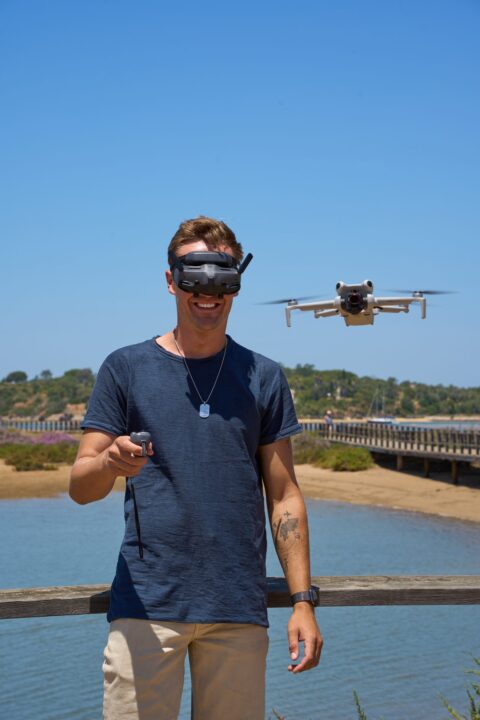
Max Haase
Travel Content Creator · Drone Photographer · Visual Storyteller
A professional travel creator for over 10 years with over 4 million followers. Specializing in high-end tourism board collaborations and visual travel storytelling.
 German
 English