
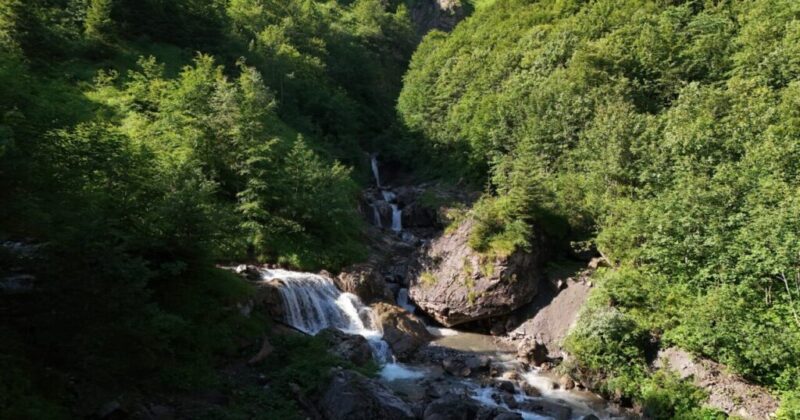
Switzerland by campervan: Mountain lakes, Alpine passes & campsites
Traveling through Switzerland by campervan is one of the most intense Alpine experiences in Europe. Emerald-green mountain lakes, spectacular Alpine passes, well-equipped campsites for motorhomes, and one of the cleanest and most organized natural landscapes on the continent. I've traveled through Switzerland twice in a campervan for several weeks – once in summer to the mountain lakes, and once in autumn over the Alpine passes. In this guide, I'll show you the best routes through Switzerland. Bernese Oberland, Valais, Graubünden and Ticino, all the important campervan pitches, the most beautiful mountain lakes in Switzerland, tips on the Alpine passes (Grimsel, Furka, San Bernardino), vignette requirements and all costs. Switzerland is more expensive than other European campervan destinations – but the wow factor is also higher.
- Campervan route Switzerland: Geneva → Lausanne → Bern → Interlaken → Lucerne → Zurich → Graubünden → Ticino. 850 km of mountain roads in 10–14 days.
- Lake Oeschinen (Bernese Oberland), Lake Cauma (Graubünden), Lake Bachalpsee (above Grindelwald), Lake Blausee (Kandertal), Lake Lugano (Ticino). Crystal clear, emerald to turquoise.
- Classic Alpine passes: Grimsel Pass, Furka Pass, Susten Pass, Gotthard Pass, Klausen Pass, Umbrail Pass. All open June–October, closed in winter.
- Pitches and prices: Camping 38–65 CHF/night (35–60 €), motorhome pitch 15–30 CHF. Vignette 40 CHF/year mandatory. Diesel 1.95 CHF/L.
- Campervan costs in Switzerland: €100–150/day for 2 people (budget) to €180–250/day (comfort). Switzerland is one of the most expensive countries for campervans in Europe.
Switzerland Camper Route: From Geneva across the Alps to Lugano
The classic campervan route through Switzerland leads right across the country – from the French-speaking west, through the German-speaking center, to the Italian-speaking Ticino. The total distance is approximately 850 km of mountain roads, doable in 10 to 14 days. Those with more time can extend the trip with detours to the national parks or trips down to individual mountain lakes.
The 4 core regions in detail:
1. French Switzerland (Geneva, Lausanne, Montreux): Starting point on Lake Geneva – sophisticated cities, castles such as Chillon Castle (Lord Byron fabric) and the Lavaux vineyard terraces (UNESCO World Heritage Site).
2. Bernese Oberland (Bern, Interlaken, Grindelwald): The heart of alpine Switzerland. Jungfrau, Mönch, Eiger. The Jungfrau Railway at 3,454 m is the highest railway station in Europe (tickets from CHF 224 – expensive, but unforgettable).
3. Central Switzerland and Graubünden (Lucerne, St. Moritz): Lake Lucerne near Lucerne, dramatic passes towards Graubünden, St. Moritz as a glamorous mountain village, Swiss National Park with wolf packs.
4. Ticino (Italian Switzerland): After the Gotthard Tunnel, suddenly southern flair – palm trees, Italian food, the Lake Maggiore and Lake Lugano. Climate up to 10 degrees warmer than north of the Alps.
Ideal sequence for 10 days: Days 1–2 Lake Geneva + Lavaux, Days 3–5 Bernese Oberland + Jungfrau Region, Day 6 Lucerne + Lake Lucerne, Days 7–8 Graubünden via Furka Pass, Days 9–10 Ticino (Lugano, Locarno). Day 11+ return via San Bernardino.


Swiss vignette, toll obligations and driving rules for campers
Switzerland differs from Germany or Italy regarding tolls: a vignette is required instead of a distance-based toll. You need the Swiss vignette (motorway vignette) for all motorways and expressways (white "A" on a green background).
- CHF 40 per year (as of 2026) for vehicles under 3.5 t. Valid for 14 months (December to January of the following year). No monthly or weekly rates available.
- Vignette for campervans over 3.5 t: No vignette required. Instead, a daily heavy vehicle fee (LSVA) is charged – depending on weight and emission class, CHF 1–3 per km. This is calculated using a special device (LSVA collection device) or alternatively as a flat daily rate.
- Where to buy: At all border crossings, petrol stations near the border, online at vignette.ch. Purchase before entry is recommended – without a vignette, a fine of 200 CHF plus the cost of buying one later is possible.
- Tunnel tolls: Great St. Bernard Tunnel (Italy) 34 CHF, Munt La Schera Tunnel 15 CHF. All other Swiss tunnels are covered by a vignette.
Swiss traffic regulations for campervans: Speed limit 120 km/h on motorways, 100 km/h on expressways (vehicles over 3.5 t only 80 km/h on motorways). 0.5 per mille blood alcohol limit, 0.1 per mille for novice and professional drivers. Daytime running lights are mandatory (LED or dipped beam). Swiss police enforce the rules strictly, and fines are high (200–2,000 CHF).
Driving Alpine passes with a campervan: Most Swiss Alpine passes are very well maintained and easily accessible even for 7-meter campervans. Exceptions: Umbrail Pass (very narrow, not recommended for vehicles over 6.5 meters), Klausen Pass (narrow at the beginning). All passes are closed in winter (October to May/June) – in that case, use the Gotthard Tunnel instead.
Swiss Alpine Passes: The most spectacular mountain roads for campers
For many, the Swiss Alpine passes are the highlight of any campervan trip. The combination of spectacular engineering, breathtaking landscapes, and the feeling of driving across the roof of Europe is unique. Here are the best passes for campervan travel:
1. Grimsel Pass (2,164 m): Between the Bernese Oberland and Valais. Spectacular switchbacks above the Grimselsee reservoir. Worth a day trip from Interlaken – one of the most dramatic Alpine passes. Open June to October.
2. Furka Pass (2,429 m): Second highest pass in the Swiss Alps. The famous James Bond scene from "Goldfinger" was filmed here. View of the Rhone Glacier with its walk-through ice tunnel (7 CHF entrance fee, contrasting blue glacial chambers). Open June to October.
3. Susten Pass (2,260 m): Connects the Bernese Oberland with the founding cantons. One of the best passes for campers – wide road, good asphalt quality, constantly winding. Highlight: the view of the Stein Glacier. Open June to October.
4. Gotthard Pass (2,106 m): The legendary historic pass between German- and Italian-speaking Switzerland. The old pass road (Tremola) is one of the most beautiful cobblestone roads in the world. Suitable for motorhomes: yes, but be careful – it's narrow and steep. The modern Gotthard Tunnel is open year-round, the pass road from June to November.
5. San Bernardino (2,066 m): The alternative to the Gotthard Pass, quieter and more scenic. Wide road, suitable for all campervans. One of the shortest north-south routes through Switzerland.
6. Flüela Pass (2,383 m): In Graubünden, it connects Davos with the Lower Engadine. Less well-known, therefore often less crowded. Spectacular views of the Silvretta mountain range. Open May to October.
7. Umbrail Pass (2,501 m): Highest Swiss Alpine pass. The Swiss side is still winding and narrow, while the Italian side is well-developed. Not recommended for vehicles over 6.5 m. Open from July to September.
Tip for campers: Drive mountain passes in the morning (before 10 a.m.) – traffic is minimal then. From 11 a.m. onwards, tour buses and motorcycle groups arrive. In the off-season (June, September), all passes are significantly less crowded than in July/August.



Mountain lakes in Switzerland: The most beautiful places for photos and swimming
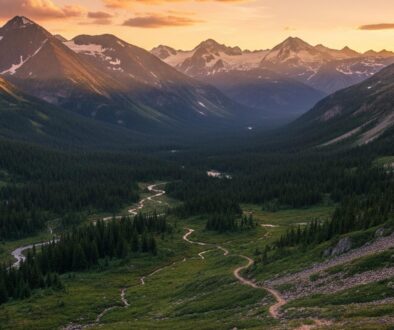
Besides the Alpine passes, the Swiss mountain lakes are the biggest photographic highlight of any campervan trip. Crystal-clear water, turquoise and emerald green hues, dramatic mountain scenery. Here are my top 7:
1. Lake Oeschinen (Bernese Oberland, 1,578 m): The most famous Swiss mountain lake. Accessible by cable car from Kandersteg or on foot (1 hour). Turquoise water, framed by 3,000-meter peaks. Slide on the shore for children, rowboat rental CHF 20/hour. Camping in Kandersteg at the foot of the lake.
2. Lake Cauma (Graubünden, 1,000 m): The "Caribbean Lake" of the Alps. Crystal-clear turquoise water in a forest. Free showers and bathing beach, warmer than Lake Oeschinen. Accessible by lift from Flims (5 CHF) or a 20-minute hike.
3. Bachalpsee (Bernese Oberland, 2,265 m): High mountain lake above Grindelwald. Mirror-like reflections of the Eiger, Mönch and Jungfrau. 1-hour easy hike from First station (cable car 66 CHF from Grindelwald).
4. Blausee (Bernese Oberland, 887 m): A small but magical lake in the Kandertal valley. Crystal clear, with trout. Entrance to the nature park is CHF 9. Perfect for families, with a playground and restaurant right on the lake.
5. Lake Aletsch/Lake Märjelen (Valais): At the foot of the Aletsch Glacier (the longest glacier in the Alps). Pure wilderness, hardly any tourists. Access only by hiking from Fiescheralp (cable car).
6. Lago Ritom (Ticino, 1,850 m): Mountain lake in Ticino, accessible by one of the steepest funicular railways in the world (88° % gradient!). Perfect for a day trip from the Ticino region.
7. Lejin da Staz (Engadine, 1,809 m): Small mountain lake near St. Moritz, with a wooden jetty for swimming. Warm enough for swimming in summer (18–21 °C). 20-minute walk from St. Moritz train station.


Camping and pitches in Switzerland: Where motorhomes are welcome
Switzerland's motorhome pitch infrastructure is excellent – over 400 official campsites, many directly on mountain lakes or in the Alps. Prices are high (Switzerland is one of the most expensive camping destinations in Europe), but the quality is consistently good almost everywhere.
Parking space categories:
- Top campsites (Jungfrau, Interlaken, St. Moritz): CHF 55–75/night in high season. Premium facilities, pool, playground, restaurants. Directly on lakes or with mountain views.
- Standard camping (TCS camping): 38–55 CHF/night. Solid infrastructure without luxury. My favorite in terms of value for money.
- Village camping (municipal): 22–35 CHF/night. Usually simpler, but in charming villages. Often only open June–September.
- Motorhome pitches (camper park): 15–30 CHF/night. Classic Aires-style pitches with water/waste disposal, no sanitary facilities.
Wild camping in Switzerland: Officially prohibited, fines 100–500 CHF. Strictly forbidden in nature reserves and above the tree line. In some cantons (Uri, Glarus), overnight camping below the tree line is tolerated. The Swiss Alpine Clubs (SAC) offer SAC huts as an alternative – on the mountain passes and in the Alps, 35–50 CHF per night with half board.
My top 5 campsites in Switzerland:
- Camping Jungfrau (Lauterbrunnen): CHF 68/night, directly in the Lauterbrunnen Valley with a view of the Staubbach Falls. From here, take the cable car to the Jungfrau. One of the most beautiful campsites in Europe.
- TCS Camping Gwatt (Lake Thun): 48 CHF/night, on Lake Thun, quiet, very well equipped.
- Camping Morteratsch (Engadine): 52 CHF/night, directly on the Morteratsch Glacier, fantastic mountain scenery.
- Camping Davos Wolfgang: 45 CHF/night, starting point for all hikes around Davos and Klosters.
- Camping TCS Lugano (Agno): 50 CHF/night, Ticino climate, with pool, directly on Lake Lugano.
Bernese Oberland: Interlaken, Grindelwald and Jungfrau Region
The Bernese Oberland is the heart of alpine Switzerland. Around the Jungfrau region, with Interlaken as your base, you'll find a density of natural attractions unmatched anywhere else in Switzerland. Plan at least 3 days.
Interlaken: This small town nestled between Lake Thun and Lake Brienz is the region's tourist hub. All mountain railways, paragliding flights, and boat trips depart from here. Campervan pitch: Camping Hobby 3 in Unterseen (CHF 45/night). The Harder Kulm cable car (Interlaken valley station) takes you to the local mountain with its 360° panoramic views of the Jungfrau and both lakes.
Lauterbrunnen Valley: One of the most beautiful valleys in the Alps. 72 waterfalls (!), dominated by the 300-meter-high Staubbach Falls. The small villages of Wengen and Mürren are car-free and accessible only by cable car. Campers park in Lauterbrunnen village.
Jungfraujoch – Top of Europe: The Jungfraujoch Railway takes you to 3,454 m – the highest railway station in Europe. Ice Palace, Sphinx Observatory, indoor ski slope with toboggan run in summer (!), and breathtaking glacier views. Tickets: CHF 224 per person from Interlaken. Expensive, but unforgettable.
An alternative for budget-conscious hikers – First Cliff Walk: From Grindelwald, take the cable car up to First (2,167 m). Enjoy the free cliff walk at 2,000 m altitude along a rock face. From here, hike to Bachalpsee (1 hour) – the quintessential postcard-perfect Swiss hike.
Trümmelbach Falls: 10 waterfalls inside a rock face – accessible only via tunnels and elevators. Unique. Admission 14 CHF, allow 1 hour.
Paragliding from Interlaken 170 CHF, canyoning in the Saxeten Gorge 120 CHF, Skyline Zipline in Grindelwald 45 CHF, boat trip on Lake Thun 45 CHF.




Campervan costs in Switzerland: What an Alpine road trip really costs
It's the absolute top end of the price spectrum for European campervan destinations. Everything is €40-60 more expensive than in Germany, and €70-90 more expensive than in Spain or Portugal. But you also get the highest quality and organization. Here's the complete budget:
- Campsites: 38–75 CHF/night (35–70 €). Average 50 CHF. Motorhome pitches 15–30 CHF.
- 1.95 CHF/L (1.85 €/L). Total fuel costs for 850 km within Switzerland: 220–280 CHF.
- Vignette: 40 CHF/year (one-time fee).
- Lunch menu (daily special) 22–32 CHF, dinner à la carte 45–75 CHF per person, beer 7 CHF, wine 8–12 CHF/glass. French fry stand, hot dog 8 CHF.
- Supermarket (Coop/Migros): Weekly shopping for 2 people: 150–220 CHF. Expensive, but very good quality.
- Jungfraujoch 224 CHF, First (Grindelwald) 65 CHF, Harder Kulm (Interlaken) 38 CHF, Pilatus (Lucerne) 80 CHF. This is where the budget goes.
- Attractions: Museum/Castle 15–25 CHF entrance fee. Boat trip on Lake Thun 45 CHF. Trümmelbach Falls 14 CHF.
Total budgets (2 people):
- Campervan in Switzerland for 7 days: Budget-friendly CHF 850–1,200 | Comfortable CHF 1,500–2,200
- Campervan in Switzerland for 14 days: Budget-friendly CHF 1,700–2,400 | Comfortable CHF 3,000–4,500
Plus travel to and from Germany: €200–300 (fuel + vignette, no tolls in Germany). The biggest cost drivers: mountain railways (especially Jungfraujoch), restaurants, premium campsite locations.
Money-saving tips for Switzerland: Self-catering in your camper is the most important way to save money (restaurants are three times more expensive than supermarkets). Lunch at a Coop/Migros restaurant is okay (CHF 18–24). Mountain railways are available as a Swiss Travel Pass combination – CHF 311 for 5 days, which is worthwhile if you plan to use at least three railways. Staying overnight at a budget campsite in a central location and taking a day trip together saves money compared to premium camping in tourist villages.
Best time to travel to Switzerland for campers and practical tips
The best time to travel for camping in Switzerland is more clearly defined than in Southern Europe – the season is shorter, but therefore more predictable.
Switzerland has exorbitantly high hospital costs, and the EU EHIC is not valid here. A simple hospital stay costs thousands of francs per day; without insurance, it becomes a financial disaster.
- 14–22 °C in the valley, meadows in bloom, snow on high passes until mid-June. Mountain lakes still cool (8–15 °C). A beautiful time for meadow photos, but not all passes are open.
- 22–28 °C in the valley, all Alpine passes open, mountain lakes 16–21 °C (perfect for swimming). High season, campsites full and 20 EUR more expensive. My recommendation for swimming + passes.
- 18–24 °C, all mountain passes still open until mid-October. Water temperatures still 18–20 °C in the warmer lakes (Lake Cauma, Lake Lugano). My absolute favorite – fewer tourists, perfect temperatures.
- Temperatures of 10–18 °C, autumn colors in the forests, the first mountain passes close from mid-October. No longer suitable for swimming, but ideal for photography and hiking.
- November to April: Camper season is over. Campsites are closed (except for a few open year-round in Ticino and the valleys). Alpine passes are closed. Only cities (Geneva, Zurich, Bern) are realistically accessible by campervan.
The Swiss are polite, punctual, and rather reserved. Avoid making noise after 10 p.m. Waste separation is strictly enforced, and in many cantons it even incurs a fee (special garbage bags cost 2–3 CHF each). Never eat on the street in cities (it's considered impolite in quieter neighborhoods).
Swiss Franc (CHF). 1 CHF ≈ 0.95 € (as of 2026). Euros are often accepted in border towns, but the exchange rate is poor (usually 1:1). It's better to pay in CHF. Credit cards are accepted everywhere, even for small amounts.
Language: Swiss German in the north (often difficult for Germans to understand), French in the west (Romandie), Italian in Ticino, Romansh in the Engadine. Standard German and English are spoken everywhere in the tourism sector. Greetings: "Grüezi" (German-speaking Switzerland), "Salü" (informal), "Bonjour" (Romandie), "Ciao/Buongiorno" (Ticino).
Drone rules in Switzerland: Drones over 500g must be registered with the FOCA (Federal Office of Civil Aviation). Flights are prohibited over: national parks, bird sanctuaries, military installations, airports (within a 5km radius), and large crowds. In the Alps: permitted, but a minimum distance of 150m to wildlife must be maintained. Photographing the Alps without a drone is also spectacular.
My personal highlight from two trips to Switzerland: A sunrise at Bachalpsee (2,265 m) in September 2023 – a mirror-smooth mountain lake, the Eiger North Face bathed in first light, a herd of cows grazing on the alpine pasture. That, and a raclette evening in the Lauterbrunnen Valley with a view of the Staubbach Falls.


FAQ: Campers in Switzerland – Frequently Asked Questions
How long does a campervan trip to Switzerland take?
7 days for the essence (Lake Geneva + Jungfrau Region + Lucerne). 10 days the sweet spot (plus Graubünden or Ticino). 14 days ideal for a complete tour through all 4 regions. Less than 7 days is hardly worthwhile – travel from Germany takes 1 day and each region requires at least 2 days.
How much does a campervan holiday in Switzerland cost for 2 people?
CHF 850–1,200 (€800–1,100) for 7 days on a budget, CHF 1,500–2,200 for a comfortable stay. CHF 1,700–2,400 for 14 days on a budget, up to CHF 4,500 for a comfortable stay. Plus €200–300 for travel to and from Germany. Switzerland is one of the most expensive countries in Europe for campervans – roughly twice as expensive as Spain or Portugal.
Do I need a vignette for Switzerland with my campervan?
Yes, a vignette is mandatory for all campervans under 3.5 tons on motorways and expressways. It costs CHF 40 (as of 2026) and is valid for 14 months. Purchase it at border crossings, petrol stations, or online in advance at vignette.ch. Driving without a vignette results in a CHF 200 fine plus the cost of purchasing a replacement. Campervans over 3.5 tons pay a heavy vehicle tax (LSVA) instead.
Is it possible to camp freely with a motorhome in Switzerland?
Officially prohibited, fines 100–500 CHF. Strictly forbidden in nature reserves and above the tree line. In some cantons (Uri, Glarus), a single overnight stay below the tree line is tolerated. Alternatives: Swiss Alpine Club (SAC) huts (35–50 CHF with half board) or official campsites (15–30 CHF).
Which Alpine passes are the most beautiful for campers?
Top 5: Grimsel Pass (2,164 m, dramatic switchbacks), Furka Pass (2,429 m, glacier views), Susten Pass (2,260 m, easily passable), Gotthard Pass (historic), San Bernardino (alternative to the Gotthard). All open June to October; in winter, use the Gotthard Tunnel. Drive in the morning (before 10 a.m.) for less traffic.
Which mountain lakes in Switzerland are a must-see?
Top 7: Oeschinensee (Bernese Oberland), Caumasee (Graubünden – "Caribbean of the Alps"), Bachalpsee (above Grindelwald), Blausee (Kandertal, perfect for families), Märjelensee (Valais on the Aletsch Glacier), Lago Ritom (Ticino), Lej da Staz (Engadine near St. Moritz). All crystal clear, most accessible via a short hike.
When is the best time to travel to Switzerland with a campervan?
July and August are ideal for swimming and all mountain passes are open (22–28 °C, but expensive and crowded). September is the sweet spot: fewer tourists, 18–24 °C, lakes still 18–20 °C, all passes open until mid-October. June and October are shoulder season – some passes are still/already closed, but very quiet. November–April: camper season is over, only cities are a realistic option.
Are Swiss campsites expensive in comparison?
Yes, significantly more expensive than in Germany or Italy. Standard campsites cost CHF 38–55 per night (€35–50), premium campsites CHF 55–75. For comparison: Italy €30–45, Spain €22–35. Cheaper options include motorhome pitches (CHF 15–30) or TCS camping (CHF 38–50). For long-term stays, TCS membership is worthwhile (CHF 60 per year, 20% discount for %).
What are the must-see sights in Switzerland?
Top 10: Jungfraujoch (Top of Europe), Oeschinensee, Grindelwald + First Cliff Walk, Lauterbrunnen Valley (72 waterfalls), Matterhorn + Zermatt, St. Moritz + Engadine, Lucerne Old Town + Chapel Bridge, Lake Geneva + Chillon Castle, Rhone Glacier Ice Tunnel, Bernina Express (most beautiful train route in the world).
Can I travel around Switzerland without a campervan?
Absolutely – Switzerland probably has the best public transport system in the world. The Swiss Travel Pass (CHF 311 for 5 days) includes all trains, buses, boats, and many mountain railways. You can reach almost any village and nearly any mountain by train. However, with a campervan, you have maximum flexibility for mountain lakes and Alpine passes that are difficult to reach by public transport.
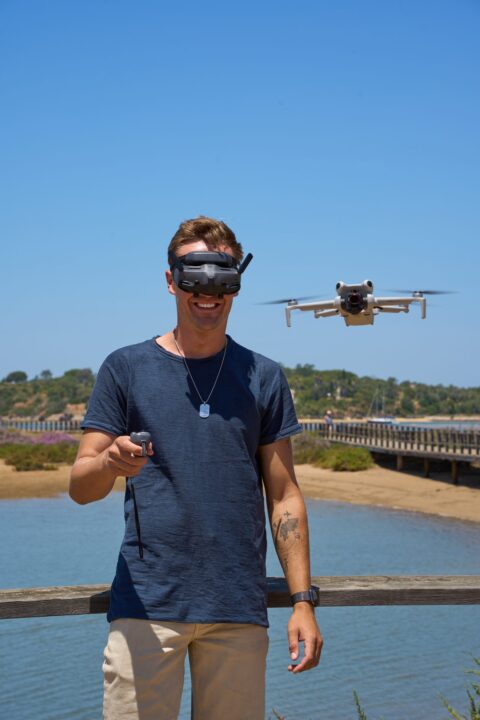
Max Haase
Travel Content Creator · Drone Photographer · Visual Storyteller
A professional travel creator for over 10 years with over 4 million followers. Specializing in high-end tourism board collaborations and visual travel storytelling.
 German
 English