
Albania Travel Report 2026: Route, Costs & Tips
Albania is perhaps the most underrated travel destination in Europe. While the crowds flock to the Croatian coast, Mallorca, or Greece, right next door lies a country that completely blew me away: pristine nature, turquoise lakes that easily rival the Caribbean, unparalleled hospitality, and prices that make you think there's a typo in the menu. In this Albania travelogue, I share my honest experiences, the best tips, and everything you need to know before your first trip.
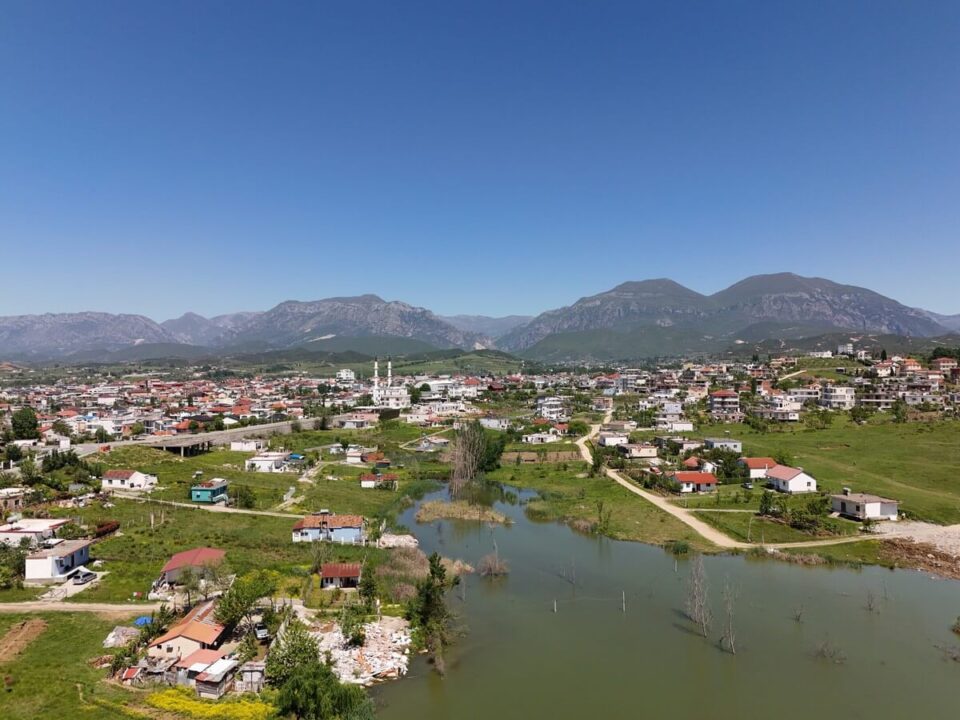
In April 2025, I spent almost two weeks traveling through Albania—with a rental car, a drone, and zero expectations. What I found left me speechless. From the wild Albanian Riviera to the historic city of Kruja, to lakes whose color is so unreal they look fake in photos. Spoiler alert: They're real. And that's precisely why I had to write this travelogue.
Why Albania? Europe's underrated jewel
Let me start with the most important question: Why should you travel to Albania in particular? Quite simply — because here, in 2025, you'll still find what most European destinations have long since lost: authenticity. Albania is not geared towards tourism. There are no souvenir shops on every corner, no overpriced rooftop bars with Instagrammable decor, and no hordes of tour groups fighting for the best position with selfie sticks.
Instead, you'll find a country that's just beginning to open up, and that's precisely what makes it so fascinating. Albanians are incredibly hospitable—"Besa" (the Albanian word of honor) isn't just an empty phrase here, but a lived culture. I was invited into restaurants even though I hadn't ordered anything. A gas station attendant explained the way to me and then got his car to drive me to my hotel because "Google Maps doesn't work very well here." Experiences like these make Albania my number one insider tip in Europe.
Furthermore: Albania is extremely cheap. A full dinner with appetizer, main course, dessert, and wine often costs between 15 and 25 euros—for two people. An espresso costs 50 cents. A good hotel with a sea view? 40–60 euros a night. Anyone coming from Germany, Austria, or Switzerland will feel as if prices have been turned back 20 years.
Albania's sights — My top 7 highlights
Albania has an incredible density of highlights in a relatively small area. In just under two weeks, I explored the country from north to south. Here are my personal top 7 sights in Albania:
1. Bovilla Reservoir — The lake that doesn't look real
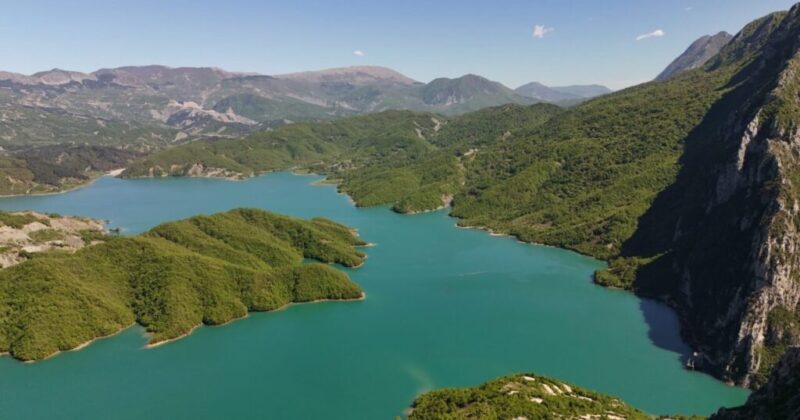
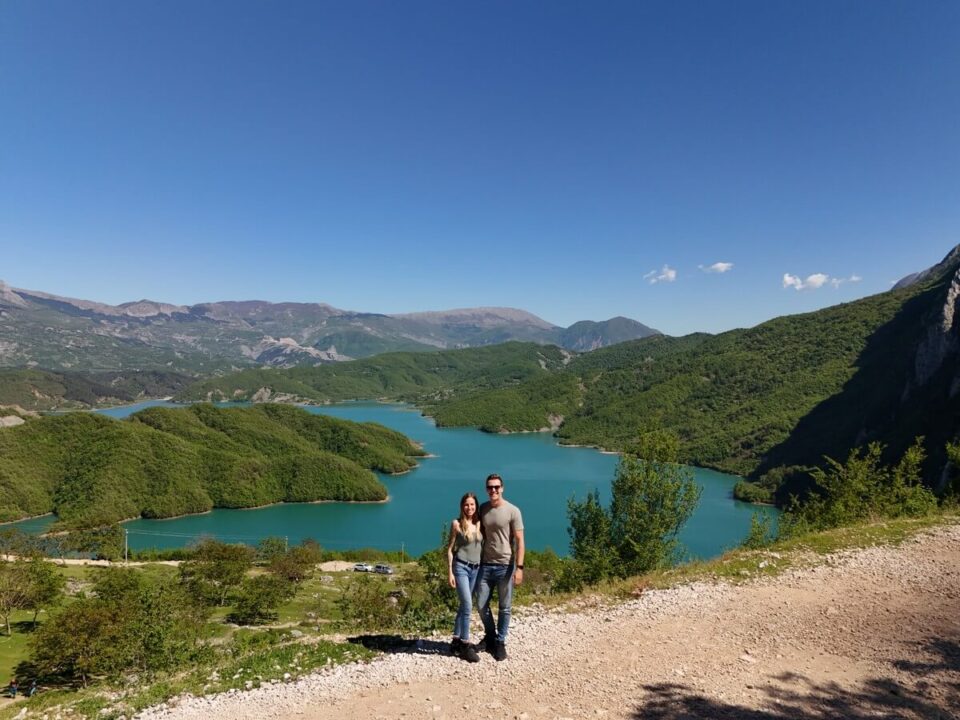
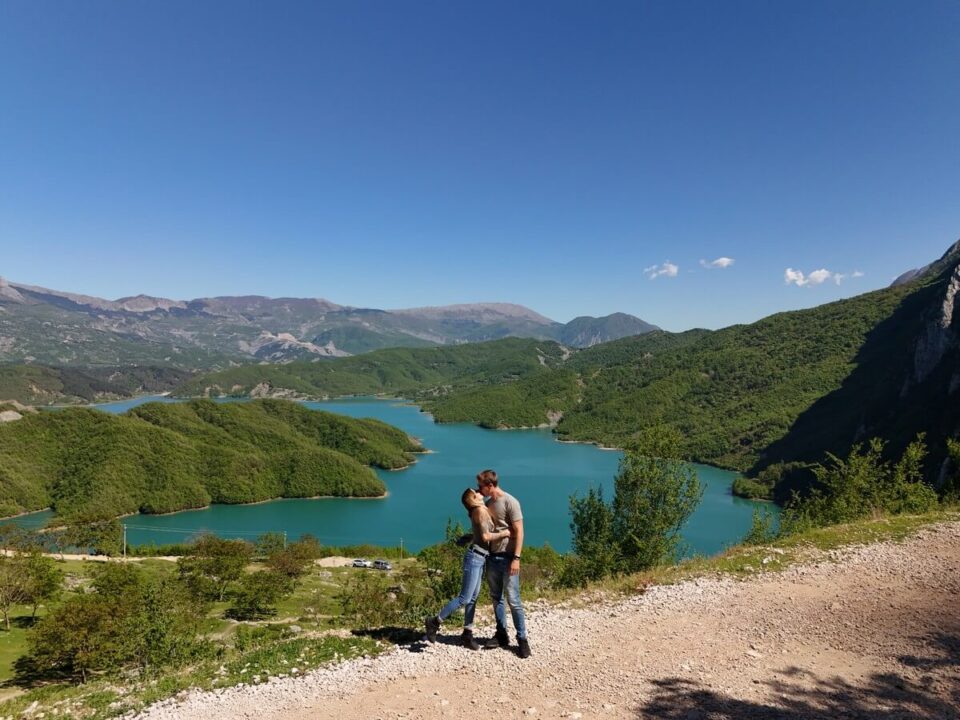
If you need a picture that perfectly encapsulates Albania, it's the Bovilla Reservoir north of Tirana. The water is so turquoise, so unreal, so absurdly beautiful that I sent my drone up three times, thinking the camera must have a color error. It didn't. The lake really does look like that.
The drive there is a bit of an adventure: a gravel road winds its way up the mountain, riddled with potholes that occasionally test the limits of your rental car. But that's precisely what keeps the crowds away. Once you reach the top, you're greeted by a panorama that simply leaves you speechless. Green mountains, turquoise water, absolute silence. Perfect for a drone shot—and even more perfect for simply marveling at the view.
2. Kruja — The city of Skanderbeg
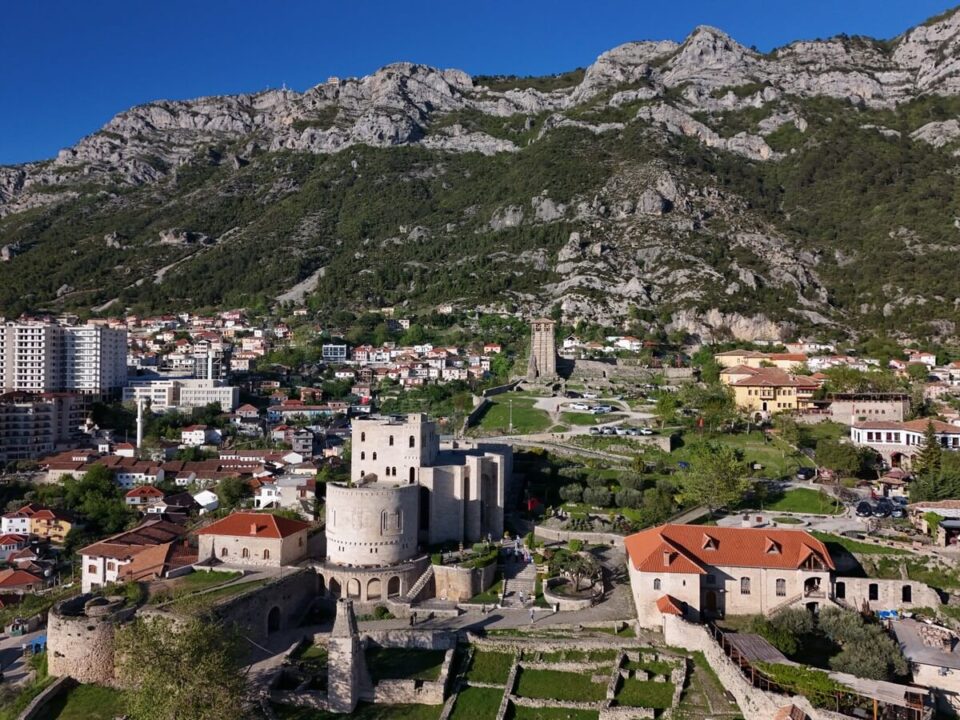
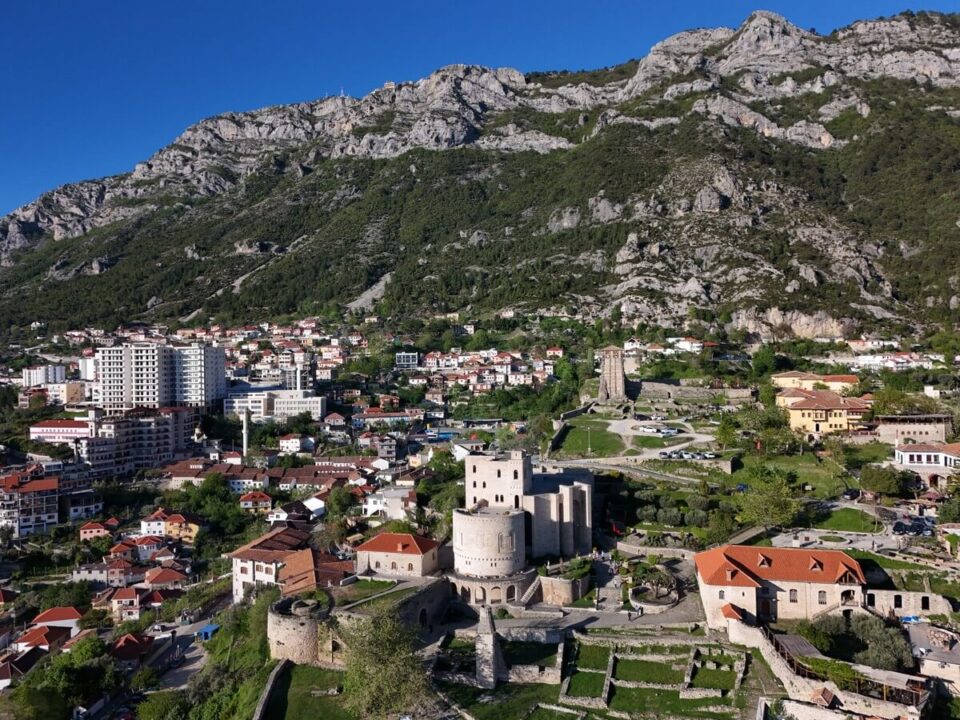
Kruja is Albania's national pride in urban form. Here, in the 15th century, George Kastrioti—better known as Skanderbeg—defied the Ottomans and rose to become a national hero. The castle towers above the town, behind which rise massive limestone mountains, and in the middle, the Old Bazaar with its cobblestone streets winds its way up the hillside.
What makes Kruja special is that it's not a museum, but a vibrant city. In the Old Bazaar, hand-knotted carpets hang next to copper jewelry, an old craftsman hammers ornaments into metal, and the aroma of freshly grilled lamb wafts from the restaurants. I sat for two hours in a small café, drinking Turkish coffee and simply watching. Kruja is a place where you lose track of time.
My tip: Come early in the morning — then you'll practically have the bazaar to yourself. And bring your drone, because the view of the castle from above is absolutely breathtaking.
3. Albanian Riviera — Picture-perfect beaches
The Albanian Riviera between Vlora and Saranda is the stretch of coastline everyone raves about—and rightly so. Dhermi, Jale, Gjipe—these beaches boast crystal-clear water, are framed by rocks and pine trees, and are free of charge. They are nothing like the completely built-up Côte d'Azur or parts of the Spanish Mediterranean coast.
Gjipe Beach is only accessible by hiking or boat. That's precisely what makes it so special: no mass tourism, no hotel blocks, just you, the sea, and the cliffs. The hike takes about 30 minutes downhill (and the same amount of time uphill again—bring water). The beach itself is a small pebble cove framed by high rock walls. Absolutely stunning.
4. Tirana — The most colorful capital city in Europe
Tirana surprised me. I hadn't expected much, but the capital city is vibrant. In the 2000s, former mayor Edi Rama (now prime minister and an artist himself) began having the gray, socialist-era apartment blocks painted in all the colors of the rainbow. The result: a city that is colorful, chaotic, and incredibly lively.
My highlights in Tirana: Skanderbeg Square (a huge, completely car-free square in the city center), the Blloku area with its cafes and restaurants, and the New Bazaar—a renovated market where you can find everything from fresh feta and local raki to handmade pasta. Oh, and a good flat white costs €1.50 here. In Berlin, you'd pay three times that.
5. Berat — The City of a Thousand Windows
Berat is a UNESCO World Heritage Site and is nicknamed the "City of a Thousand Windows" — because the whitewashed Ottoman houses are built so close together on the mountainside that from the opposite bank of the river, it looks as if the entire city consists only of windows. The image is iconic and one of the most photographed scenes in Albania.
Berat is divided into two historic quarters: Mangalem (at the foot of the castle) and Gorica (on the other side of the river). Between them lies the 18th-century stone bridge. The castle itself is enormous—practically a city within a city, where people actually live. It's not an open-air museum, but a vibrant neighborhood with small churches, mosques, and restaurants.
6. Theth & Valbona — The Albanian Alps
Anyone who thinks Albania is just beaches hasn't seen the Albanian Alps. Theth and Valbona in the north are mountain villages nestled in spectacular valleys and connected by one of the most beautiful hiking trails in the Balkans—the Valbona-Theth Trail. The hike takes about 6-8 hours and crosses the 1,800-meter-high Valbona Pass.
The landscape is reminiscent of the Dolomites—but without all the tourist crowds. Theth has a handful of guesthouses, the famous Blue Eye (a natural spring pool), and the Grunas Waterfall. If you love hiking, this part of Albania is an absolute must. My tip: Plan at least three days to explore the region at a relaxed pace.
7. Syri i Kalter (Blue Eye) near Saranda
The Blue Eye in the south (not to be confused with the one in Theth) is a karst spring whose water shines such a brilliant blue that you won't believe it until you're standing right in front of it. The spring gushes upwards from a depth of over 50 meters, forming a perfect blue "eye." Surrounding it: dense forest, absolute tranquility. Entry costs 50 LEK (approx. €0.50) — and it's worth every penny.
Albania Costs — How cheap is the country really?
One of Albania's biggest advantages: The country is incredibly affordable. Here's an honest overview of my actual expenses while there. The currency is the Albanian Lek (ALL), where 1 Euro is roughly equivalent to 100 LEK — making conversions wonderfully simple.
| category | Price in Albania | Comparison Germany |
|---|---|---|
| espresso | 0.40 – 0.70 € | €2.50 – €3.50 |
| Dinner (2 people, 3 courses + wine) | 15 – 30 € | €60 – €120 |
| Beer (0.5l in the restaurant) | €1.50 – €2.50 | €4.00 – €6.00 |
| Hotel (double room, mid-range) | €35–65 per night | €90–150 per night |
| Rental car (small car) | €20-35 per day | €40-70 per day |
| Gasoline (per liter) | €1.40 – €1.60 | €1.70 – €1.90 |
| Daily budget (comfortable) | €50-80 per person | €120–180 per person |
As you can see, Albania is easily 50-601,003 cheaper than Germany. And that's with a quality that is absolutely convincing. The food is fresh, regional, and mostly homemade. The hotels are clean and welcoming. You get significantly more for your money here than in most other European holiday destinations.
Practical tips for Albania — everything you need to know
Entry and visa
Germans, Austrians and Swiss citizens need a visa for stays of up to 90 days. no visa — only a valid passport or identity card is required. Entry is straightforward and rarely takes longer than 10-15 minutes at the border. It's even faster at Tirana airport.
Arrival
The easiest way is a direct flight to Tirana (TIA). Lufthansa, Wizz Air, and Eurowings, among others, offer direct flights from Germany. Flight time from Munich is approximately 2 hours. Cheap flights are often available from €50-80 each way if you book early. Alternatively, you can also enter via Montenegro or North Macedonia if you're planning a road trip.
Rental car — yes or no?
A definite yes. Exploring Albania by rental car is by far the best way to discover the country. The main roads are in good condition, the Tirana-Saranda highway is modern and well-developed, and you have the flexibility to spontaneously stop at a viewpoint you didn't know about beforehand. I picked up my rental car directly at Tirana airport—it went smoothly.
A few tips: Off the main roads, the roads can get bumpy (gravel tracks to some sights). Albanian drivers are… let's say "creative." Using your horn isn't a sign of aggression here, it's a way of communicating. And it's best to fill up at larger gas stations—the smaller ones by the roadside can sometimes be a bit questionable.
Currency and Payment
The currency is the Albanian Lek (ALL). The exchange rate fluctuates around 1 EUR = 100 ALL, making mental arithmetic extremely easy. In Tirana and tourist areas, you can often pay with euros (but the exchange rate is usually less favorable). Credit cards are accepted in hotels and larger restaurants, but: Take enough cash with you! Especially in smaller towns and markets, everything is done in cash. You can easily find ATMs in any major city.
Security
Here I would like to dispel a widespread prejudice: Albania is safe. Full stop. I never felt unsafe at any time—neither during the day nor at night. The crime rate for tourists is extremely low. Albanians are proud of their country and treat visitors with great respect. Of course, you should use common sense everywhere (no displaying valuables in your car, no waving around large bills), but that applies worldwide.
Best Travel Time
The best time to travel to Albania is May to October. In the height of summer (July/August), it can get very hot on the coast (35°C+) and the beaches are crowded — especially with Albanian and Kosovar tourists. My sweet spot: May/June or September. Pleasant temperatures, fewer people, lower prices. June to September is ideal for the Albanian Alps in the north.
Internet and SIM card
Albania is not in the EU, which means your German mobile phone contract is valid here. not without a roaming surcharge. My tip: Buy an Albanian SIM card at the airport (Vodafone or ONE Albania). 10 GB costs around 5-7 euros and coverage is good in most regions. There may be dead zones in the mountains — it's best to download Google Maps offline beforehand.
My route — 12-day Albania road trip
Here is my tried and tested route for a nearly two-week road trip through Albania, which I can recommend to everyone:
Days 1-2: Tirana — Arrival, Skanderbeg Square, Blloku district, New Bazaar, nightlife
Day 3: Kruja — Day trip, castle, old bazaar, Skanderbeg Museum (45 min from Tirana)
Day 4: Bovilla Reservoir — Half-day trip, drone flying, viewpoints
Days 5-6: Berat — Old town, castle, Mangalem, Gorica, wine tasting
Day 7-8: Gjirokastra & Blue Eye — UNESCO Old Town, Fortress, Syri i Kalter
Days 9-10: Albanian Riviera — Dhermi, Jale Beach, Gjipe Beach, Porto Palermo
Day 11: Saranda & Butrint — Port city, ancient ruins of Butrint (UNESCO)
Day 12: Return trip to Tirana — via the motorway (approx. 4-5 hours)
This route covers the main highlights while still giving you enough time to truly enjoy each place. No stress, no rushing — Albania should be discovered slowly.
Food in Albania — My culinary highlights
Albanian cuisine is a blend of Mediterranean, Ottoman, and Balkan influences—and it's fantastic. Here are my personal recommendations:
Byrek: The national dish. A puff pastry filled with spinach, feta cheese, or minced meat. Available on every street corner, it costs 1-2 euros and is the perfect breakfast or snack on the go.
Tavë Kosi: Lamb in a yogurt and egg sauce, baked in the oven. Sounds simple, tastes sensational. The most famous Albanian dish, and deservedly so.
Fresh fish: On the coast, you can get fish that was in the sea just hours before. Sea bream, sea bass, or squid—grilled with olive oil and lemon. That's all you need. And all for a fraction of what you'd pay in Italy or Greece.
Raki: Albanian schnapps. It's always served after a meal. And usually homemade. Politely declining it is practically impossible. My tip: Drink it in small sips and eat with it. The raki the next morning will be more forgiving if you've eaten well beforehand.
Kafe Turke: Turkish coffee, strong and unfiltered. Served in a small copper pot (xhezve), it's as much a part of everyday life in Albania as bread is in Germany. 50 cents, maximum 1 euro. The best conversations happen over a cup of Turkish coffee.
Albania holiday experiences — My honest conclusion
Albania surprised, delighted, and humbled me. This country shows you that travel doesn't have to be expensive to be unforgettable. The scenery is breathtaking, the people are warm and welcoming, the food is fantastic, and the prices are almost ridiculously affordable.
Is Albania perfect? No. The infrastructure could be improved in some places, there are garbage problems, especially on some beaches and riverbanks, and the driving habits are… something you have to get used to. But it's precisely these quirks and imperfections that make Albania authentic. Nothing here has been polished or staged for tourists. You'll experience a real country with real people.
My advice: Go there now. Not in five years, when the big hotel chains have built and prices have risen. Not when the next travel blog craze sweeps the country. Now. Albania is a window into the future of Balkan tourism—and at the same time a window into a past when travel was still something special.
If you have any questions about my trip to Albania or need tips for your own route, feel free to write to me. Instagram. And if you want to read more travel reports from me, check out my Gran Canaria travel report or my Crossing the Alps on the E5 to.
Frequently Asked Questions about Albania (FAQ)
Is Albania safe for tourists?
Yes, Albania is a safe country to travel in. The crime rate against tourists is very low, and the hospitality of the Albanian people is legendary. As everywhere, common sense is all you need. I never felt unsafe.
Do I need a visa for Albania?
No. Germans, Austrians, and Swiss citizens can enter visa-free for up to 90 days with a passport or identity card. Entry at the border or airport is usually quick and straightforward.
How expensive is a holiday in Albania?
Albania is one of the most affordable travel destinations in Europe. With a comfortable daily budget of €50-80 per person (including accommodation, food, and transport), you can travel very well here. A dinner for two often costs only €15-30, and a good hotel €35-65 per night.
When is the best time to travel to Albania?
May to October, with May/June and September being the sweet spot: pleasant temperatures, fewer tourists, and lower prices. In the height of summer, temperatures on the coast can exceed 35°C. June to September is ideal for the Albanian Alps.
Can I pay with Euros in Albania?
In tourist areas and hotels, yes, but at a less favorable rate. The official currency is the Albanian Lek (ALL). It's best to withdraw Lek from an ATM or exchange it at the airport. The exchange rate is approximately 1 EUR = 100 ALL, making conversion very easy.
Do I need a rental car in Albania?
I highly recommend it. With a rental car, you're flexible and can reach even remote places like Lake Bovilla or Gjipe Bay. The main roads are well-maintained, but off the beaten track, it can get bumpy. A small car costs from about €20-25 per day.
Is there Wi-Fi and mobile internet in Albania?
Hotels, restaurants, and cafes almost always offer free Wi-Fi. For when you're out and about, I recommend an Albanian SIM card (Vodafone or ONE Albania, around €5-7 for 10 GB). Network coverage is good in cities and along the coast, but there may be dead zones in the mountains.
About the author: Max Haase is a content creator and photographer with over 4 million followers on Instagram. He travels the world with a drone and camera and shares his honest travel experiences on this blog. For collaboration inquiries: Request Collaboration
 German
  English