
Best time to visit New Zealand: climate & seasons
Best time to visit New Zealand: the short answer
The best time to visit New Zealand depends less on a single month than on the planned route. For long days, hikes and a road trip, late spring, summer and early fall are considered particularly suitable. That corresponds roughly to November through March. If you want to swim and travel in the most summery conditions possible, look more at January and February. If you're looking for fewer crowds, mild temperatures and good conditions for a round trip, you can prefer November or March. Still, changeable weather is part of New Zealand in every season.
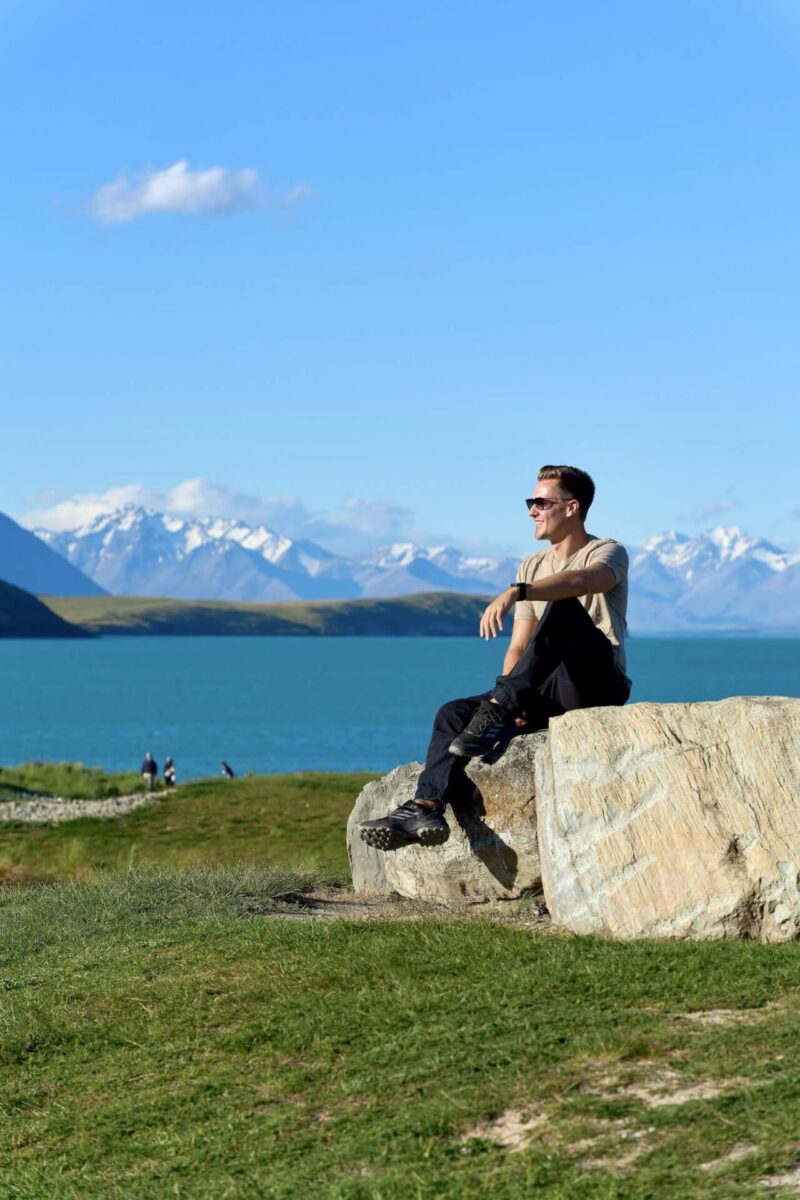
I was in the country for twelve days, from November 13 to 24, 2025. My route led from Auckland via Taranaki to the South Island, and there from Christchurch via Akaroa, Lake Tekapo and Aoraki Mount Cook to Queenstown. At the end of November, I experienced the New Zealand late spring: long, light evenings, blooming lupines at Lake Tekapo and moderate visitor numbers. This period suited my compact trip very well, but it's no weather guarantee for every region.
This article sorts the seasons by activities and parts of the country. My specific stops and experiences, on the other hand, are described in detail in my New Zealand travel report from Auckland to Queenstown. That keeps travel-time planning clear here without repeating the trip report.
New Zealand travel season at a glance
| Period | Season | Typical strengths | What to look out for |
|---|---|---|---|
| September to November | Spring | Longer days, fresh landscapes, a good shoulder season | Rapid weather changes, winter conditions still possible at higher elevations |
| December to February | Summer | Warmest period, long days, many outdoor options | Peak travel season, popular places and accommodations in higher demand |
| March to May | Fall | Often mild, quieter than in high summer, fall colors | Days get shorter, cooler toward May |
| June to August | Winter | Snow and winter sports in suitable mountain regions | Short days, snow, ice, and limited alpine routes |
New Zealand lies in the Southern Hemisphere, so the seasons are reversed compared to Central Europe. Christmas falls in summer, while July is a winter month. This simple shift helps with initial planning, but it isn't enough on its own. The long, narrow country, the mountain ranges, and the proximity to the sea create clear regional differences. A sunny day on the east side of the South Island says little about conditions on an exposed coast or in the Southern Alps.
Best time to visit New Zealand by season
Best time to visit New Zealand in spring from September to November
In spring, the days get longer and the landscape looks especially fresh in many places. At the same time, the weather stays changeable. Wind, rain, sun, and cooler spells can follow each other in quick succession. This is an appealing time for a road trip if your daily plan has some buffer and you pack layers of clothing. In alpine regions, don't assume the trails are safe just because of the calendar: what counts on site are current conditions and advisories.
My trip in the second half of November fell at the end of this season. On the South Island, I used a motorhome for transport, a kitchen, and shelter from the weather. Around Lake Tekapo and Aoraki Mount Cook, that left room for flexible photo stops. The long, light evenings were especially valuable. The blooming lupines at Lake Tekapo were a visible seasonal feature of my route, but the bloom time and intensity can vary from year to year.
Best time to visit New Zealand in summer from December to February
The New Zealand summer is the obvious choice for anyone looking for warmth, plenty of daylight and a wide range of activities. Coastal stays, walks, hikes and longer driving stages combine well with the long days. At the same time, many people are traveling within the country then. You should therefore arrange popular accommodations, campsites, rental vehicles and activities earlier than in quieter months.
However, summer doesn't mean constant heat or dry days everywhere. Maritime influences and mountains still determine the weather. For a route across both islands, a rain layer, a warm mid-layer, and sun protection all belong in your luggage. If you want to avoid crowds as much as possible, you can consider the shoulder months of November or March instead of the holiday period.
Best time to visit New Zealand in fall from March to May
Fall is a good fit for travelers who want to combine milder conditions with less high-season activity. March is still close to summer, while April and May get noticeably cooler. In some landscapes, fall colors come into play. That can be appealing for photography and road trips, especially since the lower sun creates a different light mood than in midsummer.
As the season progresses, daylight decreases. That affects not only hikes but also how long your driving stages can realistically be. If you're traveling in late fall, it's better to plan viewpoints and walks first and not treat the onward drive as an end-of-day item that can be postponed at will.
Best time to visit New Zealand in winter from June to August
Winter is not a bad time to travel, but a specialized one. In suitable mountain regions, snow and winter sports are the focus. If you're planning a classic road trip with lots of alpine hikes, though, you'll need to expect shorter days, wintry roads and closed or unsuitable trails more. Coasts and lower-lying cities experience different conditions than high elevations, but they also stay cooler.
A winter trip needs more buffer and a more consistent check of the local situation. Weather forecasts, road information and notices from the responsible authorities matter more than a long-term average. A summer sample route shouldn't be transferred unchanged to July.
Best time to visit New Zealand for the North Island and South Island
Best time to visit New Zealand on the North Island
The North Island is closer to the subtropics and is milder overall than the south, but here too the coast, volcanic plateau and western regions differ. Auckland was my start to the trip. After that I flew to New Plymouth and spent time in Taranaki. In November, Auckland and the harbor area already felt like summer, while my further planning was still set up for changing conditions.
For cities, coast and lower elevations, a wider time window works than for high-altitude tours. If you combine different areas, you shouldn't just read a nationwide climate table but assess each stretch of the route individually. Especially on a short trip, that prevents a whole day from depending on overly rigid planning.
New Zealand travel season on the South Island
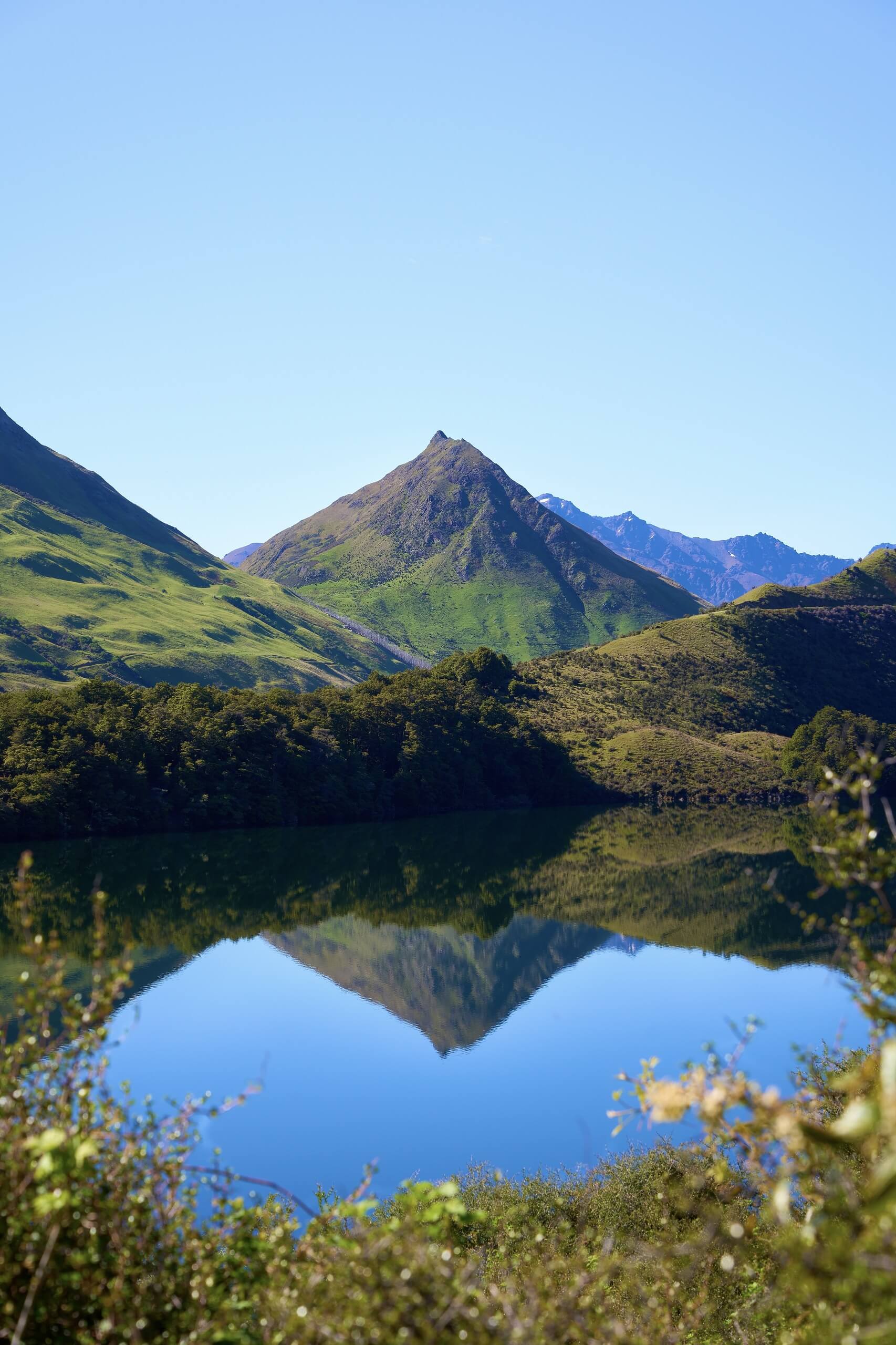
On the South Island, the Southern Alps shape the weather especially strongly. The west and east sides can differ significantly; elevation and exposure add to that. For my route from Christchurch via Banks Peninsula to the Mackenzie Basin and on to Queenstown, late November was a good fit. I had time for Akaroa, Lake Tekapo, Aoraki Mount Cook and Queenstown, without drawing any conclusion about spring weather always being stable.
For mountain destinations, the current situation decides. Even in summer, wind, precipitation or a sudden drop in temperature can change a plan. For the practical preparation of my route, my post is helpful: Planning a New Zealand road trip. There, the focus is on organizing the round trip, while here the seasonal decision is what counts.
Best time to visit New Zealand by activity
Best time to visit New Zealand for a road trip and camper
For a varied road trip, November through March are often the most straightforward months: The larger daylight window gives more room for breaks, short walks and viewpoints. December through February bring the biggest crowds, so November and March can be a good compromise. For me, the end of November worked especially well because I could structure the South Island section flexibly with the motorhome.
- Plan driving times conservatively and don't leave out photo stops.
- Reserve accommodations, campervans and key activities early for popular travel periods.
- Plan a more weather-independent backup for each day.
- Check current road and weather information before mountain routes.
- On a short route, weigh targeted domestic flights against long transfer distances.
Best time to visit New Zealand for hiking
For many hikes, the warmer months with long days are especially attractive. Still, a trail's suitability depends on region, elevation and the day's weather. My hiking experience at Aoraki Mount Cook dates from November: I fit the Red Tarn Walk into the day. That doesn't mean every alpine trail is easily walkable throughout the entire spring.
I would always plan a trip based on the current official advisories, bring suitable gear, and turn back if conditions are bad. The best time to travel doesn't replace an assessment on the ground or enough buffer time. This applies especially in places where the weather can change quickly.
New Zealand travel season for stargazing
For stargazing, the season isn't the only thing that matters. Darkness, cloud cover, moon phase and light pollution directly affect the experience. In summer the nights get shorter, in winter longer. On the other hand, wintry conditions can make getting there or spending time outdoors more demanding. A clear night matters more than a generally perfect month.
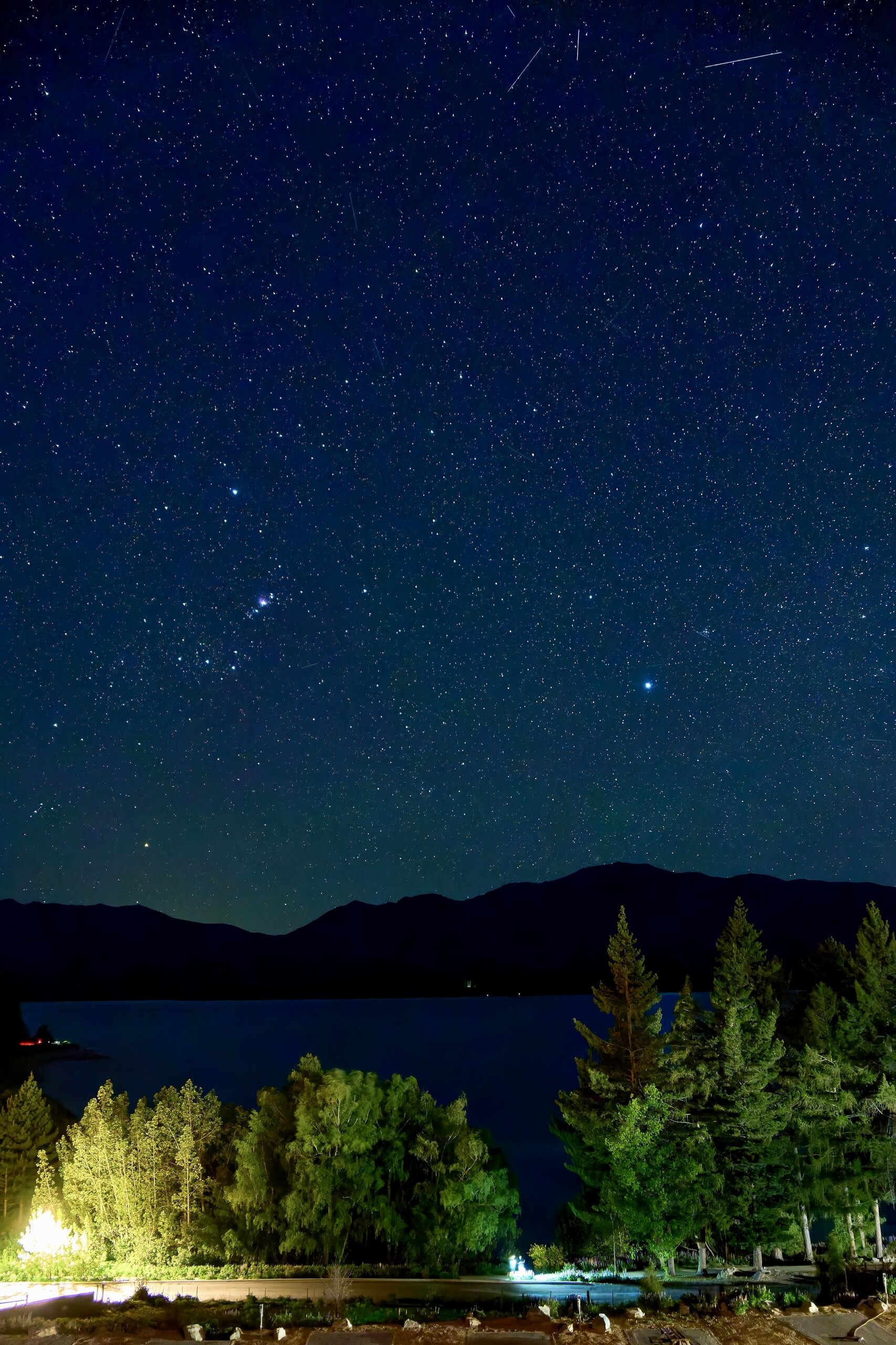
In November, I took part in a guided stargazing tour in the Aoraki Mackenzie International Dark Sky Reserve and saw the Milky Way and the Southern Cross there, among other things. If you want to build this topic into your trip, you'll find in my New Zealand stargazing guide the right in-depth guide.
Best time to visit New Zealand for photography
For photos, every season has its own character. Spring brings fresh green and seasonal blossoms, summer long shooting windows, fall warmer colors and winter snow in the mountains. More important than the supposedly perfect season is a schedule that allows for good light and weather changes. If you fill every day with long transfers, you lose that freedom.
On my twelve-day trip, I used flexible stops, especially at Lake Tekapo and Mount Cook. As a content creator, I deliberately left time for stills and time-lapses when shooting. Tourism boards that want to tell the story of a destination seasonally and visually will find information about professional travel content and possible productions on my page about Collaboration.
Planning the right time to visit New Zealand
Best time to visit New Zealand with a flexible route
A good route has fixed anchors and flexible parts. Flights, special accommodations or guided activities can be fixed; smaller hikes, viewpoints and photo stops stay as interchangeable as possible. On my short trip, I used domestic flights for the transfer from Auckland to New Plymouth and on to Christchurch. That way I concentrated the road trip on the South Island instead of overloading twelve days with too many kilometers.
On a longer trip, you can slow the pace. Regardless of duration, I recommend not scheduling every bright period. A free window can be extended in good weather or used to keep driving when it rains. It's exactly this reserve that makes a suitable season truly valuable in practice.
Best time to visit New Zealand and the right packing list
Your luggage should be geared toward change rather than an average. A windproof and rainproof outer layer, warming layers, sun protection and sturdy shoes make sense for many routes. In winter and in alpine areas, significantly warmer gear suited to the activity is added. For planned tours, the specific recommendations of the operators or responsible authorities always apply.
- Keep rain and wind protection within easy reach instead of buried deep in your luggage.
- Combine several thin layers for quick temperature changes.
- Pack sunscreen, a hat, and enough water.
- Save offline maps for stretches with poor reception.
- Leave buffer time for weather, breaks, and slower mountain roads.
FAQ
When is the best time to travel to New Zealand?
For many round trips, November through March is particularly suitable because the days are long and conditions are often mild to warm. December through February make up summer and also the peak travel season. November and March are interesting shoulder months. The specific choice should always fit the region and activity.
Is November the best time to visit New Zealand?
November can work very well for road trips, photography, and less peak-season activity. I traveled from November 13 to 24, 2025, and experienced late spring on the North and South Islands. Changeable weather remains possible, especially in mountain regions. That makes the month a good option, but not a guarantee.
What's the best time to visit New Zealand's South Island?
For a classic South Island road trip with many outdoor stops, late spring, summer and early fall are popular. If you're planning winter sports, on the other hand, you deliberately choose winter. In the Southern Alps, current weather, road and trail conditions must be checked regardless of the month.
When is the best time to visit New Zealand with fewer visitors?
November and March can be quieter than the peak summer season from December to February. Spring and fall outside these shoulder months are also an option, but they bring shorter days or more changeable conditions. Fewer visitors also depends heavily on the specific place and on holidays.
How many days do I need in the best time to visit New Zealand?
The duration you need depends on the route. My trip covered twelve days, two islands and targeted domestic flights; I spent two days on the North Island and ten days on the South Island. For a slower round trip across both islands, you should plan significantly more time.


 German
 English
 French
 Spanish
 Italian
 Japanese
 Chinese
 Dutch
 Portuguese