
Best travel destinations 2026: Top 10 insider tips & affordable destinations
Top travel destinations 2026: My personal top 10 (including insider tips)
Every year I get hundreds of messages: „Max, where are you traveling to this year?“ My answer isn’t based on other magazines’ trend lists, but on places I’ve actually been—with a drone, a camera, and enough time to truly immerse myself. In recent years, I’ve traveled to over 30 countries, flown thousands of drone kilometers, and spent countless hours in post-production. These ten destinations have impressed me the most—not just visually, but also atmospherically, culinarily, and in terms of the people. In 2026, they will be even more accessible, safer, and more exciting than ever before.
- Top 10 insider tips for 2026: Albania, Algarve, Australia East Coast, Philippines, Turkey Aegean/Bodrum, Kenya, Canary Islands, Croatia, New Zealand and Sicily — personally tested by Max.
- Budget champion Albania: €30-50 per day including accommodation, food and rental car — Europe's cheapest travel destination with unspoiled nature and prices like in 2005.
- Asia's insider tip: Philippines: €25-50 per day if you travel like a local — 7,641 islands, Palawan and Siargao as top spots, best time to travel November to May (dry season).
- Year-round option Canary Islands: 18-25°C in winter, 22-28°C in summer — Fuerteventura for kitesurfers, Tenerife for hikers, Gran Canaria for a mix of beach and mountains.
- Realistically assess the higher cost of Australia: €80-120 per day for a normal trip (not just camping), Cairns to Sydney as a 2-3 week road trip, Great Barrier Reef from a boat or from the air.
What makes this list different: Every destination was personally visited by me with my drone and the camera Documented. I share not only highlights, but also concrete insider tips, practical information on budget and travel time, and honest assessments of drone regulations. If you're looking for a truly worthwhile travel destination in 2026—for content creators, adventurers, couples, or budget travelers—then this list is your starting point.
1. Albania — Europe's best-kept secret
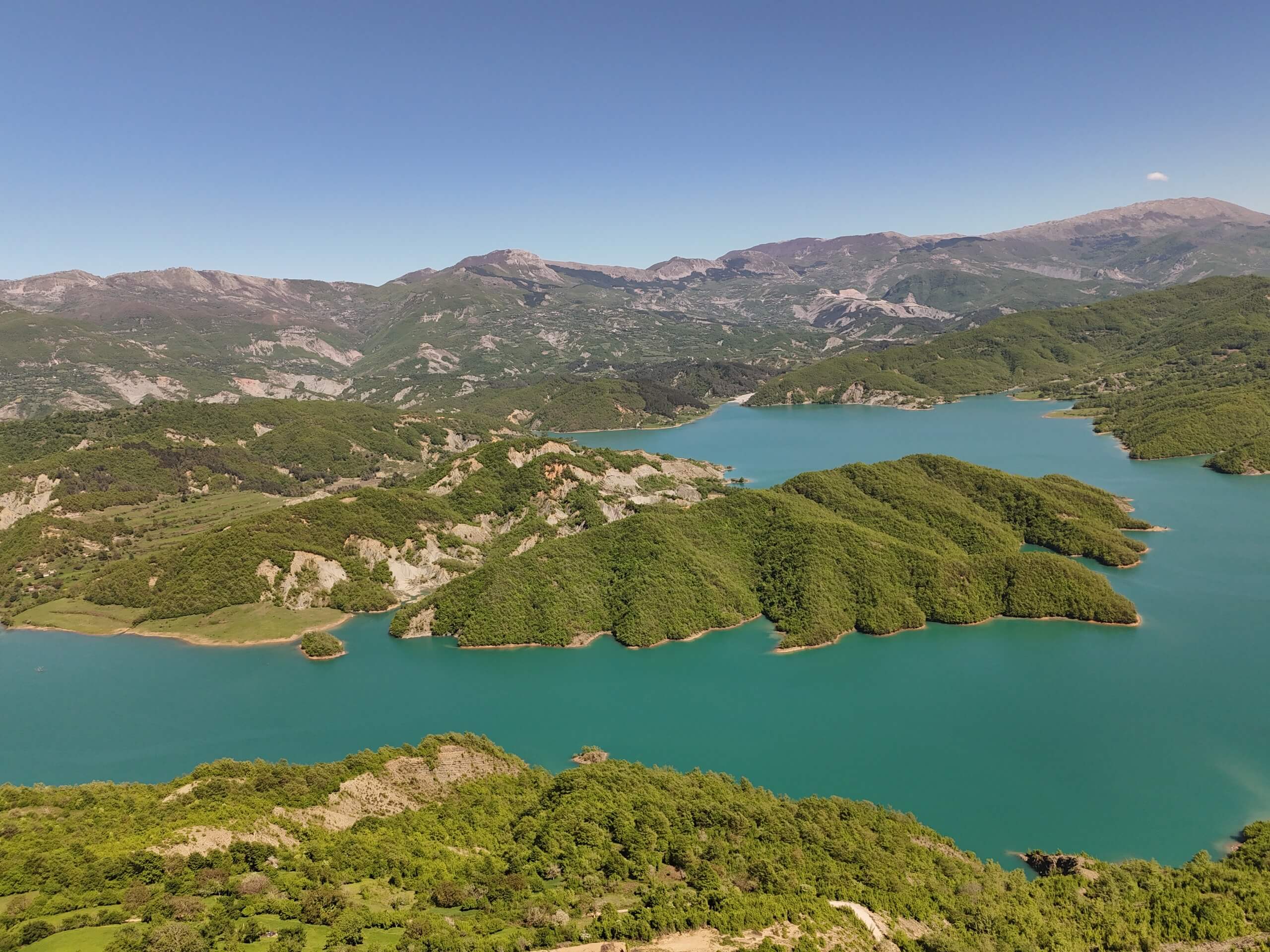
Albania has been my biggest surprise of recent years. Turquoise mountain lakes like the Bovilla Reservoir, the medieval castle town of Krujë with its dramatic rocky backdrop, and an Adriatic coastline that rivals Croatia's—all for a fraction of the cost. I visited in 2023 and 2025, and each time I discover something new. The infrastructure is improving rapidly, the people are incredibly hospitable, and the landscape is absolutely stunning for drone photography. My advice: Go before the crowds arrive.
Must-See Highlights in Albania
The Albanian Riviera between Vlora and Saranda is one of the most beautiful stretches of coastline in the Mediterranean. White pebble beaches like Gjipe, Dhermi, and Ksamil are reminiscent of the Caribbean—and all just a two-hour flight from Germany. Inland, Theth National Park beckons with alpine mountain scenery, traditional stone houses, and the famous Blue Eye (Syri i Kaltër), a crystal-clear karst spring with an almost surreal intensity of color. Culture enthusiasts will find plenty to enjoy in the UNESCO World Heritage city of Gjirokastra, while Tirana, with its communist heritage, the Bunk'Art exhibition, and a surprisingly vibrant street art scene, has become one of the most exciting capital cities in Europe. My personal highlight: the sunrise over the Llogara Pass with views of the coast and the Greek island of Corfu in the distance.
Practical tips & insider knowledge
The best time to travel is from May to June or September — the summer peaks in July and August are becoming increasingly crowded, especially in Ksamil. A rental car is essential for the SH8 coastal road, which is one of the most beautiful winding roads in Europe. Credit cards are accepted in Tirana and larger hotels, but cash (Lek) is still king in the interior. Drone flights are permitted outside military zones, subject to EU drone regulations. Albania's visitor numbers are increasing by around 301,000 annually — those looking for authentic hidden gems shouldn't hesitate any longer.
Budget: €30-50/day | Best time to travel: May-September | Drone-friendly: Yes (EU regulations)
— Some of my best drone photos worldwide from 2026 —
2. Portugal & Algarve — Europe's most beautiful coast
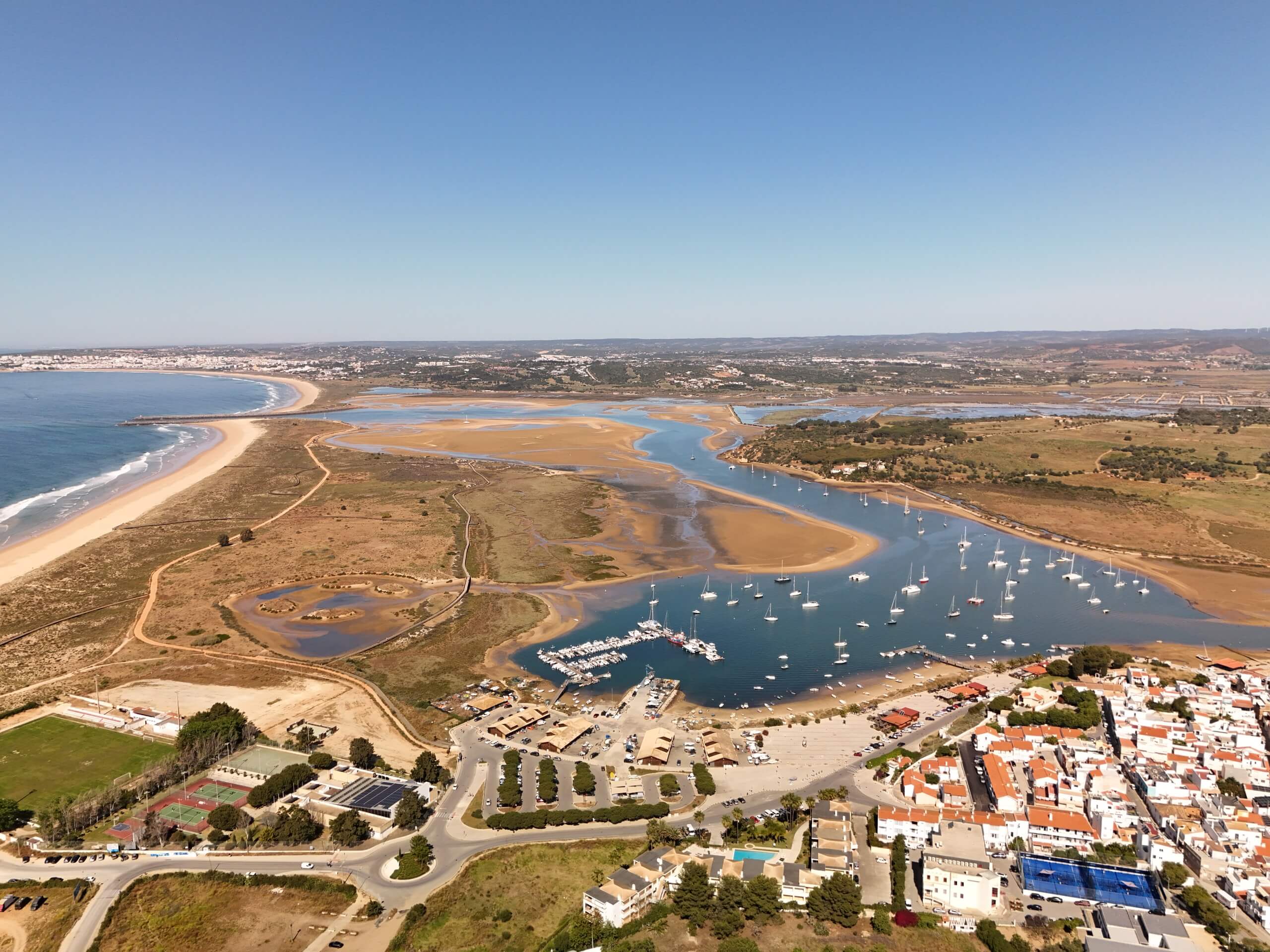
The Algarve is and remains one of the most photogenic coastal landscapes in Europe. The golden cliffs of Lagos, the hidden coves near Benagil, and the endless surf beaches—all within a few hours' drive. Inland, the hinterland surprises with cork oak forests and charming villages. For drone photographers, the Algarve offers perspectives found nowhere else in Europe. In 2024, I spent almost three weeks there and completed over 120 drone flights—every cliff, every grotto, every sunset offered a new subject.
Must-see highlights in the Algarve
The Benagil Cave is now world-famous, but still a must-see—ideally early in the morning by kayak before the boats arrive. Praia da Marinha is considered one of the most beautiful beaches in the world for good reason, with its striking rock formations and turquoise waters. Cabo de São Vicente, at the southwesternmost point of Europe, offers dramatic cliffs bathed in golden light at sunset. To the west, Sagres beckons surfers with its wild Atlantic waves, while to the east lie the charming old towns of Tavira and Faro with their Moorish influences. For those seeking more: the pilgrimage city of Fátima and the medieval university city of Coimbra are just a few hours' drive away.
Practical tips & insider knowledge
The Algarve is a year-round destination—in winter with temperatures around 17-18°C and few tourists, and in summer with temperatures reaching 30°C and crowded beaches. For an authentic experience, I recommend the off-season (April-May or September-October). Rental cars are essential; the A22 motorway quickly connects all the coastal towns. The best seafood restaurants aren't in Albufeira, but in smaller towns like Olhão or Salema. Drone regulations: EU standards apply, but flying is prohibited in nature reserves (Ria Formosa). Drones are not allowed to fly over the Benagil Cave—instead, film from the outside, facing the sea.
Budget: €50-80/day | Best time to travel: April-October | Drone-friendly: Yes (EU regulations)
3. Australia's East Coast — From Cairns to Sydney
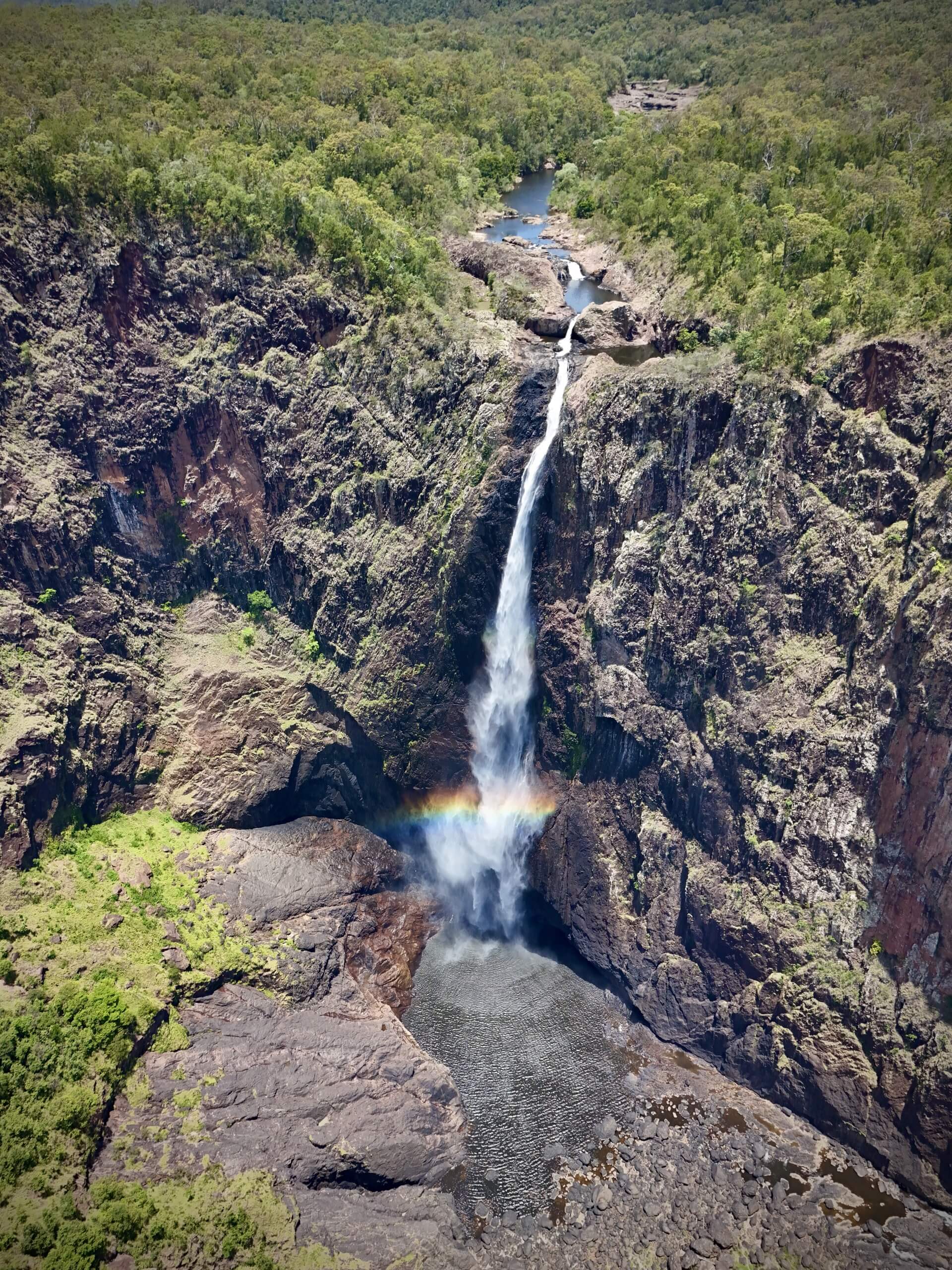
Australia's east coast is the ultimate road trip. From tropical Cairns to the Great Barrier Reef, Wallaman Falls (Australia's highest single-drop waterfall), the Whitsunday Islands, and the Great Ocean Road in the south—each section feels like a country in itself. It's one of the world's best road trips, and in 2026, new eco-lodges and improved campsites will open along the route.
Must-see highlights along the East Coast
The Great Ocean Road in southern Victoria is a must-see—the Twelve Apostles, Loch Ard Gorge, and the Otway Rainforest can be perfectly explored in two days. Further north, Sydney awaits with its iconic Opera House, the Bondi to Coogee coastal walk, and the Blue Mountains, ideal for a day trip. A highlight for many travelers is Whitehaven Beach in the Whitsunday Islands, where the whitest sand in the world meets turquoise waters—a drone photographer's dream with its characteristic sand swirls. Queensland boasts the Daintree Rainforest, the oldest rainforest in the world (180 million years old), and the Great Barrier Reef offers once-in-a-lifetime snorkeling and diving experiences. Fraser Island (K'gari), with its 75-Mile Beach and freshwater lakes, is also a must-see.
Practical tips & insider knowledge
For the complete road trip from Cairns to Melbourne, you should plan at least 4-6 weeks—anything less is pure chaos. Campervans are cheaper than hotels and allow for spontaneous overnight stays in stunning locations. The rainy season in North Queensland lasts from November to April—it's stinger season in the ocean. The best time to travel is September/October in the south and April-November in the north. CASA registration for drones is mandatory and can be done online in 15 minutes. Fuel is expensive in the Outback—always fill up if possible. And: Australia isn't as cheap as you might think; expect to spend €80-120 per day if you're not just camping.
Budget: €80-120/day | Best time to travel: October-April | Drone-friendly: Yes (CASA registration)
— Drone footage from 2026 · various destinations —

4. Philippines — Tropical island paradise
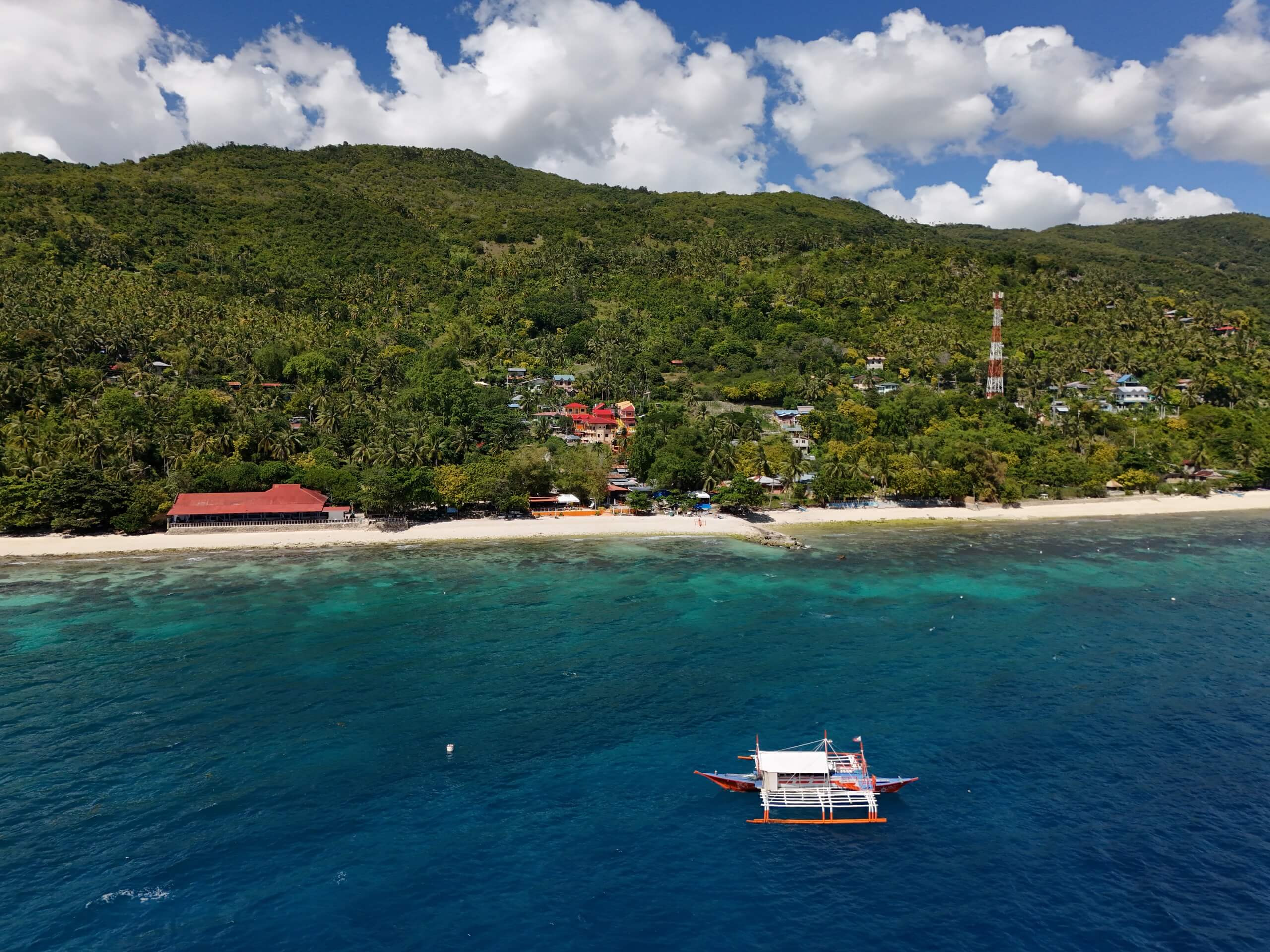
The Philippines consist of over 7,000 islands, and each one looks like a screensaver. Palawan has repeatedly been voted the most beautiful island in the world, El Nido offers turquoise lagoons nestled among limestone cliffs, and Siargao is Southeast Asia's surfing mecca. I've taken some of my best drone footage there—deserted islands with white sand and crystal-clear water as far as the eye can see.
Must-See Highlights in the Philippines
El Nido on Palawan is considered by many to be THE place to visit. Island-hopping tours A, B, C, and D showcase lagoons like the Small Lagoon, Big Lagoon, and Secret Lagoon, which surpass anything in Thailand. Further south lies Coron with its World War II shipwrecks—a diver's dream. Siargao, besides Cloud 9 (the legendary surf spot), is especially famous for the Sugba Lagoon, Naked Island, and the Magpupungko Rock Pools. For a more tranquil experience, fly to Bohol to see the Chocolate Hills and the tarsiers, or to Batanes in the north—the "Scotland of the Philippines." The Chocolate Hills are a geological formation of over 1,200 perfectly shaped hills that turn chocolate brown during the dry season.
Practical tips & insider knowledge
The Philippines are inexpensive, but only if you travel like a local—by jeepney, at local restaurants (karinderia), and with host families instead of hotel chains. The best time to visit is from November to May (the dry season); July to October is typhoon season and should definitely be avoided. English is spoken everywhere, making the Philippines the perfect first-time Asian destination for many. Drone flights are generally permitted, but not in Manila, not over crowds, and not in nature reserves without a permit. Domestic flights with Cebu Pacific or Philippine Airlines are usually cheaper than ferries. My tip: Always plan for a buffer day, as flights during the rainy season are often delayed or canceled.
Budget: €25-50/day | Best time to travel: November-May | Drone-friendly: Yes (except Manila)
5. Türkiye Aegean & Bodrum — The underrated Riviera
Forget the overcrowded south coast—the Turkish Aegean around Bodrum is the true gem. Ancient amphitheaters with sea views, the legendary Bodrum Castle, hidden coves accessible only by boat, and a culinary scene that will make any gourmet's heart beat faster. Add to that luxurious resorts at a fraction of the prices of the Côte d'Azur.
Must-see highlights around Bodrum
The Bodrum Peninsula itself boasts countless hidden beaches—Yahşi Beach, Bağla Beach, and the secluded coves near Akyarlar are particularly recommended. Bodrum Castle, built by the Knights Hospitaller in the 15th century, now houses the Museum of Underwater Archaeology and offers the best sunset views in the region. A day trip to Pamukkale, with its white travertine terraces and the ancient city of Hierapolis, is one of Turkey's absolute highlights. Don't forget: the ancient city of Ephesus (Efes), with its famous Library of Celsus, is about a two-hour drive from Bodrum and is considered one of the best-preserved Roman ruins in the world. For those seeking luxury: the Yalıkavak region, with its upscale marina, is the Turkish equivalent of Saint-Tropez.
Practical tips & insider knowledge
The Turkish Aegean coast is still a hidden gem when it comes to price—luxury hotels cost 30-501,000 less than comparable resorts in Greece or Italy. The best time to travel is May, June, or September—July and August get very hot (up to 40°C) and crowded. Rental cars are inexpensive, and the roads are well-maintained. Drone flights in Turkey require a local permit, which you can apply for at the airport or tourist office. Many hotels have private beaches, making it easy to access some of the most beautiful beaches. My personal tip: Visit an authentic meyhane (Turkish taverna-restaurant) instead of the tourist restaurants at the marina—the raki evenings with meze are unforgettable.
Budget: €40-80/day | Best time to travel: May-October | Drone friendly: Limited (local permit required)
— Highlights of my travels 2026 · Drone & Full Frame —


6. Kenya — Safari, Flamingos & Dream Beaches
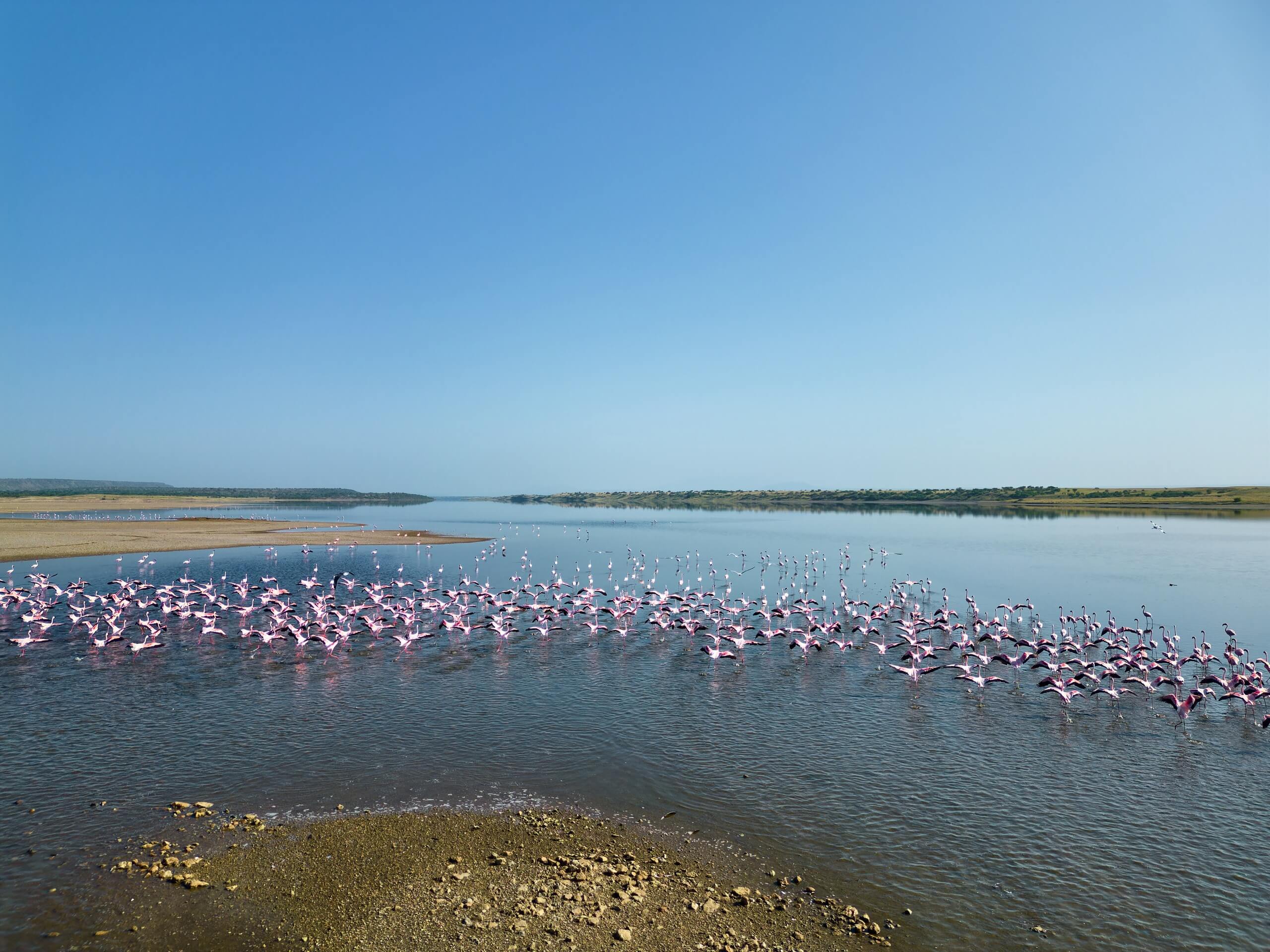
Kenya completely blew me away. The Masai Mara with its endless savannas and giraffes, the pink-hued flamingo lakes, and then the palm-fringed beaches along the coast—all in one country. Riding a motorbike through the dry riverbed while giraffes stand on the horizon—moments like these can only be found here. Kenya is one of the few destinations that perfectly combines safari and beach vacation.
Must-See Highlights in Kenya
The Masai Mara is the heart of any Kenya trip—between July and October, you can witness the Great Migration, when millions of wildebeest and zebras cross the Mara River. A spectacular natural phenomenon found only in East Africa. Lake Nakuru National Park is famous for its pink flamingo colonies and elusive rhinos. Amboseli offers iconic elephant herds against the backdrop of the Kilimanjaro massif—one of the most photographed scenes in Africa. On the coast, Diani Beach and Watamu await with white sand, turquoise waters, and Tsavo East National Park just inland. My personal highlight: the David Sheldrick Wildlife Trust in Nairobi, where orphaned elephant calves are raised—one of the most moving places I have ever visited.
Practical tips & insider knowledge
Safaris are the most expensive activity in Kenya—from €200/day for basic lodge packages to €1,500/day for luxury camps like those in the Mara. A combination of 4 days of safari and 5 days of beach time is ideal. The best time for safaris is June to October (dry season, best wildlife viewing), and for beach holidays, November and February to March. Malaria prophylaxis is mandatory in most regions. Drone flights are prohibited in all national parks—often tolerated outside the parks, but it's best to check with the Kenya Wildlife Service beforehand. And: Tipping is essential in Kenya, especially for the local guides who make your safari experiences possible.
Budget: €60-150/day (safaris more expensive) | Best time to travel: June-October | Drone-friendly: Restricted in national parks
7. Canary Islands — Diversity in a small space
Four islands, four completely different worlds: Gran Canaria with its desert dunes of Maspalomas and lush green mountain interior, Madeira with its legendary levada walks shrouded in mist, Lanzarote with the volcanic mountains of Timanfaya, and Fuerteventura with its endless kitesurfing beaches. All just a 4-hour flight from Germany, perfect for a winter escape. The drone footage over the volcanic landscapes is among my best photos.
Must-See Highlights of the Canary Islands
On Gran Canaria, the Maspalomas dunes are a must-see, as are the mountain village of Tejeda and Roque Nublo—one of the most photographed viewpoints in the Canary Islands. Madeira (technically Portuguese, but often considered part of the Macaronesian Islands) impresses with its levadas (walks along ancient irrigation channels), the cliffs of Cabo Girão, and the charming capital, Funchal. Lanzarote is famous for César Manrique's architectural masterpieces—the Jameos del Agua, the Mirador del Rio, and Timanfaya National Park are world-class. Fuerteventura offers some of the best kitesurfing conditions in Europe, especially at Risco del Paso in the south and in Sotavento. Tenerife (ranked 5th) boasts Spain's highest mountain, Pico del Teide, and one of the world's best stargazing spots.
Practical tips & insider knowledge
The Canary Islands are a year-round destination, with temperatures ranging from 18-25°C in winter and 22-28°C in summer. They're ideal for digital nomads and those seeking winter escape. Rental cars are essential, and the main islands have good roads. Inter-island ferries (Fred Olsen, Naviera Armas) are affordable and scenic. Drone regulations: EU standards apply, but drone flights are strictly prohibited in Timanfaya (Lanzarote) and Teide National Park (Tenerife). In most other regions, it's not a problem. My personal recommendation: Plan at least two weeks and combine two or three islands – only then will you truly appreciate the incredible diversity of this archipelago.
Budget: €50-80/day | Best time to travel: October-April | Drone-friendly: Yes (except nature reserves)
— Image selection from 82+ countries visited —

8. Croatia — Adriatic Coast & Island Hopping
Croatia boasts some of the most beautiful coastal scenery in the Mediterranean. The old town of Dubrovnik, the islands of Hvar and Krk, hidden vineyards in the hinterland, and turquoise waters everywhere. The Croatian Adriatic coast is perfect for road trips—every bay looks like something out of a movie. My tip: Explore the island of Krk away from the tourist resorts; there you'll still find authentic fishing villages and secluded beaches.
Must-See Highlights in Croatia
Dubrovnik, the 'Pearl of the Adriatic', with its completely walkable medieval city walls, is an absolute highlight—even without Game of Thrones fans. The Plitvice Lakes, with their 16 terraced lakes and hundreds of waterfalls, are a UNESCO World Heritage Site and the most beautiful national park in Europe. The islands of Hvar (lavender fields, Roman ruins, party scene), Brač (Zlatni Rat, the famous 'Golden Cape' beach), and Vis (remote, authentic, few tourists) are must-visits in the south. In the north, the Istrian Peninsula beckons with Rovinj and Pula (Roman amphitheater), as does the Kvarner Gulf with the island of Krk. My personal highlight: Krka National Park with its famous waterfalls, where (unlike in Plitvice) you are actually allowed to swim.
Practical tips & insider knowledge
Croatia has been part of the Eurozone since 2023, which makes many things easier. Prices have risen in recent years—Dubrovnik in peak season (July/August) is now more expensive than Italy. Better to visit in May-June or September. Rental cars are essential if you want to see more than one city. Ferries between the islands (Jadrolinija) are cheap and reliable. Drone regulations: EU standard, but prohibited in Plitvice Lakes and Dubrovnik's Old Town. My pro tip: The island of Krk is accessible by car (via a bridge from the mainland) and offers fantastic value for money—the ideal base for a Croatian road trip.
Budget: €50-90/day | Best time to travel: May-September | Drone-friendly: Yes (EU regulations)
9. New Zealand — The timeless classic that never gets boring
New Zealand is a country that looks different every time you visit. The South Island, with Queenstown, Milford Sound, and the Southern Alps, is one of the most photogenic places in the world. New Dark Sky Reserves, perfect for astrophotography, will open in 2026. The mix of adventure (bungee jumping, skydiving) and pristine nature is unique worldwide.
Must-See Highlights in New Zealand
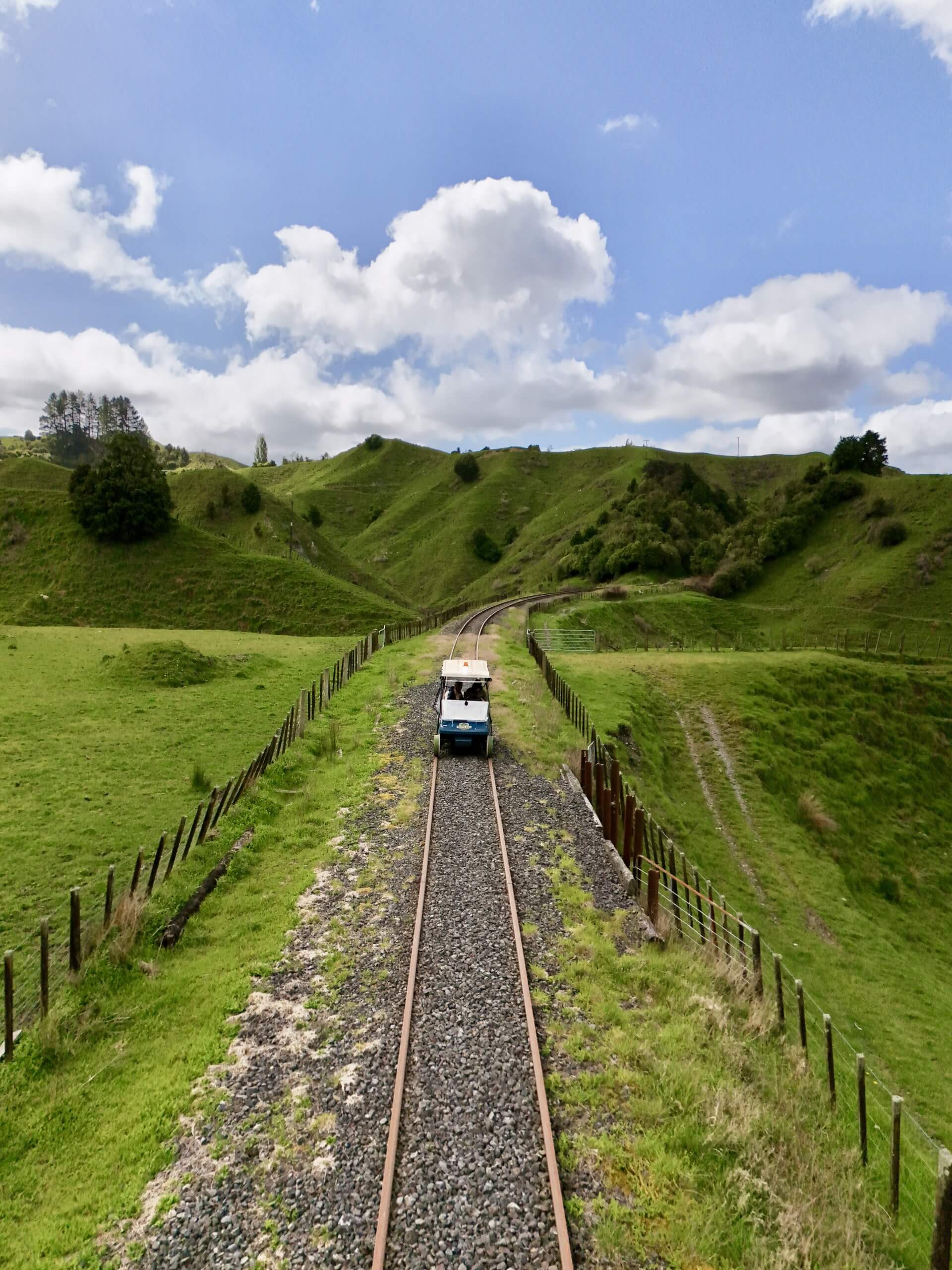
The South Island boasts Milford Sound, one of the world's most spectacular fjords, surrounded by 1,200-meter-high cliffs and featuring waterfalls that plunge directly into the sea. Queenstown is the adventure capital of the world, offering bungee jumping, skydiving, jet boating, and countless hikes such as the Ben Lomond Track. Mount Cook National Park, home to New Zealand's highest mountain (3,754 meters), and the Hooker Valley Walk, are among the most beautiful day hikes in the world. Wanaka, with its famous 'Wanaka Tree' by the lake, is an Instagram classic. On the North Island, visitors can explore the Hobbiton Movie Set (a Lord of the Rings filming location), the geothermal pools and geysers of Rotorua, and the Waitomo Glowworm Caves with their luminous glowworms. The Tongariro Alpine Crossing is considered one of the best day hikes in the world.
Practical tips & insider knowledge
New Zealand is large and requires time—at least three weeks for both islands, ideally four. A campervan or rental car is essential; the roads are well-maintained but winding (drive on the left!). The best time to travel is the New Zealand summer (November to March), but autumn (March to May) is also worthwhile in the south because of the golden light. Drones require CAA registration and sometimes a permit is needed to fly them in national parks—DOC (Department of Conservation) areas have their own regulations. Budget tip: Freedom camping (overnight stays in a self-contained campervan) is permitted in many places and can save hundreds of euros. Unique worldwide: the Marlborough Sauvignon Blanc wine region and the numerous gin distilleries—New Zealand is now also a world-class culinary destination.
Budget: €80-120/day | Best time to travel: November-March | Drone-friendly: Yes (CAA rules)
— Drone cinematography · worldwide travel 2026 —

10. Italy & Sicily — A Mediterranean Pearl Rediscovered
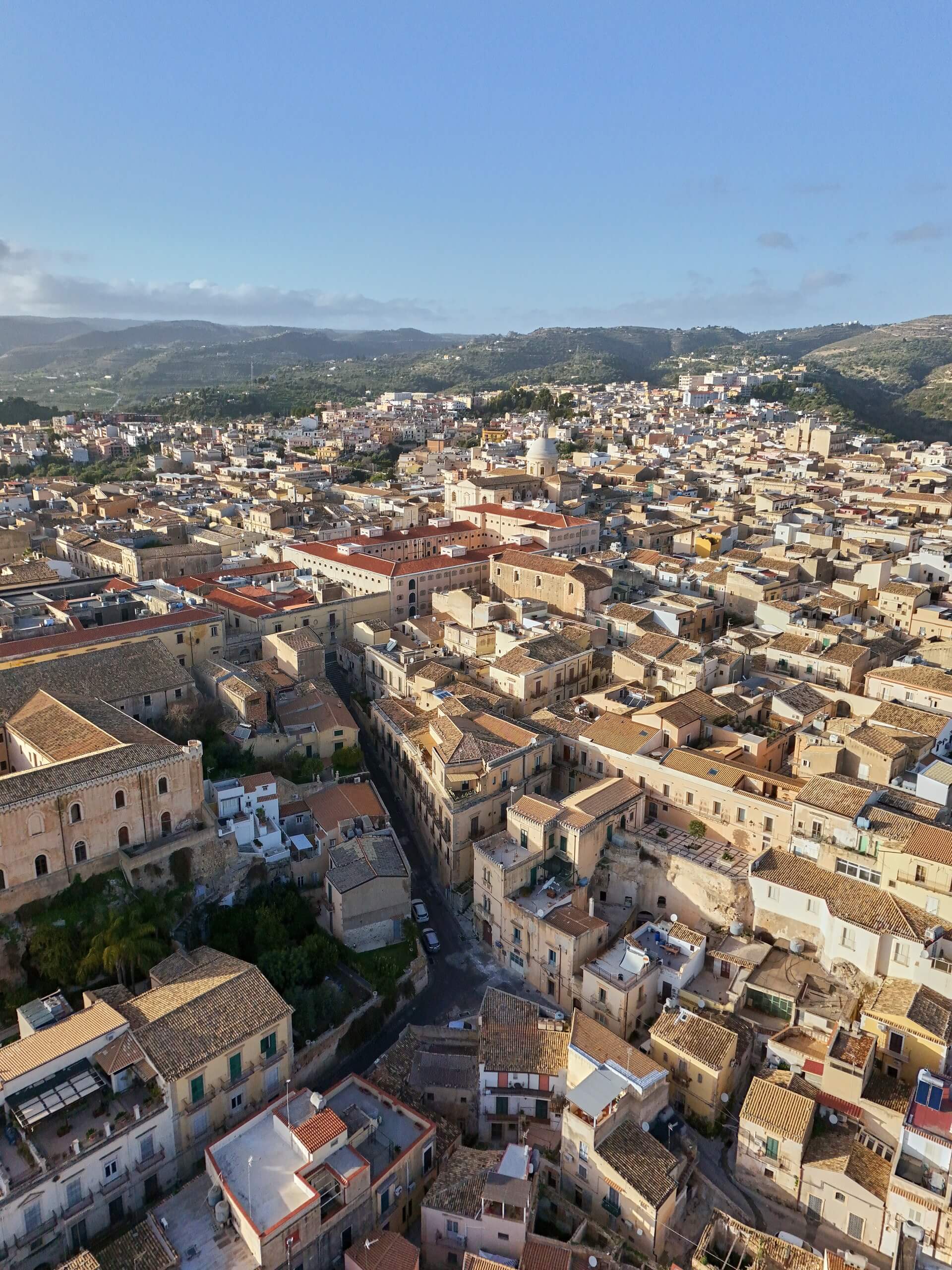
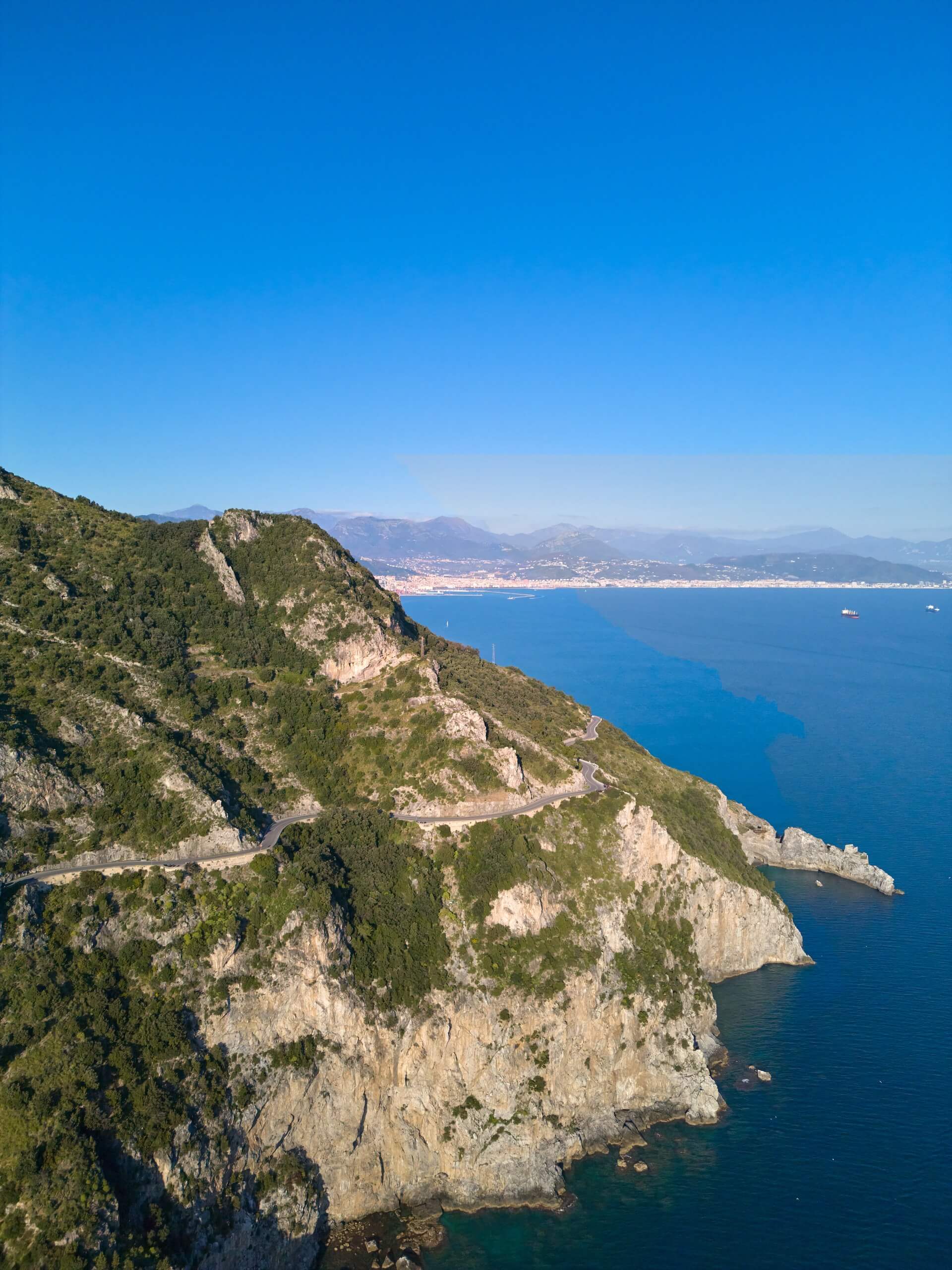
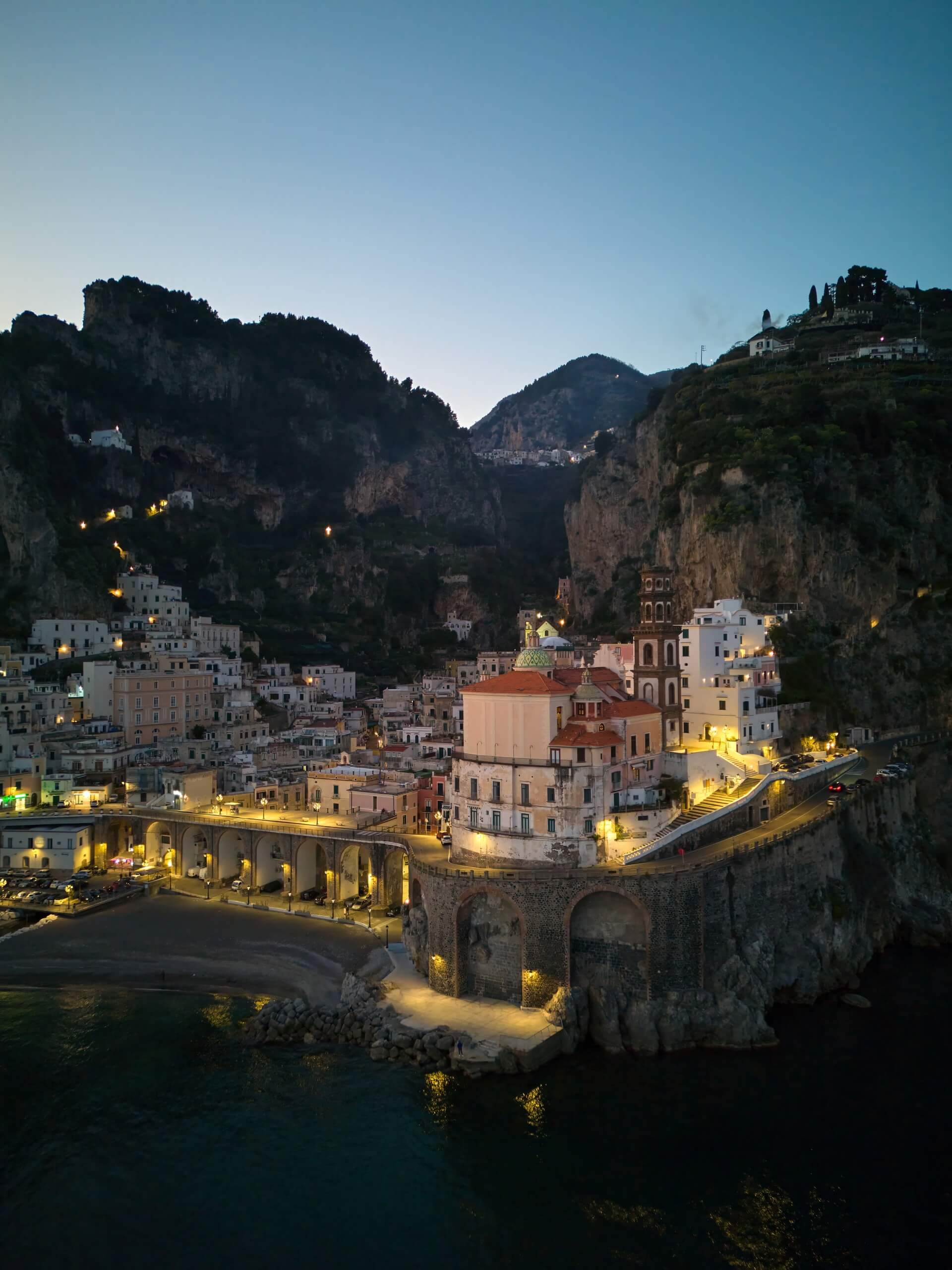
Everyone knows Italy, but Sicily surprises even seasoned travelers. Baroque old towns like Noto and Modica, the majestic Mount Etna, the stunning coastline of Taormina, and a culinary scene that rivals mainland Italy. Beyond Sicily, the Amalfi Coast offers dramatic cliffs and Positano's famous pastel-colored houses. A true highlight for drone photography.
Must-See Highlights in Italy & Sicily
In Sicily, the baroque towns of the Val di Noto are a UNESCO World Heritage Site—Noto, Modica (famous for its chocolate made according to an Aztec recipe), and Ragusa Ibla are among the most beautiful old towns in southern Italy. Mount Etna, Europe's highest active volcano, offers lunar landscapes and breathtaking views. Taormina, with its ancient Greek theater set against the backdrop of Etna, is one of the most photographed places in Italy. In northern Sicily, Cefalù and the Madonie Mountains beckon. On the mainland, the Amalfi Coast remains one of the most stunning stretches of coastline in Europe—Positano, Amalfi, Ravello, and the island of Capri are classics that everyone should see at least once in their lifetime. Less well-known, but no less impressive, are the Cinque Terre with their five colorful coastal villages in Liguria.
Practical tips & insider knowledge
Sicily is still more affordable than Tuscany or the Amalfi Coast—especially in spring (April-May) and autumn (September-October), you can find dream accommodations at fair prices. Rental cars are essential; the highways are good, but the country roads are often narrow. Italian drone regulations (ENAC registration) are EU-compliant, but there are no-fly zones in many cities and at tourist attractions—always check beforehand. My culinary tip: Avoid the restaurants in the main squares; eat where the locals eat. In Sicily, you absolutely mustn't miss arancini (fried rice balls), cannoli, and the famous pasta alla Norma. For early risers: Sunrises at Scala dei Turchi or on Mount Etna are unforgettable.
Budget: €60-100/day | Best time to travel: April-October | Drone-friendly: Yes (ENAC registration)
Comparison table: Overview of affordable travel destinations in 2026
| destination | Budget/day | Best Travel Time | For whom? | Drone? |
|---|---|---|---|---|
| Albania | 30-50€ | May-September | Adventurers, budget travelers | ✅ |
| Portugal | 50-80€ | Apr-Oct | Surfers, road trippers, couples | ✅ |
| Australia | 80-120€ | Oct-Apr | Road tripper, nature lover | ✅ |
| Philippines | 25-50€ | Nov-May | Beach lovers, divers | ✅ |
| Türkiye Aegean Sea | 40-80€ | May-Oct | Gourmets, cultural travelers | ⚠️ |
| Kenya | 60-150€ | June-Oct | Safari fans, photographers | ⚠️ |
| Canary Islands | 50-80€ | Oct-Apr | Winter refugees, activists | ✅ |
| Croatia | 50-90€ | May-September | Sailors, road trippers | ✅ |
| New Zealand | 80-120€ | Nov-Mar | Adventurers, photographers | ✅ |
| Italy/Sicily | 60-100€ | Apr-Oct | Cultural tourists, gourmets | ✅ |
— More impressions from my travels in 2026 —
Frequently Asked Questions
What is the cheapest travel destination in 2026?
Albania and the Philippines offer the best value for money. In Albania, you can get by very well on €30-50 per day (including accommodation, food, and rental car), while in the Philippines, €25-50 is sufficient if you travel like a local. The Turkish Aegean coast is also surprisingly affordable by European standards, especially in the off-season.
Which travel destination is best suited for drone photography?
Albania, Portugal, and the Canary Islands are the most drone-friendly. EU drone regulations apply, registration is straightforward, and the landscapes offer spectacular aerial photography. New Zealand and Australia have stricter rules, but if you adhere to CAA/CASA regulations, both countries are also dream destinations for drone pilots. The Philippines are very liberal, but there are some no-fly zones in Manila and military areas. Kenya and Turkey have more restrictions—pre-testing is recommended.
Which travel destination do you recommend for couples?
Portugal (Algarve), Italy (Sicily and the Amalfi Coast), and the Greek-Turkish Aegean are perfect for couples—romantic coastlines, excellent food, and an infrastructure that ensures relaxed travel. For adventurous couples: New Zealand or Australia—both offer enough romance for shared sunsets as well as exciting activities. The Canary Islands are perfect for a winter getaway, especially Fuerteventura and Tenerife with their luxury hotels.
Which destination is best suited for a road trip?
Australia's east coast (Cairns to Sydney or Melbourne) is the ultimate road trip—you can drive through incredibly diverse landscapes for several weeks. New Zealand's South Island is perfect for 2-3 weeks, as is the Croatian Adriatic route (Split to Dubrovnik) and the Albanian coastal road SH8. For European road trips, Portugal (Algarve plus Alentejo) is ideal, as you can see an incredible amount in just a few days.
Are there any new trend targets for 2026?
Albania is growing the fastest—visitors are increasing by 301,000 annually—but it remains a hidden gem. The Turkish Aegean (Bodrum, Fethiye) is increasingly being discovered as an alternative to the Greek islands. And the Canary Islands are experiencing a boom with digital nomads and kitesurfing tourists—especially Fuerteventura and Lanzarote. Saudi Arabia continues to open up to tourism and offers a completely new diving destination with the Red Sea. Kazakhstan and Uzbekistan are also becoming increasingly popular as alternatives to Silk Road travel.
Which goal is optimal for which season?
Winter (December-February): Canary Islands, Philippines, Australia, New Zealand, Thailand. Spring (March-May): Portugal, Italy, Sicily, Turkey, Croatia, Albania. Summer (June-August): Scandinavia, Iceland, Alps, Croatia (high season). Autumn (September-November): Kenya, Turkey, Italy, Portugal, Mallorca. The off-seasons (April-May and September-October) usually offer the best value for money for European destinations.
How can I best plan my vacation in 2026?
Start with a clear budget and a realistic timeframe. Short breaks (1 week) are best suited for Europe (Canary Islands, Portugal, Croatia, Italy). For long-haul trips like Australia, New Zealand, or the Philippines, you should plan at least 2-3 weeks to compensate for jet lag. Book flights early (3-6 months in advance) for the best prices; accommodations can often be booked at shorter notice. Don't forget travel insurance—essential, especially for active trips or safaris.
Conclusion: Where to go in 2026? Holiday destinations for travelers within Germany
2026 will be an exciting year for travel. Classic destinations will become even more accessible thanks to new infrastructure, while hidden gems like Albania will become increasingly available—without losing their charm. My personal tip: In 2026, combine a European destination (Albania, Portugal, or the Canary Islands) with a long-haul trip (the Philippines, New Zealand, or Australia). This way, you'll experience the best of both worlds—European culture and tropical adventures.
Which destination appeals to you most? Have you already visited one of them and would like to share your experience? Feel free to write to me on Instagram Or check out my other articles on travel, drone content, and adventure. 2026 will be unforgettable—no matter where you go.
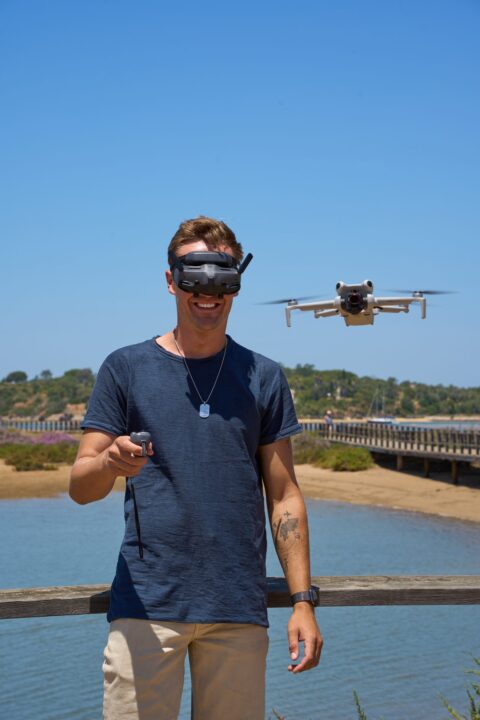
Max Haase
Travel Content Creator · Drone Photographer · Visual Storyteller
A professional travel creator for over 10 years with over 4 million followers. Specializing in high-end tourism board collaborations and visual travel storytelling.
 German
 English