

Caribbean Cruise: Eastern vs. Southern (14-day comparison)
Caribbean Cruise Route — Eastern & Southern Caribbean in one trip
Most Caribbean cruises showcase either the eastern islands (St. Maarten, Barbados, St. Lucia) or the southern ABC islands (Aruba, Curaçao). My itinerary combined both—a 14-day Caribbean cruise departing from La Romana (Dominican Republic) that takes you through two completely different Caribbean worlds: the Lesser Antilles with their lush volcanic islands and French charm, and the ABC islands off the Venezuelan coast with their Dutch-influenced port cities and desert climate. If you want to experience Caribbean island hopping in a single trip, this is the itinerary for you.
- 14 nights, 12 ports, 4 days at sea — starting and ending in La Romana (Dominican Republic), 7 eastern Caribbean islands plus 2 ABC islands (Curaçao 2 days, Aruba).
- Eastern Caribbean: St. Maarten, St. Kitts, Guadeloupe, Dominica, Barbados, St. Lucia and Martinique — volcanic landscapes, rainforest, French and British colonial heritage.
- Southern ABC islands: Curaçao with Willemstad (UNESCO World Heritage Site, Dutch facades) and Aruba with a dry climate, turquoise waters and a stable northeast breeze.
- Realistic costs: 14-day trip from €3,500 to €6,500 per person including flight, balcony cabin, tips (US$14-18/day) and excursions (€50-150 per island).
- Mid-December to April outside of hurricane season — stable 27-30°C, minimal rainfall, calmest seas for drone flights and pool deck shots.
The complete route at a glance — 14 days in the Caribbean in 12 ports
This route is one of the most diverse Caribbean cruises available. While most ships cover either the eastern or southern Caribbean, this itinerary combines... Luxury Adventure Travel with classic island hopping. From La Romana, the journey first takes you through the Lesser Antilles (eastern Caribbean) with their tropical rainforests, volcanoes and colonial ports, then to the ABC islands of Curaçao and Aruba in the south, which geographically and climatically seem almost South American — flat, dry, with cacti instead of palm trees.
The stations in order:
- Day 1: La Romana, Dominican Republic (Embark)
- Day 2: Relaxation at sea
- Day 3: Philipsburg, St. Maarten
- Day 4: Basseterre, St. Kitts
- Day 5: Pointe-à-Pitre, Guadeloupe
- Day 6: Roseau, Dominica
- Day 7: Bridgetown, Barbados
- Day 8: Castries, St. Lucia
- Day 9: Fort de France, Martinique
- Day 10: Relaxation at sea
- Days 11–12: Willemstad, Curaçao (two days)
- Day 13: Oranjestad, Aruba
- Day 14: Relaxation at sea
- Day 15: Return to La Romana, Dominican Republic


Day 1 & 15 — La Romana, Dominican Republic
La Romana, on the southeastern coast of the Dominican Republic, is the home port of this itinerary—and an underrated destination in its own right. The port is located next to Casa de Campo, one of the Caribbean's most renowned luxury resorts, boasting its own golf course, polo fields, and beach access. Those arriving a day early should visit Altos de Chavón—a reconstructed Mediterranean artists' village built from coral stone high above the Chavón River.
From the port, you can also reach Saona Island in 30 minutes, considered one of the most beautiful beaches in the Dominican Republic: powdery white sand, turquoise water, and coconut palms. If you have a drone with you, this is your first filming spot—drone regulations in the Dominican Republic are relatively relaxed compared to most Caribbean islands.
The Eastern Caribbean — Seven Islands, Seven Worlds
What makes the eastern Caribbean so fascinating is that each island has its own identity, its own mix of colonial heritage, and often even its own language. French, English, Dutch—all three are spoken along this stretch of the route.
Day 3 — Philipsburg, St. Maarten
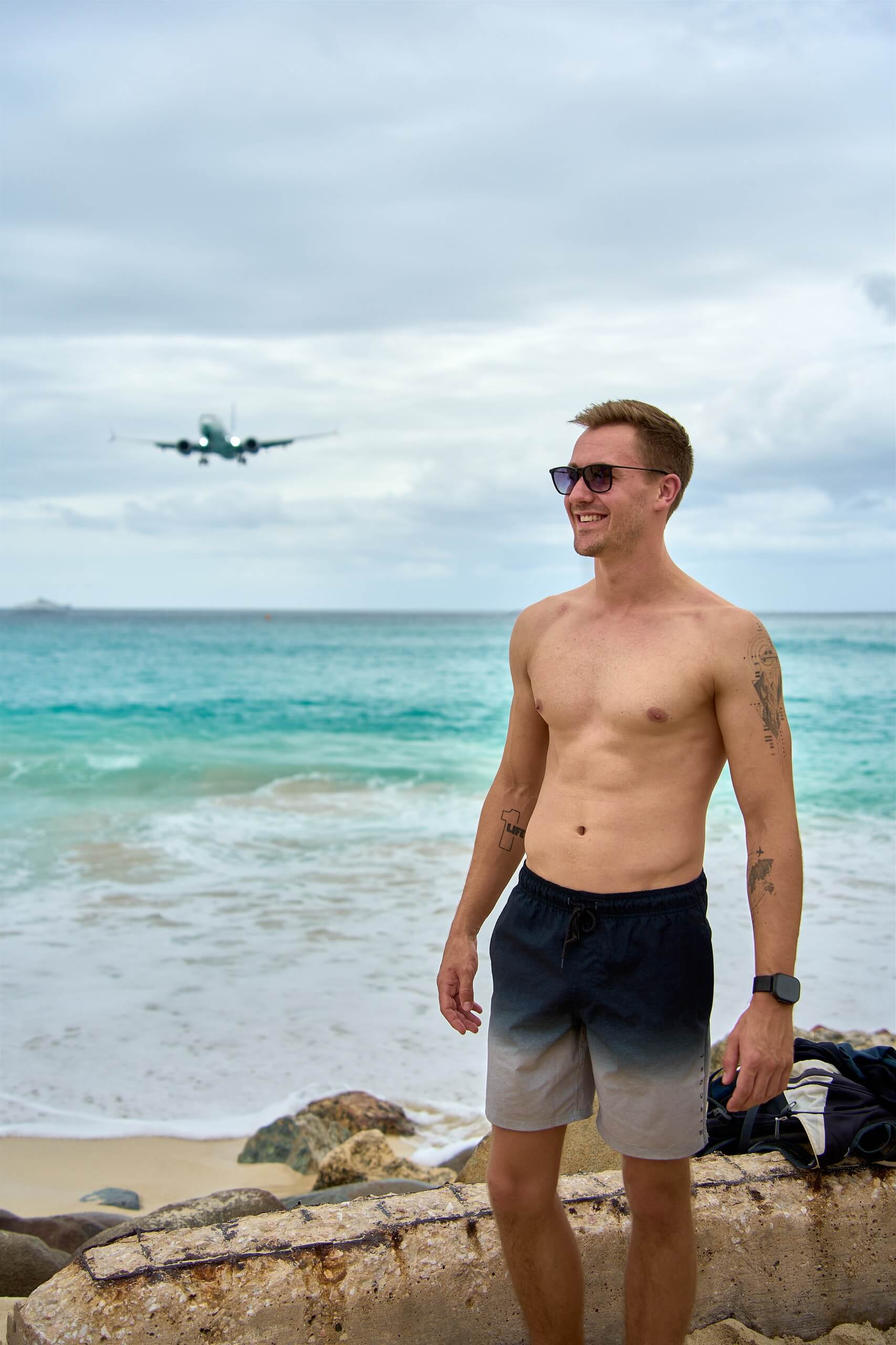
St. Maarten is the smallest island in the world, divided between two nations: the Dutch south (Sint Maarten) and the French north (Saint-Martin). The port of Philipsburg is located on the Dutch side and is a classic Caribbean port with duty-free shopping right on Front Street.
The highlight: Maho Beach, the beach right next to Princess Juliana International Airport. Here, Boeing 747s and Airbus A340s land just a few meters above your head—one of the most spectacular plane-spotting spots in the world. The second recommendation: Drive your rental car to the French north and eat in Grand Case, the island's culinary center with French bistros right on the beach.
Day 4 — Basseterre, St. Kitts
St. Kitts is one of the few Caribbean islands that still feels authentic—less mass tourism, more history. The port of Basseterre is the capital of the twin islands of St. Kitts and Nevis, a former British Crown Colony. An absolute must-see: Brimstone Hill Fortress, a 17th-century UNESCO World Heritage Site perched high above the Atlantic Ocean.
The St. Kitts Scenic Railway is the last remaining narrow-gauge railway in the Caribbean — originally built for transporting sugarcane, now a 3-hour panoramic tour around the island. Drone spot: The Romney Manor plantation with its giant saman tree and ocean views.
Day 5 — Pointe-à-Pitre, Guadeloupe
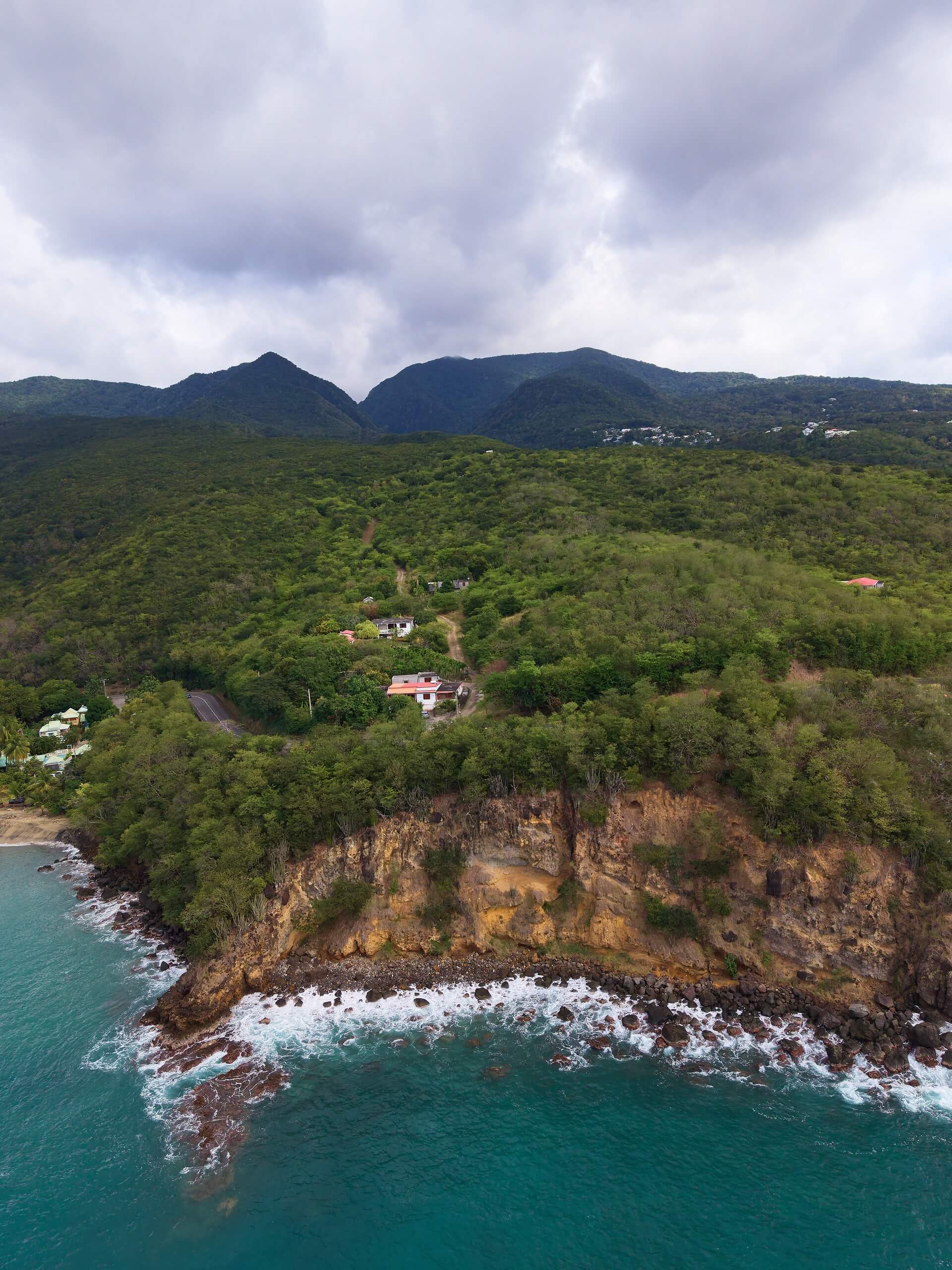
Guadeloupe is French — and you can feel it immediately. The currency is the euro, you'll find baguettes in the bakery, and Renaults are a common sight on the roads. The island consists of two halves separated by a narrow strait: Grande-Terre (flat, beaches, tourist center) and Basse-Terre (volcanic, rainforest, waterfalls).
If time allows: The Carbet Waterfalls in Guadeloupe National Park are three consecutive cascades, the largest reaching a height of 110 meters. An alternative for beach lovers: Plage de la Caravelle on Grande-Terre — one of the most beautiful beaches in the eastern Caribbean with crystal-clear water.
Day 6 — Roseau, Dominica
Dominica (not to be confused with the Dominican Republic) is the wildest, most unspoiled island on the entire route. Those who value nature experiences over beaches will love this island. Roseau is small, with the port right in the town center.
The highlight for adventurers: the hike to Boiling Lake, the second largest boiling lake in the world. A 6-7 hour day hike through rainforest, volcanic canyons, and sulfurous steam. Challenging, but the experience beats any day at the beach. For those who prefer something more tranquil: the Trafalgar Falls with hot springs right by the pool. There are plenty of drone spots—70 percent of Dominica is rainforest.
Day 7 — Bridgetown, Barbados
Barbados is the easternmost island in the Caribbean and is geologically completely different from the rest: no volcanic mountains, but flat coral limestone plateaus with endless white sandy beaches on the west coast. Bridgetown itself is a UNESCO World Heritage Site, with British colonial heritage on every corner.
Highlights: The west coast (Platinum Coast) with its luxury hotels and Crane Beach in the south, which is regularly voted one of the most beautiful beaches in the world. Culinary highlights: Oistins Fish Fry on Friday evenings — local fish restaurants right on the beach serving fresh mahi-mahi, flying fish, and rum punch. Tip for drone filmmakers: Bottom Bay on the southeast coast — a deserted beach with cliffs, palm trees, and turquoise water.
Day 8 — Castries, St. Lucia
St. Lucia is visually the most spectacular island in the eastern Caribbean — mainly because of the Pitons, two perfectly formed volcanic cones that rise vertically from the sea. The Pitons are a UNESCO World Heritage Site and the island's iconic postcard image.
From the port of Castries, it's about a 90-minute drive south to Soufrière, where you'll find the best views of the Pitons—both from land and from a boat. A highlight for wellness enthusiasts is the Sulphur Springs Volcano Spa with its natural sulfur mud bath. And for those who want to dive: Anse Chastanet Beach has a house reef right off the beach.
Day 9 — Fort-de-France, Martinique
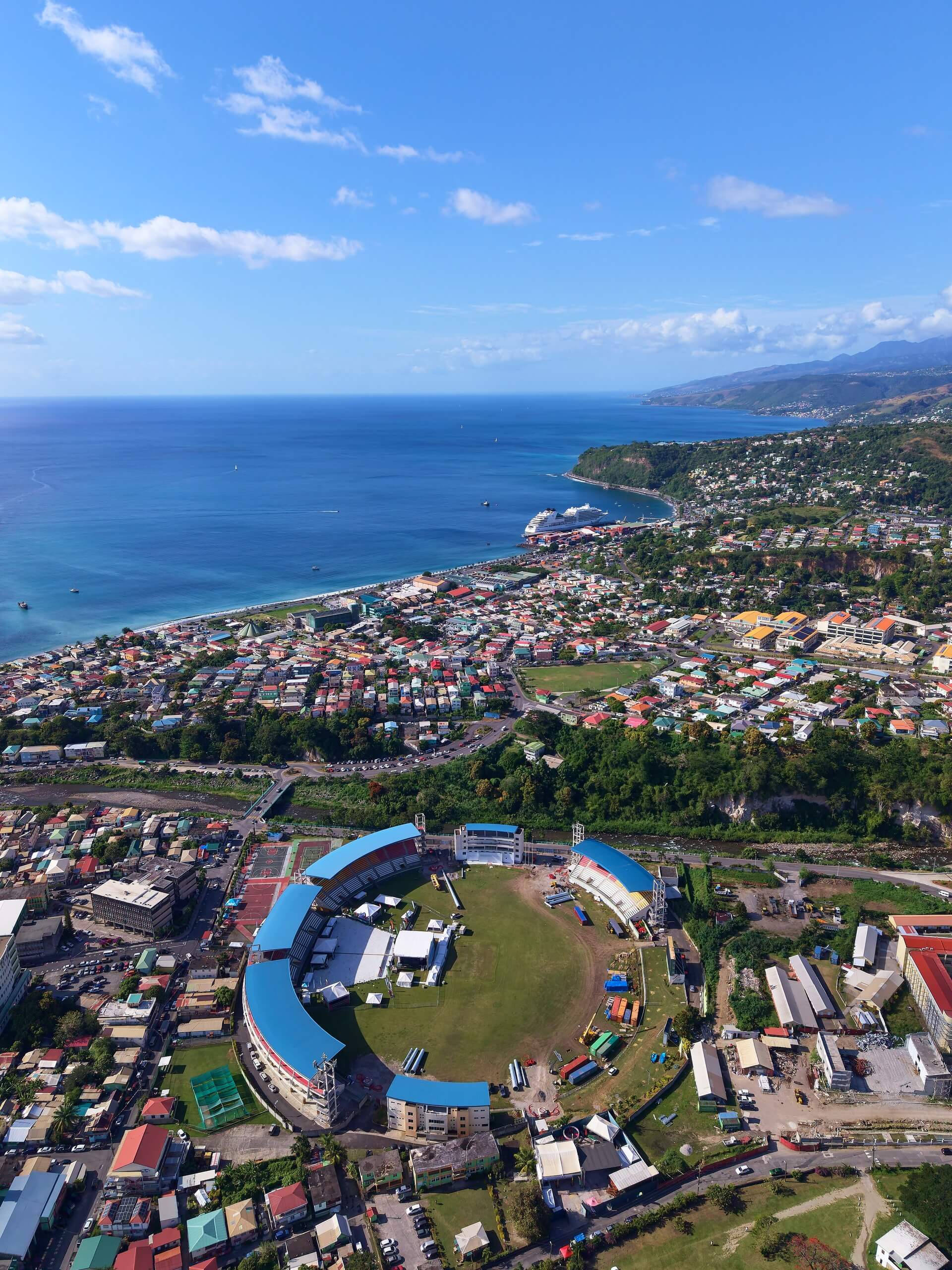
Martinique is a French overseas territory — which means that in Fort-de-France you could just as easily be in a provincial town in the south of France. Markets with vanilla and rum, crêperies on every corner, euro prices, and French bread. The cultural mix of Caribbean joie de vivre and French elegance is unique.
Highlight: the beaches in the south — Les Salines is considered by many to be the most beautiful beach in the entire Caribbean (white sand, coconut palms, turquoise water, hardly any people). For history buffs: Saint-Pierre, the old capital, which was completely destroyed by the volcano Mount Pelée in 1902. Culinary delights: Akkras (deep-fried cod balls) and Ti' Punch, the national drink made with white rum, lime, and raw sugar.


The southern Caribbean — ABC islands Curaçao and Aruba
After a day at sea, you'll experience a completely different Caribbean landscape. The ABC islands (Aruba, Bonaire, Curaçao) lie off the Venezuelan coast and geographically belong more to South America than to the classic Caribbean. The climate is dry, the vegetation is desert rather than rainforest, and the architecture is influenced by the Dutch colonial era—colorful facades, gabled houses, and cafes serving stroopwafel.
The biggest advantage: The ABC islands lie outside the hurricane zone. While the eastern Caribbean can be hit by storms in September/October, the ABC islands enjoy stable weather year-round with temperatures around 28–31 °C. This makes them the perfect backup option for travelers who want to avoid weather risks.
Days 11–12 — Willemstad, Curaçao (two days)
Curaçao gets two full days on this itinerary — and that's necessary, because the island has a surprising amount to offer. Willemstad is a UNESCO World Heritage Site and one of the most photogenic harbors in the Caribbean: colorful Dutch gabled houses that could have come straight from Amsterdam, only in pastel shades against the Caribbean Sea.
Day 1 in Curaçao: Explore Willemstad — Punda and Otrobanda, the two districts, are connected by the famous Queen Emma Bridge, which opens regularly for passing ships. Day 2: Head out to the beaches on the west side of the island. Cas Abao, Playa Kenepa Grandi, and Playa Lagun are among the most beautiful beaches in the entire Caribbean — white sand, turquoise water, and hardly any tourists. The diving here is world-class: the house reef starts right off the beach because the island has no offshore coral reefs.
Day 13 — Oranjestad, Aruba
Aruba is the most touristy of the ABC islands — and you can feel it. Oranjestad has a large cruise port right in the city center, and the downtown area is geared towards day-trippers: colorful facades, pastel shades, souvenir shops, and cafes.
The real highlights, however, lie further afield: Eagle Beach and Palm Beach in the north are considered two of the most beautiful urban beaches in the world. For adventure seekers: Arikok National Park in the east of the island, with its desert landscape, old gold mines, natural pools, and lagoons. The park covers about 20 percent of the island's surface area—perfect for a 4WD tour. Drone spot: the Conchi Natural Pool in the national park, a turquoise lagoon in a natural rock pool.
Top 3 Tours
What's really worth doing in Curaçao
Klein Curaçao Catamaran Day Trip with Snorkeling
Caribbean highlight: white sandbank, turquoise water, turtles while snorkeling. 8-hour complete tour including lunch.
Willemstad Walking Tour — History & Architecture
UNESCO World Heritage Site old town, colonial pastel facades, art scene. 2 hours with a local guide.
Punda Vibes Walking + Street Food
A local foodie tour through the hipster district of Punda. Small and personal.
What makes this route special — combining the eastern and southern Caribbean
Most Caribbean cruises are limited to one region. Seven-day itineraries typically offer three to four islands within the same Caribbean subregion. This 14-day itinerary, however, covers both Caribbean worlds in a single trip—and therein lies its great value.
Anyone who has already been to the eastern Caribbean and wants to explore the southern one (or vice versa) can save themselves a second trip with this itinerary. The contrasts within the journey are enormous: You start with a French crêpe breakfast in Martinique and two days later find yourself enjoying stroopwafel and Dutch architecture in Willemstad. Geographically compact, culturally extremely diverse.


Caribbean Cruise Costs — What a 14-day trip really costs
The biggest trap on cruises: the extras. The cabin itself is often surprisingly affordable, but drinks, specialty restaurants, excursions, tips, and Wi-Fi quickly add up. Here's a realistic breakdown for 14 nights on this route:
| Cost item | Area per person |
|---|---|
| Inside cabin (14 nights) | €1,200–1,800 |
| Balcony cabin (14 nights) | €2,200–3,500 |
| Tips (automatic) | €200–280 |
| Beverage package (all-inclusive) | €700–1,000 |
| Excursions (12 ports, mixed) | €600–1,500 |
| Wi-Fi package (14 days) | €200–350 |
| Flight from Germany to La Romana | €700–1,300 |
| Overall realistic (inside cabin) | €3,600–€6,200 |
| Overall realistic (balcony cabin) | €4,600–7,900 |
Medical care is available on board a cruise ship, but it is billed privately and is not covered by statutory health insurance. A gastrointestinal infection or a fall on land can quickly cost thousands of euros without adequate international health insurance; helicopter repatriation flights cost considerably more.
Best time to travel for a Caribbean cruise
The ideal time for this route is between December and April. These months are the dry season, with daytime temperatures of 26–30 °C and virtually no chance of rain. Hurricane season officially runs from June to November, peaking in September and October—I would avoid the eastern Caribbean during this time, even though the ABC islands (Aruba, Curaçao) are outside the hurricane belt.
February and March are particularly attractive because the weather is stable and you escape the German winter. The only drawback: it's peak season, so prices are correspondingly higher. If you want to save money, go in May (shoulder season) — the weather is still excellent, but prices and tourist crowds are significantly reduced.
Tips for Content Creators on Caribbean Cruises
Being a content creator on a cruise presents some unique challenges. Here are my key lessons from 14 days of production on board:
- Wi-Fi is slow and expensive. Don't plan any live uploads to Reels or Stories — pre-load everything and post using local Wi-Fi in ports.
- With almost all major cruise lines, you have to hand over your drone at reception upon boarding and get it back each time you go ashore. Launching it from the ship is always prohibited.
- Golden hour at port. Most ports are entered in the morning and left again in the evening — perfect time windows for the golden hour ashore.
- Plan your storage. With 12 ports, you'll quickly produce 50–100 GB of photo and video material per day. An external SSD and a second backup in your suitcase are essential.
For Tourism Boards and brands: If you want to showcase a destination like this with your own travel content, you can find information about the process and services on the website. Book a Travel Content Creator. For premium campaigns, there are additional benefits. Book Luxury Travel Influencer.
State parliaments plan according to interests
In short: On this Caribbean cruise, it's worthwhile to focus on one clear area per port of call: the landscape of St. Lucia, the city and coastal contrasts of Barbados, and nature on Dominica. This way, the short stay remains manageable, instead of trying to combine too many widely separated destinations.
The three islands offer very different experiences. On St. Lucia, the two Pitons and the Sulphur Springs are the main attractions. The boat trip from Castries to Soufrière takes about 90 minutes; therefore, the views of the volcanic cones and a visit to the bubbling sulfur springs go well together. Barbados, on the other hand, combines the UNESCO World Heritage-listed historic center of Bridgetown and the Cheapside Market with a rugged east coast: Bathsheba Beach is characterized by high waves and impressive rock formations. Dominica is more geared towards nature lovers. Roseau is located right on the harbor, while Trafalgar Falls offers a shorter alternative to the challenging hike to Boiling Lake.
| Island | focus | Goal |
|---|---|---|
| St. Lucia | volcanoes | Soufrière |
| Barbados | City, sea | East Coast |
| Dominica | Nature | Trafalgar |
This selection also shows why not every port requires the same daily itinerary. St. Lucia demands a clear priority due to the longer journey. On Barbados, colonial architecture, market life, and coastal scenery can be contrasted. On Dominica, the available time is the deciding factor: six to seven hours are allotted for Boiling Lake, while the walk from the parking lot to Trafalgar Falls takes about 20 minutes.
St. Lucia between Pitons and Sulphur Springs
The Pitons dominate the landscape of St. Lucia. These two volcanic peaks rise from the green Caribbean Sea landscape near Soufrière and are a UNESCO World Heritage Site. They can be seen in the distance even when approaching Castries; however, a closer view opens up in the south of the island. Allow approximately 90 minutes for the journey from the port to Soufrière.
In Soufrière, I launched my drone directly from the beach and filmed the Pitons from a height of 120 meters. On the monitor, the two peaks lay nestled between dense rainforest and turquoise sea. The location is therefore not only suitable as a viewpoint on land, but also as a subject for photography from a boat or from the air.
The Sulphur Springs add a close-up volcanic perspective to this scenic highlight. The access road leads into the crater area, where sulfur springs bubble and hot steam rises. Mud baths and hot springs are located right next to them. The smell of sulfur is clearly noticeable, but it's as much a part of the place as the rising steam. This excursion thus combines the grand silhouette of the Pitons with the visible volcanic activity around Soufrière, without introducing yet another island theme for a single day in port.
Barbados beyond a typical beach day
Barbados can be experienced as a contrast between its cities, Atlantic coast, and local cuisine. The south, around Bridgetown and St. Lawrence Gap, is vibrant and steeped in history. Bridgetown's historic center is a UNESCO World Heritage Site; at Cheapside Market, tropical fruits, local spices, and bustling market life define the scene. Thus, a port stop offers more than just a direct route to a beach.
On the east coast, the scenery changes dramatically. Bathsheba Beach is wild and rugged, with high waves crashing against large rock formations. The coast is a popular destination for surfers and photographers and stands in stark contrast to the white sandy beaches of the west coast. For a day trip, this means: those who want to see the architecture and market life should stay in Bridgetown first; those who want to photograph the rugged Atlantic should make Bathsheba their main focus.
Barbados also has a distinct culinary profile. Flying fish with cou-cou, a dish made from cornmeal and okra, is considered the national dish. At the Oistins Fish Fry on Friday evenings, you can enjoy freshly grilled fish, Banks beer, and live music right on the beach. In a typical restaurant, a main course costs between $15 and $30, and a cocktail around $10 to $12. Upscale restaurants on the west coast, however, can cost between $80 and $150 per person. This price range makes choosing between a simple fish dinner and a restaurant meal an important part of planning your day.
Related to this: Caribbean cruise travel report.
Frequently Asked Questions about the Caribbean Cruise Route
Which Caribbean cruise route is the best?
Those who want to experience both Caribbean worlds in one trip should choose a 14-day itinerary from La Romana that combines the eastern Caribbean (St. Maarten, St. Kitts, Guadeloupe, Dominica, Barbados, St. Lucia, Martinique) with the southern ABC islands (Curaçao, Aruba). This itinerary covers two completely different Caribbean subregions and is significantly more varied than classic 7-day itineraries.
How long does a full Caribbean cruise take?
Fourteen nights is the ideal format for seeing both the Eastern and Southern Caribbean. Seven-day itineraries are only sufficient for one subregion (either the Eastern Caribbean or the Southern Caribbean). With 14 days, you have 12 ports of call and four days at sea for relaxation—a good balance between activity and rest.
Why are the ABC islands (Aruba, Curaçao) different from the eastern Caribbean?
The ABC islands lie off the Venezuelan coast and are geographically almost South American—flat, dry, with desert vegetation instead of rainforest. They were shaped by the Dutch colonial era (colorful gabled houses, Dutch architecture), while the eastern Caribbean blends French, British, and Dutch colonial history. Furthermore, the ABC islands lie outside the hurricane belt and therefore enjoy stable weather year-round.
How much does a 14-day Caribbean cruise cost?
Realistically, expect to pay between €3,600 and €7,900 per person. An inside cabin is surprisingly affordable at €1,200–€1,800 for 14 nights—tips, beverage packages, excursions, Wi-Fi, and the flight to La Romana will be expensive. Balcony cabins cost approximately €1,000 more than inside cabins per person.
Do I need a visa for the Caribbean islands?
For German citizens, most Caribbean islands are visa-free for stays of up to 90 days. On cruises, a passport is typically sufficient; some ports require a tourist card (USD 5–30). The Dominican Republic (La Romana) charges USD 10 for a tourist card, which is automatically collected upon arrival. Check with your cruise line before your trip for specific requirements.
Am I allowed to take my drone on cruise ships?
Yes, but with a caveat: With almost all major cruise lines, you have to hand over your drone at reception when checking in. You get it back at each shore excursion and hand it in again upon your return. Launching from the ship is strictly prohibited. The respective regulations apply on land. Drone rules per country, which are different on each Caribbean island.
Is the drinks package worth it on a Caribbean cruise?
Do the math: A cocktail costs an average of $12–15, a beer $7–8, and a soft drink $3–4. The all-inclusive package with most cruise lines costs between $60 and $80 per day. If you drink 4–5 drinks a day, it's worth it. If you drink less, probably not.
How long does the journey from Castries to Soufrière take?
The journey from the port in Castries to Soufrière takes approximately 90 minutes. There, one can enjoy views of the Pitons and Sulphur Springs, making it possible to combine both destinations thematically for a day trip.
What is the shorter nature option on Dominica?
Trafalgar Falls is a shorter alternative to the hike to Boiling Lake. A footpath leads from the parking lot to the falls in about 20 minutes, while the hike to Boiling Lake takes six to seven hours.
What can visitors expect at Bathsheba Beach?
Bathsheba Beach is located on the rugged east coast of Barbados. High waves crash against large rock formations there, making the place particularly interesting for surfers and photographers.
What dish is typical of Barbados?
Flying fish with cou-cou is considered a national dish; cou-cou is made from cornmeal and okra. Another option is the Oistins Fish Fry on Friday evenings, featuring freshly grilled fish and live music on the beach.
Conclusion — Caribbean cruise with maximum route variety
The 14-day Caribbean itinerary from La Romana is one of the most comprehensive island-hopping experiences you can have in the Caribbean. Seven eastern Caribbean islands, two southern ABC islands, four days at sea for relaxation, and a diverse range of landscapes from French Caribbean charm to Dutch port architecture. Whether you're new to the Caribbean or already familiar with one subregion, this is the perfect opportunity to experience both worlds in one trip.
Bottom line: A cruise isn't for everyone—and I was skeptical myself, since I usually travel with a backpack and drone. But for people who want to see many islands in a short time without constantly changing hotels and booking flights, it's a surprisingly efficient format. And with the right planning, content creators won't be disappointed either.
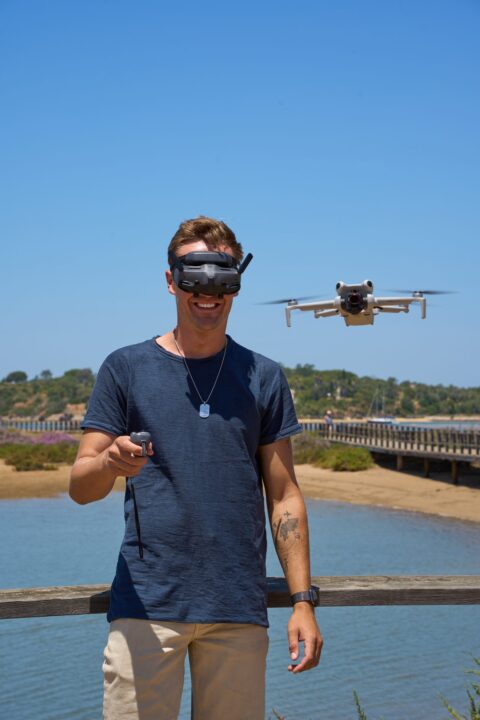
Max Haase
Travel Content Creator · Drone Photographer · Visual Storyteller
A professional travel creator for over 10 years with over 4 million followers. Specializing in high-end tourism board collaborations and visual travel storytelling.
 German
 English