
Cuba Round Trip: Havana, Viñales & Trinidad — My Travelogue
- Cuba Round Trip: Havana → Viñales → Trinidad → Varadero in 14–21 days
- Havana insider tips: Malecón, vintage taxi, Hotel Nacional, La Habana Vieja
- Current situation: Power outages, foreign currency shortage – what travelers really need to know
- Cuba Costs: Budget, cash reserves in CUP/USD, what you should bring
- Is Cuba dangerous for tourists? A first-hand account.
Cuba is one of the last truly unique travel destinations in the world. No chain hotels on every corner, no Instagram-worthy tourist crowds in every alley—instead, you'll find weathered splendor, vibrancy, and an energy you'll rarely experience anywhere else on Earth. Over the years, I've traveled to more than 20 countries in the Caribbean and Latin America, but Cuba has touched me more deeply than any other.
In this Cuba travelogue, I'll take you on a complete tour: from the colorful streets of Old Havana, through the tobacco-scented Viñales Valley, all the way down to colonial Trinidad. You'll also find everything you really need to know before your trip—from the current security situation and how to use the Cuban currency system to specific tips gleaned from several weeks spent there.
Havana: The heart of every Cuba tour
What many underestimate about Cuba: The supply situation has been strained since the 2022 economic crisis. Power outages (apagones) often last 4–8 hours, pharmacies don't reliably stock insect repellent or sunscreen, and tap water is not safe to drink. Travelers to Cuba who pack these five items in advance can avoid 80 percent of typical problems on-site:
Travel essentials for Cuba
Anyone planning a tour of Cuba almost always starts in Havana. This is no coincidence—the capital is the gateway to the island, but above all, it's an experience in itself. You land at José Martí Airport, get into a vintage taxi (yes, they're real and everyday vehicles, not spruced up for tourists), and drive through a city that has hardly changed since the 1950s.


Old Havana — Explore the Old Town
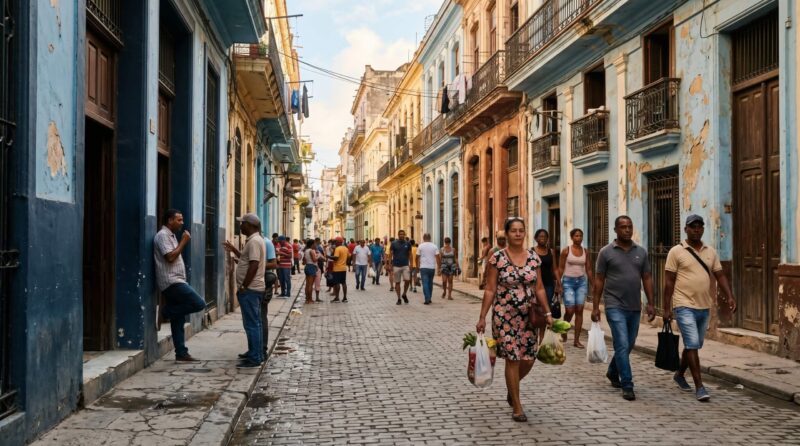
Old Havana is a UNESCO World Heritage Site—and you can feel it on every corner. Colonial houses in every shade from pastel yellow to aquamarine, cobbled streets pulsating with salsa rhythms, and everywhere people living their lives on the streets. You can easily spend an entire day simply strolling around here.
Malecón — Havana's most famous beach promenade
The Malecón is Havana's living room. This eight-kilometer-long waterfront promenade along the Atlantic is where fishermen cast their lines by day—by night it transforms into a spontaneous stage for musicians, lovers, and rum-fueled revelry. Sit on the wall, let the sea spray wash over you, and watch the sun set. Free. Unforgettable.
Havana Classic Cars — Drive like in 1957
The American land yachts from the 1950s aren't just a tourist gimmick—they're simply Cuba's public transportation system. Since the US embargo blocked the import of new vehicles for decades, Cubans have been repairing their Chevrolets, Buicks, and Fords themselves for over 60 years. The result is a collection of rolling time capsules that are fascinatingly authentic.
Hotel Nacional de Cuba — A visit is worthwhile
Even if you're not staying there, the Hotel Nacional should be on your list. This Art Deco monument, dating back to 1930, overlooks the Malecón from Vedado Hill. Sitting in the bar with a daiquiri and looking at the black-and-white photos of former guests (from Frank Sinatra to Ernest Hemingway) is like stepping into a piece of world history up close.
Viñales: The Tobacco Valley in western Cuba
Two to three hours west of Havana lies the Viñales Valley — one of the most impressive landscapes in the entire Caribbean. Mogotes (bizarre karst formations) rise vertically from green tobacco fields, the fog hangs low in the canyons in the mornings, and life moves at a pace reminiscent of the pre-internet era.
The valley is a UNESCO World Heritage Site, and if you ask Cuba enthusiasts what their favorite destination on the island was, surprisingly often they don't mention Havana—but Viñales. Because of the slow pace. Because of the silence. Because of the feeling of truly having arrived.
Plan at least two nights in Viñales—one night isn't enough. Stay in a casa particular (Cuban bed and breakfast), where families rent out one or two rooms to travelers. This is not only cheaper than state-run hotels, but also much more authentic: You'll have breakfast with the family, find out where locals eat, and the money goes directly to people in the community.
A tip from personal experience: Take Mosquito spray with DEET The mosquitoes are aggressive in the mornings and evenings, especially between the tobacco fields and at the Cueva del Indio. Regular citronella spray isn't enough. During the day, you'll need good sunscreen—the Cuban sun at 22° north latitude is more intense than the Mediterranean, and there's hardly any shade in the open tobacco fields.
If you're taking photos: The best time of day in Viñales is early morning when the mist still clings to the mogotes. From Mirador los Jazmines (between the hotel and the valley floor), you have the classic postcard view across the entire valley. The golden hour in the evening, when the sun disappears behind the karst cliffs, is also magical—and the only time of day when there are hardly any tour buses around.
Trinidad: Cuba's best-preserved colonial town
Trinidad, in the heart of the island, is in many ways the highlight of a Cuba tour. The UNESCO-protected old town is exceptionally well-preserved—colorful houses, cobblestone streets, church steeples against a mountain backdrop. And unlike Havana, Trinidad still operates on a human scale: everything is within walking distance, the residents know each other, and despite the tourism, the city doesn't feel like a stage set.


What you shouldn't miss in Trinidad
The Plaza Mayor is the heart of city life—in the evenings, musicians play, people dance, and laugh. The Casa de la Música, on the steps leading to the upper town, is legendary: salsa under the open sky, no entrance fee—just go and join in. The Valle de los Ingenios (Sugar Cane Valley) on the outskirts of the city is worth a day trip and explains how Trinidad acquired its colonial wealth.
Plan at least two full days for Trinidad—three would be better. Day one for the old town and the evening music, day two for the Valle de los Ingenios (ideally with a private driver or the old tourist train), and day three for a trip to Playa Ancón, one of the most beautiful beaches on the entire southern coast of Cuba. White sand, turquoise water, no mass tourism—just a 15-minute taxi ride from the center.
Trinidad is also a great place to truly experience the laid-back pace of Cuba. The city never sleeps—but it's in no hurry either. Sit on the cathedral steps in the evening with a Cuba Libre, watch people go about their lives, and let yourself drift. This is Cuba in its purest form: no schedule, no list of must-do activities, just the present moment.
| Destination | Recommended nights | Highlight | transport |
|---|---|---|---|
| Havana | 3–4 nights | La Habana Vieja, Malecón, vintage cars | Arrival by plane |
| Viñales | 2–3 nights | Mogotes, tobacco fields, casas particulares | Bus (3h) or taxi |
| Trinidad | 2–3 nights | Colonial Old Town, Plaza Mayor, Salsa | Bus Viazul (5–6h) |
| Cienfuegos | 1–2 nights | Théâtre Tomás Terry, Promenade | Bus (1 hour from Trinidad) |
| Varadero | 3–4 nights | White sandy beach, beach holiday | Bus (3 hours from Havana) |
Cuba today — situation, safety & what you really need to know
Unlike most travel destinations, Cuba treats health insurance not as a private choice, but as a requirement for entry. Since May 2010, the Cuban government has required written proof of insurance at Havana or Varadero airport—those who cannot present it must purchase an expensive day policy on the spot (USD 35–55 with Asistur). Furthermore, the public healthcare system is only accessible to tourists at CLINICA INTERNACIONAL hospitals (cash only, no Stripe, no Visa Direct), and an emergency repatriation flight without insurance can quickly cost EUR 30,000 or more. A policy that covers both the entry requirement and emergency repatriation is therefore the most important part of preparing for a trip to Cuba.
Cuba is under immense economic and political pressure. The US embargo remains in effect, the peso is losing value, and power outages (known as apagones) are commonplace—even in tourist areas. Before you pack your bags, you should be aware of this reality.
Is Cuba dangerous for tourists?
The honest answer: Cuba is one of the safest countries in the Caribbean for tourists. Violent crime against travelers is extremely rare—significantly less common than in Mexico, Brazil, or Colombia. What does occur: pickpocketing in tourist areas (Old Havana, Trinidad Plaza), scams by fake "guides," and overcharging tourists.
Money in Cuba: What you need to know
The Cuban monetary system is one of the biggest challenges for travelers. Credit cards from US banks are not accepted, and even European cards often don't work reliably at ATMs. The solution: Bring cash in euros or US dollars and exchange it locally for CUP (Cuban pesos).
Exchange money only at official CADECA exchange bureaus or hotels—not on the street. The black market rate may sound higher, but it carries a real risk of fraud. Budget at least USD 30–50 per person per day for casas particulares, food, and transportation.
Power outages — How to deal with them
Apagones (planned power outages) sometimes last up to 8–12 hours. This sounds dramatic, but in practice, life adapts: Casas particulares often have generators or at least candles and fans, restaurants cook on gas, and the communal "perseverance" connects you more with Cuban reality than any tour guide.
Practical Cuba tips for your trip
Internet access in Cuba is unlike any other Caribbean destination: there are no open cafés with Wi-Fi, only state-run ETECSA hotspots in public squares—and these require a SIM card (NAUTA) that you buy in a queue at the ETECSA store. It costs $1–$4 per hour, the internet connection is unreliable, and social networks like WhatsApp only work sporadically. An eSIM, which you activate before departure, bypasses the entire system: no NAUTA purchase, no hotspot hopping, and continuous online access even in Viñales and Trinidad. Currently, it's the only solution with reliable coverage in Cuba.
Visa and entry
German citizens need a tourist card (Tarjeta del Turista) for Cuba, which you can book directly with your flight or apply for in advance at the Cuban embassy. Cost: approximately €25–30. Valid for 30 days, extendable once to 60 days at the immigration office upon arrival. Travel insurance with proof of health insurance is mandatory for entry.
Best time to travel to Cuba
The best time to travel is from November to April – dry season, pleasant temperatures of 25–30°C, no hurricane risk. High season is from December to March, when casas particulares and buses are fully booked: book early. July to October is the rainy season and hurricane season – travel is possible, but with limitations.
Transport: Viazul bus or taxi
The Viazul bus reliably and affordably connects the main tourist destinations (Havana–Trinidad: approx. USD 25). Book tickets in advance online or at the terminal—popular routes sell out quickly during peak season. Alternatives: colectivo taxis (faster, only slightly more expensive, more flexible) or private rental cars (rarely available, expensive, fuel sometimes scarce).
Havana Tips: The best restaurants
State-run restaurants (establecimientos) are often expensive and mediocre. Privately owned restaurants (paladares) are the insider tip: better, cheaper, more personal. Recommendations: La Guarida (famous because of the film set), San Cristóbal Paladar (a favorite among many locals), and simply follow the smell of freshly prepared ropa vieja.
Cuba Costs: What does a tour cost?
Cuba is surprisingly affordable for a Caribbean destination—if you know how the system works. The biggest pitfalls are hotels (state-run hotels are often more expensive than casas particulares with inferior service) and incorrect exchange rates when exchanging money.
| category | Budget (per night/day) | Recommendation |
|---|---|---|
| Accommodation | 20–40 USD | Casa Particular — personal, affordable, authentic |
| Eat | 15–25 USD | Paladar (paladar) + peso street food; avoid state-run restaurants. |
| transport | 5–20 USD | Viazul for long distances, Colectivo for short distances |
| Activities | 10–30 USD | Vintage car tour, cave tour, tobacco farm — negotiable |
| Total/Day | 50–115 USD | Realistic budget including small extras |
Conclusion: Is a trip to Cuba worthwhile?
Yes — but with realistic expectations. Cuba is not a comfortable travel destination. The power goes out, the internet is slow, and the monetary system requires patience. It's not for everyone.
But for those seeking a genuine encounter—with people, history, and vibrancy—Cuba is one of the last great travel experiences in the world. And it could change faster than you think. Go now, while it's still the Cuba of today.
FAQ — Frequently Asked Questions about the Cuba Tour
How long should a tour of Cuba last at a minimum?
At least 14 days, ideally 21. In two weeks you can comfortably visit Havana, Viñales, and Trinidad. With three weeks, you can add Cienfuegos, the Cayos (coral islands), and a few days on the beach in Varadero—that's the complete experience.
Do I need a visa for Cuba?
German citizens do not need a traditional visa, but rather a tourist card (Tarjeta del Turista). This costs approximately €25–30 and can either be booked together with the flight or applied for directly at the Cuban embassy. It is valid for 30 days and can be extended locally.
Is Cuba dangerous for tourists?
Cuba is one of the safest travel destinations in the Caribbean. Violent crime against tourists is rare. Pickpocketing does occur in tourist areas—the same precautions as in any major European city are sufficient. The German Federal Foreign Office is not currently issuing a travel warning.
Which currency do I use in Cuba?
The Cuban Peso (CUP) is the national currency. Bring cash in Euros or USD—credit cards are very unreliable at ATMs. Exchange money at official CADECA exchange bureaus. Black market offers on the street are scams.
What is the internet like in Cuba?
Internet access in Cuba is state-controlled, slow, and expensive. ETECSA Wi-Fi cards (available in hotels and ETECSA stores) give you access to public Wi-Fi hotspots. Don't expect stable connections. Download important maps and information offline before you travel.
Can I pay by credit card in Cuba?
Practically not. Credit cards from US banks are not accepted at all. European cards work in some state-run hotels, but not everywhere and not reliably at ATMs. Cash is essential. Take significantly more than you think you'll need.
What is a Casa Particular in Cuba?
A casa particular is the Cuban equivalent of a B&B — private individuals rent rooms in their homes to travelers. Legal, state-licensed, and significantly more personal than hotels. Breakfast is plentiful and homemade, the host knows the best local tips, and the money goes directly to the family. Highly recommended.
How safe is swimming in Cuba?
The beaches in Varadero, Cayo Santa María, and Cayo Coco are safe for swimming. Strong currents occasionally occur on the north coast—pay attention to local warnings and flag systems. The beach quality is excellent: clear water, white sand, and little seaweed.
What are the best things to do in Cuba?
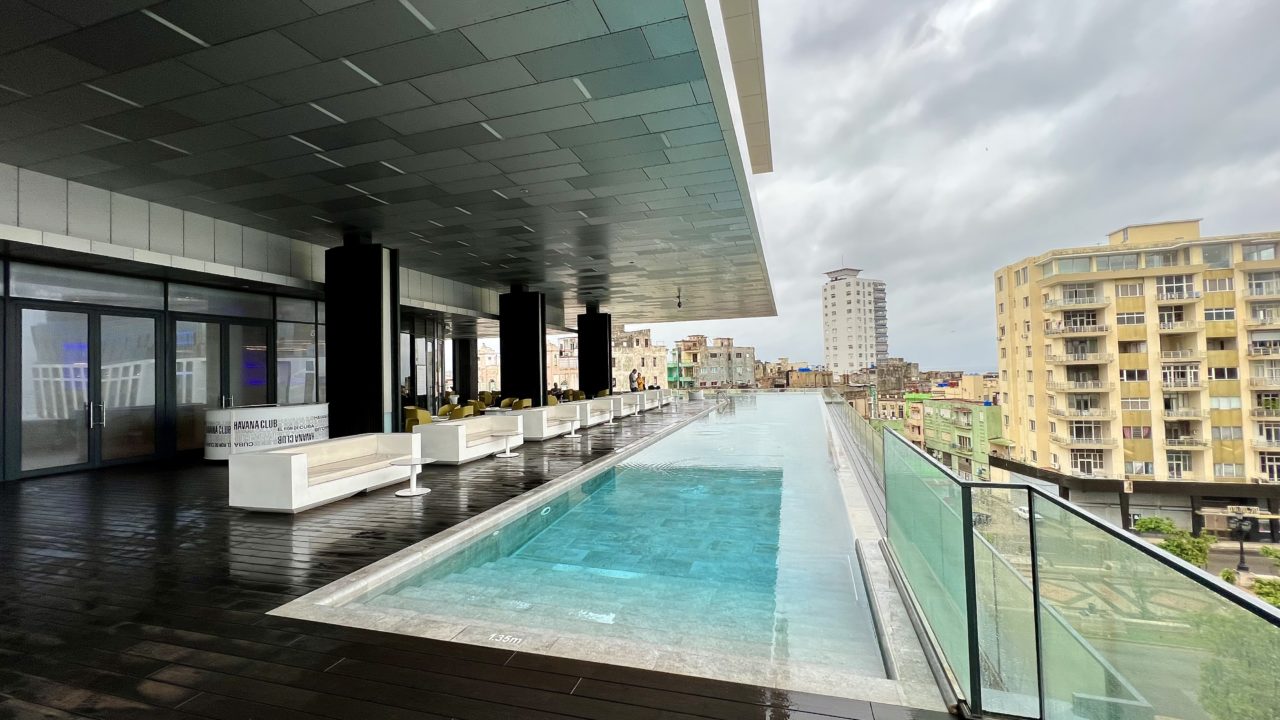
A vintage car ride through Havana, sunset on the Malecón, a salsa night in Trinidad, a visit to a tobacco farm in Viñales, snorkeling at the Cayos, rum tasting at a Havana Club distillery, and simply sitting in a street cafe and watching life go by.
When is the best time to travel to Cuba?
November to April is the best time to travel: dry season, pleasant temperatures of 25–30°C, no hurricane risk. High season is December to March—book early. July to October is the rainy season and hurricane season: possible, but with limitations. Easter and New Year's are also high season.
What's the best way to travel from city to city in Cuba?
Viazul buses are reliable and inexpensive for the classic tourist routes (Havana–Trinidad approx. USD 25), and can be booked online. Colectivo taxis are available for short trips and spontaneous departures. Private rental cars are rarely available. For day trips from Havana, private drivers are recommended—negotiate the price in advance.
Is Cuba worth visiting compared to other Caribbean islands?
Yes — for those seeking more than just a beach holiday. Cuba is culturally richer than most other Caribbean islands: history, architecture, music, hospitality. For those solely focused on sunbathing, there are more comfortable options. But for truly memorable travel experiences, Cuba is unbeatable.
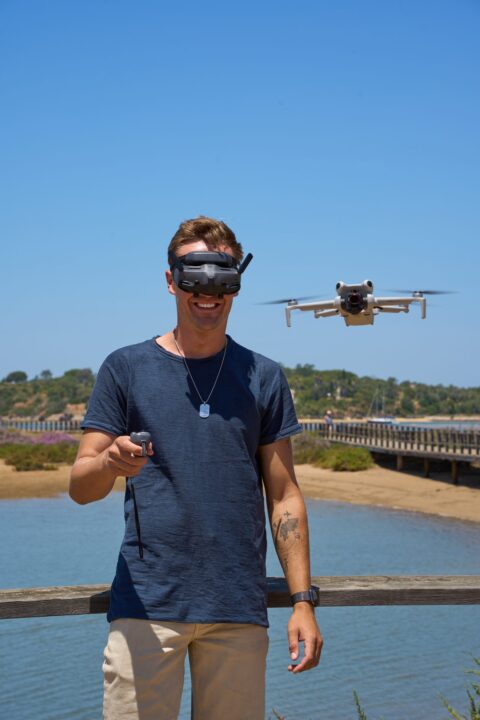
Max Haase
Travel Content Creator · Drone Photographer · Visual Storyteller
A professional travel creator for over 10 years with over 4 million followers. Specializing in high-end tourism board collaborations and visual travel storytelling.


 German
 English