
Philippines Travel Report 2025
The Philippines had been at the top of my bucket list for years. In December 2024, it finally happened: five weeks exploring what is arguably the most beautiful island nation in Southeast Asia. 7,641 islands, turquoise waters, waterfalls in the middle of the jungle, and hospitality that completely blew me away. In this Philippines travelogue, I share everything you need to know for your own trip—from the best islands and practical tips to the actual costs.
Spoiler alert: The Philippines are the best value travel destination in all of Southeast Asia. And I say that as someone who has traveled to over 80 countries.
My route: 5 weeks through the Philippines
I landed in Cebu at the beginning of December 2024 and from there made my way south and later towards Palawan. My route at a glance:
- Weeks 1-2: Cebu & surrounding area — Kawasan Falls, Oslob (whale sharks), Moalboal (school of sardines), canyoneering
- Week 3: Bohol — Chocolate Hills, Tarsier Sanctuary, Panglao Beaches
- Weeks 4-5: Palawan — El Nido (Island Hopping A, B, C), Port Barton, Underground River Puerto Princesa
In retrospect, the timing was perfect. December to February is peak season, but the months before Christmas aren't completely overrun. Prices were fair, the beaches weren't too crowded, and the weather was sunny on 901 days.
The most beautiful Philippine islands — My top 5
With 7,641 islands, the selection is obviously absurdly large. But after 5 weeks on site, I can tell you pretty accurately which islands are really worth visiting:
1. Palawan (El Nido & Port Barton)
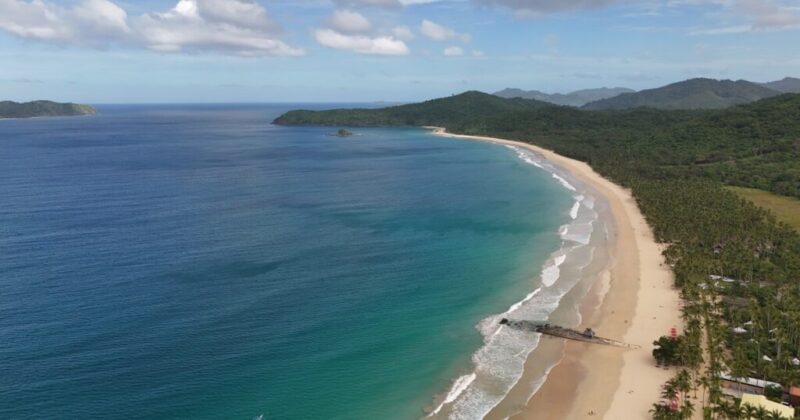
El Nido is the reason the Philippines exploded on Instagram. And yes—it looks exactly the same in real life. Limestone cliffs rising from turquoise waters, hidden lagoons, beaches that look like something out of a movie. I did all three island-hopping tours (A, B, and C), and tour A was by far the best. Small Lagoon, Big Lagoon, Shimizu Island—every single stop was a highlight. Port Barton is the quieter counterpart to El Nido: fewer tourists, lower prices, and equally beautiful water.
2. Cebu (Moalboal & Kawasan Falls)
Moalboal was a surprise for me. The sardine shoal right off the coast is completely surreal—thousands of sardines moving through the water like a living cloud. Then there was canyoneering at Kawasan Falls: three hours climbing through gorges, jumping off rocks, and swimming in natural pools. By far the most adventurous thing I did in the Philippines.
3. Bohol
The Chocolate Hills are iconic, but honestly, the tarsier impressed me more. These tiny primates with their enormous eyes are only found in the Philippines. Panglao Beach was nice, but nothing compared to Palawan.
4. Siargao
I didn't manage it this time, but it's at the top of my list for the next trip. Surfer vibes, Cloud 9, less touristy than El Nido.
5. Corona
If you're into diving and wreck diving, Coron is the place for you. The Japanese shipwrecks from World War II are world-famous.
Philippines Costs — How much I actually spent
The Philippines are cheap. Very cheap, in fact, if you know how. Here are my actual daily costs as a backpacker with some comfort (not a dorm, but not a luxury resort either):
| category | Cost per day | Details |
|---|---|---|
| Accommodation | 25-45 € | Private rooms with AC, pool hostels or boutique hotels |
| Eat | 10-20 € | Local food €2-4, restaurant €8-15, beer €1-2 |
| transport | 5-15 € | Tricycle €1-3, scooter €8-12/day, ferry €10-25 |
| Activities | 10-30 € | Island hopping €15-25, canyoneering €20-30 |
| Domestic flights | ~€3/day | Cebu-Palawan approx. 50-80 € (Cebu Pacific) |
| IN TOTAL | €50-110/day | On average, about €75 per day with my travel style. |
For 5 weeks, I spent a total of around €2,600 (excluding international flights). The flight from Frankfurt to Cebu with a layover cost approximately €650 (Cathay Pacific via Hong Kong). Total costs for 5 weeks in the Philippines: approx. €3,250. For a country that is so incredibly beautiful, that's peanuts.
Practical Philippines Tips — What you need to know before your trip
visa
Germans don't need a visa for stays of up to 30 days. You'll automatically receive a stamp upon arrival at the airport. For longer stays, you can extend your visa at immigration for approximately €70 up to 59 days. Important: You need a return or onward flight ticket upon arrival.
Best Travel Time
November to May is the dry season—ideal for most islands. Peak season is December to February (Christmas and Chinese New Year). My tip: early December or March/April. The weather is great then, but prices are still reasonable. The rainy season (June to October) is doable, but typhoons can disrupt plans.
Domestic flights
Cebu Pacific and Philippine Airlines are the two major airlines. Cebu Pacific is the budget carrier—flights start at €20 if you book early. My tip: book 2-3 weeks in advance; hand luggage is usually sufficient (7kg). I flew from Cebu to El Nido via Puerto Princesa for €55.
SIM card & Internet
Buy a Globe or Smart SIM card directly at Cebu airport. I got a Globe with 30GB for 30 days — it cost about €12. The network coverage is solid (4G) in the cities, but more mixed on the islands. I had reception everywhere in El Nido, but in Port Barton it was more or less hit-or-miss.
Rent a scooter
The best way to explore the islands. €8-12 per day, no driver's license required (theoretically you are, but nobody asks). Helmets are usually provided. Fuel is available at small roadside stands—a bottle of gasoline costs €1-2. Caution: The roads in the Philippines are… adventurous. Dogs, chickens, oncoming traffic—always drive defensively.
Money & Payment
Philippine Peso (PHP). At the time of my trip, €1 was approximately 62 PHP. Cash is king—many small shops and street vendors don't accept card payments. ATMs are available in every major city, but they can be scarce on smaller islands. My tip: Always carry enough cash for 2-3 days.
Drone use in the Philippines — My experiences
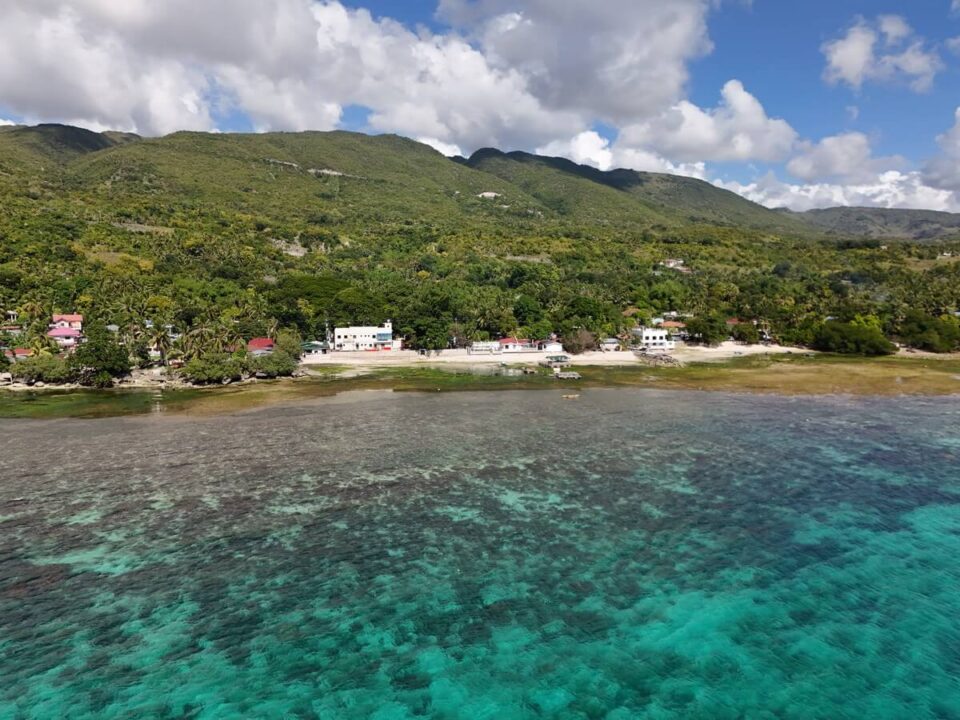
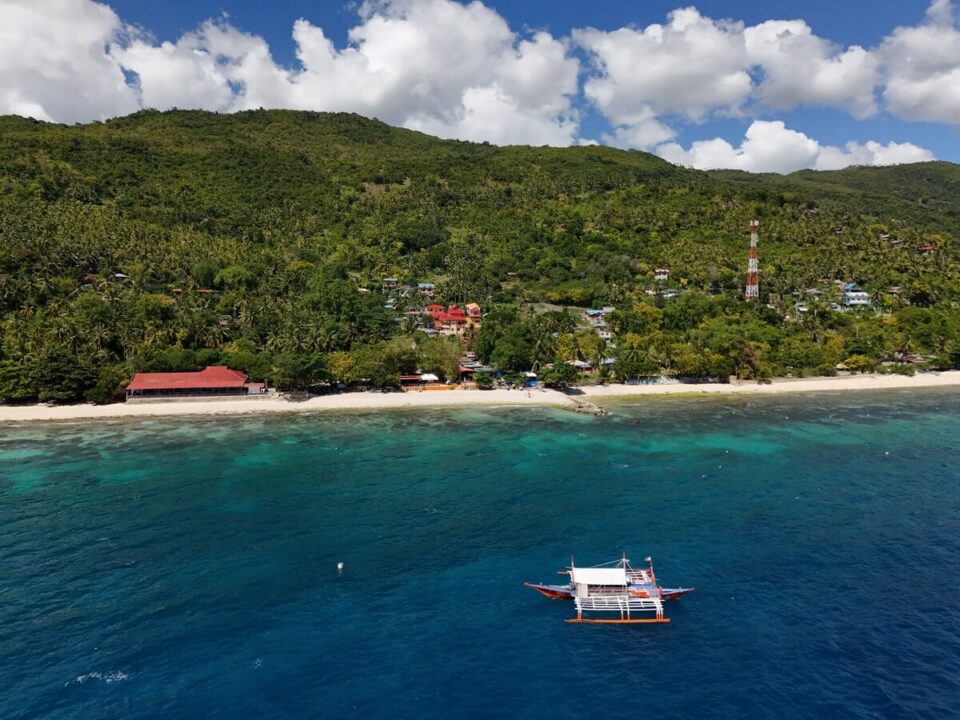
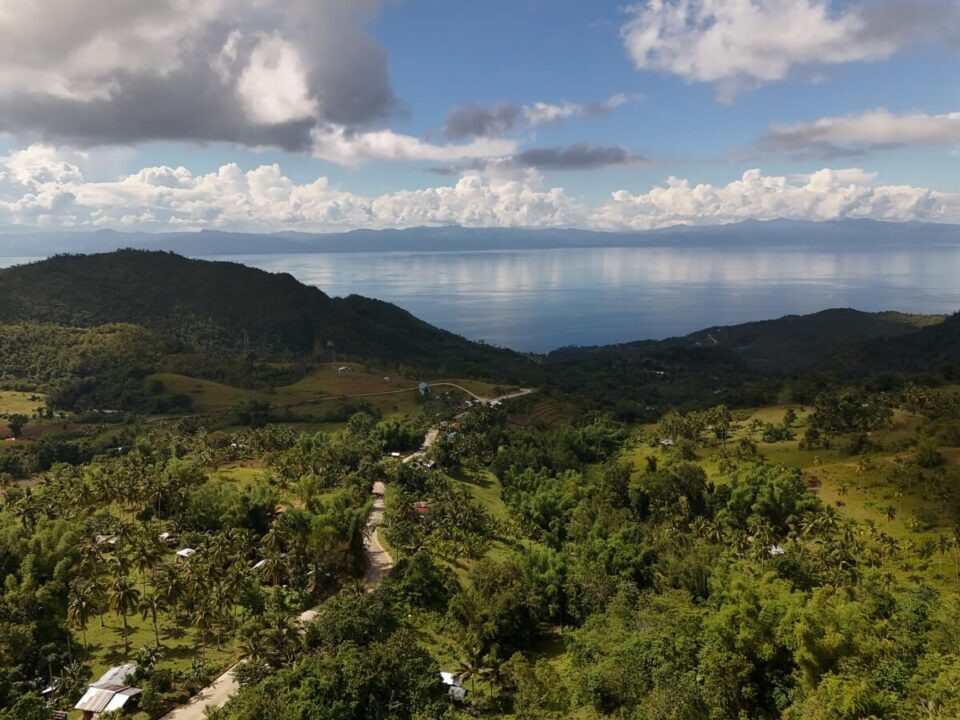
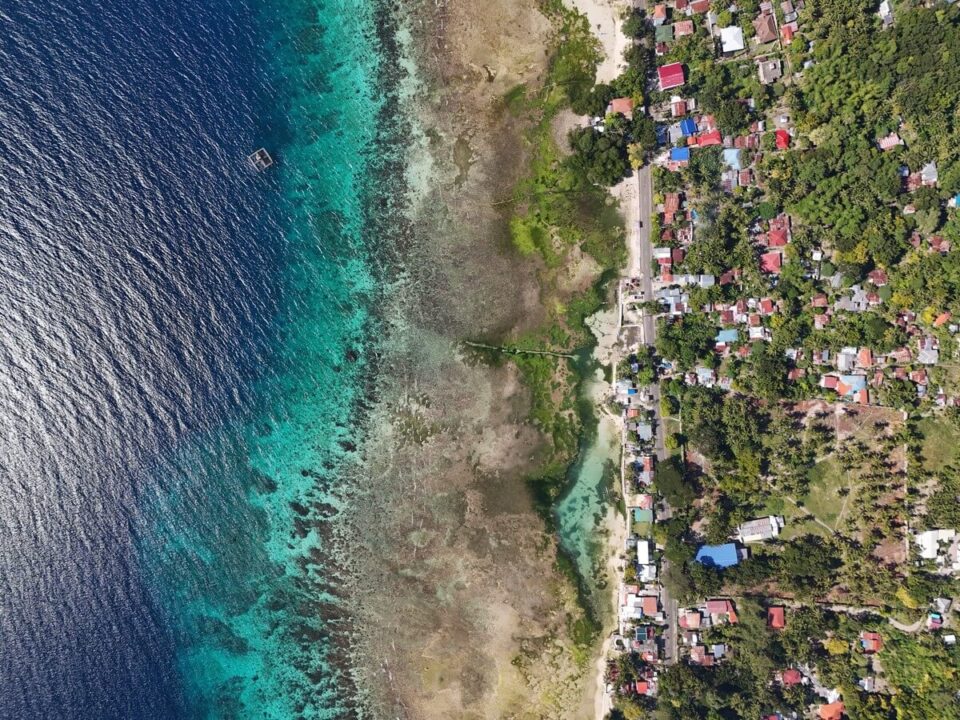
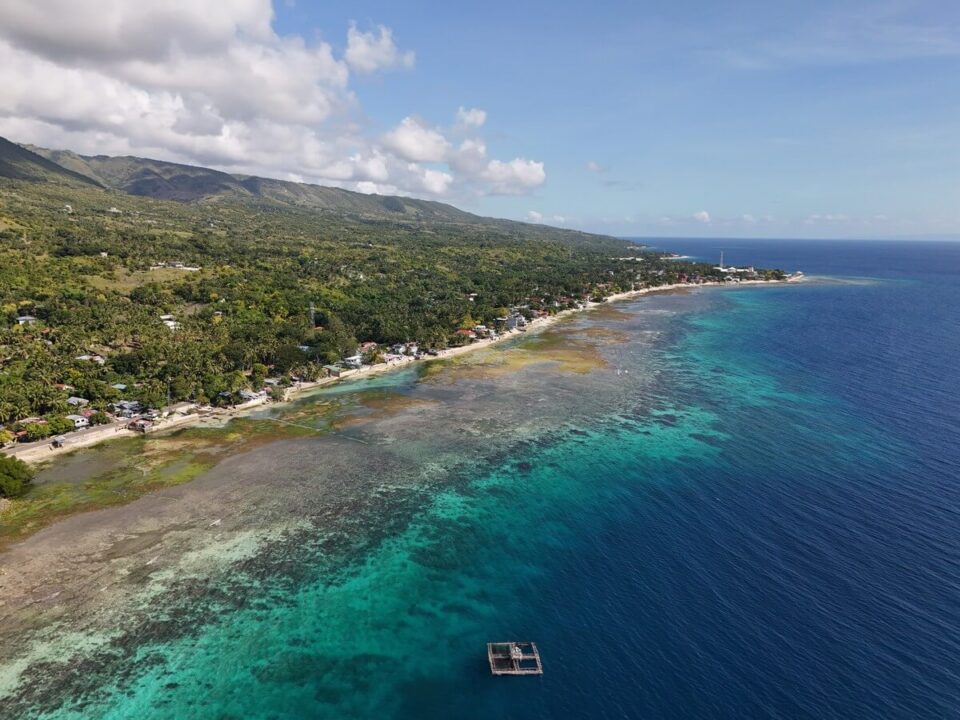
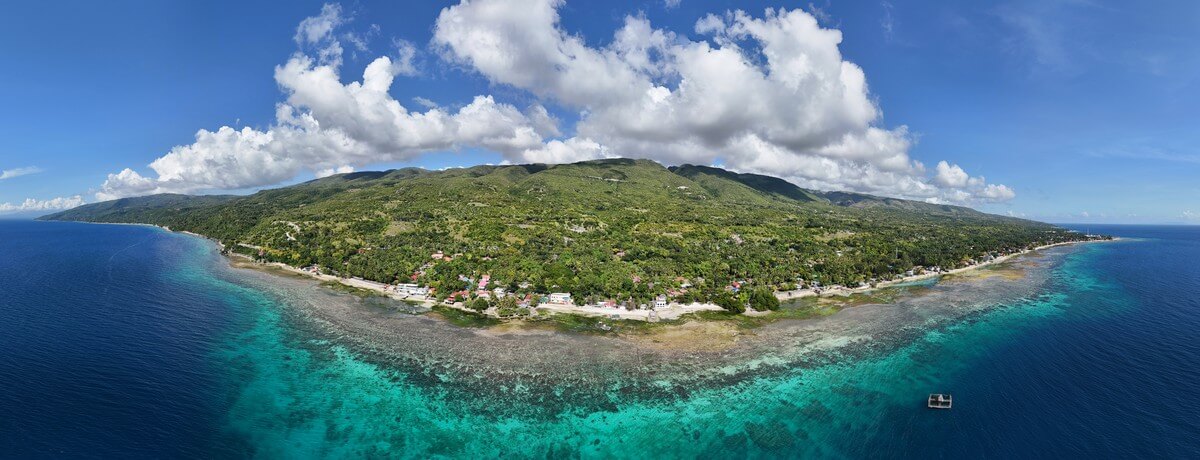
I've been flying the DJI Mini series (currently the DJI Mini 5 Pro) for years, and the Philippines is an absolute drone paradise. The aerial footage you get is simply on another level—turquoise lagoons, tiny islands, waterfalls in the middle of the jungle.
Legal situation: The Philippines are relatively relaxed about drones. Drones under 250g (like a DJI Mini) don't need registration. Nevertheless, you should stay away from airports, military areas, and crowds. In El Nido, I flew on every beach without any problems. It was more crowded at Kawasan Falls—I flew there early in the morning before the tourist crowds arrived.
My setup: DJI Mini 5 Pro + 3 batteries + ND filter. Enough for about 90 minutes of flight time. The 4K footage is amazing—especially of the islands and waterfalls. If you're a content creator going to the Philippines, definitely pack a drone.
Security in the Philippines
I never felt unsafe in the Philippines. Filipinos are extremely friendly and helpful. Nevertheless, here are a few things to keep in mind:
- Petty Crime: Be careful in Manila and Cebu City — pickpocketing does occur. There is virtually no crime on the islands.
- Mindanao: I would currently avoid the southern island. Travel warning issued by the German Foreign Office.
- Road traffic: The biggest risk in the Philippines: chaotic, no rules, driving at night without lights is normal. Always be careful.
- Water: Do not drink tap water. Inexpensive water canisters are available everywhere (20L for about 40 cents).
- Insurance: International health insurance is mandatory. I've been using HanseMerkur's for years — it's never let me down.
Backpacking in the Philippines — Who should do it?
The Philippines are perfect for:
- Backpacker: Affordable prices, simple infrastructure, hostel culture
- Adventurer: Canyoneering, diving, climbing, kayaking
- Photographers & Content Creators: The landscape is a picture-perfect scene. Drone photos here are simply on another level.
- Couples: Romantic sunsets, secluded beaches, affordable luxury resorts
Not ideal if you:
- You expect perfect infrastructure (roads, punctuality, internet)
- You have problems with heat and humidity (35°C + 90% humidity)
- If you're looking for a party (Bali and Thailand are better for that)
Frequently asked questions about the Philippines
How much does a 3-week trip to the Philippines cost?
Expect to spend €1,500-€2,500 per day, excluding flights, depending on your travel style. Backpackers can manage on €40-€50 per day, while €70-€90 per day is realistic for those seeking a bit more comfort. International flights cost between €500 and €800, depending on when you book.
Are the Philippines dangerous?
No, the tourist areas (Cebu, Bohol, Palawan, Siargao) are very safe. Avoid Mindanao and take the usual big-city precautions in Manila. I never felt unsafe during my five weeks there.
When is the best time to travel to the Philippines?
November to May (dry season). December to February is peak season. March and April are hotter but cheaper. The rainy season (June-October) is also an option, but the risk of typhoons increases from August onwards.
Do I need a visa for the Philippines?
No, not as a German citizen. You automatically receive a 30-day visa upon entry. An extension to 59 days is possible at immigration (approx. €70). Important: You must provide proof of a return flight ticket.
Can I fly a drone in the Philippines?
Yes, drones under 250g (DJI Mini series) don't need registration. Keep your distance from airports and military areas. Flying drones is usually not a problem at tourist spots—I've flown everywhere without any issues.
Philippines or Thailand — Which is better?
It depends. Thailand has better infrastructure, more nightlife, and easier travel. The Philippines has more beautiful scenery, more turquoise water, less mass tourism, and is cheaper. For adventurers and nature lovers: Philippines. For first-time Southeast Asia travelers: Thailand.
How do I get between the islands?
Ferries and domestic flights. Cebu Pacific offers flights from €20. Ferries are cheaper (€5-€25) but take longer. There's a fast ferry between Cebu and Bohol (2 hours, approx. €12). It's better to fly from Cebu to Palawan—the ferry takes forever.
My conclusion after 5 weeks in the Philippines
The Philippines is the most beautiful country I've visited in Southeast Asia. Period. The combination of pristine islands, turquoise waters, adventurous activities, and incredibly warm-hearted people is unique. Plus, the prices are reasonable, even by Southeast Asian standards.
Is it perfect? No. The infrastructure is sometimes adventurous, the internet occasionally drops out on small islands, and the traffic is chaotic. But that's precisely what makes it authentic. Here you still experience genuine adventure—not the over-commercialized version you get in Bali or Phuket.
If you're wondering whether the Philippines is right for you: Yes, it is. Book your flight, pack your backpack, and get ready for the adventure of a lifetime. You won't regret it.
Are you also planning a trip to the Philippines? Write to me on Instagram — I'm happy to help with tips!
More travel reports: Crossing the Alps E5 with a drone | Gran Canaria travel report | Request Collaboration
About the author
Max Haase is Germany's most influential travel and lifestyle creator with over 4 million followers on Instagram. As a drone content creator, he has been documenting the world's most beautiful places from unique perspectives for over 10 years. He has visited over 82 countries and collaborated with over 500 international tourism boards, hotels, and premium brands. His equipment includes a DJI Mini 5 Pro, a Sony A7 IV, and a DJI Action 6 Pro.
 German
  English