
Porto Attractions: The Best Places & Tips
Porto sights: The best places & tips
Porto attractions between Ribeira, Gaia, and the Atlantic: my route, viewpoints, and tips for three to five days in northern Portugal.
In 30 seconds
- Time: Three full days are enough for the old town, Ponte Dom Luís I and Gaia; with Braga and Peneda-Gerês National Park, five days.
- Route: Day 1 São Bento, Ribeira and bridge, Day 2 Carmo, Clérigos and Livraria Lello, Day 3 Vila Nova de Gaia or Foz do Douro.
- Highlights: around 20,000 azulejo tiles in São Bento, 225 steps up the Torre dos Clérigos, port wine cellars in Gaia.
- On the road: The center is easy to explore on foot, but hilly; for Foz and other destinations, take the metro, and rent a car only for the surrounding area.
- Travel time: late spring and early fall; hot in summer, mild but rainier in winter.
Before my trip, I had pegged Porto as a nice stopover. After three days, I saw the city differently: the steep alleys, the densely stacked houses on the Douro, and the view across to Vila Nova de Gaia make for a rugged, lively backdrop. I was out with my camera and drone, and here I focus on the most important Porto attractions. Instead of a mere list, I organize them by neighborhood and sensible routes. That way you can discover the city without constantly going back and forth between individual spots.
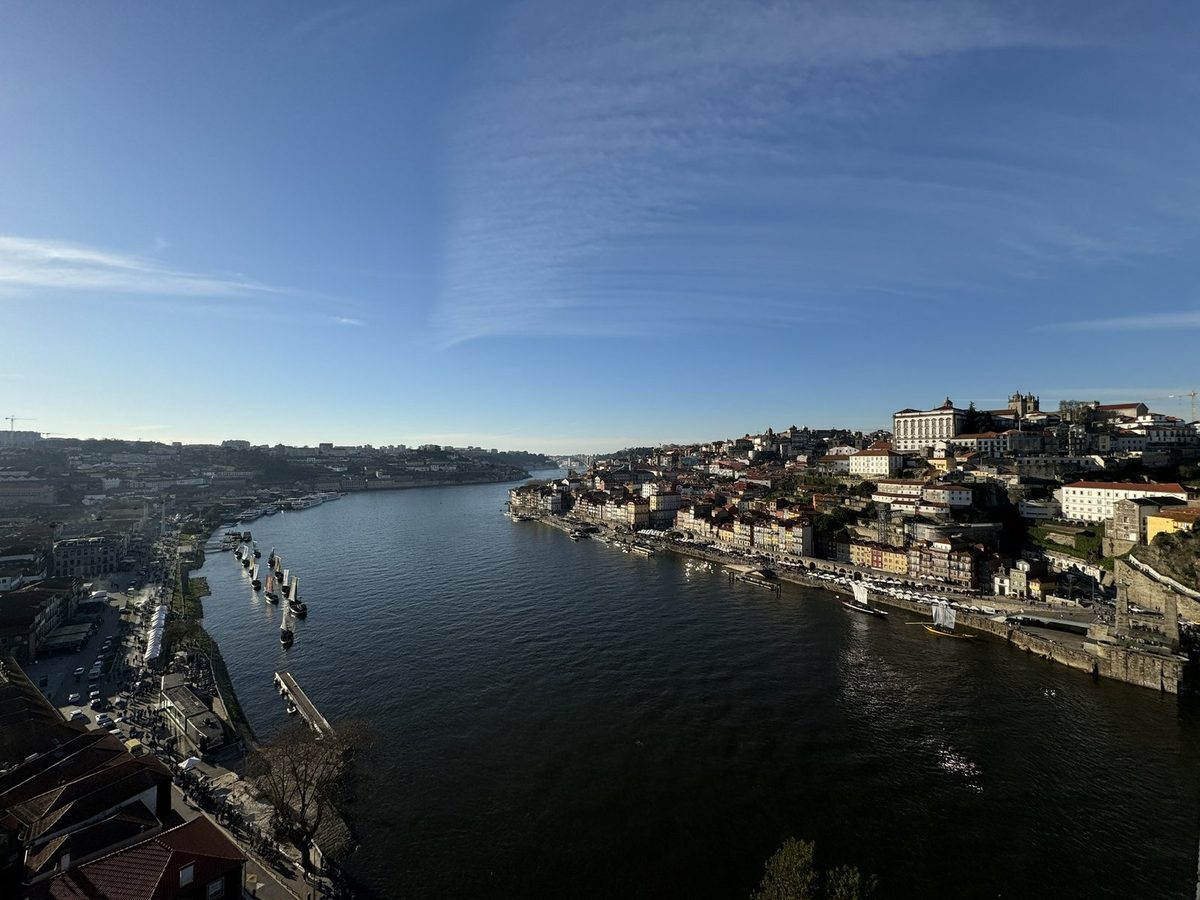
Porto lies in northern Portugal on the Douro, shortly before it flows into the Atlantic. The river separates the historic center from the port wine cellars in Gaia. Many highlights are close together, but don't underestimate the differences in elevation. Good shoes and a not-too-tight schedule make the visit more relaxed. For my personal impressions, more practical advice, and excursions into the surrounding area, there's also my Porto travel report with Portugal tips.
Related travel reportPorto Travel Report: Attractions, Old Town & Hidden GemsPorto attractions at a glance
The classic attractions in Porto aren't isolated points. They belong to a cityscape of river, bridges, churches, azulejos and winding streets. That's why a route works especially well that leads from the upper old town down to the Ribeira, across the Ponte Dom Luís I to Gaia and later back again. Along the way, big panoramas alternate with details on façades.
- São Bento combines a central starting point with an impressive azulejo hall.
- The Ribeira shows Porto right on the Douro and is part of the historic center.
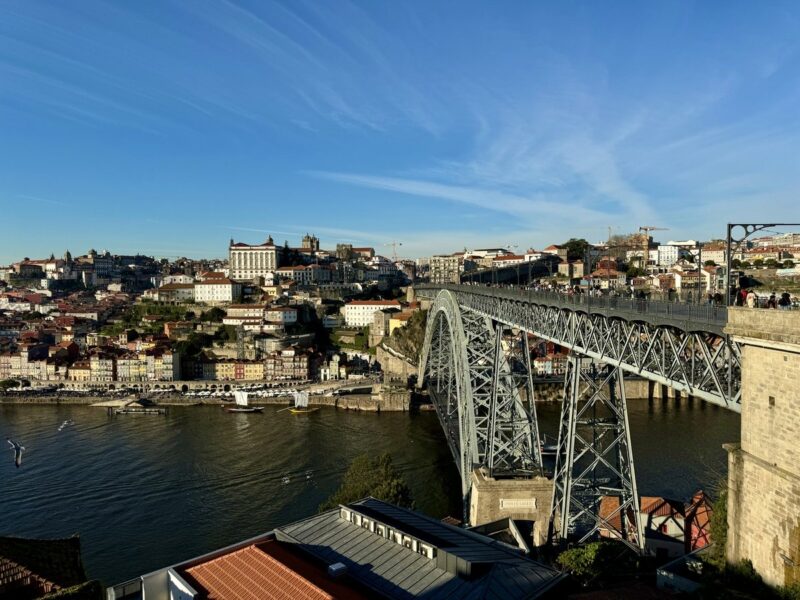
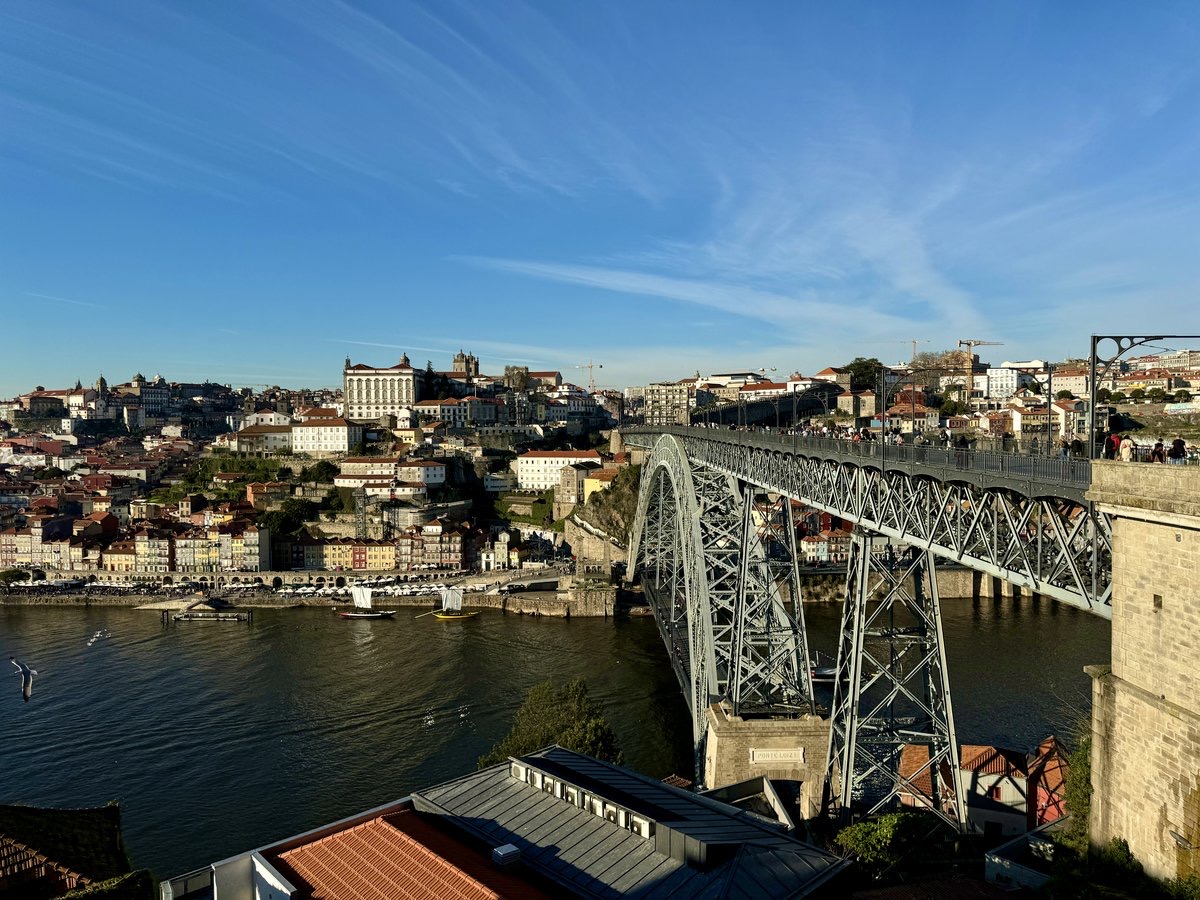
- The Ponte Dom Luís I combines different perspectives on the city, the river and Gaia.
- In Vila Nova de Gaia, historic port wine cellars line the riverbank.
- The Igreja do Carmo, the Torre dos Clérigos and the Livraria Lello combine well in the upper part of the city.
For a first visit, I would plan three full days. That leaves enough room for the old town and Gaia without reducing Porto to a quick photo tour. If you want to add Braga and Peneda-Gerês National Park, you can plan five days. This also matches my own experience on the ground: Porto gains when there's still time between the well-known sights for the alleys, stairways, and squares.
Porto is at its best when there's still time between the well-known sights for the alleys, stairs, and squares.
Max Haase
Porto attractions in the Ribeira
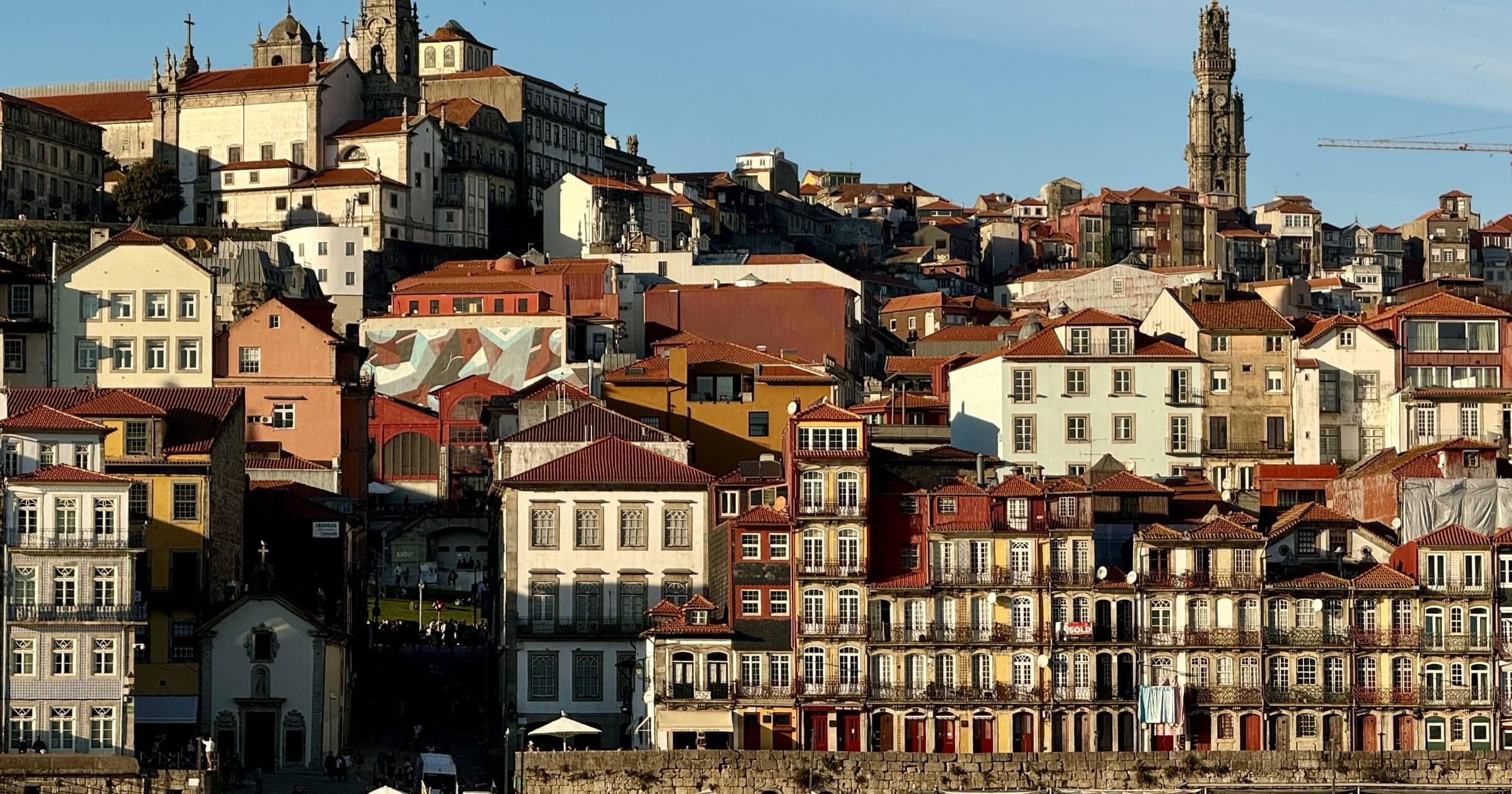
The Ribeira is the part of Porto where the unique topography is most noticeable. Colorful houses stand tightly packed on the slope, narrow paths lead downhill, and again and again the view opens up onto the Douro. The historic old town is a UNESCO World Heritage Site. For me, its appeal wasn't a flawless backdrop but the contrasts: weathered façades next to colorful fronts, lively waterfront areas next to narrow side alleys, and monumental views next to everyday scenes.
Porto attraction: Cais da Ribeira
The Cais da Ribeira is the waterfront promenade on the Porto side and one of the city's best-known sights. From the water, the houses on the north bank seem to rise up on top of one another. Street music, restaurants, and lots of visitors keep things lively. However, if you only walk along the promenade, you only see one level of the neighborhood. I would also turn into the alleys behind it and then come back down to the river. That makes it clear how closely the riverbank and the hillside are connected.
Porto attraction: Ponte Dom Luís I
The Ponte Dom Luís I is more than a connection between Porto and Vila Nova de Gaia. Its two levels offer different impressions. Down below, you're close to the river and the façades of the Ribeira. Up top, the panorama opens up over the Douro, the rooftops and both banks. I wouldn't play the levels off against each other: the change between them is exactly what makes the bridge one of the most important attractions in Porto. If you don't enjoy steep paths, plan your route so that unnecessary climbs and descents are avoided.
Porto attractions with azulejos and views
In Porto, azulejos are no casual decoration. The glazed tiles shape entire facades and interiors. In the sun, the blue looks especially vivid, but even under an overcast sky it's worth taking a closer look at the picture sequences and ornaments. Around São Bento, Clérigos, and Carmo, several well-known stops lie within comfortable walking distance. Because the streets rise and fall, an order that makes geographic sense is more pleasant than working through a ranking list.
Porto attraction: São Bento train station
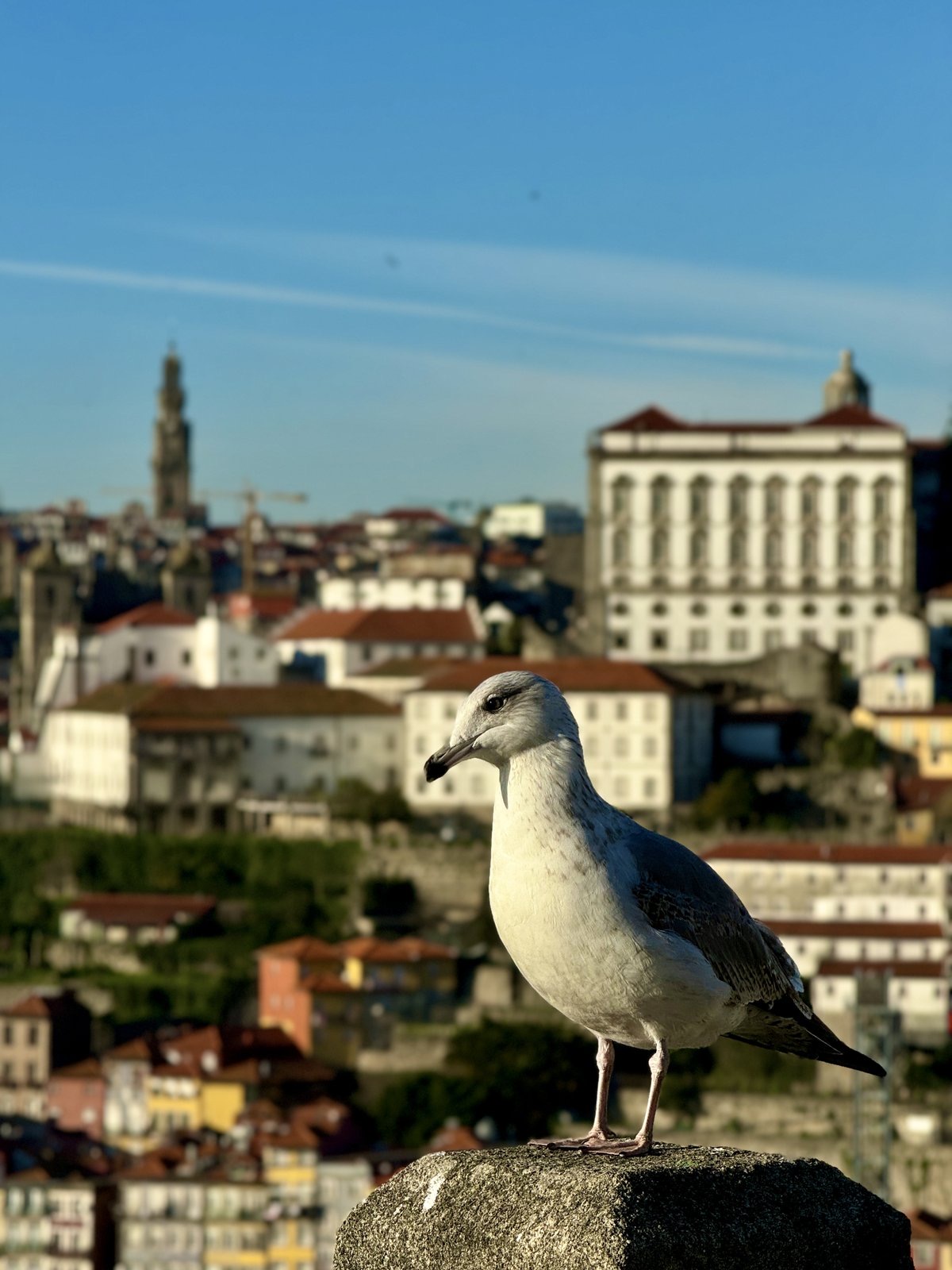
At São Bento station, the special feature is the entrance hall. Around 20,000 hand-painted azulejo tiles form large-scale scenes there. The place is both a transport building and a sight, which gives it a different atmosphere than a museum. I think you shouldn't just look at the overall effect here. From a short distance, individual scenes, frames, and transitions become visible. Thanks to its central location, São Bento is a great starting point for a walk through the old town.
Porto attractions Igreja do Carmo and Clérigos
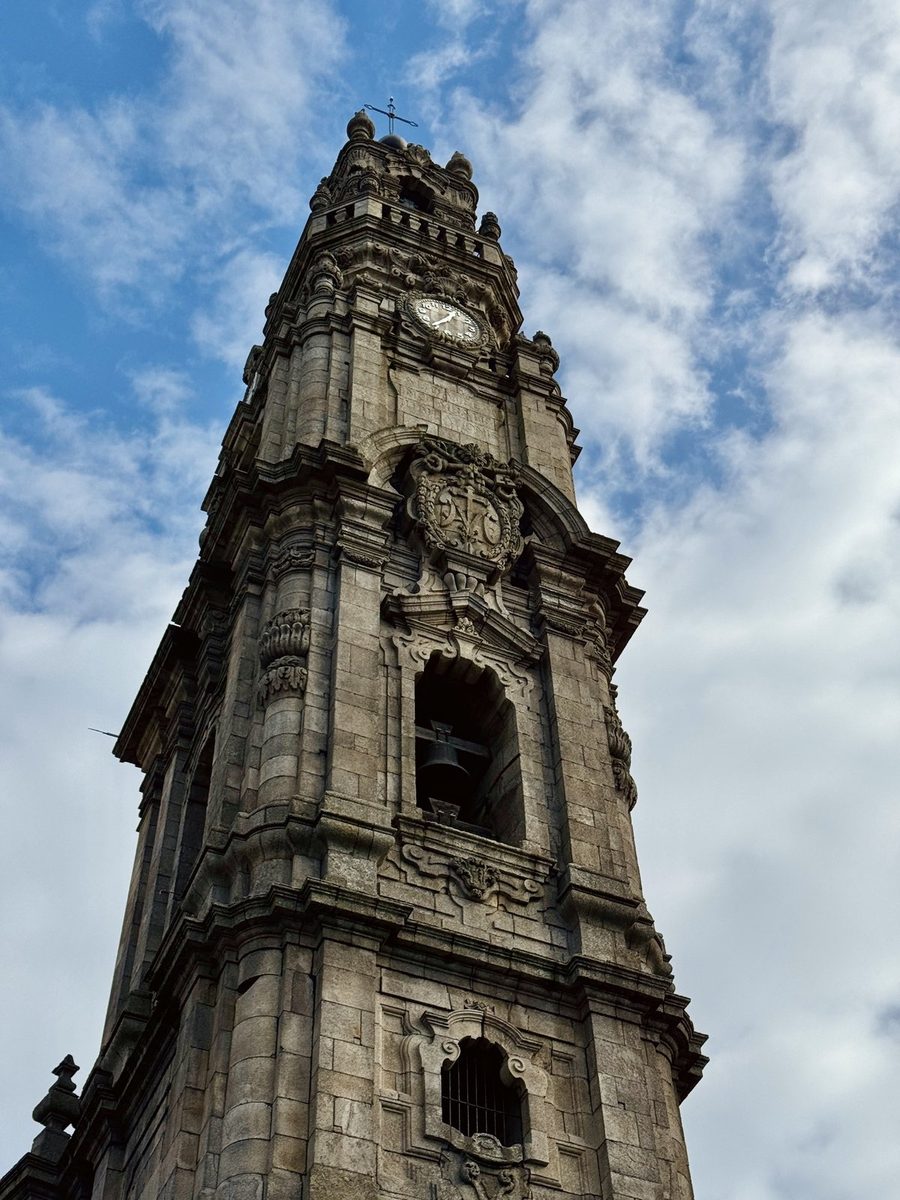
The Igreja do Carmo stands out for its large exterior wall covered in blue tiles. It's a good example of how strongly ceramics shape the streetscape of Porto. Not far away stands the Torre dos Clérigos. After about 225 steps, the bell tower offers a 360-degree view over the city. The two places complement each other: at Carmo your eye is drawn to the façade and its details, at Clérigos to rooftops, streets and the bigger picture. For photography, these are two completely different perspectives within one compact area.
Porto attraction: Livraria Lello
The Livraria Lello is often described as one of the most beautiful bookstores in the world. Inside, a curved staircase, Art Nouveau woodwork and a colorful glass ceiling define the space. It is no longer a quiet discovery. That's exactly why it's worth thinking beforehand about whether architecture, books or a famous photo spot should be the focus of your visit. If you mainly expect peace and quiet, its popularity might surprise you.
In my travel report, I recommended an early visit to beat the biggest crowds. However, specific admission conditions can change and should be checked directly with the provider. In terms of content, I would combine the bookstore with Igreja do Carmo and Torre dos Clérigos, since these Porto sights are close to each other. That keeps the walk short, and the Livraria becomes part of a neighborhood instead of a single must-see stop.
My tip
Come early to Livraria Lello, when the crowds are still small. Admission conditions change, so check directly with the provider beforehand.
Porto attractions in Vila Nova de Gaia
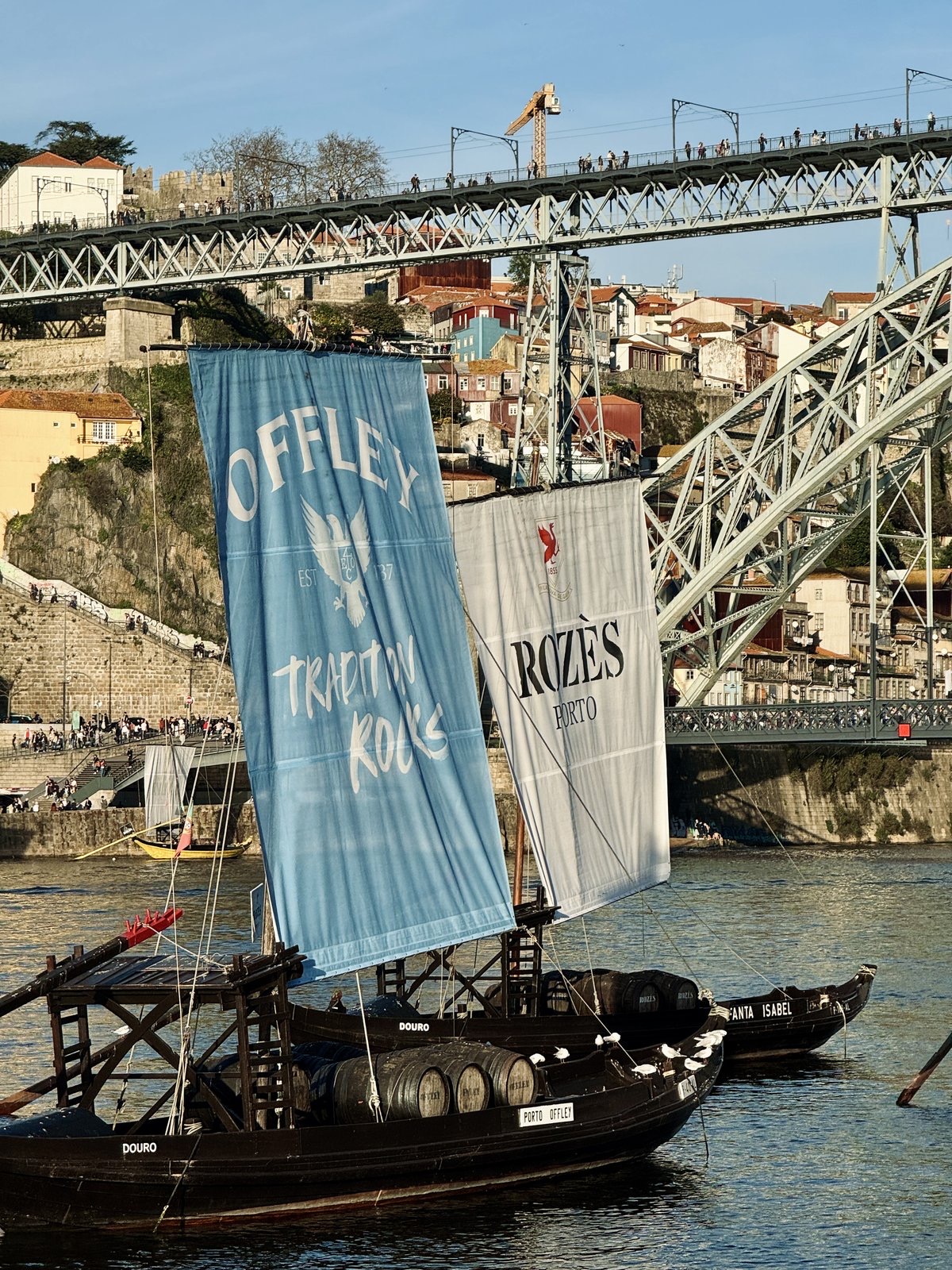
Vila Nova de Gaia lies across from Porto on the southern bank of the Douro. The change of location is small, but the perspective is clearly different. From Gaia you look at the dense front of the Ribeira; at the same time, numerous port wine houses store their barrels here. Port wine is closely tied to the Douro and the history of the region. Even without a tasting, the riverside is worth it for the panorama and the view back at Porto.
Porto attractions around the port wine cellars
During my trip, Graham's was my favorite. The port lodge sits on slightly higher ground and combines the topic of port wine with a wide view over Porto and the Douro. As alternatives, I mention in my travel report Taylor's with its barrel cellars and Sandeman with a more staged tour. At a tasting, the differences between Ruby, Tawny and Vintage become easy to understand. Travelers should always check current tour formats, availability and terms directly with the port lodges themselves.
| Winery | Special feature | For whom |
|---|---|---|
| Graham’s | Slightly elevated, wide view over Porto and the Douro | My favorite for views and port wine |
| Taylor’s | Large cask cellars | If you want to see the storage |
| Sandeman | More staged tour | If you like a guided tour with a show |
In the late afternoon, the lower light changes the view of the city from Gaia. I recommend this time of day for the river side. If you'd rather avoid alcohol, you lose nothing of the basic experience: the riverbank, the hillside, the bridge, and the old town panorama work independently of a tasting. Gaia is therefore not just a stop for port wine fans, but an essential part of any route through the sights of Porto.
Porto attractions on the Atlantic
West of the center, the Douro reaches the Atlantic. Foz do Douro adds coast, lighthouse and surf to the picture of the city. After the narrow old-town alleys, the open horizon feels like a deliberate counterpoint. I had this area in mind as a drone subject, because river mouth and ocean tell a clear geographic story from above. Before every flight, though, the applicable European and local rules as well as current flight zones must be checked.
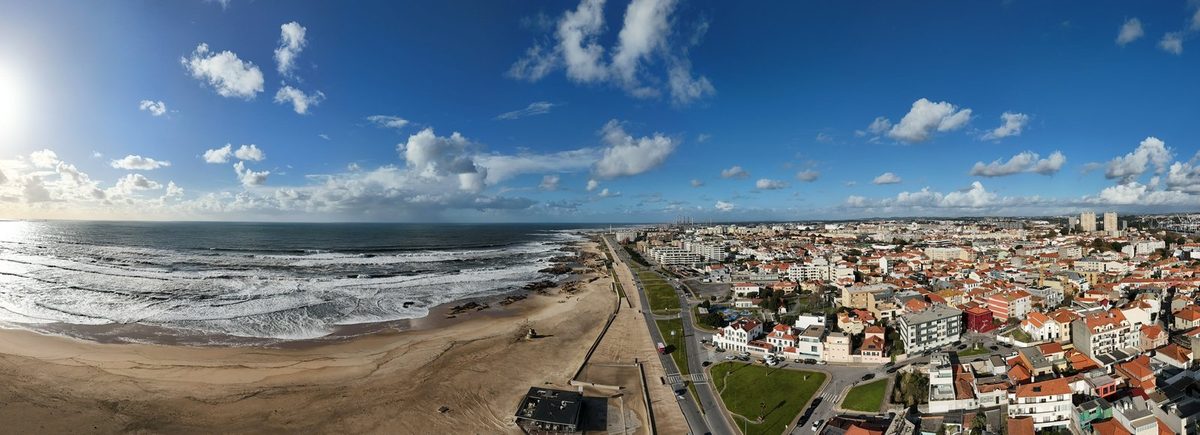
When planning, I wouldn't squeeze Foz in between two appointments in the center. It works better as a section of its own once you've already explored the old town and Gaia. Weather and wind are more noticeable on the Atlantic coast than in the sheltered alleys. The maritime climate brings mild but rainier winters; summers are usually drier. Whatever the season, an extra layer of clothing makes sense if you want to stay by the water for longer.
Compare and book tours, admission tickets and excursions in advance with free cancellation (depending on the offer).
View tours for Porto →- ✓Tours, tickets and excursions in one place
- ✓Free cancellation depending on the offer
- ✓Book ahead instead of queuing on site
Porto attractions as a three-day route
A three-day structure gives you orientation without prescribing exact times. On the first day, I would combine São Bento, Ribeira and both levels of Ponte Dom Luís I. The second day belongs to Carmo, Clérigos and the Livraria Lello, plus time in the surrounding streets. On the third day, Gaia with its wine cellars and the view of Porto is a good fit. Depending on your interests, Foz can replace part of the second or third day.
- Day 1Old Town and RiverSão Bento station, descent through the old town, Cais da Ribeira, and Ponte Dom Luís I.
- Day 2Upper TownIgreja do Carmo, Torre dos Clérigos, Livraria Lello, and free time in the upper town.
- Day 3Gaia or the AtlanticVila Nova de Gaia, port wine theme and panorama; alternatively or afterward, Foz do Douro.
The routes in the center are easy to do on foot, but Porto is hilly. If you plan in breaks, you'll experience the city more consciously and won't have to tackle every incline as quickly as possible. For destinations further away, there's the metro. I don't think a rental car is necessary for the central sights; for trips into the surrounding area, however, it can be practical.
Porto attractions and day trips
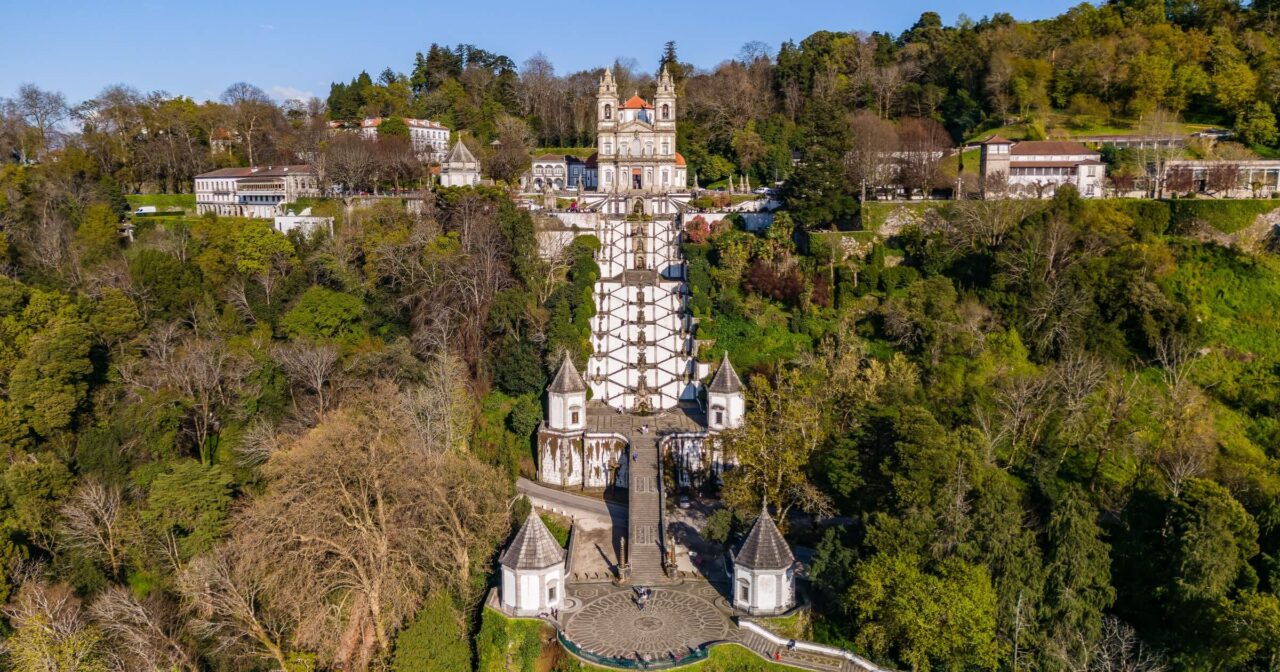
With two extra days, you can add Braga and Peneda-Gerês National Park. Braga lies north of Porto. I found Bom Jesus do Monte especially impressive: the white Baroque staircase climbs 116 meters up the wooded hill and is crowned by the basilica. My drone photo of this ensemble is one of my favorite pictures from Portugal. Braga's old town and the cathedral also give the trip more substance than a single photo stop. Before trips to the north, it's worth checking the travel and safety advice of the German Federal Foreign Office: in summer there can be wildfire warnings, and in the old town, in Ribeira, and on trains, it's wise to watch out for pickpockets.
Good to know
In summer, there can be wildfire warnings in the north. Watch out for pickpockets in the old town, in the Ribeira district and on trains, and read the German Federal Foreign Office's travel advisories beforehand.
A rental car is practical for Braga and Peneda-Gerês National Park; in Porto itself you don't need one. Before every trip, I compare all providers before I book.
Compare car rental prices in Nordportugal →- ✓All the major providers compared
- ✓Free cancellation
- ✓Booking early costs nothing extra
Peneda-Gerês National Park shows a different northern Portugal. Granite mountains, green landscapes, reservoirs, villages, and waterfalls replace the urban picture there. In my travel report, I mention the Cascata do Arado and the Cascata da Portela do Homem. Since protection regulations and flight rules are relevant, nature and current requirements should always take priority over getting a shot. If you include the surrounding area, you still shouldn't shorten Porto itself to fewer than the core three days.
Planning your Porto sightseeing
The best order depends on your accommodation, the weather and your personal interests. For me, short distances and connected neighborhoods matter more than ticking off as many boxes as possible. In late spring and early fall, conditions are often pleasant; in summer it can get hot, while winter is milder but rainier. The weather on the Atlantic stays changeable, so a flexible plan is worthwhile.
- Comfortable shoes help on cobblestones, stairs, and steep streets.
- The old town, the bridge, and Gaia can be linked together in a way that makes geographic sense.
- Before your trip, check the official websites of each place for current admission prices, reservations, and opening hours.
- For Braga and Gerês, you should plan a day of its own rather than a quick detour.
- When shooting with a camera or drone, consideration, privacy, and current flight rules apply.
If you're fitting Porto into a longer Portugal trip, you'll find in my article about Costs and budget for a two-week Portugal road trip a complementary perspective. The article on Porto attractions deliberately sticks to places and routes, while the road trip post covers the bigger trip planning.
Porto attractions for visual storytelling
Porto tells its story in an especially clear visual way: the Douro structures the city, the bridge connects two banks, azulejos provide detail, and the hilly terrain creates shifting levels. For photos, I wouldn't just collect individual landmarks. A series can begin with the expanse of Gaia, move into the alleys of Ribeira, and end with the tiles of São Bento or Carmo. That creates a coherent sense of place.
I work as a travel content creator and drone photographer, partnering with destinations on visual travel stories. Tourism boards that want to present Porto, northern Portugal, or other regions authentically will find on my page for Collaboration in tourism content more information. What matters to me is a production that brings together landscape, architecture and real experiences instead of stringing together interchangeable shots.
FAQ
Which Porto sights should I see first?
To start, I recommend São Bento, the Ribeira, the Dom Luís I Bridge, and Vila Nova de Gaia. These stops explain the city's position on the Douro and can be linked into one continuous route. After that, Igreja do Carmo, Torre dos Clérigos, and Livraria Lello fit into a second walk.
How many days do I need for Porto's sights?
Three full days are a good frame for the old town, the bridge and Gaia. With Braga and Peneda-Gerês National Park, I would plan five days. If you travel more slowly, take photos or like longer breaks, you can also put additional time in the city to good use.
Can I reach the Porto sights on foot?
Many central places can be reached on foot. However, the city is hilly and has numerous stairs and cobblestones. Comfortable shoes and a route without unnecessary changes of direction help. For Foz or other places farther away, public transport can complement your route.
Which Porto sights cost no admission?
Strolls through the Ribeira, along the Cais da Ribeira, across the publicly accessible paths of the Ponte Dom Luís I and along the Gaia waterfront can be enjoyed without an entrance fee. Facades like that of the Igreja do Carmo can also be admired from the outside. For interiors, towers, the bookstore or guided tours, check the current conditions officially.
When is the best time to visit Porto's sights?
Late spring and early fall often offer pleasant conditions for long walks. Summers can be hot; winters in the maritime climate are usually mild, but rainier. There's no guarantee of particular weather. That's why I'd keep the daily route flexible and swap interiors and viewpoints depending on conditions.
New places, drone footage, and behind-the-scenes looks.
Max Haase
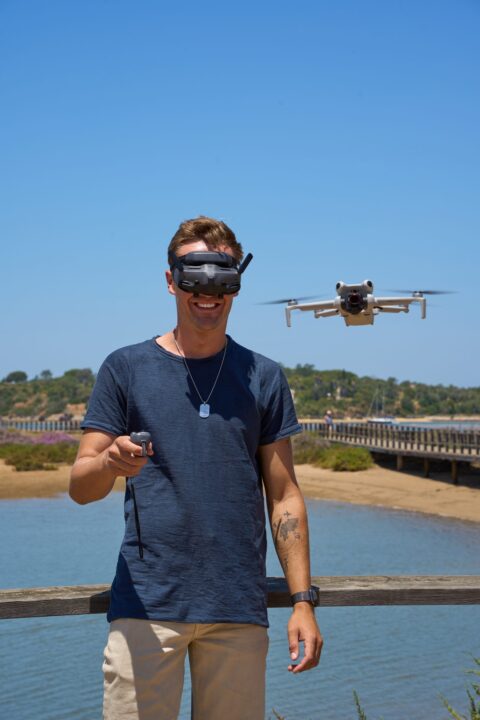
Travel Content Creator · Drone Photographer · Visual Storyteller
Since over 10 years I have been a professional travel creator with over 4 million followers; I specialise in high-end tourism board collaborations and visual travel stories.


 German
 English
 French
 Spanish
 Italian
 Japanese
 Chinese
 Dutch
 Portuguese