
Portugal road trip: Lisbon, Algarve & Porto by camper
A road trip through Portugal is one of the best travel experiences Europe has to offer – and I say that after traveling through over 30 countries in a van. In the spring of 2024, I spent several weeks driving my campervan through Portugal: from the Algarve in the south, through Lisbon and Sintra, all the way up to Porto and into the Peneda-Gerês National Park. The combination of spectacular Atlantic coastlines, a relaxed van-life culture, excellent food, and moderate prices makes Portugal the perfect road trip destination for beginners and seasoned travelers alike. In this guide, you'll find our complete route, all the costs, the best campsites, drone spots, and the must-see stops.
- 14-day route: From the Eastern Algarve via Lagos/Sagres, Alentejo coast, Lisbon and Sintra via Nazaré to Porto – a total distance of around 700 km with flexible stages.
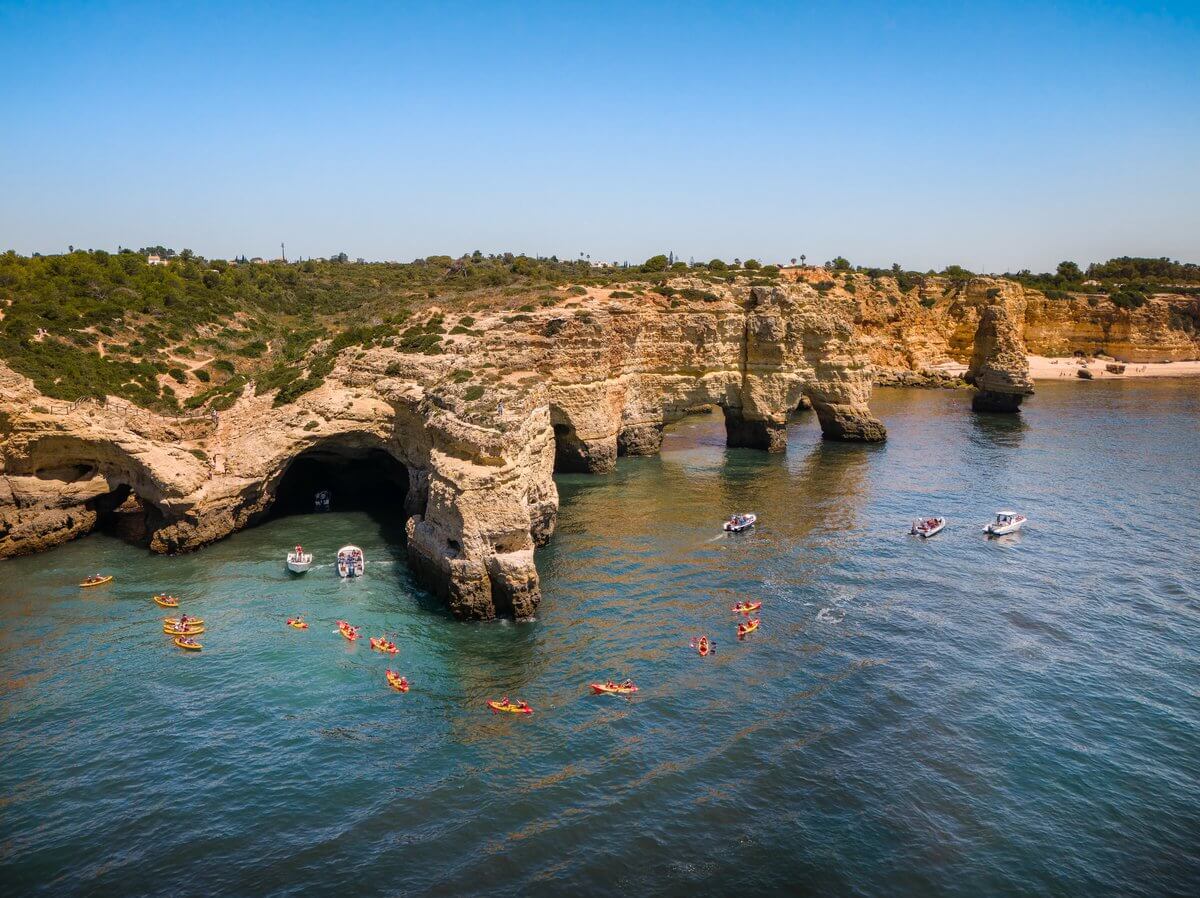
- Algarve highlights: Ponta da Piedade near Lagos, the Benagil cave from the air, Praia da Marinha and the cliffs of Cabo de São Vicente as the westernmost point of Europe.
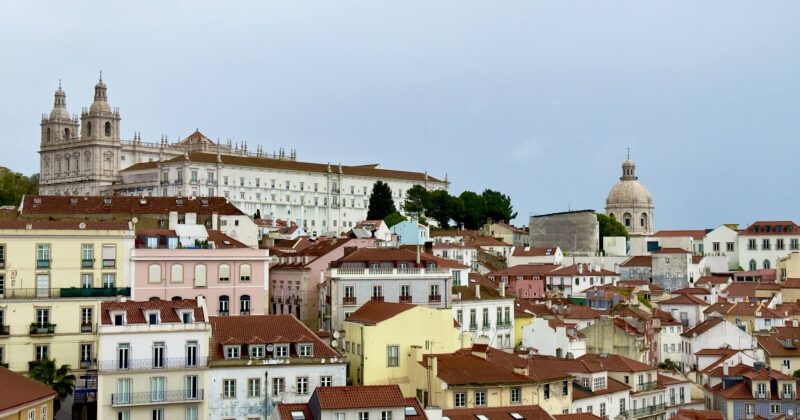
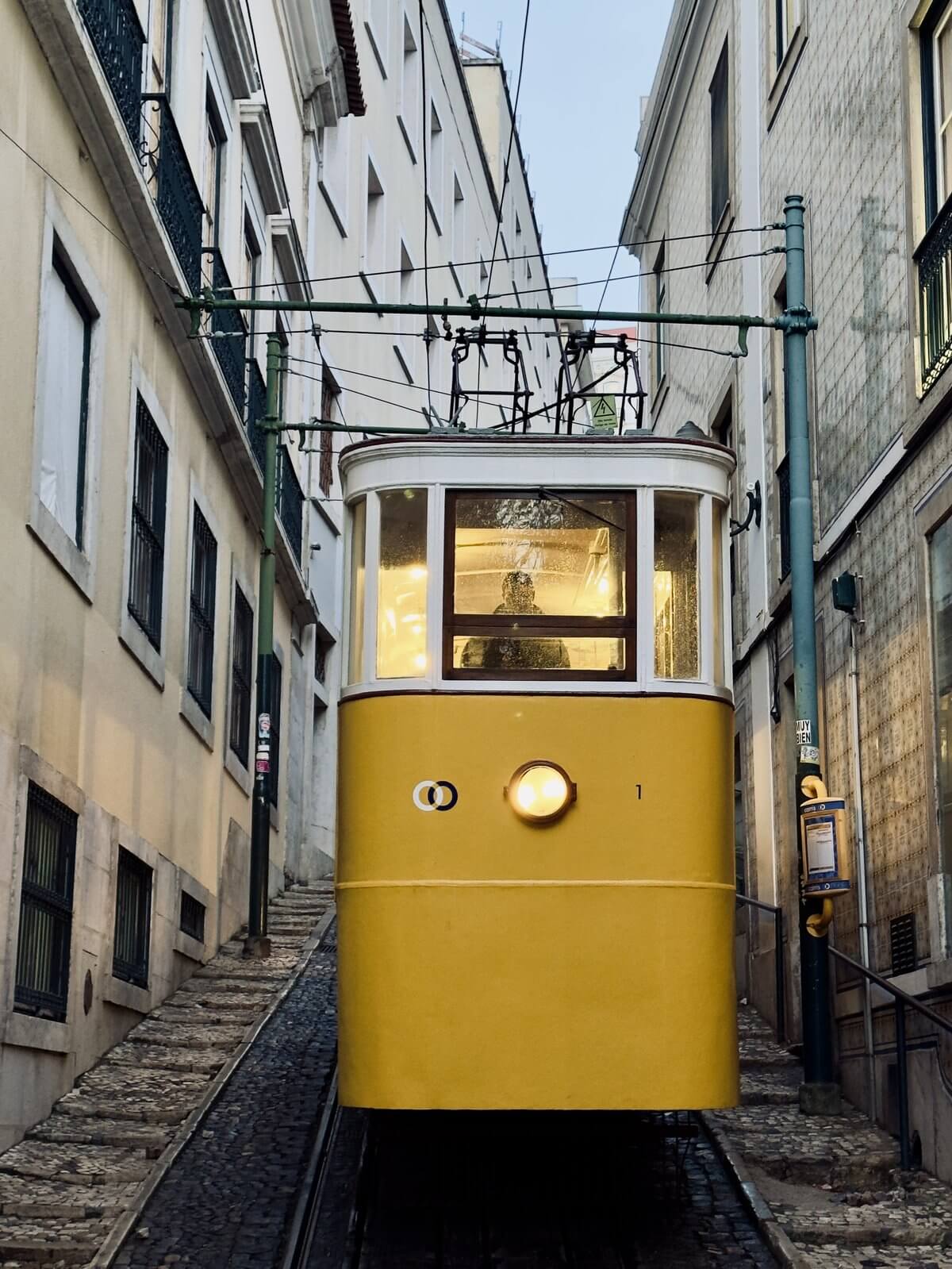
- Lisbon & Sintra: Alfama, Belém, Tram 28 and sunset at Cabo da Roca – plus a day trip to the Palácio da Pena in Sintra and surfing in Nazaré.
- Wild camping & pitches: Officially banned since 2021, but tolerated in practice in Portugal – 300+ official camper pitches and moderate prices (15–25 €/night) throughout Portugal.
- Cost of a Portugal road trip: Budget for 2 people €50–80/day self-catering, €80–140/day with restaurant evenings. Diesel €1.45–1.70/L, food €20–30 cheaper than in Germany.
Portugal Road Trip Route – From the Algarve to Porto in 2 Weeks
The route leads from the Spanish-Portuguese border near Ayamonte (Huelva) along the Algarve, across the west coast, past Lisbon and the Alentejo region, up to Porto, and optionally north to the Peneda-Gerês region. You can see the core of the region in 14 days, and the islands in the Douro Valley and the hinterland in 21 days. Our complete tour, including the north, took us 28 days – and we could easily have stayed twice as long.
Allow 3-4 days for the drive from Germany to the Portuguese border. The fastest route is via Lyon, Perpignan, Barcelona, and Madrid – approximately 2,400 km from Munich. Alternatively, you can take a more relaxed route through France, along the French Atlantic coast (Bordeaux, Biarritz, the Basque Country, and northern Spain). This option takes 5-6 days but is considerably more scenic and allows for stopovers.
Tolls in France and Spain: For a motorhome up to 3.5 tons (Class 2), you'll pay around €130–160 in tolls on French motorways heading towards Portugal. In Spain, most motorways have been toll-free since 2021, while in Portugal, tolls are collected electronically – foreigners can use the EASY Toll system or the TollCard starting from €12.
Recommended stage sequence (14 days): Day 1–2 Eastern Algarve (Tavira, Faro), Day 3–4 Western Algarve (Lagos, Sagres), Day 5 Alentejo Coast (Zambujeira do Mar), Day 6–9 Lisbon + Sintra + Cascais, Day 10 Nazaré/Peniche, Day 11–13 Porto + Douro Valley, Day 14 Peneda-Gerês or return journey via Spain.
Algarve by campervan: Golden cliffs, caves and the most beautiful beaches in Europe
The Algarve is the heart of any Portugal road trip. The roughly 200 km of coastline between the Spanish border and Cabo de São Vicente is one of the most spectacular beach regions in Europe – golden sandstone cliffs, hidden coves with turquoise water, and a drone backdrop that is second to none. As a travel creator, I've taken some of my best shots here.
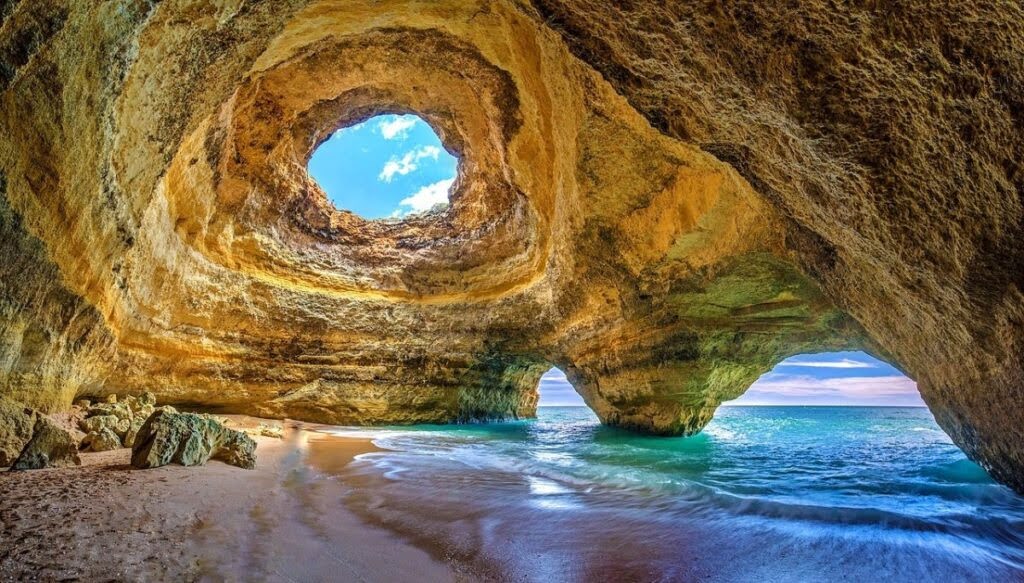
Top beaches in the Algarve: Praia da Marinha (one of the top 10 in Europe, with spectacular cliffs), Praia do Camilo (down 200 steps, but well worth it), Praia da Rocha (a large city beach in Portimão), and Praia de Benagil with its world-famous cave (accessible only by kayak or SUP). My personal tip: Sunrise at 6:30 am – the beaches are empty and the light is magical.
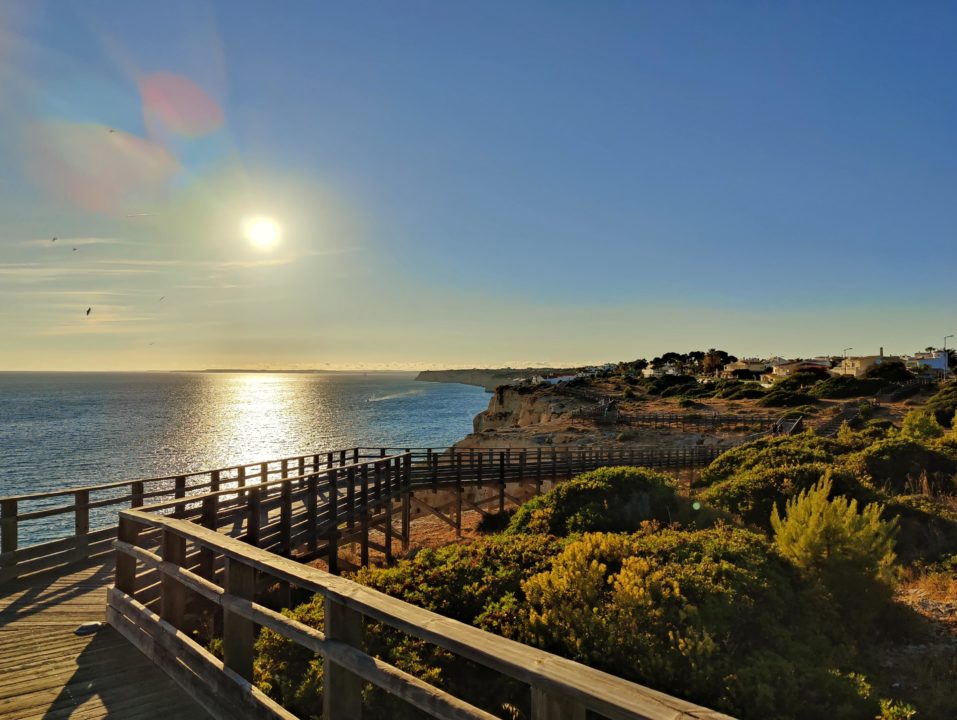
Lagos and Sagres: Lagos is the drone capital of the Algarve, home to Ponta da Piedade – a rock formation of golden pillars rising from the Atlantic Ocean. You can park directly at the car park above the cliffs. The westernmost point of Europe is Cabo de São Vicente near Sagres – here you can set up your campervan right on the cliffs and experience one of the most dramatic sunsets of your life.
Campsites in the Algarve: We mostly stayed at official campervan sites: Orbitur Valverde (Lagos, €28/night), Yelloh! Village Algarve Turiscampo (modern, €35/night), Camping Sagres (basic, but in a great location, €22/night). Since 2021, wild camping on the west coast of the Algarve has been strictly controlled – fines of up to €600 can be imposed directly on the beach.



Lisbon, Sintra and the Atlantic coast: Culture meets ocean
After the Algarve comes the Alentejo coast – quiet, wild, and hardly touristy. A must-stop is Zambujeira do Mar, a picturesque fishing village with spectacular cliffs and secluded beaches. From here, it's just a day's drive to Lisbon, the capital of Portugal.
Lisbon sights: The old town districts of Alfama (the oldest quarter, with narrow streets and Fado culture) and Baixa (the reconstructed city center after the 1755 earthquake) are must-sees. Be sure to take the historic Tram 28, which chugs through the most beautiful neighborhoods (€3.10 per ride). Along the Tagus River lies the Belém district with the Jerónimos Monastery and the Tower of the Discoveries. While you're there, try the Pastéis de Belém – the original custard tarts, made since 1837.
Sintra – a UNESCO World Heritage Site: The colorful Palácio da Pena (15 € entrance fee) and the mystical Quinta da Regaleira garden make Sintra a must-see. If you're traveling by campervan, park at the Parque Natural de Sintra-Cascais (3 €/day) and take the shuttle bus or Uber to the old town. Plan for at least a full day.
Nazaré and Peniche: Heading north, Nazaré is a must-see for surfers – the world's biggest waves (over 30 meters!) have been ridden here. The viewing platform at Forte de São Miguel offers an iconic photo opportunity. Peniche is more relaxed, with excellent campsites at the harbor and the Berlengas Nature Reserve as a great day trip.
Campervan pitches in the Lisbon region: The city center is off-limits to motorhomes – park at Lisboa Camping in Monsanto (€32/night, right next to the forest with metro access) or in Costa da Caparica south of the Tagus (€15/night, beachfront location).




Porto and Peneda-Gerês: Northern Portugal by camper
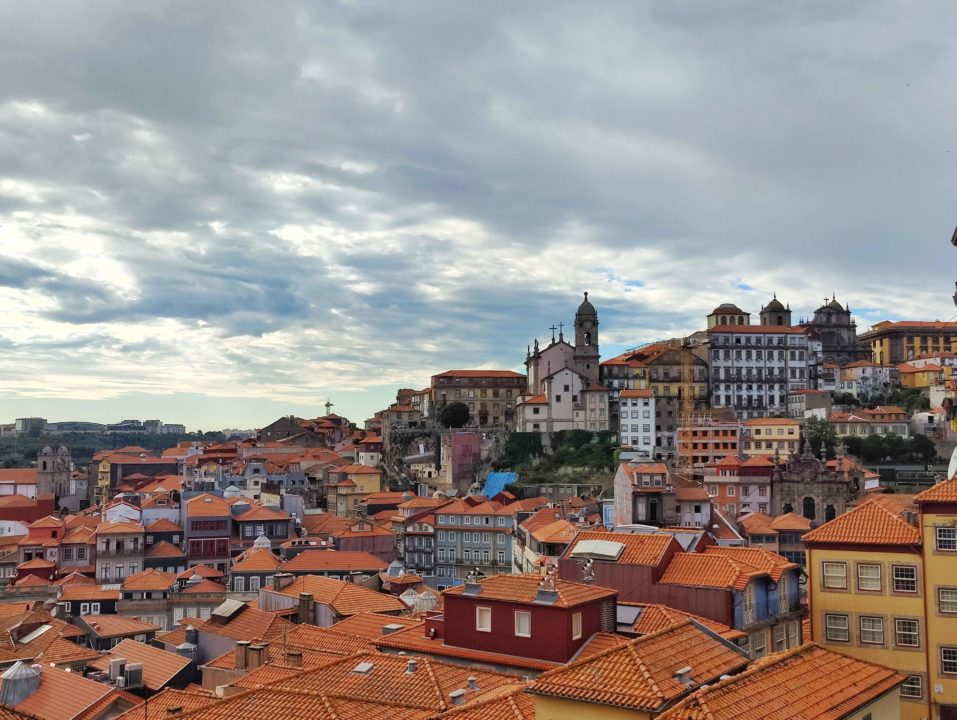
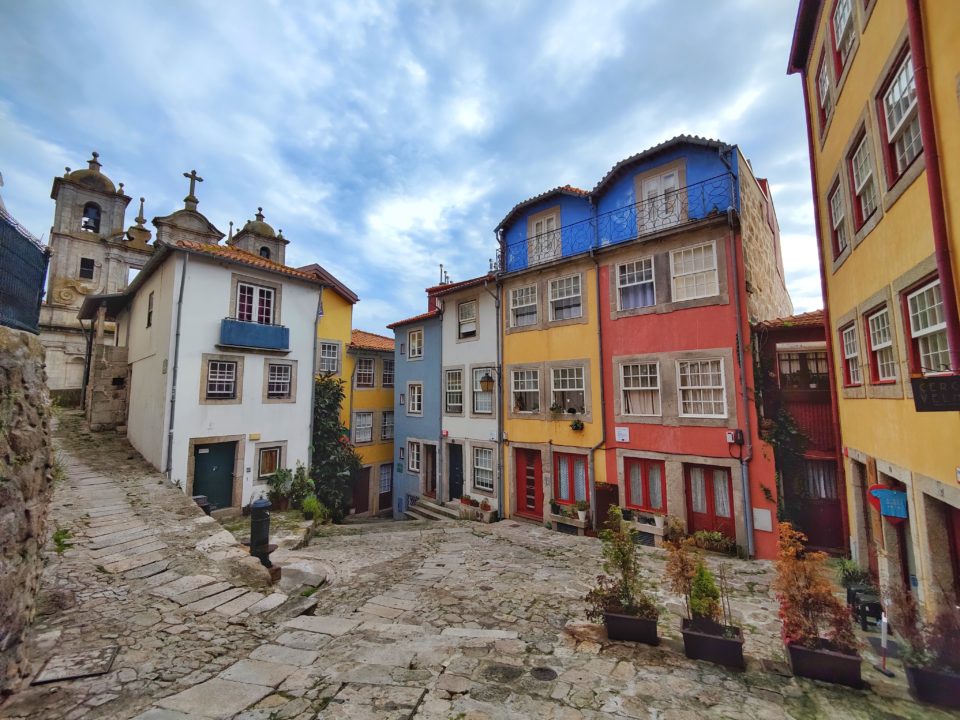
Porto is Lisbon's counterpart – rougher, more authentic, more charming. The city climbs up the Douro River, its Ribeira district is a UNESCO World Heritage Site, and port wine is stored in the Vila Nova de Gaia lodges on the opposite bank. A port wine tasting at Graham's or Taylor's costs €15–30 and is an absolute highlight.
Porto sights: The Livraria Lello (allegedly the inspiration for Harry Potter, €8 entry with voucher), São Bento train station with its famous azulejo tiles, the Ponte Luís I bridge (Gustave Eiffel's student), and the Rua das Flores old town street. In the evening, enjoy a Francesinha on the Ribeira promenade – the ultimate Porto sandwich for €8–12.
Douro Valley: A day trip to the Douro Valley is a must. The terraced vineyards along the river are a UNESCO World Heritage Site. You can either drive there yourself in a campervan (the N-222 to Pinhão is considered the most beautiful road in Europe) or take a boat tour from Porto (from €50 per person).
Peneda-Gerês National Park: Portugal's only national park in the north, near the Spanish border. Here you'll find waterfalls, mountain villages, wild horses, and a tranquility rarely found elsewhere in Western Europe. Top campsite: Parque de Campismo de Cabril (€18/night, right on the reservoir). For drone pilots: the Arado Falls valley is legendary.





Wild camping in Portugal: rules, campsites and what you need to know
Since January 2021, wild camping has been officially prohibited in Portugal – outside of the approximately 300 official campsites and 200 designated campervan pitches (Áreas de Serviço). Fines range from €120 to €600. In reality, enforcement varies considerably from region to region.
Where is wild camping strictly controlled? The Algarve west coast (especially between Sagres and Lagos), the beaches near Lisbon, and the tourist hotspots – the GNR (National Republican Guard) conducts regular checks here, even at night. Fines are not uncommon. Where is it tolerated? In the Alentejo hinterland, in the Peneda-Gerês mountains, and in remote parking areas far from the coast. Parking lots at supermarkets are also usually accepted, as long as you don't "camp" (setting out chairs, a table, or an awning = camping).
Official campervan pitches: With the apps Park4Night (free, community-based) and CamperContact (premium €15/year, more precise) you can find over 500 pitches throughout Portugal. Prices range from €8 to €25 per night, most including water and waste disposal.
My top 5 campsites in Portugal:
- Camping Sagres (Algarve West End): Simple, but right by Cabo de São Vicente, €22/night.
- Orbitur Costa da Caparica (Lisbon-South): Premium camping with pool and beach access, €35/night.
- Yelloh! Village Turiscampo (Lagos): Top infrastructure, large pitches, €38/night.
- Parque Campismo Orbitur Rio Alto (north of Porto): Directly on a beach dune, €28/night.
- Parque de Campismo Cabril (Peneda-Gerês): Right on the reservoir in the mountains, €18/night.


Portugal Road Trip Costs: Budget Overview for 2 Weeks
Portugal is one of the most affordable countries in Western Europe for a campervan road trip. Everything is €20–30 cheaper than in Germany – except for diesel (which is roughly the same). For two people with their own campervan, expect the following budget:
- Pitches: €15–35/night (average €22) – official campsites with full infrastructure
- €1.45–1.70/L, total fuel costs for 1,500 km within Portugal: €200–300
- Supermarket: Pingo Doce or Continente are the cheapest chains. Weekly shopping for 2: €60–90
- Restaurants: Menu do Dia (set menu) €10–13 including drink and dessert, à la carte dinner €15–25 per person
- Total budget for 2 people over 14 days: €700–1,100 (frugal) to €1,400–1,900 (comfortable with restaurants)
Tolls in Portugal: The main motorways (A2, A22) are subject to electronic tolls. For short-term visitors, the TollCard (from €12) or the EASY Toll wristband are available at the border. Alternatively, country roads (N routes) are almost always toll-free and often more scenic.
Portuguese cuisine: Must-try dishes: Bacalhau à brás (cod with egg and fries), Francesinha (Porto sandwich), Sardinhas grelhadas (grilled sardines), Pastéis de Nata. And the coffee culture is legendary: Bica (espresso) 80 cents, Galão (milk) €1.20.
Drone photography in Portugal: The best spots for creators
As a travel content creator, Portugal is one of the best countries in Europe for drone photography. The coastal formations, the soft Atlantic light, and the diverse landscapes offer endless subjects. My top 5 drone spots on the...
1. Ponta da Piedade (Lagos): The golden cliffs at sunset from a height of 80 meters are pure magic. Parking is available directly above; no flying restrictions.
2. Benagil Cave (Carvoeiro): The cave's open ceiling, with the sunlight streaming in, is world-famous. Flights are only possible in calm seas.
3. Cabo de São Vicente (Sagres): The southwesternmost point of Europe. Wind is usually strong – only fly the drone when the wind speed is below 8 m/s.
4. Praia da Ursa (Sintra): Wild Atlantic coast with rock pinnacles, accessible only on foot. Drone flights are permitted, but beware of strong surf.
5. Peneda-Gerês National Park: Waterfalls and mountain villages, unbeatable for nature photography. Flight permit from the park administration is required.
For drone flights in Portugal, online registration with ANAC is mandatory (€15/year). Maximum flight altitude is 120 m, and flights over crowds or airports are prohibited. Equipment tip: DJI Mini 5 Pro due to its weight (under 250 g, less stringent regulations) and good wind resistance.
FAQ: Portugal Road Trip – Frequently Asked Questions
How long does a campervan road trip in Portugal take?
At least two weeks, ideally three. In 14 days you can see the essentials: the Algarve, Lisbon, Sintra, and Porto. In 21 days you can also see Nazaré, the Douro Valley, and Peneda-Gerês. For a complete tour including the Alentejo hinterland and the Azores islands, plan for four weeks. The journey from Germany alone takes four days each way.
How much does a Portugal road trip cost for 2 people?
€700–1,100 for 14 days with frugal self-catering. €1,400–1,900 with frequent restaurant visits and more activities. Plus €400–600 for fuel for travel to and from Germany. This makes Portugal one of the most affordable road trip destinations in Western Europe.
Is it possible to camp freely with a motorhome in Portugal?
Officially banned since 2021 with fines of €120–€600, it is tolerated in practice in inland areas and remote locations, but strictly enforced on the Algarve coast. Apps like Park4Night and CamperContact show the 500+ official campsites in Portugal.
When is the best time to travel to Portugal?
May to June and September to October are ideal: 22–28 °C, little rain, moderate tourist numbers. July/August are hot (up to 42 °C in the Alentejo) and overcrowded. November to March: Algarve still sunny (20 °C), Lisbon and the north rainy. My favorite: mid-September.
Do you need a vignette in Portugal?
No, there's no traditional vignette. However, some motorways (the entire A22 Algarve, the A2 south-north) are subject to electronic tolls. Register with the EASY Toll (€12) or the TollCard at the border. National roads (N-routes) are toll-free and often more scenic.
Which beaches in the Algarve are the most beautiful?
Praia da Marinha (Top 10 in Europe), Praia do Camilo (down the steps), Praia de Benagil (cave, accessible by kayak), Praia da Rocha (large, Portimão), Praia do Amado (surfer's paradise). Tip: Sunrise at 6:30 for magical light without tourists. The cliffs between Lagos and Albufeira are unique in the world.
Is Portugal a good place to travel with children?
Absolutely. Portugal is extremely child-friendly. Campsites often have pools and kids' clubs, restaurants welcome children, and beaches are shallow and clean. Lisbon has the large Oceanário aquarium, and there are several water parks in the Algarve. Just a word of warning: the midday heat on coastal cliffs in summer can be tiring.
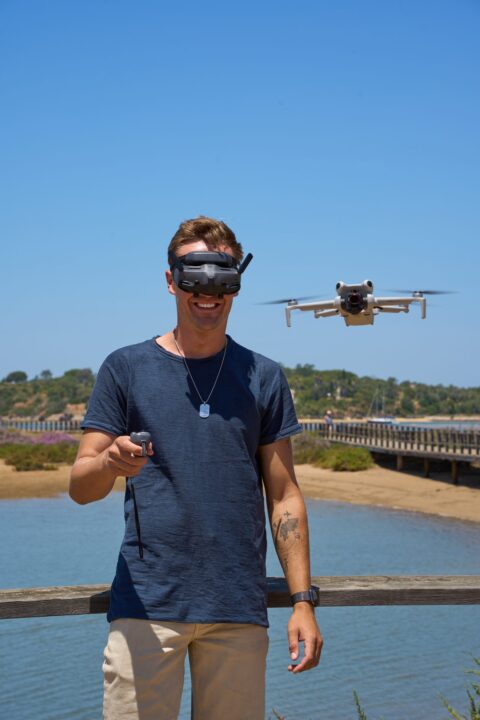
Max Haase
Travel Content Creator · Drone Photographer · Visual Storyteller
A professional travel creator for over 10 years with over 4 million followers. Specializing in high-end tourism board collaborations and visual travel storytelling.
 German
 English