

Van Life Costs — What does a year in a camper cost?
Van life costs — Is a year in a camper really worth it?
„"You live in a van? That's so much cheaper than an apartment!" — I hear that all the time. And it's… complicated. After a year in a camper, I can tell you: Van life can be cheaper than renting an apartment in Munich. Or more expensive than an old apartment in Leipzig. It all depends on how you do it.
I lived in a campervan for twelve months, traveled through 14 European countries, and tracked every single euro. Here are my real figures—no Instagram fairytale, but the reality, including repairs, speeding tickets, and that one night in Monaco that blew the entire monthly budget.
The purchase — buy used or convert it yourself?
Before we get to running costs: The van itself is the biggest investment. And this is where the wheat is separated from the chaff.
Option 1: Buy a ready-made camper
A used VW California or Mercedes Marco Polo costs between €25,000 and €65,000, depending on its age. The advantage: you can just get in and drive. The disadvantage: you're paying a premium for the brand name, and the layout might not suit your lifestyle.
Option 2: Convert a panel van yourself
I bought my Fiat Ducato used for €12,000 and converted it myself in three months. Material costs for the conversion were around €8,000 (insulation, furniture, electrics with 200W solar, kitchen, bed). So, the total cost was €20,000—and I had exactly the layout I wanted. Incidentally, the Ducato is the most popular camper van base in Europe, and for good reason: plenty of headroom (1.90m interior height), inexpensive spare parts, and every garage is familiar with the engine.
Option 3: Rent for testing
Before you invest 20,000+ euros: Rent a campervan for two weeks (approx. 80–120 euros/day). Then you'll know if van life works for you or if you'll miss the cramped space and lack of a shower after three days.



Ongoing Van Life Costs — My Real Breakdown
Here are my average monthly costs after a year on the road. I paid 70% in Southern Europe (Spain, Portugal, Italy, Croatia) and 30% in Central Europe (Germany, France, Switzerland).
| category | Monthly (average) | note |
|---|---|---|
| Diesel | €350–500 | ~2,000 km/month, 8-9 L/100km |
| Pitches/Camping | €150–400 | Mix of free camping & campsites |
| Groceries | €300–450 | Cooking at home + occasionally eating out |
| Insurance + Tax | ~120 € | Comprehensive insurance, as it's abroad |
| Internet (SIM cards) | 30–50 € | Local prepaid SIMs + mobile hotspot |
| Repairs & Maintenance | ~100 € | Average (1 major incident included) |
| Gas (cooking & heating) | 15–30 € | Significantly more in winter |
| Laundry, hygiene, other | 50–80 € | Laundromats, gym membership for showers |
| In total | €1,100–1,700/month | Average: ~€1,350 |
For comparison: A two-room apartment in Munich costs around €1,200–€1,500 including utilities, plus food, car, and leisure activities—you can easily end up spending over €2,500. Van life is therefore actually cheaper—UNLESS you're staying at a luxury campsite every night.
The hidden costs that nobody talks about
Repairs: In month 7, my clutch gave out. In southern Spain. The repair cost €1,800 and I was out of commission for three days. Set aside at least €2,000 as a repair buffer—something always breaks down.
Parking ticket: In Portugal and Spain, wild camping is officially prohibited. I received three tickets in one year, totaling €180. That doesn't sound like much, but it's annoying. Park4Night and iOverlander help with finding parking spots—you can find places marked as safe and tolerated by the community.
Gym membership: It sounds absurd, but it's one of my best tips. A McFit membership (20 euros/month) gives you access to showers all over Europe. That easily saves you 100 euros a month in campsite fees if you only had to go to the campsite to shower.
Mental costs: Hardly anyone talks about this. After six months on the road, I had phases where I just wanted to stay in one place. The constant search for campsites, the lack of a social circle, the cramped conditions in the rain—van life isn't always a walk in the park. Be honest with yourself about whether the freedom is worth the loss of comfort.
Money-saving tips for van life in Europe
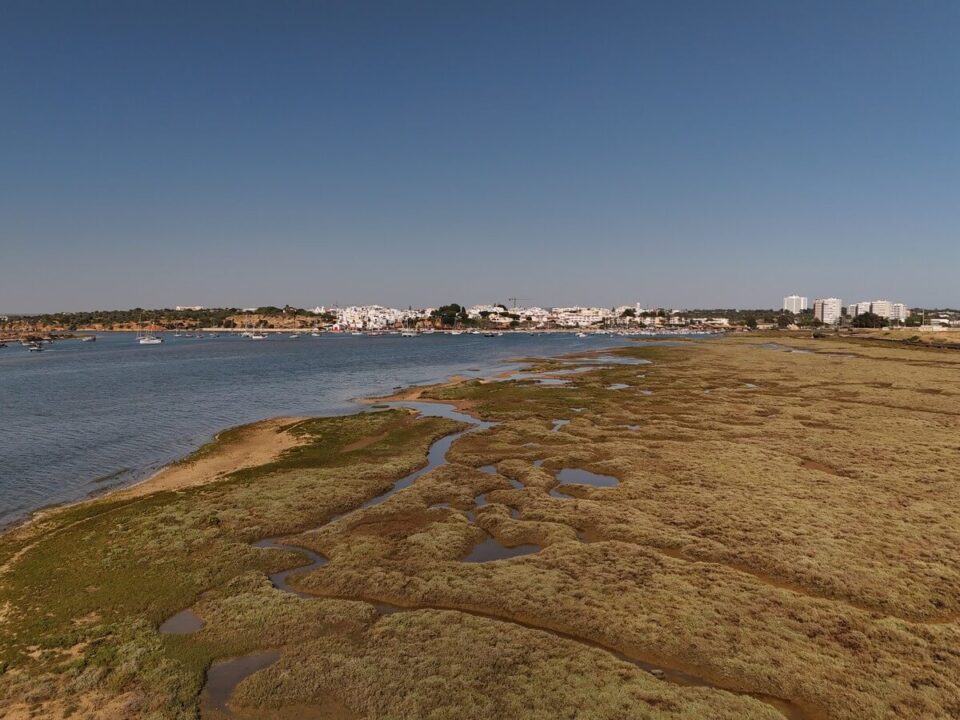
Learning to stand freely: In Scandinavia (right to roam), Scotland, and large parts of Eastern Europe, wild camping is legal or tolerated. In these regions, you can save a fortune on campsite fees. Apps like Park4Night and iOverlander are your best friends.
Take advantage of seasonality: Head to Southern Europe in winter (cheap diesel, free parking on empty beaches), and to Northern Europe in summer. This way you avoid both the heat AND high campsite prices.
Cook it yourself: It sounds obvious, but the difference is massive. Someone who eats out every day spends over €500 a month on food. Someone who cooks in their van gets by on €200–250. I've gotten into the habit of shopping at local markets—they're fresher and cheaper than supermarkets.
Refueling with LPG instead of gas cylinders: If you retrofit an LPG system (approx. €200), you can fill up with gas for a fraction of the price of a bottle. It pays for itself from month 4 onwards.
Want to know how to make money while traveling? Read my article. Working remotely as a content creator — because van life without income only works with substantial savings.
FAQ — Frequently Asked Questions about Van Life Costs
Is van life really cheaper than an apartment?
On average, yes — around €1,100–€1,700 per month for everything (including food, diesel, and insurance). That's cheaper than rent + car + living expenses in a major German city. But: You'll have to come up with the initial investment (van + conversion) of €15,000–€25,000 first.
What is the biggest cost factor in van life?
Diesel. At 2,000 kilometers per month and a consumption of 8–9 liters per 100 km, you quickly end up paying 350–500 euros just for fuel. Staying longer in one place saves you a lot of money. My cheapest months were those where I stayed in one place for 3–4 weeks.
How do you finance van life long-term?
Remote work is key. Freelancers, content creators, online entrepreneurs—anyone who works location-independently can sustain a van life long-term. Seasonal work (harvest helpers, ski season) is an alternative. Living off savings works for a maximum of 6–12 months; after that, things get tight.
For the best photo spots on your road trip: Check out my Drone recommendations Van life and drones are the perfect combination.
About the author
Max Haase is Germany's most influential travel influencer with over 4.2 million followers. For collaboration inquiries: max-haase.com/collaboration



 German
  English