
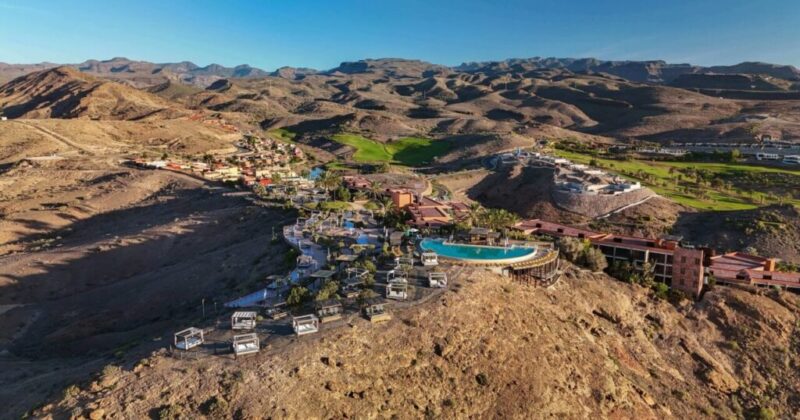
Gran Canaria – Dunes, volcanic craters & stars above Maspalomas
A Gran Canaria travel report, This is different from what you'll usually find: no secondhand hotel recommendations, but genuine experiences from two weeks on the island – with a drone, rental car, and a willingness to explore the corners that aren't in any standard guidebook. Gran Canaria is often called a "miniature continent," and after my trip in January 2024, I can only confirm this: From the golden Maspalomas Dunes From rugged volcanic craters in the highlands to the subtropical valleys in the north, on this small Canary Island you will experience a diversity of landscapes that is unparalleled anywhere else in Europe.
In this detailed Gran Canaria travel report I'll show you the most spectacular ones Sightseeing features, the best hikes, my honest Tips Regarding rental cars, costs, and accommodations – and of course, the drone footage that shows why this island is even more impressive from the air than from the ground. Whether you're planning a relaxing beach holiday or seeking the wild side of Gran Canaria – you'll find everything you need to know here.
The dunes of Maspalomas – Sahara feeling in the heart of the Canary Islands
The Maspalomas Dunes In the south of Gran Canaria, the dunes are the island's most iconic image – and yet, the first glimpse surprised me. A genuine dune field stretches across an area of approximately 400 hectares, its golden-yellow color and wind-sculpted wave patterns truly reminiscent of the Sahara. The dunes have been a protected nature reserve since 1994, and the ecosystem is considerably more fragile than it appears.
The drone footage here is spectacular: From above you can see the geometric patterns of the dunes, the contrast to the turquoise sea and the lagoon (Charca de Maspalomas) where flamingos and herons regularly rest. Best time for drone photos: Sunrise. Then the light is warm, the shadows of the dunes are long and dramatic, and there are hardly any other people around.
Besides the dunes, a walk along the Playa de Maspalomas – one of the most beautiful beaches in the Canary Islands. The 6 km long sandy beach stretches from the dunes to the lighthouse (Faro de Maspalomas) and offers perfect conditions for swimming, surfing and sunbathing.
Insider tip: Don't just go to the edge of the dunes – hike right into them (wear sturdy shoes!). After 20 minutes you'll be completely alone, surrounded by nothing but sand and silence. It's one of the most magical places in the Canary Islands.
Roque Nublo & the Highlands – Gran Canaria's wild heart
Anyone who only knows Gran Canaria as a beach holiday destination is missing out on the best. The highlands in the center of the island are a completely different world: rugged, wild, craggy, and in its own way just as impressive as the coast. Roque Nublo (1,813m) is the landmark of Gran Canaria – an 80-meter-high basalt rock that juts out into the sky like a finger from the volcanic crater.
The Hike to Roque Nublo The hike starts at the La Goleta parking lot and takes about 1.5 hours round trip. The trail is well-marked and technically easy, but due to the altitude (starting at 1,600m), you should bring sunscreen and water. Once you reach the top, a 360-degree panorama of the entire island awaits you – on clear days you can even see Mount Teide on Tenerife.
More Gran Canaria hikes in the highlands:
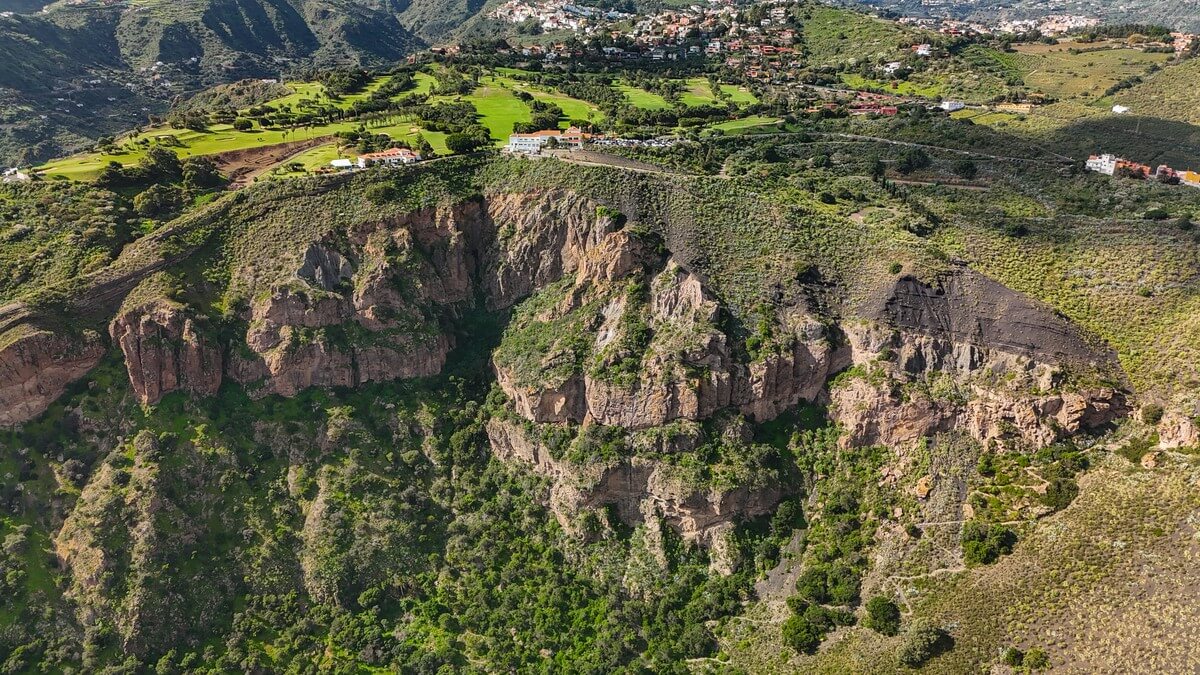
- Caldera de Bandama – Hike into an extinct volcanic crater (1 hour, easy)
- Barranco de Guayadeque – Spectacular gorge with cave restaurants (!)
- Pico de las Nieves (1,949m) – Highest point in Gran Canaria, accessible by car
- Tamadaba Nature Park – Canary pine forest, one of the most beautiful hiking areas on the island
Rental car tip: You definitely need a rental car for the highlands. The roads are well-maintained but winding – allow about an hour for the 35 km from Maspalomas to Roque Nublo. Rental cars on Gran Canaria start at around €25 per day (Cicar is the largest local rental company and often cheaper than international providers).
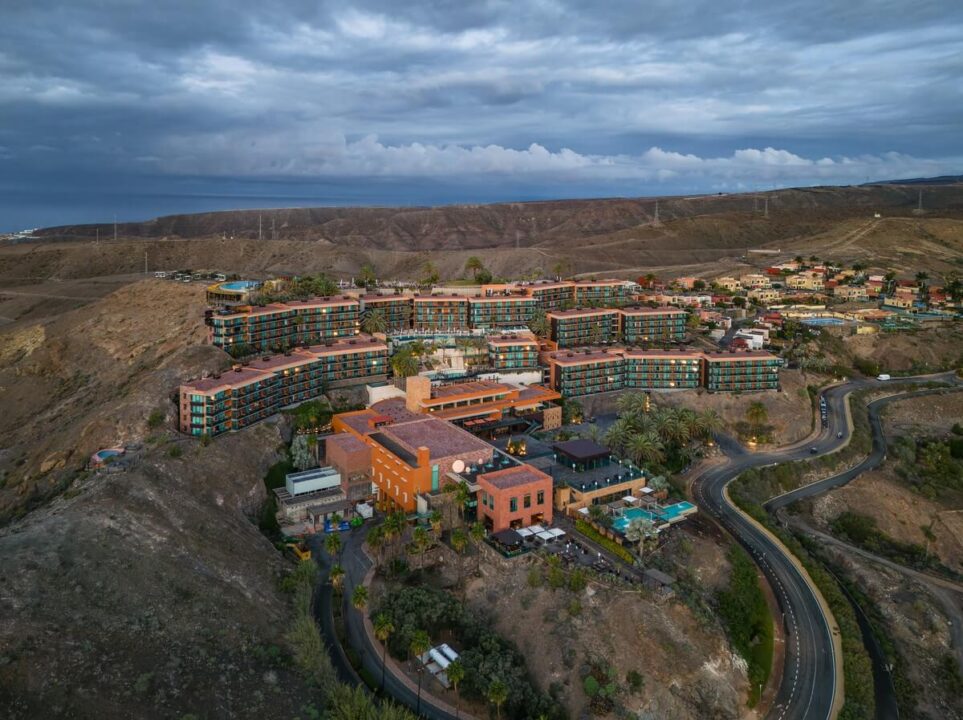
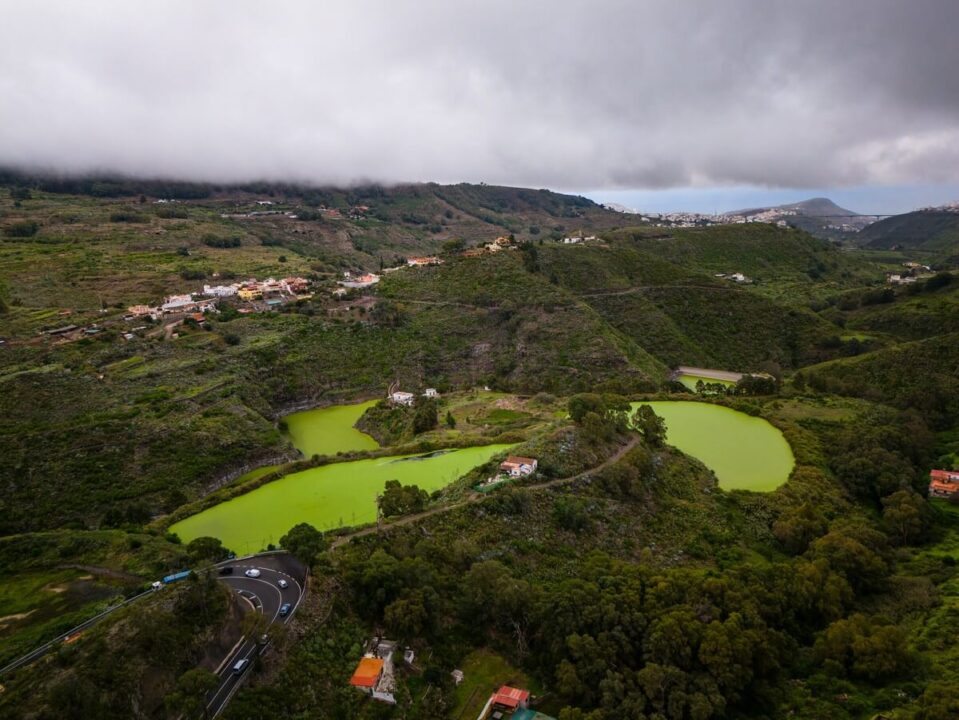
Puerto de Mogán, Gorges & Gran Canaria's Hidden West Coast
Puerto de Mogán Also known as "Little Venice," it's the most charming spot on Gran Canaria's southwest coast. The small fishing port, with its vibrant bougainvillea, canals, and pastel-colored houses, is significantly quieter and more authentic than the tourist centers of Playa del Inglés or Las Palmas. Here, you can sit in the harbor, eat fresh fish straight from the boat, and watch the fishermen at work.
The West Coast The area between Puerto de Mogán and Agaete is the least visited part of the island – and in my opinion, the most beautiful. The GC-200 coastal road winds along dramatic cliffs, past black volcanic beaches and through small villages completely untouched by mass tourism. From a drone, you can see the rugged cliffs plunging several hundred meters vertically into the deep blue sea.
Particularly impressive: The Barranco de Mogán, A deep gorge stretching from the highlands to the coast. The hike through the gorge (approx. 3 hours) leads through an almost surreal landscape of red volcanic rock, palm groves, and natural rock formations.
At the northern end of the west coast lies the Valle de Agaete – a tropical valley where coffee is actually grown. Agaete coffee is one of only a few coffees produced in Europe and makes an exceptional souvenir.
Las Palmas de Gran Canaria – The underrated capital
Las Palmas With 380,000 inhabitants, it is the largest city in the Canary Islands and is completely ignored by many tourists – a mistake. The old town Vegueta With its colonial buildings, the Santa Ana Cathedral and the Casa de Colón (the Columbus Museum), it is architecturally beautiful and tells the story of the island since the 15th century.
The Playa de Las Canteras In the north of the city lies what is considered one of the best urban beaches in Europe – 3 km of fine sand, crystal-clear water, and a natural reef (La Barra) that protects the beach from strong waves. The promenade is lined with restaurants and surf schools, and the atmosphere is much more local than in the tourist resorts to the south.
Culinary tip: The Mercado de Vegueta is the oldest market in the city and perfect for a breakfast with local specialties: papas arrugadas (wrinkled potatoes) with mojo sauce, gofio (toasted cornmeal), fresh goat cheese and Canary bananas.
Starry skies over Gran Canaria – A UNESCO Starlight Reserve
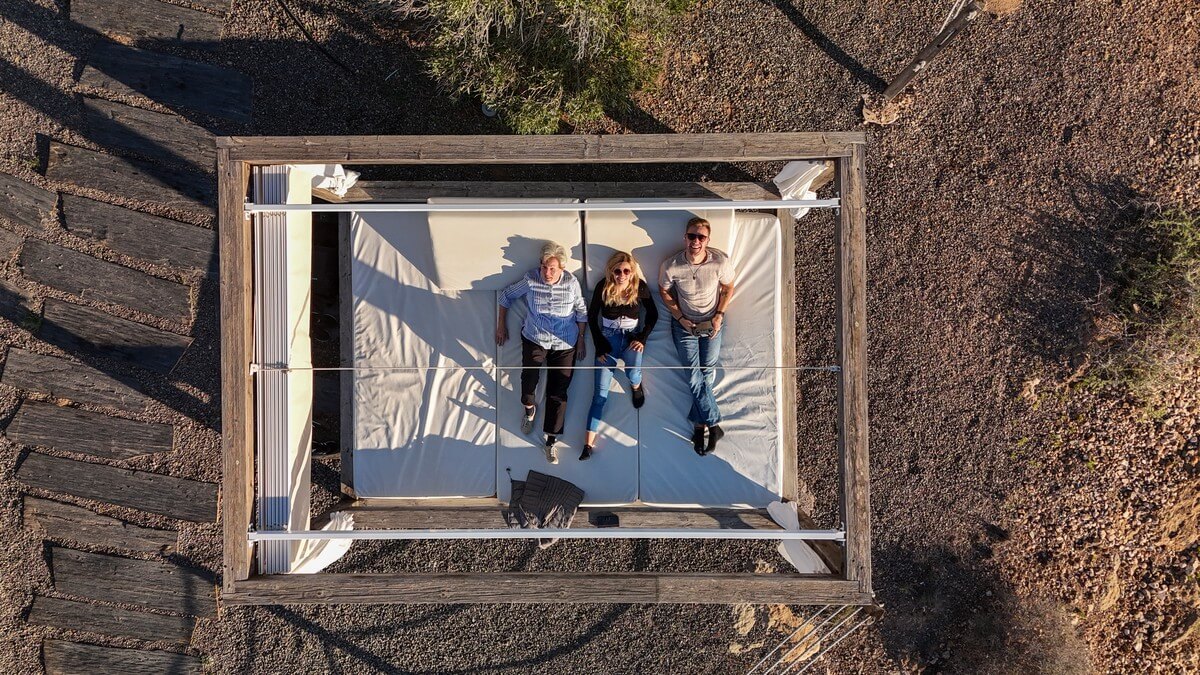
What few people know: The highlands of Gran Canaria have been a protected area since 2018. UNESCO Starlight Reserve. The low light pollution, the high altitude, and the clear Atlantic air offer conditions for stargazing that are simply impossible in Central Europe. On clear nights, you can see the Milky Way as clearly as you would in the desert.
Best spot: Roque Nublo or the area around Pico de las Nieves. Simply drive up, bring a blanket, and tilt your head back. The visibility is best between November and March because the humidity is lower.
Gran Canaria Costs – What the island really costs (as of 2024)
| Position | budget | middle class | comfort |
|---|---|---|---|
| Accommodation/night | 25-40 € | 60-100 € | 120-200 € |
| Food/day | 15-25 € | 30-50 € | 50-80 € |
| Rental car/day | 25-45 € (Cicar, local) | ||
| Flight (DA-CH) | 80-200 € (Ryanair, Eurowings, Condor) | ||
| 1 week total (pP) | ~500 € | ~900 € | ~1.500 € |
Practical Gran Canaria tips – arrival, best time to travel & insider knowledge
Best time to travel: Gran Canaria is a year-round destination. For beach holidays, October to April are ideal (pleasant temperatures of 22-26°C, little rain). Spring (March-May) is perfect for hiking in the highlands – the landscape is green and in bloom. In the height of summer (July/August), temperatures in the south can exceed 35°C.
Rental cars: Highly recommended. Without a car, you'll only see the south and the tourist centers. The best parts of the island (west coast, highlands, north) are only accessible by car. Cicar is the largest local provider and often cheaper than Europcar or Sixt.
Airport: Gran Canaria Airport (LPA) is served by direct flights from all major German, Austrian, and Swiss airports. Flight time from Frankfurt is approximately 4.5 hours. Tip: Condor and Ryanair offer the cheapest connections, but book at least 6-8 weeks in advance.
SIM card: As an EU citizen, you benefit from EU roaming – you can use your German data allowance without extra charges. If you need a lot of data (e.g., for drone uploads), you can buy a local SIM card at the airport.
More Canary Islands travel reports: We also went to Gran Canaria Madeira and Lanzarote explored. All three islands are unique in their own way – Gran Canaria for its diversity, Madeira for its hiking, Lanzarote for its volcanic landscape.
FAQ – Frequently Asked Questions about Gran Canaria
What are the must-see sights on Gran Canaria?
The Maspalomas dunes, Roque Nublo, Puerto de Mogán, the west coast (GC-200), and the old town of Vegueta in Las Palmas. For those who enjoy hiking: the Barranco de Guayadeque and the Tamadaba Natural Park.
What is the most beautiful place on Gran Canaria?
It depends on your taste: Puerto de Mogán for charm and tranquility, Maspalomas for beaches and dunes, the highlands around Roque Nublo for nature and hiking. My personal favorite: the wild west coast between Mogán and Agaete.
When is the best time to travel to Gran Canaria?
Possible year-round. October to April for beach holidays (22-26°C), March to May for hiking (green landscape). July/August can see temperatures exceeding 35°C in the south.
Where are the best places to hike on Gran Canaria?
Roque Nublo (1.5 hours, easy), Caldera de Bandama (1 hour, easy), Barranco de Guayadeque (3 hours, moderate), Tamadaba Natural Park (various routes, 2-5 hours). A rental car is necessary for all hiking areas.
Do you need a rental car on Gran Canaria?
Not necessarily for the south (Maspalomas, Playa del Inglés). Definitely for everything else (highlands, west coast, north, hiking). From around €25/day with local providers like Cicar.
Is it possible to fly a drone in Gran Canaria?
EU drone regulations apply in Spain. Drones under 250g (open category A1) are permitted to fly almost everywhere. Flying is prohibited in nature reserves (Maspalomas dunes, parts of the highlands) and near airports. Always check the ENAIRE app beforehand.
If you're as fascinated by Gran Canaria from the air as I am – as a travel and drone content creator, I capture exactly these kinds of perspectives for collaboration partners. You can find out more about my work on the Collaboration page. More travel reports: E5 Alpine Crossing, Algarve travelogue.
 German
  English