
Alpine crossing for beginners 2026: Which route suits you?
Crossing the Alps for beginners — Which trek is right for you?
Alpine crossing for beginnersCrossing the Alps on foot is one of those things on everyone's bucket list—but very few actually dare to do it. Too demanding, too dangerous, too expensive—these are the common excuses. I was the same. Then, in July 2024, I hiked the E5 from Oberstdorf to Merano and discovered: Crossing the Alps is doable for anyone who's reasonably fit. You don't have to be a mountaineer, be able to run a marathon, or buy expensive specialized equipment. You just have to choose the right trek for your fitness level and prepare reasonably well.
- Alpine crossing for beginnersCrossing the Alps on foot is one of those things that's on everyone's bucket list — but very few people actually dare to do it.
- Then in July 2024 I hiked the E5 from Oberstdorf to Merano and realized: Crossing the Alps is doable for any reasonably fit person.
- You should be able to hike for 6-8 hours a day and not be afraid of heights (one stage has exposed sections).
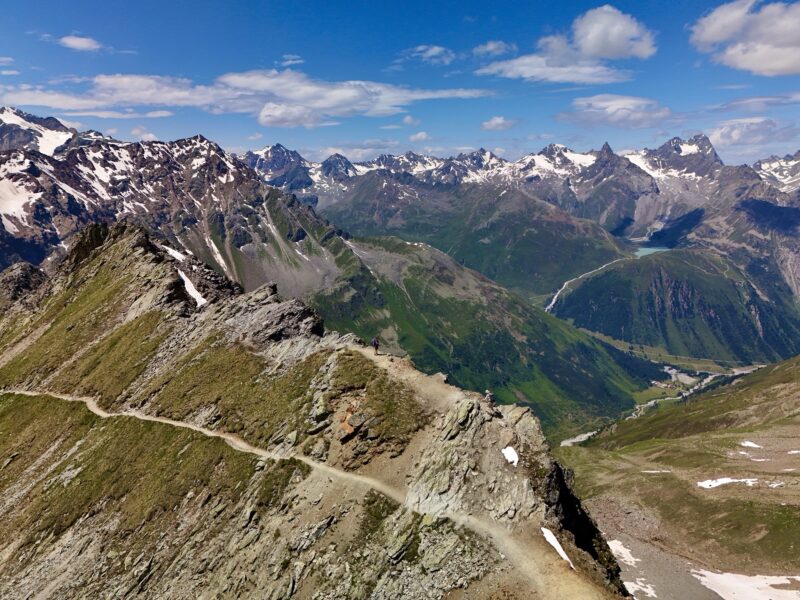
- You walk across the Niederjochferner, a glacier at over 3,000 meters, with a 360-degree panorama of the Ötztal Alps.
- If you can manage 10 km with 500 meters of elevation gain in everyday life, you can handle the E5.
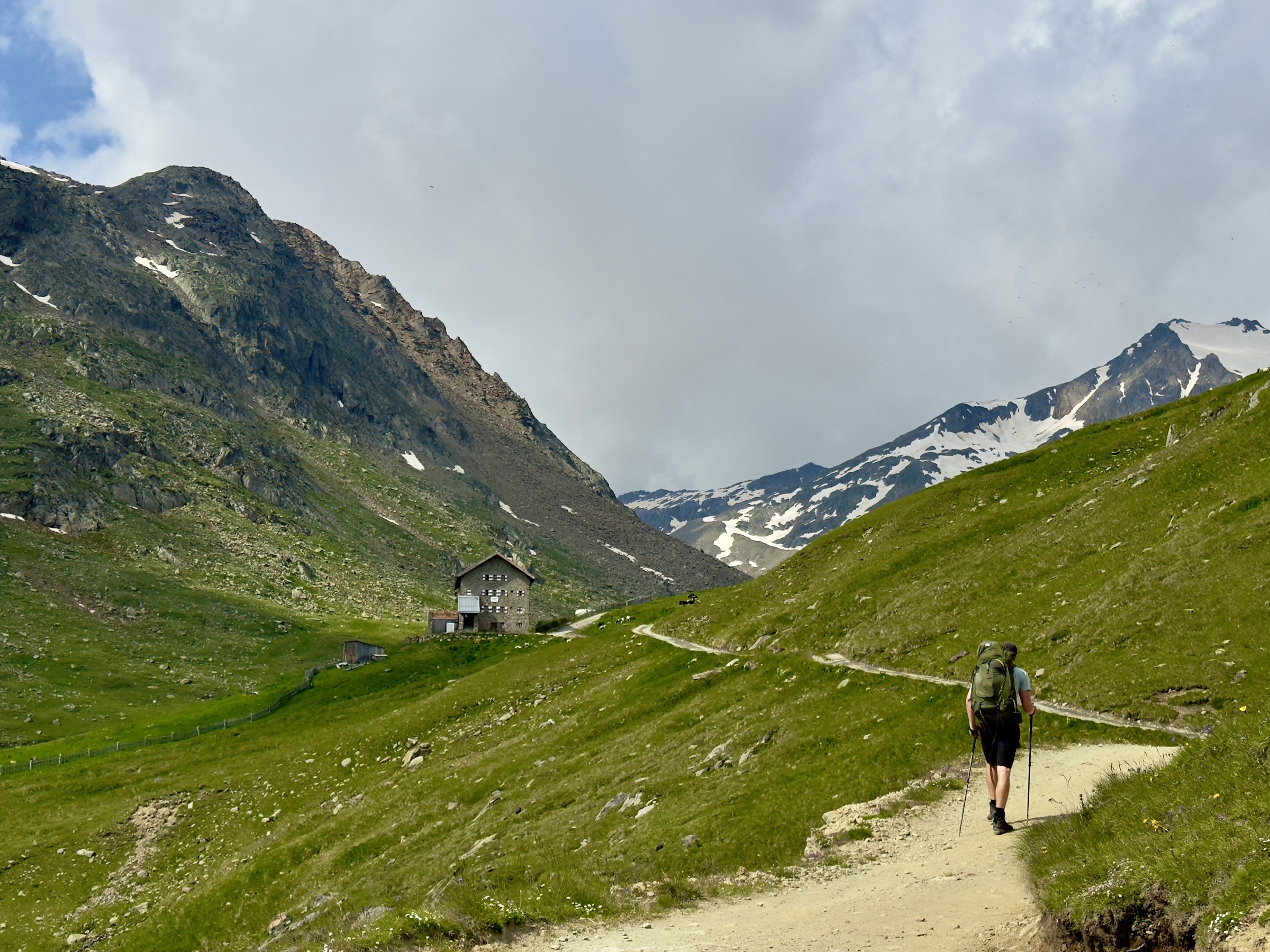
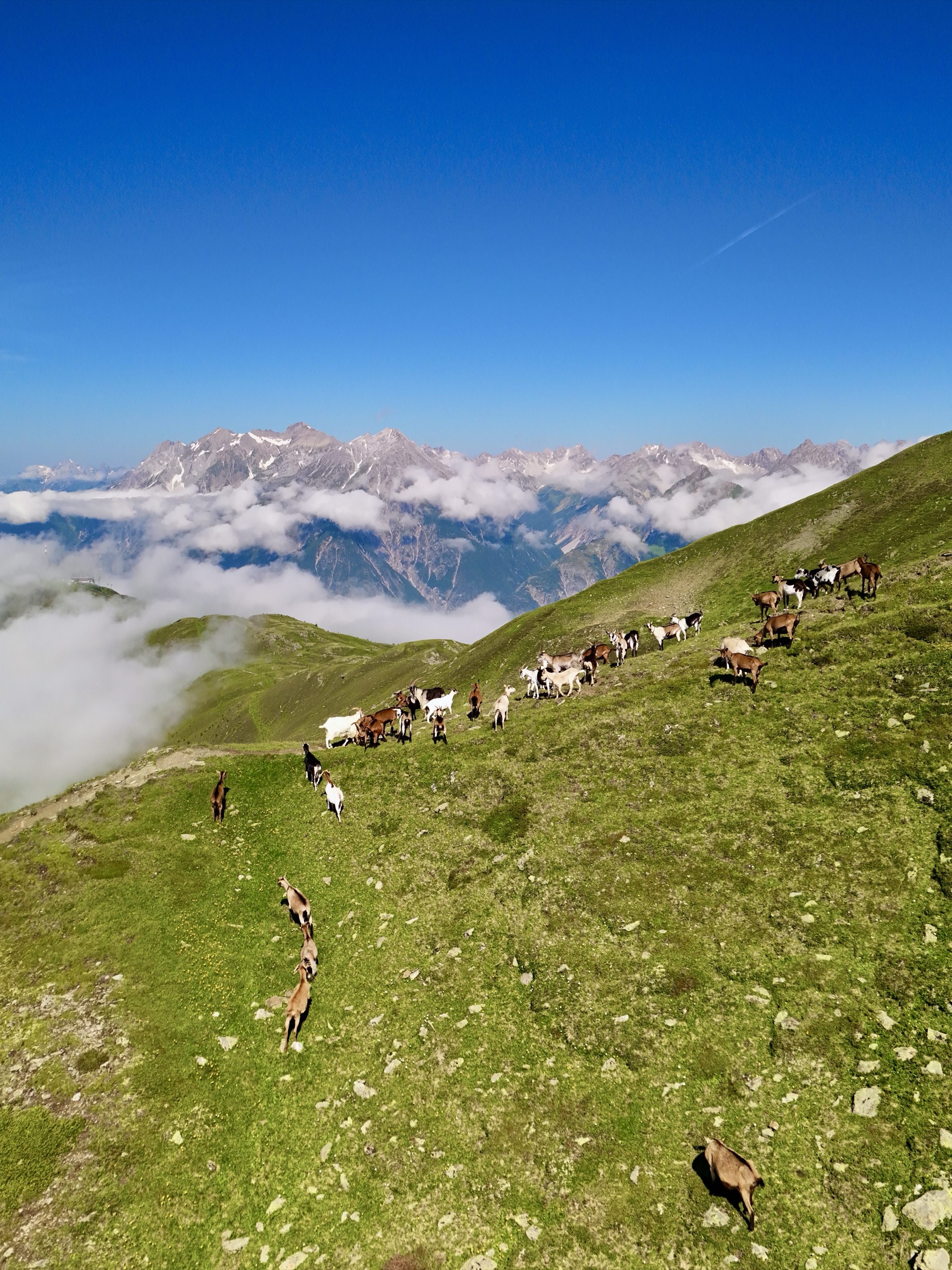
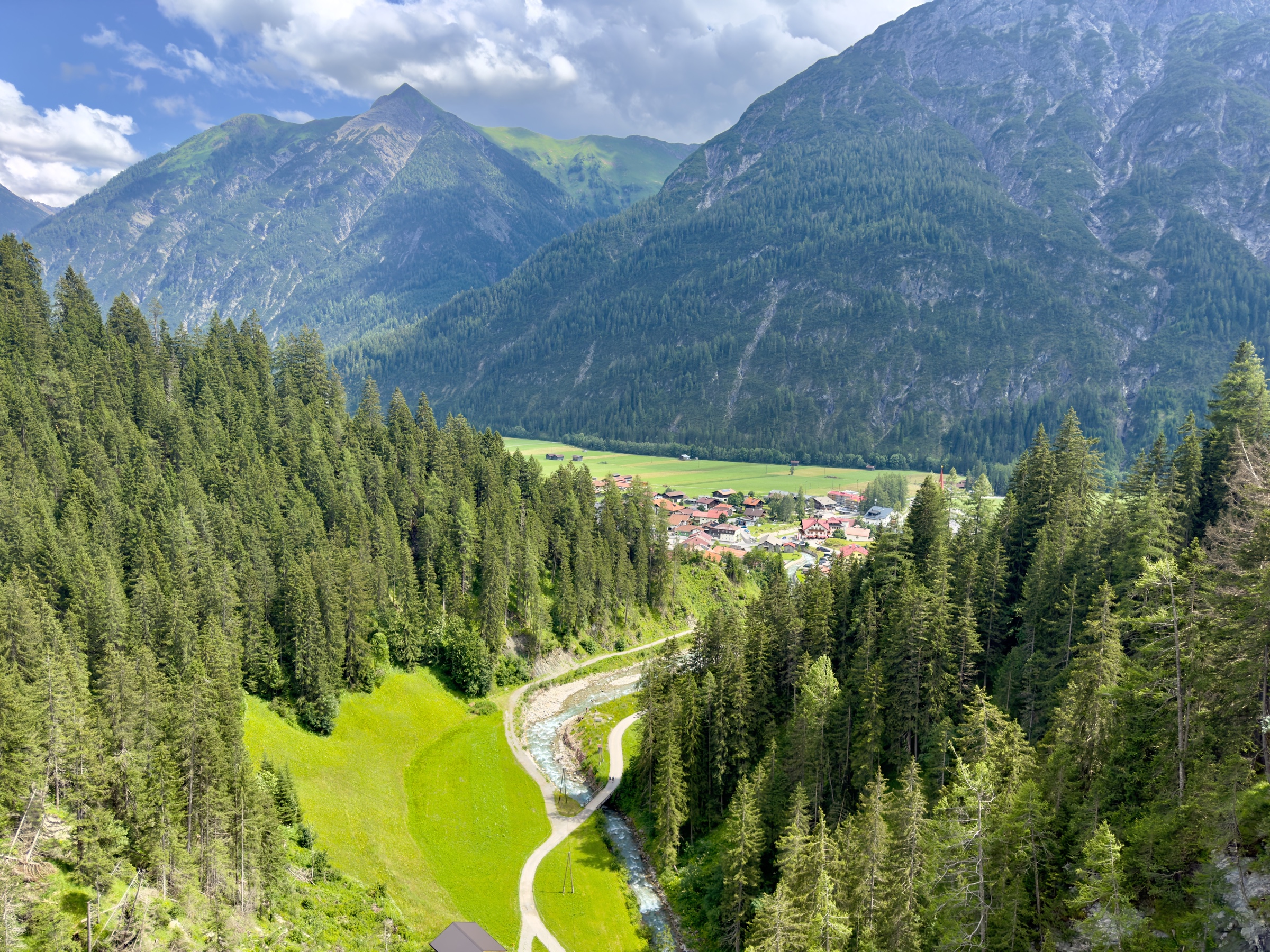
In this guide, I compare the four most popular Alpine crossings for beginners: the E5, the L1 (Via Alpina), the Munich-Venice Dream Trail, and the Garmisch-Partenkirchen-Sterzing crossing. For each trek, I provide information on difficulty, duration, cost, the best time of year, and my honest assessment of whether it's suitable for you.
E5 Alpine Crossing: Oberstdorf — Merano Stages (The Classic)
Profile
Distance: approx. 100 km. Elevation gain/loss: approx. 5,000 m. Duration: 6 days (5 stages). Highest point: Similaunhütte, 3,019 m. Difficulty: Moderate. Cost: approx. 500-700 euros (huts, food, transfers).
Why the E5?
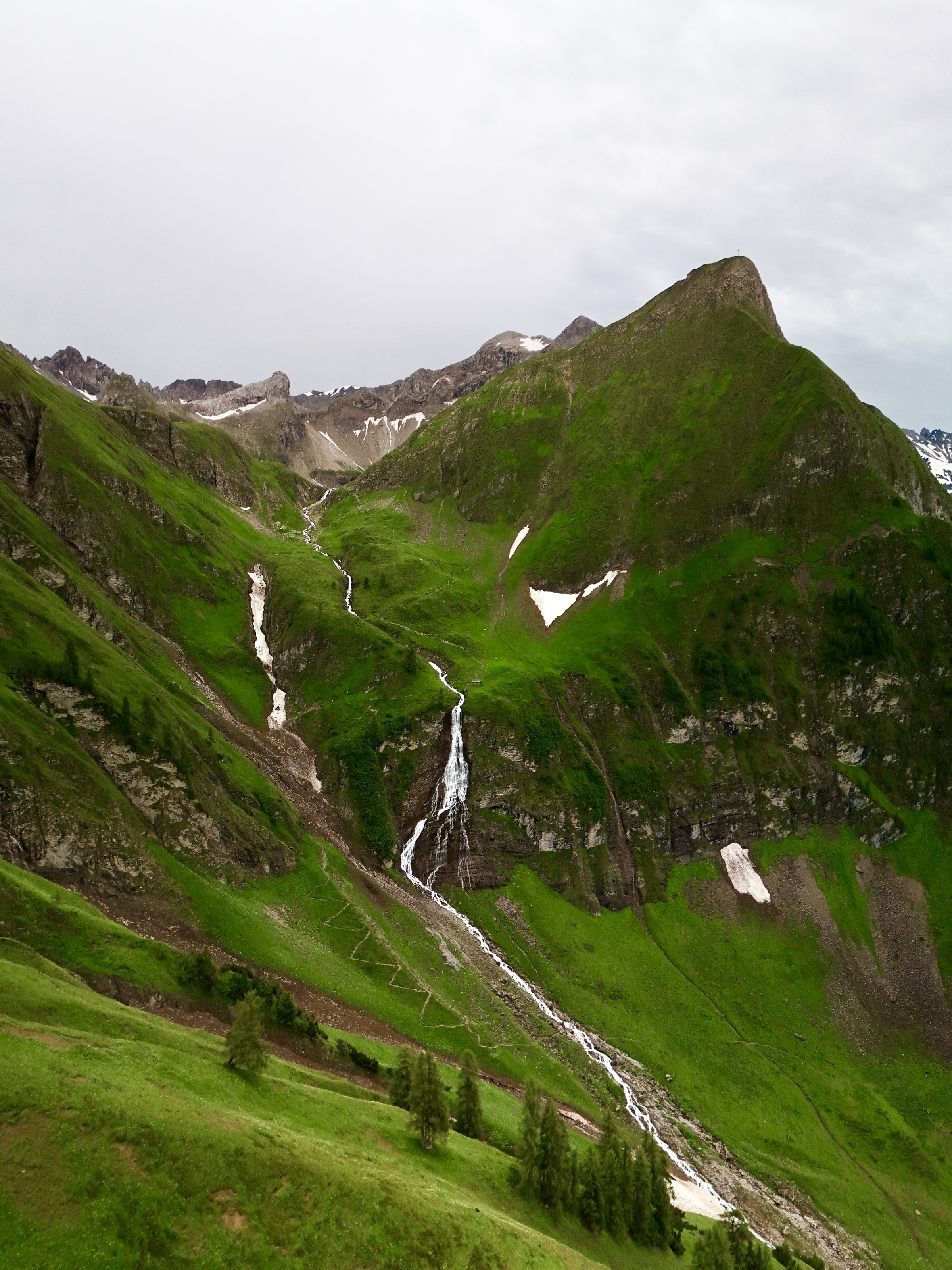
The E5 is the most popular Alpine crossing in German-speaking countries—and for good reason. The route is logistically perfectly organized: mountain huts are located at regular intervals, the trails are well-marked, and there are safety features (steel cables, ladders) at critical points. You don't need any climbing experience.
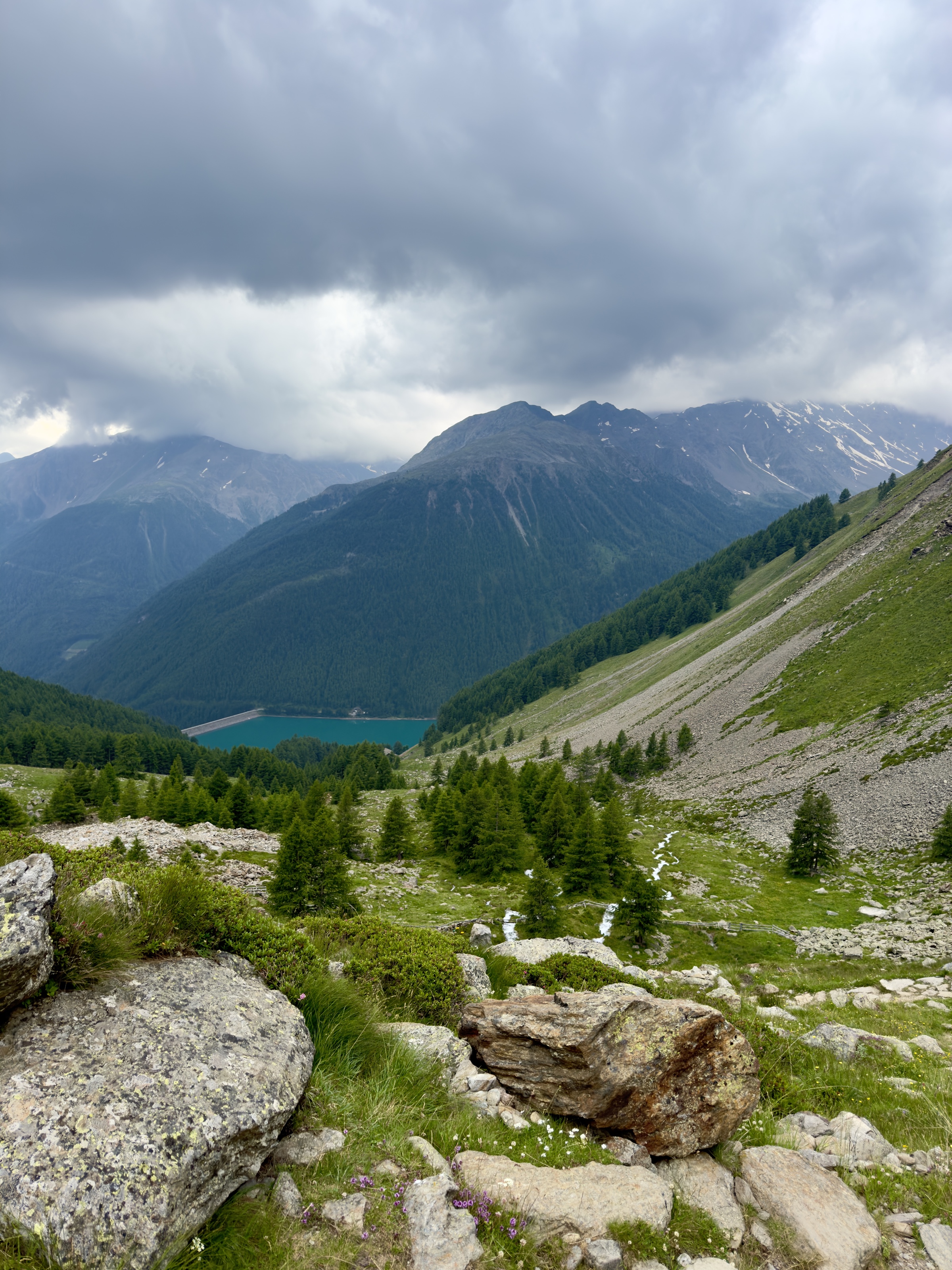
The diversity of the landscape is impressive. You start in the green Allgäu Alps, cross the Inn Valley, ascend into the glaciated Ötztal Alps, and end in the Mediterranean vineyards of South Tyrol. In six days, you traverse four completely different types of landscape.
My highlight: The crossing from the Vernagt reservoir to the Similaunhütte mountain hut. You walk across the Niederjochferner glacier, at over 3,000 meters, with a 360-degree panorama of the Ötztal Alps. My drone captured the most epic footage of my entire Alpine crossing here.
Who is it suitable for?
You should be able to hike for 6-8 hours a day and not be afraid of heights (one stage has exposed sections). Preparation: Hike regularly for at least 3 months beforehand, ideally with a backpack and gaining elevation. If you can manage 10 km with 500 meters of elevation gain in your daily life, you can handle the E5.
L1: Via Alpina (The Gentle One)
Profile
Distance: approx. 74 km. Elevation gain/loss: approx. 3,800 m. Duration: 5 days (4-5 stages). Highest point: approx. 2,200 m. Difficulty: Easy to moderate. Cost: approx. 400-600 euros.
Why the L1?
The L1 is the easiest of the major Alpine crossings and therefore ideal for absolute beginners. The route leads from Garmisch-Partenkirchen through the Inn Valley to Sterzing in South Tyrol. The stages are shorter than on the E5, the daily elevation gain is lower, and there are no glacier crossings or exposed sections.
The L1 trail forgoes extreme alpine experiences in favor of enjoyment: You hike through blooming alpine meadows, past traditional mountain huts with Kaiserschmarrn, and the descents to South Tyrol lead through apple orchards and vineyards.
Who is it suitable for?
Perfect for hiking beginners, families with children aged 10 and up, and people who prefer enjoyment to exertion. If you can hike for 5-6 hours a day, you can manage the L1 trail.
Dream Trail Munich — Venice (The Epic)
Profile
Distance: approx. 550 km. Elevation gain/loss: approx. 20,000 m. Duration: 28-32 days. Highest point: Pfitscher Joch, 2,248 m. Difficulty: Moderate to difficult (due to the length). Cost: approx. €2,500-4,000.
Why Munich — Venice?
The Dream Path is the magnum opus of Alpine crossings. You start at Marienplatz in Munich and walk all the way to St. Mark's Square in Venice—entirely on foot, across the Alps and through the Italian plains. The route follows the book by Ludwig Graßler, who first described it in 1974.
The route isn't technically more difficult than the E5, but its length makes it a real challenge. Hiking for four weeks straight requires a completely different mental and physical preparation than a week on the E5. But the experience is incomparable: you'll see the Alps from Bavaria to Veneto, cross the Zillertal valley, the Dolomites, and the Prosecco hills.
Who is it suitable for?
Only for experienced long-distance hikers with at least one shorter Alpine crossing as preparation. You'll need 4-5 weeks of vacation and a good level of basic physical fitness. My tip: Hike the E5 first, and if you think "I want more" afterwards — then Munich to Venice is your next goal.
Alpine crossing Garmisch — Sterzing (The Comfortable One)
Profile
Distance: approx. 85 km. Elevation gain/loss: approx. 4,200 m. Duration: 6 days. Highest point: approx. 2,100 m. Difficulty: Moderate. Cost: approx. 600-1,000 euros (partly hotels instead of mountain huts).
Why Garmisch — Sterzing?
This route is the most comfortable way to cross the Alps because you stay in hotels and guesthouses instead of mountain huts. No dormitory-style accommodation, no communal showers. This route is perfect for people who want the alpine experience but can do without the romantic atmosphere of mountain huts.
Alpine crossing routes in direct cost comparison
| route | Length of time | Cost | difficulty | comfort |
|---|---|---|---|---|
| E5 Oberstdorf — Merano | 6 days | 500-700 € | Medium | Huts |
| L1 Via Alpina | 5 days | 400-600 € | Light-Medium | Huts |
| Munich — Venice | 28-32 days | 2.500-4.000 € | Medium-Difficult | Mix |
| Garmisch — Sterzing | 6 days | 600-1.000 € | Medium | Hotels |
Are you planning a campaign with an experienced travel creator?
Over 500 partnerships with tourism boards, luxury hotels, and premium brands. Authentic content from 82+ countries featuring cinematic drone photography.
My recommendation: The best Alpine crossing for beginners (also over 50)
If you've never done a multi-day tour in the Alps before: Start with the L1. It's short enough not to overwhelm you and will give you a realistic sense of whether you enjoy multi-day mountain hikes.
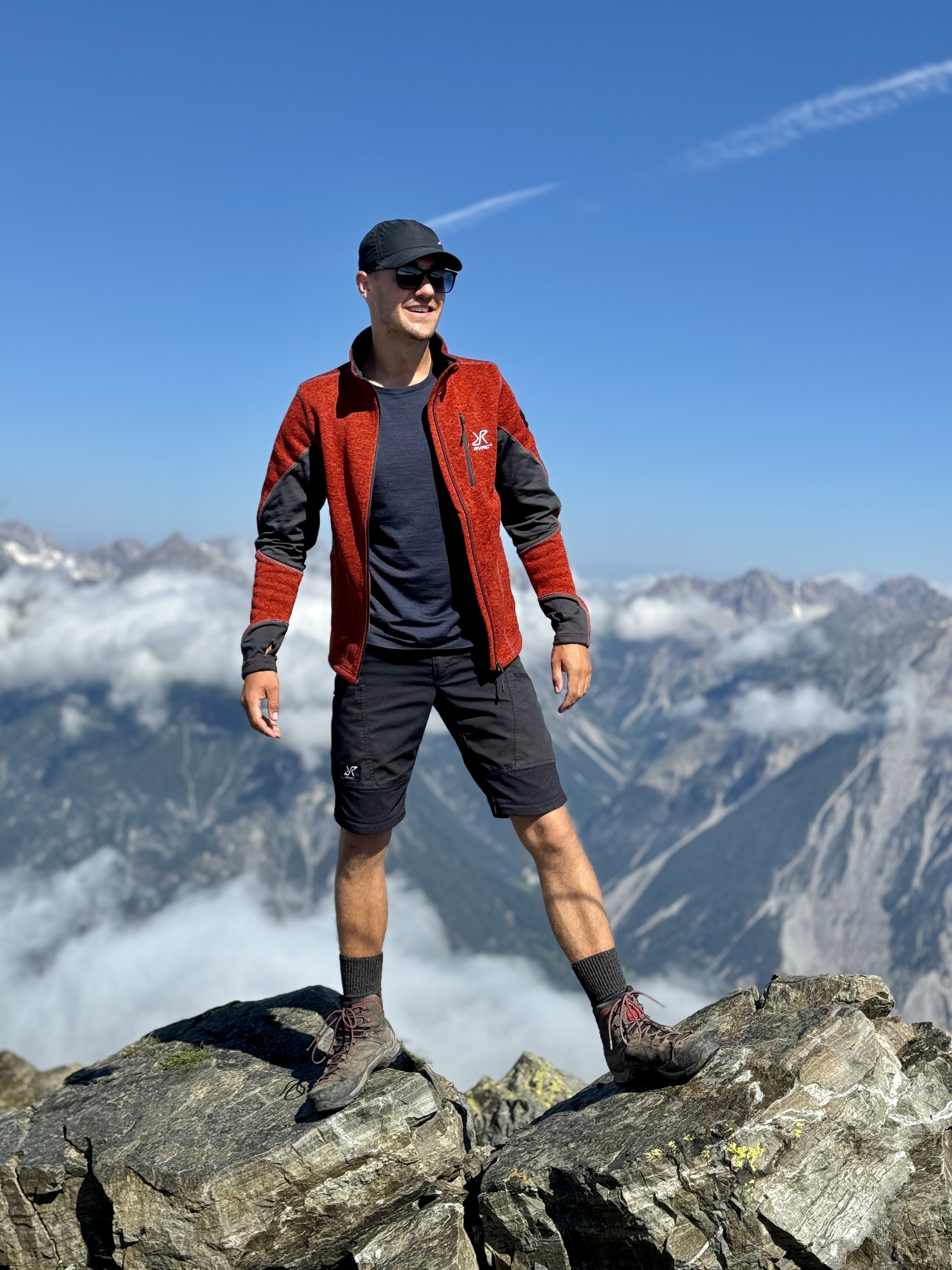
If you hike regularly and are fit: Go straight for the E5. It offers the best balance of challenge, scenery, and logistics. My E5 hike in July 2024 was one of the best experiences of my life—and provided me with content for months.
Preparation — What you should do months in advance
Three months in advance: Start with weekly hikes (10-15 km, 500-800 meters of elevation gain). Increase to 15-20 km with 1,000 meters of elevation gain. Hike with the backpack you will carry on the trek (8-12 kg). Do at least one overnight hike (2 days) as a test. Book the huts early—the E5, in particular, is booked up well in advance in July and August.
Are you planning your first Alpine crossing?
Personal collaboration regarding Trek selection based on fitness, time and budget — from personal E5 experience.
FAQ — Crossing the Alps for Beginners
Can I cross the Alps alone?
Yes, all four routes are doable solo. The trails are well-marked, and on the popular routes (E5, L1) you'll constantly encounter other hikers. Many start alone and join a group along the way.
Do I need a mountain guide?
For the E5 and the L1: No, not necessary. For Munich to Venice: Recommended for the Dolomite stages if you have no alpine experience. A guided E5 costs approximately €800-1,200 (6 days, including guide, excluding huts and food).
When is the best time to cross the Alps?
Mid-June to mid-September. In June, snowfields may still linger on the high passes (glacier equipment is necessary on the E5). July and August are the safest months, but also the busiest. September offers stable autumn weather and fewer hikers, but shorter days.
What do I do when the weather is bad?
In case of thunderstorms: Seek shelter immediately; never stay on the ridge. In case of continuous rain: Continue hiking with good rain gear (hardshell jacket, rain pants, backpack cover). In case of snowfall in midsummer: Stay in the mountain huts and wait until the next day. The hut wardens know the weather and can provide assessments.
Can I have my luggage transported?
On the E5: Yes, there is a luggage transport service (Sherpa Express, approx. 50 euros per stage). Your backpack is taken to the next hut; you only need to carry a daypack. This service is also available on some of the other routes, but it's less organized.
About the author: Max Haase is Germany's most influential travel influencer with over 4.2 million followers. He specializes in drone footage and luxury travel. Cooperation requests here.
Cooperation with Max Haase
4.2 million followers · 82+ countries · 500+ collaborations — tailor-made content for tourism boards & premium brands.
 German
  English