

Australia East Coast vs. West Coast: Which Route? [2026]
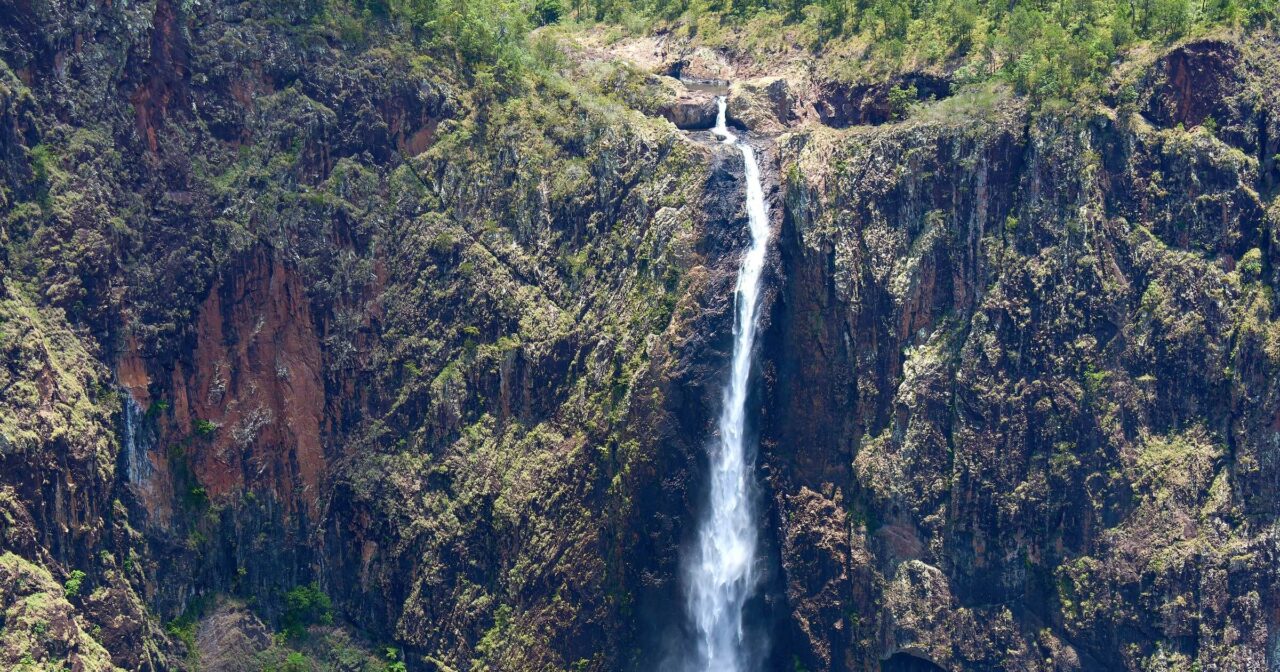
Australia East Coast vs. West Coast: Which Route? [2026]
East coast or west coast: The great Australian question
If you're planning a trip to Australia, sooner or later the question arises: East Coast or West Coast? I've done both, three weeks on the East Coast from Sydney to Cairns and two weeks on the West Coast from Perth to Broome, and the answer is less clear-cut than most people think.
- East Coast: Sydney → Cairns (2,900 km): Bondi, Byron Bay, Fraser Island, Whitsundays and Great Barrier Reef, bus & train possible, many backpackers.
- West Coast: Perth → Broome (2,200 km): Pinnacles Desert, Shark Bay, Ningaloo Reef (snorkeling from the beach) and Karijini Gorges, rental car required.
- Budget comparison: 3 weeks East Coast €2,500-4,000, West Coast €3,500-6,000, Flight DE → AUS identical at €800-1,200 return.
- Best time to travel: East Coast September-November or March-May, West Coast April-October (dry season), North never in summer (45 °C+, closed roads).
- Recommendation: First time in Australia + reef + small budget = East Coast; photography, solitude, road trip = West Coast; 5-6 weeks = combine both.
In short: The east coast is easier, more sociable, and has the Great Barrier Reef. The west coast is wilder, more isolated, and has landscapes that took my breath away. Both are spectacular, but completely different.
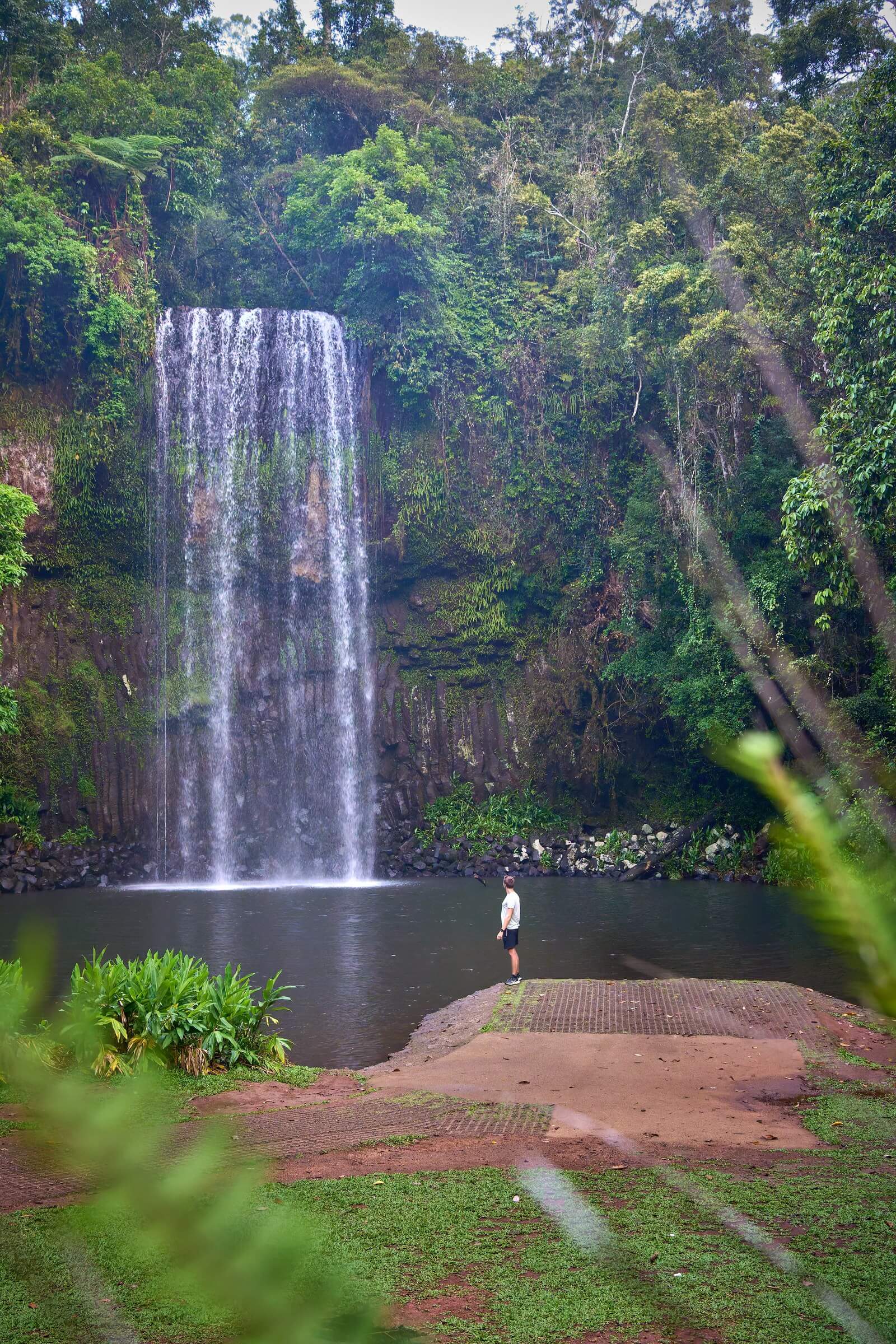

Australia East Coast: The All-Inclusive Package
Route: Sydney → Cairns (approx. 2,900 km)
The classic East Coast route is Australia's backpacker highway. Well-developed, with hostels and tour buses everywhere, and the highlights are strung together like pearls on a necklace:
- Sydney: Harbour Bridge, Bondi Beach, Opera House, 2-3 days minimum
- Byron Bay: Surfer vibe, hippie markets, the easternmost point of Australia. You'll practically run into every other backpacker here.
- Gold Coast: Skyscrapers, surf beaches, parties. Not my thing, but okay for 1-2 days.
- Fraser Island: The world's largest sand island. Only accessible by four-wheel drive, wild dingoes, turquoise freshwater lakes in the middle of the sand, one of my Australian highlights.
- Whitsunday Islands: Whitehaven Beach has the whitest sand I've ever seen. Book a 2-3 day sailing trip – it's well worth it.
- Great Barrier Reef: The world's largest coral reef. Snorkelling or diving from Cairns or Airlie Beach. Diving is better, the best spots are deeper than snorkeling depth.
- Cairns: Gateway to the Reef and the Daintree Rainforest, the oldest rainforest in the world (over 100 million years old).
Advantages of the East Coast
- Simple infrastructure, buses, trains, accommodation everywhere
- The Great Barrier Reef is unique in the world.
- Social: You meet other travelers everywhere
- More nightlife and cities
- Cheaper (more competition = lower prices)
Disadvantages of the East Coast
- Touristy, especially between Byron Bay and Cairns
- Less of a "real" Australian feel
- Some spots (Byron Bay, Whitsundays) are overrun by Instagram crowds.
Australia's West Coast: The Wild Side
Route: Perth → Broome (approx. 2,200 km)
The west coast is the Australia I had imagined before I went there: endless expanses, red earth, hardly any people, and landscapes that look like they're from another planet. The route:
- Perth: One of the most isolated major cities in the world. Rottnest Island with its quokkas (the friendliest animals in the world) is a must-see.
- Pinnacles Desert: Thousands of limestone pillars in a desert landscape, surreal, especially at sunrise. Perfect for drone footage.
- Shark Bay: Monkey Mia, where wild dolphins swim to the beach every morning. Plus: Stromatolites, the oldest life forms on Earth (3.5 billion years old).
- Ningaloo Reef: Australia's other reef, but you can snorkel right from the beach (no boat needed). Between March and July, you can swim with whale sharks. Honestly, I found it more impressive than the Great Barrier Reef.
- Karijini National Park: Narrow gorges with red rock and emerald-green natural pools. Hiking through the gorges was one of the most intense nature experiences of my life.
- Broome: Cable Beach at sunset, camels on the beach, the red rock meets the turquoise sea. A perfect ending.
Advantages of the West Coast
- Significantly fewer tourists, you're often alone.
- Wilder, more dramatic landscapes
- Ningaloo Reef directly from the beach (instead of a boat)
- Better drone spots (fewer restrictions, more epic landscapes)
- "Real" Australian feel
Disadvantages of the West Coast
- Rental car is mandatory, no bus system
- Long distances between the highlights (sometimes 500+ km of desert)
- More expensive (less competition, more expensive gasoline)
- Less backpacker infrastructure
- Loneliness, those seeking social interaction are in the wrong place.

Direct comparison: East Coast vs. West Coast
| Criterion | East Coast | West Coast |
|---|---|---|
| Landscape | Beaches, rainforest, reef | Desert, canyons, red earth |
| Travel type | Backpacker, group tour | Road trip, individual trip |
| Budget (3 weeks) | 2.500-4.000 € | 3.500-6.000 € |
| transport | Bus/train possible | Rental car mandatory |
| Diving/Snorkeling | Great Barrier Reef (boat) | Ningaloo Reef (from the beach) |
| Drone spots | Good (but with more limitations) | Outstanding (fewer prohibitions) |
| Social/Nightlife | ★★★★★ | ★★☆☆☆ |
| Solitude/Wilderness | ★★☆☆☆ | ★★★★★ |
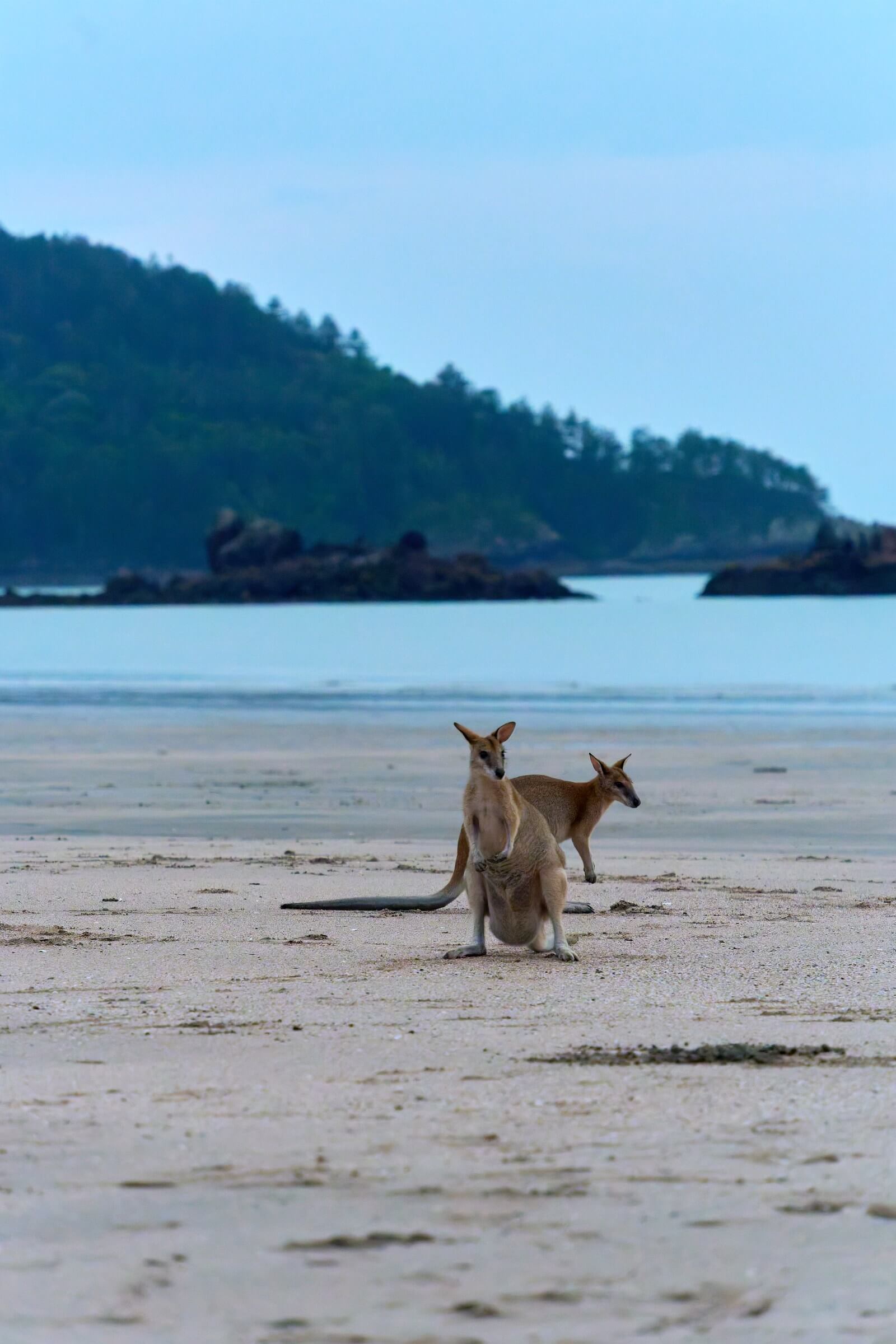
| Wildlife | Koalas, crocodiles, whales | Whale sharks, quokkas, dolphins |
| Photo potential | ★★★★☆ | ★★★★★ |
Cost comparison for 3 weeks
| Position | East Coast | West Coast |
|---|---|---|
| Flight DE → AUS (Outbound/Return) | 800-1.200 € | 800-1.200 € |
| Transport (3 weeks) | €400-800 (bus/rental car) | €800-1,400 (rental car + petrol) |
| Accommodation per night | €25-60 (Hostel/AirBnB) | 40-100 € (Camping/Motel) |
| Food per day | 25-50 € | 30-60 € |
| Total activities | 300-600 € (Reef trip, Fraser Island) | 200-500 € (whale shark tour, parks) |
| In total | 2.500-4.000 € | 3.500-6.000 € |
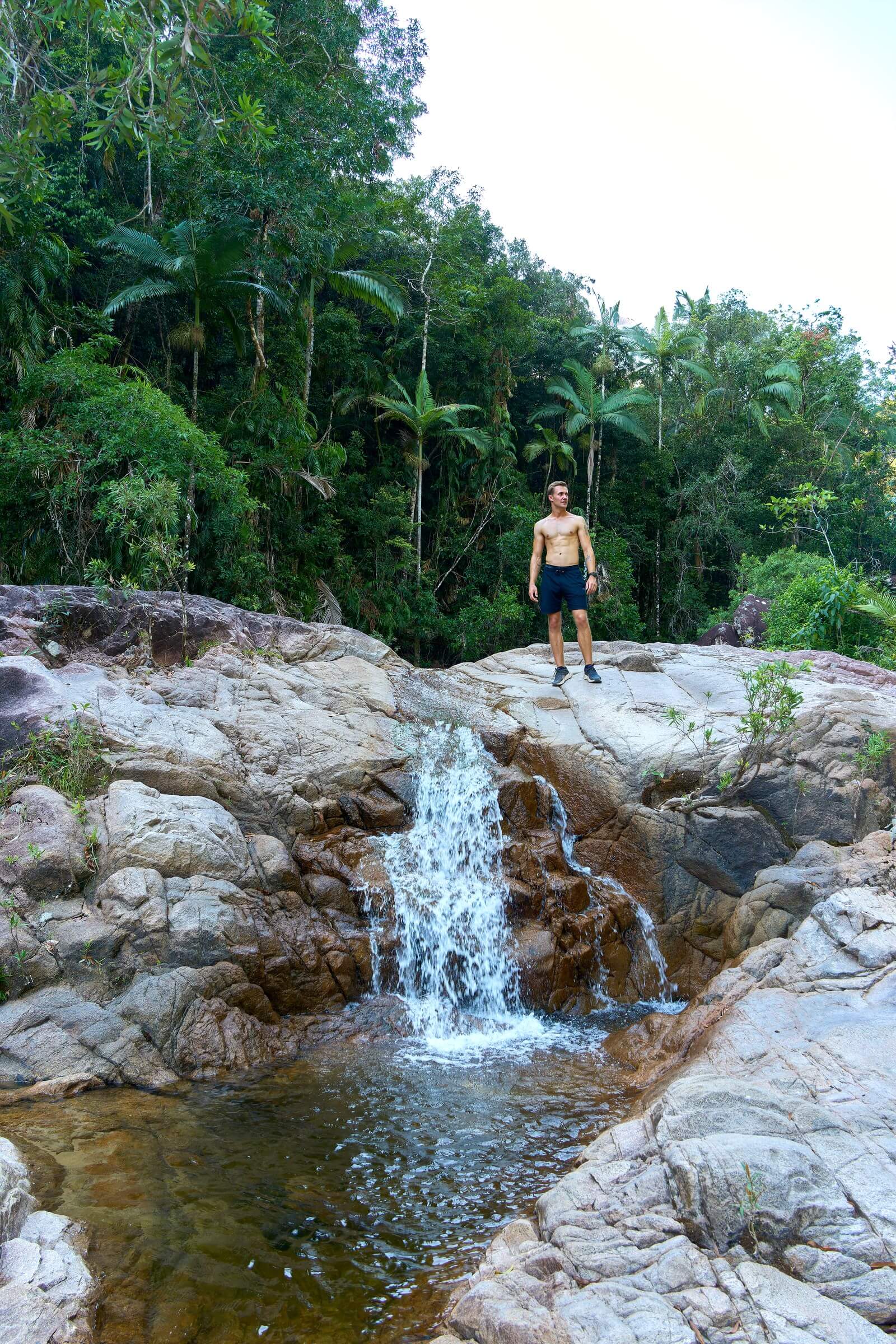

My recommendation: Who should go where?
East Coast, if you…
- This is your first time in Australia
- The Great Barrier Reef is on your bucket list.
- want to meet other travelers
- You have a small budget
- You don't want to drive a rental car
West Coast, if you…
- Have been to Australia before
- You seek solitude and wilderness
- If you want to take photos or videos (better spots, fewer restrictions)
- Are you a road trip fan?
- If you want to experience the "real" Australia
Combine both?
If you have 5-6 weeks: Do both. Fly to Sydney, work your way up to Cairns, then take a domestic flight to Perth and down to Broome (or vice versa). Domestic flights with Jetstar or Virgin start at around €80-150. This way you get the full Australian experience.
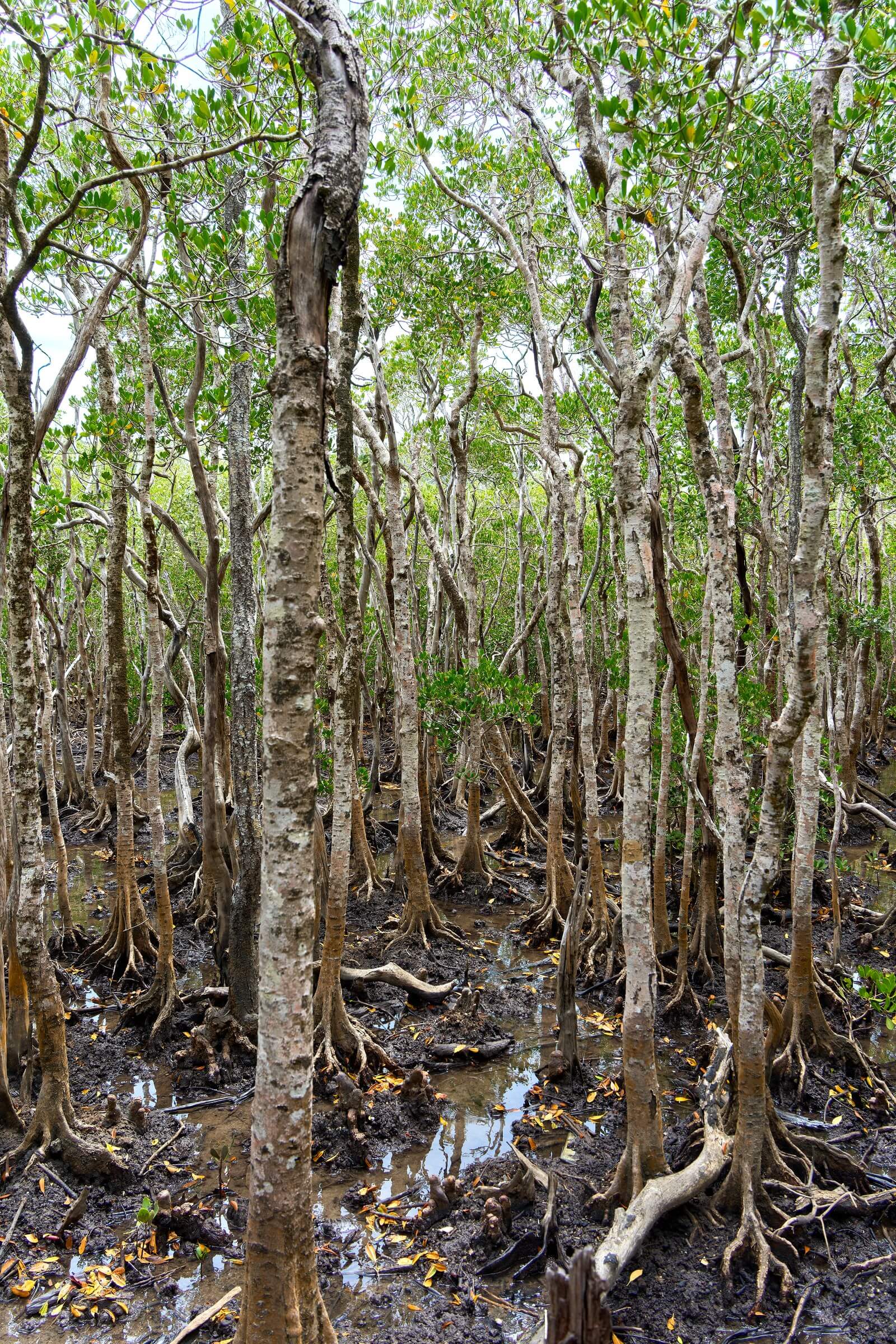
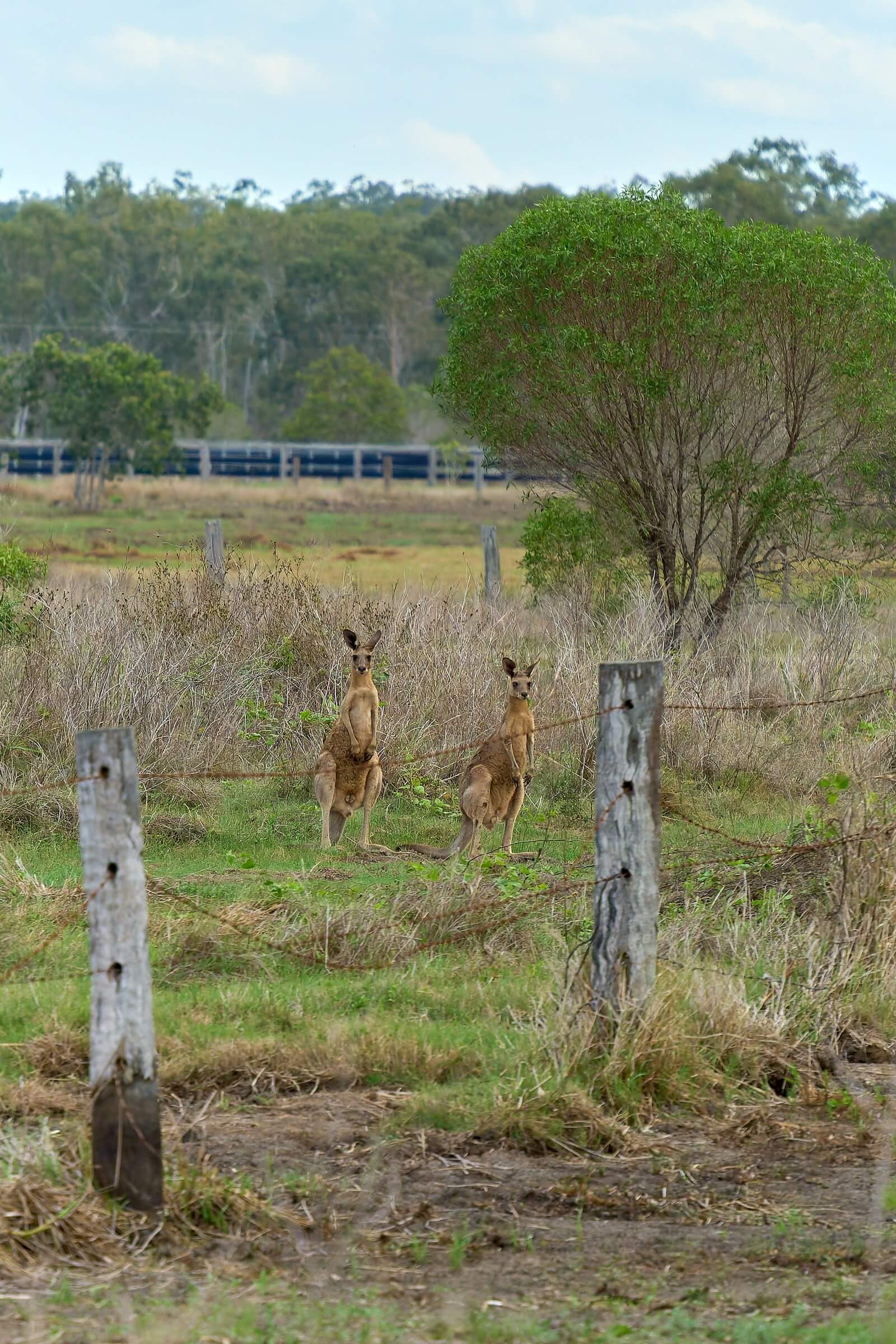
Which coastline suits your available travel time?
In short: I spent three weeks on the east coast from Sydney to Cairns and two weeks on the west coast from Perth to Broome. The east coast can be explored by bus, campervan, or domestic flights, while a rental car is essential on the west coast, and the distances between some of the highlights are more than 500 kilometers.
The decision, therefore, doesn't begin with the individual beach, but with the pace. On the east coast, the stretch between Cairns and Brisbane can be divided into several compact stays. Cairns and the surrounding area get four to five days, Townsville to Airlie Beach three to four days, Noosa and the Sunshine Coast two to three days, and Brisbane also two to three days. This way, the Great Barrier Reef, Whitsundays, K'gari, and Noosa remain more than mere stopovers.
| route | Distance, time | Notice |
|---|---|---|
| Cairns–Brisbane | 1,700 km, 2–3 weeks | short stages, lots of reef |
| Sydney–Cairns | 2,900 km, 3 weeks | max. 300–400 km/day |
| Perth–Broome | 2,200 km, 2–4 weeks | up to 500+ km without highlights |
On the west coast, an extra week isn't just more time for swimming: it eases the long distances between Perth, the Pinnacles Desert, Shark Bay, Ningaloo Reef, Karijini National Park, and Broome. Those with only two weeks should consider this distance a minimum. Those planning four weeks can compensate for the long journeys with longer stays at the natural attractions.
How do vehicle choice and daily planning differ?
On the east coast, campervans, Greyhound buses, and domestic flights are options. A campervan offers the freedom to stop at places like Cape Hillsborough or Agnes Water and combines transport, sleeping accommodation, and cooking facilities. A rental car is easier to drive and cheaper, but requires separate accommodation. Four-wheel drive is necessary for K'gari and Cape Tribulation; a vehicle can be rented locally by the day.
The west coast requires a different approach. Some highlights are separated by more than 500 kilometers of desert, public buses are scarce, and a rental car is essential. Therefore, your daily itinerary should include not only sightseeing but also fuel stops and remaining driving time. In Australia, I plan a maximum of 300 to 400 kilometers per day. In the Outback, it's also crucial to fill up your tank and avoid driving at night, as kangaroos, wombats, and emus are particularly active at dusk and dawn, crossing roads.
| vehicle | Plus | Minus |
|---|---|---|
| rental car | flexible, lightweight | Accommodation extra |
| Campervan | Sleeping, Cooking | increased consumption |
| All-wheel drive camper | off-road capable | harder to drive |
When driving on the left, a calm first day is recommended: After two to three hours it becomes routine.
How can the Great Ocean Road be meaningfully complemented?
If Melbourne is the starting or ending point of your Australian trip, the Great Ocean Road complements both coastal options with a compact southern road trip. The road measures 243 kilometers (more in the article Great Ocean Road) and officially runs from Torquay to Allansford near Warrnambool. Three to four days are recommended; at least three, ideally four to five days, allow time for the coast, rainforest, and wildlife viewing. A standard compact car is sufficient for the fully paved route.
| stage | distance | Key areas |
|---|---|---|
| Torquay–Apollo Bay | 115 km | Bells Beach, Split Point Lighthouse, Lorne, Kennett River |
| Apollo Bay–Port Campbell | 100 km | Great Otway National Park, Twelve Apostles, Gibson Steps, Loch Ard Gorge |
| Port Campbell–Allansford | 65 km | Bay of Islands and Warrnambool |
The usual east-to-west direction has a practical advantage: the vehicle travels on the ocean side, offering direct views of the cliffs. There are hardly any petrol stations between Apollo Bay and Port Campbell, so filling up in Apollo Bay is essential. The viewpoints are free, and there are no tolls on the Great Ocean Road.
The seasonal logic differs from that of the tropical north. For the Great Ocean Road, November to March is recommended. Between June and September, southern right whales can be observed from the shore near Warrnambool, while winter weather is more unpredictable and trails may be closed. Therefore, extending the trip is particularly worthwhile if the timeframe and starting point already align with the southern region.
For Tourism Boards and brands: If you want to showcase a destination like this with your own travel content, you can find information about the process and services on the website. Book a Travel Content Creator. For premium campaigns, there are additional benefits. Book Luxury Travel Influencer. A checklist for the creator briefing is available in the guide: Destination Marketing with Creators.
FAQ: Australia East Coast vs. West Coast
How much time should I allow for each coast?
East Coast: At least 3 weeks (Sydney → Cairns). West Coast: At least 2 weeks (Perth → Broome). Less is possible, but then you'll miss too much and the travel days will eat up your time exploring.
Do I need a visa for Australia?
Yes. As a German citizen, you apply for the eVisitor visa (subclass 651), free of charge, completely online, processing takes 1-2 days. Valid for up to 3 months. For longer stays, you need a different visa.
Is the West Coast dangerous (wilderness, no help)?
Not if you use common sense. But: Always take enough water and fuel (recommendation: 10 liters of water per person as a reserve), don't blindly trust the GPS (Google Maps sometimes sends you onto unpaved roads), and never go hiking alone in canyons.
When is the best time to travel?
- East Coast: September-November or March-May (shoulder season, fewer tourists, good weather). Avoid the tropical north (Cairns) in summer (Dec-Feb), monsoon season.
- West Coast: April-October (dry season). Never visit the north (Broome, Karijini) in summer, temperatures above 45°C and roads closed.
Which coast has the better drone spots?
Definitely the West Coast. Fewer national park restrictions, fewer people (no one complains), and the landscapes, red earth against turquoise sea, look incredible from the air. The Pinnacles Desert and Shark Bay are drone paradises.

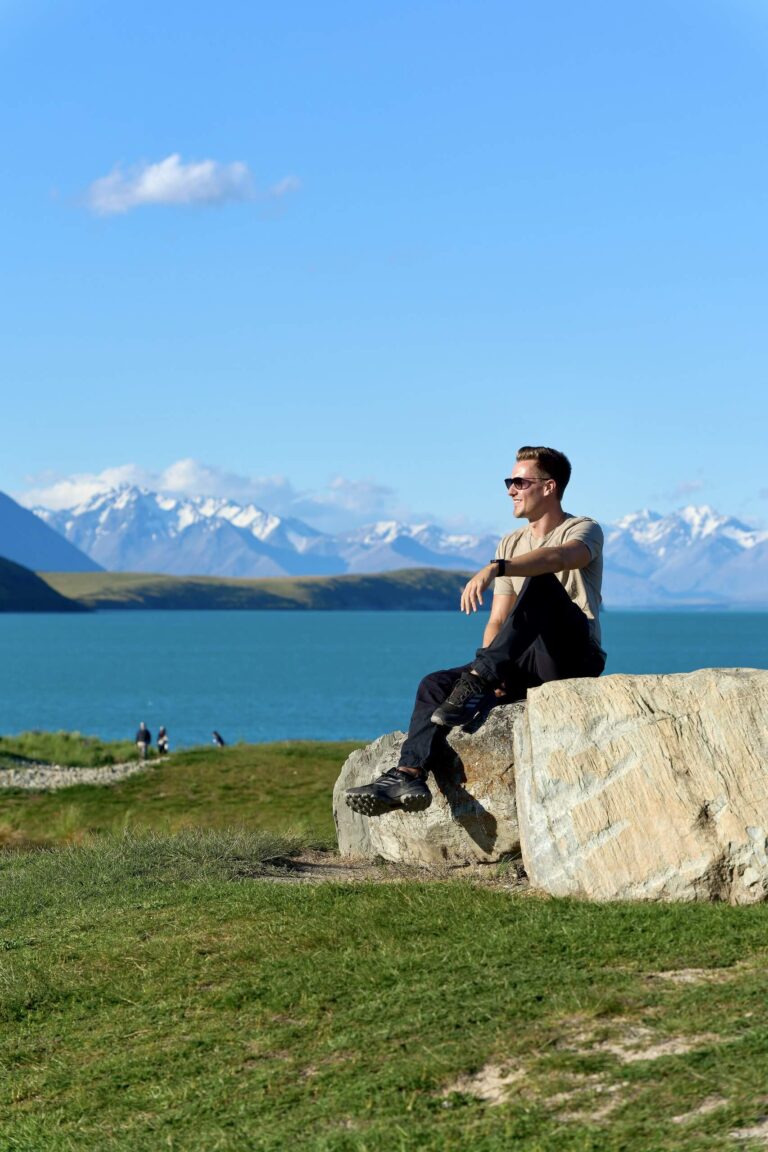
Max Haase
Travel Content Creator · Drone Photographer · Visual Storyteller
Since over 10 years I have been a professional travel creator with over 4 million followers; I specialise in high-end tourism board collaborations and visual travel stories.


 German
 English
 French
 Spanish
 Italian
 Japanese
 Chinese
 Dutch
 Portuguese