

Beautiful travel destinations in spring 2026 — Albania and Türkiye
Why spring is the best time to travel
I travel all year round — but I especially love spring. While most people are still waiting for summer, I'm already in Albania or on the Turkish Aegean coast. No tourist crowds, no high summer prices, no sweating in 40-degree heat. After years of traveling and visiting over 60 countries, I know: those who travel in spring travel smarter.
- Albania in spring: April to May is the absolute ideal time — mild temperatures of 20–25 °C, empty beaches on the Riviera, hardly any tourists. Budget: €30–50/day including accommodation and food.
- Turkey in spring: Cappadocia before the crowds (March/April), Bodrum with 22°C water temperature (May), Istanbul without the sweltering summer heat. Budget: €50–90/day.
- Albania (Tirana) 2–3 hours from Germany, Türkiye (Istanbul/Bodrum) 3–4 hours — both ideal for short trips or 2-week tours.
- Drone highlights: Albanian Alps (Valbona/Theth), Ksamil Islands, Cappadocia balloons, Bodrum Aegean Sea — four of the most photogenic spots in Europe and the Middle East.
- Best combination: Albania Riviera + Türkiye Cappadocia in two weeks — affordable, diverse, spectacular.
Spring is my absolute favorite time to travel. Prices aren't yet at peak season levels, the beaches are empty, and the weather is perfect in many regions. Two destinations are at the top of my spring list: Albania and Turkey. Both are massively underrated, both are on another level in spring—and both offer incredible photo and drone footage opportunities.

Albania in spring — Europe's last great secret
Albania is a country that most travelers haven't yet considered—and that's precisely what makes it so special. I was there in the spring, and I can honestly say: it's one of the most beautiful countries I've ever visited. The Riviera with its turquoise bays, the dramatic Albanian Alps, the Ottoman old towns—and hardly any other tourists anywhere.
The Albanian Riviera — turquoise waters, empty beaches
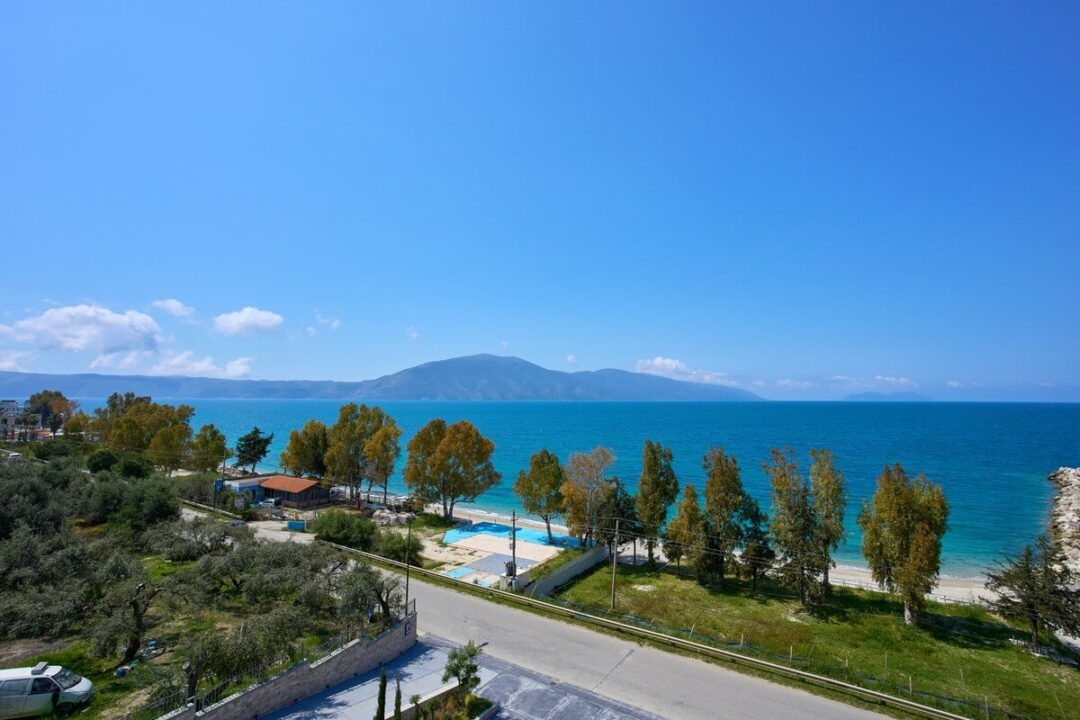
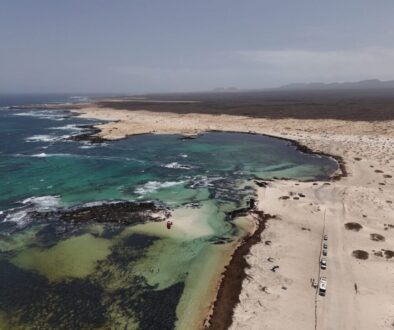
The Albanian Riviera between Sarandë and Himarë is a real insider tip in spring. The beaches near Ksamil look like the Maldives – turquoise water, white sand, and small offshore islands. In July and August, however, it's a completely different story; cars are parked right up to the beach, and sun loungers are packed shoulder to shoulder.
In April, however, I practically had the beach at Ksamil to myself. The water is still a bit chilly at 18–20 °C, but perfectly manageable for hardy swimmers. I was able to take drone shots with my DJI Mini 5 Pro This coast is an absolute paradise — the colors of the water are so intense that I could hardly believe my own photos.
- Best time to go: April to mid-June
- Highlight: Ksamil Islands, Butrint Archaeological Park (UNESCO), Llogara Pass
- Daily budget: 30–50 €
The Albanian Alps — a hiking paradise in spring
The Albanian Alps around Valbona and Theth are breathtaking in spring. The patches of snow on the mountain peaks, the green valleys below, the clear mountain rivers—it looks like Norway, but costs a tenth of the price. The hiking trail between Valbona and Theth is one of the most spectacular in all of Europe.
What impressed me most was the hospitality. Albanian families cook fresh meals in the guesthouses, the prices are ridiculously low, and the contact with the locals is still authentic and genuine. This probably won't be the case in five years—book now.
- Best time to go: May to June (after the snowmelt)
- Highlight: Valbona-Theth Trek, Grunas Waterfall, Shala Lake
- Accommodation: Family guesthouses, €15–25/night including half board
Gjirokastër and Butrint — history and UNESCO world heritage
For those who want more than just beaches and nature: Albania also has top-notch cultural attractions to offer. Gjirokastër is an Ottoman old town perched on a hillside, feeling like an open-air museum—cobblestone streets, white stone houses, and an imposing castle overlooking it. In spring, flowers bloom everywhere among the ancient walls.
Butrint is an ancient archaeological site right on the border with Greece, nestled within a nature park. Greek, Roman, Byzantine, and Venetian remains—all in close proximity, surrounded by lush jungle and a lagoon. In spring, before the tourist season begins, you practically have it all to yourself.
Sarandë as a base + day trips to Butrint and Gjirokastër — ideal for 4–5 days exploring southern Albania.
Türkiye in spring — From the Aegean to Cappadocia
For me, Turkey is one of the most diverse travel destinations in the world. In a week, I can travel from the coast to the high plateau, from the metropolis to ancient sites. In spring, the best parts of the country are accessible—without the midsummer heat, without the tourist crowds, and with perfect lighting conditions for photography.
Bodrum and the Aegean coast — the Turkish Mediterranean at its best
Bodrum in spring is a completely different experience than in August. The town is relaxed, the restaurants have plenty of space, and the turquoise-blue Aegean waters sparkle in the spring sunshine without the haze of midsummer. From May onwards, the water temperature is a comfortable 20–22 °C for swimming.
The Bodrum peninsula offers incredible subjects for drone photography: Bodrum Castle, the old Greek windmills on the hill, the indented coastline dotted with Turkish gulets. I've taken some of my all-time favorite drone photos here—the light in April is simply perfect.
- Best time to go: April to June
- Highlight: Bodrum Castle, Gulet Tours, Gümüşlük Fishing Port, Göltürkbükü
- Daily budget: 60–90 €
Cappadocia — Hot air balloon over volcanic landscapes
Cappadocia is one of the few places in the world where I've never felt the subject is overhyped. The landscape is so otherworldly beautiful—fairy chimneys, cave hotels carved into the rock, and dozens of hot air balloons above every morning—that every picture automatically becomes spectacular.
Cappadocia is ideal in spring: temperatures are a pleasant 15–22 degrees Celsius during the day, the hot air balloon season is in full swing, and the summer tourist crowds haven't yet arrived. I especially recommend Göreme National Park at sunrise—when the first balloons take to the air and the golden light bathes the valleys, it's simply unforgettable.
- Best time to go: March to May
- Highlight: Hot air balloon (€180-250/person), Rose Valley, Uçhisar Castle, Derinkuyu Lower City
- Daily budget: €70–120 (incl. balloon more expensive)
Istanbul — a world city bathed in spring light
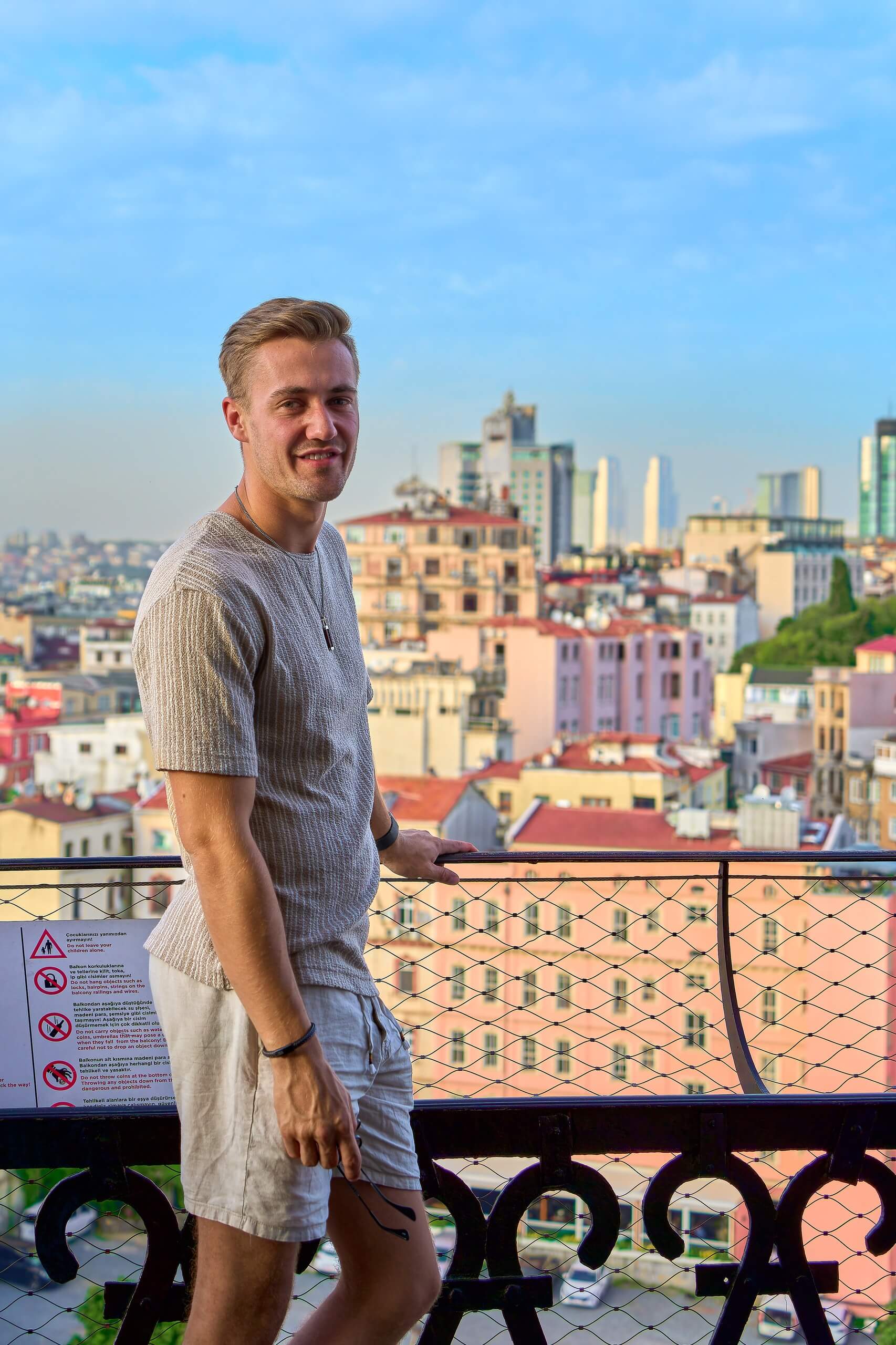
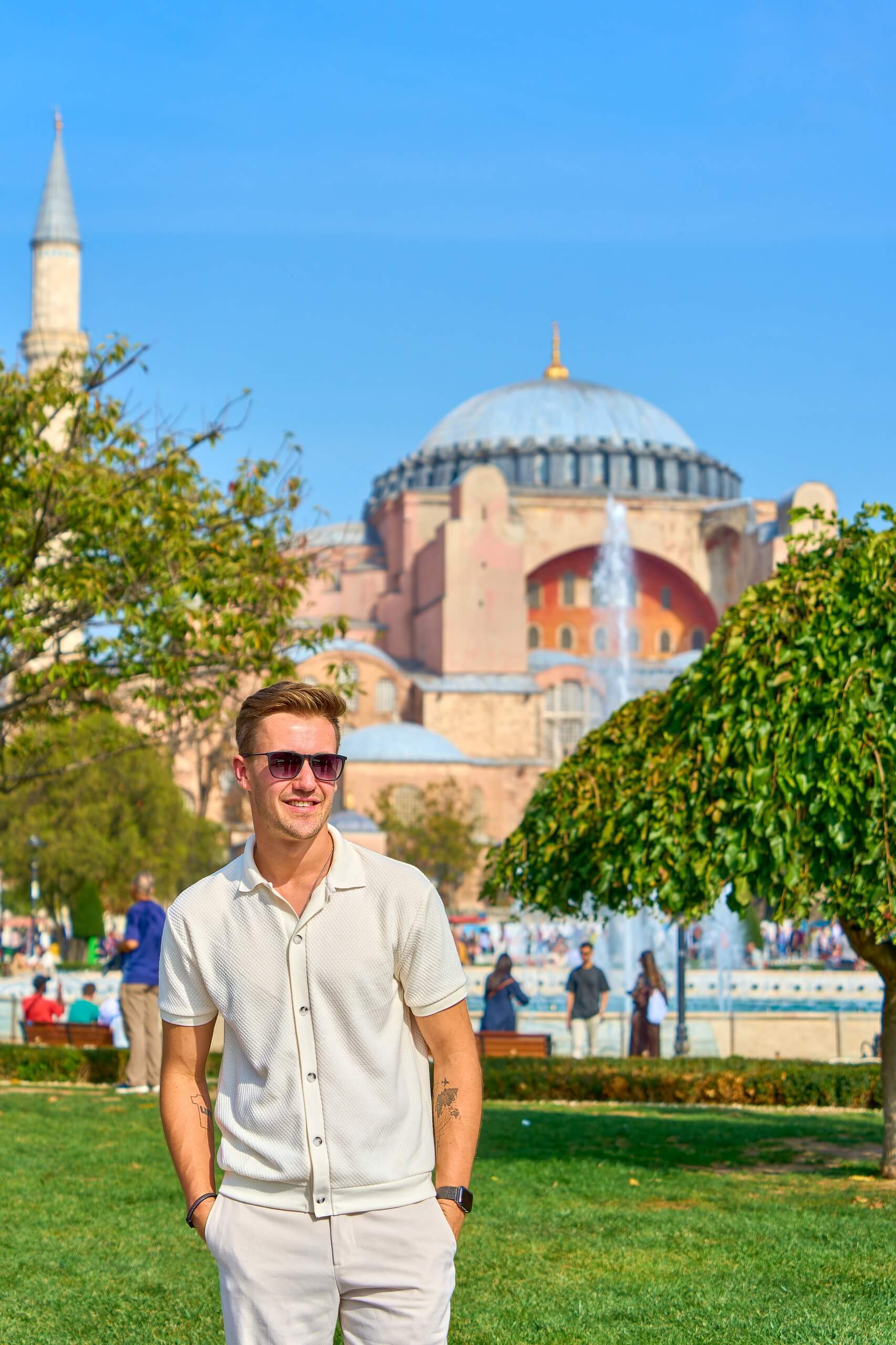
Istanbul doesn't need a seasonal recommendation—the city is always magnificent. But it's especially beautiful in spring: the tulips bloom in Sultanahmet Park (Istanbul Tulip Festival in April!), the sidewalk cafes are packed, and you don't have to wait forever in line at the Hagia Sophia. April and May are my favorite months for Istanbul.
For me, the combination of Istanbul (3-4 days) and Cappadocia (3 days) is the perfect Turkey tour in spring. Domestic flights often cost only €30-50, and the contrast between the metropolis and the volcanic desert couldn't be greater.
- Best time to go: April to May
- Highlight: Hagia Sophia, Grand Bazaar, Bosphorus tour, Princes' Islands, Tulip Festival
- Daily budget: 60–100 €
Albania vs. Türkiye: A direct comparison
| aspect | Albania | Türkiye |
|---|---|---|
| Best spring months | April–May | March–May |
| Budget/day | 30–50 € | 50–100 € |
| Flight time | ~2.5 h | ~3.5 h |
| visa | Not necessary | e-Visa (50 USD) |
| Bathwater from | May (18–20 °C) | May (22 °C Bodrum) |
| Tourist pressure | Very low | Medium |
| Are drones allowed? | Yes, free | Partly subject to approval |
Prices are indicative for 2026. Early bird deals can be another 10-15% cheaper.


My 5 best tips for Albania and Türkiye in spring
1. Renting a car is mandatory in Albania
Albania is only half-explored without a rental car. Public transport is limited, and the most beautiful spots—Llogara Pass, Ksamil, the mountain villages—aren't directly accessible by bus. A rental car costs €25–35 per day, the roads are generally good, and you have complete freedom. Tip: Bring your International Driving Permit; some rental companies ask for it.
2. Cappadocia Balloon: Book early, get up early
The hot air balloon experience in Cappadocia is unique—but only if the weather cooperates. Launches are often canceled due to wind. My tip: Plan at least three nights in Göreme so you have a second chance if your flight is canceled. Book directly with the operator (not through agencies) and set your alarm for 4:30 a.m.—the light at sunrise is absolutely worth it.
3. Local cuisine: The most affordable quality upgrade
Both countries are culinarily underrated. In Albania, byrek (filled phyllo pastry) is the perfect breakfast for €1–2. Tavë kosi (lamb with yogurt) is the national dish and costs €4–6 in restaurants. In Turkey, the mezze culture is on another level—simply order 8–10 small appetizers and let yourself be surprised. Avoid tourist restaurants right next to the sights; walk 200 meters further.
4. Drone Hotspots: The Real Highlights
For drone pilots, both countries are a paradise. In Albania: the Llogara Pass overlooking the Riviera (in the morning when there's fog), the Ksamil Islands from above (turquoise and white, looks like the Caribbean), the Valbona Valley. In Turkey: the fairy chimneys of Cappadocia at sunrise, Bodrum Castle overlooking the Aegean Sea. Check drone regulations in Turkey beforehand—a permit is required in some zones.
5. Combination route: Two countries, two weeks
My recommendation for a perfect spring itinerary: Flight to Tirana → 5 days in Albania (2 on the Riviera, 1 in Gjirokastër, 2 in the Albanian Alps) → Flight Tirana–Istanbul → 3 days in Istanbul → Flight Istanbul–Cappadocia → 3 days in Cappadocia → Flight/bus to Bodrum → 3 days on the Aegean coast. Total cost: approx. €1,200–1,800 including flights and accommodation.
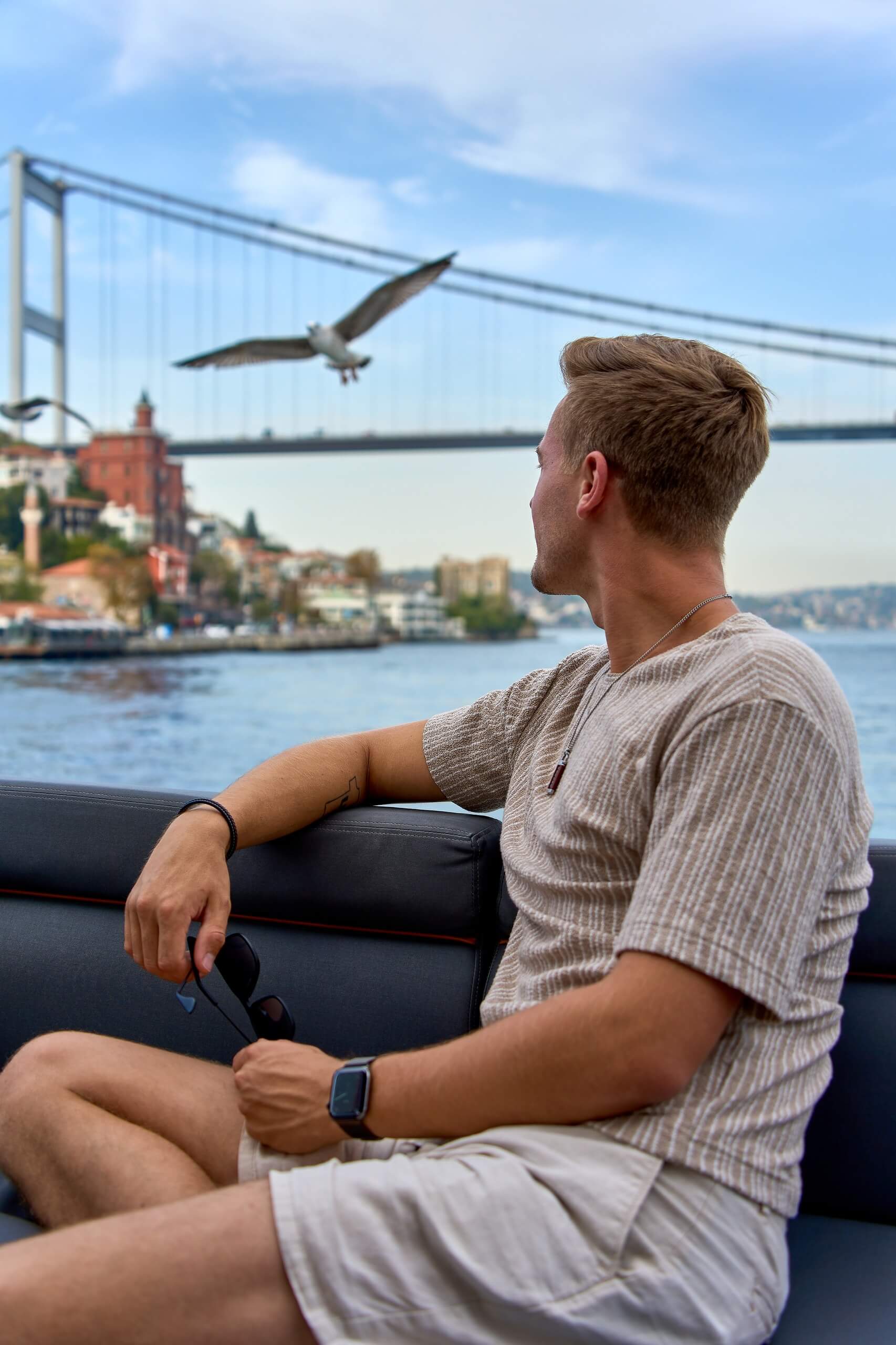
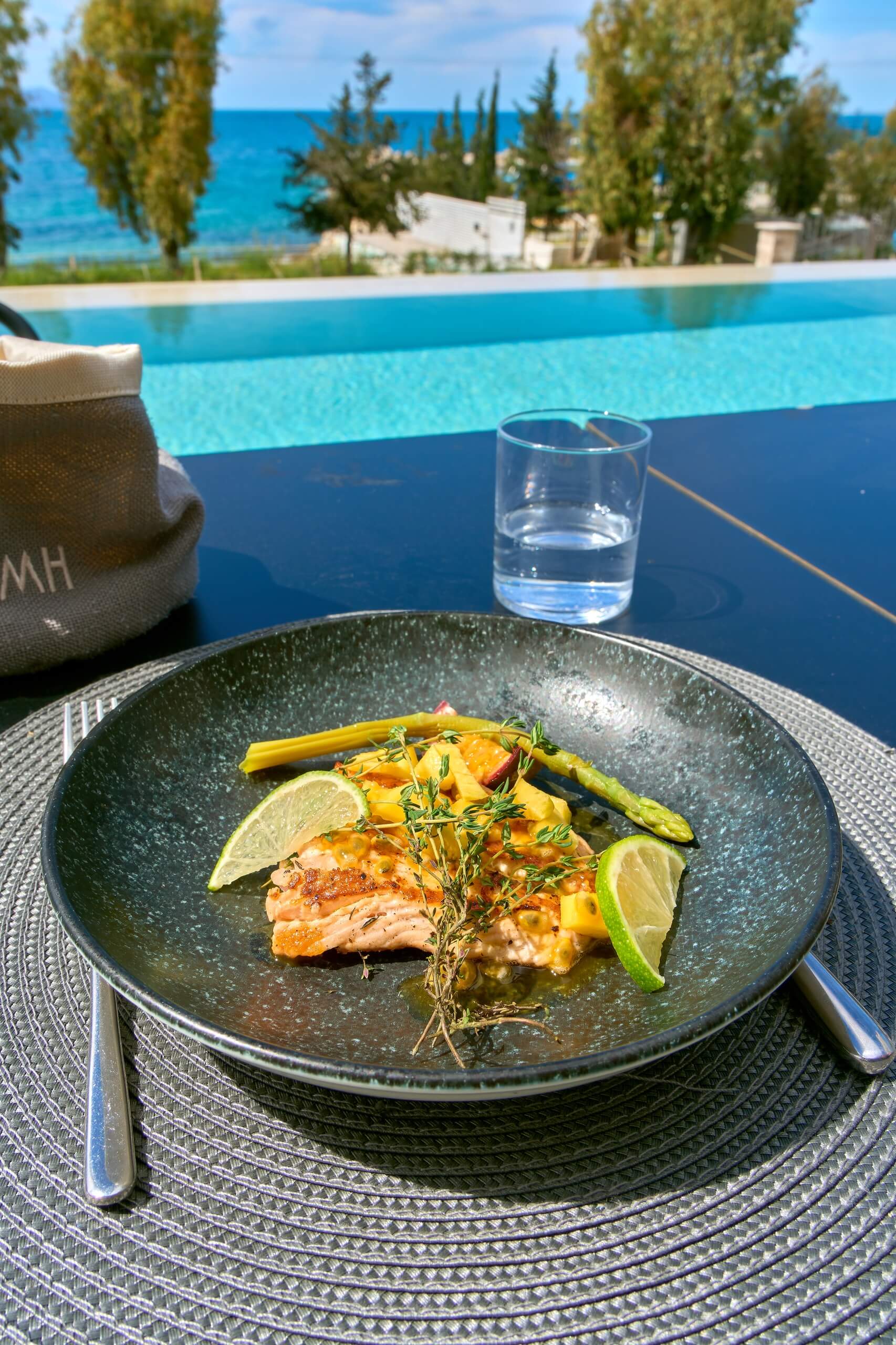
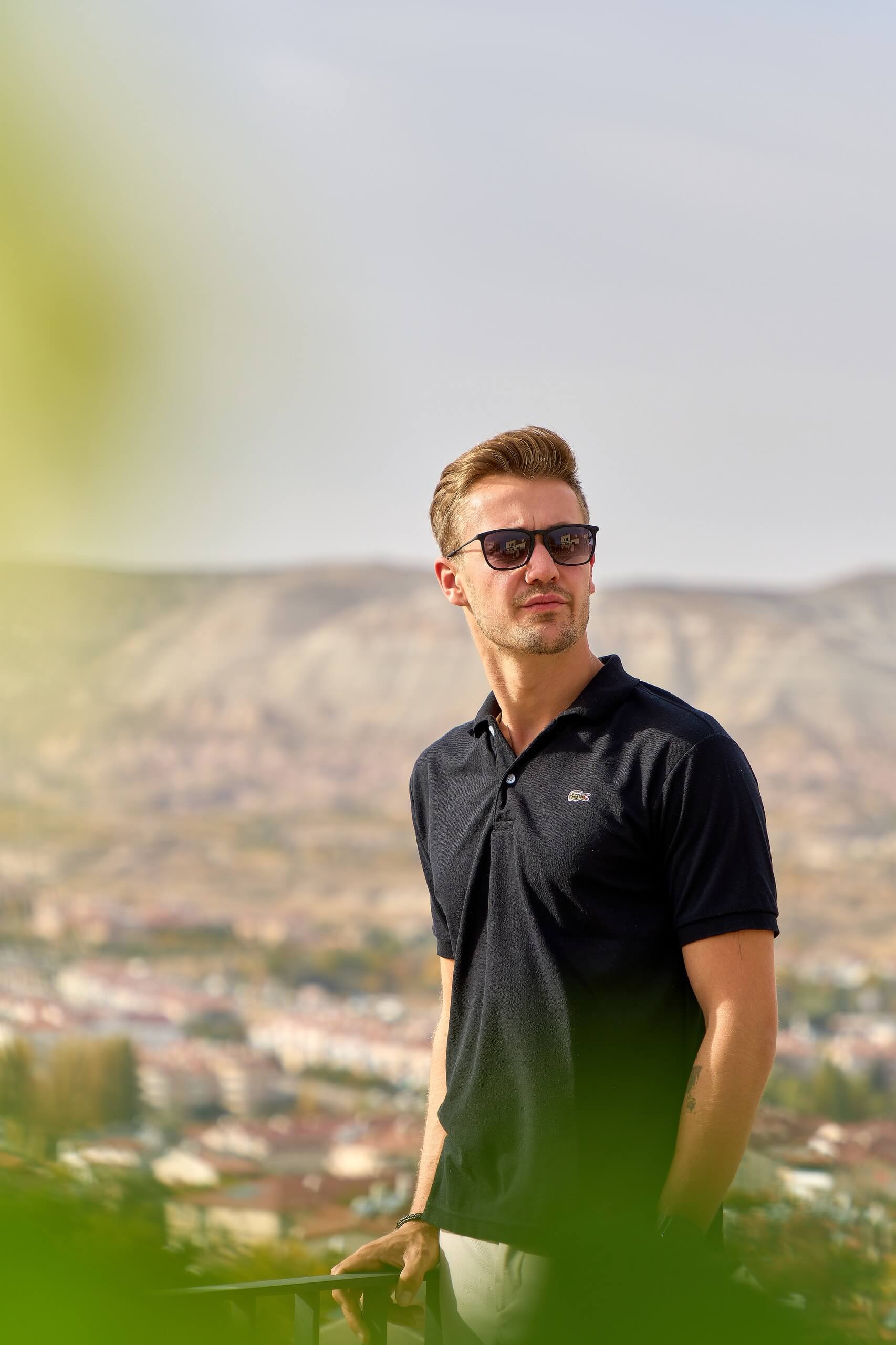
Albania or the Turkish Aegean: Which type of traveler is best suited to which destination?
In short: Albania combines the Adriatic coast, alpine landscapes, and historic cities, while the Turkish Aegean around Bodrum unites bays, ancient sites, and a vibrant taverna culture. Those seeking a road trip with dramatic changes in scenery will find it on Albania's coastal road SH8; those wishing to combine beach days with cultural excursions will find numerous options around Bodrum.
The decision, therefore, shouldn't be solely between two countries, but rather between different travel priorities. In Albania, the attractions range from Lake Bovilla and the fortified town of Krujë to Tirana and the Riviera. The capital city complements nature and coastline with its communist heritage, the Bunk'Art exhibition, and street art. Gjirokastra, with its UNESCO-listed old town, adds another cultural highlight. A rental car is particularly useful for exploring the SH8 with its winding coastal roads.
Around Bodrum, the main attractions are located closer together: beaches and bays can be combined with the castle, the underwater archaeology museum, and ancient sites. This concise comparison will help you choose:
| focus | Albania | Aegean Sea |
|---|---|---|
| coast | SH8, Gjipe | Bays, Yahşi |
| culture | Krujë, Tirana | Castle, Ephesus |
| Nature | Theth, Bovilla | Pamukkale |
| Culinary | local cuisine | Meze, Meyhane |
Both destinations are therefore suitable for a mix of scenery, coastline, and culture. The main difference lies in the overall experience: Albania feels more like a longer road trip, while Bodrum is better suited as a base with excursions.
An Albanian road trip between the capital, mountains and the Riviera
A well-planned trip to Albania can be structured around its distinctly different landscapes. Tirana provides the urban starting point. The communist legacy, the Bunk'Art exhibition, and the street art scene give the capital its unique character before the route leads into nature. Lake Bovilla offers turquoise waters against a mountain backdrop; Krujë combines a medieval castle town with a striking rocky landscape.
In Theth National Park, the scenery shifts to alpine mountains and traditional stone houses. There you'll also find Syri i Kaltër, the Blue Eye, a crystal-clear karst spring. The SH8 highway serves as the connecting route along the coastal stretch. Its winding roads lead through the Riviera between Vlora and Saranda. Gjipe, Dhermi, and Ksamil offer various beach stops along the way; white pebble beaches and clear, turquoise waters characterize this part of the journey. The Llogara Pass opens up views of the coast and as far as the Greek island of Corfu.
Gjirokastra adds a UNESCO World Heritage city to the route and makes a perfect cultural stop between days spent exploring nature and the coast. A practical consideration is the mix of transportation and payment methods: a rental car is particularly useful for the coastal road. Credit cards are accepted in Tirana and larger hotels, but cash in Lek remains important inland. Therefore, planning doesn't simply follow a list of sights, but rather a logical route: first the city and its history, then the mountains and karst springs, and finally the Adriatic coast with its mountain passes and historical sites.
Bodrum as a base for beaches, antiquity and Turkish cuisine
The Bodrum peninsula is an ideal base, as it offers a combination of coastal exploration, cultural experiences, and day trips. Yahşi Beach and Bağla Beach are easily identifiable beach destinations, while quieter bays can be found near Akyarlar. Several other bays are accessible only by boat, allowing you to explore the coastline from both land and water without changing accommodations every day.
Right in Bodrum, the castle combines scenic views with historical significance. Built in the 15th century by the Knights Hospitaller, it now houses the Museum of Underwater Archaeology and offers panoramic views of the region. Outside the city, two ancient sites expand the itinerary: In Ephesus, the Library of Celsus is one of the best-preserved Roman ruins; the drive from Bodrum takes about two hours. Pamukkale combines white travertine terraces with the ancient city of Hierapolis. Yalıkavak, with its marina, offers a different, more luxurious experience.
Even meals can help structure your day. Instead of staying exclusively at the marina, consider visiting an authentic meyhane (traditional Bodrum restaurant). There, meze and raki evenings take center stage. A rental car is practical for exploring the peninsula; the roads are well-maintained. This allows for a varied base trip: some days dedicated to beaches and bays, others to the castle, museums, or ancient sites. Bodrum remains the recurring focal point throughout.
Related to this: Albania travel report, Bodrum.
For Tourism Boards and brands: If you want to showcase a destination like this with your own travel content, you can find information about the process and services on the website. Book a Travel Content Creator.
FAQ — Albania and Türkiye in Spring 2026
Is Albania safe for travelers?
Yes, absolutely. Albania is much safer than its reputation from the 90s would suggest. I felt very comfortable and safe there—Albanians are incredibly hospitable. Standard precautions, like anywhere else, are perfectly sufficient.
Do I need a visa for Albania and Turkey?
German citizens do not need a visa for Albania (for stays of up to 90 days). For Turkey, an e-visa is required—it can be applied for online in 5 minutes, costs USD 50, and is valid for 180 days with multiple entries. Be sure to apply before departure.
Can you pay by card in Albania?
In tourist centers like Sarandë and Tirana, card payments usually work. In more rural areas and small guesthouses, cash is king. Always bring Albanian Lek—card payments are often not accepted in mountain villages.
What is the weather like in both countries in spring?
Albanian Riviera: April 20–24 °C, very dry. Albanian Alps: Hiking only possible from May onwards (snow before then). Turkey, Bodrum: April 18–22 °C, May 22–26 °C. Cappadocia: April 10–18 °C, cold nights — pack a jacket! Istanbul: April 14–18 °C, May 18–24 °C.
What equipment do you recommend for these trips?
My standard photo equipment: Sony A7 IV with wide-angle lens for landscapes, DJI Mini 5 Pro For aerial shots, use the DJI Osmo Action 6 for action sequences. In the Albanian Alps, I recommend good hiking boots—the trails can be slippery after rain. In Cappadocia: a warm jacket for early mornings (balloon launches at 5°C are not uncommon).
Is Albania still a worthwhile spring destination in 2026?
More than ever before. Albania is currently opening up to tourism, but the infrastructure is lagging behind demand—which means: fewer visitors, authentic experiences, unbeatable prices. The window of opportunity to experience the country "undiscovered" is closing. Anyone traveling there in 2026 will be early enough.
What distinguishes Albania from the Turkish Aegean coast?
Albania offers a longer coastal route connecting Tirana, alpine landscapes, and historic cities. Around Bodrum, on the other hand, beaches, castles, museums, and ancient day trips can be combined from a single base.
Which stops are suitable for an Albania road trip?
Tirana, Krujë, the Bovilla Reservoir, Theth, and Gjirokastra cover the city, history, and mountain scenery. On the Riviera, Gjipe, Dhermi, Ksamil, and the Llogara Pass complete the route.
Why is the SH8 interesting for Albania?
The SH8 follows the Albanian coast and is one of the country's most iconic winding roads. A rental car allows for flexible travel between the towns and beaches along the Riviera.
What cultural attractions are there around Bodrum?
Bodrum itself is home to the Knights Hospitaller Castle and the Museum of Underwater Archaeology. Excursions to Ephesus with the Library of Celsus, as well as Pamukkale and the ancient city of Hierapolis, are also possible.
Which beaches and bays are located on the Bodrum peninsula?
Yahşi Beach and Bağla Beach are specific beach destinations on the peninsula. Quieter bays can be found near Akyarlar, while other secluded coastal spots are only accessible by boat.
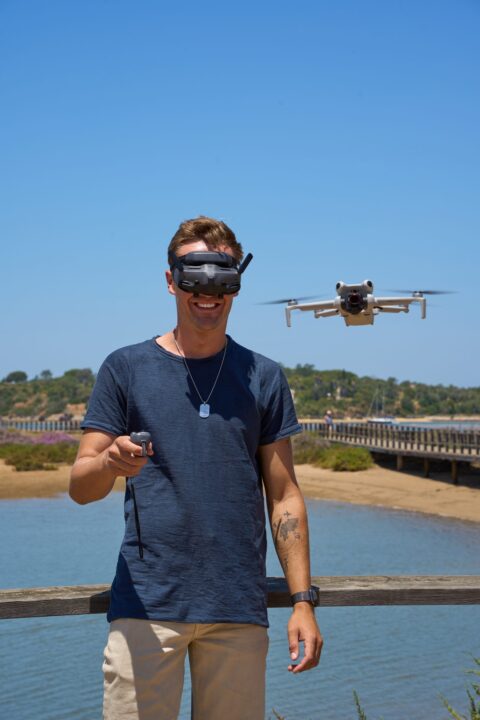
Max Haase
Travel Content Creator · Drone Photographer · Visual Storyteller
A professional travel creator for over 10 years with over 4 million followers. Specializing in high-end tourism board collaborations and visual travel storytelling.
 German
 English
 French
 Spanish