
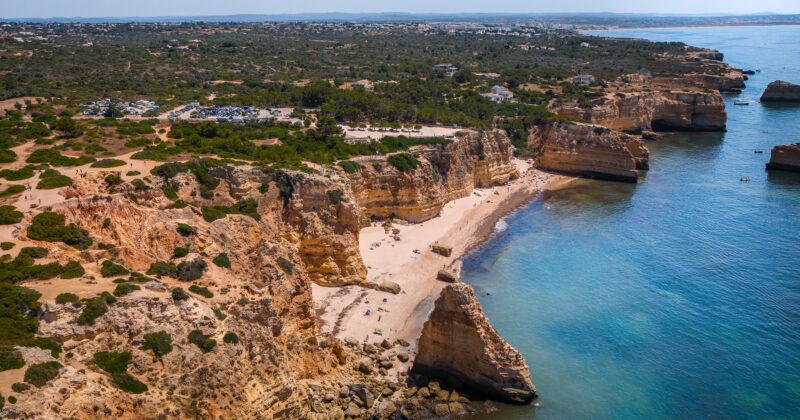
DJI Mini 5 Pro Review 2026: Price, Fly More Combo & Comparison
Drones have been my constant companions on every trip since 2017. I started with the DJI Mavic Pro, then came the Mavic Air 2, Mini 3 Pro, Mini 4 Pro—and now I'm flying the DJI Mini 5 Pro. Each generation has been a leap, but the jump from the Mini 4 Pro to the Mini 5 Pro feels like going from the lowest amateur league to the top tier. In this comprehensive review after over a year of intensive use and hundreds of flight hours, I'll explain what the Mini 5 Pro is truly capable of, where its limitations lie, and whether the upgrade from the Mini 4 Pro is worthwhile for you.
- Price: from approximately 799 euros individually, Fly More Combo from 999 euros, Combo Plus with RC 2 from 1,199 euros — 400 euros surcharge compared to Mini 4 Pro.
- True 1-inch CMOS with 50 MP instead of 1/1.3 inch — around 30 percent more light, clean up to ISO 400 at sunrise.
- 4K at 100 fps slow motion plus 5.4K/30fps, D-Log M color profile — quality previously only possible with Mavic models.
- Flight time: Up to 36 minutes according to DJI, realistically about 30 minutes depending on the wind — longest flight time of any mini-drone so far.
- EU class C0: Weight 249.9 grams, no proof of competence required (operator registration with e-ID remains mandatory), plus omnidirectional obstacle detection and 10 km range (EU) with O4+.
I took the drone on trips to Saudi Arabia, New Zealand, Albania, Brazil, and the Caribbean—for tourism board campaigns with cinematic landscape shots, for social media reels, and for personal memories. Here's my honest, unsponsored review from real-world experience.
View the DJI Mini 5 Pro Fly More Combo Plus on Amazon →
DJI Mini 5 Pro: Technical specifications at a glance
Before we get into the practical aspects, here are the most important specs of the DJI Mini 5 Pro:
- Sensor: 1-inch CMOS, 50 megapixels
- Video: 4K/60fps, 4K/100fps (Slow Motion), 5.4K/30fps
- Photo: 50 MP RAW (DNG) and JPEG
- Weight: under 250 grams (249.9 g, Class C0; operator registration remains mandatory)
- Flight time: Up to 36 minutes (realistically about 30 minutes depending on the wind)
- Reach: Up to 10 km (EU, O4+ transmission)
- Speed: Up to 21 m/s (≈ 76 km/h) in Sport mode
- Obstacle detection: Omnidirectional (all directions)
- Wind resistance: Up to wind force 5 (38 km/h)
- Price: Individually from approximately €799, Fly More Combo from €999, Fly More Combo Plus with RC 2 from €1,199
The 1-inch sensor: Finally grown up
The DJI Mini 4 Pro had a 1/1.3-inch sensor with 48 megapixels. The Mini 5 Pro uses a true 1-inch sensor—and while this size difference may sound marginal, it's enormous in practice. The larger sensor captures approximately 30 percent more light, which is particularly noticeable at sunrises and sunsets, precisely when the best drone footage is taken.
During my shoot over the Tara Canyon in Montenegro, the light in the gorge was already significantly dimmed when I flew around 6 p.m. Where the Mini 4 Pro would have delivered noisy images with muddy shadows, the Mini 5 Pro produced clean, detailed shots—even at ISO 400. The dynamic range is also noticeably better: In backlit situations, I can extract significantly more detail from the shadows in Lightroom without introducing noise.
In direct comparison, the Mini 5 Pro delivers photos that come close to the quality of my old Mavic 2 Pro — and that one had a Hasselblad-branded 1-inch sensor and weighed over 900 grams. The fact that DJI has packed this image quality into a 249-gram body borders on a small miracle of engineering.
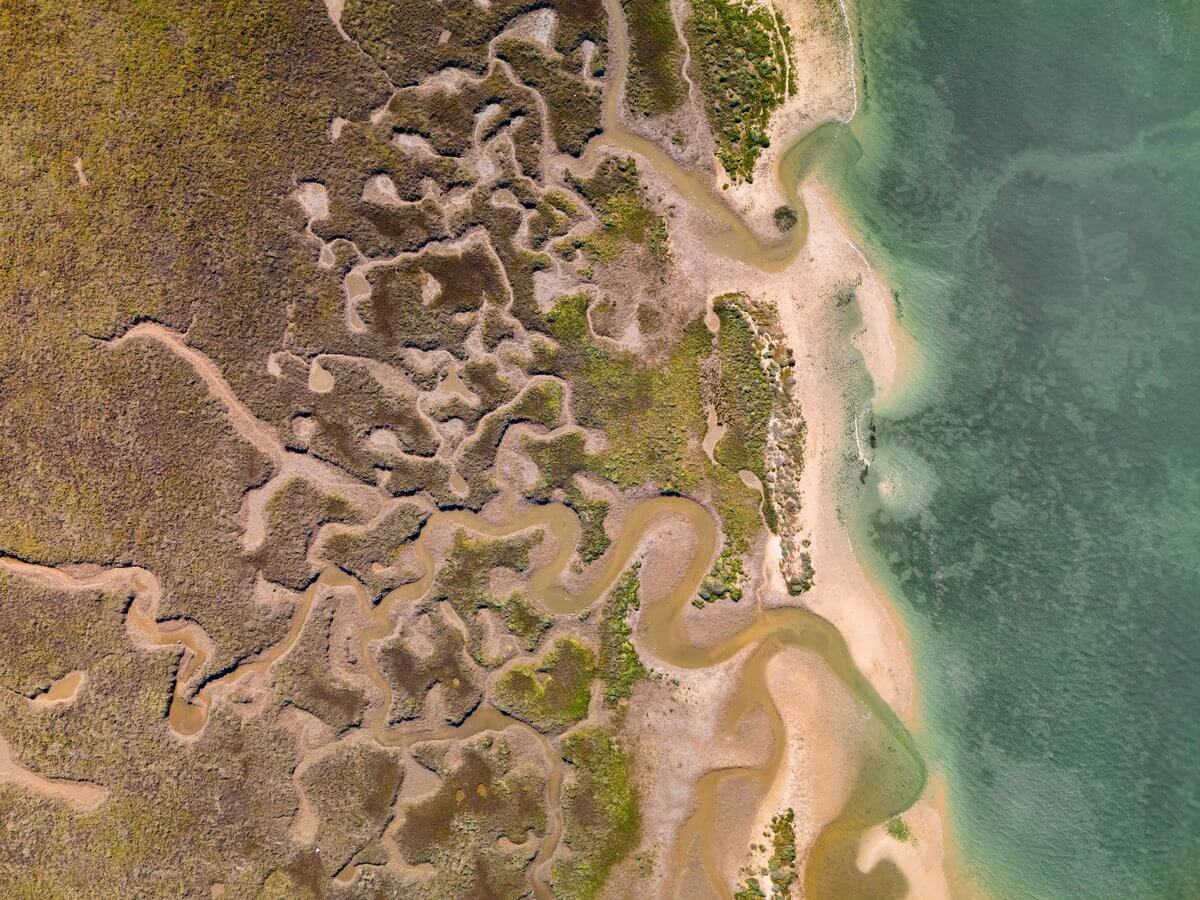
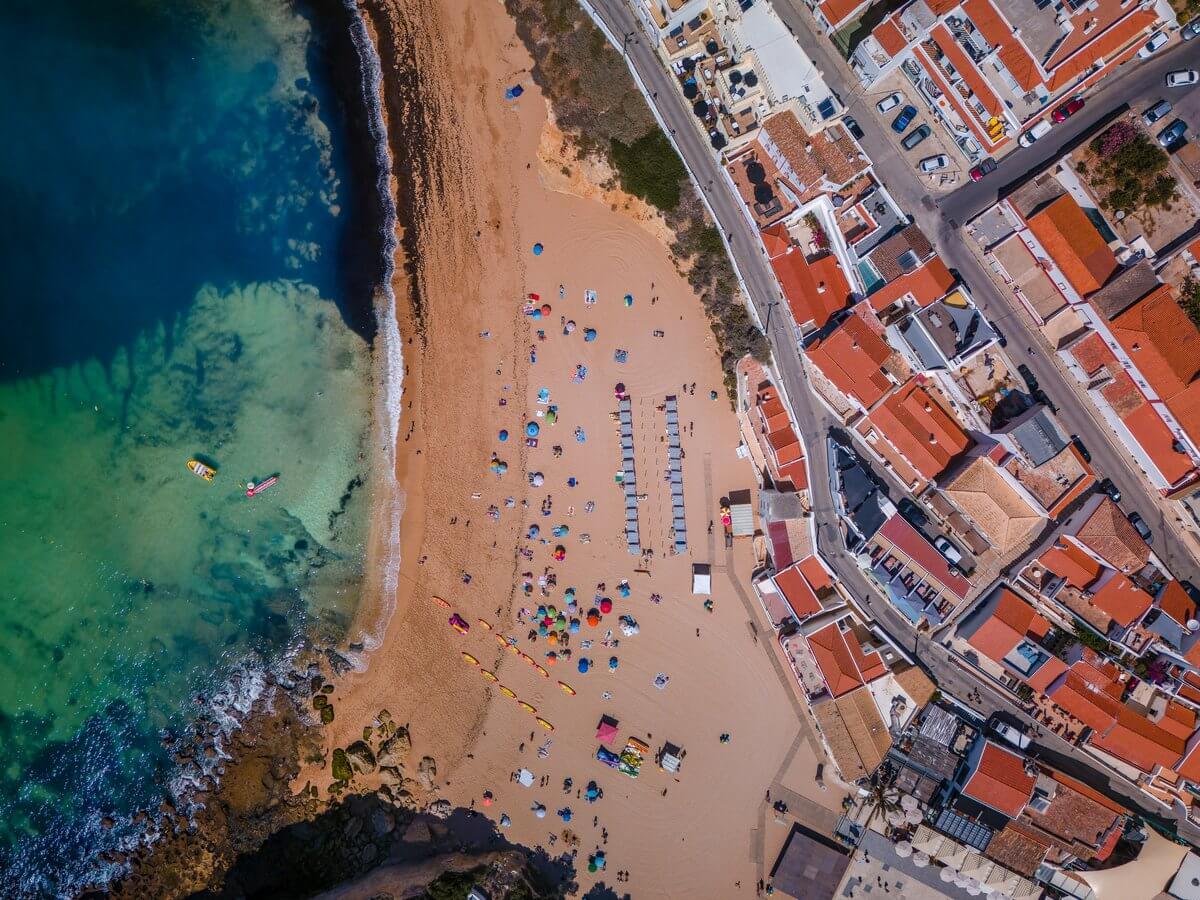
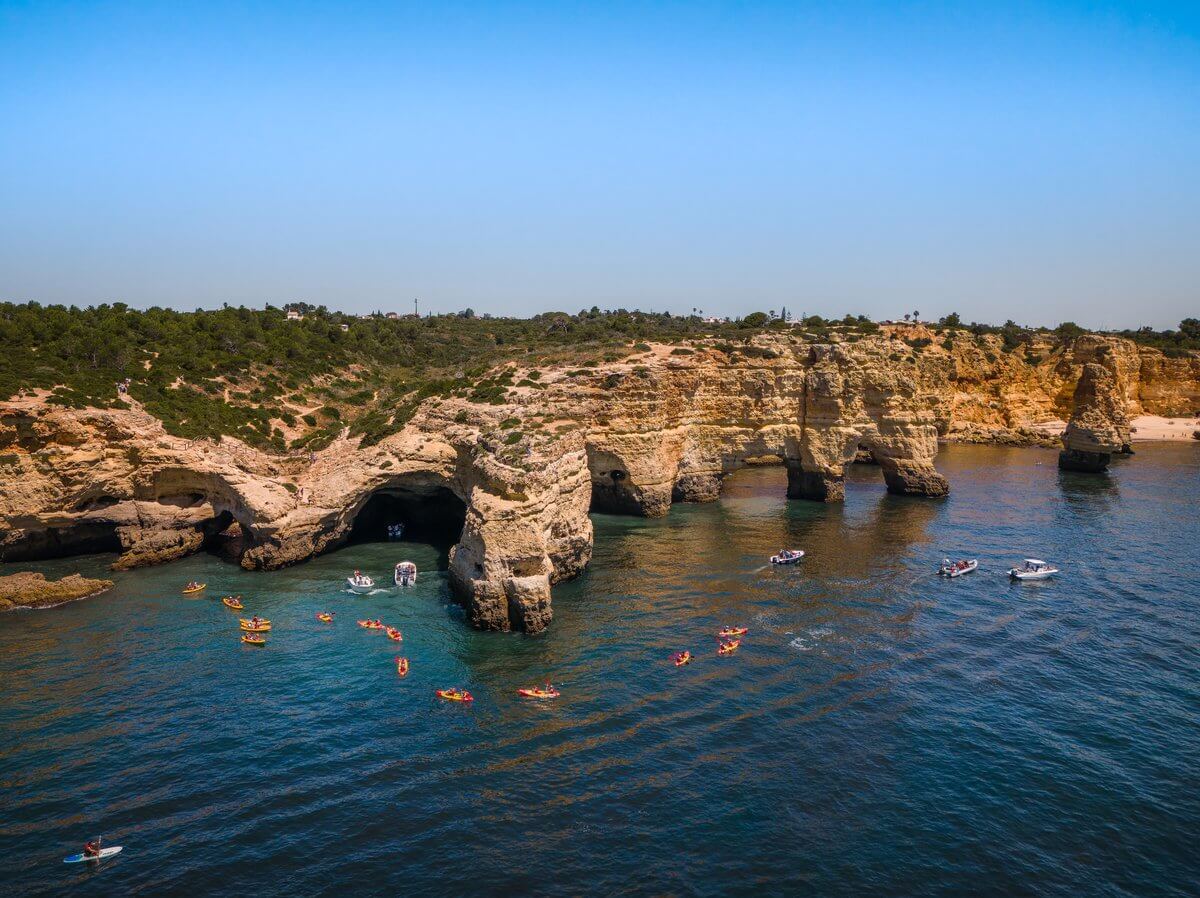
Video quality: 4K/100fps is a game changer
The new 4K slow-motion capability at 100 frames per second is the most important new feature for me. Drone footage in slow motion simply looks cinematic—waves breaking against cliffs in slow motion, kitesurfing sessions seen from above at half speed, sunsets with birds in the frame. These kinds of shots were previously only possible with the significantly more expensive and heavier Mavic models.
The regular 4K/60fps recording is sharp, color-neutral (in the D-Log M profile), and lends itself perfectly to color grading. With the D-Log M color profile, DJI has found a good compromise between maximum dynamic range and ease of post-processing. For Instagram reels and TikTok, however, I usually use the normal profile because I don't want to invest time in color grading—and the result straight from the camera already looks very good.
I rarely use 5.4K/30fps, but it has its purpose: If I know that I will have to crop heavily in post-production (for example, for a vertical reel from a horizontal shot), the higher resolution gives me the necessary leeway without loss of quality.
Flight characteristics, range and O4+ transmission
The DJI Mini 5 Pro flies like it's on rails. That's no exaggeration—the stabilization is so good that in still air, you feel like the drone is hovering in a vacuum. The new O4+ transmission replaces the O4 of the Mini 4 Pro and delivers a live video feed that is virtually latency-free. Even in cities with heavy Wi-Fi traffic (I had massive problems with the Mini 3 Pro in Barcelona), the connection remains stable. The maximum range is 10 km (EU)—in practice, I rarely fly further than 2–3 km, but having that extra range provides peace of mind.
Omnidirectional obstacle detection has been significantly improved. The sensors now detect objects in all directions—above, below, in front, behind, and to the sides. In practice, this has saved me from collisions on several occasions, especially when flying backwards through narrow streets in Dubrovnik's old town. The drone gently slows down and shows me the location of the obstacle on the display.
What impresses me: The Mini 5 Pro remains extremely stable even in winds of force 4-5. During my filming at the Cliffs of Moher in Ireland, I had strong crosswinds, and the drone didn't wobble once. The gimbal compensates for movements so well that you see absolutely no shaking in the finished video.
Battery life and flight time: The longest of all mini-drones
DJI specifies 36 minutes of flight time. As is always the case with drones, this is a lab result under calm wind conditions and optimal temperature. In practice, I get about 30 minutes, depending on the wind and flying style. That's still five to seven minutes more than the Mini 4 Pro—and those extra minutes make all the difference on a trip.
A concrete example: At Wadi Rum in Jordan, I wanted to film the sunset over the desert. With the Mini 4 Pro, I would have had to land after the third attempt (twice adjusting the composition, once changing the flight altitude) to change the battery. With the Mini 5 Pro, after the perfect take, I still had 14 minutes of battery life left for a second location.
I highly recommend the Fly More Combo Plus with three batteries. On a typical day of filming while traveling, I use two to three batteries—one in the morning, one in the evening, and optionally one at midday for a spontaneous location. The larger battery from the Fly More Combo Plus (weighing 290 g) even extends the flight time to up to 50 minutes (lab value), but increases the weight over the 250 g limit—then stricter regulations apply.
View Fly More Combo Plus on Amazon →
DJI Mini 5 Pro Fly More Combo RC2: The intelligent flight modes put to the test
MasterShots
MasterShots is DJI's automatic video assistant: You choose a subject, the drone flies various pre-programmed maneuvers (Orbit, Helix, Rocket, Dronie), and automatically edits the results into a short clip. It's surprisingly useful for quick social media posts—I use it in locations where I don't have time for manual composition. The quality is good enough for Instagram Stories, but for YouTube videos, I prefer to film manually.
ActiveTrack 5.0
DJI has massively improved the tracking function. The Mini 5 Pro tracks people, vehicles, and boats significantly more reliably than its predecessors. While kitesurfing in Fuerteventura, the drone tracked me for over 8 minutes without losing me—even when I disappeared behind waves. The Mini 4 Pro lost me three times in the same situation.
Limitation: ActiveTrack only works in landscape format. For vertical videos, you either have to fly manually or crop the landscape format in post-production.
Hyperlapse
The hyperlapse function (time-lapse with drone movement) produces impressive results: a drone slowly flying over a city while the traffic below moves in time-lapse – these are the kinds of shots that go viral on Instagram. I especially use it for cityscapes at sunset.
DJI Mini 5 Pro vs. Mini 4 Pro: Is the upgrade worth it?
The honest answer: It depends on what you're filming.
YES, upgrade to the DJI Mini 5 Pro if you: regularly fly in low light (Golden Hour, Blue Hour), need slow-motion recordings (4K/100fps), fly in cities with heavy radio traffic (better O4+ transmission), work professionally for clients and need maximum image quality, or appreciate the improved obstacle detection.
NO, save your money and stick with the Mini 4 Pro if you: mainly fly in good weather and plenty of light, don't need slow motion, recently bought your Mini 4 Pro, mainly take photos and not videos (the difference in photo quality is less than in video), or would rather invest the budget in ND filters and accessories.
The price difference between the Mini 4 Pro Fly More Combo (currently around €799) and the DJI Mini 5 Pro Fly More Combo Plus (€1,199) is €400. For hobbyists, the Mini 4 Pro remains a fantastic device. For professional content creators who sell their drone footage or produce content for tourism board campaigns, the higher price is clearly justified.
View the DJI Mini 4 Pro Fly More Combo on Amazon →
DJI Mini 5 Pro vs. Mavic 3 Pro: Small vs. Large
Many people ask me why I don't fly a Mavic 3 Pro. The answer is complex. The Mavic 3 Pro objectively has better image quality—a larger 4/3 sensor, three cameras (wide-angle, mid-telephoto, telephoto), and Hasselblad color science. On paper, it's superior.
In practice, the disadvantages outweigh the advantages for me: 958 grams of weight means registration and a license are required in the EU, in many countries outside Europe it requires a permit or is prohibited, and the larger size takes up valuable space in a backpack. Furthermore, the image quality of the DJI Mini 5 Pro is perfectly adequate for 4K social media content. My clients (Tourism BoardHotels) have never asked for a larger drone.
My advice: The Mavic 3 Pro is only worth it if you primarily work on film/TV productions or absolutely need the multi-camera function. For travel content creation, the Mini 5 Pro is the smarter choice.
And if the drone isn't allowed to take off at all—national park, crowded beach promenade, countries with import bans—I've had a plan B since this year: a 360-degree camera on an invisible selfie stick. It doesn't replace a real drone flight, but it provides the same aerial view without a permit. Which one I use is listed below. Travel gadgets under point 14.
Weaknesses of the DJI Mini 5 Pro: What DJI still needs to improve
No drone is perfect, and the Mini 5 Pro has some weaknesses that I don't want to hide:
No adjustable aperture: The aperture is fixed at f/1.7. In very bright sunlight (midday sun in the desert), you'll need an ND filter, otherwise the videos will be overexposed. DJI sells an ND filter set for around €49—it's a must-have.
Weighing in at 249.9 grams, the drone has its drawbacks in windy conditions: its light weight is both its greatest advantage and its greatest weakness. I wouldn't fly it in winds above force 6. While the drone is technically capable, the battery life drops drastically and its flight path becomes unpredictable.
No ActiveTrack in portrait mode: The tracking function only works in landscape format. For vertical Reels formats, you either have to fly manually or crop in post-production.
The DJI Fly app is still not perfect. Occasional lags when loading maps and a cumbersome menu system have been annoying me ever since the Mini 3 Pro. DJI is working on it, but it's still not where it should be.
Propeller noise when the battery is low: Below 20 percent battery, the propellers become noticeably louder because the drone uses more aggressive control mechanisms to maintain stability. This is due to physics and not a bug, but it's good to know.
Accessories for the DJI Mini 5 Pro: What do you really need?
After hundreds of hours of flying, here are my accessory recommendations that have proven themselves in everyday travel:
- ND filter set (ND16, ND64, ND256): Essential for video recording. I use the original DJI set, which costs around €49. The ND64 is my most frequently used filter.
- At least 3 batteries (Fly More Combo Plus): Anything else is irresponsible when traveling. With three batteries, you can comfortably fly for 2 hours a day.
- RC 2 remote control with display: No smartphone required for the app. Faster setup, better readability in sunlight. Makes a huge difference in everyday travel.
- Propeller guard: For indoor flights and tight spaces. Protects against scratches and crashes due to incorrect handling.
- Carrying bag/hard case: The original DJI shoulder bag is compact and good, but for air travel I recommend a harder case.
- MicroSD card (min. V30, 128 GB+): The internal memory card fills up quickly when recording in 4K. SanDisk Extreme Pro or comparable class.
- Replacement propeller: You should always carry a set of spare propellers. They cost little but can save a day of travel.
My best tips for the DJI Mini 5 Pro
After hundreds of flights with the DJI Mini 5 Pro, here are my most important practical tips:
Always fly in D-Log M profile when you have time for post-production—the dynamic range is significantly better. Use the AEB (Auto Exposure Bracketing) function for photos in challenging lighting conditions—it automatically takes five exposures that you can then combine into an HDR image in Lightroom. Calibrate the gimbal before the first flight at each new location—the alignment can sometimes shift, especially after air travel. Activate the return-to-home altitude and set it at least 10 meters above the highest obstacle in the vicinity.
And the most important tip: Fly slowly. The best drone footage is achieved with slow, steady movements. Speed 2 out of 3 in Cine mode yields the smoothest results. Hectic flying always looks unprofessional—no matter how good your camera is.
Buy the DJI Mini 5 Pro — My honest conclusion (and where you can get it cheaply)
The DJI Mini 5 Pro is the best travel drone I've ever owned. Its 1-inch sensor, 4K/100fps slow motion, improved obstacle avoidance, and longer battery life make it a true workhorse. At the same time, it weighs under 250 grams, which is a significant advantage over any larger drone when traveling.
Is it perfect? No. It lacks an adjustable aperture, the app could be better, and you notice the 249.9 grams in strong winds. But for content creators who travel a lot and want to fly legally and easily anywhere in the world, there's currently no better option.
My rating: 9 out of 10. The missing point is for the fixed aperture and the app. Everything else is world-class in this weight class.
Buy the DJI Mini 5 Pro on Amazon →
As of October 2026: After more than a year and hundreds of flight hours, the DJI Mini 5 Pro is Max's standard drone for around 90 percent of his missions. During trips through Saudi Arabia, New Zealand, Albania, Brazil, and the Caribbean, the combination of its compact body, 1-inch sensor, and long real-world flight time has proven particularly effective. Compared to the DJI Mini 4 Pro in-depth review The key improvements are in low-light performance, 4K slow motion, and a more stable O4+ connection.
| Characteristic | DJI Mini 5 Pro | Classification |
|---|---|---|
| Weight | 249.9 grams with standard battery | Compact, fits in a jacket pocket and classified as C0 in the EU |
| sensor | 1-inch CMOS, 50 megapixels | It captures approximately 30 percent more light than the 1/1.3-inch sensor of the Mini 4 Pro. |
| video | 4K/60 fps, 4K/100 fps and 5.4K/30 fps | 4K/100 fps enables slow motion; 5.4K provides leeway for cropping. |
| photo | 50 MP, RAW (DNG) and JPEG | RAW offers reserves for post-processing |
| Flight time | Up to 36 minutes; in reality about 30 minutes. | The actual value depends on wind and flying style. |
| transmission | O4+, up to 10 kilometers (EU) | The reserve ensures a more stable connection, especially in cities with heavy mobile traffic. |
| Obstacle detection | Omnidirectional | Sensors detect obstacles above, below, in front, behind and to the sides |
| Wind resistance | Up to wind force 5 or 38 km/h | Max no longer flies when the wind force is 6 or higher. |
Drone in hand luggage when traveling
When traveling by plane, Max takes all his camera equipment in his carry-on luggage. The Mini 5 Pro even fits in a jacket or trouser pocket; alternatively, it's protected by the compact DJI carrying case from the Fly More Combo. For air travel, he recommends a hard-shell suitcase. Batteries should also be packed in carry-on luggage. Before departure, it's always advisable to check the current baggage regulations of the booked airline, departure airport, and destination.
For practical use at the destination, the small pack size is at least as important as the weight. The drone is ready to fly in seconds, leaving room in the backpack for a camera and lenses. Max uses the Wandrd PRVKE 31L with a separate camera compartment for his main setup; for day trips, the Peak Design Everyday Sling 6L is sufficient for his Sony camera, wide-angle lens, and drone. An overview of his other mobile setup can be found in the article about... Best cameras for travel content creators.
He also puts sensitive electronics in a dry bag. This protects the drone and batteries in his backpack from a rain shower, but it doesn't make the Mini 5 Pro a "rain drone": it's not waterproof and shouldn't be flown in the rain. After flights, Max also recalibrates the gimbal at the new location because its alignment can shift during transport.
Drones under 250 grams: Check local regulations
With the standard battery, the DJI Mini 5 Pro weighs 249.9 grams and is classified as a C0 drone in the EU. Its lighter weight can make it easier to handle compared to a larger drone. However, this is not a free pass worldwide: import regulations, registration, insurance, permitted flight zones, visual line of sight, separation distances, and local flight bans can vary depending on the country and location. This overview does not replace legal advice. Therefore, you must check the current regulations of the relevant authorities and the specific location before every trip and again before every flight.
The battery used is particularly important. The Battery Plus offers a laboratory rating of up to 50 minutes, but increases the overall weight to 290 grams, exceeding the 250-gram mark. Those planning to take advantage of the lighter configuration should therefore check which battery is actually being used. Regardless of the weight, Max will not fly where takeoff is inappropriate or prohibited, such as in national parks or on crowded beach promenades.
As a ground-level alternative, he uses an Insta360 X6 on an invisible selfie stick. It doesn't replace the altitude, distance, or image quality of a drone, but it can create a view from an angled top view without flying. More equipment for on the go is in Max's’ proven travel gadgets.
Travel drone accessories: What you actually get.
The Fly More Combo Plus bundles three Intelligent Flight batteries, a charging station, and a carrying case. Three batteries cover Max's typical shooting day: one in the morning, one in the evening, and a third for a spontaneous spot. The RC 2 remote control has its own display, so a smartphone isn't needed for the app. This makes it quicker to set up and easier to read in sunlight.
- An ND filter set with ND16, ND64 and ND256 compensates for the fixed aperture of f/1.7 in bright light; Max uses the ND64 most often.
- A 256GB Samsung EVO Select microSD card is sufficient for the write requirements of the Mini 5 Pro. Max generally recommends at least a V30 card with 128GB of storage.
- Spare propellers can save a day of travel after damage; propeller guards are designed for indoor use and confined spaces.
- The DJI carrying case keeps the set compact, while a hard case offers more protection on flights.
For longer days without a power outlet, Max also carries an Anker 737 power bank with 24,000 mAh, 140 watts, and three USB-C ports. It powers his laptop, smartphone, camera, and drone on the go. However, accessories should be chosen based on their intended use: standard batteries keep the flight weight down to 249.9 grams, while propeller guards or a hard case are only used in situations for which they are specifically designed.
Frequently asked questions about the DJI Mini 5 Pro
How much does the DJI Mini 5 Pro cost?
The DJI Mini 5 Pro is available in three versions: Individually (drone + RC-N3 remote controller) from approximately €799. Fly More Combo (3 batteries + charger + carrying case + RC-N3) from approximately €999. Fly More Combo Plus (3 batteries + charger + carrying case + RC 2 with display) from approximately €1,199. Prices vary depending on the retailer—travel creators most often buy the Fly More Combo Plus because the RC 2 with its built-in display eliminates the need for a smartphone while traveling, and the extra cost is quickly recouped.
DJI Mini 5 Pro vs. Mini 4 Pro: Which is better?
The DJI Mini 5 Pro is superior in almost every aspect: a 1-inch sensor instead of a 1/1.3-inch (30% more light), 4K/100fps slow motion instead of 4K/60fps, O4+ transmission instead of O4, longer flight time (+5-7 minutes in practice), and omnidirectional obstacle avoidance. The Mini 4 Pro remains a strong alternative for hobbyists—the price difference is approximately €400 with the Fly More Combo. Professional content producers should opt for the Mini 5 Pro. Occasional users with good lighting conditions will find the Mini 4 Pro perfectly adequate.
Where can I buy the DJI Mini 5 Pro?
Official retailers in Germany include DJI Direct (store.dji.com), Foto Erhardt, Calumet Photo, Teltec, Amazon, and Media Markt. Prices vary by up to €100, so it's worth comparing prices on Idealo before buying. Beware of grey market offers: flying drones without an EU warranty and CE marking is illegal in the EU. I always buy my drones from official retailers—the 2-year warranty is invaluable in case of damage.
How far does the DJI Mini 5 Pro fly?
The maximum range of the O4+ transmission is 10 km in the EU under ideal conditions. In practice—in Europe, under real-world conditions with interference—I rarely fly further than 2–3 km away. Important: EU regulations require line of sight to the drone, which limits the maximum range to approximately 500 meters anyway. The 10 km is therefore more of a reserve for signal stability than a practical upper limit.
How long is the flight time of the DJI Mini 5 Pro?
DJI specifies a maximum flight time of 36 minutes (laboratory value). In practice, I achieve about 30 minutes with the standard battery, depending on wind and flying style. With the battery plus (Fly More Combo Plus), it's up to 50 minutes (laboratory value) — however, this increases the weight to over 250 grams, which triggers stricter EU regulations. My tip: Use the standard batteries plus at least three extra. This will effectively give you 1.5 hours of flight time per session.
Do I need a drone pilot's license for the DJI Mini 5 Pro in Germany?
No, the DJI Mini 5 Pro is exempt from the EU A1/A3 competency certificate (the so-called "small drone license") because it weighs under 250 grams and falls into the C0 category. However, you must register with the German Federal Aviation Office (LBA) and affix your e-ID to the drone. This costs €20 and takes about 15 minutes. Important: As soon as you use the Battery Plus and the drone weighs over 250 grams, the rules change—then you will need the A1/A3 competency certificate.
What accessories are needed for the DJI Mini 5 Pro?
The most important accessories are ND filters (ND16, ND64, ND256) for smooth video recording in bright light, at least three batteries (the Fly More Combo Plus covers this), a fast microSD card with at least V30 class and 128 GB for 4K recording, and spare propellers for emergencies. The RC 2 remote control with built-in display isn't essential, but it's extremely practical when traveling because it eliminates the need for a smartphone.
How loud is the DJI Mini 5 Pro compared to the Mini 4 Pro?
Noticeably quieter. DJI has redesigned the propeller geometry, and you can clearly hear the difference. At an altitude of 30 meters, the Mini 5 Pro is barely audible in a typical urban environment. This isn't just good for your ego, but also practical: less noise means fewer annoyed glances from residents and tourists.
Can I fly the DJI Mini 5 Pro in the rain?
No, officially the Mini 5 Pro is not rainproof. Light drizzle is usually fine in practice, but I wouldn't recommend it—moisture on the sensor or in the motors can permanently damage the drone. I haven't had any problems with fog and high humidity (over 80 percent) so far, but I always dry the drone immediately afterward.
How do I transport the Mini 5 Pro on flights?
The drone always goes in my hand luggage—batteries are not allowed in checked baggage according to IATA regulations. I use the original DJI carrying case from the Fly More Combo, which fits in any jacket pocket. The batteries (each under 100 Wh) are permitted in hand luggage without any problems, without having to declare them to security. In over 50 flights with the Mini 5 Pro, I've had absolutely no issues at security.
Which ND filters do you need for the DJI Mini 5 Pro?
I use the DJI ND filter set (ND16, ND64, ND256) for around €49. The ND64 is the one I use most often—it allows me a shutter speed of 1/120s at 4K/60fps in bright sunlight, which, according to the 180-degree rule (double the frame rate), produces the most natural motion blur. For sunrise and sunset, the ND16 is usually sufficient, or sometimes no filter at all.
New: The best travel drone of 2026 — Complete comparison
More on the topic of drones & travel:
- Luxury Adventure Travel — The 10 best drone experiences
- Flying a drone abroad — rules per country
- How I edit my drone footage
- DJI Mini 4 Pro Review — Comparison to its predecessor
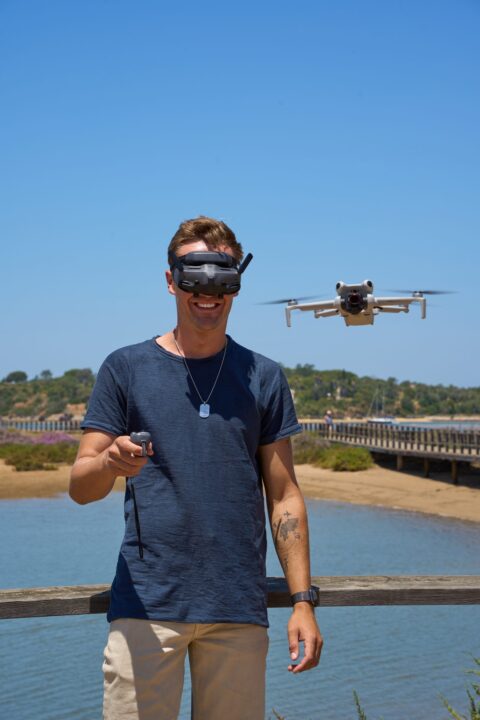
Max Haase
Travel Content Creator · Drone Photographer · Visual Storyteller
A professional travel creator for over 10 years with over 4 million followers. Specializing in high-end tourism board collaborations and visual travel storytelling.
Which memory card does Max use in the DJI Mini 5 Pro?
He uses a 256GB Samsung EVO Select microSD card for the drone. The Mini 5 Pro has lower write requirements than his full-frame camera; a V30 card with at least 128GB capacity is recommended.
Why is the RC 2 practical when traveling?
The RC 2 has an integrated display. This means the smartphone doesn't have to serve as a screen for the DJI app, the drone is ready for takeoff faster, and the display is easier to read in sunlight.
How does the Battery Plus change travel planning?
It extends the stated maximum flight time to up to 50 minutes, but increases the total weight to 290 grams. This means the drone exceeds the 250-gram limit; local regulations must be checked to ensure it complies with this configuration.
What alternative does Max take with him to places where takeoff is prohibited?
For a low-angle view from above, he uses the Insta360 X6 with an invisible selfie stick. It doesn't reach the height, distance, or image quality of the Mini 5 Pro, but it allows for a different perspective when the drone has to stay on the ground.

 German
 English