
Canary Islands Guide — Which island suits you best?
The Canary Islands — seven islands, each with its own unique character. I've traveled to all seven main islands and I'll tell you honestly: the question isn't WHETHER you should go to the Canaries, but WHICH island is right for you. Gran Canaria is so different from Lanzarote, and Tenerife has hardly anything in common with La Palma.
In this guide, I compare all seven islands in terms of landscape, weather, activities, costs and vibe — so you know immediately which Canary Island will be your next travel destination.
A comparison of the 7 Canary Islands
| Island | character | Perfect for | Budget/day |
|---|---|---|---|
| Gran Canaria | All-rounder, miniature continent | Families, beach + mountains, nightlife | 60–100 € |
| Tenerife | Volcanic giant, diverse | Hikers, Teide, whale watching | 60–110 € |
| Fuerteventura | Desert & Endless Beaches | Kitesurfers, beachgoers, peace and quiet | 50–90 € |
| Lanzarote | Volcano art, Martian landscape | Culture, drone, wine lover | 55–95 € |
| La Palma | Green hiking island, starry sky | Hikers, nature, astrophotography | 50–85 € |
| La Gomera | Primeval forest, mystical, Garajonay | Hikers, those seeking peace and quiet | 45–80 € |
| El Hierro | Smallest, wildest, quietest | Divers, dropouts, adventurers | 40–70 € |
Gran Canaria — The miniature continent
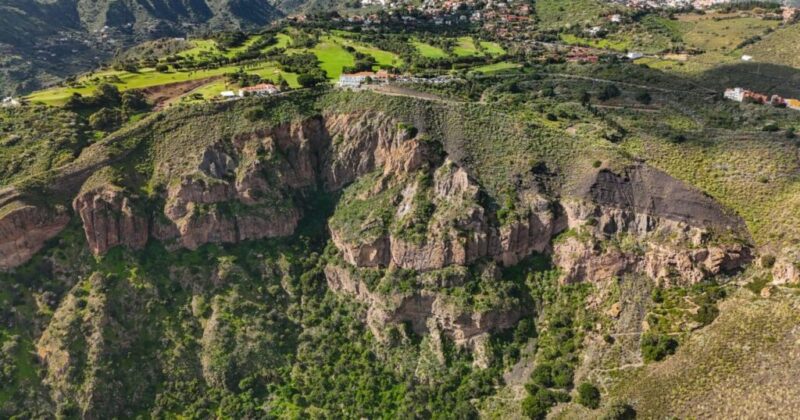
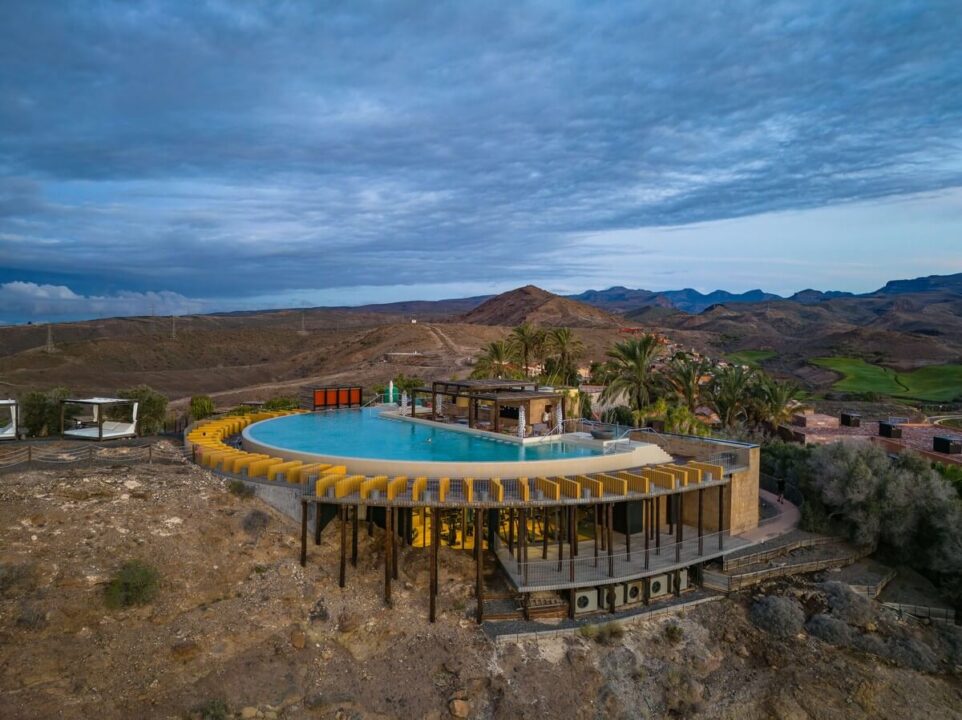
Gran Canaria packs everything onto one island: Saharan dunes (Maspalomas), green mountain valleys (Barranco de Guayadeque), cosmopolitan cities (Las Palmas), and secluded mountain villages. I call it the "miniature continent" because you can lie on the beach in the morning and hike at an altitude of 1,900 meters in the afternoon.
Highlights: Maspalomas dunes (especially at sunset), Roque Nublo (landmark of the island), Las Palmas old town Vegueta, Puerto de Mogán (the „Venice of the Canary Islands“).
Read my detailed review Gran Canaria travel report including all drone footage.

Lanzarote — Where volcanoes meet art
Lanzarote is the most cinematic of the Canary Islands. The volcanic landscape of Timanfaya National Park looks like Mars—red, black, and ochre lava fields as far as the eye can see. Add to that the wine-growing regions of La Geria, where vines grow in volcanic craters.
The artist César Manrique shaped the island like no other. His works — Jameos del Agua, Mirador del Río, Fundación César Manrique — are artworks that blend seamlessly into the volcanic landscape.
Lanzarote is absolutely stunning from a drone. The color contrasts between black lava, red sand, and turquoise sea are surreal. My Lanzarote travelogue shows the best spots.
Fuerteventura — wind, waves and wide open spaces
Fuerteventura is the island for kitesurfers, surfers, and anyone looking for endless beaches without crowds. The island is flat, dry, and windy—perfect conditions for water sports.
The beaches are the most beautiful in the Canary Islands: Playa de Cofete (wild and secluded), Playa de Sotavento (kitesurfing paradise), El Cotillo (surfer village). The desert landscape inland is photogenic, but less spectacular than Lanzarote's volcanoes.
All the details are in my Fuerteventura travel report.
Tenerife — Mount Teide and more
Tenerife is dominated by Spain's highest mountain — Mount Teide (3,718m). The caldera surrounding the volcano is a lunar landscape that is particularly magical at sunrise. The cable car takes you to 3,555m (summit only with a permit).
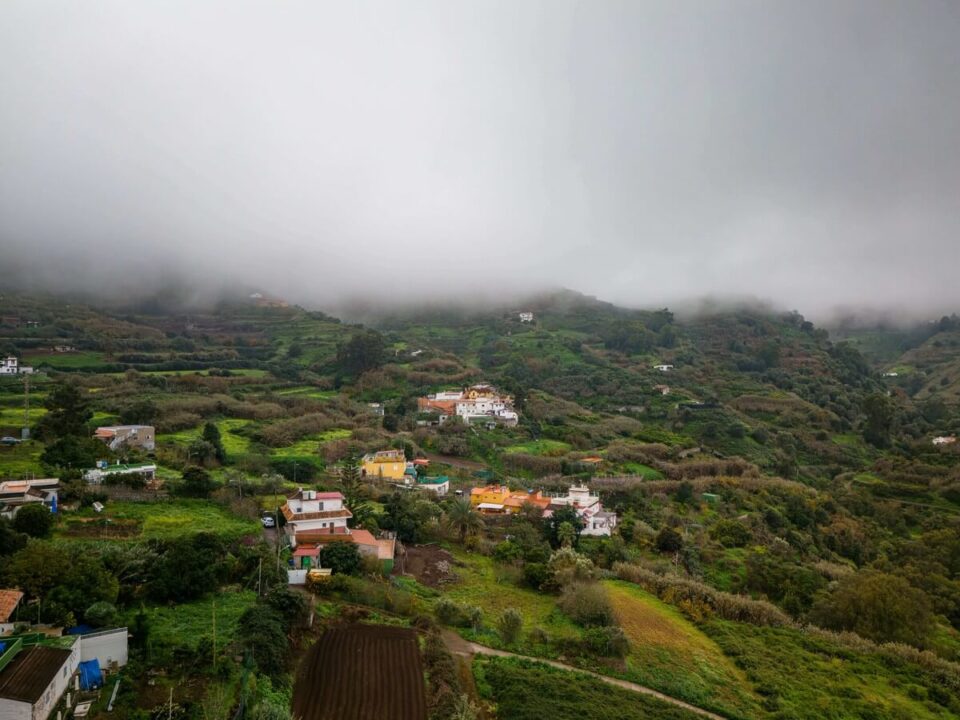
In the north, Tenerife is green and lush (Anaga Mountains, laurel forests), while in the south it is dry and touristy (Playa de las Américas). Puerto de la Cruz in the north is the most charming town on the island.
Madeira — The Flower Island (Bonus Recommendation)
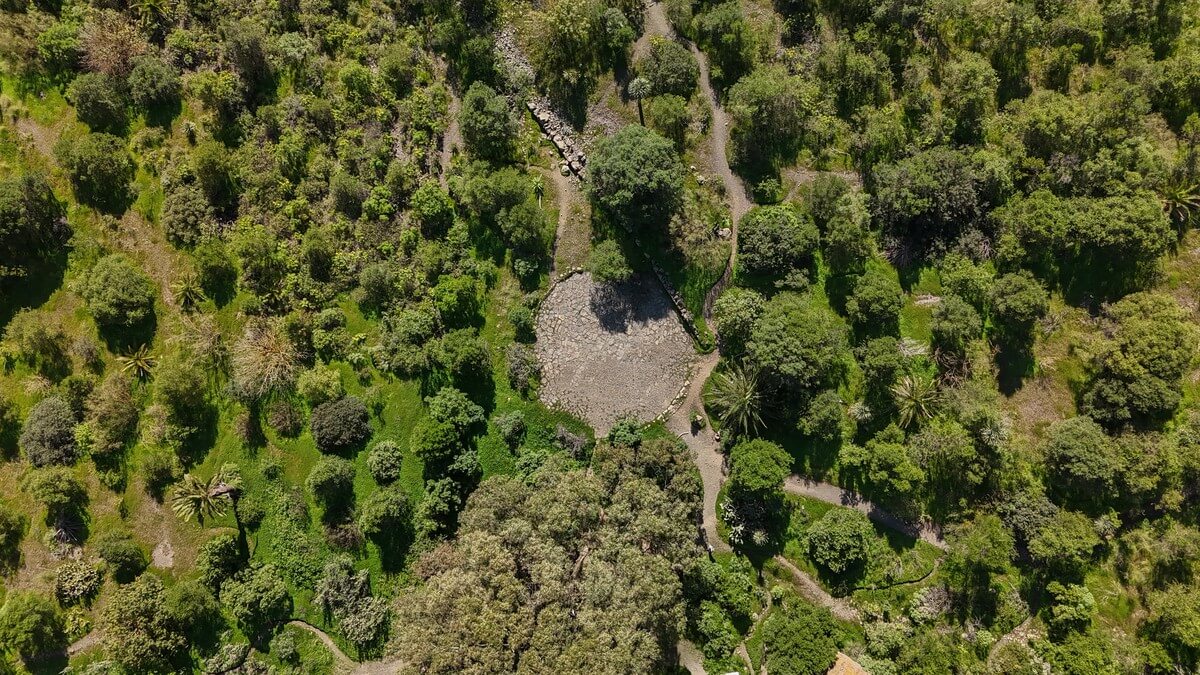
Technically not a Canary Island (but belonging to Portugal), but often combined in the same trip. Madeira is the hiker's paradise of the Atlantic — the famous Levada walks lead along historic irrigation channels through laurel forests and spectacular gorges.
More on this in my Madeira travel report.
Which island is right for you? — Decision-making aid
- First Canary Islands trip: Gran Canaria or Tenerife — the most diverse
- Beach + Kitesurfing: Fuerteventura
- Photography + Drone: Lanzarote (volcanoes) or La Palma (starry skies)
- Hike: La Palma, La Gomera or Madeira
- Peace and quiet + Getting off: El Hierro or La Gomera
- Nightlife: Gran Canaria (Las Palmas, Playa del Ingles)
- Family: Gran Canaria (best infrastructure) or Tenerife
FAQ
Which Canary Island is the cheapest?
El Hierro and La Gomera — fewer tourists = lower prices. Fuerteventura is also inexpensive for accommodation. Gran Canaria and Tenerife are the most expensive.
Can I combine several islands in one trip?
Yes — inter-island flights with Binter Canarias are cheap (€30–80) and fast (30–45 min). Ferries connect most of the islands (Fred Olsen, Naviera Armas).
When is the best time to travel?
Year-round! That's the advantage of the Canary Islands. 20–28°C all year round. December to March is slightly cooler and wetter in the north, but still pleasant. More information in the Canary Islands Winter Guide.
About the author
Max Haase is a travel content creator with over 4 million followers on Instagram. He has traveled to all seven Canary Islands and documents his experiences with a DJI drone and a Sony A7 IV. Together with photographer Janet Dannehl, he forms one of the most influential travel duos in the German-speaking world.
 German
  English