Morocco Travel Report 2026: Experiences, Travel Warnings & Tips
My Morocco travelogue after an intense week in and around Marrakech – a country that captivates you from the very first moment and never lets go. Morocco is Africa, the Arab world, and Mediterranean flair all rolled into one, and Marrakech is the chaotically wonderful center of it all. In this guide, I share the 7 must-dos, honest tips on prices and bargaining, and what I would do differently next time.
- A week in Marrakech and its surroundings, optionally extended to include the Atlas Mountains or the Atlantic city of Essaouira – ideal for first-time visitors to Morocco.
- Djemaa el-Fna at sunset, the souks of the Medina (UNESCO), Bahia Palace and Yves Saint Laurent's Jardin Majorelle – entrance fees 70 MAD each.
- Negotiation is mandatory: Starting prices are usually 3 to 5 times the target price; consistent negotiation is part of everyday life in Morocco – otherwise you will pay significantly more.
- Safety & Orientation: Safe during the day, but at night it's better to take a taxi through the Medina; Google Maps fails in the narrow alleys, children can help you find the landmark for ~10 MAD.
- Budget & best time: Around €600–900 per person per week including flight and riad; ideal travel times are March–May and September–November with pleasant temperatures.
Getting to Marrakech: Flights, costs and best time to travel
I flew directly from Frankfurt to Marrakech — a 3.5-hour flight, costing around €180 to €350 per person depending on the season. Royal Air Maroc and Ryanair fly daily, and airport fees in Morocco are moderate. From Marrakech Menara Airport, it's only a 15-minute taxi ride to the Medina — budget 150 MAD (around €14) for an official taxi. Unlicensed taxis often try to charge 300 MAD, so it's best to book one at the airport taxi stand.
The best time to visit is from March to May and from September to November. During these months, daytime temperatures are a pleasant 22 to 28 degrees Celsius, cooling down to 12 degrees at night. In summer, Marrakech becomes unbearably hot, reaching up to 45 degrees, while in winter, nighttime temperatures can drop to 5 degrees, and it can even snow in the Atlas Mountains. Many travelers avoid Ramadan, but I honestly found it fascinating: In the evenings, after sunset, Djemaa el-Fna fills with locals for Iftar, creating a unique atmosphere.
For day trips to the Atlas Mountains or Essaouira, you'll need at least one extra day per destination. Ouzoud Waterfalls are a 3-hour drive away, Essaouira 2.5 hours—both are doable as day trips with a 7 a.m. departure. Those planning a 10-day Morocco itinerary can combine Marrakech with a classic tour including Fez, Chefchaouen, and the Merzouga Desert—more on this in the "Tour Route" section below.
Accommodation in Marrakech: Riad, hotel or boutique resort
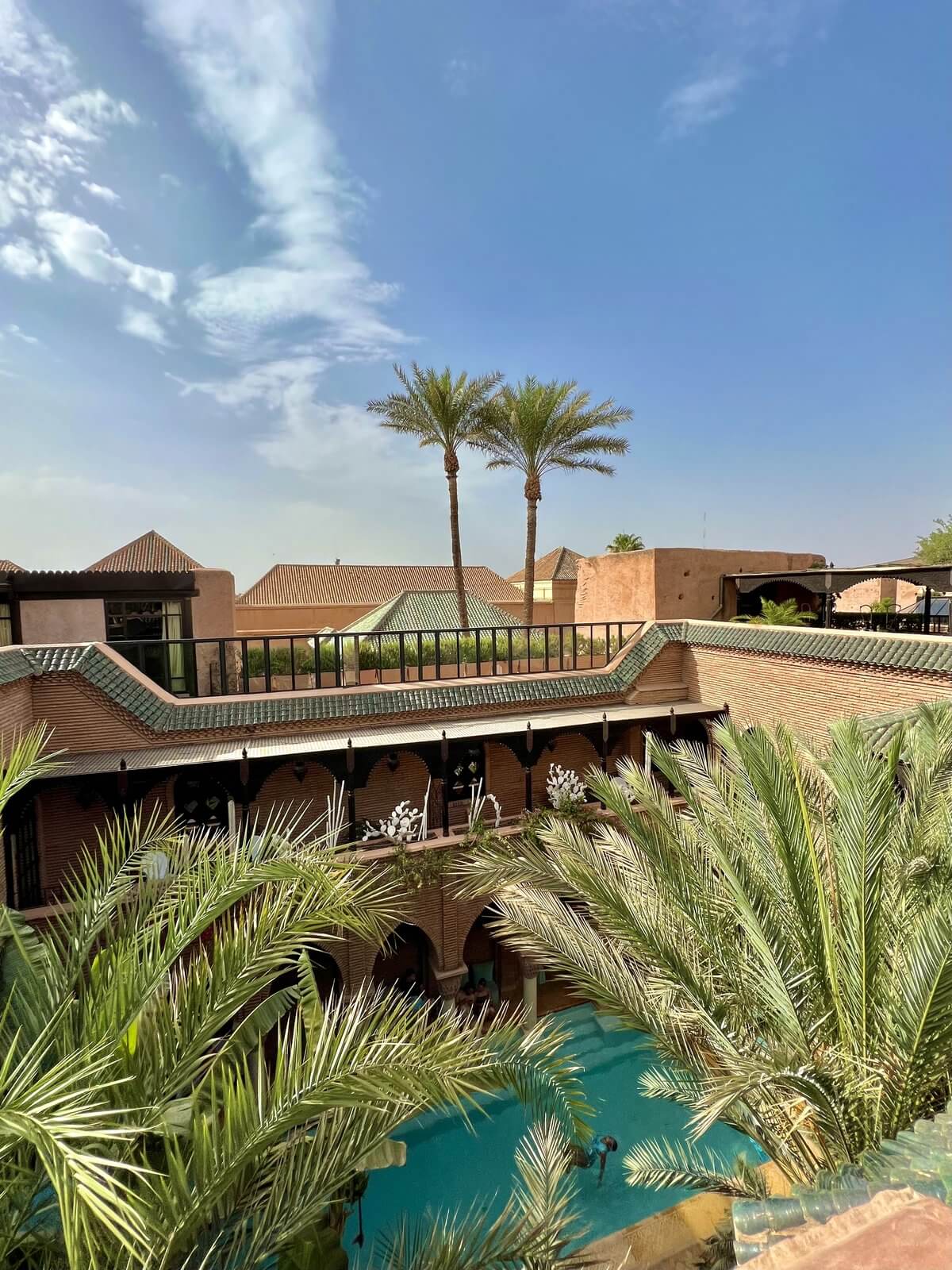
The most important decision for your Morocco trip is accommodation. A riad is a traditional townhouse with an inner courtyard, often with only 5 to 12 rooms, tucked away in the narrow alleys of the medina—an absolute must-do for at least two nights. Prices start at €40 for basic riads and go up to €300 for luxury riads like La Mamounia or the Royal Mansour. Tip: Book your first riad with airport transfer; otherwise, you'll never find it alone in the medina.
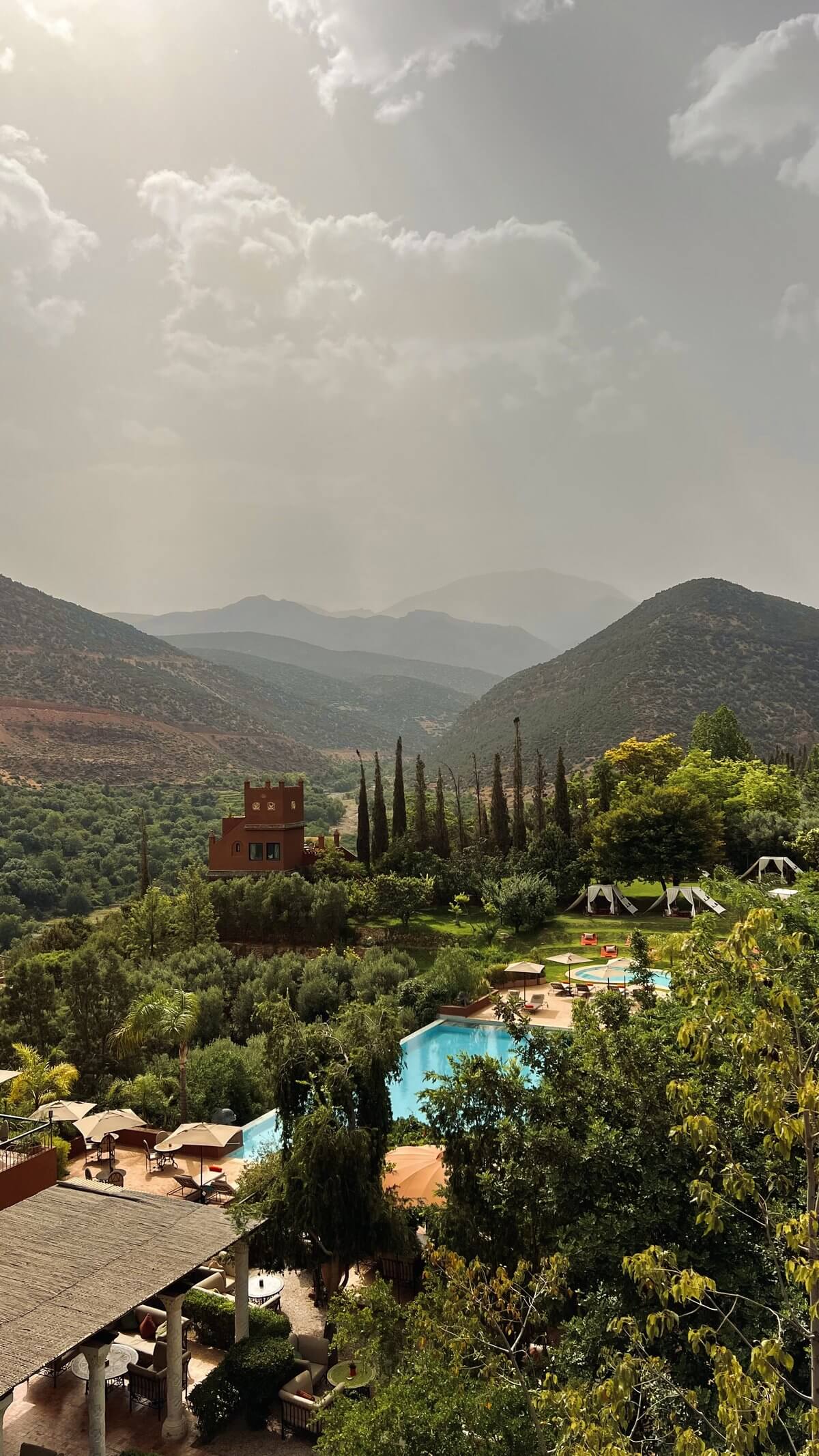
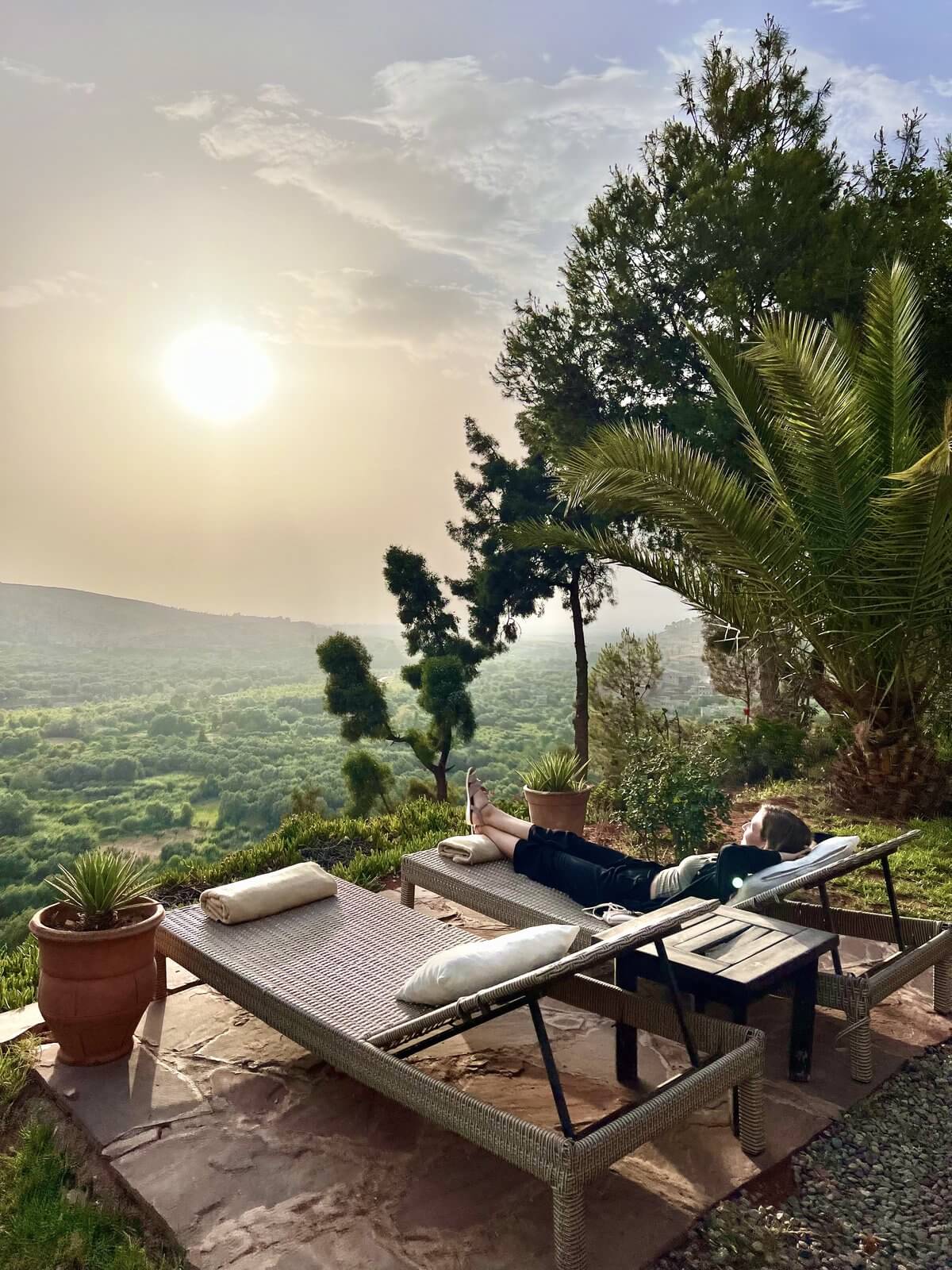
Alternatively, there are modern hotels in the Gueliz district (new town): Four Seasons, Hilton Garden Inn, Novotel. Prices range from €80 to €250 per night. Gueliz is convenient if you want to avoid traffic, but you'll miss out on the medina atmosphere. My compromise: 4 nights in a riad in the heart of the medina, 2 nights in a boutique resort outside the city for a pool day.
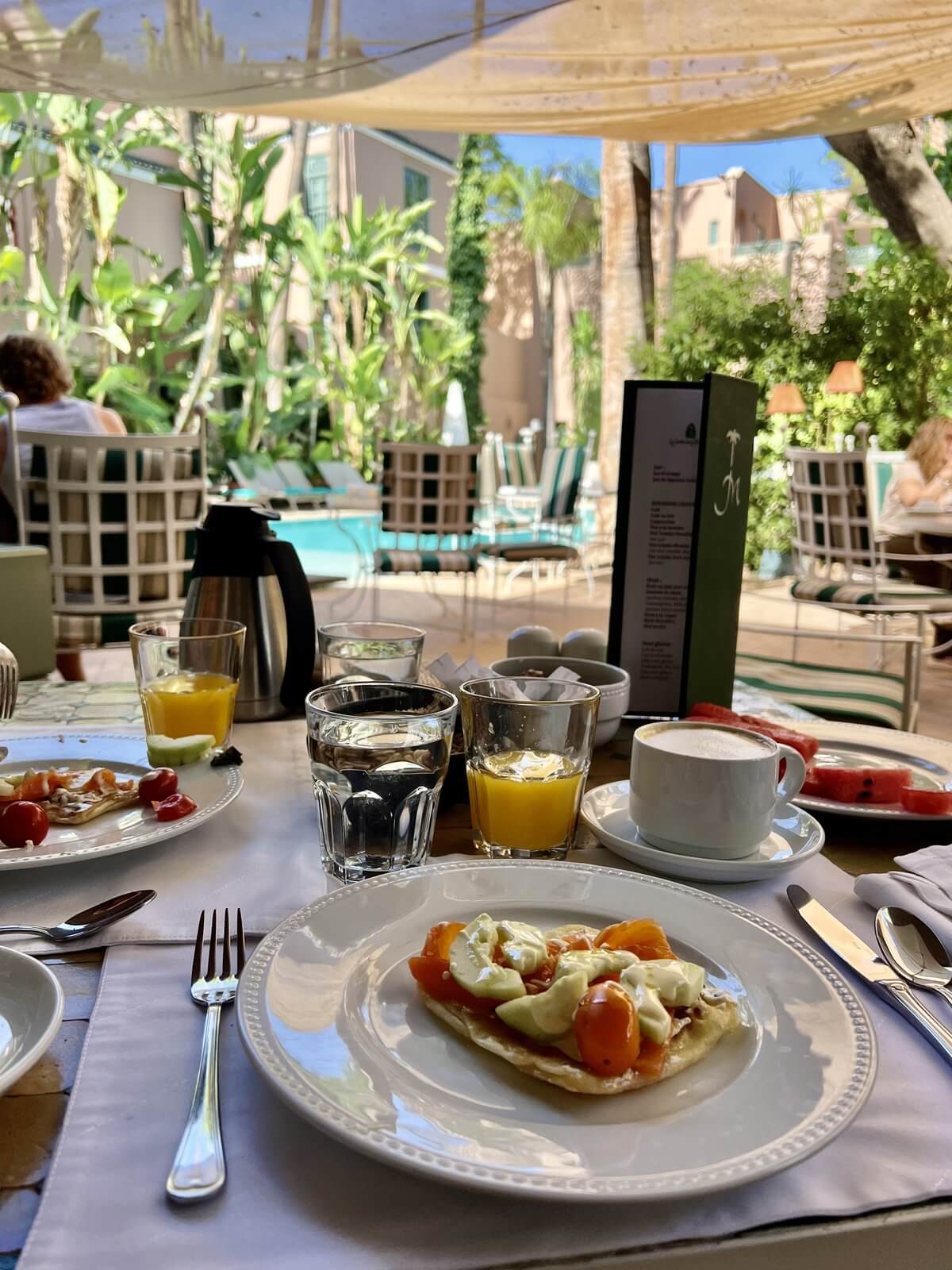
Important when choosing a riad: Check if the riad has a rooftop terrace (for sundowners with a panoramic view of the medina) and ask about breakfast—a good breakfast with fresh bread, honey, olives, and msemen is a highlight of a Moroccan day. Noise level: The medina is loud, so book a riad in the quieter area around the Bahia Palace rather than directly on Djemaa el-Fna.
Morocco Experiences: Marrakech Medina — Controlled Chaos on 600 Hectares
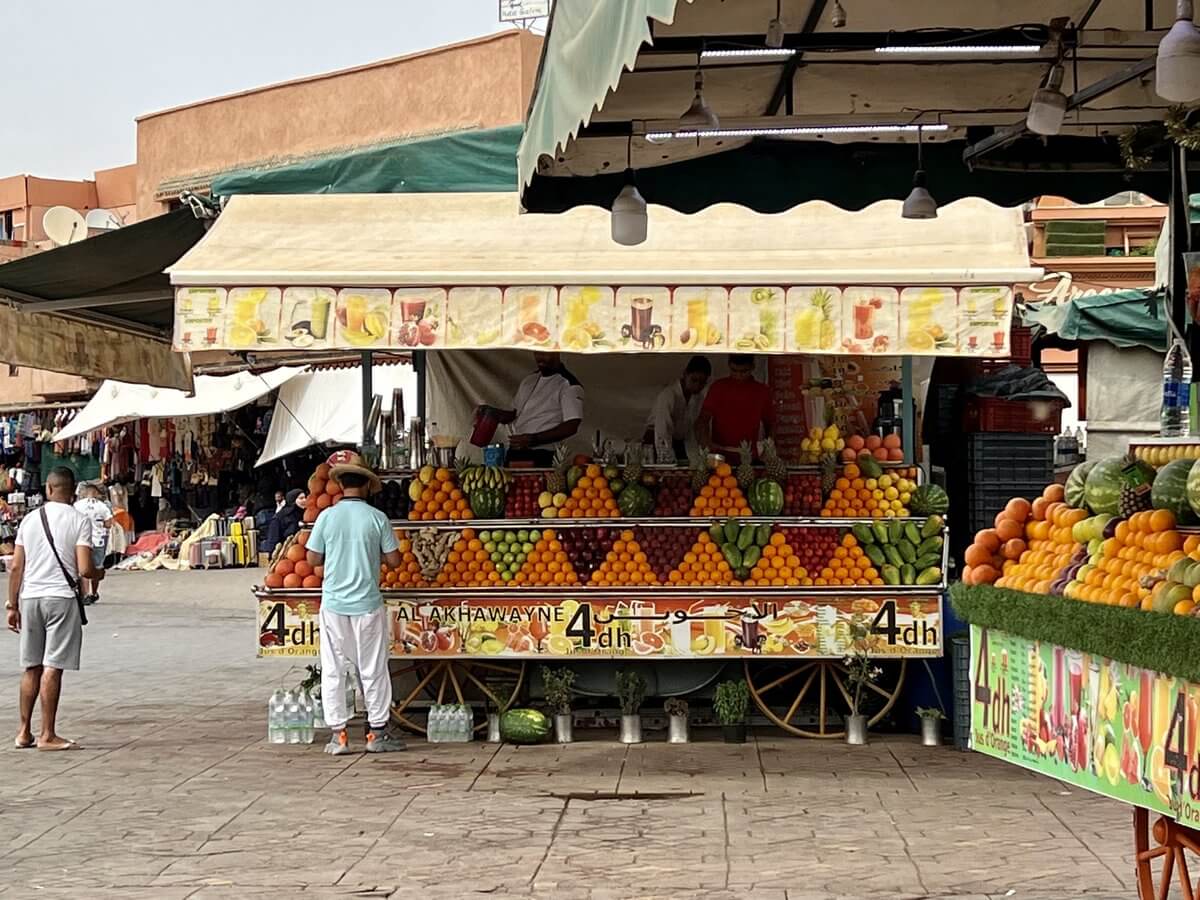
The Medina of Marrakech (a UNESCO World Heritage Site) is a labyrinth of narrow alleyways, covered souks, hidden riads, and the ever-present scent of spices and mint tea. In the evenings, Djemaa el Fna square is a spectacle: snake charmers, acrobats, storytellers, and dozens of food stalls offering fresh tagines and grilled meats.
Google Maps is only partially effective in the Medina (too many narrow alleyways). The best approach is to learn the main thoroughfares (Rue Mouassine, Rue Dar el Bacha) and otherwise deliberately get lost – that's the only way to discover the most beautiful spots. If you're truly lost, ask one of the children who will take you to the nearest landmark for 10 dirhams.
Djemaa el-Fna at sunset: The heart of Marrakech
The central square in the Medina of Marrakech is a UNESCO World Heritage Site. By day an ordinary square, it transforms into a spectacle from 6 pm onwards: snake charmers with cobras, acrobats from the Atlas Mountains, storytellers in Arabic, henna artists, fortune tellers, monkey trainers, and dozens of food stalls with steaming kettles and grills. At sunset, the muezzin from the Koutoubia Mosque calls to evening prayer, the light turns golden orange, and the festivities begin.
My tip for the best view: Café de France or Le Grand Balcon du Café Glacier — both rooftop terraces right on the square, 20 to 40 MAD for a mint tea with a panoramic view. Arrive around 5:30 pm, sunset around 6:15 pm, the spectacle lasts until 11 pm. Flying drones over the square is prohibited, but a photo from the terrace is priceless.
Practical tips: Pickpocketing is the main risk in crowds, so wear your bag in front of you. For photo sessions with snake charmers or acrobats, expect a tip of 20 to 50 MAD per photo. The food stalls in the evening are safer than their reputation suggests—but stick to popular stalls like number 14 (fish) or number 31 (lamb). Vegetarians can find vegetable tagines and harira soup for 30 MAD.
7 Must-Dos in Marrakech & Surroundings
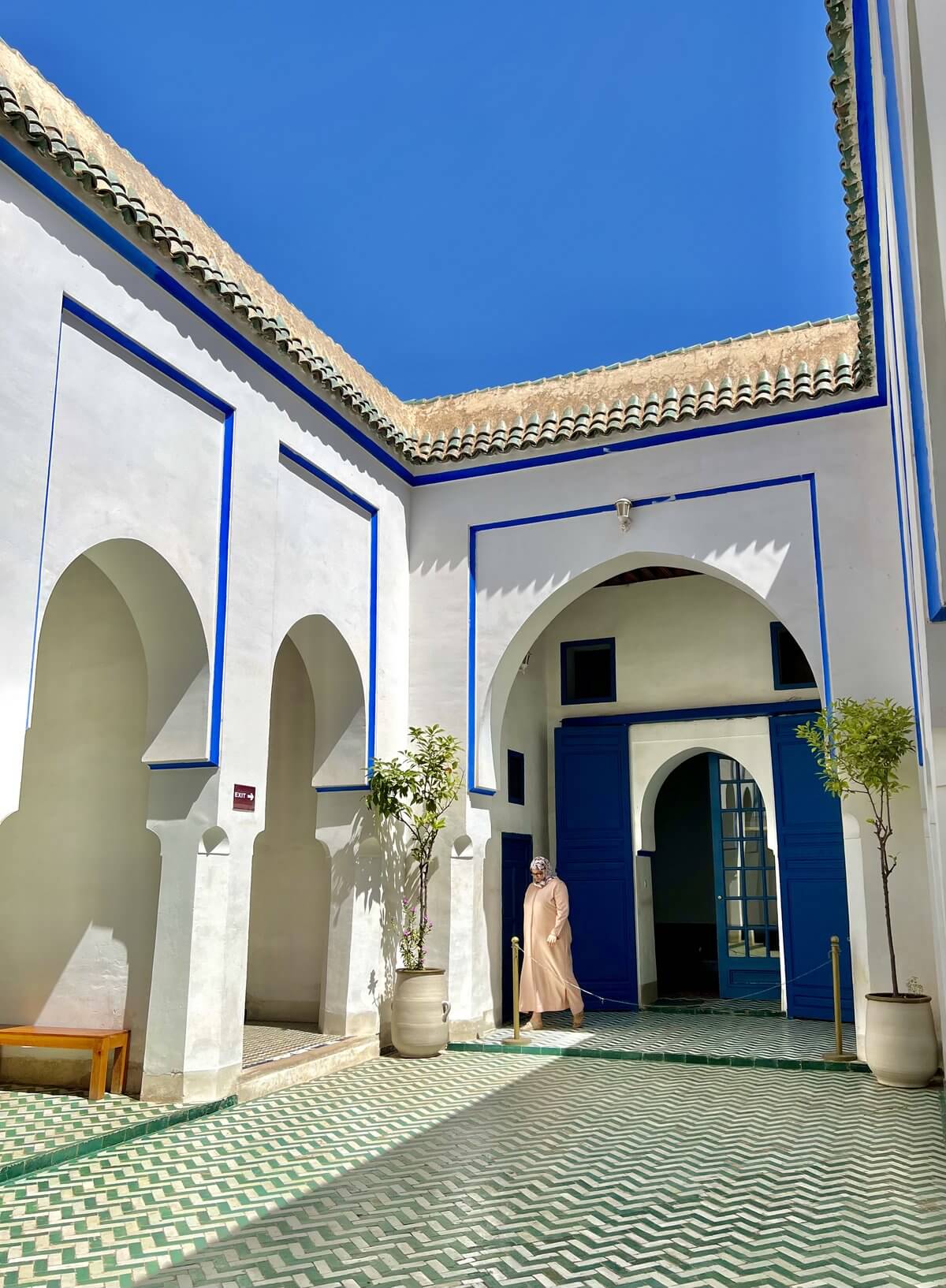
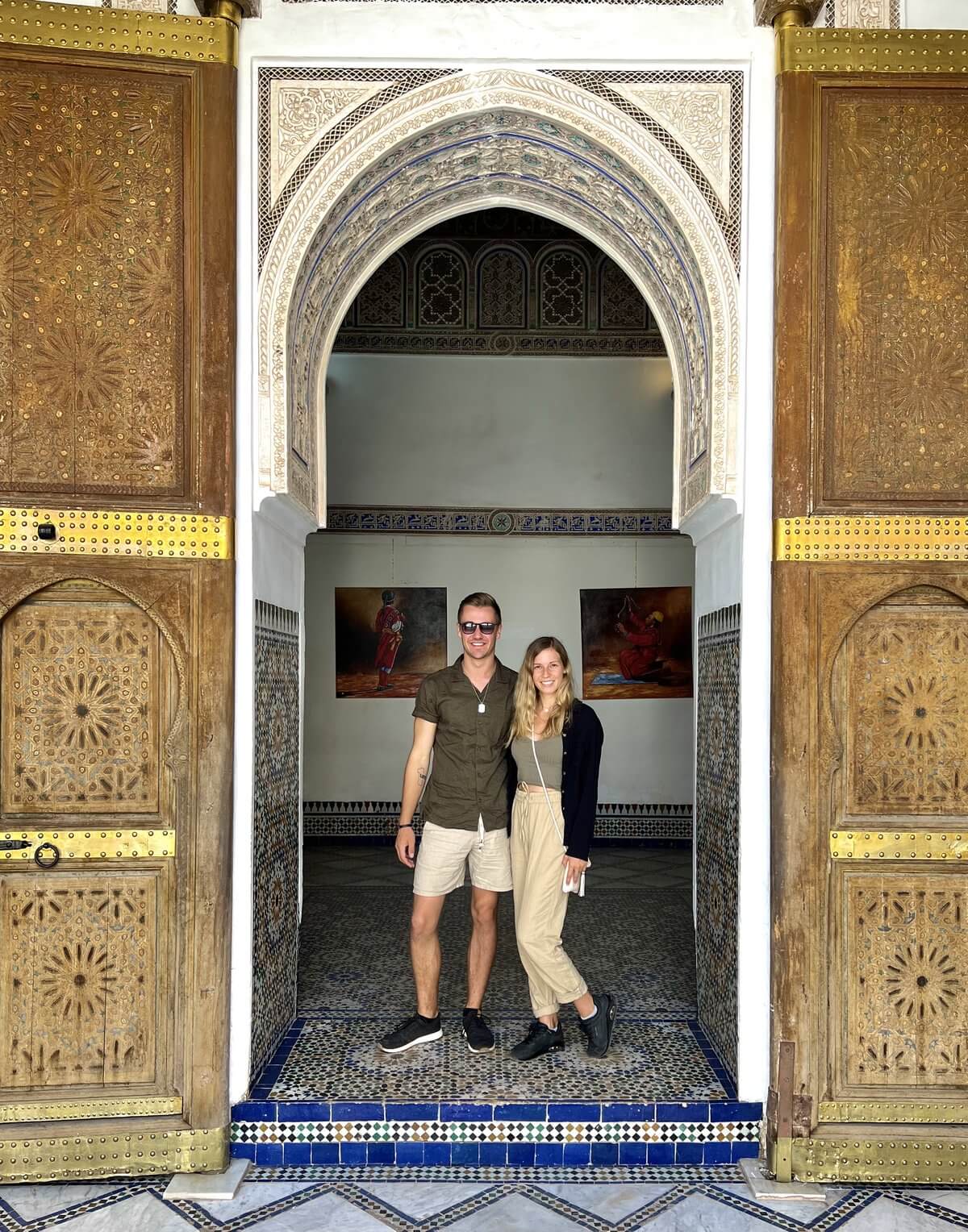
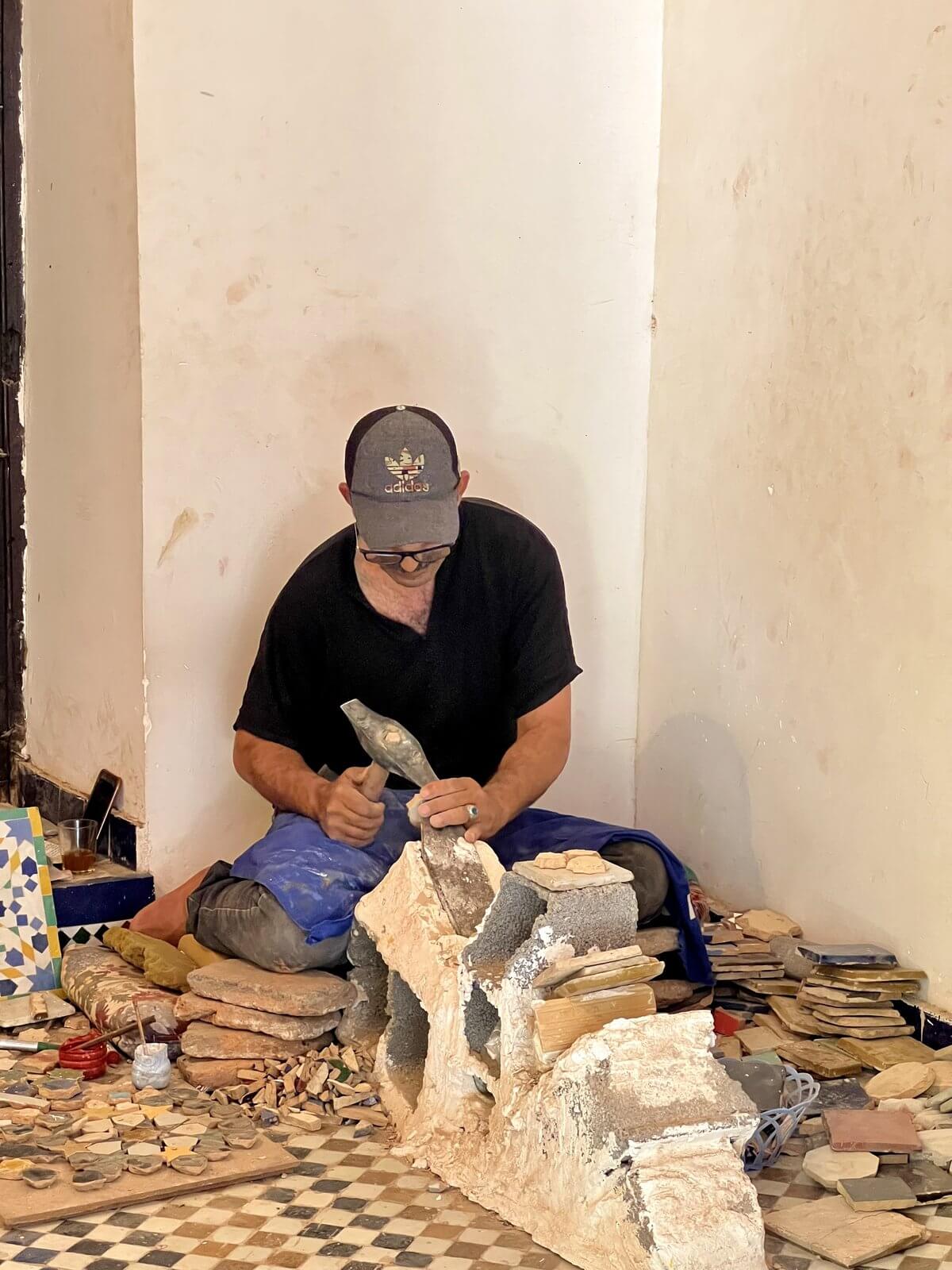
- Bahia Palace – Exquisite Islamic architecture with Zellij mosaics and cedarwood carvings (Entrance: 70 MAD)
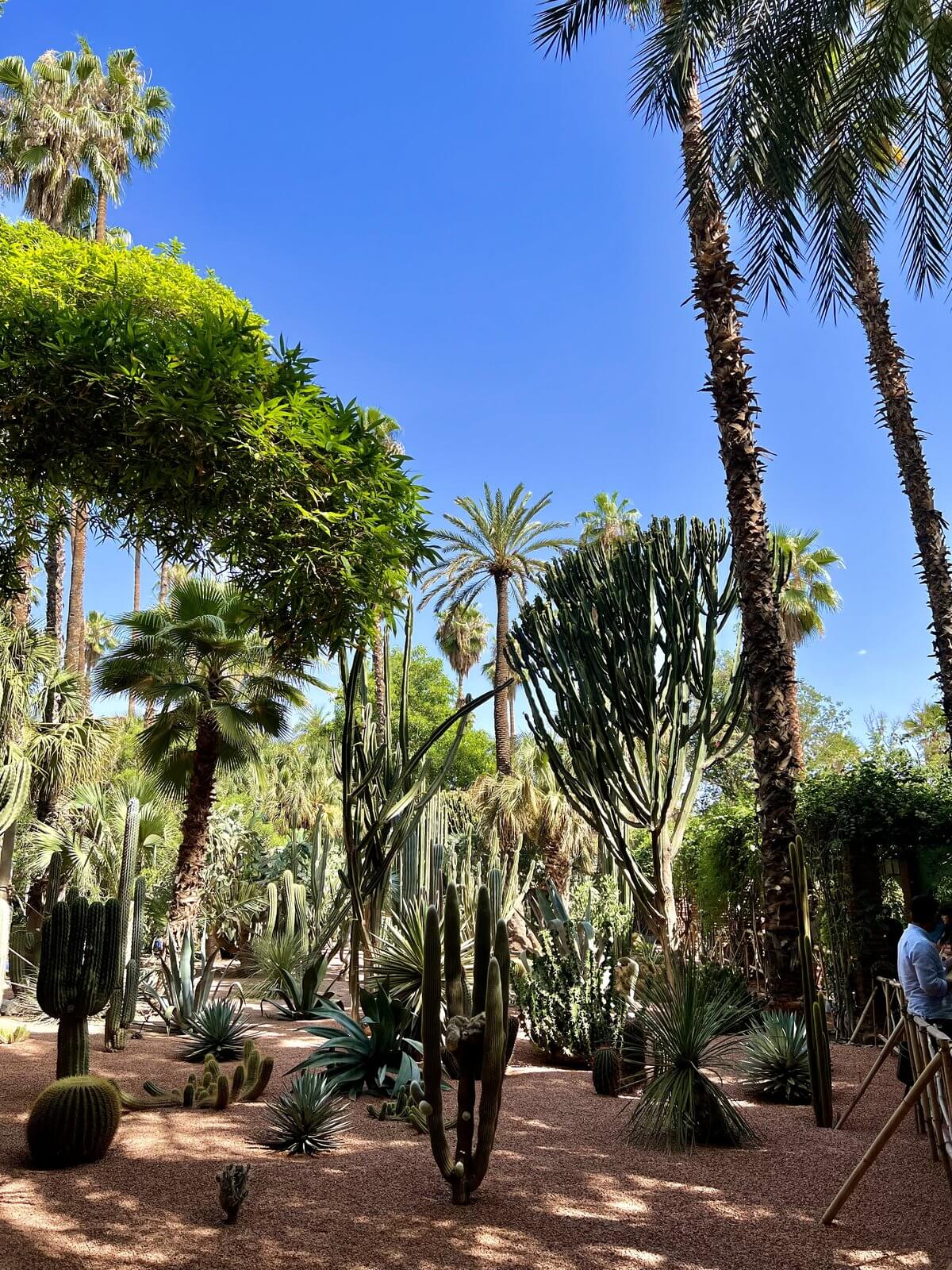
- Jardin Majorelle – Yves Saint Laurent's botanical garden featuring the iconic Majorelle blue (Admission: 70 MAD + 30 MAD for the YSL Museum)
- Atlas Mountains day trip – Ouzoud Waterfalls (110m, spectacular) or Imlil (starting point of the Toubkal trek)
- – 3 hours from Marrakech, charming port city on the Atlantic coast, kitesurfing hotspot, Game of Thrones filming location
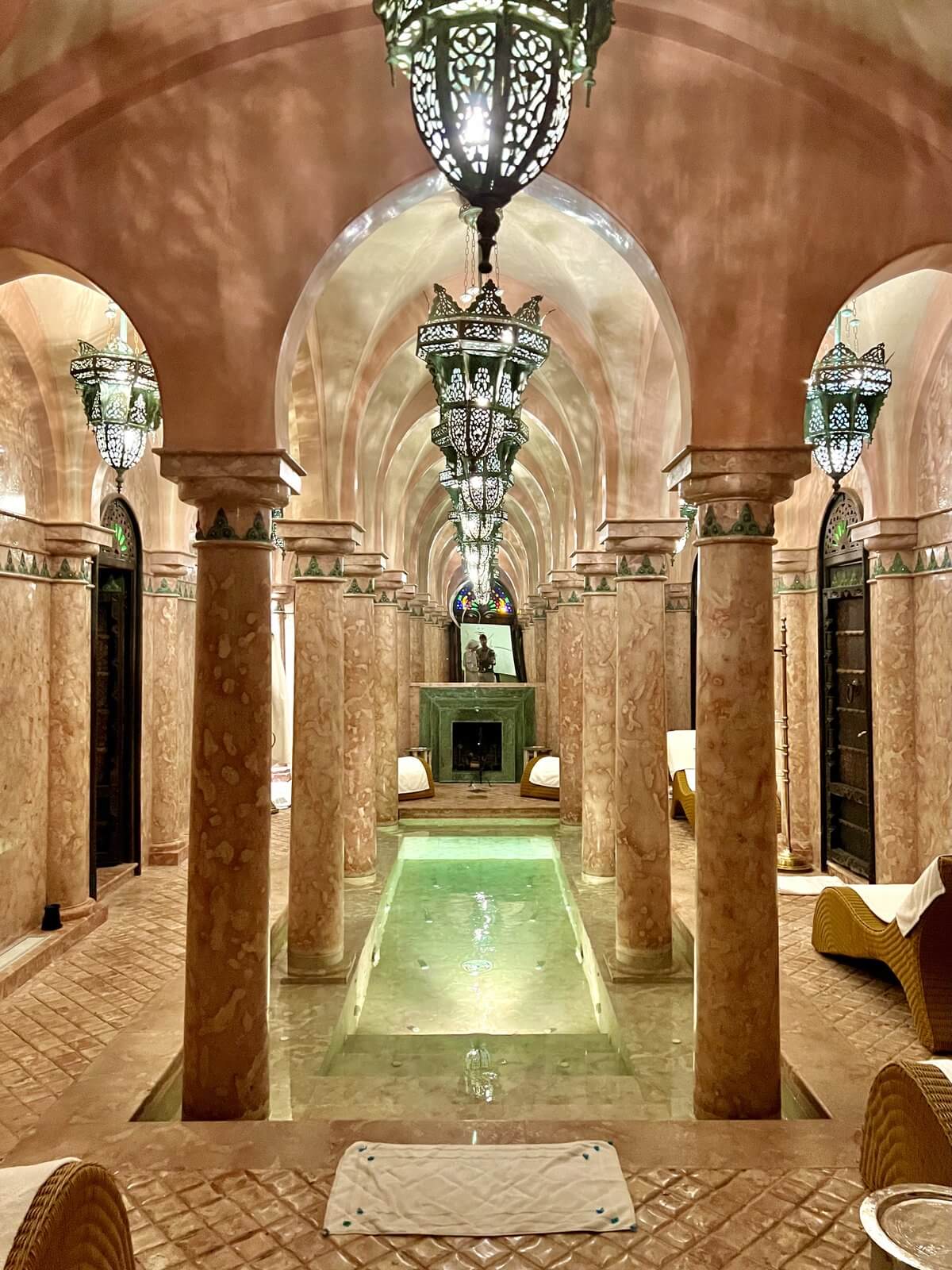
- Traditional steam bath + massage from 150 MAD (~€15). Experience it at least once!
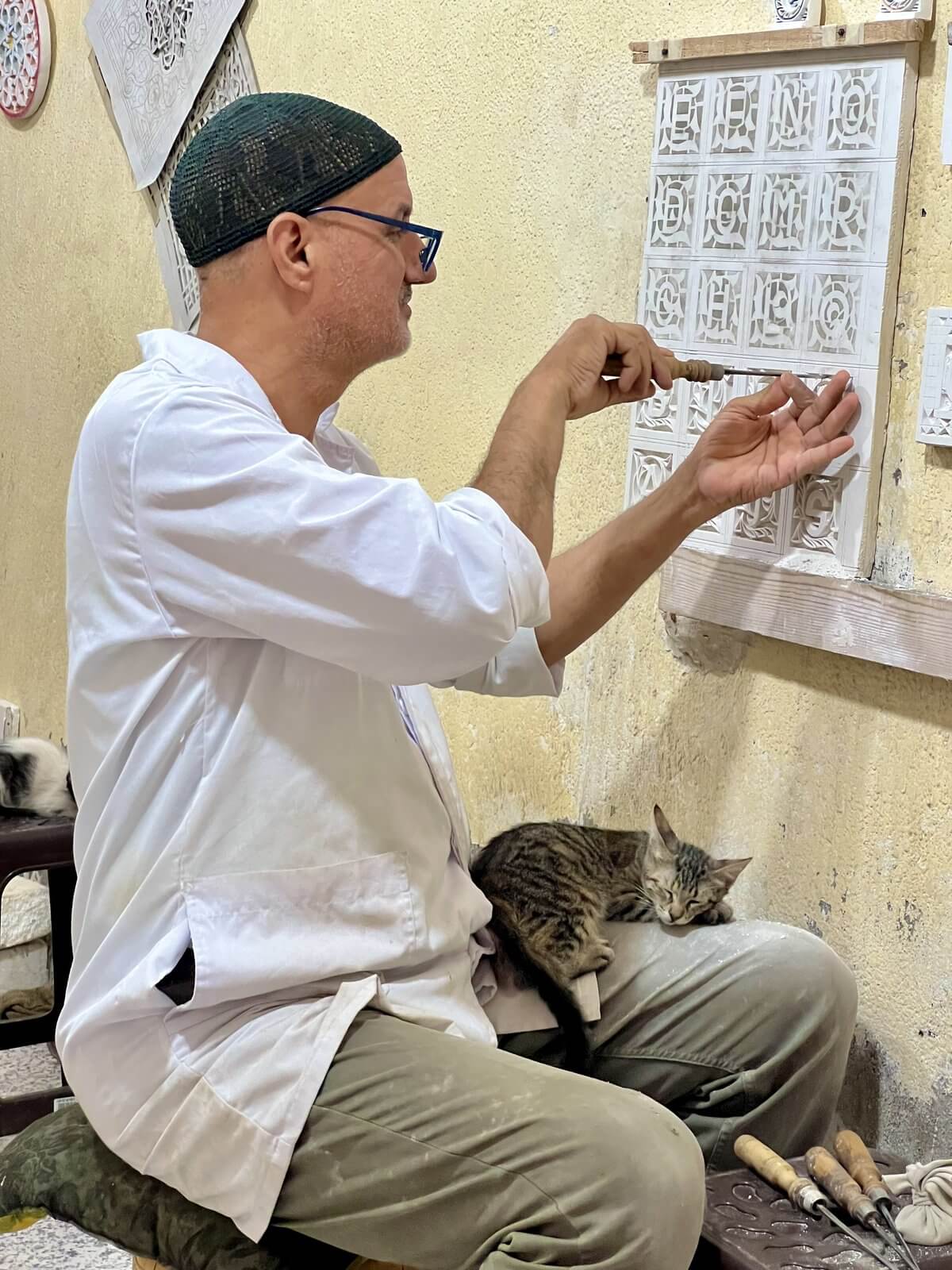
- Souks & Handicrafts – Leather, ceramics, carpets, lamps. Always negotiate prices (starting offer = 3-5 times overpriced).
- Rooftop terrace hopping – The best rooftop cafés: Nomad, Le Jardin, Café des Épices. Mint tea with a panorama of the Medina.
Souks Guide: What and where to buy in Marrakech
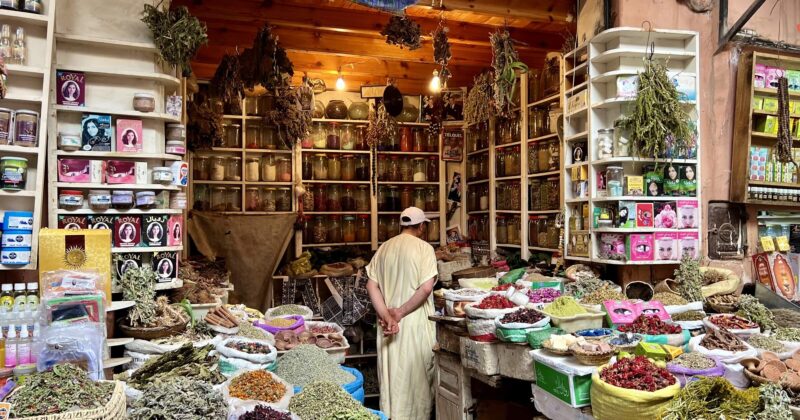
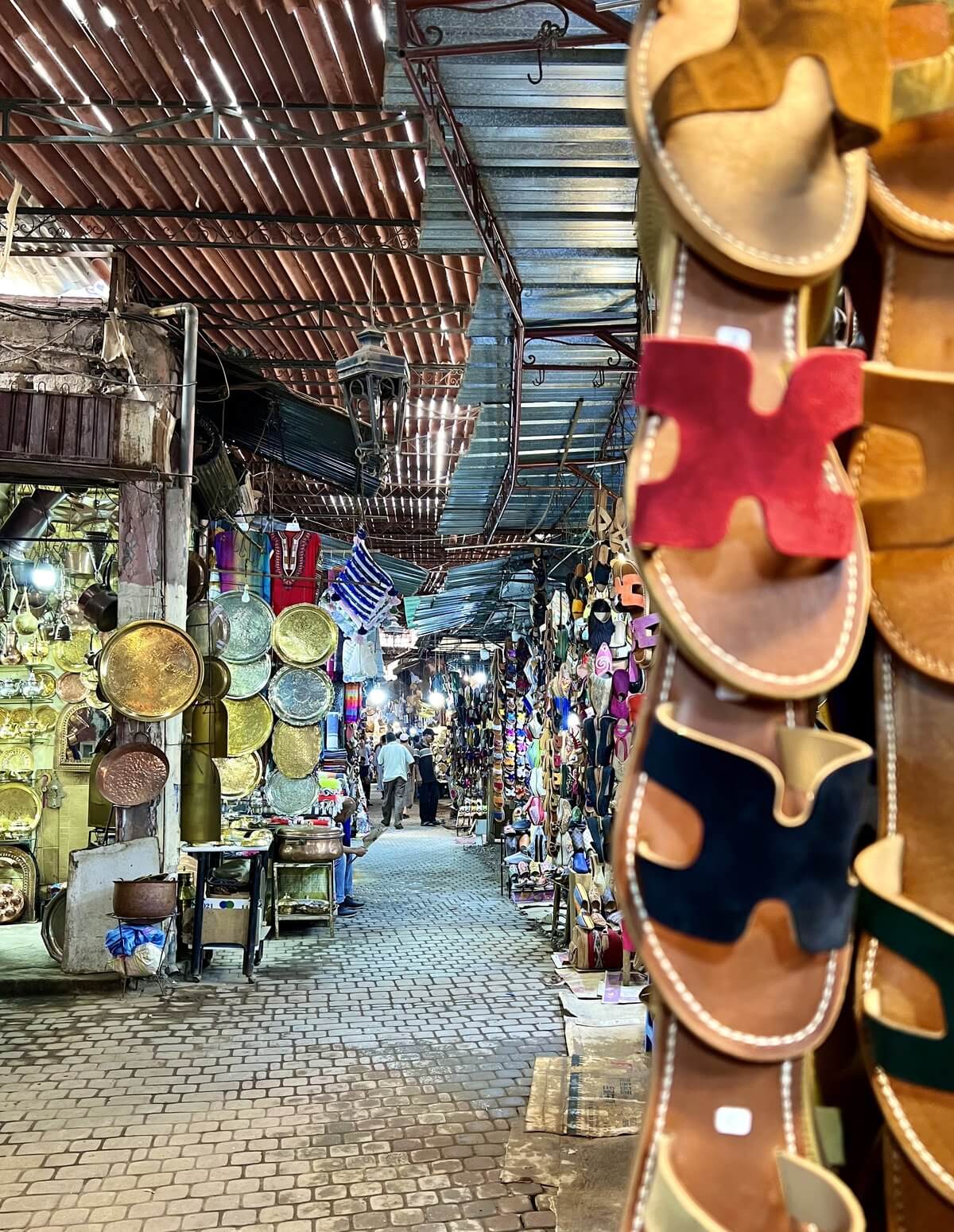
The souks of Marrakech are the largest market labyrinth in North Africa — over 3,000 workshops and shops in a network of narrow alleyways. The main thoroughfares are Rue Mouassine and Rue Dar el Bacha. Each craft has its own souk.
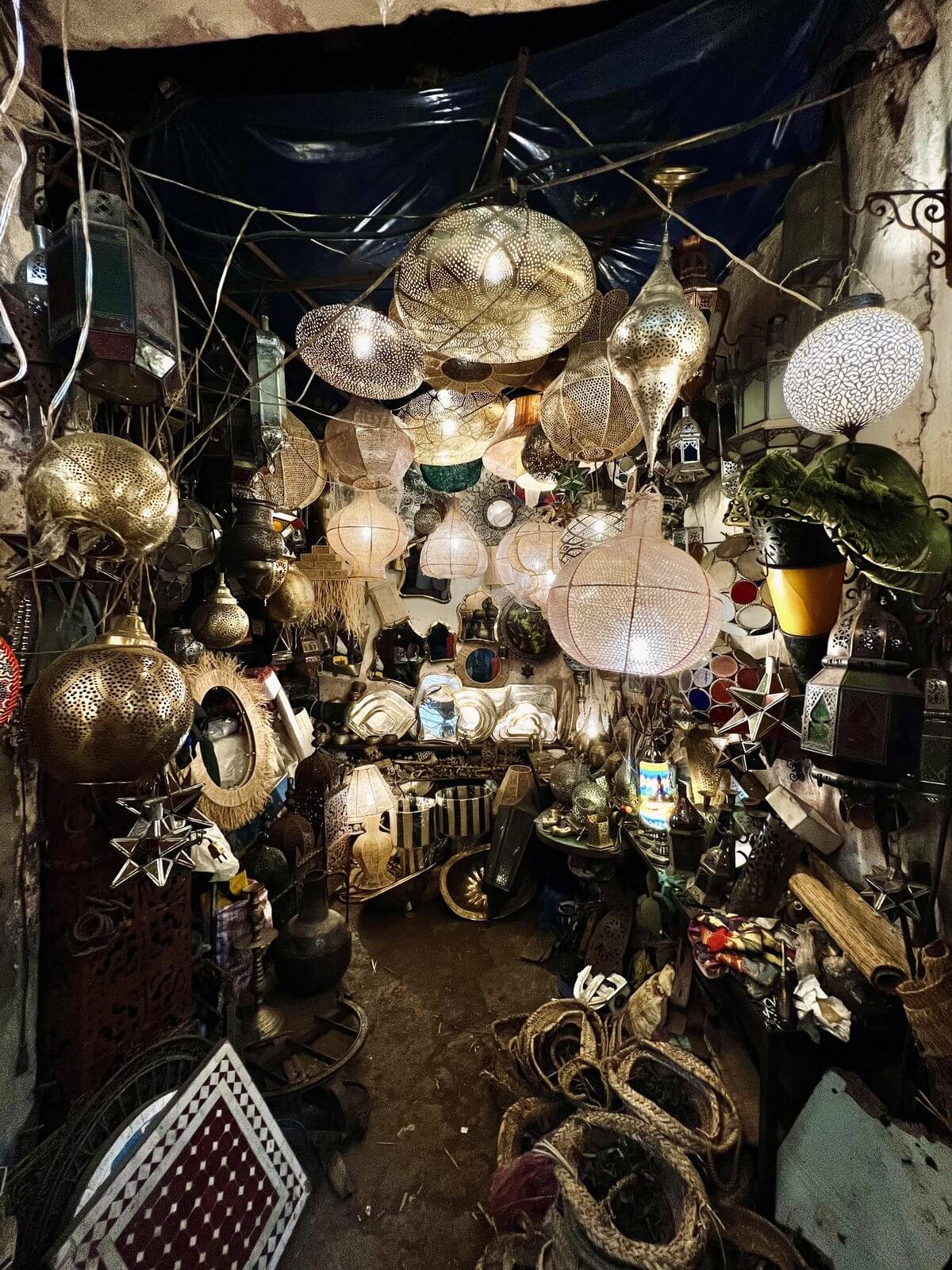
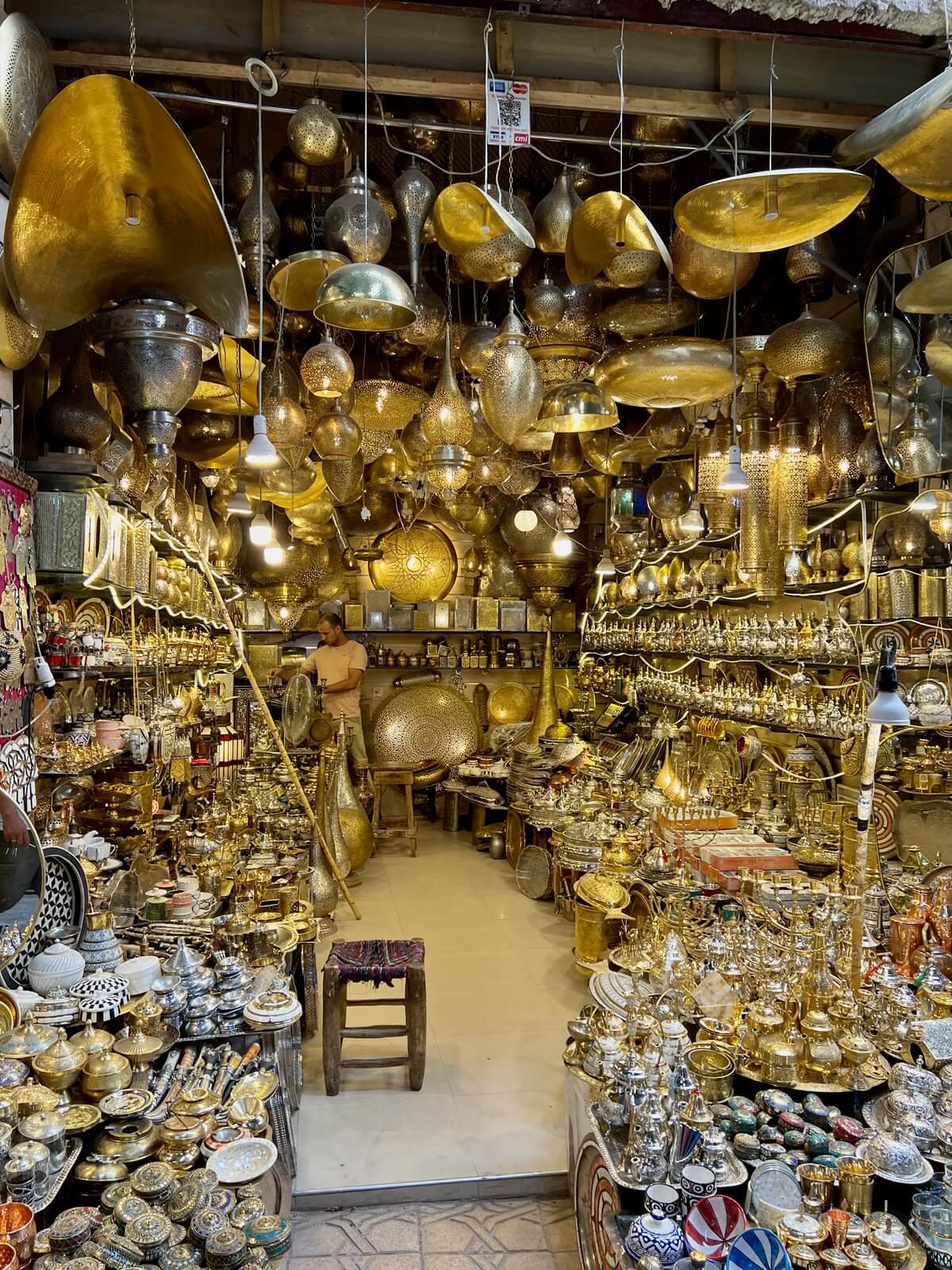
Souk Semmarine: Main souk with clothing, bags, and souvenirs. A good starting point for tourists—highest prices and tourist-oriented merchandise here. Souk des Teinturiers: Dyers' souk with colorful skeins of wool. Photography is possible, but locals charge for photos. Souk Haddadine: Blacksmiths and metal goods, brass lamps (500 to 3000 MAD depending on size). Souk des Tapis: Carpet souk in the northeast of the medina. Here you can find genuine Berber carpets—but haggling is essential.
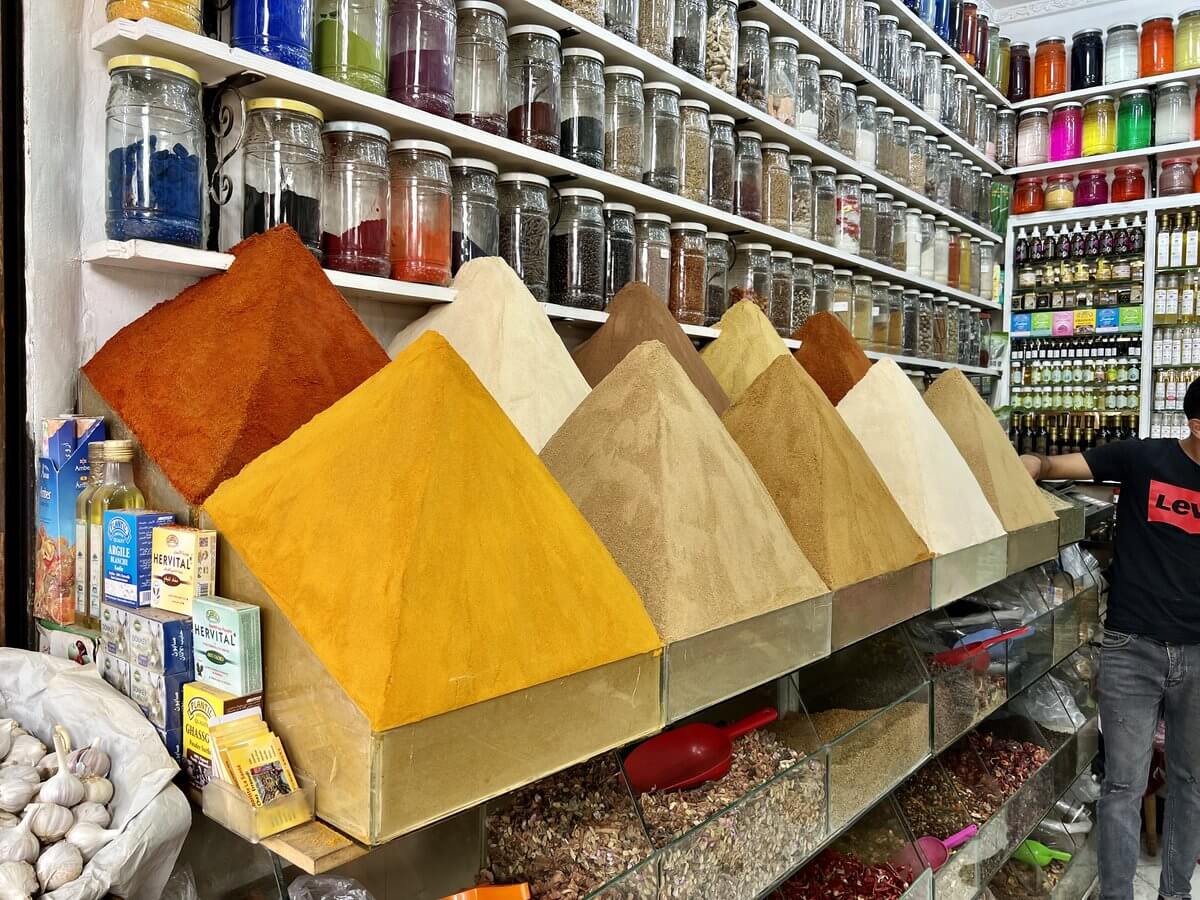
What's worth buying: Genuine leather goods from Fez (prices are better there than in Marrakech), brass lamps for 200 to 800 MAD, spices (Ras el-Hanout, saffron—beware of fakes; real saffron costs 50 to 100 MAD per gram, no less), argan oil (genuine cold-pressed costs 150 to 300 MAD per 250 ml), argan cosmetics from the women's cooperative near Essaouira. What NOT to buy: Actual antiques (mostly fakes from China), perfume (diluted imitations), cashmere scarves (mostly acrylic).
Food and drink in Morocco: Tagine, mint tea and street food
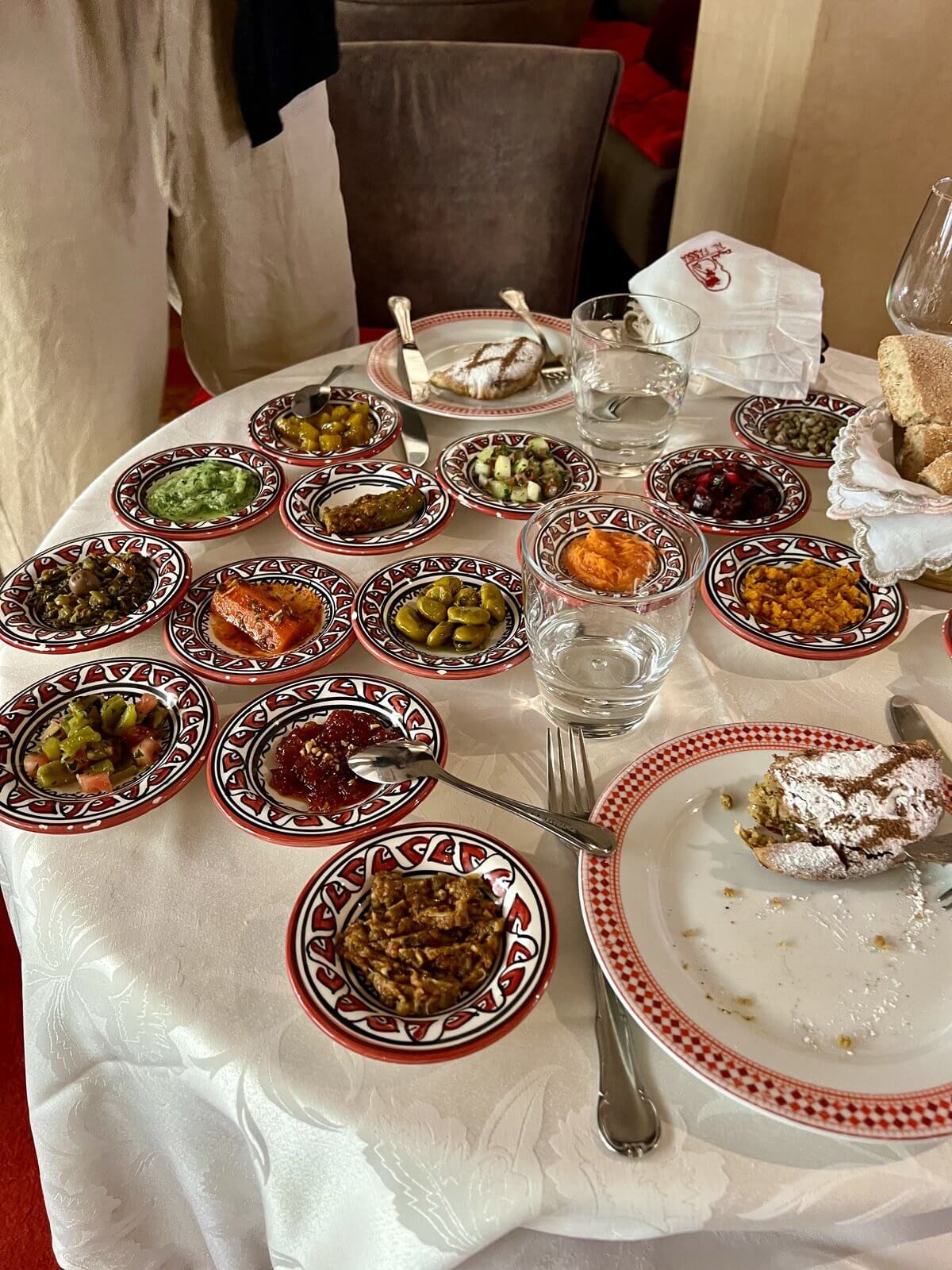
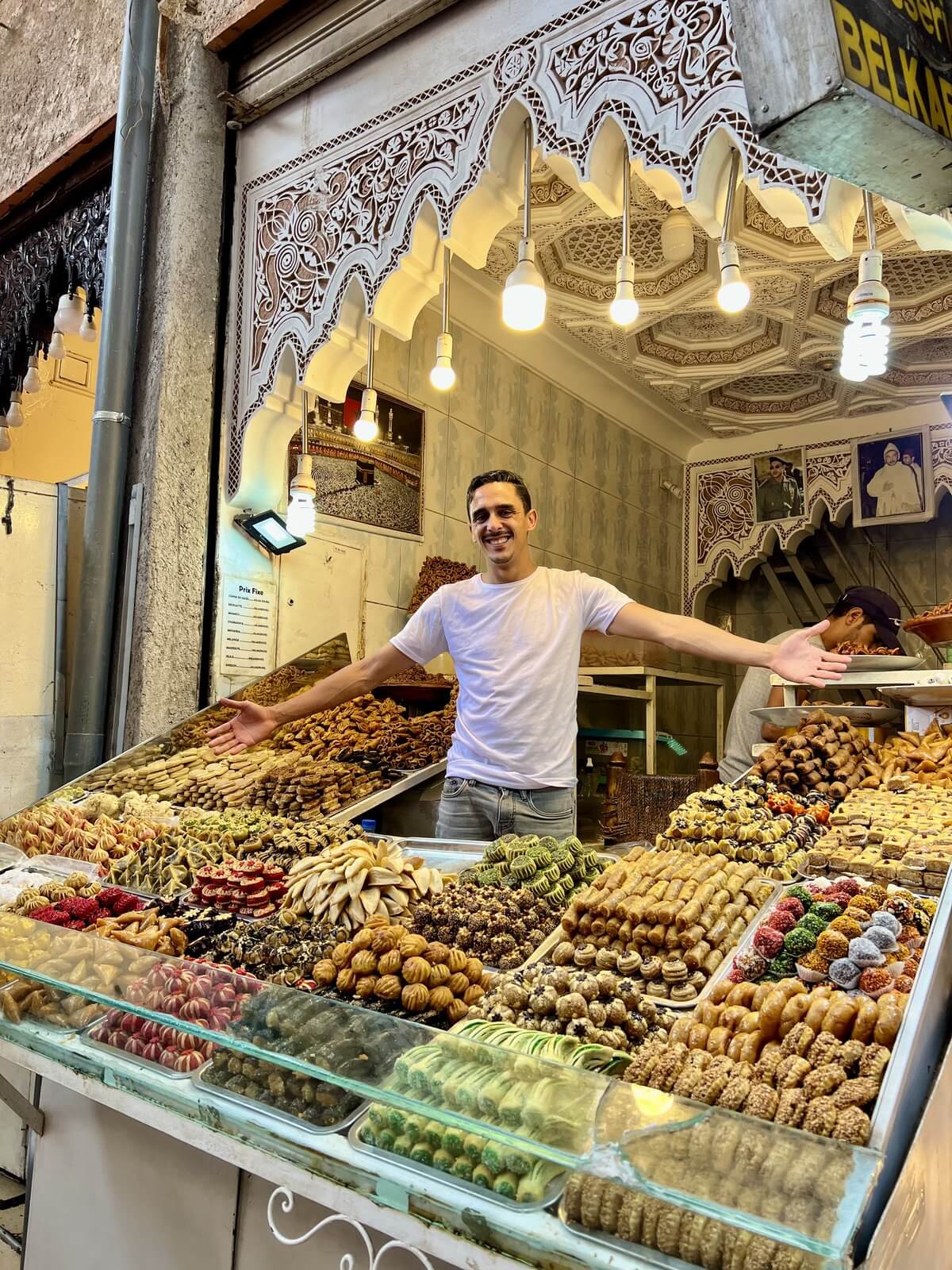
Moroccan cuisine is among the best in North Africa. Tagine (a stew cooked in a clay pot) is available with lamb, chicken, or fish, usually with couscous, prunes, almonds, and saffron — 60 to 120 MAD in local restaurants, 180 to 300 MAD in tourist restaurants around Djemaa el-Fna. My tip: Chez Lamine (above the souks) serves the best lamb tagine in town for 80 MAD.
You drink it all day long — it's poured in tiny glasses from a height of 30 cm, foaming and showing respect. A glass costs 10 to 25 MAD. Must-try items: pastilla (sweet and savory pastry filled with pigeon or chicken), harira soup (lentil soup for breaking the fast), and fresh oranges pressées (10 MAD per glass at Djemaa el-Fna).
Street food on Djemaa el-Fna in the evening is a must: stalls 14 and 31 are famous for their grilled skewers. Hygiene is surprisingly good; I had no problems. Prices: A complete dinner with soup, skewer, flatbread, and tea costs 50 to 80 MAD (5 to 8 €) per person. Alcohol is hard to find in the Medina—there are bars in Gueliz, but expect to pay 80 to 120 MAD for a beer. Many hotels serve wine at moderate prices.
Budget overview: What does 1 week in Morocco cost?
| Position | budget | comfort |
|---|---|---|
| Riyadh/Night | 15-30 € (Hostel-Riad) | 60-150 € (Boutique Riad) |
| Food/day | 5-10 € (street food) | 15-30 € (Restaurant) |
| Day trip (Atlas/Essaouira) | €20-40 including transport | |
| 1 week (pP) | ~250 € | ~700 € |
First rule: The quoted price is ALWAYS negotiable (except in supermarkets). Target price: 30-50% of the initial offer. Don't be aggressive – haggling is a social ritual, not a fight. Smile, accept the tea, and remain polite.
Day trip to the Atlas Mountains: Ouzoud Waterfalls and Berber villages
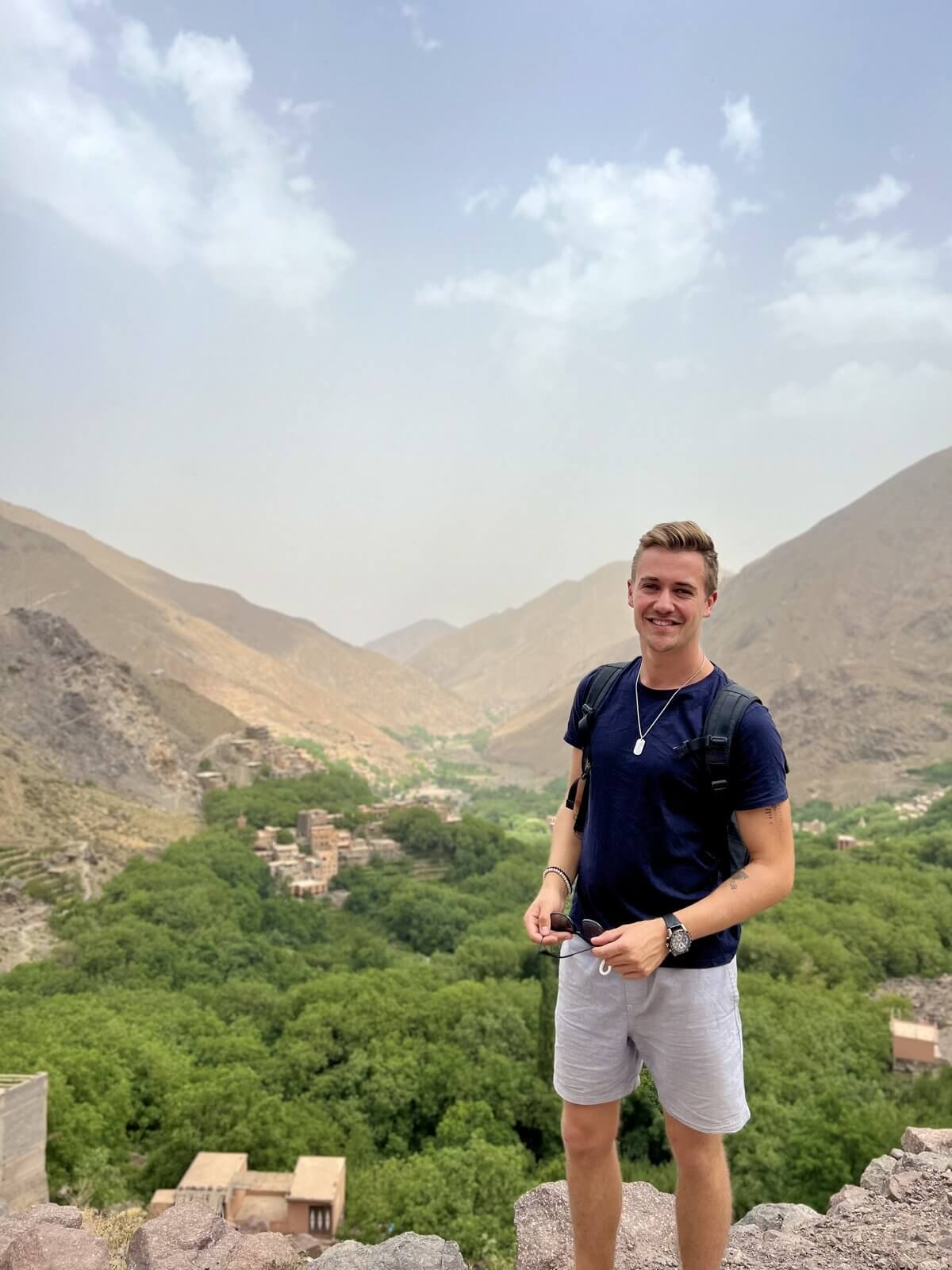
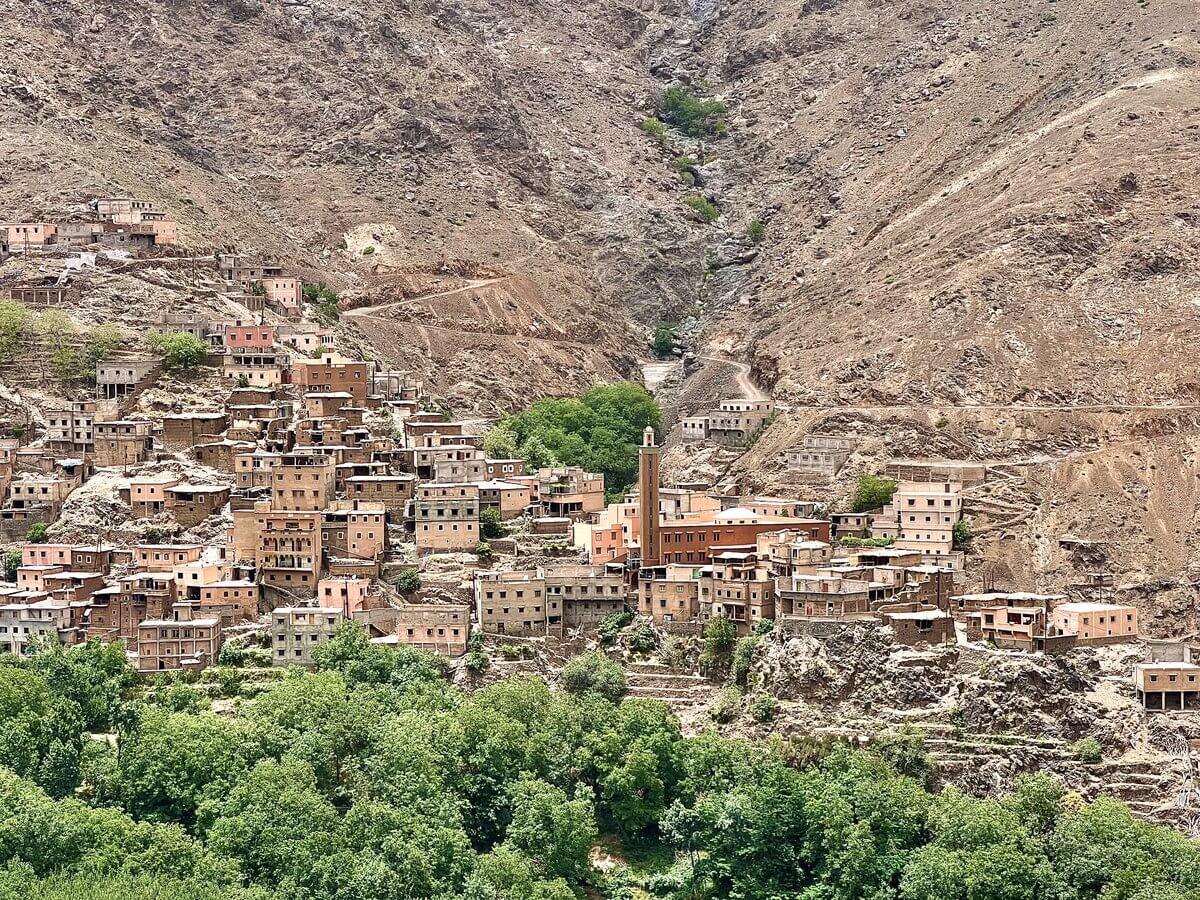
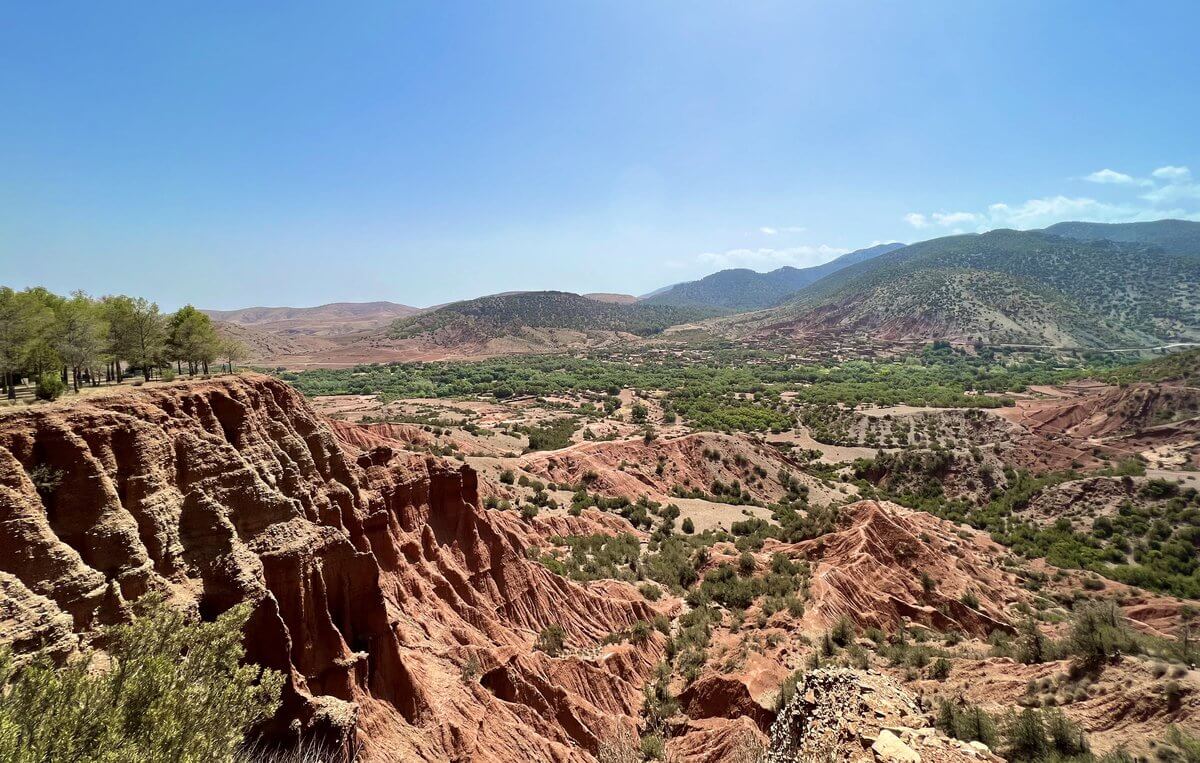
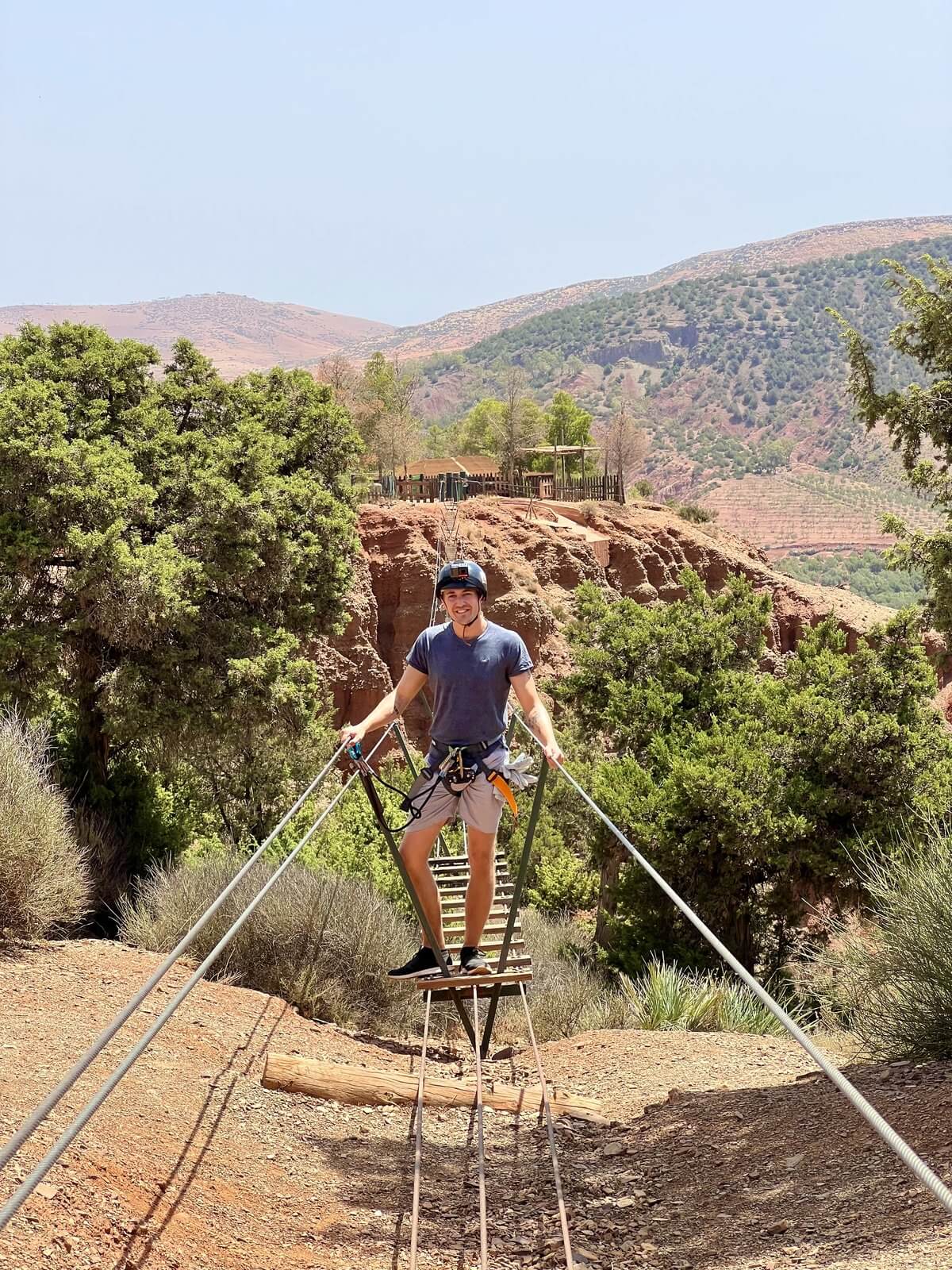
The High Atlas Mountains begin 40 kilometers south of Marrakech and offer a completely different side of Morocco: 4,000-meter peaks (Jebel Toubkal, the highest mountain in North Africa), Berber villages made of mud bricks, terraced fields, and spectacular waterfalls. My recommended day trip: the Ouzoud Waterfalls, the largest waterfalls in Morocco with a drop of 110 meters.
The journey from Marrakech to Ouzoud takes 3 hours each way, either with an organized day trip (30 to 50 € per person including lunch) or a private driver (800 to 1200 MAD for the whole day, or around 80 to 120 €). You can reach the waterfalls via a spectacular zigzag path that passes by families of Barbary macaques. At the bottom of the waterfall, there are small boats (15 MAD per person) for a trip through the spray. The walls are overgrown with tropical vegetation.
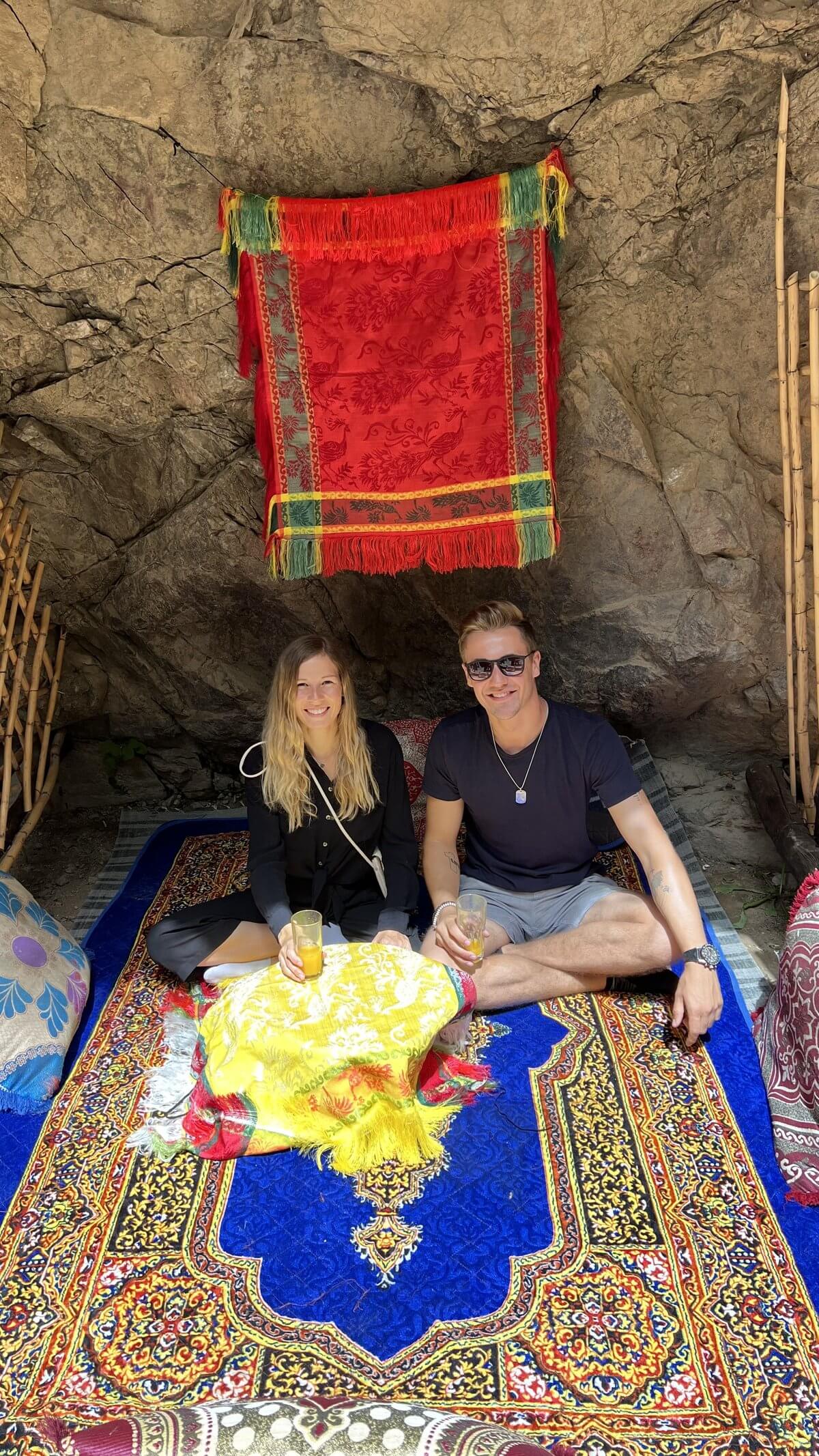
Alternative Atlas destinations: Imlil (1700 meters) as a starting point for 2-day treks to Toubkal, Asni with its Saturday bazaar (a genuine local market without tourists), Setti Fatma with seven small waterfalls and a hiking trail. On my trip, I recommended a private driver (from the Berber community, speaks French and Berber) for €200—he showed us a Berber village where his aunt pressed argan oil. Authentic Morocco off the beaten track.
Day trip to Essaouira: Atlantic Ocean, kitesurfing and maritime atmosphere
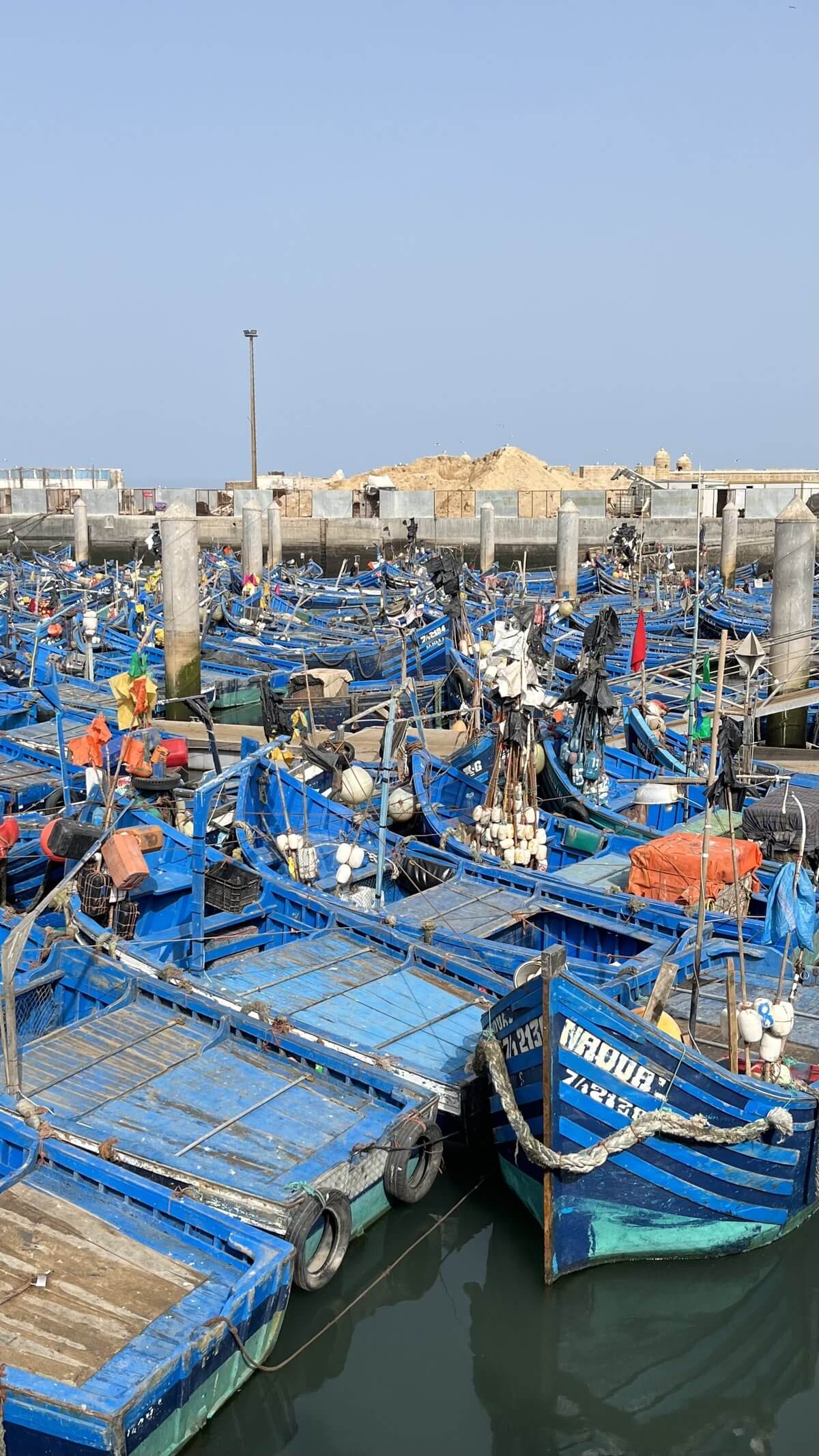
Essaouira, on the Atlantic coast, is the complete opposite of hectic Marrakech: a windswept Atlantic city with white houses and blue shutters, medieval city walls (Bab Sbaa, Bab Doukkala), a bustling fishing port, and miles of sandy beaches. The journey from Marrakech to Essaouira takes 2.5 to 3 hours by car or bus (Supratours: 80 MAD one way).
Essaouira is a must-visit for kitesurfers and windsurfers — the consistent thermal winds make it North Africa's best kiteboarding destination from April to October. Kite schools like ION Club (on the main beach) rent equipment for €80 per day and offer courses from €250 for 3 days. The waves are medium-sized, perfect for intermediate riders.
Culturally: Game of Thrones fans will find filming locations for the city of "Astapor" here (the Skala staircase was on the city wall). Gladiator with Russell Crowe was also filmed here. Must-dos: Fresh sardines for lunch at the harbor (60 MAD per kilo, grilled right off the boat), dinner in the old town (Restaurant Taros, 180 MAD for couscous with seafood), sunset on the city wall. An overnight stay is worthwhile: Riad Malaika or La Maison des Artistes offer sea views from €80 per night.
Morocco Round Trip: 10-Day Route from Marrakech
If you have more than a week, extend the Morocco travelogue with a classic round trip. Days 1 to 3: Marrakech Medina. Day 4: Day trip to the Atlas Mountains or Essaouira. Days 5 to 6: Aït-Ben-Haddou (UNESCO World Heritage Site, filming location for Game of Thrones and Gladiator) and Ouarzazate. Days 7 to 8: Merzouga Desert with camel ride and overnight stay in a Berber tent. Days 9 to 10: Return journey via the Todra Gorge and Fes.
Budget for 10 days including everything: €800 to €1500 per person depending on comfort level. For luxury tours with a driver and 5-star hotels, expect to pay €2500 to €4000 per person. Many providers offer package tours, but self-drive with a rental car is more flexible and cheaper. Morocco insider tips for the tour: Bivouac Mbark in the desert (not available on package tours), sunrise on the Erg Chebbi dunes, and the Ouzoud waterfalls with their Barbary monkeys.
Transportation in Morocco: Taxi, bus, train and rental car
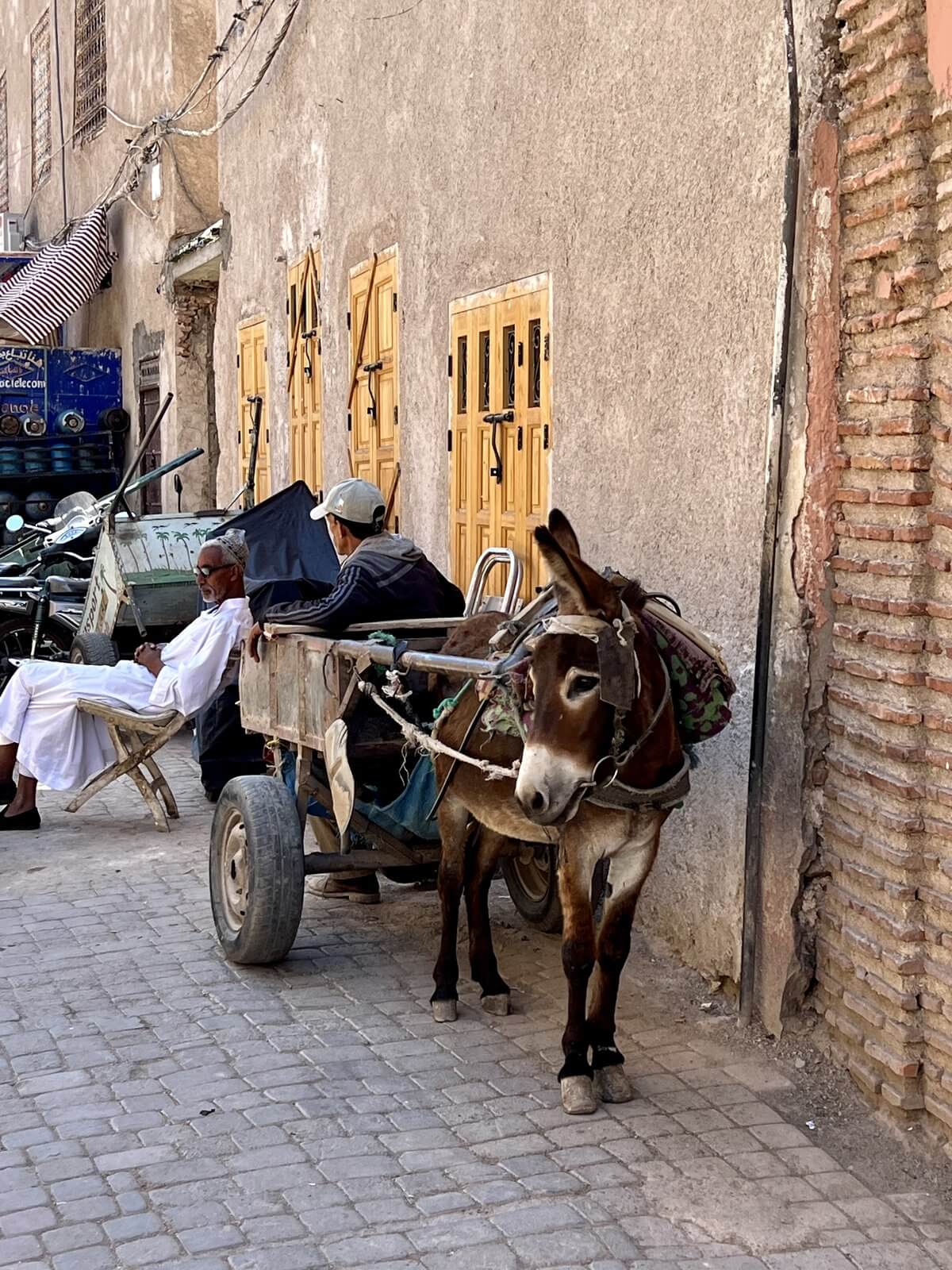
In Marrakech there are two types of taxis: Petits Taxis (small, beige or yellow, only within the city) and Grands Taxis (large, usually older Mercedes, for longer distances). Petits Taxis cost 20 to 60 MAD within the Medina and Gueliz. Make sure the meter is turned on! If the driver says "no meter," get out and take another taxi. Uber and Careem do not operate reliably in Marrakech.
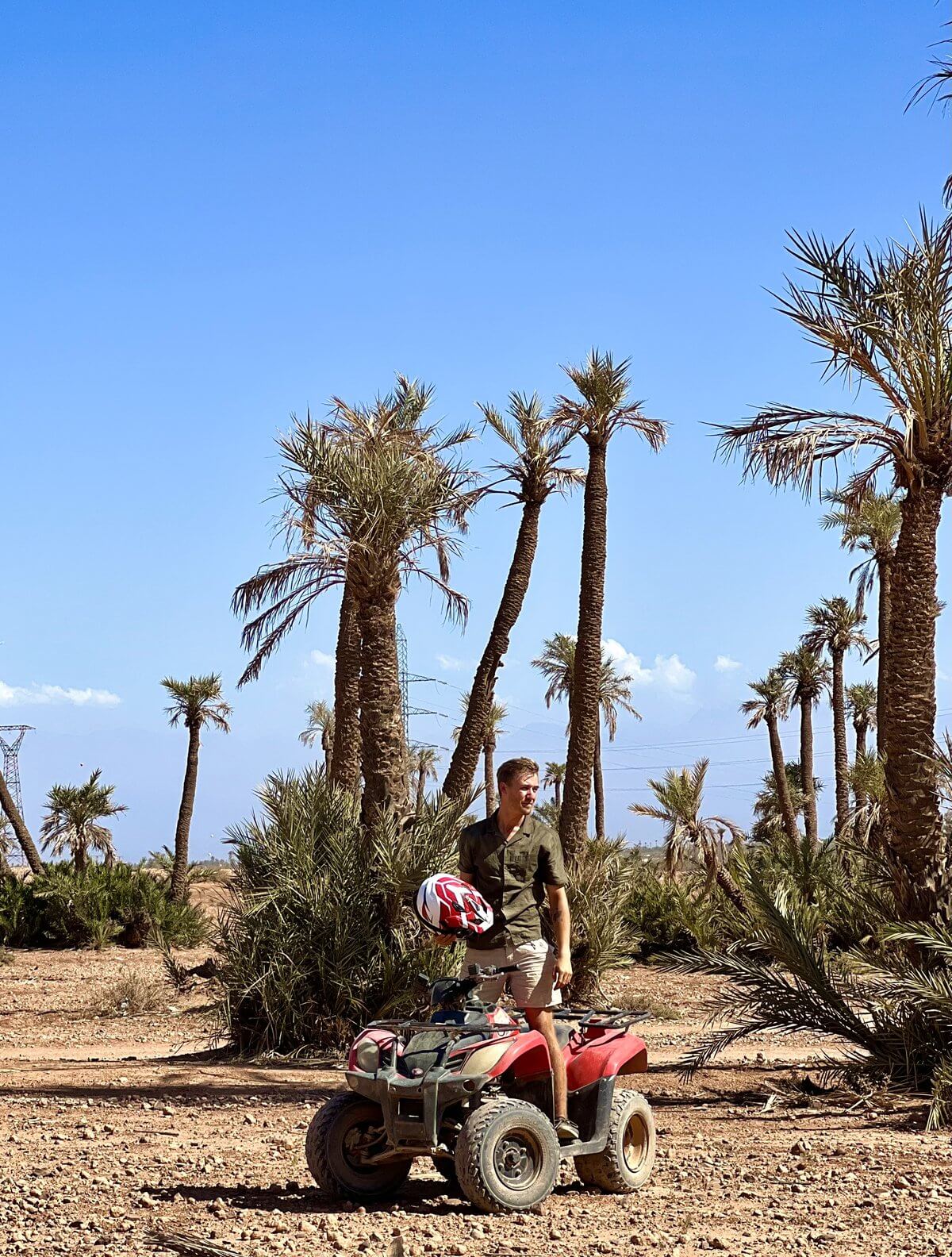
For long-distance travel, the CTM buses and the ONCF train are comfortable and affordable. Marrakech–Casablanca by train: 2 hours 40 minutes, 100 to 200 MAD depending on the class. Marrakech–Fez by bus: 8 hours, 180 MAD. For self-drive tours of Morocco, you can also rent a car from 300 MAD per day—recommended for the Atlas Mountains and the desert, but not for the Medina itself (no parking, chaotic traffic). An international driving permit is sufficient; the police conduct regular checks.
Negotiating in Morocco: How to pay fair prices
In the souks and markets, EVERYTHING is negotiated — supermarkets and restaurants have fixed prices, everything else is negotiable. The starting price is usually three to five times the fair price. Examples from my travelogue: A leather jacket was offered to me for 2500 MAD, final price 600 MAD. A 3 x 2 meter carpet: starting price 8000 MAD, fair price 1800 MAD. A lamp: 400 MAD, fair price 120 MAD.
My 5-step negotiation: First, show interest but don't pressure to buy. Second, offer 30% of the starting price as a counter-offer. Third, meet in the middle, but stay below 50% of the starting price. Fourth, if the seller remains firm, walk away—in 80% of cases, they will budge. Fifth, smile, accept tea, and remain polite. Negotiating is a social ritual in Morocco, not a battle.
Tip for first-time visitors: Ask locals (riad owners, restaurant waiters) the day before your trip for fair prices on typical souvenirs. After a couple of days, you'll get a feel for it. Never show that you desperately want the item—otherwise, the price will go up. Important: Have cash in small denominations ready; card payments are almost never accepted in the souks. ATMs are rare in the Medina; it's better to refill your account in Gueliz or at Djemaa el-Fna.
Safety in Morocco: Avoid bad experiences
I do a lot of Googling — my assessment after a week there: Morocco is generally a safe travel destination, but there are situations that often catch first-time tourists off guard. The souks are full of friendly people, but also aggressive touts (salespeople) who want to take you to carpet shops or tanneries. My three rules:
1. Google Maps doesn't work in the Medina. The alleys are too narrow and winding. If you get lost, DO NOT ask any of the men who immediately offer their services—they demand 100 MAD and are aggressive. Instead, ask one of the children who offer their services. 10 MAD is fair, and they will take you to the nearest landmark.
2. Don't walk through the medina at night. During the day it's relaxed, but after 11 pm the alleys become deserted and there's no lighting. Take a taxi (30 to 50 MAD within the medina boundaries) directly to the riad entrance. This is especially important for women traveling alone at night.
3. Snake charmers and henna artists in Djemaa el-Fna charge money. A photo with a cobra costs 50 to 100 MAD, and henna painting on your wrist without your consent costs 200 MAD. If you don't want to pay, refuse the photo and move on. The women sometimes grab your hand—consistently say "La, shukran" (No, thank you) and pull your hand away.
Women can travel safely in Morocco, but caution is advised. Covering shoulders and knees in the medina shows respect, reduces unwanted attention, and also provides good sun protection. A thin scarf over the shoulders is sufficient. Normal swimwear is perfectly acceptable in pool areas and on the beach (Essaouira). According to community reports, experiences as a woman in Morocco are mixed; my group had no incidents, but there were three of us.
Morocco packing list: What you really need
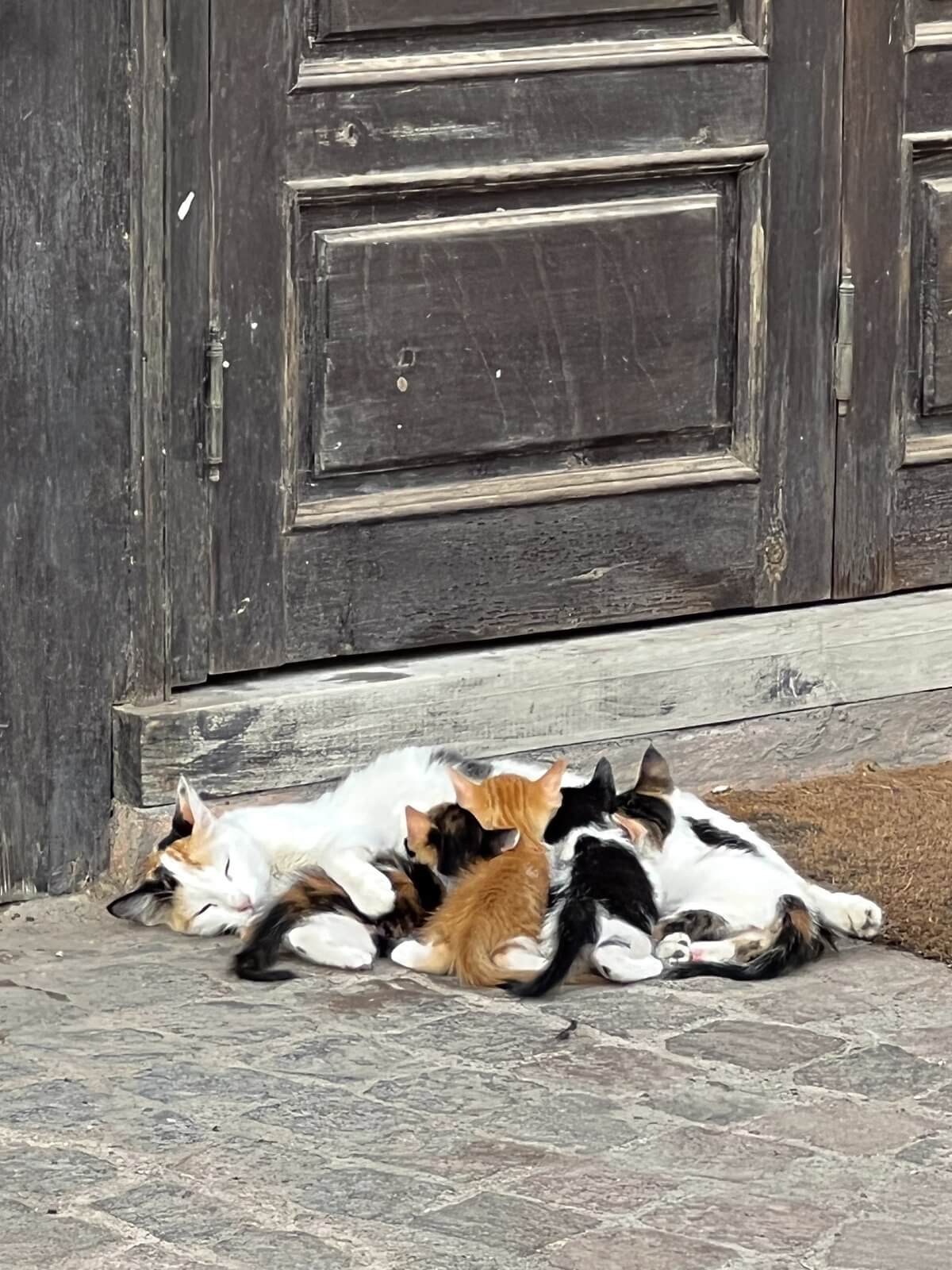
I've optimized my packing list. The most important basics: lightweight cotton long-sleeved shirts (sun protection and respect), thin long trousers, a scarf (against sand and as a head covering in mosques), sturdy sneakers (no sandals in the medina — too much dirt and cats), a thin sleeping bag liner for simple riads, sunglasses and sunscreen SPF 50.
Technical requirements: Adapter type C or E (European plugs usually fit), power bank, drone (DJI Mini 5 Pro) with customs registration (free, but mandatory), good camera. I used the Sony A7 IV and the DJI Mini 5 Pro—the atmosphere of Djemaa el-Fna at blue hour is priceless. Important: Drone flights over the Medina are prohibited; flights over the desert and Atlas Mountains are permitted with local authorization.
Exchanging money, language and cultural etiquette
The Moroccan Dirham (MAD) is a closed currency; you cannot buy it outside of Morocco. Exchange money at Menara Airport (slightly less favorable rates) or at the exchange bureaus in Djemaa el-Fna. ATMs are readily available everywhere, with a 20 to 30 MAD fee per withdrawal. My method: withdraw 2000 to 3000 MAD upon arrival and withdraw the remaining amount needed throughout the week.
You can communicate very well in French (Morocco was a French protectorate until 1956), and increasingly in English in tourist areas. Locals speak Arabic and Berber among themselves. It's worth learning 10 key words: Salam aleikum (Good day), Shukran (Thank you), La (No), Choukri (Yes), Bismillah (Bon appétit), Inshallah (God willing, commonly used to end any conversation), Bezzaf (Much), Mzian (Good), Kayn (There is), Ma kayn (There is not).
Cultural etiquette: Use your right hand for eating and greetings; the left hand is considered unclean. Remove your shoes when entering homes and mosques. During Ramadan, restaurants are often closed during the day, but tourists can still eat at hotels. As a non-Muslim, you are not permitted to enter most mosques except for the Hassan II Mosque in Casablanca, where guided tours for tourists are allowed. Tipping is customary in restaurants (10 MAD) and for porters (10 to 20 MAD per piece of luggage).
FAQ – Morocco Travel: Frequently Asked Questions
Is Morocco safe for tourists?
Generally speaking, yes, Morocco is a safe travel destination. Petty crime such as pickpocketing in the medina does occur, but violent crimes against tourists are rare. Aggressive touts (smugglers) in souks can be annoying – simply say "La, shukran" (No, thank you) politely but firmly. Don't walk alone through the medina at night; it's better to take a taxi. Women are advised to wear covered clothing (shoulders and knees) in the medina; normal swimwear is fine at the beach and pool.
What should you wear in Morocco?
Morocco is Muslim but tolerant of tourists. In the medina, covering your shoulders and knees is respectful (this applies to all genders). During the day, light cotton long-sleeved shirts and long trousers are recommended – this is also practical against the strong sun. At the pool or beach (Essaouira), regular swimwear is perfectly acceptable. Evenings can get chilly, especially in winter, so pack a light jacket. Mosques are not open to non-Muslims, with the exception of the Hassan II Mosque in Casablanca.
How many days does one need for Marrakech?
Two to three days are enough to see the main sights of Marrakech itself: the Medina, Djemaa el-Fna, Bahia Palace, Jardin Majorelle, and the souks. With day trips to the Atlas Mountains or Essaouira, you'll ideally need four to five days in total. For a complete tour of Morocco including Fez, Chefchaouen, and the Merzouga Desert, plan for ten to fourteen days. I personally recommend at least five days in and around Marrakech—the city needs time to settle in.
How much does a week in Morocco cost?
For a week in Marrakech, including flights, expect to pay between €600 and €900 per person for a budget trip and between €1200 and €1800 for a more comfortable holiday. Flights from Frankfurt to Marrakech cost €180-€350, riads €40-€150 per night, food €10-€40 per day, and day trips €20-€50 per person. Groceries and street food are very inexpensive. Luxury riads (from €200 per night), hammam spa treatments (€50-€150), and restaurants around Djemaa el-Fna (€30-€60 per person) are expensive.
When is the best time to travel to Morocco?
The ideal time to travel is from March to May and from September to November. Temperatures range from 22-28 degrees Celsius during the day and around 12 degrees Celsius at night. Summers in Marrakech are unbearably hot, with temperatures reaching up to 45 degrees Celsius, while winters can drop to 5 degrees Celsius at night and even snow in the Atlas Mountains. For the Atlantic coast (Essaouira), June to September is the best time. During Ramadan, restaurants are often closed during the day, but the evenings at Djemaa el-Fna are particularly atmospheric with the Iftar celebrations.
Do you need a visa for Morocco?
German, Austrian, and Swiss citizens do NOT need a visa for stays of less than 90 days. The passport must be valid for at least six months. Upon arrival, an entry form must be completed, and the stamp officially confirms the stay. No vaccinations are mandatory, but booster shots for hepatitis A, typhoid, and tetanus are recommended. For the Atlas Mountains above 2,000 meters, a rabies vaccination is also recommended.
How does trading work in the souks?
Haggling is a must in Morocco – except in supermarkets and fixed-price restaurants. Starting prices are typically three to five times the fair price. My five-step rule: 1) Show interest, but don't force a purchase. 2) Offer 301,000 of the starting price as a counter-offer. 3) Meet in the middle, but stay below 501,000 of the starting price. 4) If the seller remains firm, walk away – in 801,000 cases, they will budge. 5) Smile, accept tea, and remain polite. Haggling is a social ritual, not a battle.
What languages are spoken in Morocco?
The official language is Arabic, with Berber (Tamazight) as a second official language. French is widely spoken (Morocco was a French protectorate until 1956), especially in tourism, business, and education. You can get by well with English in tourist areas. French will open more doors, particularly off the beaten track. A few key Arabic phrases like "Salam aleikum" (hello), "Shukran" (thank you), "La" (no), or "Bezzaf" (much) are always appreciated.
Is the tap water in Morocco drinkable?
Officially, tap water in cities is safe to drink, but tourists should use bottled water to avoid stomach problems. Bottled water costs 5-8 MAD per 1.5-liter bottle in supermarkets. More expensive hotels and riads often serve drinking water in carafes, which is safe. Be careful with ice cubes in drinks from street vendors – it's best to ask. In the desert and mountains, always carry your own water; bottles can cost 15-20 MAD there.
Is alcohol allowed in Morocco?
Morocco is predominantly Muslim, but alcohol is legal and available in licensed establishments. Bars are scarce in the medina, but you can find beer (25-50 MAD) and wine (150-400 MAD per bottle in restaurants) in the Gueliz district and hotels. Supermarkets like Carrefour sell alcohol, but not during Ramadan. Alcohol consumption is frowned upon in markets and public spaces. Moroccan wines from the Meknes region are surprisingly good – try Domaine Ouled Thaleb.
Which credit cards work in Morocco?
Visa and Mastercard are accepted at most ATMs and in larger hotels, restaurants, and shops. American Express is less common. In the souks, at street food stalls, and in smaller riads, only cash (MAD) is accepted. So always carry cash. ATMs are widely available; fees are 20-30 MAD per withdrawal plus your bank's exchange rate markup. My recommendation: Revolut or N26 for better exchange rates. You cannot exchange MAD outside of Morocco – so exchange it back before departure.
Can I fly a drone in Morocco?
Yes, but with restrictions. Drones must be registered with customs upon entry – it's free, but mandatory; otherwise, they will be confiscated and returned upon departure. Flying is prohibited over military areas, airports, and the Medina of Marrakech (too many people). However, flying over the Atlas Mountains and the desert is permitted and spectacular. You need a permit for commercial drone flights. I fly the DJI Mini 5 Pro – its weight of under 250g means less regulation and easier permitting.
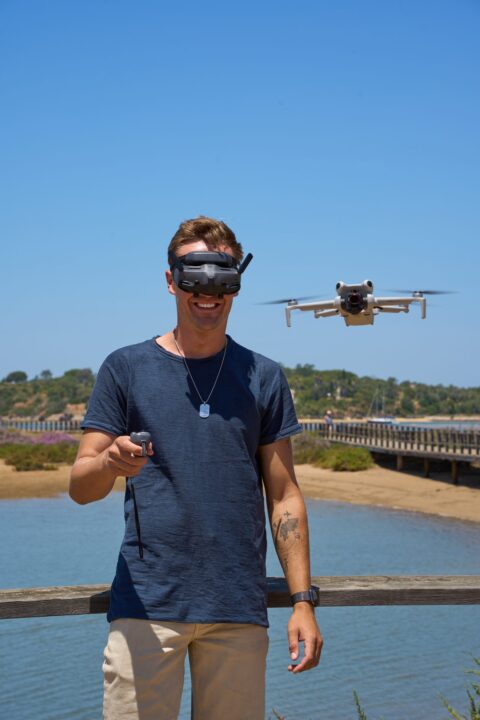
Max Haase
Travel Content Creator · Drone Photographer · Visual Storyteller
A professional travel creator for over 10 years with over 4 million followers. Specializing in high-end tourism board collaborations and visual travel storytelling.
 German
 English