
Booking travel influencers — business model, pricing & process for tourism boards
How does influencer marketing work with a travel creator? An insider's look at models, pricing, and the booking process.
Tourism boards, hotel brands, and premium brands regularly ask me: "How does a professional travel influencer collaboration actually work—and what budget should we expect?" This article provides a transparent answer: not a price list, but a clear B2B guide to the business model, scope of services, and booking process of a travel creator with over 4 million followers.
- 60–70% of revenue comes from Tourism Board campaigns and premium hotel collaborations — with clearly defined deliverables (reels, stories, drone footage, blog coverage).
- Duo model with Janet Dannehl: Over 6 million combined reach, double the target group coverage (male-adventure + female-lifestyle), 500+ collaborations track record.
- 15–20 % of the business is allocated to produced content for website, advertisements and print — usage rights are negotiated separately (in terms of time, region, and exclusivity).
- Booking method: Inquiries only with a clear budget, briefing and time window via the Collaboration page — no barter, no pure discount deals.
- Story sets start in the high four-figure range, while complete campaigns including travel, Reels, and blog scale into the five-figure range. Duo campaigns with Janet start at a significantly higher base price.
The following guide helps marketing managers, tourism board managers and hotel directors understand how travel influencer marketing with an established creator is structured — and what to consider when booking.

The 5 pillars of a travel creator's business model
Pillar 1: Tourism board and brand collaborations (60–70% of revenue)
The core consists of paid campaigns with Tourism Boards, international hotel chains, airlines and premium brands. Typical formats:
- Tourism board campaigns: Multi-day travel programs with a clearly defined deliverable package (reels, stories, blog, editorial photo series). Bookings are usually made 3–6 months in advance.
- Stays in premium hotels (Hilton, Rixos, Melia, Marriott Luxury Collection) with professional content production. Not just simple room exchanges—but campaigns with briefing, targeting, and performance reporting.
- Long-term partnerships with brands such as Audi, BMW, Sony, and Turkish Airlines. The most valuable deals run for several months with a fixed posting frequency and cross-channel distribution.
- Sponsored Content: Individual integrated posts or story sets for products with a target audience match.
The investment for booking Travel Creator varies significantly depending on the scope and usage rights. A single story set starts in the high four-figure range. Complete campaigns (travel arrangements, multi-day shoot, Reels, Stories, blog coverage, press photos) are in the five-figure range. Duo bookings with Janet (2.3 million followers) are considerably higher due to the doubled reach and broader target audience.
Pillar 2: Content-for-Hire and Licensing (15–20 %)
Tourism boards and hotels explicitly book my production services beyond mere reach: professional drone footage, Sony A7 campaign images, and 4K video material for their own channels (website, OTT advertising, print, social media). These "content-for-hire" components are calculated separately from the influencer fees.
Usage rights are a separate point of negotiation: time-limited vs. unlimited, regional vs. worldwide, exclusive vs. non-exclusive. The more comprehensive the usage package, the higher the surcharge on the production fee. This is standard industry practice — and is included in every reputable contract.
Pillar 3: Affiliate Marketing (5–10 %)
Through my blog and social media channels, I recommend equipment and services that I actively use. The most important programs are: Amazon Affiliate (camera and drone equipment), HanseMerkur (travel insurance), Booking.com and GetYourGuide (booking platforms), and Adobe (Lightroom). This generates passive income—but it's no substitute for direct collaborations.
Pillar 4: Consulting and Speaking (5–10 %)
Tourism boards and marketing agencies are increasingly booking me as a consultant for their influencer strategies. Hotels are having content concepts developed for them. Marketing conferences and tourism industry events (e.g., ITB Berlin) are booking speaking slots on topics such as "Drone photography in destination marketing" or "Performance benchmarks for influencer campaigns".
Pillar 5: Passive Income (2–5 %)
Stock photography (Adobe Stock), SEO traffic on older blog posts and licensing of existing image collections make up the smallest — but steadily growing — share.
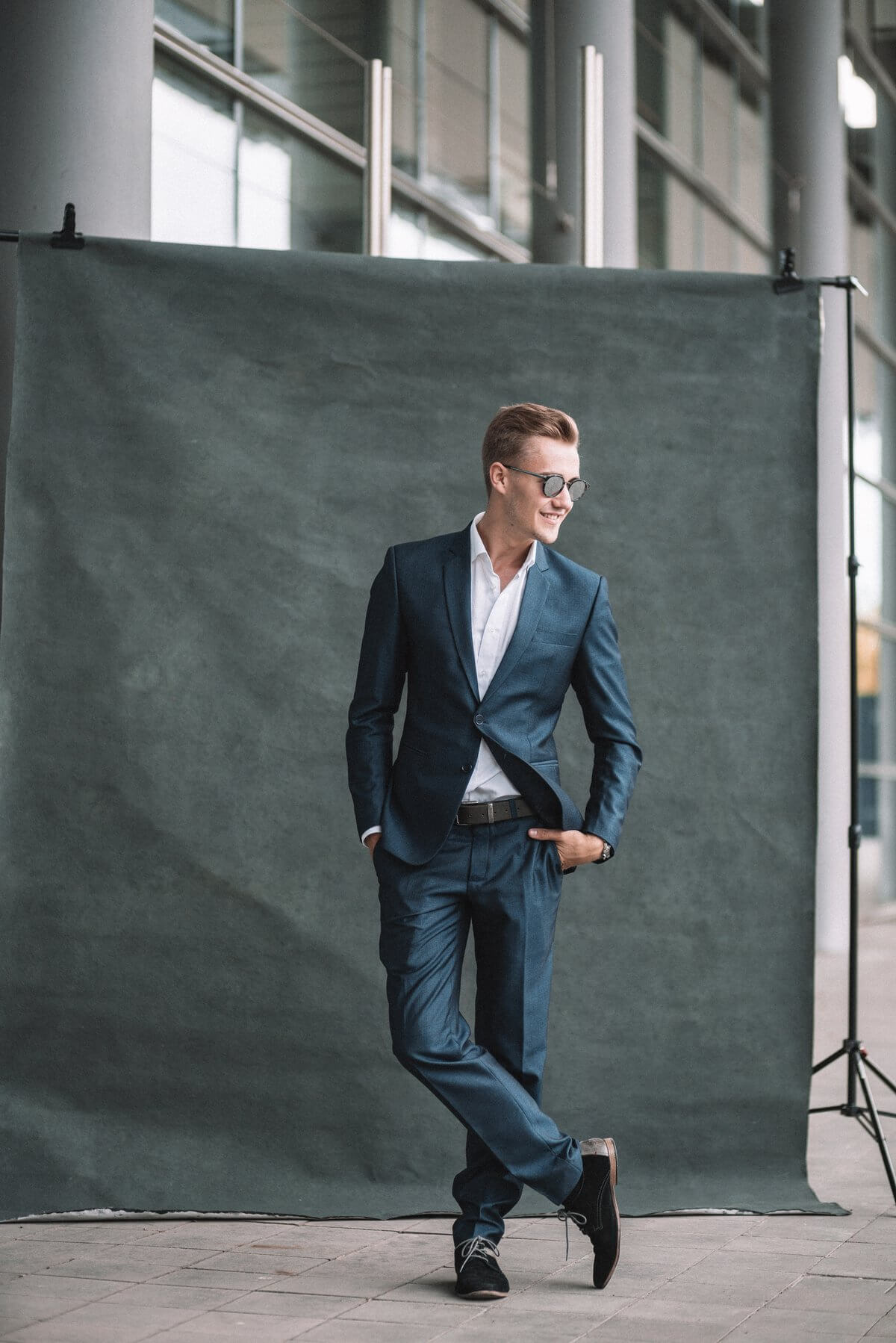
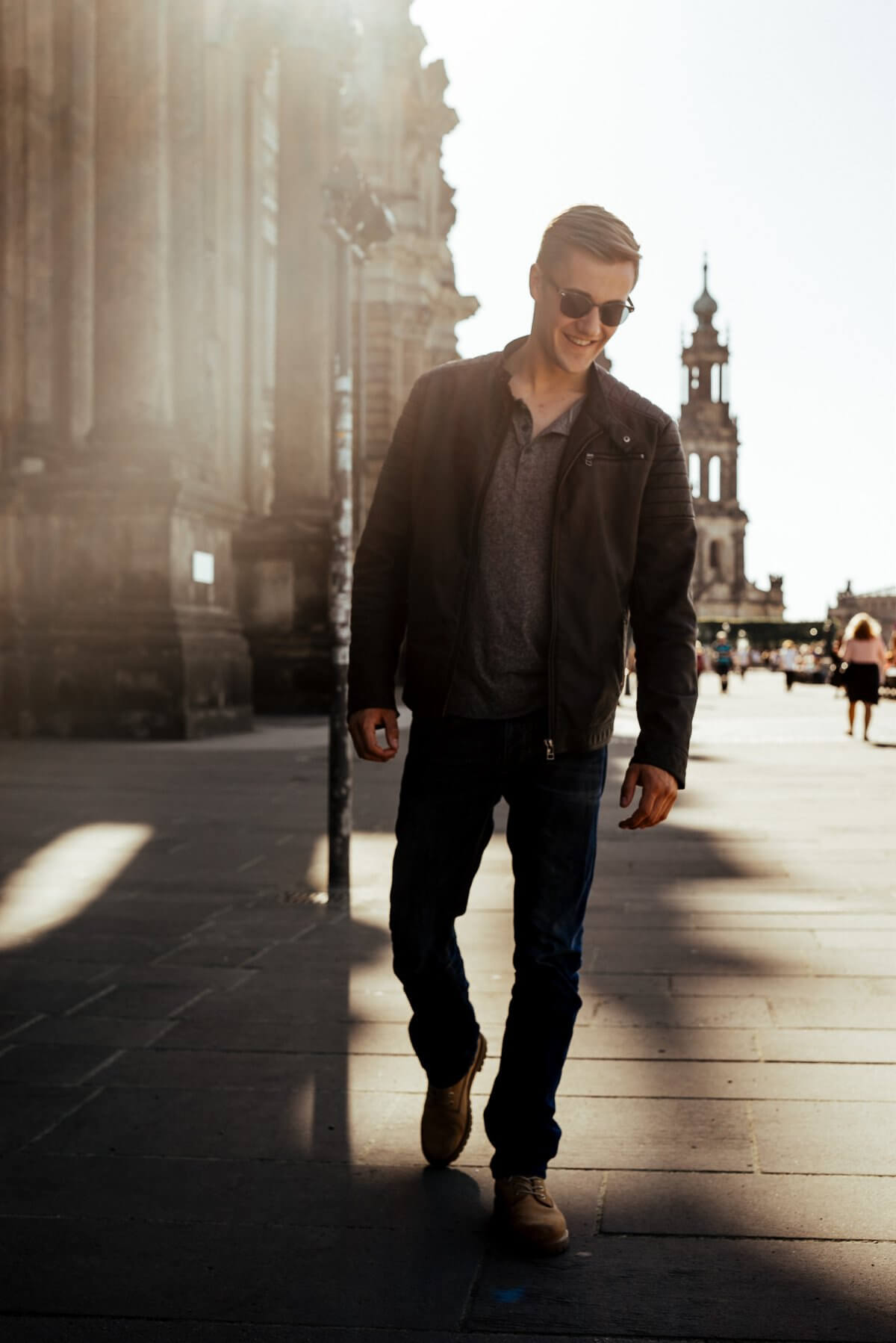
How much does a travel influencer cost? Understanding the pricing.
The question "How much does a travel creator cost?" cannot be answered with a price list — and that's not a marketing gimmick, it's reality. Travel influencer costs are made up of several components:
- Reach and engagement: Not just follower numbers, but actual engagement rate, target group demographics and CPM on the respective platforms.
- Production output: Drone footage, Sony A7 campaign images, Reels editing — each component is a separate production output.
- Usage rights: Pure influencer posting is cheaper than posting + usage rights for the brand website + print ads + OTT spots.
- Trip duration and seasonality: Multi-day campaigns in the high season (e.g. Q4 Caribbean, summer Mediterranean) have higher booking rates than low-season bookings.
- Exclusivity: Industry exclusivity (e.g., "no other hotel chain in the next 6 months") significantly increases the price.
Brands that want to calculate reliable influencer prices should never rely solely on CPM. Travel influencer marketing is premium brand storytelling, not performance marketing—the value lies in image transfer, owned content assets, and long-term brand presence.
How a travel influencer booking with me works
The booking process for tourism boards, hotels and brands is standardized and usually completed within 7–10 working days:
- Inquiry: About the Collaboration page including briefing, objectives, budget framework and desired timeframe.
- A concise written briefing via email clarifies reach, deliverables, targeting, and usage rights. Phone calls are only necessary when a complex issue absolutely requires them—most coordination takes place via clear written documents, saving time for everyone involved.
- Offer and media kit: Detailed offer with service package, posting plan, performance reporting definition.
- Written agreement including payment terms, delivery dates, approval process, usage rights and legal certainty (GDPR, advertising labeling).
- Travel with professional equipment (DJI Mini 5 Pro + DJI Mavic 4 Pro, Sony A7V + Sony A7 IV, Tamron 17-28mm, 28-200mm and 50-400mm, DJI Action 6 Pro, MacBook Pro 16″ M5 Pro for mobile 4K editing), production-ready from day one.
- Publication according to the posting plan plus detailed performance reporting after the campaign ends — as unedited screenshots of the original Instagram insights (reach, impressions, interactions, profile visits, saves) for maximum transparency. No edited PowerPoints, no filtered dashboards — the raw numbers straight from the platform.
Anyone who wants to book a Travel Creator and needs more clarity on the pricing logic beforehand: The Collaboration page It includes all formats, media kit highlights, and the direct request path.
The duo model: Max + Janet for double the range
Janet Dannehl runs her own brand with over 2.3 million followers and feminine-oriented content (lifestyle, food, wellness). Together, we reach over 6 million people—with two very different core groups that can nevertheless be addressed in a complementary way for one brand:
- Max (4 million): 25-45 year old outdoor-loving men and couples, drone photography fans, premium adventure travel affinity.
- Janet (2.3 million): Women aged 25–45, aesthetically driven lifestyle focus, high conversion rate for hotel and wellness brands.
For tourism boards with a dual target audience (e.g., wellness resorts, hotels for couples, family destinations), duo bookings are the most efficient way to cover both core segments in a single campaign. The investment is significantly higher than for solo bookings—but the CPM is usually lower than two separate influencer bookings.
Advertising reality: What tourism boards and brands underestimate
Premium content requires premium lead time.
A professional tourism board campaign can't be created in 48 hours. Preparation (location scouting, drone permit clearance, storyboard, weather window planning) plus post-production (selection, Lightroom editing, reel editing, voiceover, subtitles) add up to at least three times the travel time. Brands attempting last-minute bookings will therefore receive a correspondingly reduced output level—there's simply no other way to achieve it.
Equipment level is part of the promise
The cost difference between an "influencer with an iPhone" and a travel creator with a professional setup (a five-figure drone including a backup, a Sony A7 with pro lenses, multiple action cameras, and an editing workstation) represents the difference between user-generated content and truly marketable asset material. Brand managers who underestimate this difference end up with material that is unusable in OTT spots or print ads.
Industry exclusivity is a value driver
Most travel influencer contracts contain exclusivity clauses (e.g., "no other airline brand for the next 6 months"). Brands that offer flexibility here pay less; brands that demand strict exclusivity must fairly compensate for the lost revenue. A serious negotiator will address this point openly.
The invisible work is 70 % of the effort.
The travel and posting phases are visible (approximately 30 hours of total time). Invisible—but cost-driving—are negotiation, accounting, equipment maintenance, post-production, briefing coordination, approval loops, and reporting. Anyone trying to calculate travel influencer marketing costs cheaply forgets these 70 hours.
How does influencer marketing work as a discipline focused on impact?
Travel influencer marketing works differently than traditional performance marketing. The most important levels of impact for B2B bookers:
- The trust a creator has built up over years measurably transfers to the associated brand. Studies (e.g., Statista 2024) show 60+ times higher trust scores for influencer recommendations compared to brand-owned advertising.
- Owned Content Assets: The produced images/videos remain advertising brand capital — website hero images, OTT spots, print pages, social repost material on own channels.
- Well-coded blog articles from established travel creators generate long-term organic traffic to the advertised destination/brand.
- Successful campaigns are picked up by travel industry media, which amplifies the initial investment beyond the planned reach.
- B2B touchpoint: Tourism boards use influencer coverage in their own B2B sales pitches to tour operators and trade partners.
Typical campaign structures in the travel sector
| Campaign type | Travel time | Typical output | Investment range |
|---|---|---|---|
| Story Set (Hotel Stay) | 2–3 days | 5–8 Stories + 1 Reel | High four-figure range |
| Hotel complete campaign | 3–5 days | 2 Reels + Stories + Blog + Press Photos | Low to mid 5-figure range |
| Tourism Board Trip (Solo) | 5–10 days | 3-5 Reels + Stories + 2 Blogs + Image Bank | Mid-five-figure range |
| Tourism Board Trip (Duo Max + Janet) | 5–10 days | Double the output, double the target audience | High 5-figure range+ |
| Long-Term Brand Ambassador | 6–12 months | Multiple campaigns, always-on storytelling | Negotiated individually |
Note: Ranges are indicative and do not include travel expenses, third-party costs, or usage rights surcharges. Firm offers will be prepared after receipt of the briefing.
Background: How the business model has developed
The development of today's business model began in 2014—the first two years with no revenue at all. The first hotel bookings came in when the company had around 50,000 followers, and the first five-figure brand deal with an automotive manufacturer followed in 2017 when the company had around 500,000 followers. Since 2019, the business has operated as a full-time travel creator business with a professional contract, accounting, and reporting setup.
Today, with over 4 million followers and more than 82 countries visited, I primarily work for international tourism boards, premium hotel chains, and select brand partnerships. Inquiries without a budget or with purely exchange-based offers are categorically rejected—this isn't arrogance, but rather a necessary economic prioritization towards brands that view professional travel influencer marketing as an investment.
Frequently asked questions from tourism boards, hotels and brands
Why is there no public price list?
A fixed price list would be unprofessional. Travel influencer pricing depends on the complexity of the briefing, the duration of the trip, usage rights, seasonality, and exclusivity requirements. A binding offer is only issued after receipt of the briefing—within 3–5 business days.
What is the minimum investment?
Story sets start in the high four-figure range. Full multi-day campaigns with professional content production are in the five-figure range. Duo bookings with Janet Dannehl are significantly higher due to double the reach and target group coverage.
What usage rights are included?
Standard packages include posting on influencer channels and time-limited reuse rights for the client's owned channels. Extended usage rights (print, OTT, out-of-home, unlimited, worldwide) are calculated separately and are standard industry practice.
Are travel expenses charged separately?
Generally, yes. Standard practice: The client directly covers travel, accommodation, and on-site expenses; the fee covers the influencer's services and content production. Alternatives are possible through individual negotiation.
How far in advance do we need to book?
Premium travel campaigns should be requested 3–6 months before the desired time frame. Spontaneous bookings are possible, but usually result in limited output, as drone permits, weather windows, and equipment preparation require lead time.
Who is liable for legally compliant labeling?
Advertising labeling („advertising“, „advertisement“, „paid partnership“) and GDPR-compliant tracking are clearly regulated in the contractual area of responsibility of the creator — this is standard in my contracts.
Next step for tourism boards, hotels and brands
Anyone who wants to book a Travel Creator or better understand the pricing logic before making a specific request:
- Full formats, media kit highlights and inquiry form on the Collaboration page.
- Duo opportunities with Janet Dannehl on the Travel couple page.
- Overview of current Tourism Board examples and brand cases in the Portfolio.
For brand managers who want to assess strategic suitability beforehand, a written discovery briefing is sufficient—simply submit a request via the contact form on the collaboration page with the keyword "strategy briefing." This way, everything is documented, and you have the answers readily available for reference.
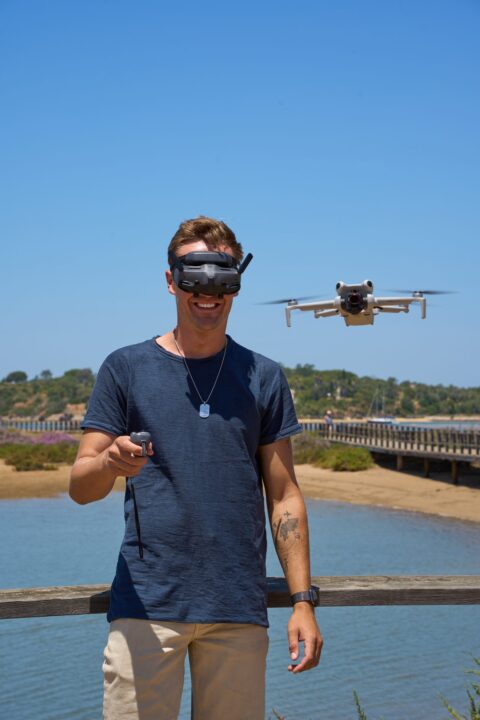
Max Haase
Travel Content Creator · Drone Photographer · Visual Storyteller
A professional travel creator for over 10 years with over 4 million followers. Specializing in high-end tourism board collaborations and visual travel storytelling.
 German
 English