
Learning to dive while traveling — My experiences
Why learning to dive while traveling is the best decision
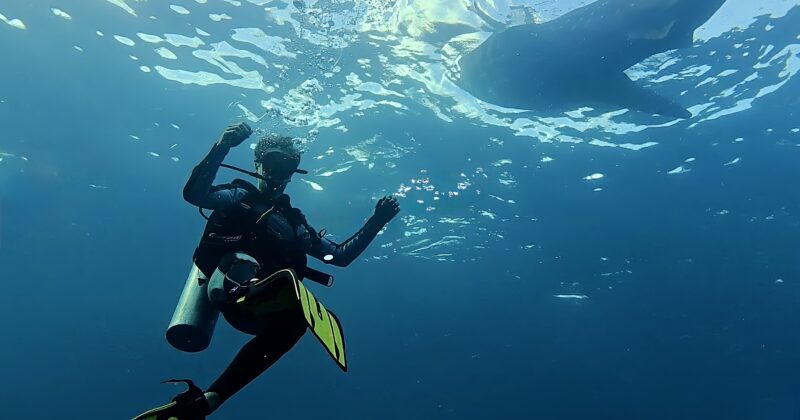
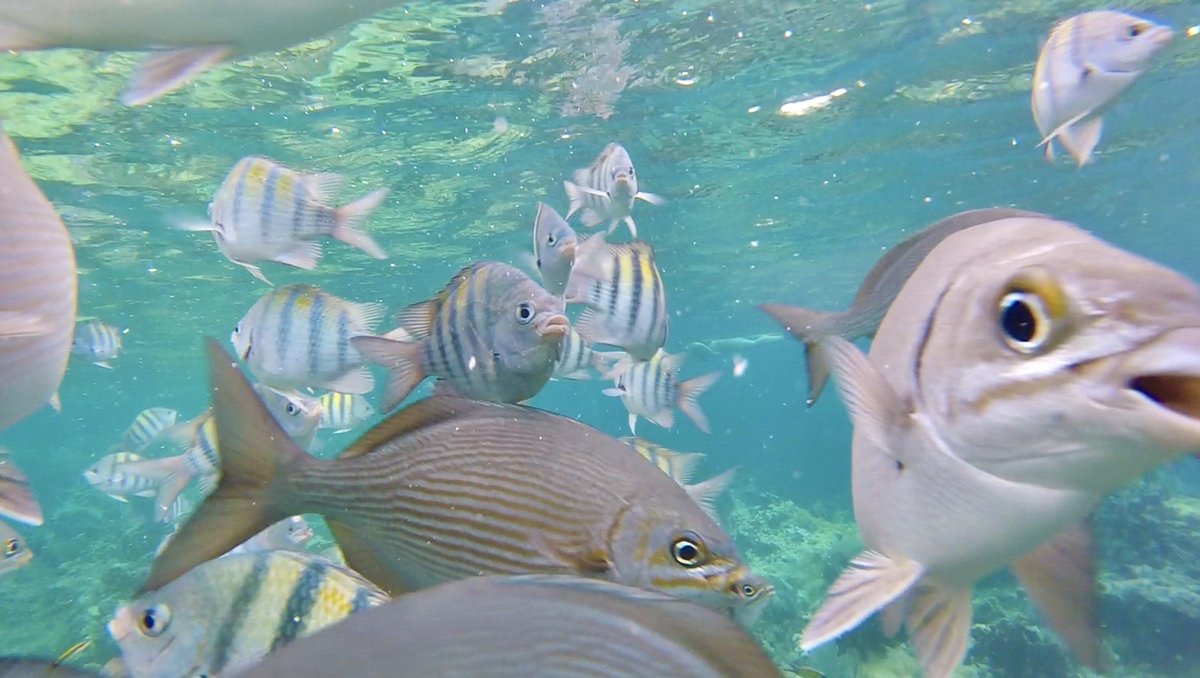
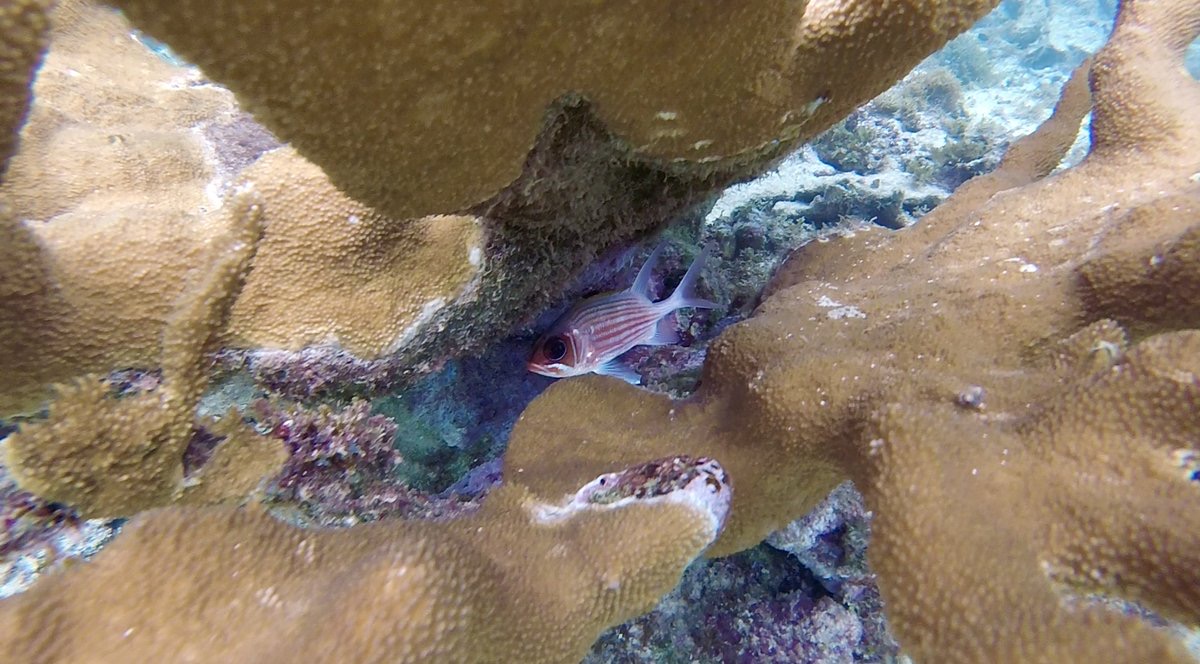
There are experiences that change your travels forever. For me, it was diving. I still vividly remember my first dive in Egypt—that feeling when I breathed underwater for the first time and suddenly a completely new world lay before me. Coral in colors that don't exist on land. Schools of fish moving like clouds. Silence, even though everything is alive.
- The right certification: PADI Open Water Diver is recognized worldwide, takes 3-4 days with 4 theory blocks and 4 open water dives, minimum age 15 years (Junior from 10).
- Cost range: OWD course complete 200-450 euros including equipment, boat and certificate; Koh Tao and Utila are the cheapest (from 200 euros), Cape Verde is at the upper end.
- Top destination Red Sea: Hurghada or Marsa Alam with 20-40 meter visibility, 22-28 degree water temperature, dugongs and wrecks – best beginner conditions worldwide for 250-350 euros.
- Gili and Koh Tao: Gili Islands (Indonesia) with guaranteed turtle sightings and underwater sculptures on Gili Meno; Koh Tao as the diving certificate capital with a package including accommodation.
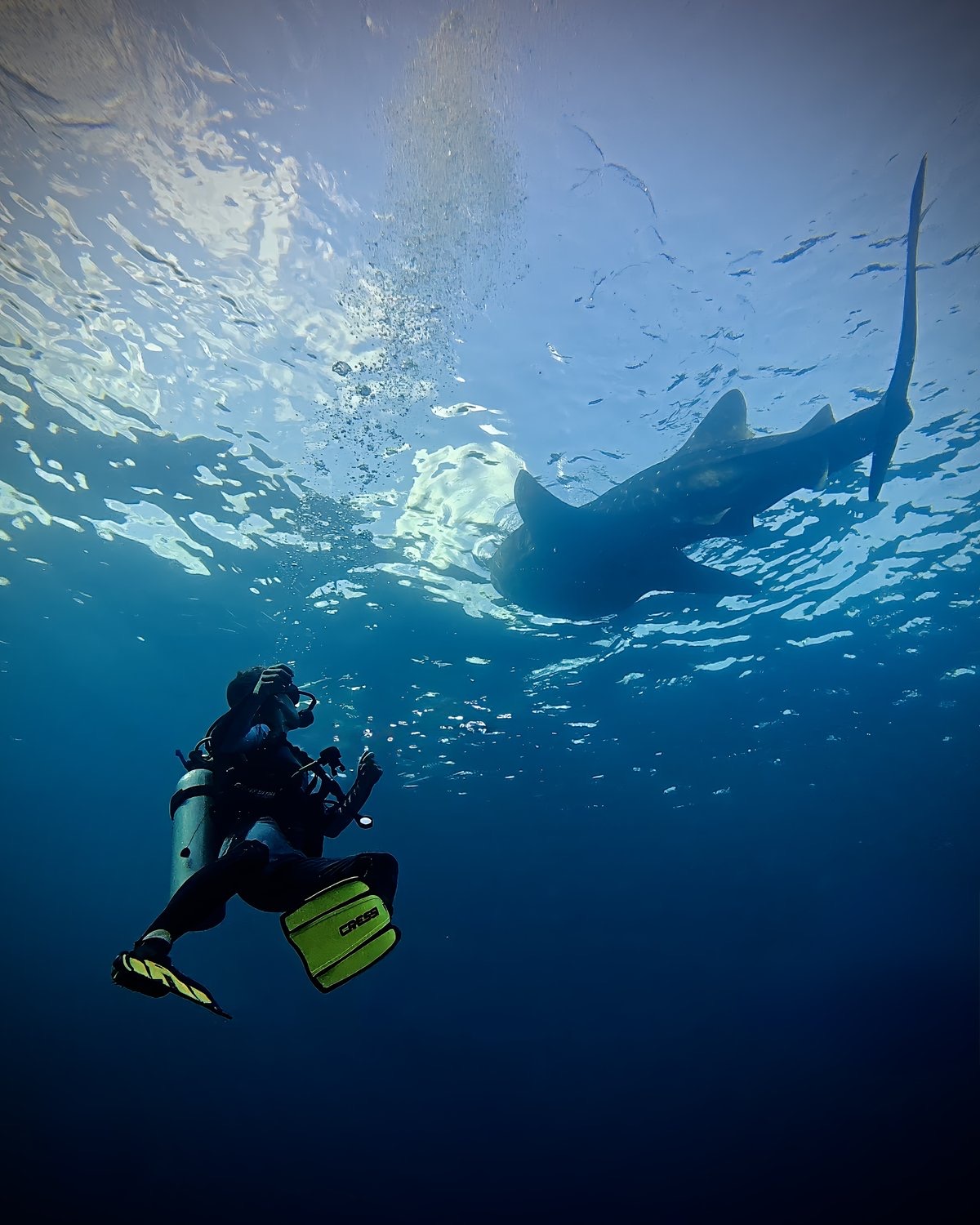
- Small Caribbean island in Honduras: OWD from 200 Euros plus whale shark season March-June and September-December – one of the cheapest places worldwide with a backpacker vibe.
Since then, I've used my diving certification in over 15 countries, and I can honestly say: diving has fundamentally changed the way I choose travel destinations. I used to look for beautiful beaches—now I look for what lies beneath the surface.

My Path to a Diving Certificate — The Honest Version
The Open Water Diver course
I completed my Open Water Diver (OWD) certification in Egypt on the Red Sea — and that was a conscious decision. The Red Sea offers crystal-clear visibility (often 30+ meters), warm water (25-28°C), and an incredible underwater world right on your doorstep. Perfect conditions for beginners.
The course lasts 3-4 days and consists of three parts: theory (either in the classroom or as e-learning beforehand), pool training (so-called "confined water dives"), and four open water dives. The theory is manageable, although drier than expected—lots of physics and medicine. But as soon as you dive into open water for the first time, it's all forgotten.
What surprised me
First: Breathing underwater feels completely natural after 5 minutes. The body adapts to it surprisingly quickly. Second: Equalizing the pressure in my ears was my biggest problem at first—I had to learn how to do that. Third: After the course, I was hooked. Not "oh, that was nice"-hooked, but "I'm planning my next trip around where I can dive"-hooked.
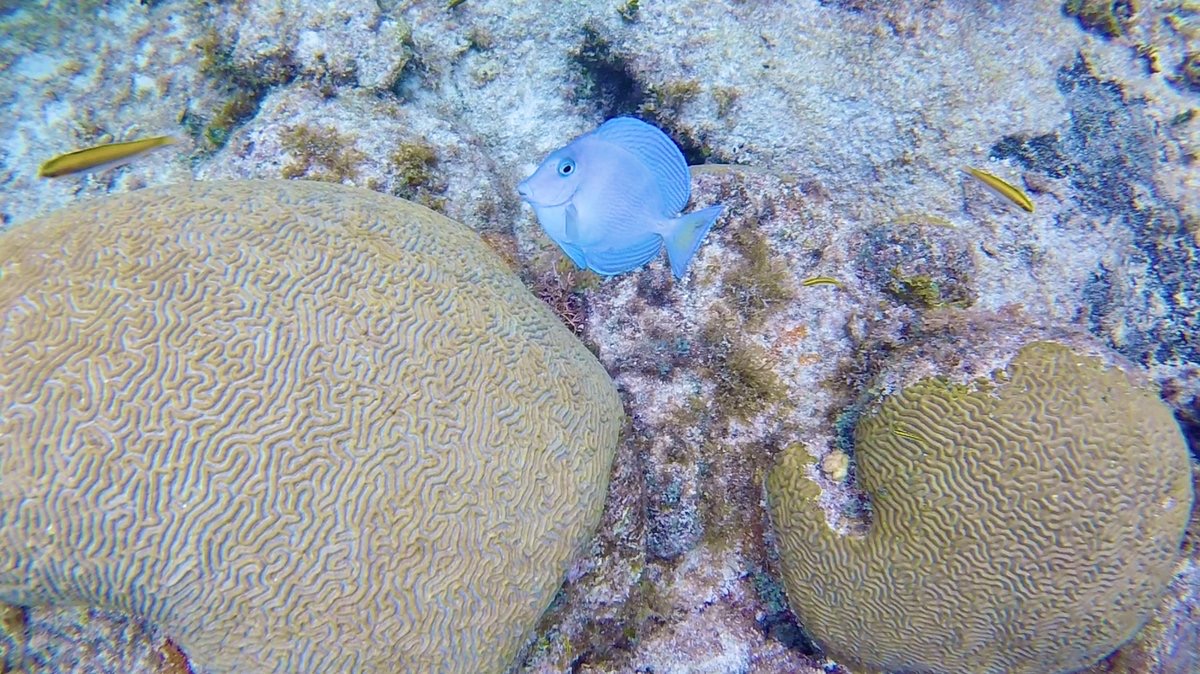
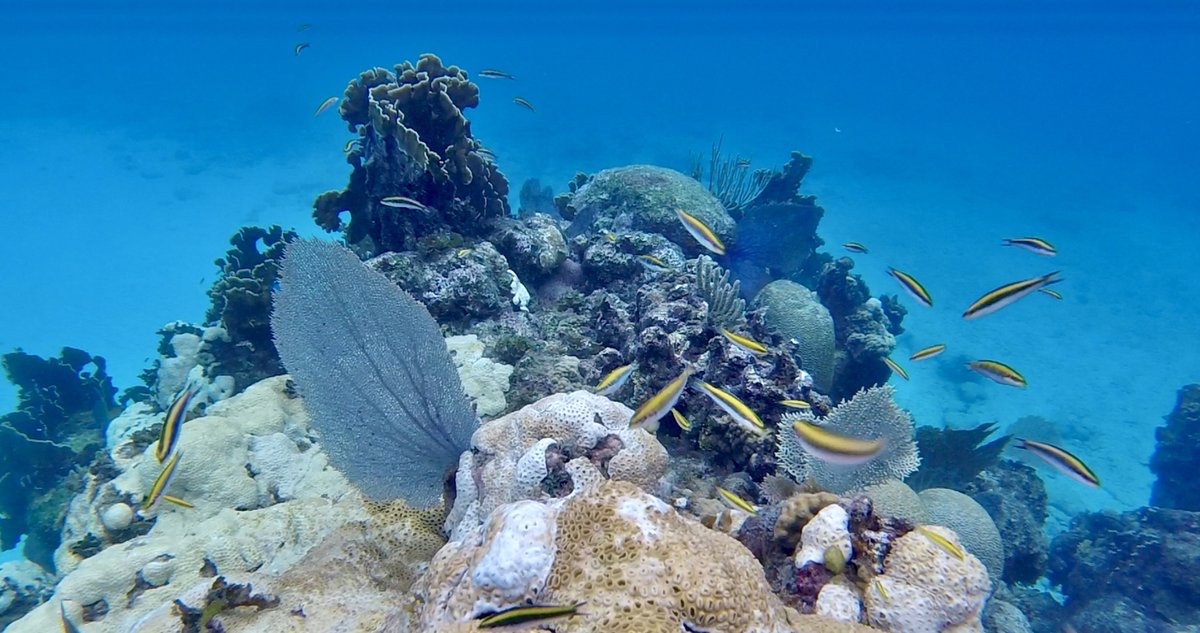
The best places worldwide to get your diving certificate
1. Hurghada/Marsa Alam, Egypt
My top recommendation for your first diving certification. The Red Sea is one of the world's most popular diving destinations for good reason: warm, clear water, impressive coral reefs accessible directly from the shore, and prices are significantly lower than in Southeast Asia or the Caribbean.
- OWD costs: 250-350 €
- Water temperature: 22-28°C
- Visibility: 20-40 meters
- Highlight: Dugongs in Marsa Alam, wrecks in Hurghada
2. Koh Tao, Thailand
Koh Tao is the unofficial diving certification capital of the world. This small island in the Gulf of Thailand has more dive schools per square kilometer than any other place. The advantage: competition keeps prices down, and many schools offer packages that include accommodation.
- OWD costs: €200-300 (often including 2-3 nights' accommodation)
- Water temperature: 27-30°C
- Visibility: 5-20 meters (variable)
- Highlight: Whale sharks (rare, but possible), reef sharks, turtles
3. Gili Islands, Indonesia
The three Gili Islands off Lombok are a dream for beginner divers. No cars, no scooters, crystal-clear water. I did my Advanced Open Water certification here and saw three turtles in a single day—just like that, while diving normally.
- OWD costs: 280-380 €
- Water temperature: 27-29°C
- Visibility: 10-25 meters
- Highlight: Turtle guarantee, underwater sculptures on Gili Meno
4. Utila, Honduras
Utila is a hidden gem for budget divers. This small Caribbean island is one of the cheapest places in the world to get your diving certification and also one of the best spots to see whale sharks. The backpacker vibe on the island is priceless—in the evenings you'll find yourself sitting on the beach with divers from all over the world.
- OWD costs: 200-280 €
- Water temperature: 26-29°C
- Visibility: 15-30 meters
- Highlight: Whale sharks (March-June and September-December)
5. Cape Verde
The Cape Verde islands are just as surprising underwater as they are above water. Volcanic rock formations, manta rays, nurse sharks — and hardly any other divers. If you're looking for a place that isn't yet overrun by diving tourists, you'll find it here.
- OWD costs: 350-450 €
- Water temperature: 22-27°C
- Visibility: 15-30 meters
- Highlight: Large pelagic fish, pristine dive sites
Cost overview: What diving really costs
| position | Cost | note |
|---|---|---|
| Open Water Diver (OWD) | 200-450 € | Depending on the country and school |
| Advanced Open Water (AOWD) | 200-350 € | 5 specialty dives, 2 days |
| Fun Dives (per dive) | 25-60 € | Including equipment rental. |
| Own mask + fins | 80-200 € | First own equipment |
| dive computer | 150-500 € | Worth it after 30+ dives |
| Underwater camera (entry) | 300-600 € | e.g. action cam with underwater housing |
My diving equipment as a Creator
Underwater content is a discipline in itself. My normal camera It doesn't come with a built-in underwater housing (an underwater case for it quickly costs €2,000+). Instead, I use my DJI Action 6 Pro with an underwater housing — the quality is more than sufficient for social media, and the camera is small enough to attach to my wrist or mask.
For ambitious underwater photographers, one thing is clear: at some point, you can't avoid using action cameras and need a proper underwater DSLR. However, that's an investment of €3,000-€5,000 — only worthwhile if diving becomes a regular part of your content.
7 things I wish I had known beforehand
1. Equalizing pressure takes practice.
My biggest beginner problem. The trick: equalize every 50 cm while descending, not just when it hurts. And never dive with a cold—in the worst case, it can damage your eardrum.
2. Buoyancy control takes time.
Weightlessness underwater sounds cool, but the reality is: at first, you either sink too quickly or float to the surface. Good buoyancy control (perfect balance in the water) takes 20-30 dives of practice. Don't get frustrated.
3. Not every diving school is the same.
Look for PADI or SSI certification, ask about the student-to-instructor ratio (maximum 4:1 in Open Water), and Google reviews. A bad dive school can not only ruin the experience but, in the worst case, be dangerous.
4. The costs don't end after the certificate.
The Open Water Diver course is just the beginning. Fun dives cost €25-60 each, your own equipment adds up quickly, and the Advanced Open Water Diver course is next on the list. Budget for that.
5. Diving and flying don't mix.
Wait at least 18-24 hours after your last dive before flying. Otherwise, you risk decompression sickness. This means: Plan your last day of diving BEFORE your return flight, not on the same day.
6. Sun protection is an issue
Conventional sunscreens destroy coral. Use reef-safe sunscreen without oxybenzone and octinoxate. Or—even better—wear a long-sleeved rashguard. It protects against the sun AND jellyfish.
7. The addiction is real.
I don't know a single diver who, after getting their certification, said, "That was nice, but I'll never do it again." Diving changes your perspective—literally and figuratively. Start planning your next diving trip now.
FAQ — Frequently Asked Questions about Learning to Dive
Do you need to be a good swimmer?
You must be able to swim 200 meters continuously and tread water for 10 minutes. This is part of the requirements for the Open Water Diver (OWD) certification. Competitive swimming is not necessary, but solid swimming skills are required.
At what age can you get a diving certificate?
Open Water Diver certification is available from age 10 (Junior OWD with restrictions), and the full OWD certification from age 15. There is no upper age limit – I have met 70-year-olds underwater who were fitter than some 30-year-olds.
Is diving dangerous?
With proper training and respect for the rules, diving is statistically safer than driving a car. The most important rule: Never ascend faster than the smallest air bubbles. And never dive alone—always with a buddy.
Which certification should I get first — PADI or SSI?
Both are internationally recognized and equivalent. PADI is more widespread (more dive centers worldwide), while SSI has the advantage of free e-learning. Simply choose the dive center you like best—not the organization.
Can I dive with contact lenses?
Yes, soft contact lenses are no problem under a diving mask. Hard lenses can become uncomfortable due to the pressure. Alternatively, there are diving masks with prescription lenses—but contact lenses are perfectly adequate to start with.
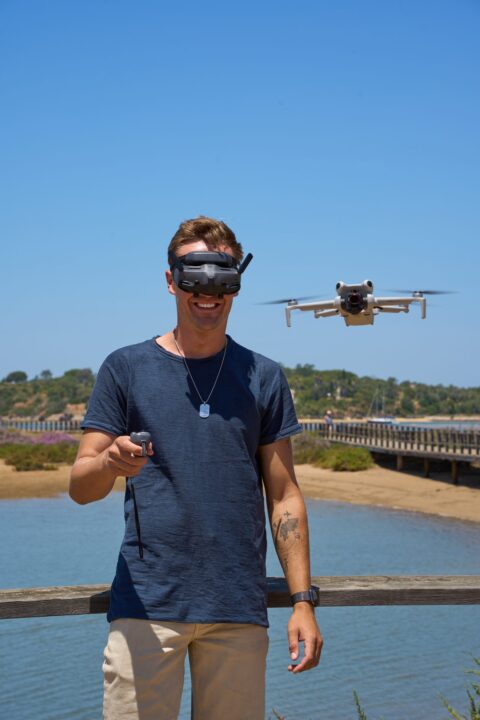
Max Haase
Travel Content Creator · Drone Photographer · Visual Storyteller
A professional travel creator for over 10 years with over 4 million followers. Specializing in high-end tourism board collaborations and visual travel storytelling.

 German
 English