
Best Time to Visit Madeira: Weather Month by Month
The best time to visit Madeira depends less on a single perfect season than on your plan: do you want to hike a lot, see flowers, swim in the Atlantic, or catch the clearest possible summits? The climate of the Portuguese Atlantic island is mild all year round, yet between the coast, the laurel forest and the mountains there are often several different weather worlds. In January 2024 I spent a week on Madeira. I saw how green the levadas are in winter and how quickly sun, clouds and rain can take turns.
My short advice: for balanced hiking weather, March to May and September to November are especially suitable. April to June and September to October usually combine mild conditions with green vegetation and good chances of clear views. If warmth and beach days are your priority, look at July to September. There is no guarantee in any season, because Madeira's mountains create pronounced microclimates.
Best time to visit Madeira at a glance
Madeira lies in the Atlantic and is often called a year-round destination. That is justified: temperatures on the coast stay comparatively mild, while the higher elevations can be much cooler, windier and cloudier. The north is generally wetter than the south. It is exactly this rainfall that feeds the historic water channels along which many hiking trails run today.
| Period | Typical strength | Please note |
|---|---|---|
| January to March | Green landscape, quiet winter mood | More rain, clouds and changeable mountain conditions |
| April to June | Blossoms, pleasant hiking, longer days | Popular trails can get busier |
| July to August | Warmth, plenty of summer light, swimming | More crowds and landscapes that look drier |
| September to October | Warm sea, often good hiking weather | Weather changes remain possible |
| November to December | A mild break and stronger greens again | Shorter days and a higher chance of rain |
For levada hikes, the calendar month is not the only thing that counts. Right before you set off, check the weather, the wind and the official condition of the trail. After heavy rain, paths can be slippery; in tunnels it stays damp anyway. On exposed mountain trails, poor visibility is an additional risk factor. That is why I pack sturdy hiking boots, a rain jacket and a headlamp whatever the season.
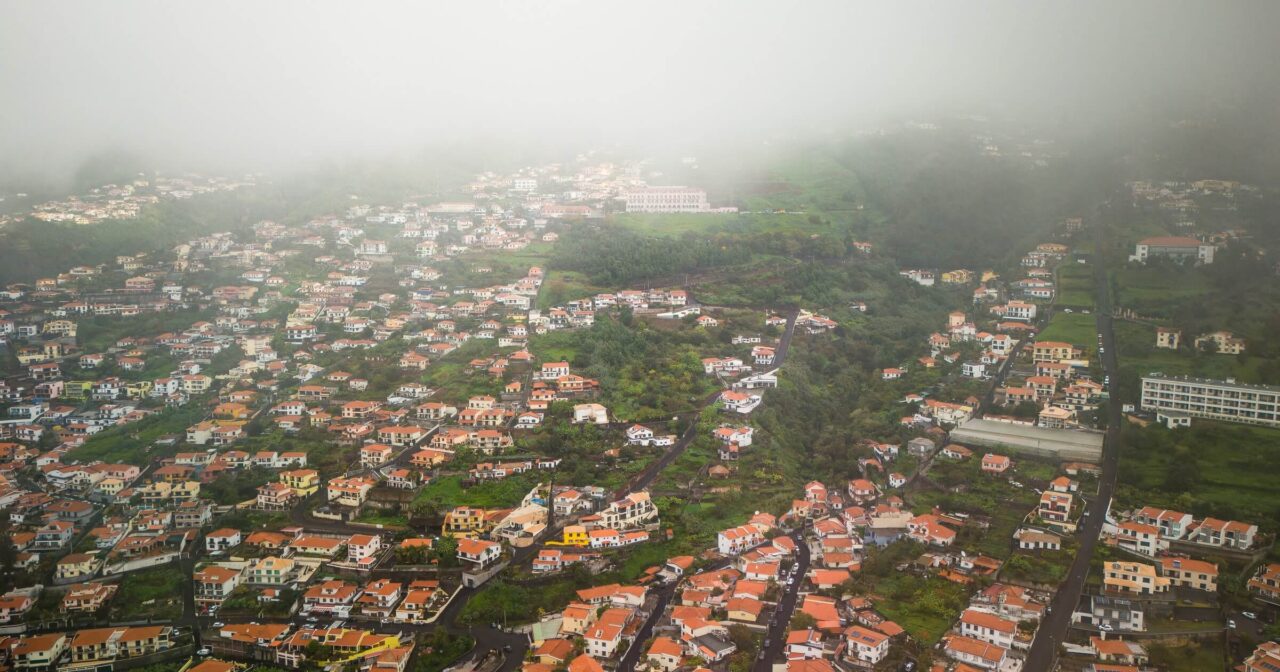
Best time to visit Madeira month by month
Visiting Madeira in January
January suits travellers who like lush greenery and plan flexibly. During my week in January 2024, daytime temperatures were in the mild range; in my travel report I mention 17 to 19 degrees. The levadas looked deep green, but rain and fog are part of realistic planning. Put summit hikes on the clearest day and keep a lower levada or Funchal ready as an alternative. For a pure beach holiday, high summer would be the more obvious choice.
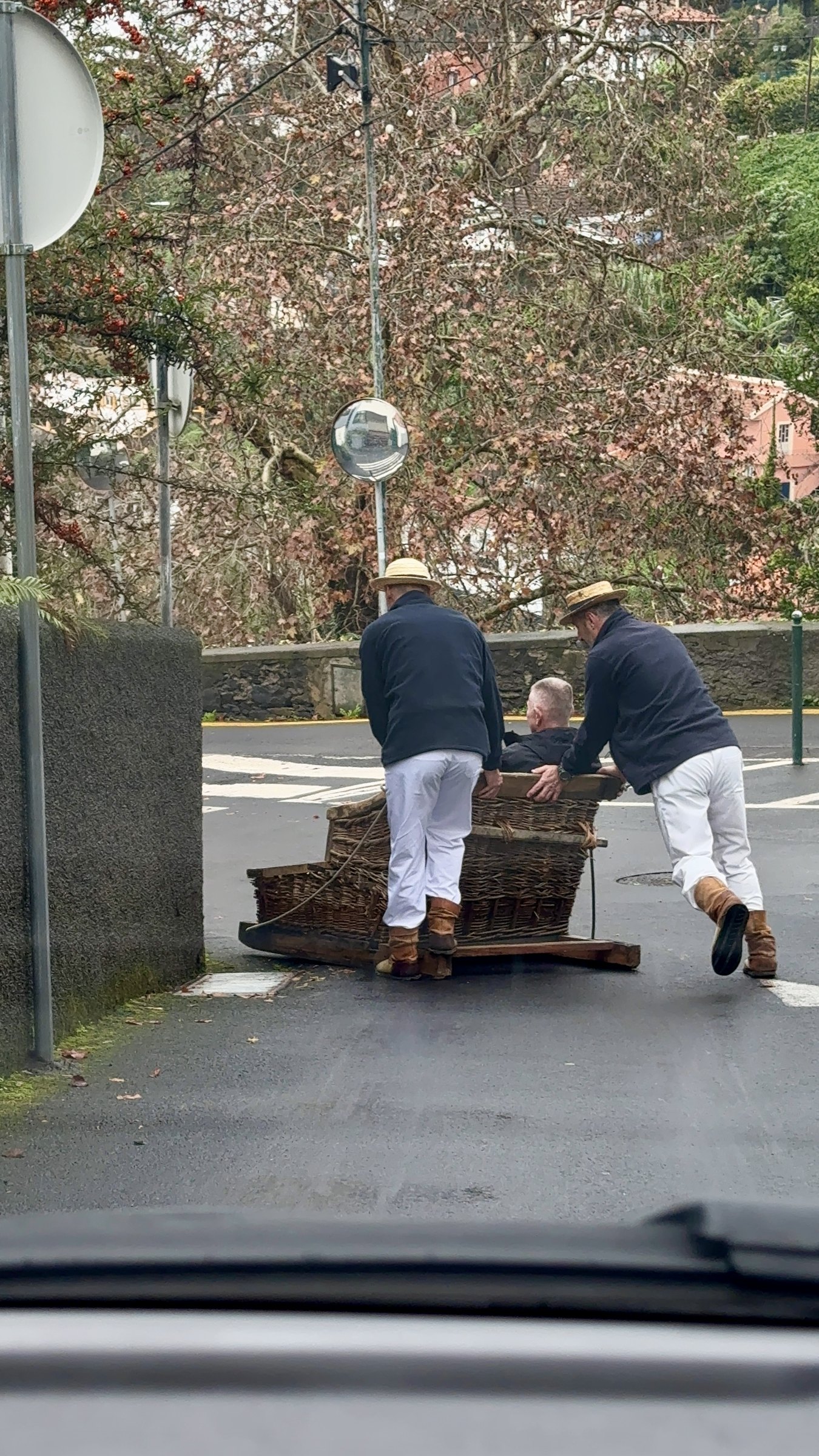
Visiting Madeira in February
In February, too, Madeira remains a mild winter escape, but the wetter part of the year is not over yet. Waterfalls and forests can look especially powerful. At the same time, wet stones make narrow levada paths more demanding. Plan time buffers instead of a rigid daily programme. In the south the sun may shine while clouds hang over the central highlands. Layered clothing therefore makes more sense than a single thick jacket.
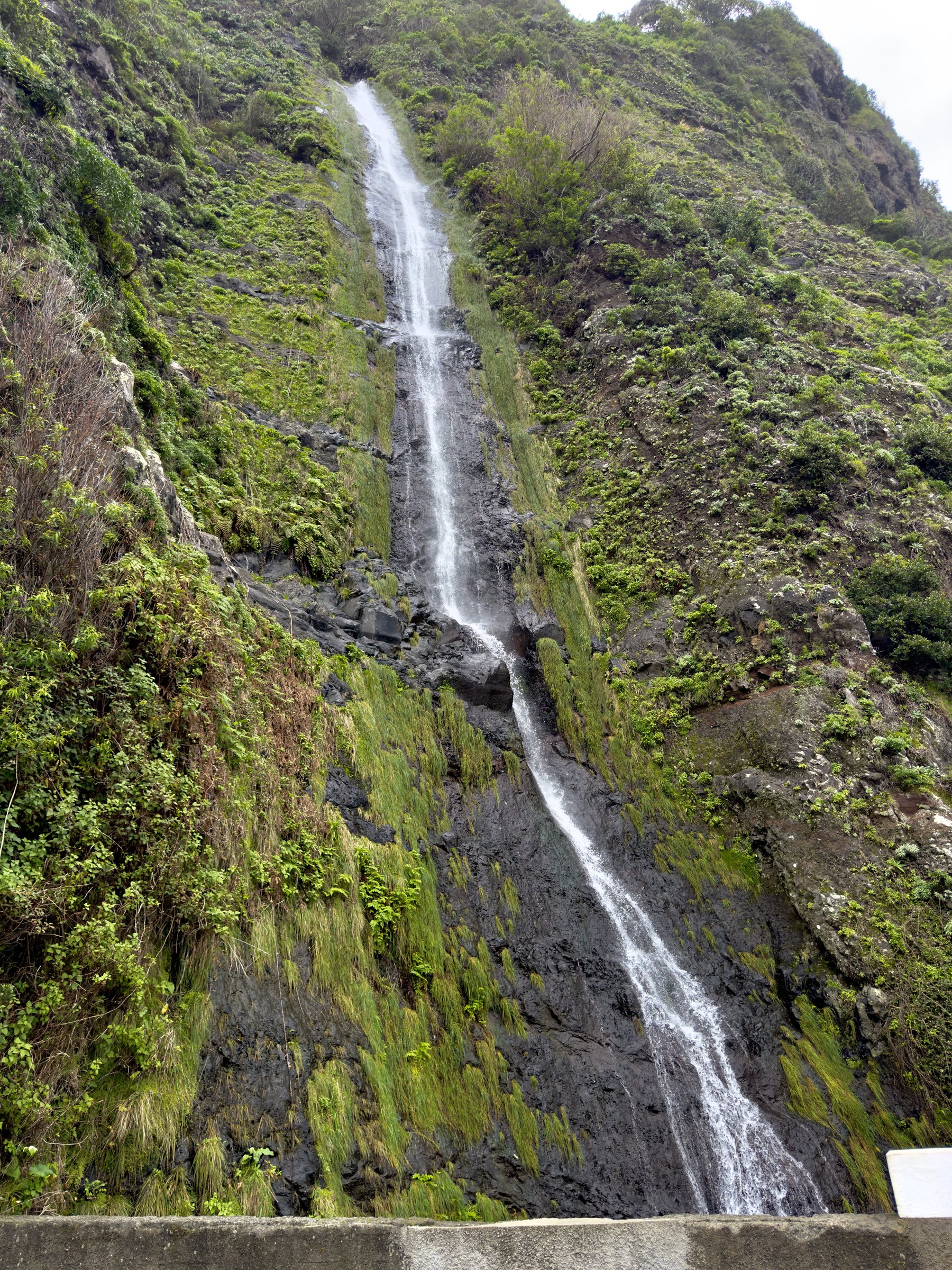
Visiting Madeira in March
In March an attractive transition period begins. The days get longer, the vegetation is fresh and hikes can increasingly be scheduled flexibly. Rain remains possible, but it is precisely the mix of mild coasts and green slopes that makes the month exciting. If you want to combine flowers and levada hikes, you now find a good start without having to prepare for summer heat. For high routes, the morning weather check stays decisive.
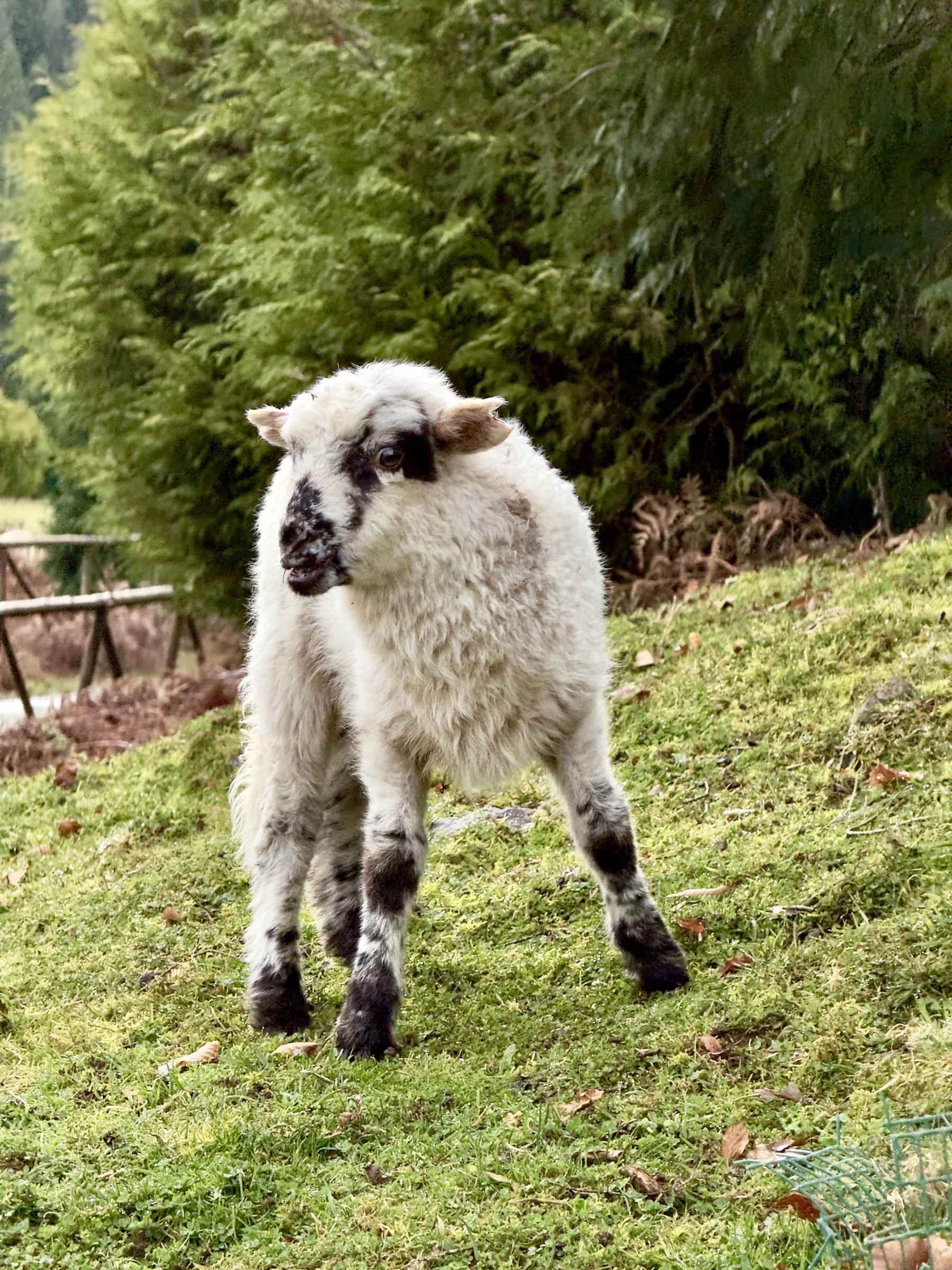
Visiting Madeira in April
For me, April is one of the most convincing months for active trips. The island shows a lot of colour, and conditions are often pleasant for several hours on the trail. Blooming gardens and plants shape the picture, although flowering times vary with elevation and weather. On trails such as Caldeirão Verde, a headlamp for the tunnels stays important. You will find details on the choice and character of the routes in my five most beautiful levada hikes on Madeira.
Visiting Madeira in May
May is a strong all-rounder: plenty of spring green, good hiking options and long days. If you want to experience Madeira as the island of flowers, you get many impressions in gardens, along roads and at different elevations. On the north coast, the chances of clearer weather rise compared with winter. Still, the rain jacket belongs in your backpack. Especially in the laurel forest, moisture and fog are part of the atmosphere, not automatically a ruined day.
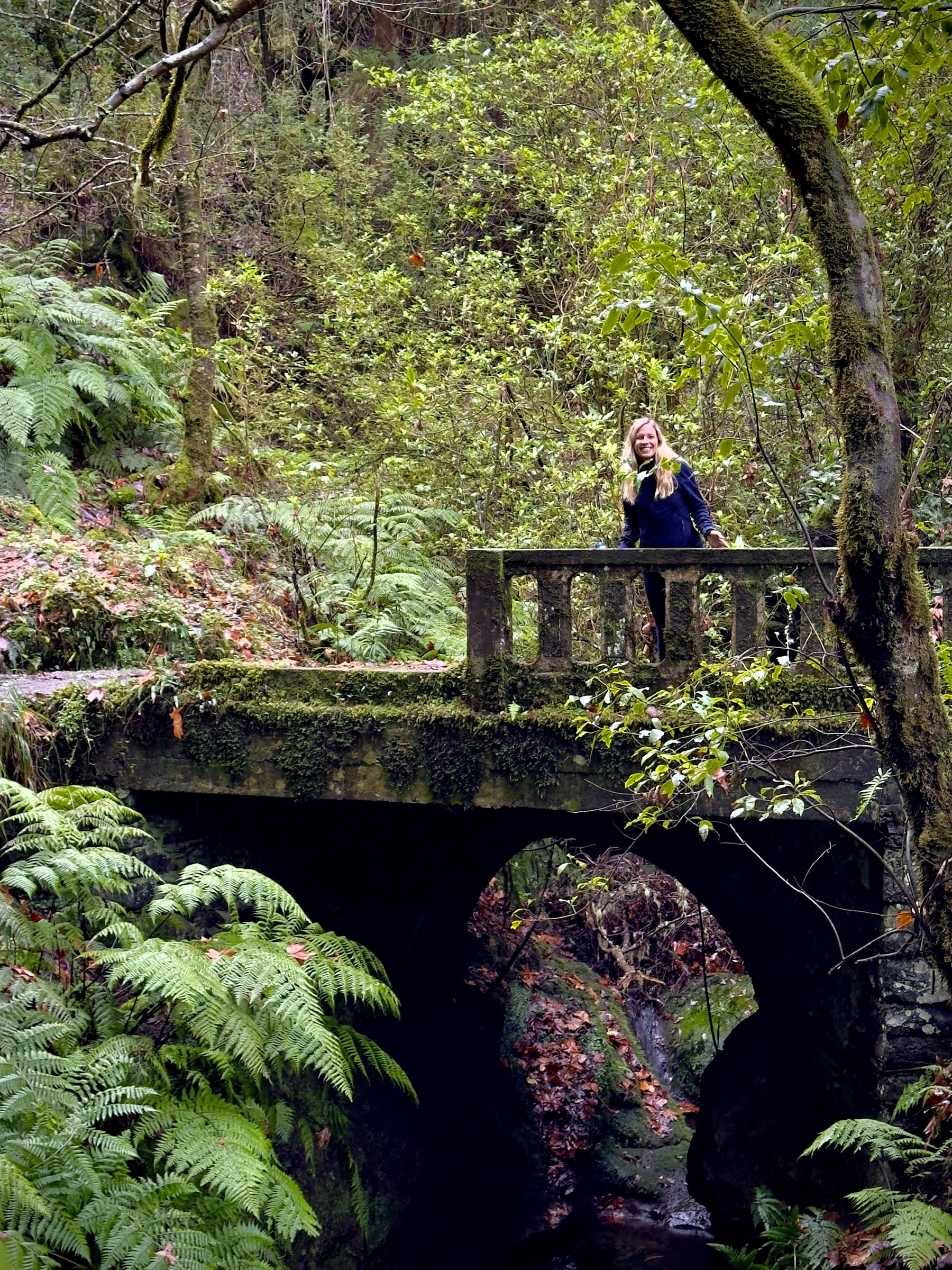
Visiting Madeira in June
In June the travel season moves into summer. It gets warmer and drier, while long bright days make extended exploring easier. Starting in the morning pays off, so you hike in peace and have reserves for weather changes. The summits are not clear every day, even when the coast is sunny. If you want to combine hiking, photography and a little beach time, June is a very balanced phase.
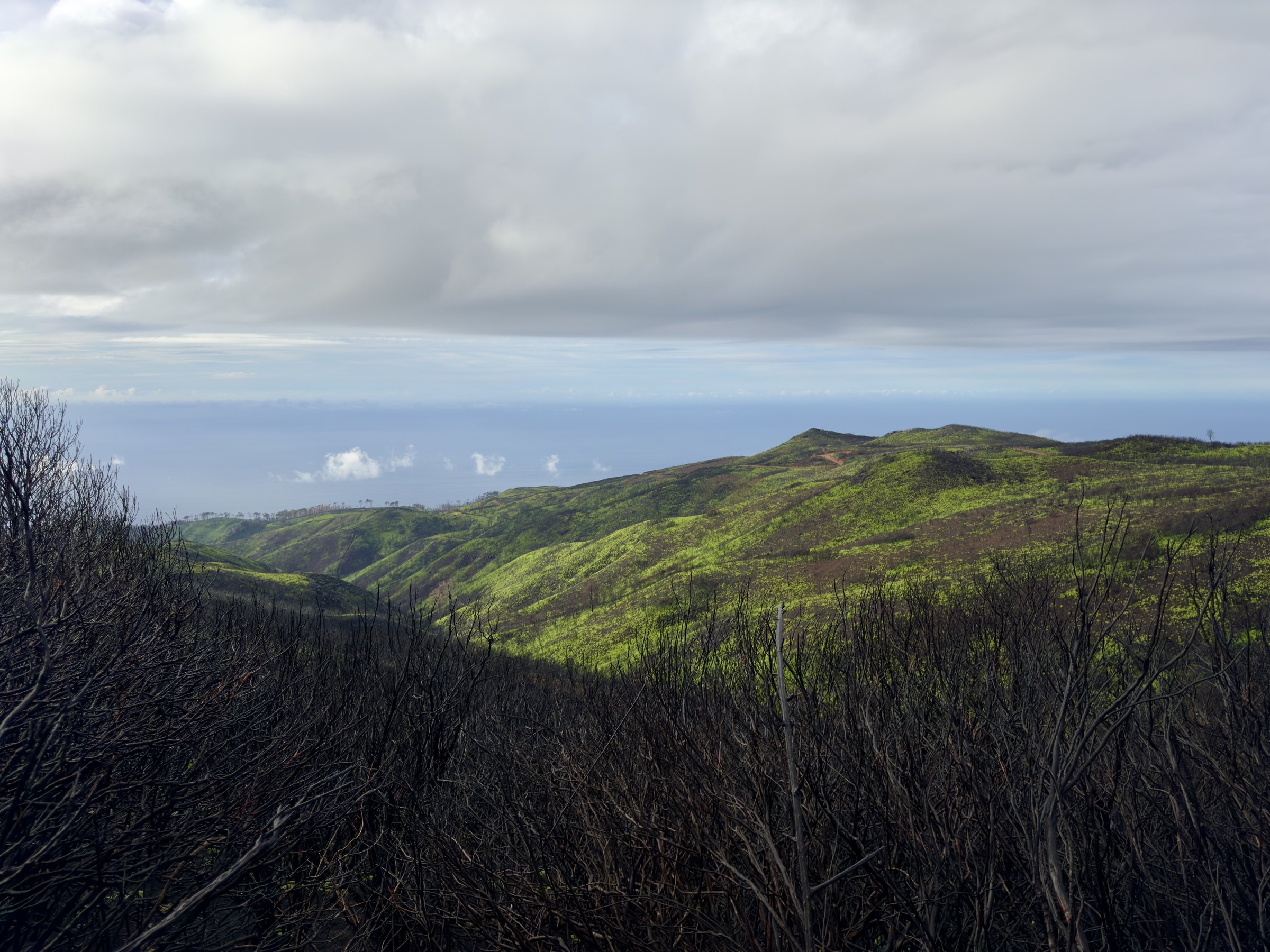
Visiting Madeira in July
July stands for summer conditions and plenty of light. The coast and natural pools become more interesting, while longer tours in the midday sun can be more strenuous. Start levadas early and take enough water. In open, sun-exposed landscapes the vegetation can look drier than in spring; the damp laurel forests keep their own character. Popular viewpoints and classics now call for timely planning.
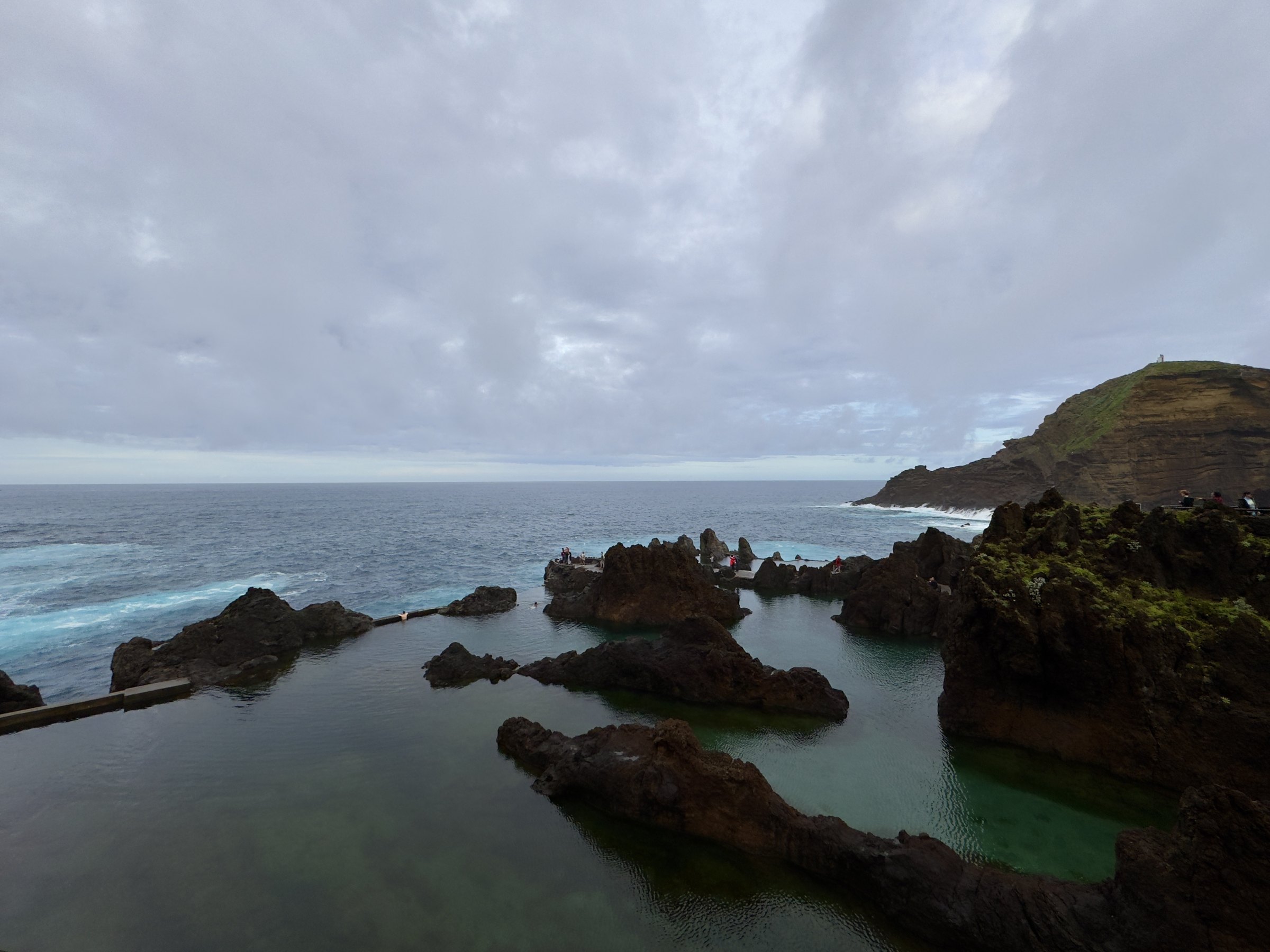
Visiting Madeira in August
August is a good choice if warmth and a summery island feeling come first. At the same time, it is not one of the quietest months. On sections without shade an early start is especially valuable. Sun and wind protection are just as important as the rain situation in the mountains. With its barren volcanic colours, Ponta de São Lourenço looks completely different from the green levadas and shows how strongly Madeira's landscapes differ over short distances.
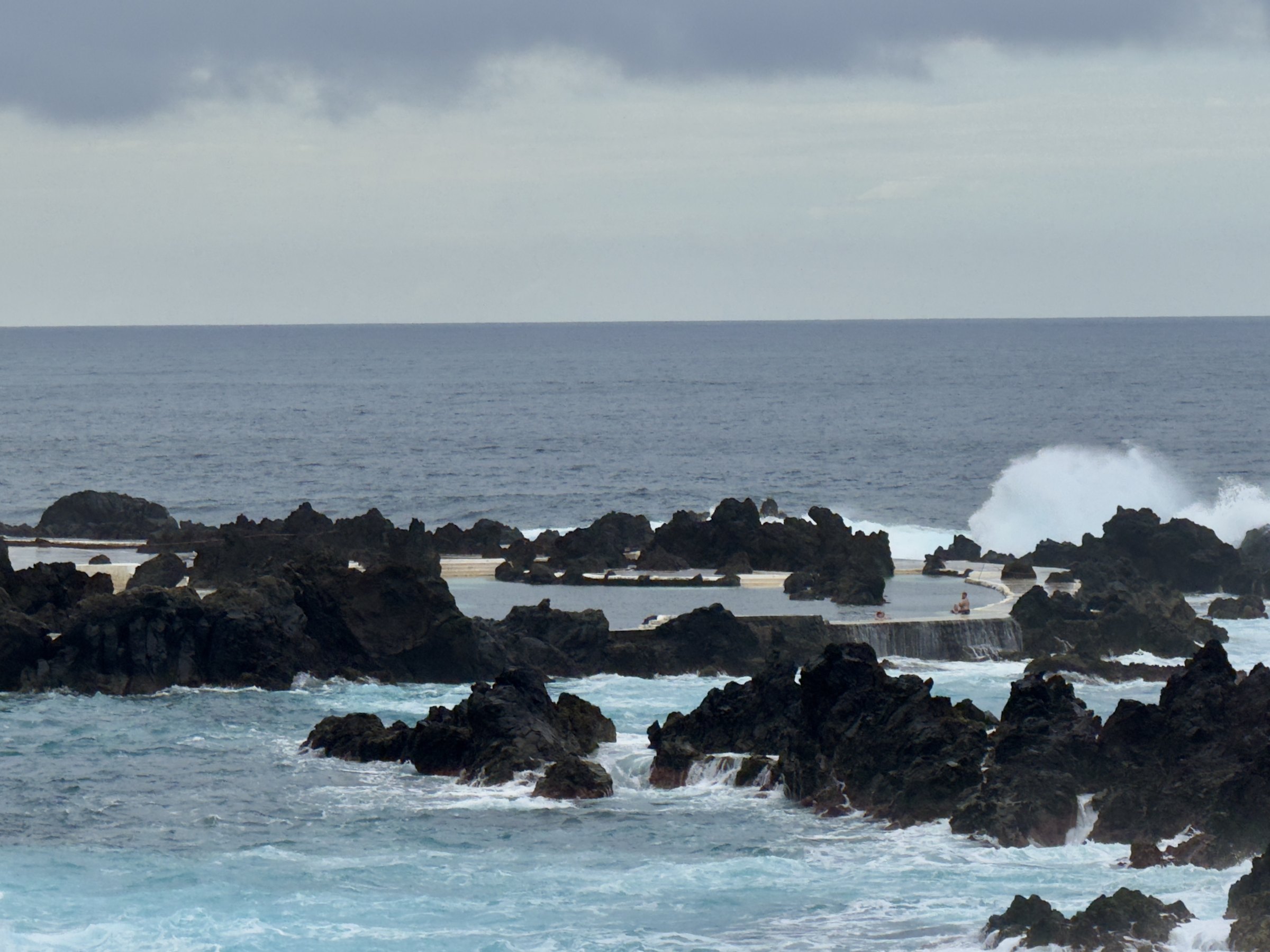
Visiting Madeira in September
September often combines summery warmth with very good options for active days. The sea has stored up warmth, while hiking stays pleasant with a smart choice of time of day. For me this is one of the most versatile months: coast, levada and city fit well into one trip. On mountain tours the same rules apply as always: take wind and clouds seriously and switch to a more sheltered alternative when the situation is uncertain.
Visiting Madeira in October
In October the transition into the wetter half of the year begins, but mild temperatures and good hiking days are still possible. If swimming is not your only goal, you get a balanced mix. The light gets softer and after the first rainfall the vegetation visibly gains freshness. Do not pack for the whole island based on the weather in Funchal: in the mountains, a completely different situation can prevail at the same time.
Visiting Madeira in November
November suits flexible travellers who appreciate greenery, changing cloud patterns and milder active days. More frequent rain does, however, raise the risk of slippery sections. A plan with interchangeable days works better than a fixed sequence of summits. Funchal, the south coast or a low-lying hike can be alternatives when the higher elevations are in cloud. The shorter day length should be taken into account for your start time.
Visiting Madeira in December
December offers a mild Atlantic island instead of a central European winter, but it is no reliable guarantee of sunshine. Showers, wind and clouds can dictate the planning. The wet landscape around levadas and laurel forest looks intensely green in return. Begin tours early because it gets dark sooner, and turn back resolutely if conditions become problematic. For a warm holiday with a daily beach focus, summer is better suited; for nature with spontaneous planning, December can be appealing.
Best time to visit Madeira for weather and microclimate
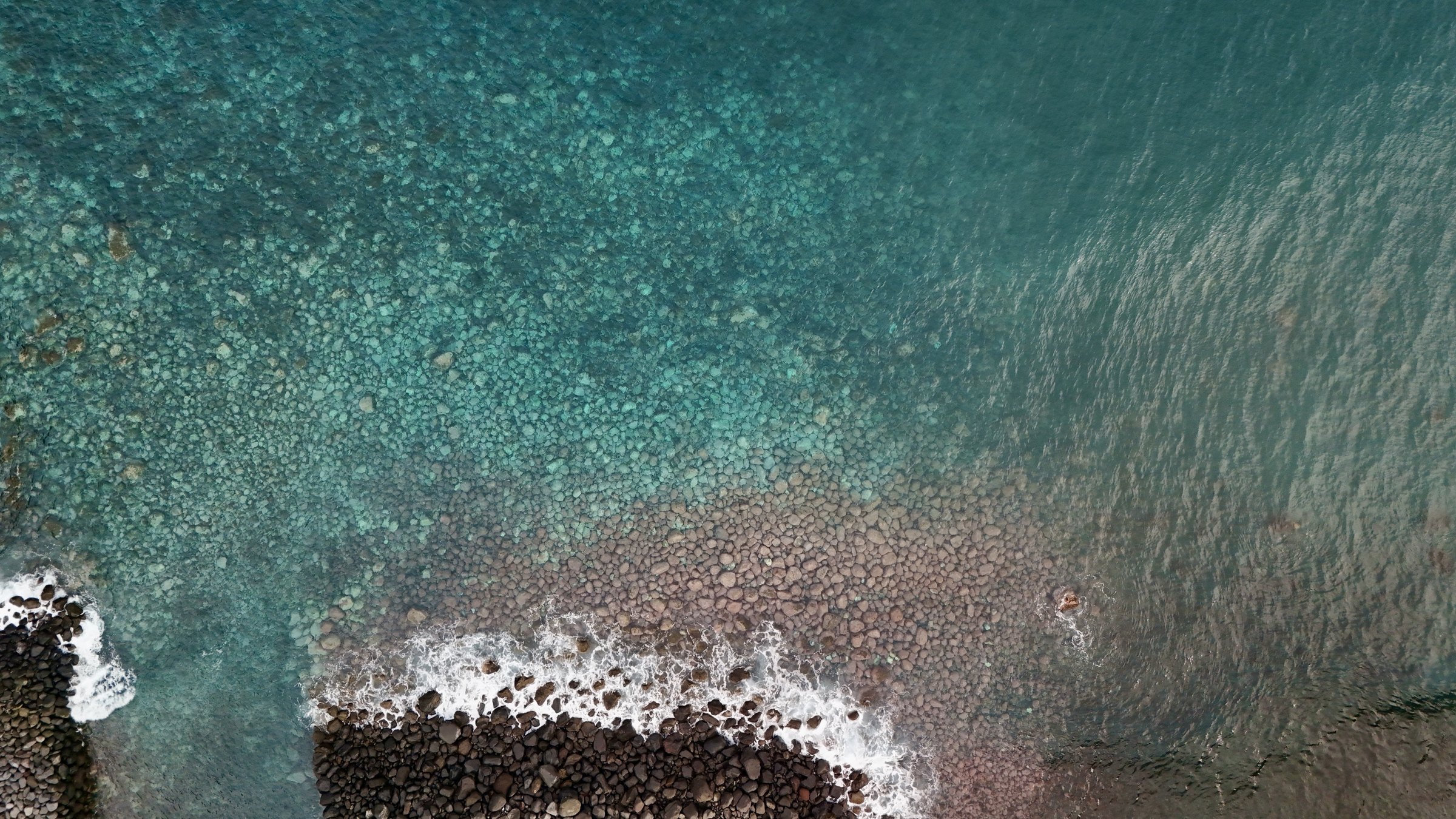
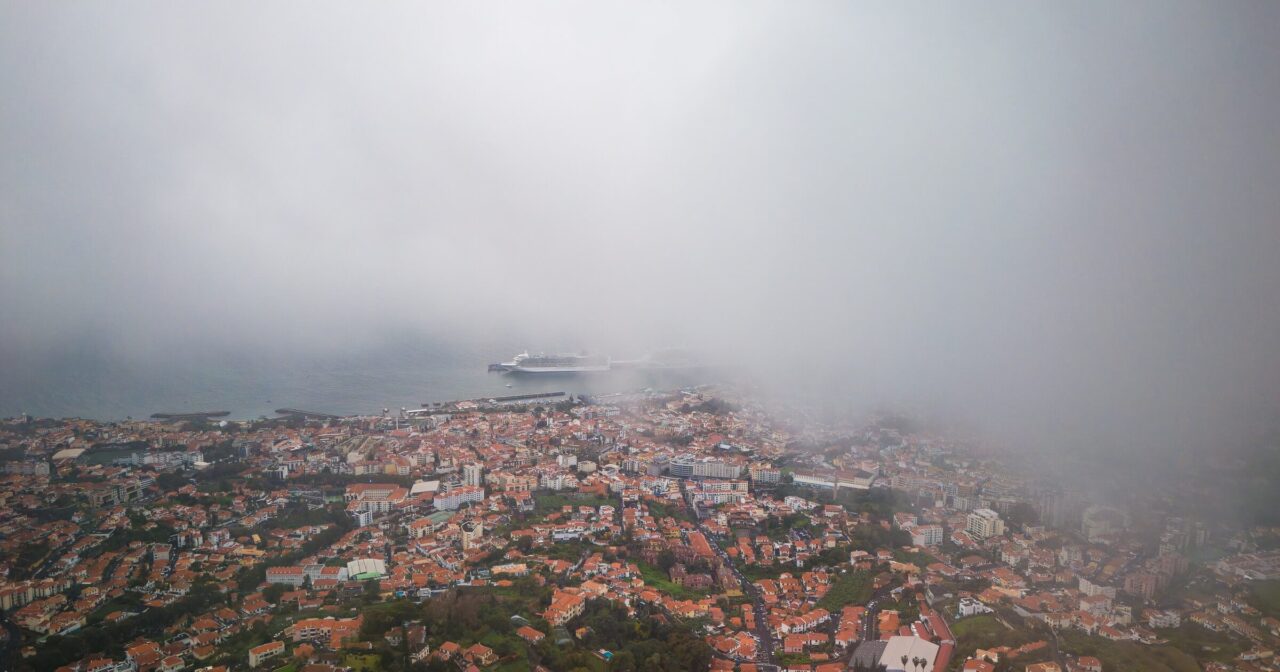
Madeira's relief explains why general monthly values are only a guide. Moist Atlantic air rises over the mountains, cools down and forms clouds or rain. As a result the north side is usually wetter, while the south more often has sunny spells. Between Funchal and a summit the weather can change completely. Altitude also lowers the perceived temperature, and wind amplifies this effect.
- Check the forecast for the specific place, not just for Madeira or Funchal.
- Plan high, exposed trails only with suitable visibility and stable wind.
- Take a light rain and wind layer even in summer.
- For every mountain day, keep a sheltered levada or a coastal day ready as an alternative.
In my Madeira travel report on levadas, Funchal and drone footage , I describe my one-week January trip. That is where the concrete experiences are; this article is deliberately meant as a seasonal planning aid.
Best time to visit Madeira for levadas and mountains
For hikes, April to June and September to October are especially balanced. In winter the levadas carry a lot of water and the forests are intensely green, but wetness and clouds demand more flexibility. In summer the days are long, but open stretches can get warm. The Levada do Rei is fairly easy and shaded; Caldeirão Verde leads through tunnels and along partly narrow paths. The route between Pico do Arieiro and Pico Ruivo, by contrast, is not a levada but a demanding, exposed mountain tour.
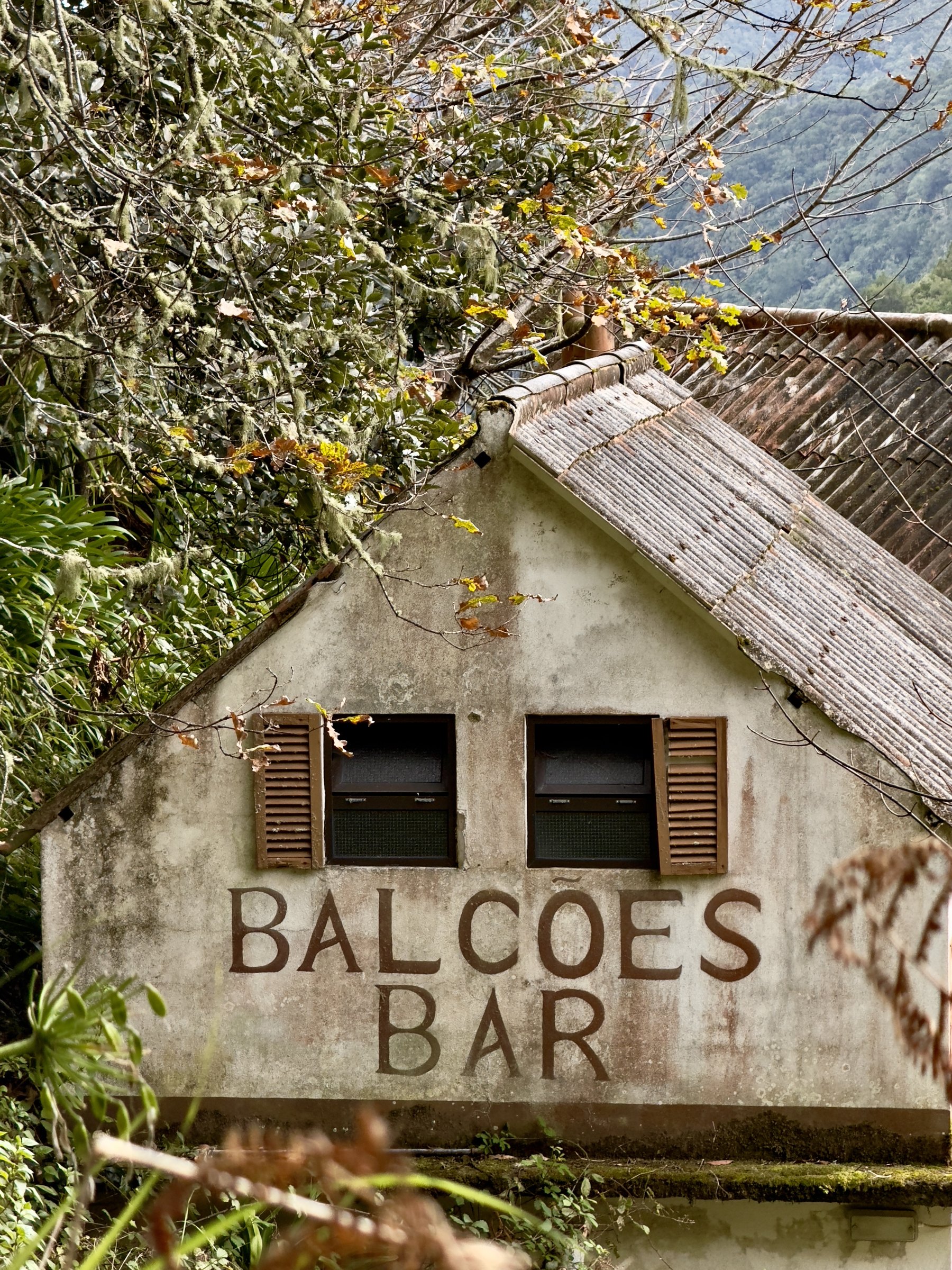
Weather is not the only safety factor. Trails can be temporarily closed or damaged. So check the current official status instead of relying on older travel reports. Sturdy shoes with tread, a headlamp, water and a rain jacket are basic kit for me. In wet conditions or strong wind, the harder route should wait.
Best time to visit Madeira for flowers and nature
Madeira rightly bears the name island of flowers, but nature does not stick to a single flowering month. Thanks to mild temperatures, plenty blooms throughout the year; spring and early summer, however, offer especially varied colours. Elevation, location, rainfall and the weather of the particular year shift the exact timing. If you are travelling only for a particular plant species, check its current development shortly before your trip.
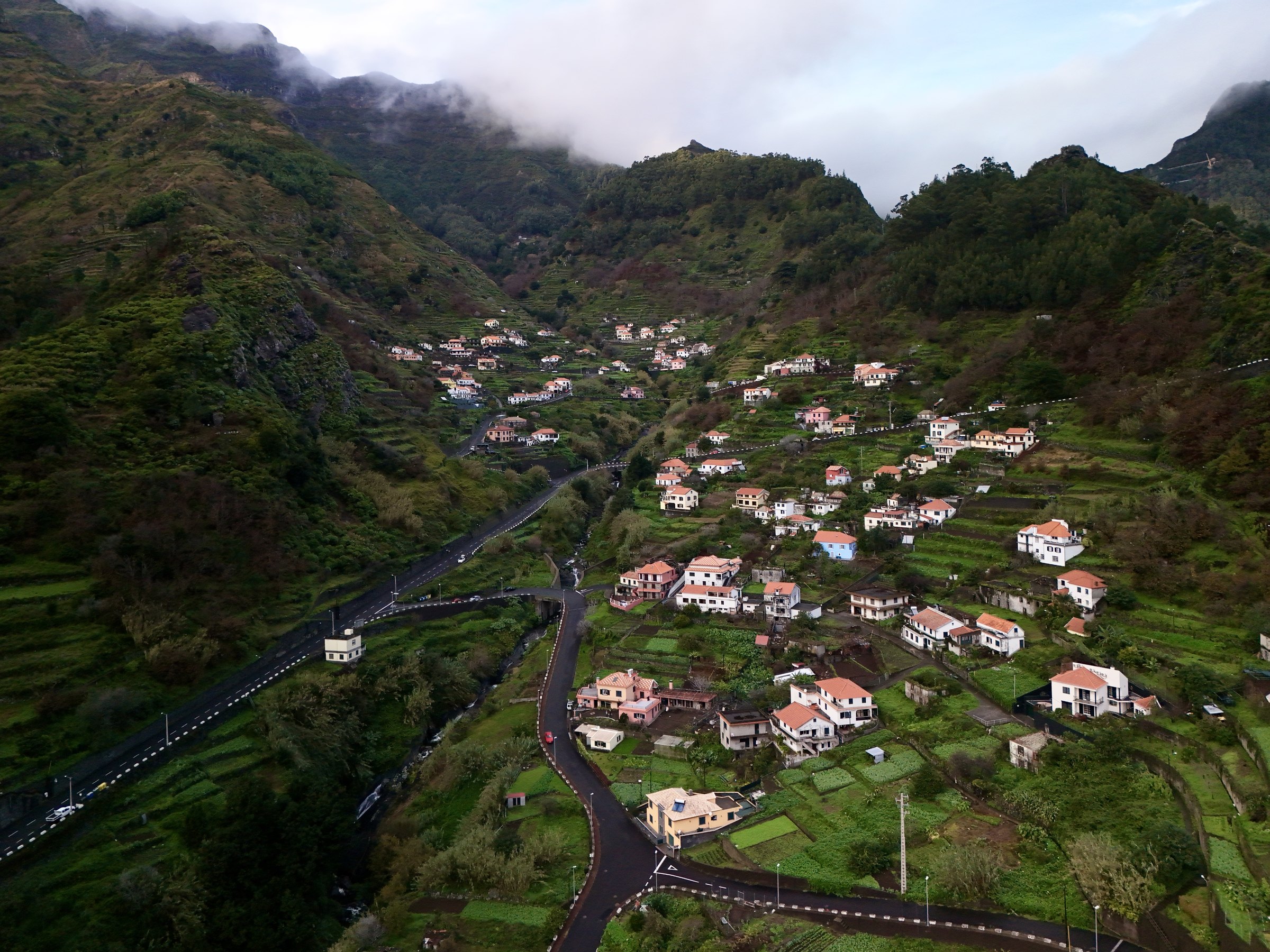
The forests tell a second natural history. The evergreen laurel forest looks especially lush after rain, and mosses and ferns benefit from the moisture. In the Fanal forest I found the old laurel trees especially mystical in the frequent mist. Open coastal landscapes, by contrast, can look barer in summer. For nature photography, then, the sunniest month is not automatically the most interesting.
Best time to visit Madeira and prices
Prices change with season, demand and booking time. In my underlying Madeira travel report I give, as a guide, 30 to 50 euros per night for budget accommodation and 80 to 150 euros for comfort, plus 20 to 40 euros per rental car day. Flights from the German-speaking countries are given there as 100 to 250 euros. These ranges are not current offers or guarantees. For your dates, compare the actually bookable total costs and conditions.
Price should not be the only factor in choosing the best time to travel. A cheap date does little good if your most important summit tour is unrealistic because of the weather. Conversely, a flexible trip in the shoulder season can work very well. For rental cars, check insurance, fuel policy and cancellation in addition to the daily price, without relying on a conspicuously low advertised figure.
Best time to visit Madeira for tourism boards
I produce travel and outdoor content focused on landscape, hiking and visual storytelling. Tourism boards that want to show Madeira or other destinations in a seasonal and credible way will find information on formats and contact on my page about Collaboration for tourism content.
FAQ
When is the best time to visit Madeira?
For a mix of hiking, nature and mild weather, April to June and September to October are especially attractive. March to May and September to November also work well. Your personal best time depends on whether levadas, flowers, swimming or summits are the priority.
Can you visit Madeira all year round?
Yes, the mild climate makes travel possible all year round. Winter is wetter and often cloudier in the mountains; summer is warmer and drier. Whatever the month, microclimates on the island can produce very different conditions.
What is the best time to visit Madeira for levadas?
April to June and September to October often offer a good balance. Winter hikes can be especially green, but because of rain, slippery paths and shorter days they demand more flexibility. Check the weather and the trail status before every tour.
When does Madeira show the most flowers?
Spring to early summer is a good choice for an especially varied display of blooms. Thanks to the mild climate, though, Madeira also shows flowers in other months. Species, elevation and the year's weather influence the exact timing.
What is the cheapest time to visit Madeira?
No blanket cheapest time can be named with any credibility, because flights, accommodation and rental cars are priced dynamically. Compare specific travel dates and flexible alternatives. The ranges given in the article come from my Madeira travel report and are only a guide, not current offers.
New places, drone footage, and behind-the-scenes looks.

Max Haase
Travel Content Creator · Drone Photographer · Visual Storyteller
Since over 10 years I have been a professional travel creator with over 4 million followers; I specialise in high-end tourism board collaborations and visual travel stories.

 German
 English
 French
 Spanish
 Italian
 Japanese
 Chinese
 Dutch
 Portuguese