
Andalusia Round Trip: 14-Day Route, Sights & Costs (2026)
Andalusia Road Trip — Southern Spain is the emotional highlight of any trip through Spain. The blend of Moorish architecture, flamenco culture, white mountain villages, breathtaking cathedrals, and the rugged Atlantic coast makes Andalusia one of the most diverse regions in Europe. In this Andalusia travelogue, I share our complete route, the most beautiful sights, insider tips off the beaten track, and all the practical advice for a perfect Andalusia road trip — from a day-by-day itinerary to a cost overview.
- 10–14 day round trip: Granada → Córdoba → Sevilla → Ronda → Cádiz → Costa de la Luz → Málaga/Marbella — the classic Andalusia route with all the main sights and the white mountain villages.
- The fortress of Granada is the most impressive building in Europe — tickets must be booked online weeks in advance; tickets sold on site are practically non-existent.
- Seville & Córdoba: Flamenco in Triana, tapas for €2–3, Giralda Cathedral, Alcázar (Game of Thrones filming location) and the Mezquita as a mosque-in-cathedral phenomenon.
- White Villages & Ronda: The Pueblos Blancos between Ronda and Cádiz are pure Andalusia; Ronda itself, with its 100 m deep gorge, is a dream from the air.
- Costa del Sol & Marbella: The glamorous coast with Puerto Banús, Malaga as Picasso's birthplace and Nerja with its stalactite caves — a perfect contrast to the tranquil Costa de la Luz.
- Costa de la Luz: Between Cádiz and Tarifa, golden sandy beaches, constant kitesurfing winds and a vibe far away from the overcrowded hotel complexes of the Costa del Sol.
Andalusia Round Trip Itinerary: Day-by-Day Itinerary for 10–14 Days
A classic tour of Andalusia takes 10 to 14 days and covers all the region's main attractions. Less than a week is only worthwhile for short trips to Seville or Granada—you need more time to explore the entire south of Spain. Here's our tried-and-tested itinerary for a 14-day tour:
- Days 1-2 Granada: Alhambra (tickets in advance online!), Albaicín district, Sacromonte caves, Sierra Nevada. Accommodation: Boutique hotel in the old town or double room from €70-90/night.
- Days 3–4 Córdoba: Mezquita, Jewish Quarter (Judería), Alcázar de los Reyes Cristianos, Puente Romano. A day trip from Granada is possible, but two days are more relaxed.
- Days 5-7 Seville: Giralda Cathedral, Alcázar Palace, Barrio Santa Cruz, Triana district (Flamenco!), Plaza de España, boat tour on the Guadalquivir.
- Puente Nuevo, Arab Baths, Plaza de Toros (Spain's oldest bullring). Perfect stop on the way to the coast.
- Days 9–10 White Villages (Pueblos Blancos): Arcos de la Frontera, Grazalema, Zahara de la Sierra, Setenil de las Bodegas, Olvera. A rental car is really worthwhile here.
- Days 11–12 Costa de la Luz: Cádiz (oldest city in Western Europe), Tarifa (kitesurfing, view of Africa), Bolonia and Zahara beaches.
- Day 13–14 Costa del Sol & Málaga: Málaga (Picasso Museum, Cathedral, Alcazaba), optionally Marbella/Puerto Banús or Nerja with the stalactite caves.
Getting to your Andalusia tour: The best airports to fly to are Málaga (AGP) or Seville (SVQ) — both have excellent car rental infrastructure. A rental car is practically essential for your Andalusia tour: the white villages and the Costa de la Luz are difficult to reach by public transport. Price: approximately €35–55 per day for a small car.


Andalusia sights: Granada & the Alhambra
The fortress in Granada is the most impressive building I have seen in Europe—and I have seen many. The intricate details of the Islamic ornamentation, the water features of the Generalife gardens, and the view over Granada to the Sierra Nevada are breathtaking. The fortress dates back to the 13th century and was the last Moorish stronghold in Spain before the Reconquista was completed in 1492.
Alhambra Tickets: First things first — tickets MUST be booked online weeks in advance. If they're sold out on-site, you're out of luck. The Alhambra complex comprises three main areas: the Nasrid Palaces (the heart of the complex, with timed entry), the Generalife Gardens (separate entry slots), and the Alcazaba (military fortress with 360° views of Granada). Allow at least 3–4 hours for the entire visit.
The Albaicín district (a UNESCO World Heritage Site) with its white alleyways, courtyards, and viewpoints is magical at sunset—when the Alhambra glows golden against the backdrop of the snow-capped Sierra Nevada. The Mirador de San Nicolás is THE sunset spot in the city, but don't expect solitude: 200 other tourists with tripods will be there. Insider tip: the slightly higher Mirador de San Cristóbal offers an almost identical view and is significantly less crowded.
Beneath the Albaicín lies the Sacromonte district—historically the home of Granada's Roma community and the cradle of flamenco. Some of the cave dwellings in the hillside are still inhabited, while others host authentic flamenco shows (not the touristy versions from Seville!). Tickets start at €25–35, including a drink. The Zambra style of flamenco is unique to Sacromonte.
Day trip from Granada: The Sierra Nevada is a perfect day trip in winter (skiing!) or summer (hiking). From the summit of Pico del Veleta (3,394 m), you can see as far as the Mediterranean Sea and Morocco on a clear day. On the way back, be sure to visit the Francisco Abellán Reservoir—a turquoise lake nestled in the mountains, perfect for a picnic and a swim.


Seville, Córdoba & the Pueblos Blancos: Andalusia's hidden gems
Seville is the most passionate city in Spain: flamenco in the bars of the Triana district, tapas for €2-3 a portion, the Giralda Cathedral (a former minaret, the largest Gothic cathedral in the world), and the Alcázar Palace—made famous as the residence of Dorne in Game of Thrones. Plan at least three days for Seville, preferably more. The old town, Barrio Santa Cruz, with its narrow streets and courtyards, is a city within a city.
Seville Insider Tips: Most tourists head to the Giralda and the Alcázar and then spend their evenings in the famous tapas bars on Calle Mateos Gago. Our tip: cross the river to Triana. Here you'll find authentic flamenco peñas, genuine bars without tourist prices (tapas for €1.50, a glass of wine for €1.80), the beautiful Iglesia de Santa Ana, and the Triana Market with fresh Andalusian specialties. The Museo del Baile Flamenco by Cristina Hoyos vividly illustrates the history of flamenco.
Córdoba is most impressive for the Mezquita—a mosque within a cathedral within a mosque, an architectural paradox that must be seen to be understood. The 856 columns inside form a labyrinth of horseshoe arches in red and white—and at its heart lies the Renaissance cathedral, built into the mosque in the 16th century. This intervention, still controversial today, created one of the most unique buildings in the world.
The Judería Quarter (former Jewish Quarter) in Córdoba, with its flower-filled patios and the Calleja de las Flores (Street of Flowers), is one of the most photographed places in Spain. In May, the famous Patio Festival takes place—residents open their courtyards to visitors, and the old town transforms into a sea of flowers. A tour of Andalusia in May wouldn't be complete without visiting the patios.
The white villages in the mountains between Ronda and Cádiz are the epitome of Andalusia: whitewashed houses, narrow streets, flowerpots on every corner, and storks nesting on the church steeples. Our favorites on any tour of Andalusia:
- Ronda with its spectacular Puente Nuevo bridge over the 100m deep El Tajo gorge — one of the most photogenic subjects in Spain, a dream to see from the air with a drone.
- Arcos de la Frontera — the first of the white villages, dramatically perched on a rock above the Guadalete River
- Zahara de la Sierra with its castle and the turquoise reservoir in the valley
- Grazalema — the rainiest place in Spain, starting point for hikes in the natural park
- Setenil de las Bodegas — houses built directly into the rocks (you live under the mountain)
- Olvera — a beautiful castle overlooking endless olive groves
Ronda deserves special mention: the city is bisected by the gorge and reunited by the dramatic Puente Nuevo—a 98-meter-high bridge dating from the 18th century. Those who descend into the gorge on foot can see the bridge in its full glory. Ronda is also the birthplace of modern bullfighting; its Plaza de Toros is the oldest in Spain and is now a museum.


Málaga, Marbella & Costa del Sol: The Glamor Coast
The Costa del Sol is the tourist heart of Andalusia — and at the same time the most criticized part of the region. Justifiably so? Partly. While the hotspots like Torremolinos and Fuengirola do indeed seem stuck in the 1970s, the Costa del Sol also boasts genuine gems that should be included in every Andalusian itinerary.
Málaga is the second largest city in Andalusia and has transformed itself over the last 15 years from a mere transit city into a cultural hotspot. The Alcazaba Palace, the Roman theater ruins, and the cathedral with its unfinished second tower ("La Manquita" – the One-Armed Lady) are the main attractions of the old town. As the birthplace of Pablo Picasso, Málaga is also home to the second largest Picasso Museum in the world after the one in Paris. The Puerto de Málaga has been completely modernized and offers first-class restaurants with views of the Mediterranean.
Málaga Tips: Just outside the city center lies the Castillo de Gibralfaro — a Moorish castle on a hill with spectacular views over the city and the sea. The climb is strenuous, but the view is worth it. In the evening, be sure to eat at one of the chiringuitos on Pedregalejo beach: freshly grilled fish (especially the sardine skewers "espetos") straight from the sea, with a view of the sunset.
Marbella and Puerto Banús are the glamorous destinations of the Costa del Sol. Marbella's old town is surprisingly charming—whitewashed houses, narrow streets, and the central Plaza de los Naranjos with its orange trees. Puerto Banús, 8 km west of Marbella, is the marina of the rich and famous: Ferraris, Lamborghinis, and 50-meter yachts dominate the scene. Those who enjoy luxury shopping will find it here—everyone else can have an aperitif and move on.
Nerja, east of Málaga, is a must-see on any trip to Andalusia: The Balcón de Europa promenade, perched on a cliff overlooking the sea, offers one of the most beautiful views in Andalusia. The Cueva de Nerja—a vast cave with 40,000-year-old cave paintings—is one of the most impressive caves in Europe. The beaches of Maro and Nerja are considerably quieter than those further west along the Costa del Sol.


Costa de la Luz & Atlantic Coast: Tarifa, Cadiz & Gibraltar
Between Cádiz and Tarifa lies Andalusia's best-kept secret: endless golden sandy beaches, consistent winds perfect for kitesurfing, and an atmosphere light-years away from the high-rise hotels of the Costa del Sol. The "Coast of Light" (as it translates) is the wild, less developed part of the Andalusian coast—and precisely for that reason, so special.
Cádiz is considered the oldest city in Western Europe (founded around 1100 BC by the Phoenicians). The old town is a peninsula surrounded by the Atlantic Ocean, with ancient watchtowers on the rooftops, narrow streets, and one of the most beautiful beaches of any major European city—Playa de la Caleta. The Cathedral of Cádiz, with its golden dome, is a breathtaking sight at sunset from Parque Genovés.
Tarifa is the southernmost point of mainland Europe and the kitesurfing capital of Europe—on clear days you can see Africa on the horizon, just 14 km away. We spent two weeks in Tarifa, during which I finally learned to kitesurf properly. Tarifa isn't the top kitesurfing spot in Europe for nothing: the "Levante" (east wind) provides perfect conditions for over 250 days a year. A complete kitesurfing setup costs significantly less in Tarifa than in Germany—lessons start at €80 per day for beginners.
For hikers and nature lovers: the Los Alcornocales Natural Park north of Tarifa is one of the largest cork oak forests in the world and offers spectacular hikes. The beaches of Bolonia and Zahara are pristine, with Roman ruins (Baelo Claudia in Bolonia) and golden sand stretching for miles. Near Tarifa, you'll also find Europe's only desert dune—the Duna de Bolonia, a 30-meter-high migrating dune that is slowly reclaiming the land.
Gibraltar makes for an interesting day trip on any Andalusia itinerary—even though it's formally part of Great Britain. The Rock of Gibraltar, with its famous Barbary macaques (the only free-roaming monkeys in Europe), St. Michael's Cave, and World War II military bunkers, is easily manageable in a day trip. Practical tip: You can park your car on the Spanish side in La Línea and cross the border on foot via the famous airport runway.
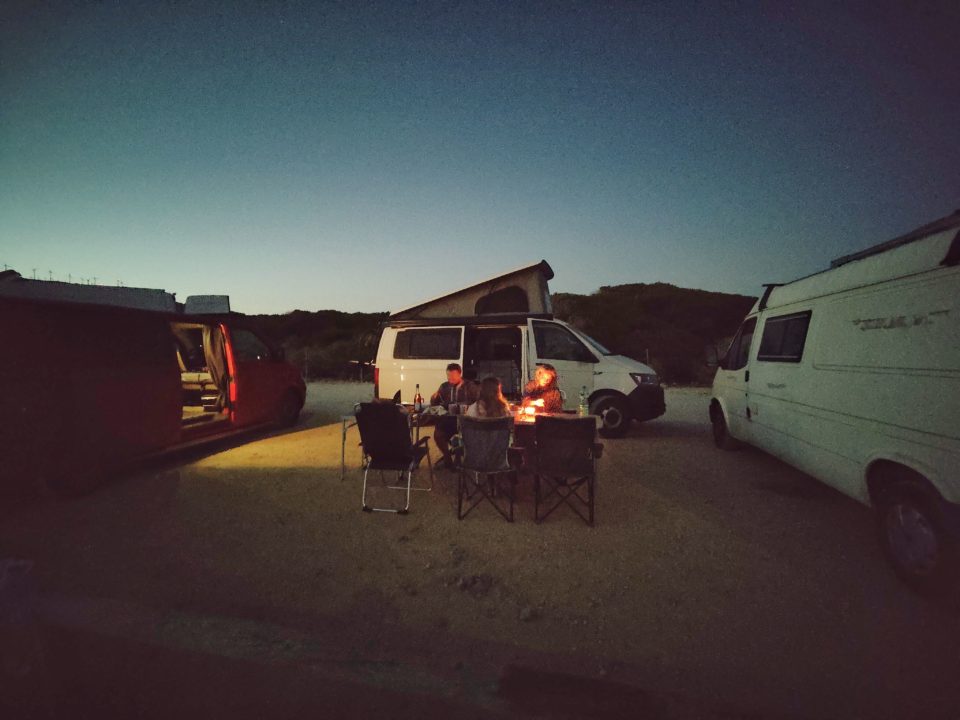
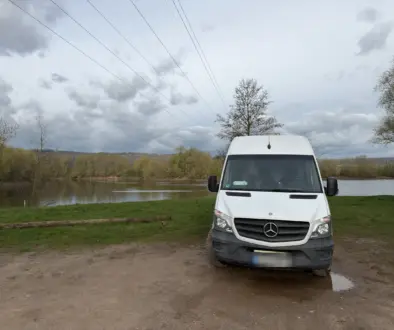
The coast is one of the last havens for van life in Southern Europe. Away from the main beaches, there are still tolerated campsites right by the sea. How long this will remain the case is uncertain – some municipalities have already introduced bans, while others are still relaxed.
Andalusia tour costs, travel time & practical tips
Cost of a round trip to Andalusia (per person, excluding flights, for 14 days):
- Budget tour: €600–900 (hostels/cheap guesthouses, self-catering, few entrance fees) — Double room from €35/night in off-season
- Mid-range tour: €1,100–1,500 (3-star hotels, restaurants, all major entrance fees) — Double room €70–100/night
- Premium tour: €2,000+ (4-star hotels, guided tours, fine dining) — Double room €150–250/night
- Rental car: approx. €500–800 for 14 days including fuel
- Entrance fees (Alhambra, Mezquita, Alcázar, etc.): approximately €80–120 per person for the must-see sites.
Best time to travel to Andalusia: The best time for a tour of Andalusia is spring (March–May) and autumn (September–October). During these months, the weather is pleasant (20–28 °C), prices are moderate, and the cities are not overcrowded. In the height of summer (July/August), it becomes unbearably hot—regularly exceeding 40 °C in Seville and Córdoba—making city visits a torment. Winter (December–February) is mild with temperatures of 12–17 °C, ideal for hiking in the mountains and for longer stays in Malaga or Nerja.
Andalusia road trip by plane or car? Coming from Germany, flying to Málaga or Seville plus a rental car is worthwhile — flight prices from €80–150 round-trip (off-season), rental car €35–55/day. For a van life road trip with a campervan: the journey takes 2–3 days each way, but you save on rental car costs and have more flexibility.
Typical prices in Andalusia (2026): Tapas €2–4, coffee €1.20–2, set menu (3 courses + drink) €10–15, beer €2–3, taxi ride in the city €6–10, Alhambra entrance €19.09, Mezquita entrance €13, Alcázar Sevilla entrance €14.50. Significantly cheaper than in Germany for comparable quality.
Andalusia sightseeing in order of priority: If you only have 7 days, focus on Granada (Alhambra) + Seville + Córdoba + a coastal leg. With 10 days, add Ronda and the white villages. From 14 days onwards, you can comfortably do the entire route including the Costa de la Luz and Costa del Sol. Those who can extend their Andalusian holiday to three weeks should definitely visit the Cabo de Gata Natural Park near Almeria – one of the last unspoiled coastal areas in Spain.
FAQ: Andalusia Round Trip — The Most Important Questions
What are the must-see sights in Andalusia?
The Alhambra in Granada (book tickets in advance!), Seville (Alcázar, Cathedral with Giralda, flamenco in Triana), Córdoba (Mezquita, Jewish Quarter), Ronda (Puente Nuevo), and the Costa de la Luz (Tarifa, Cádiz). These are the five undisputed highlights of any tour of Andalusia. Those with more time can add the white villages (Pueblos Blancos), Málaga, and Marbella.
How many days does it take to travel around Andalusia?
A minimum of 7 days is recommended for Granada, Seville, Córdoba, and a short coastal leg. 10–14 days are ideal for a relaxed experience that includes the white villages and the Costa de la Luz. Three weeks is worthwhile if you also want to include the Cabo de Gata Natural Park and the Sierra Nevada mountain regions.
When is the best time to travel to Andalusia?
March to May (spring) and September to October (autumn) are ideal: temperatures between 20 and 28 °C, little rain, and manageable tourist crowds. May is particularly beautiful because of the Feria de Abril in Seville and the Patio Festival in Córdoba. In the height of summer (July/August), it becomes unbearably hot—over 40 °C in Seville and Córdoba. Winter is mild (12–17 °C), ideal for coastal resorts like Málaga or Nerja.
How much does a tour of Andalusia cost for 2 people?
For 14 days: Budget trip from €1,200 (hostels, self-catering), mid-range approx. €2,200–€3,000 (3-star hotels, restaurants), premium €4,000+ (4-star hotels, guided tours). Including flight, rental car, accommodation and meals — a holiday in Andalusia is significantly cheaper than comparable trips and holidays in Italy or Portugal.
Is it possible to do a tour of Andalusia without a rental car?
The major cities (Granada, Seville, Córdoba, Málaga) are well connected by the AVE high-speed train and regional trains. However, for the white villages, Ronda, Tarifa, and the coastal regions, you almost certainly need a car—public transport is limited there. Alternatively, you can take organized day trips from Seville or Málaga to see the highlights.
Is a tour of Andalusia safe in 2026?
Yes, Andalusia is one of the safest holiday regions in Europe. Crime is low compared to other European countries, and the locals are extremely hospitable. Beware of pickpockets in Seville and Granada (as in all tourist cities), but otherwise there are no special warnings. Even for women traveling alone, Andalusia is generally safe.
Alhambra tickets — how far in advance should I book?
Book at least 2-3 weeks in advance, and more likely 4-6 weeks in peak season (April-June, October). Book directly through the official website: alhambra-patronato.es or tickets.alhambra-patronato.es. Intermediaries charge markups. If sold out: the "Generalife + Alcazaba Jardines" combination sometimes still has tickets available, but this excludes the Nasrid Palaces (the centerpiece).
What is typical food in Andalusia?
Andalusian cuisine is heavily influenced by its Moorish past and the sea: gazpacho (cold tomato soup), pescaíto frito (fried fish), jamón Ibérico (from Jabugo/Huelva—the best ham in Spain), salmorejo (a thicker version of gazpacho from Córdoba), espetos (sardine skewers on the beach), and pestiños (sweet honey pastries). Tapas culture is particularly prevalent in Granada: a free tapa is served with every drink.
Through the Desierto de Tabernas (the only desert in Europe) and past the Sierra Nevada (Spain's highest mountain range), we continued on to the Francisco Abellán Reservoir - a beautiful blue lake surrounded by mountains. Once again, we were lucky to have a spot with a view of the lake. The next day, we even went swimming before continuing on to Granada. Granada is a city with a rich history - it was once occupied by the Arabs (Kingdom of Granada). Of course, we also visited the Alhambra - an old Arabic fortress. In the parking lot, we noticed something again - we had another rock chip! For some reason, our Sprinter seems to attract stones.
We spent the night at a reservoir again - we were headed back to the coast! ☺️ Here, we had a dreamy starry sky and an absolutely cloudless night. 😍


After another short stop in Malaga, we continued on to Gibraltar. Here, we parked at a campsite for the first time (right at the port of Gibraltar), as there are actually no free parking spaces and Gibraltar is known for its parking shortage. The border was only a 10-minute walk from there, so we grabbed our backpacks and walked to Gibraltar over the famous airport runway. There, we explored the typically English city center (Gibraltar is actually part of England, so the pound is the currency) on foot and then walked around the famous monkey rock, including its attractions, in 35 degree Celsius heat. The main attractions include, of course, the impeccable view of the surrounding area, but also a cave with impressive audio and light effects. Finally, we also checked out the old bunkers in the monkey rock, which couldn't be more historic. 😬👏
Unlike some others, we were well equipped... as soon as we arrived at the top, we were surprised by Spanish tourists who were completely exhausted and asked us for a sip of water. 😂


But Gibraltar was not our last stop in Spain... we headed to my long-awaited kite spot - Tarifa. 😍 In the last 2 years, I've learned a bit of kiting in South Africa and Bali, but never really mastered it. Here, we had enough time and of course the best conditions - Tarifa is not for nothing the top spot for kiting in Europe. At the same time, a friend of mine was also in Tarifa, whom I met a year ago in South Africa - also while kiting! 😁 Head over heels (as always), I decided to buy a kite equipment, which turned out to be very affordable in Tarifa.
With absolute half-knowledge, it was the first time in over a year that I went back on the water. The first time, however, I spent more time in the water than on it... The second day was also far from successful because my chicken loop (attachment of the kite) broke on the first attempt, and I had to save myself from the water with the kite for the first time - practice makes perfect! 😂 After the chicken loop was replaced in the store, I went back on the water two days later, and finally spent more time on the water than in it for the first time! 😋
In total, we spent two weeks in Tarifa and met many great people during this time. In Tarifa, you can stand directly on the beach in large company (dozens of campers line the beach car park). Additionally, there's a lot going on every evening at the two beach bars and twice a week there are also parties. However, due to Covid, they are currently only allowed until 10 pm. This didn't stop us from continuing the party afterwards at our camper, which escalated a bit since there were sometimes around 100 people around our camper and the party was only disbanded by the police the next morning at 6 am. 😂🥳

At some point, it was time to leave Tarifa behind and head towards Portugal. After a short stop in Cadiz, our next longer stop was in Seville, where we explored the city center and celebrated Janet's own little birthday party in the camper. 🎉☺️ From there, we continued to Portugal - passing another completely open border station. 😁
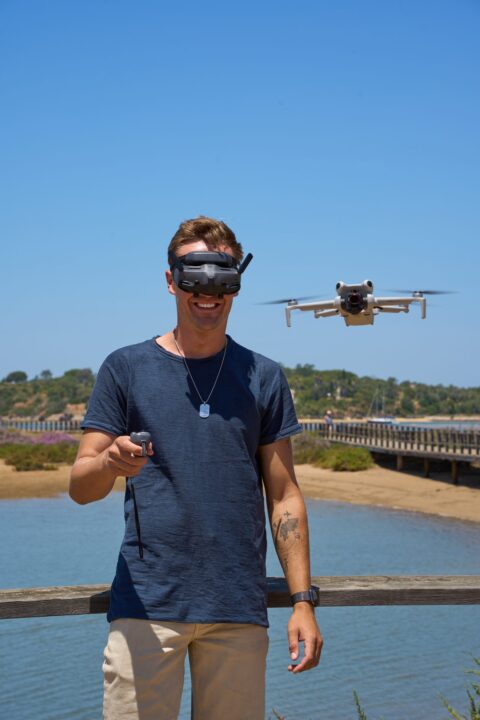
Max Haase
Travel Content Creator · Drone Photographer · Visual Storyteller
A professional travel creator for over 10 years with over 4 million followers. Specializing in high-end tourism board collaborations and visual travel storytelling.
 German
 English