
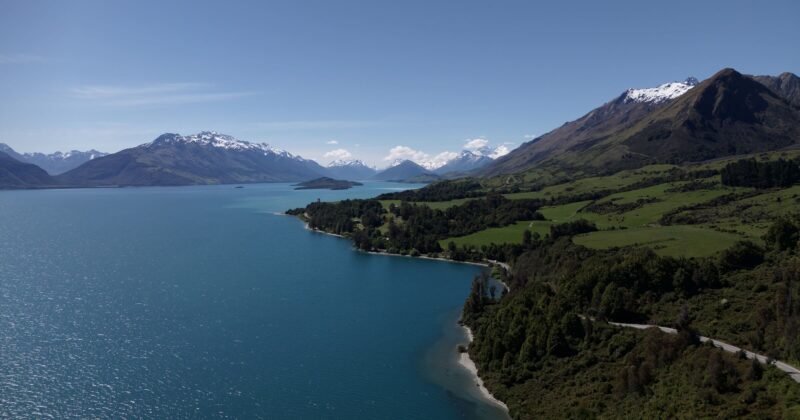
Destination Marketing with Creators: Briefing Checklist for Tourism Boards
What the briefing is used for
A creator briefing is a working document: it translates internal expectations into an assignment that a creator can understand, price and carry out on location. This guide provides the structure for it, criteria for choosing a creator and the process of a collaboration with Max Haase.
Clarify internally before the briefing goes out
First, the wishes of communications, service partners and contacts should be weighted. Then you need a core message in one sentence and a check of which experiences support it. Otherwise the creator receives a lot of information but no priority.
Briefing template in ten sections
- Goal: one main goal, separate from additional wishes. Reach on the creator's channels and files for the client's own channels are two different results.
- Target markets: Markets, languages and travel interests rather than a broad age group, plus prior knowledge about the destination.
- Key message: The most important message without interchangeable advertising language, separate from facts that must be correct.
- Must-have shots and no-gos: Only shots that are truly necessary. Optional items are listed separately, dependencies come with an alternative.
- Formats: Reels, posts or carousels, stories, image packages. At Max, a story set includes up to three individual stories; the blog post is included in the premium package and can otherwise be booked separately; the image film is a separate module.
- Schedule: Travel time, access, coordination, desired go-live date. With Max, production time depends on format and scope; post-production takes approximately two weeks; from approval to go-live, three to six weeks should be planned.
- Approvals: Who checks facts and names, and who provides a compiled response? Factual corrections are something different from subsequent creative requests.
- Rights and duration: channels, duration, edits. With Max, organic rights are included in the package: 30 days in the Standard, 90 days in the Professional and six months in the Premium package. Paid, print and OOH are available on request. Planned advertising use belongs in the request.
- Measurement: which key performance indicators and qualitative observations are suitable for the goal, when they are considered, and who receives them.
- Contact person: a contact who can make decisions, people responsible on site, deputies and responsibility for external confirmations.
Add production conditions
A sunrise at a viewpoint is quickly planned as an experience, but for a reel and drone footage it needs access, permits and travel time. Confirmed services belong separately from open possibilities. Aerial footage is not a guaranteed result; whether it is possible is clarified in advance for the specific location. Travel costs are separate from the scope of services: with Max they are not included and are usually covered by the client. Rates on request.
Choose a creator
If you first want to Book a Travel Content Creator , compare work samples with the assignment itself, not just profile figures:
- Thematic fit with travel style and core message
- Target audience focus: language, interests, target markets
- Narrative style: are motifs combined to form a story?
- Production quality for the intended channels
- Scope of services: Publication and file delivery clearly separated
- Collaboration: Questions, approvals and rights are transparently regulated.
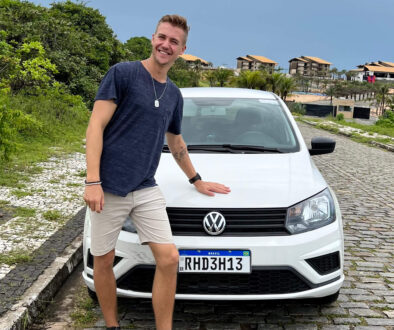
Max Haase has worked as a travel creator since 2013 and has collaborated with more than 30 tourism board destinations, including Tourism New Zealand and Visit Saudi. A duo production with Janet Dannehl is optional. For an overview of roles and forms of collaboration, see the Guide: Book travel influencers.
Process from request to publication
- Inquiry: via the collaboration page, with destination, goal, time window and desired services. Management replies within 48 hours. Open decisions are sent along as questions.
- Alignment: Scope of services, rights, travel organization and dates, including a check that all must-have shots fit the production frame.
- Production: The briefing serves as a guide; prioritization determines the alternatives. Feedback is then compiled and unambiguous.
- Publication and evaluation: Assign files to the responsible parties, document rights duration internally, and describe key performance indicators and qualitative responses separately.
Typical mistakes in tenders
- Unweighted must-have shots, unclear usage rights and no approval process.
- Request all formats as a complete package so that offers are not comparable.
- Mixing the idea phase and the binding plan.
- Demanding business results that cannot be attributed to a single post. For evaluation, see Influencer Marketing in Tourism: KPIs and Case Studies.
Final check before sending
Without internal conversations, does the briefing answer which goal, services, travel dates and rights apply, and who decides? If not, it is not finished. For hotels there is the counterpart Hotel Influencer Marketing. To enquire, destination, goal, time window and formats are enough: Request a collaboration.
Frequently Asked Questions
How do tourism boards find a creator without an agency?
Through a portfolio, relevant work samples, and a clear request. Max Haase can be contacted via the collaboration page; his management will respond within 48 hours.
Are there freelance travel creators for tourism boards?
Yes, tourism boards can book travel creators directly for a defined assignment. Rates on request, travel costs are not included.
What should be included in a creator briefing for a destination?
Objective, target markets, core message, mandatory themes and no-gos, formats, timeline, approvals, rights with duration, measurement and contact person.
How many mandatory themes should a tourism board specify?
As many as fit within the production framework. A reel with a story set carries a core message and a few motifs; everything beyond that is optional.
What usage rights do Tourism Boards need?
Organic rights are included in the Max package; paid, print, and out-of-home advertising can be added. The required campaign duration depends on the planned use, which should therefore be included in the inquiry.
How much lead time does a creator campaign need?
Allow three to six weeks from approval to go-live.

 German
 English