
Kenya's best time to travel: explained month by month
The best time to travel to Kenya depends on which part of the country you want to experience. For a safari, dry months are usually particularly suitable because animals tend to congregate around waterholes and the vegetation is sparser in many areas. However, the Indian Ocean coast, the highlands around Nairobi, and the Maasai Mara savannahs don't follow exactly the same weather patterns. Therefore, there isn't one perfect month for every route.
I spent ten days in Kenya in February 2024. The weather was stable during my trip, with little rain and good visibility. Here, I've placed my personal experiences from Nairobi, the safari, and the coast within the context of the general annual cycle. This will help you to effectively weigh up dry and rainy seasons, tourist crowds, and your desired activities.
Best time to travel to Kenya: the short answer
For classic safaris, the drier periods from January to March and from June to October are considered the best times to travel. July to October are often associated with the Great Migration in the Maasai Mara. However, the migration is an ongoing natural process within the Serengeti and Maasai Mara ecosystem. Animals and river crossings do not adhere to a fixed date, nor can any guarantees be given.
The long rainy season typically falls between March or April and May, while the shorter rainy season runs roughly between October and December. These boundaries vary from year to year. Rainy season doesn't automatically mean continuous rain: heavy downpours often alternate with dry spells. Conversely, it can rain during a dry season. Those who plan flexibly will therefore find compelling reasons to visit Kenya almost year-round.
- For safaris and easily accessible roads: usually January to March and June to October.
- For the Great Migration in the Maasai Mara: often July to October, but sightings are not guaranteed.
- For less crowds and greener landscapes: the transitional and rainy months.
- To combine safari and coastal experiences: check temperature, humidity, and regional rainfall patterns together.
Kenya travel time according to dry season and rainy season
Kenya lies on the equator, but due to its varying altitudes, it has very diverse climate zones. Nairobi is located in the highlands and can feel significantly cooler in the mornings and evenings than the tropical, humid coast. Conversely, heat feels different in lower-lying, drier areas than in the higher-altitude Maasai Mara. Therefore, a single temperature reading for the entire country would be of little use.
Kenya travel time during the long dry season
From roughly June to October, many safari regions experience drier conditions. Roads tend to be easier to navigate, the grass is shorter, and animals are less dispersed around available water sources. This facilitates wildlife viewing, but never makes it predictable. Morning game drives in the highlands can be chilly; several layers of light clothing are more practical than just light beachwear.
Kenya travel time during the short dry season
January and February, sometimes extending into March, represent another dry and warm period in many places. My trip took place precisely during this time. In February, I experienced little rain, stable weather, and good visibility. This is a personal snapshot and no guarantee of weather for future years. For me, the month worked well for combining a safari, cultural encounters, and coastal experiences.
Kenya travel time during the long rainy season
The heaviest rainfall typically occurs in April and May, but can begin as early as March. Roads can become muddy, some routes may take longer, and some accommodations may temporarily reduce their services. On the other hand, the landscape appears green, the air is often clear after showers, and there are usually fewer travelers. Those choosing this time of year should allow for buffer time and plan transfers well in advance.
Kenya travel time during the short rainy season
From about October to December, so-called short rain showers occur. These vary regionally and often come as showers rather than all-day rain. November is statistically rather wet, but local conditions remain crucial. These months can be interesting for travelers who enjoy vibrant landscapes and don't mind a tightly scheduled daily routine.
Kenya best time to travel month by month
The following overview is a planning aid, not a forecast. Climate patterns are changing, and significant differences can exist between the coast, highlands, and savanna at the same time. Check regional forecasts shortly before your trip and ask your safari operator about road conditions.
| Month | Typical conditions | Classification for the trip |
|---|---|---|
| January | Often dry and warm | A good time for a safari and a combination with the coast. |
| February | Mostly dry, clear visibility in many places | My travel time with stable weather and little rain |
| March | Transition, rain may increase. | Plan flexibly and observe regional developments |
| April | Often a long rainy season | Green landscapes, but possible restrictions on ski slopes |
| May | Often still rainy | Less crowds, allow extra time for transfers |
| June | Rain usually lets up. | Start of a popular safari season, partly cool in the mornings |
| July | Drier conditions | Popular safari time; migration can reach the Maasai Mara |
| August | Mostly dry, high demand | A very popular safari month, plan early! |
| September | Often dry and increasingly warm | Good safari conditions, migration still possible |
| October | Transition to short rainfalls | Safaris are often still good; allow for more flexibility in planning for the weather. |
| November | Often a short rainy season | Greener landscapes and changeable showers |
| December | Rain is easing in some areas | Feasible for mixed routes; note local differences. |
Kenya travel time in January
January typically falls within the short, drier period. Warm days and generally good road conditions make it an attractive time for a safari. The coast enjoys tropical temperatures. However, for routes traversing several altitudes, a light warming layer for early morning starts and rain gear should still be packed.
Kenya travel time in February
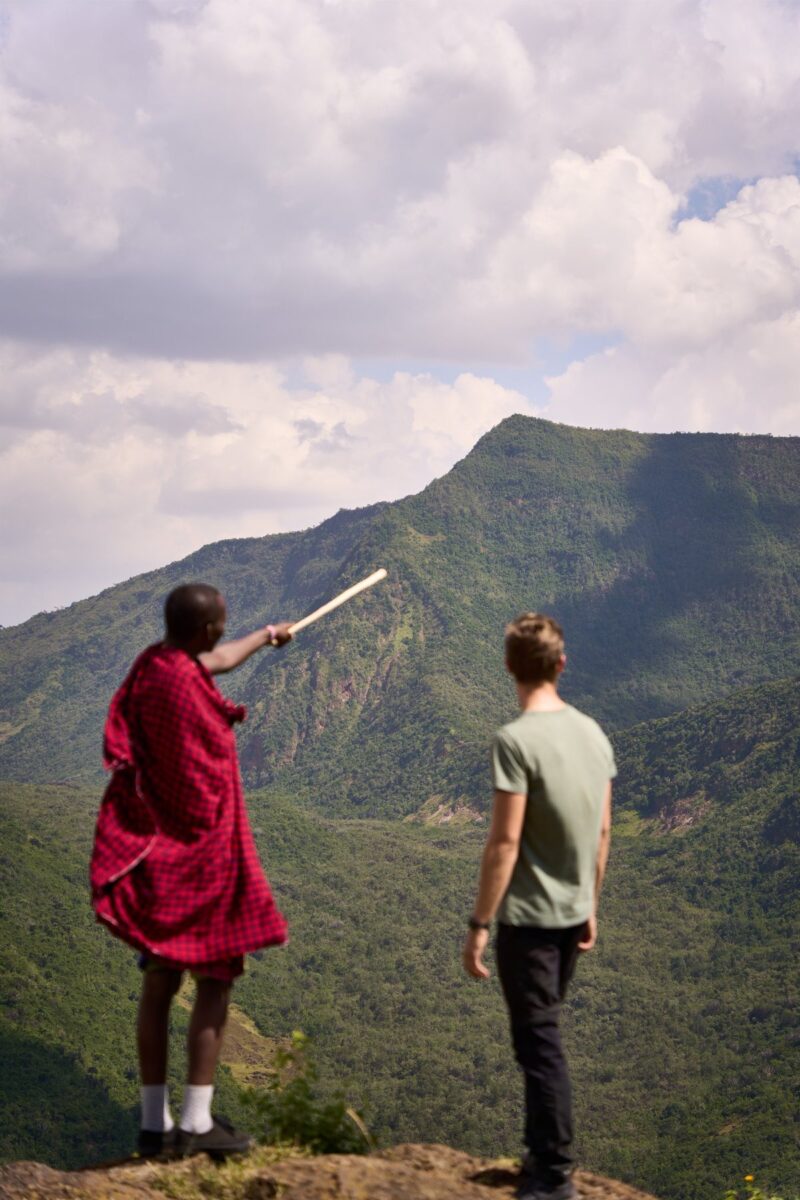
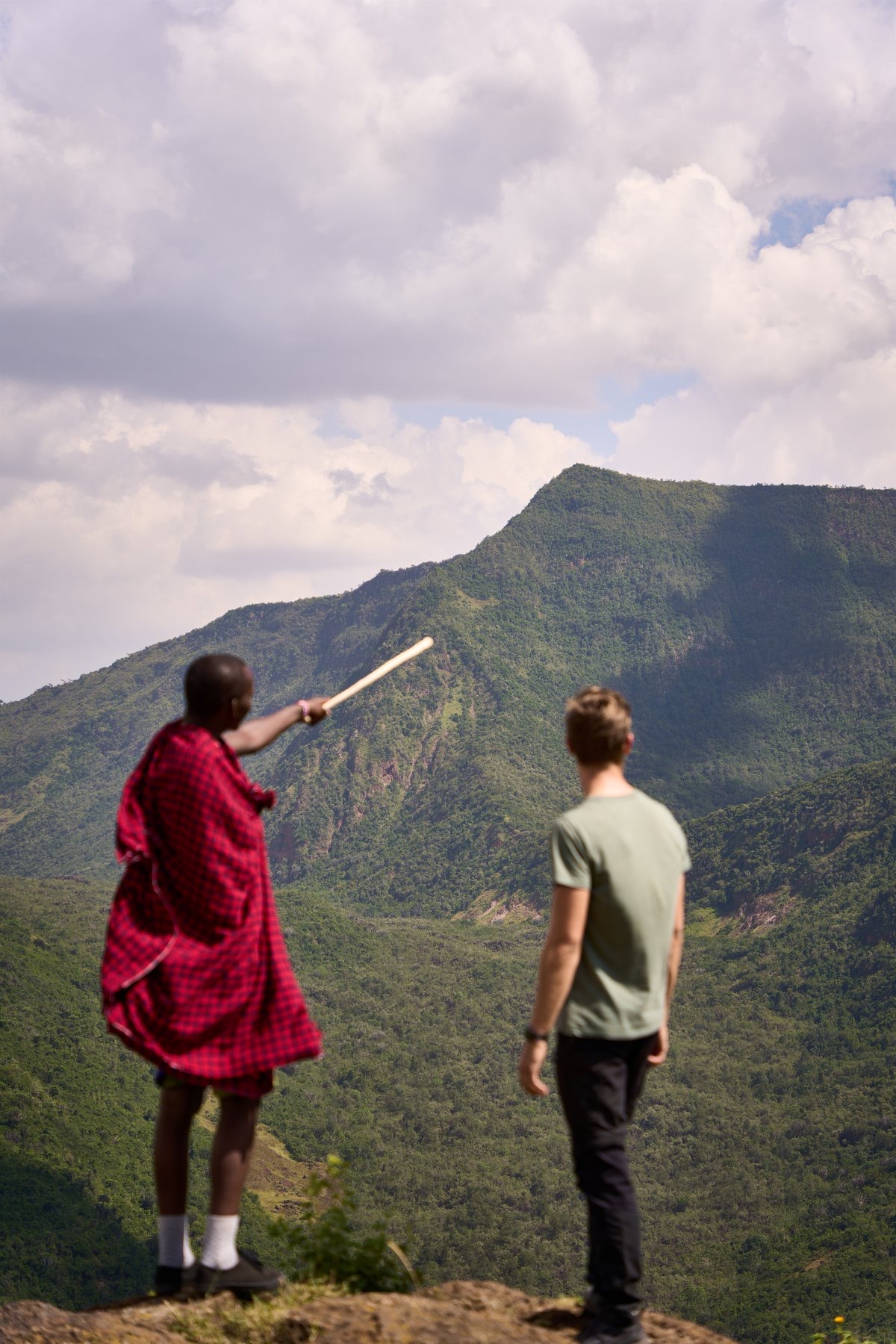
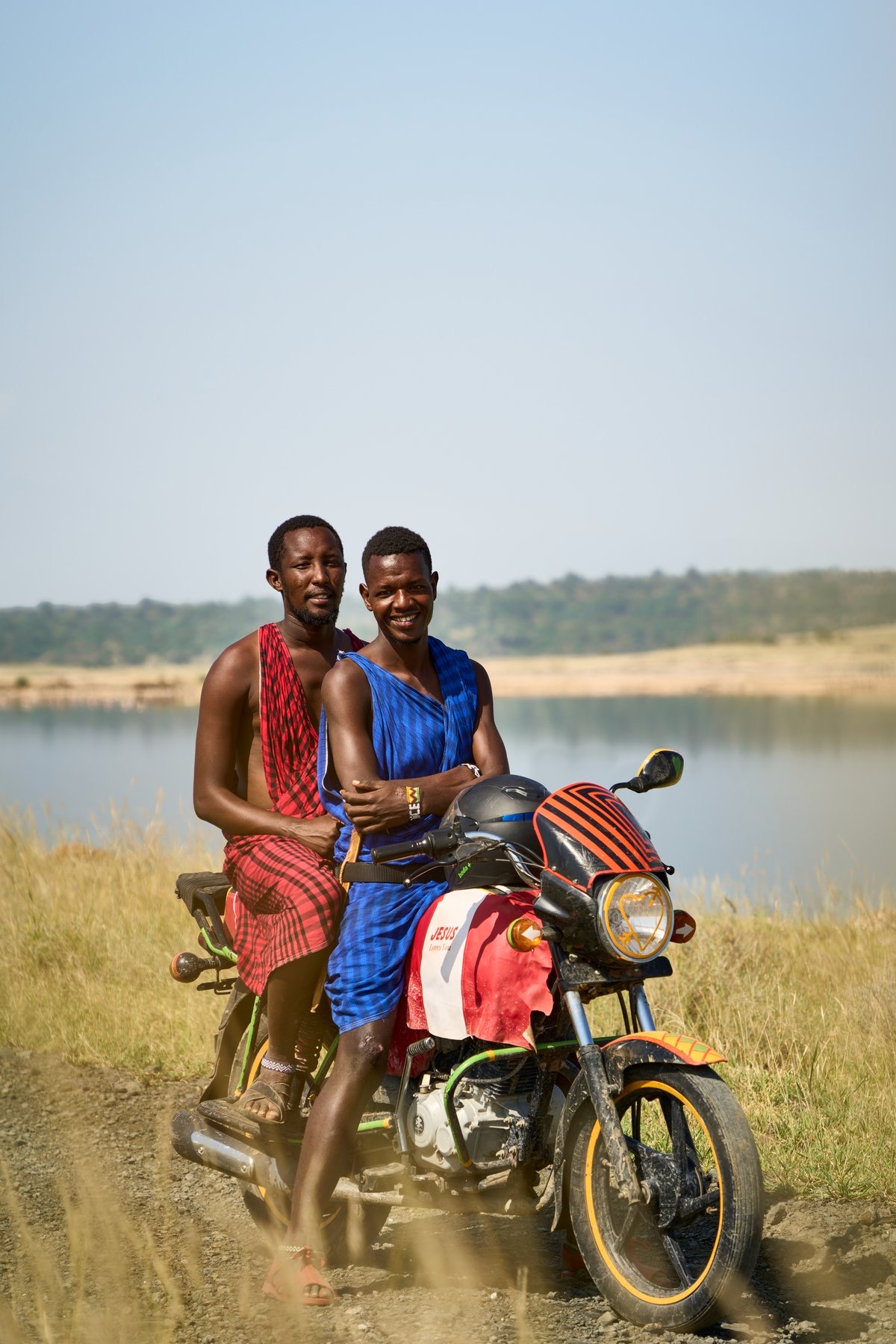
In February, I experienced Kenya firsthand: little rain, stable weather, and excellent visibility. In Nairobi National Park, I observed lions, rhinos, giraffes, zebras, and buffalo against the backdrop of the city skyline. My trip also took me to an overnight stay in a Maasai boma and to the coast at Diani Beach. I'll describe this in more detail in my [article/report/etc.]. Kenya travelogue about Maasai, safari and dream beaches.
Kenya travel time in March
March is a transitional month. Dry conditions may persist initially, but the long rainy season can begin later. Especially when traveling to remote camps, it's advisable to plan ahead with some flexibility. Those not dependent on a precisely predictable itinerary can still enjoy rewarding wildlife sightings and vibrant landscape colors.
Kenya travel time in April
In April, many regions experience more frequent and heavy rainfall. This can make unpaved roads challenging and increase travel times. However, the rainy season is not a general travel ban. With an experienced local guide, suitable vehicles, and a flexible itinerary, the month can be rewarding for exploring tranquil, verdant safari landscapes.
Kenya travel time in May
May is also typically part of the long rainy season. Before booking, I would specifically check whether all the desired camps are open and how reliable the planned access roads are. Dramatic clouds and lush greenery can be photographically appealing. Those primarily seeking maximum predictability should opt for a drier period.
Kenya travel time in June
Rainfall usually decreases in June. The landscape may still be green, while the roads gradually dry out. For a safari, this is an interesting transition to the high season. In Nairobi and in higher-altitude game reserves, early mornings can be cool, even though Kenya lies directly on the equator.
Kenya travel time in July
July is known for its drier days and the potential start of the particularly famous section of the Great Migration in the Maasai Mara. The arrival of large herds depends on rainfall and food availability throughout the Serengeti-Mara ecosystem. Therefore, do not plan a safari around a supposedly guaranteed time for a river crossing.
Kenya travel time in August
August is one of the most popular months. The combination of the dry season and the potential for large herds in the Maasai Mara attracts many visitors. This means more vehicles at known sighting sites and high demand for accommodation. Spending several days in the same region increases the flexibility to explore different areas and times of day.
Kenya travel time in September
In September, many safari areas remain dry while temperatures rise. Large herds may still be in the Maasai Mara, but their exact location remains fluid. This month is well-suited if wildlife viewing is the primary focus and an early booking during peak season is not a problem.
Kenya travel time in October
October often marks the transition from the dry season to the short rainy season. The first half of the month may still seem dry, but showers become more likely later on. The migration may shift southwards again. For a combined itinerary, you should consider coastal and safari weather separately, rather than relying on a nationwide forecast.
Kenya travel time in November
In November, short rain showers often bring fresh greenery. These showers can be intense, but are frequently followed by dry spells. Animals generally remain in Kenya's protected areas year-round; only their distribution and visibility change. A flexible guide and ample time are more important during this month than a tightly scheduled itinerary.
Kenya travel time in December
In December, the short rain showers can subside regionally. Demand increases around holidays, while the weather varies from place to place. Those wishing to combine a safari with a beach holiday should keep transfer times realistic. This allows for flexibility should a shower or slower road conditions alter the day's schedule.
Kenya travel time for safari and Great Migration
The Maasai Mara is the northern extension of the Serengeti. The Great Migration moves through this interconnected ecosystem throughout the year. Generally, July to October is considered the window of opportunity when large herds can be found in the Mara. The actual migration route depends on rain, water, and fresh grass. Therefore, a specific river crossing cannot be booked for a single day of travel, nor can it be reliably guaranteed.
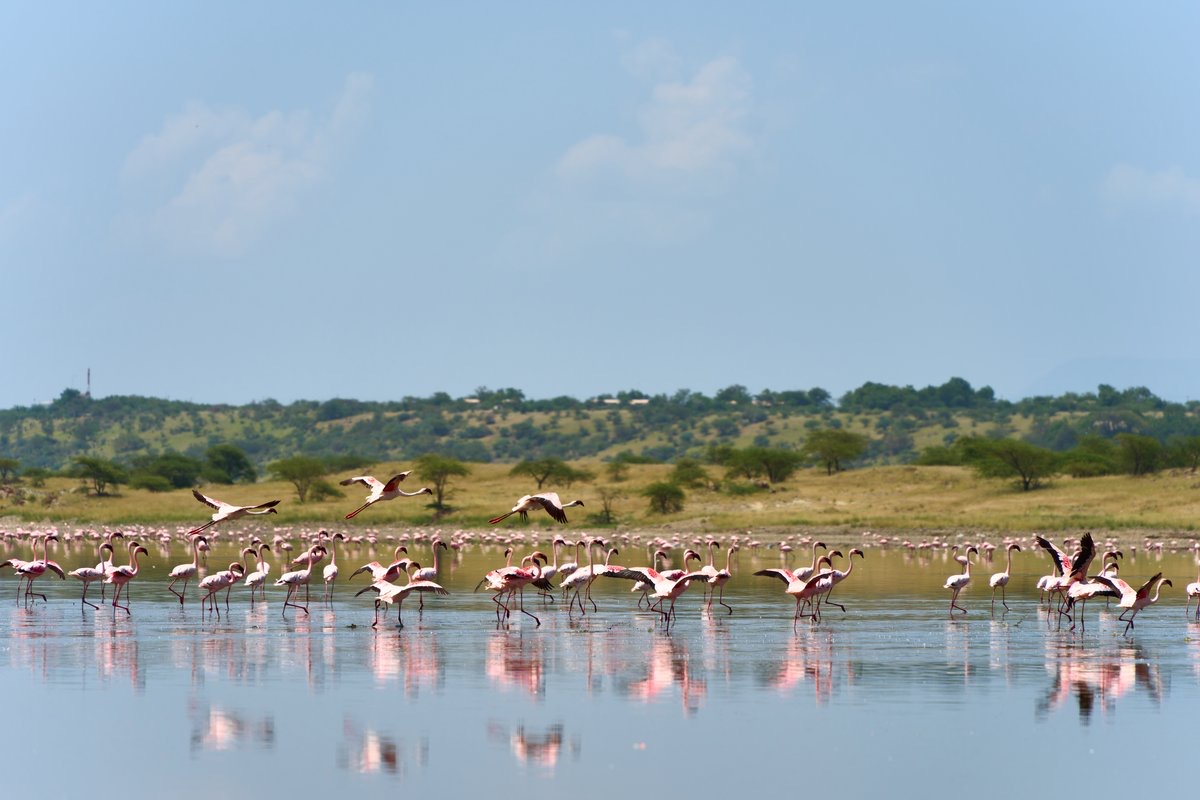
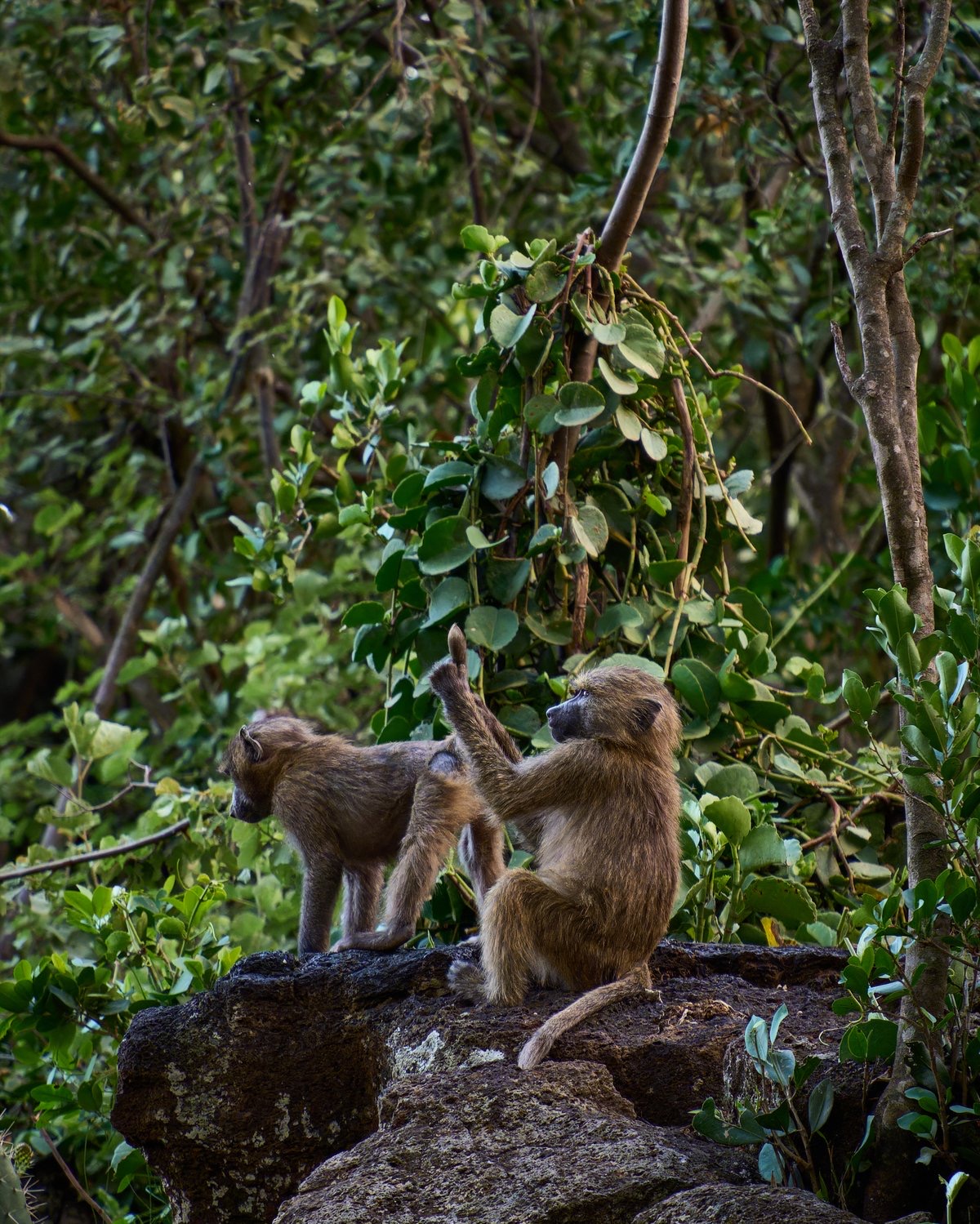
Even outside of the migration season, Kenya is a safari destination. On my trip, I saw elephants, giraffes, hippos, and crocodiles; in Nairobi National Park, I also saw lionesses with cubs and rhinos. Good sightings depend not only on the time of year but also on patience, the time of day, the region, and a knowledgeable guide. Early morning and late afternoon drives often combine more pleasant light with more active animals.
Kenya travel time: combine coast and safari
The coast is more tropical, warmer, and more humid than the highlands. January to March are often considered pleasant months for visiting the coast; there are also suitable periods between the rainy seasons. However, high humidity, the sea, and occasional showers remain part of the coastal climate. On my trip, Diani Beach was a stark contrast to the savannah: white sand, palm trees, and the Indian Ocean after intense days on safari.
For planning, I would first determine the focus. If the Great Migration is the main attraction, the route will be based on the Maasai Mara. If you're aiming for a balanced trip, January or February can combine the drier safari season with the coast. You'll find the financial planning for vehicles, camps, and trip duration separately in my [guide/document/etc.]. Kenya Safari Cost Breakdown. This article will therefore remain focused on weather and travel time.
Kenya best time to travel: my decision guide
- Choose January or February if you want to combine drier conditions for safari and coastal activities.
- Choose July to October, when the Great Migration is a major destination and you can accept higher demand.
- Choose transitional months if green landscapes and less crowds are more important to you than maximum weather reliability.
- Plan your trip for April and May with flexibility, realistic travel times, and up-to-date local information.
For me, February worked out very well. However, I'm not making any general promises based on that. The crucial factor is the combination of region, activity, and personal tolerance for rain or crowds. Kenya is large enough that the same week can be very different in Nairobi, the Maasai Mara, and on the coast.
Kenya travel time for tourism boards and content
As a travel content creator, I produce photo and video content for tourism boards, hotels, and brands. In a campaign, I consider the time of year, lighting, landscape, and the realistic conditions of a destination, rather than promising images detached from the location. You can find information about my services and contact details on my website. Request Collaboration.
FAQ
When is the best time to travel to Kenya?
January to March and June to October are generally the best times for safaris. Which period is most suitable depends on the region, the amount of coastline, the desired landscape, and your tolerance for rain and crowds.
When is the rainy season in Kenya?
The long rainy season typically lasts between March or April and May. Shorter periods of rain usually occur between October and December. The start, end, and intensity vary by year and region.
What is the best time to travel to Kenya during the Great Migration?
Large herds can often be found in the Maasai Mara from July to October. Since the migration depends on rainfall and food availability, exact arrival dates and river crossings are not guaranteed.
Is Kenya worth visiting during the rainy season?
Yes, if you're flexible. The landscape is greener and often less crowded. At the same time, the slopes can be more difficult, transfers can take longer, and some accommodations may be temporarily closed.
Is February a good time to travel to Kenya?
February is usually a drier period and often suitable for safaris and coastal excursions. I myself experienced stable weather, little rain, and good visibility in February 2024; however, this remains a personal experience, not a guarantee.


 German
 English