
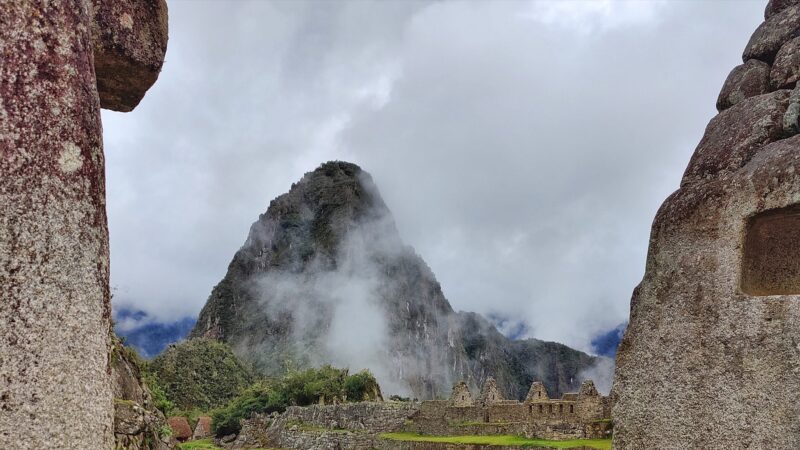
Salkantay Trek 2026: Self-guided, elevation profile & map
The Salkantay Trek to Machu Picchu Five days through the Peruvian Andes, over a 4,630m high pass, through cloud forests and coffee plantations, until sunrise over the most famous Inca ruins in the world. The Salkantay Trek is the best alternative to the overcrowded Inca Trail and was the highlight of my entire trip. Peru trip.
- Inca Trail vs Salkantay: Inca Trail kostet 400-600 € mit nur 500 Permits/Tag, Salkantay ist frei zugänglich und landschaftlich mindestens genauso spektakulär — mit Agentur 200-250 €.
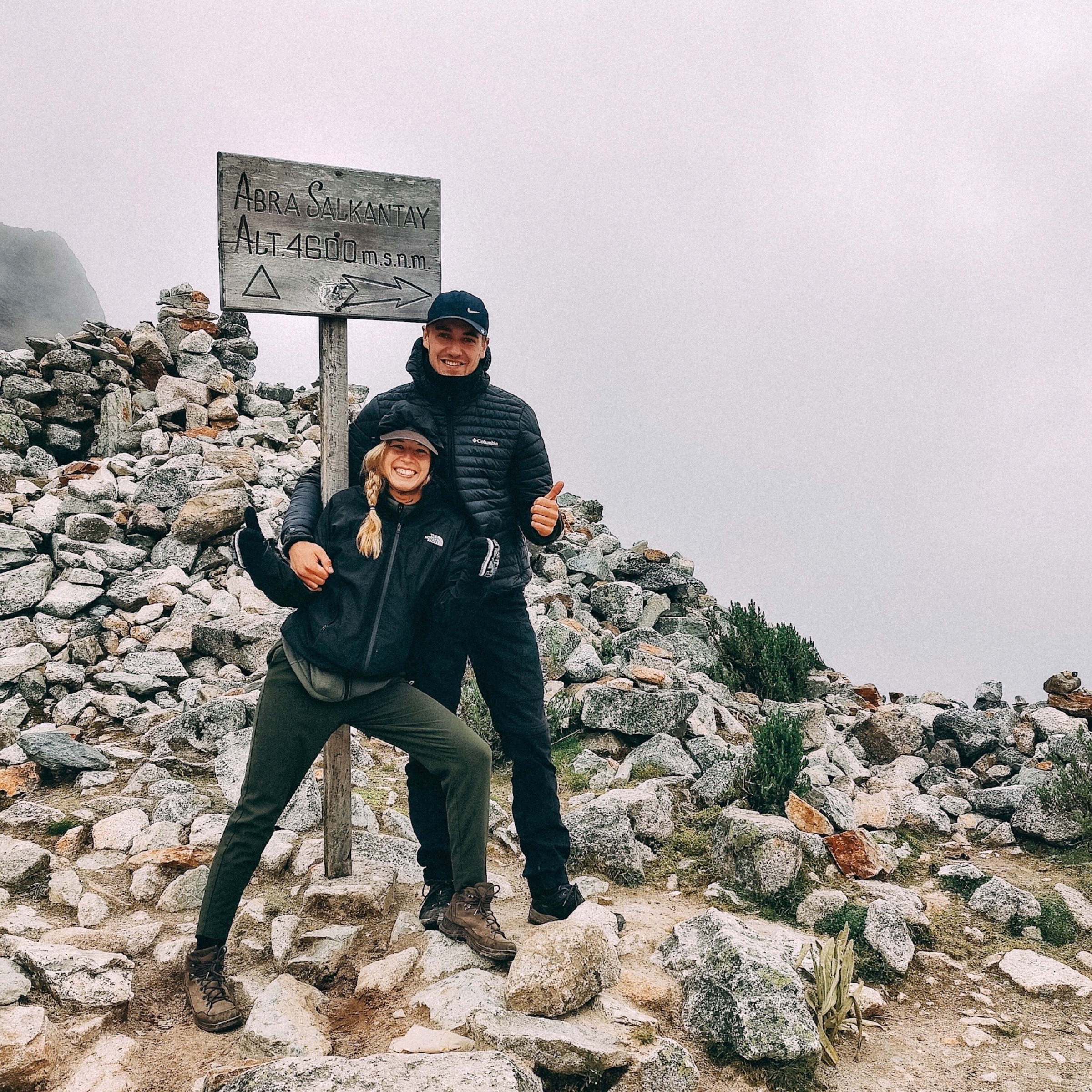
- 5 Etappen: Tag 1 Mollepata → Soraypampa mit Laguna Humantay, Tag 2 bis Chaullay über Salkantay-Pass auf 4.630 m, Tag 3 Nebelwald, Tag 4 Aguas Calientes, Tag 5 Machu Picchu.
- Salkantay-Berg: Der 6.271 m hohe Gipfel galt den Inka als heilig — der Anblick beim Sonnenaufgang vom Pass aus ist unvergesslich.
- Auf eigene Faust: Mit rund 100 € nur für Machu-Picchu-Eintritt und Zug möglich — aber ohne Zelt und Guide in der Wildnis nicht empfehlenswert.
- Buchung in Cusco: Dutzende Agenturen vor Ort, Preis verhandelbar — nicht die billigste wählen, Qualität variiert stark. Das gebuchte Paket enthält Guide, Essen, Zelt, Ticket und Rückfahrt.
Salkantay Trek vs. Inca Trail: The Big Comparison (Altitude & Map)
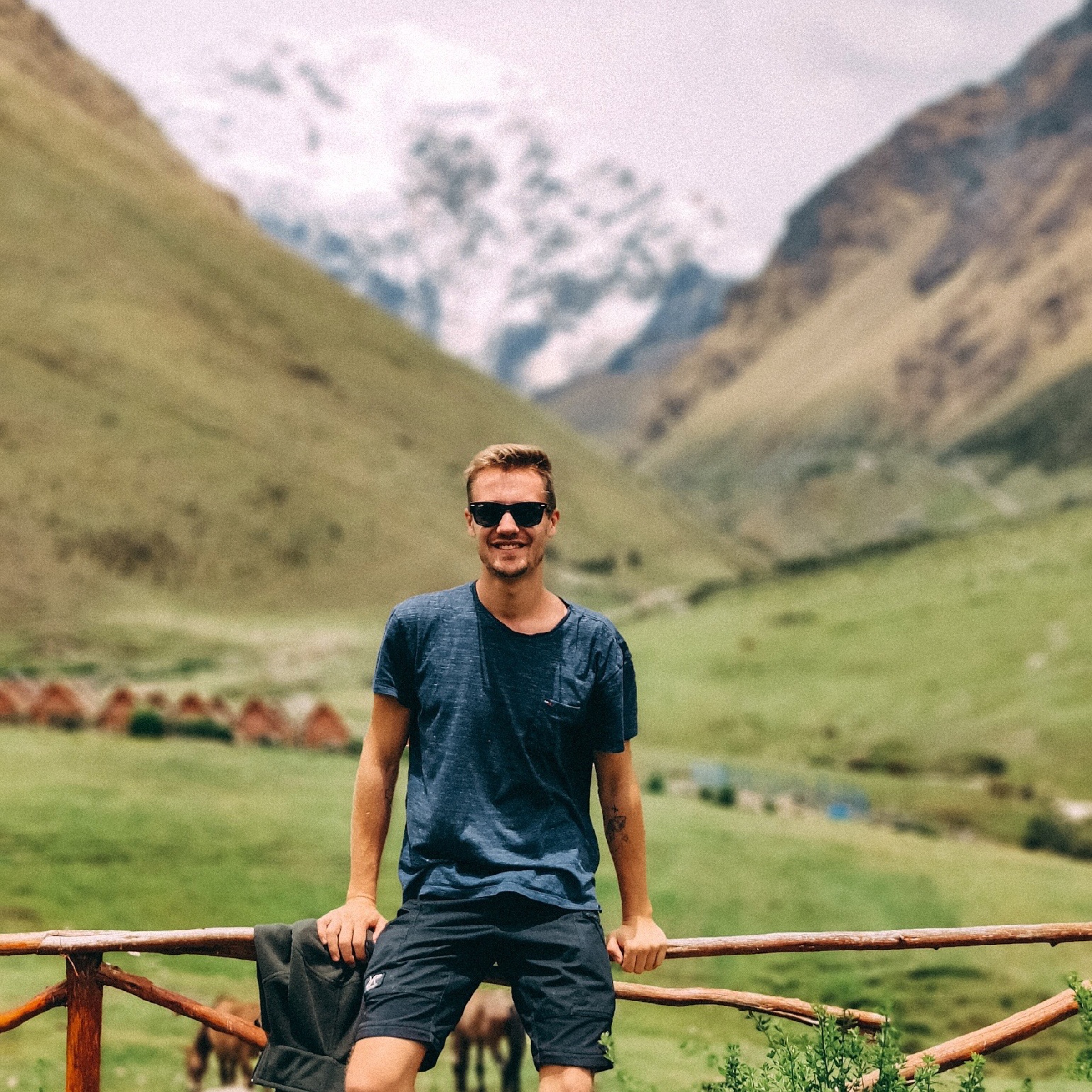
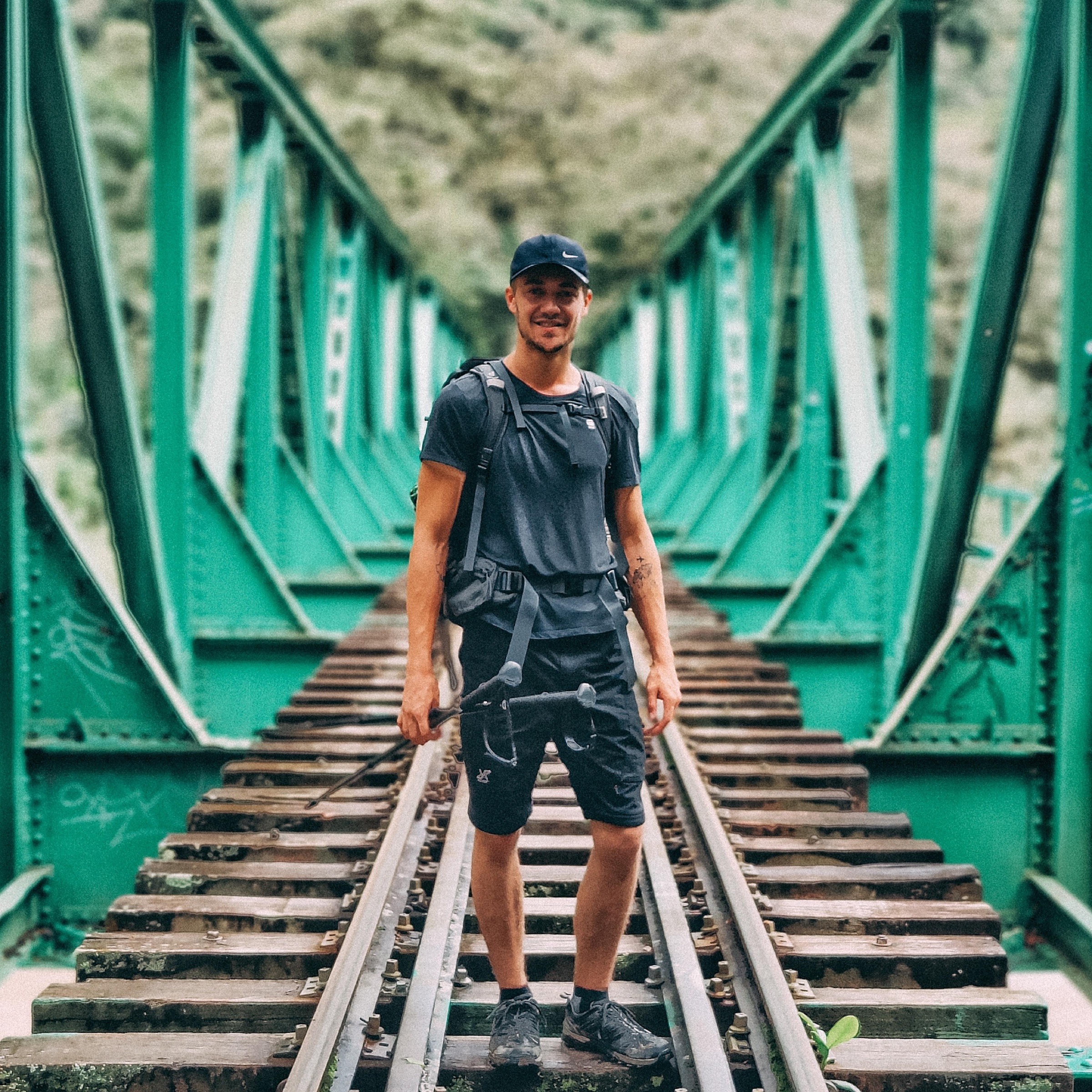
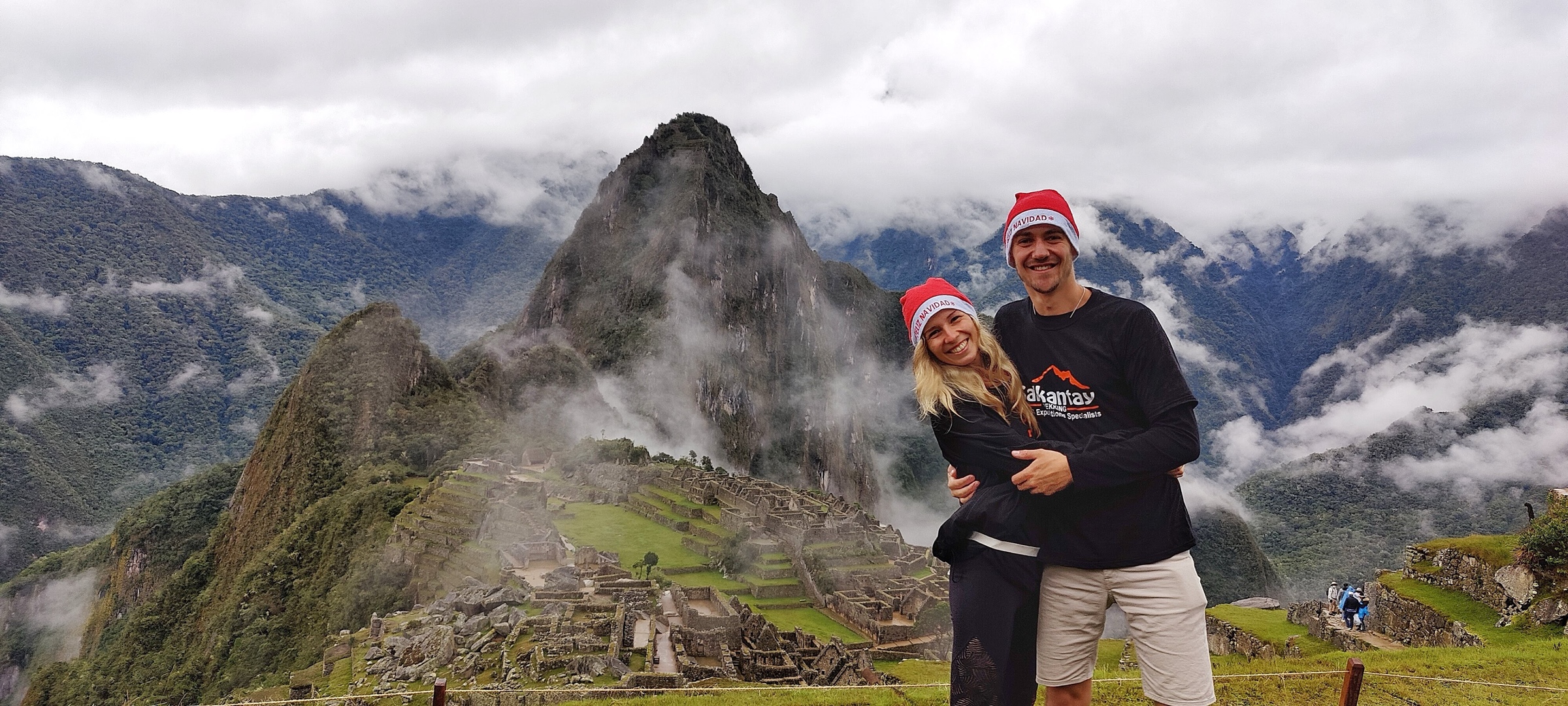
The Inca Trail It's famous, but: only 500 permits are available per day (booked out months in advance), it's expensive (€400-600), and the groups are large. Salkantay Trek It is freely accessible, significantly cheaper (€200-250 with an agency), at least as spectacular in terms of scenery – and you reach Machu Picchu via a different, less touristy route.
The biggest difference: The Salkantay leads along the coast of the same name. Salkantay Mountain (6,271m) Passing by, one of Peru's highest peaks, considered sacred by the Incas. The sight of this ice-covered giant at sunrise from the pass at 4,630m is unforgettable.
Salkantay Trek on your own: The 5 stages with elevation profile
| day | route | Height | Highlight |
|---|---|---|---|
| 1 | Mollepata → Soraypampa | 3,800m → 3,900m | Laguna Humantay (turquoise glacial lake) |
| 2 | Soraypampa → Chaullay | 3,900m → 4,630m → 2,900m | Salkantay Pass (highest point!) |
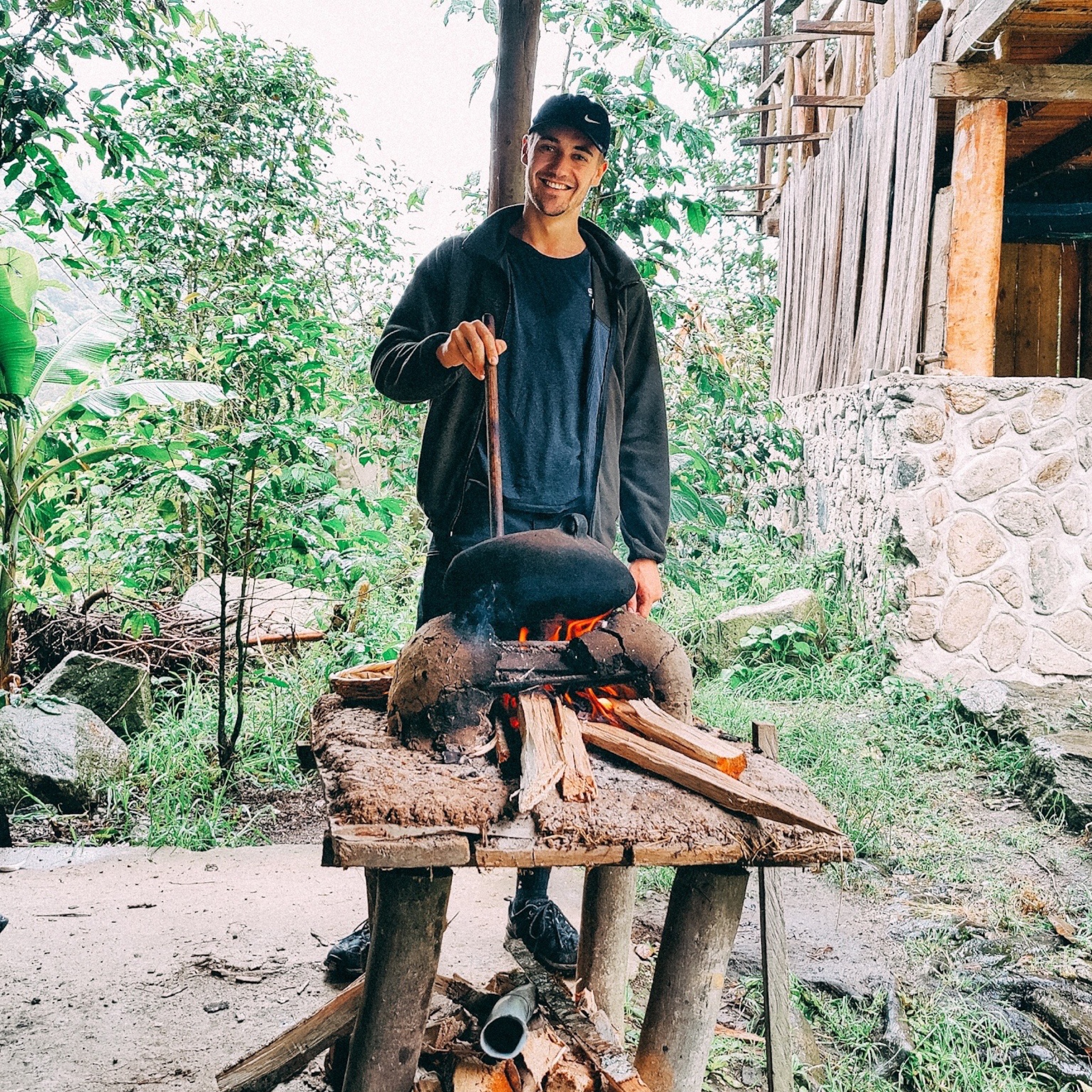
| 3 | Chaullay → La Playa | 2,900m → 2,100m | Cloud forest, coffee plantations, orchids |
| 4 | La Playa → Aguas Calientes | 2,100m → 2,040m | Hot springs in the evening |
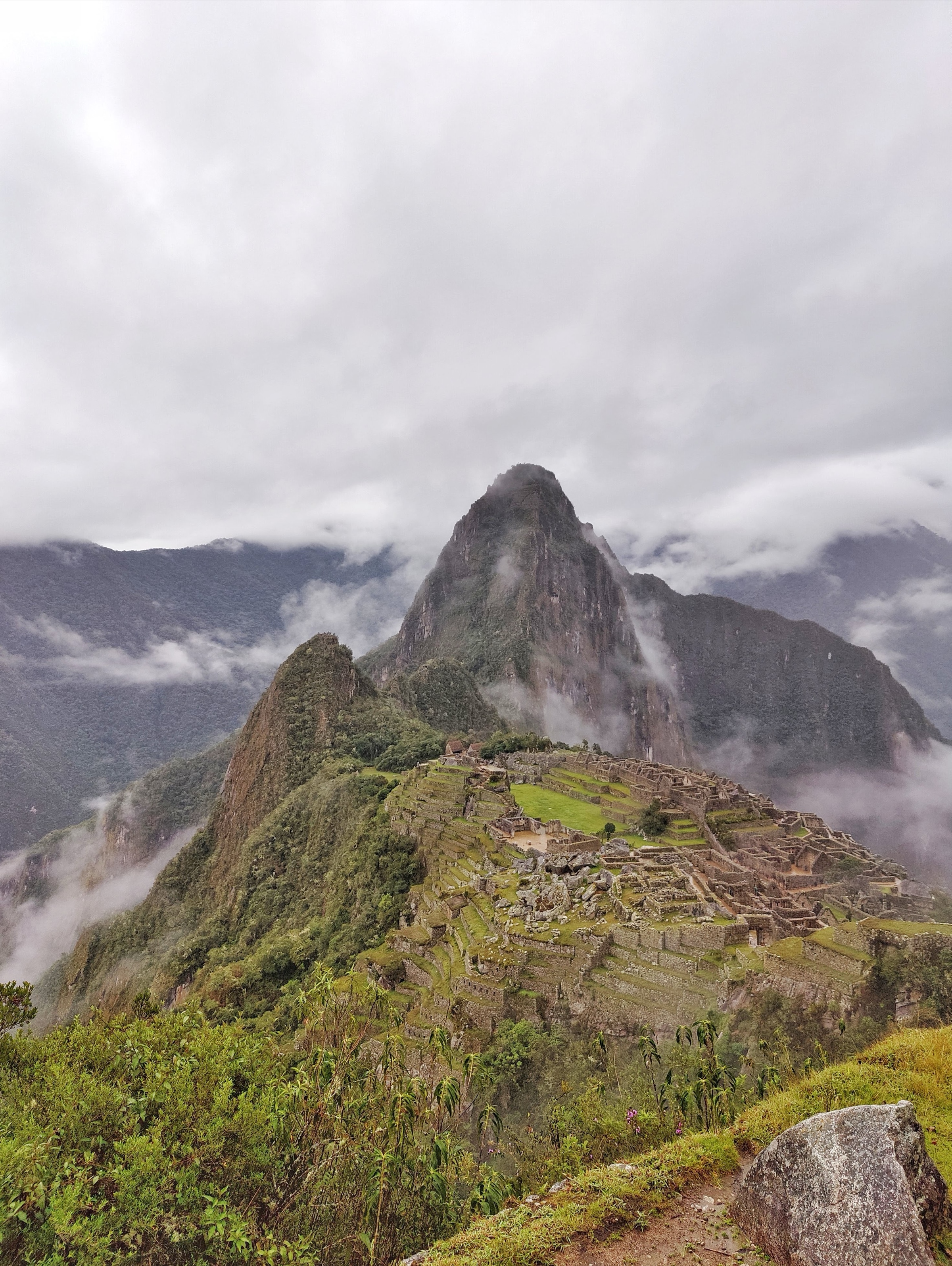
| 5 | Machu Picchu | 2,430m | Sunrise over Machu Picchu |
Salkantay Trek Map & Costs: Booking vs Self-Guided
Cost: €200-250 with an agency (all inclusive: guide, food, tent, Machu Picchu entrance, return transport). On your own: ~€100 (Machu Picchu entrance + train), but without a tent and guide in the wilderness.
Booking: There are dozens of agencies in Cusco. Negotiate the price, but don't choose the cheapest one – the quality of the food and equipment varies greatly. Recommended budget: at least €150 per person. Booking online in advance (20-30%) is more expensive than booking on-site in Cusco.
Packing list: Warm clothing (nights at 4,000m drop below 0°C), rain jacket, hiking boots, headlamp, sunscreen, water bottles, snacks. The agency provides a tent and sleeping mat, but a sleeping bag (or rental for an extra charge) is recommended.
FAQ – Salkantay Trek
Is the Salkantay Trek difficult?
Day 2 (4,630m pass) is challenging due to the altitude. The rest is quite manageable. Basic fitness and 2-3 days of acclimatization in Cusco are sufficient.
When is the best time to drink Salkantay?
May to September (dry season). June and July offer the most stable weather. During the rainy season (November to March), the trail is often closed.
Do you need a guide?
Not essential, but highly recommended. The trail isn't marked everywhere, and you can get lost in foggy high mountains. Plus, the guide cooks, and you don't have to lug a tent around.
 German
  English