
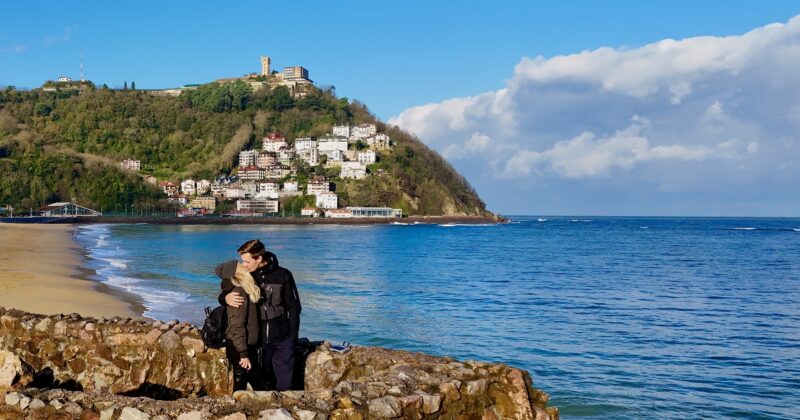
Basque Country Travelogue — San Sebastián, Bilbao & Coast
My Basque Country travelogue — San Sebastián, Bilbao, and the wildest coast in Europe. In November 2023, I explored the Basque Country in northern Spain: from the world-famous cuisine in San Sebastián to the architectural masterpiece, the Guggenheim Museum in Bilbao, and the dramatic coastline of San Juan de Gaztelugatxe. In this guide, I share my honest experiences, the best spots, costs, and practical tips — especially for travelers who want to discover the Basque Country on their own.
- Route and duration: San Sebastian, Bilbao and Gaztelugatxe along the Atlantic coast – 5 to 7 days are sufficient for all the highlights of the region.
- Three bars per evening in the Parte Vieja, each serving 2-3 pintxos plus txakoli: 8-12 euros per bar, total evening 25-35 euros – a bargain for San Sebastian.
- Bar Nestor (tomato salad and Txuleta steak, arrive at 1 p.m.), La Cuchara de San Telmo (foie gras with apple) and Gandarias for classic pintxos.
- Gaztelugatxe hack: Game of Thrones filming location 'Dragonstone' with 241 stone steps – at the end of November at 8:30 am the parking lot is almost empty, in summer you have to queue.
- Travel tip: May to October is peak season; November offers quiet restaurants, authentic encounters and prices that would be unthinkable in the peak season.
Spain and I – that usually means sun, sand, and kitesurfing. But the Basque Country has about as much in common with that as Munich does with Mallorca: nothing. Green mountains, a rugged Atlantic coast, its own language, its own culture, and the best food I've ever had in Spain. Late November isn't the most obvious time to travel, but that's precisely what made the trip so special – hardly any tourists, authentic encounters, and prices that would be unthinkable in peak season.
Why the Basque Country? My expectations vs. reality
To be honest, I underestimated the Basque Country for a long time. In my mind, it was "the north of Spain where it rains a lot." True enough—but that's only half the story. The Basque Country is a world of its own. The Basques have their own language (Euskara), a completely unique culinary tradition, and a self-confidence that you can feel in every bar and on every street corner.
What surprised me most was the combination of world-class gastronomy (San Sebastián has the highest density of Michelin stars per square meter in the world), spectacular nature, and cool urban culture in Bilbao. For content creators, the region is an absolute dream—the drone footage of the coast is among my best ever.

San Sebastián — Europe's secret food capital
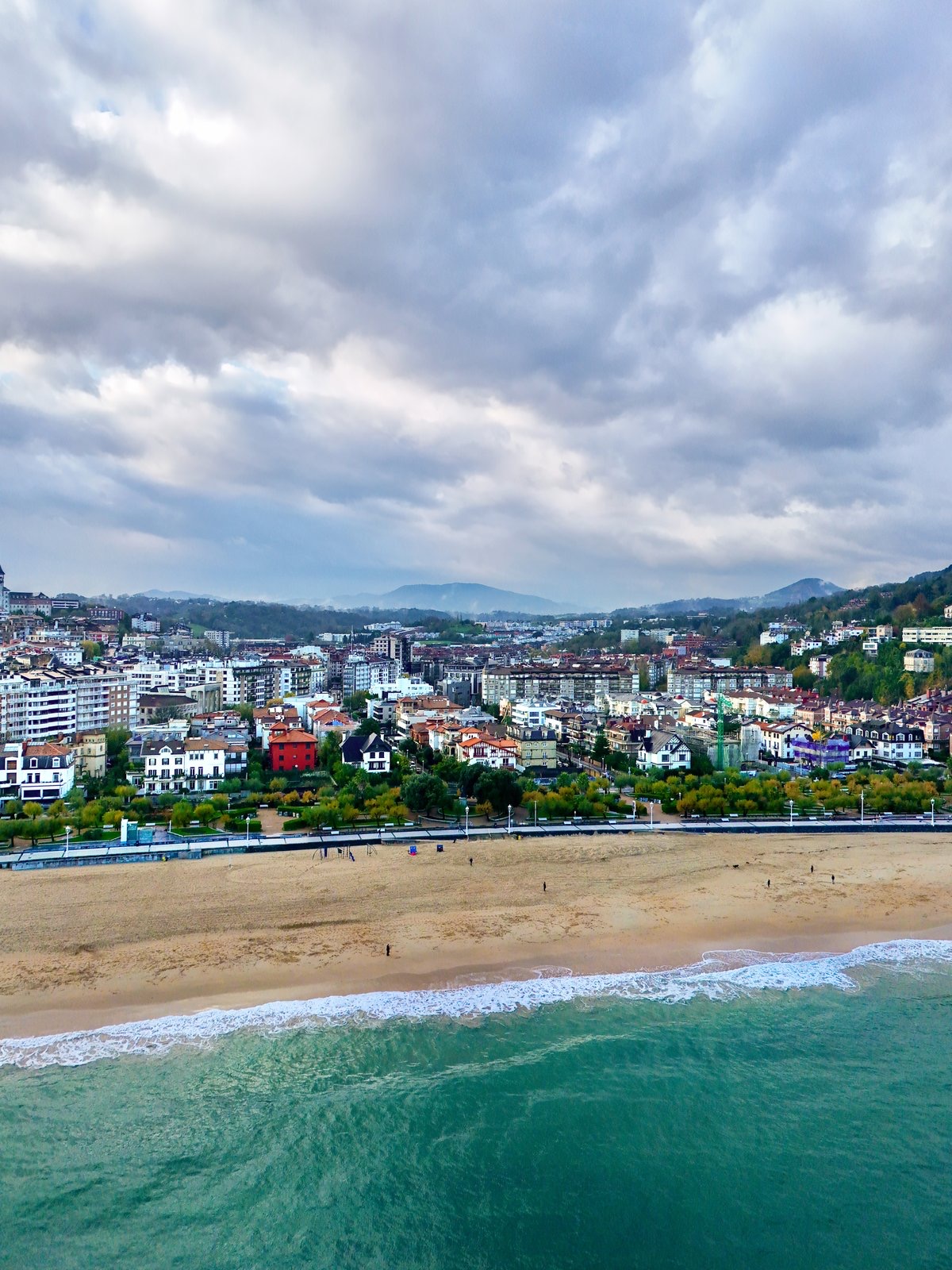
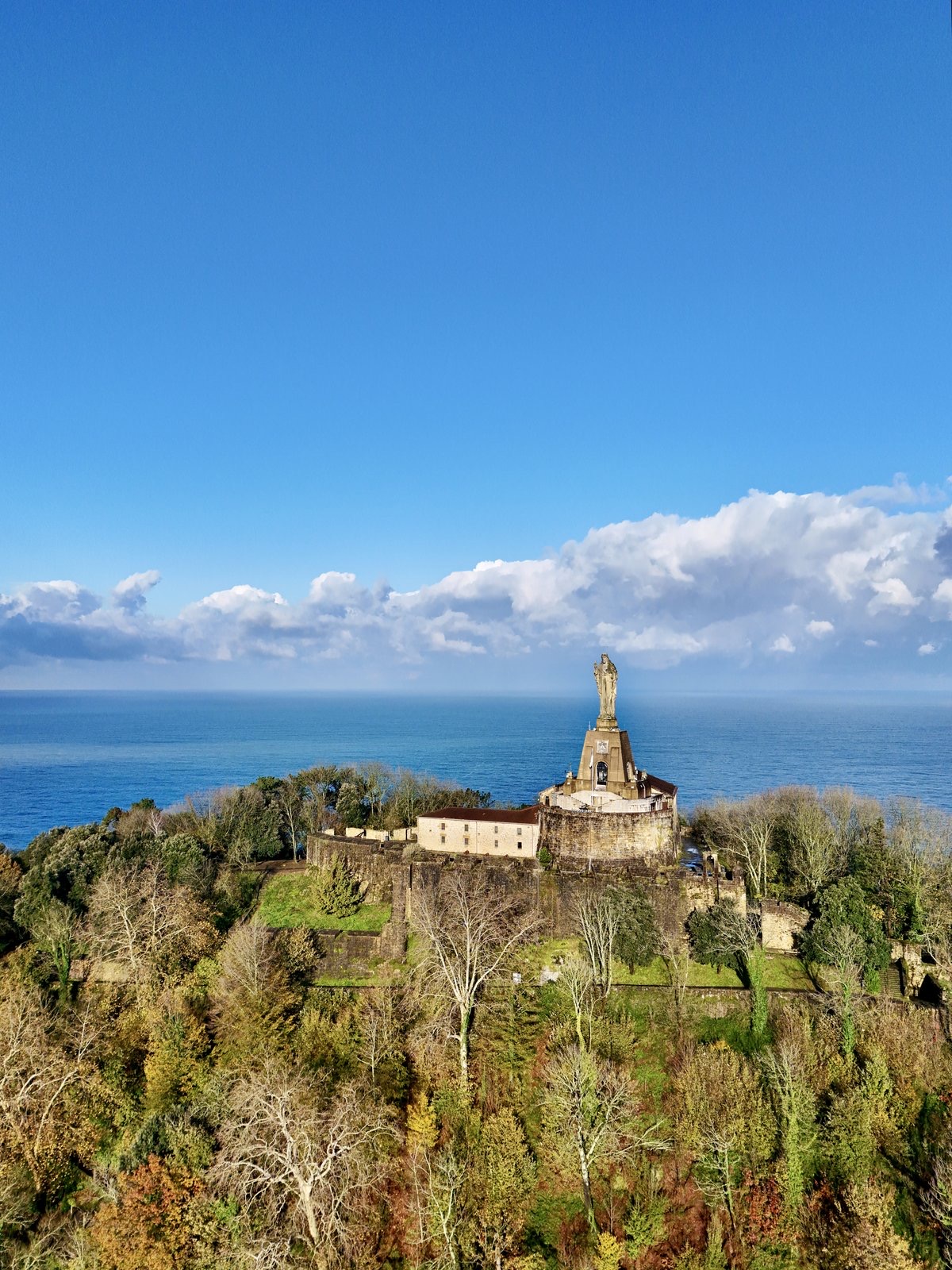
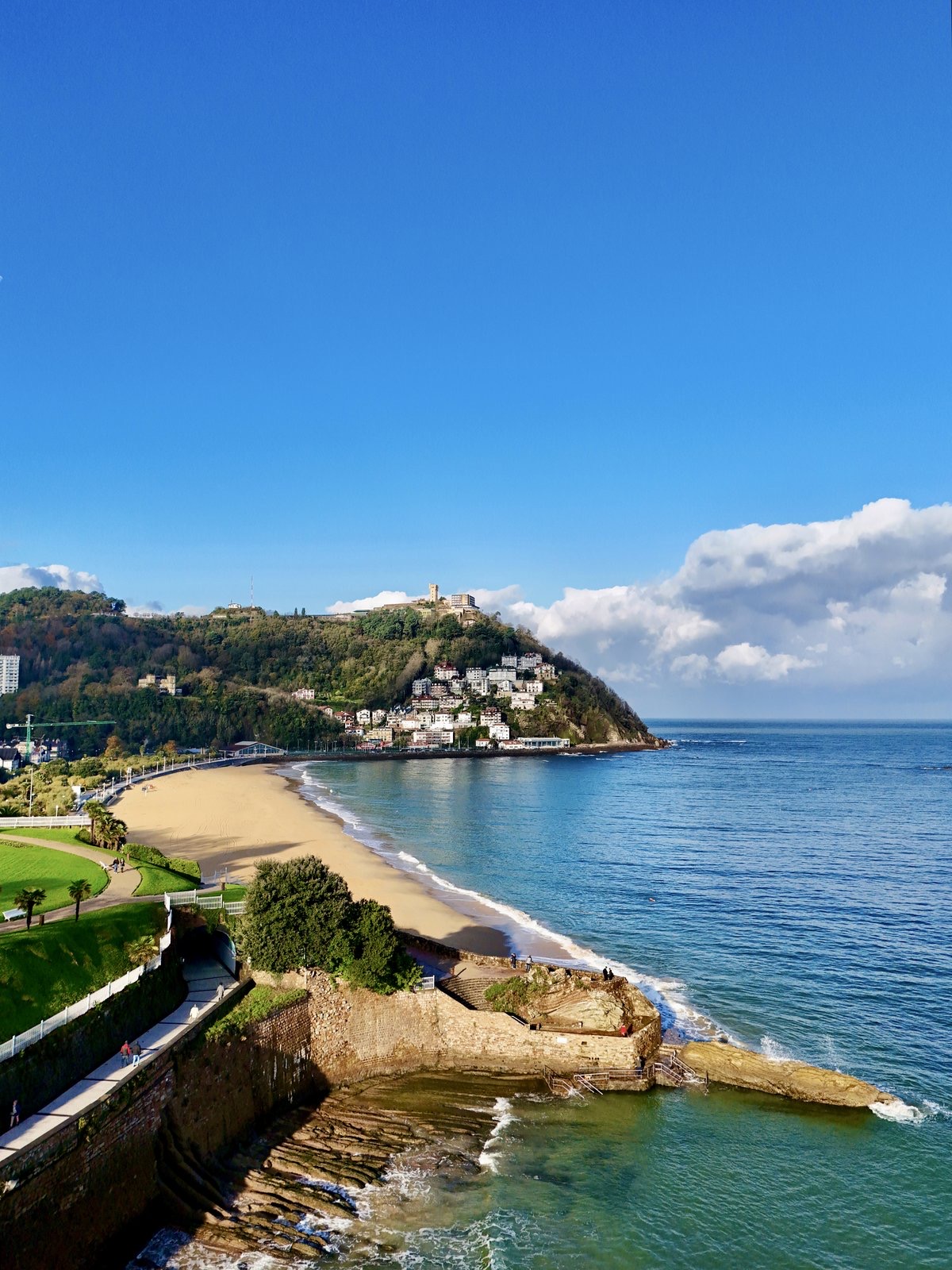
San Sebastián (Donostia in Basque) is the place that impressed me the most. The city is perfectly situated in a shell-shaped bay, framed by the mountains Monte Urgull and Monte Igueldo. La Concha, the city beach, is regularly listed as one of the most beautiful urban beaches in Europe—and rightly so.
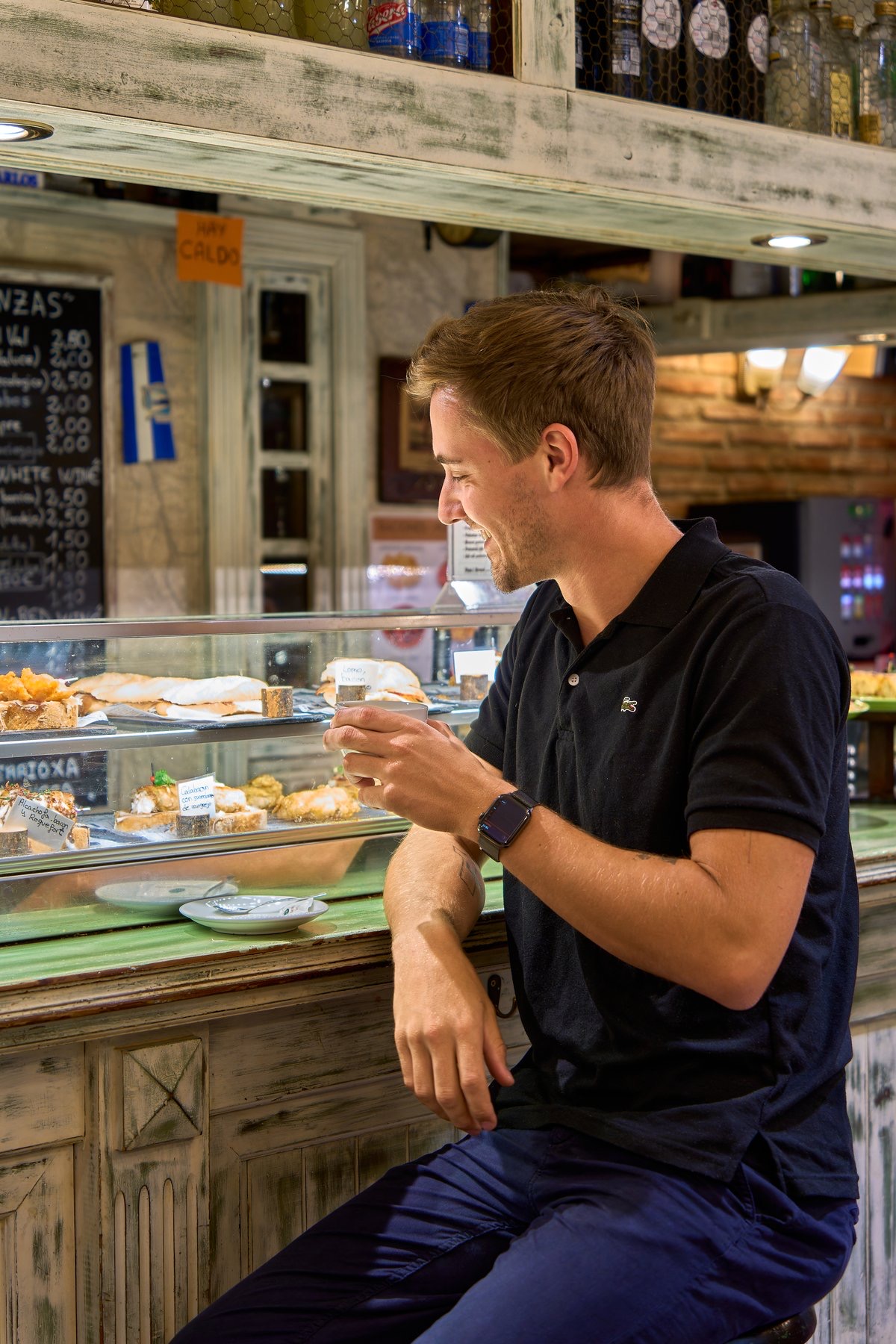
But the real star is the food. In the old town (Parte Vieja), pintxos bars line up like pearls on a string. Pintxos are the Basque version of tapas—but more elegant, creative, and often more elaborate than a main course in a regular restaurant. My system: three bars per evening, two or three pintxos in each, accompanied by a glass of txakoli (local white wine, theatrically poured from a height).
The best pintxos bars I've tried:
- — Famous for the best tomato salad in the world (no joke) and the Txuleta steak. Come at 1 p.m., it's quiet before then.
- La Cuchara de San Telmo — Warm pintxos on par with a Michelin-starred restaurant. The foie gras with apple is an experience.
- Gandarias — My favorite for classic pintxos. The counter is a work of art made of food.
- A Fuego Negro — Modern, creative, sometimes a little crazy. Perfect after 10 pm.
San Juan de Gaztelugatxe — The Game of Thrones spot
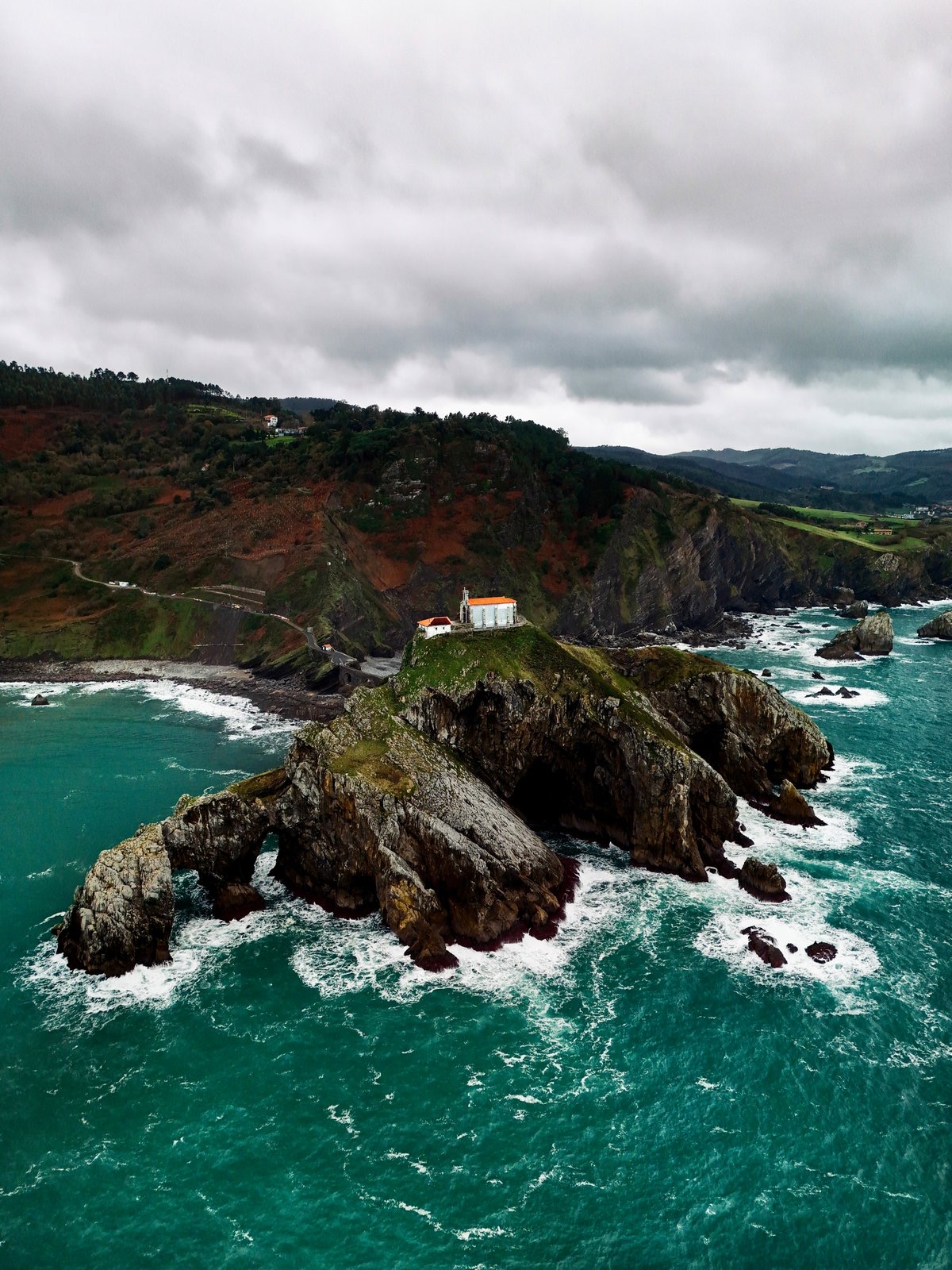
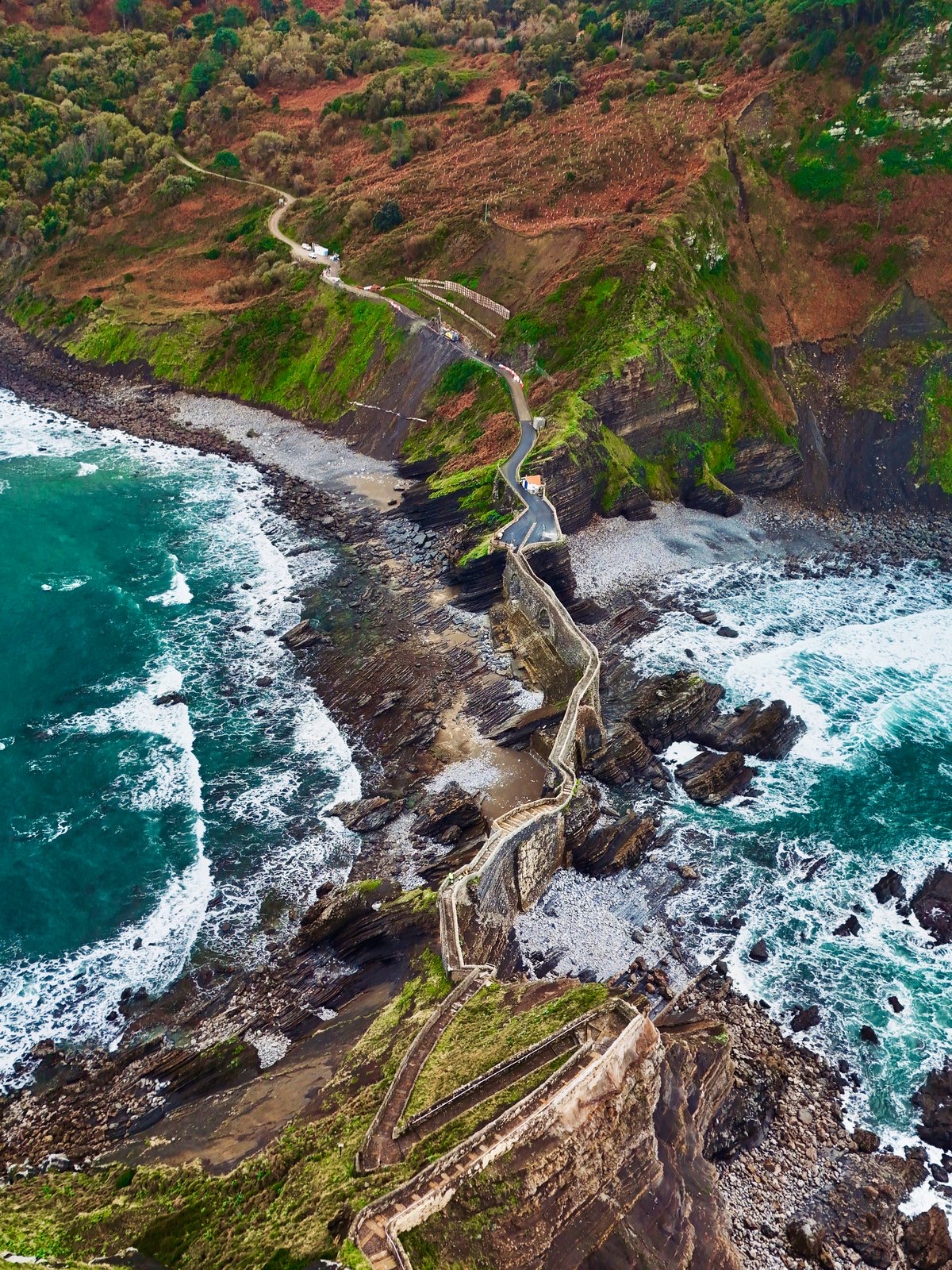
If you knew only one image of the Basque Country, it would probably be San Juan de Gaztelugatxe. This small island with its chapel at the top, connected by a dramatic stone bridge and 241 steps, became world-famous as a filming location for Game of Thrones ("Dragonstone").
I went early in the morning—at 8:30 the parking lot was still almost empty. That's a huge advantage at the end of November. In the summer, you'd be in a queue. The walk down and across the bridge takes about 20 minutes. Once you get to the top, ring the bell three times—it's supposed to bring good luck.
The drone footage from here is absolutely breathtaking. The combination of the turquoise Atlantic, rugged cliffs, and the solitary chapel is unique. I flew the drone and took some of my best shots ever. Important: Flying drones is permitted here, but please respect other visitors and nature—don't fly too close to the cliffs or birds.
From Bilbao it's about a 35-minute drive via the BI-2101. The road is winding but well-maintained. Free parking is available at the Mirador viewpoint.
Bilbao — From industrial behemoth to cultural metropolis
Bilbao has undergone one of the most dramatic transformations in the history of European cities. As recently as the 1990s, it was a drab industrial city. Then, in 1997, the Guggenheim Museum opened—and everything changed. Designed by Frank Gehry, the building, made of titanium, glass, and limestone, looks like a landed spaceship and has transformed Bilbao into a world-class destination.
I spent half a day at the museum and didn't regret a single minute. The architecture alone is worth the visit—both inside and out. The exhibitions change regularly; when I was there, there was a massive installation by Olafur Eliasson. Admission: €16 (cheaper online), closed on Tuesdays.
But Bilbao has more than just the Guggenheim:
- Casco Viejo — The old town with the „Seven Streets“, small shops, pintxos bars and the cathedral.
- Mercado de la Ribera — Europe's largest covered market hall. Fresh food downstairs, a bar upstairs with a view over the river.
- Puente Zubizuri — Santiago Calatrava's white pedestrian bridge. Architecturally impressive, but quite slippery when it rains.
- Artxanda Funicular — a funicular railway up the local mountain. The view over Bilbao at sunset is fantastic.
Basque Coast — Road trip between the Atlantic and the mountains
The biggest mistake you can make in the Basque Country: only visiting San Sebastián and Bilbao. The coastal road between the two cities is one of the most beautiful routes I've ever driven. Rugged cliffs, hidden coves, small fishing villages—every bend reveals a new panorama.
My highlights on the coastal route:
- — Here you'll find the flysch, millions-of-years-old rock strata that look like an open book. An absolute must-see for geology nerds, but also visually stunning.
- — A small fishing village, home of fashion designer Balenciaga. The grilled fish at the harbor is an experience. Try the Txakoli from the vineyards above the village.
- — The starting point for Gaztelugatxe. An authentic fishing village without tourist traps.
- — A world-famous surf spot. Even if you don't surf, the view of the wave from the harbor is worthwhile.
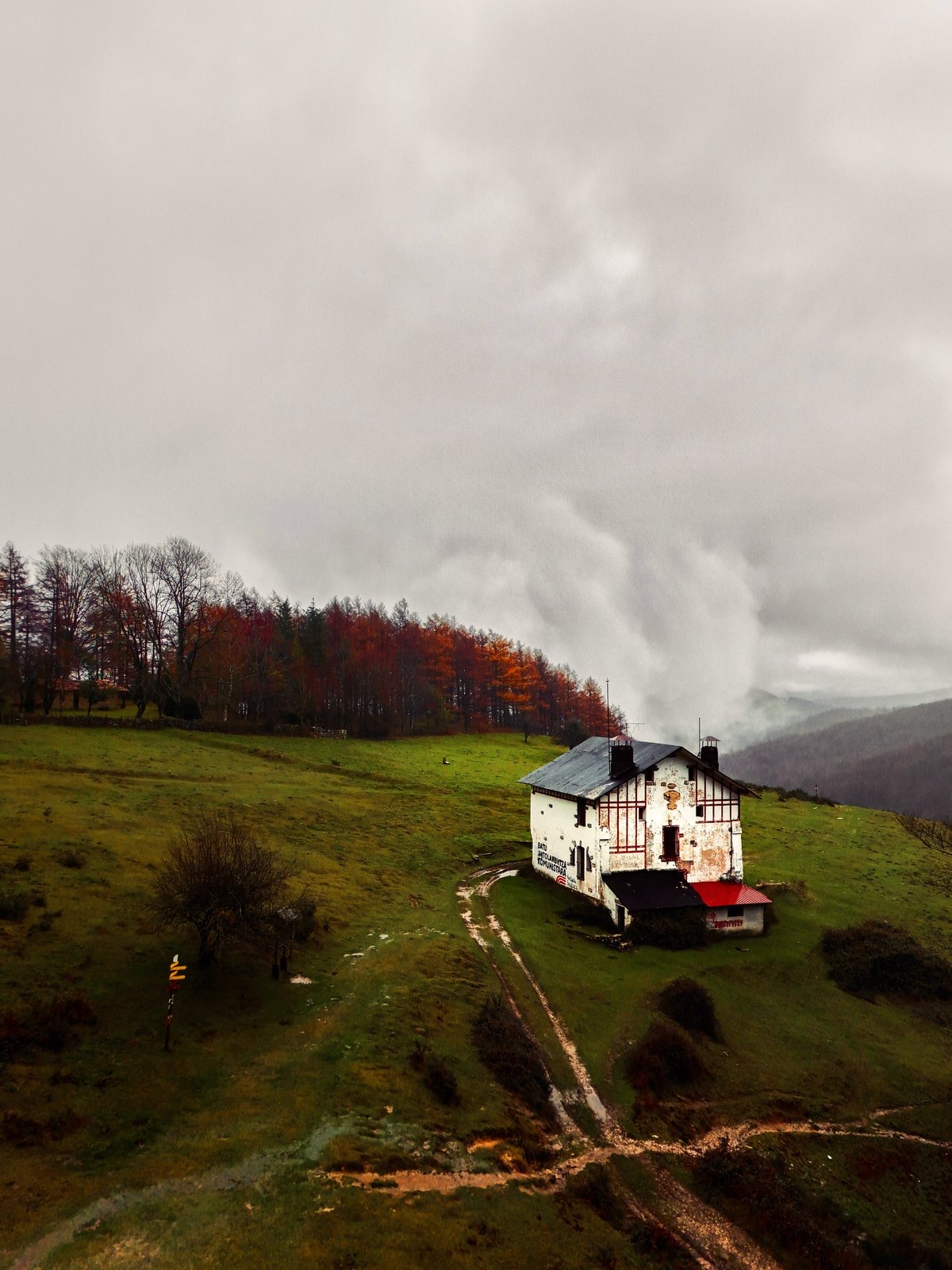
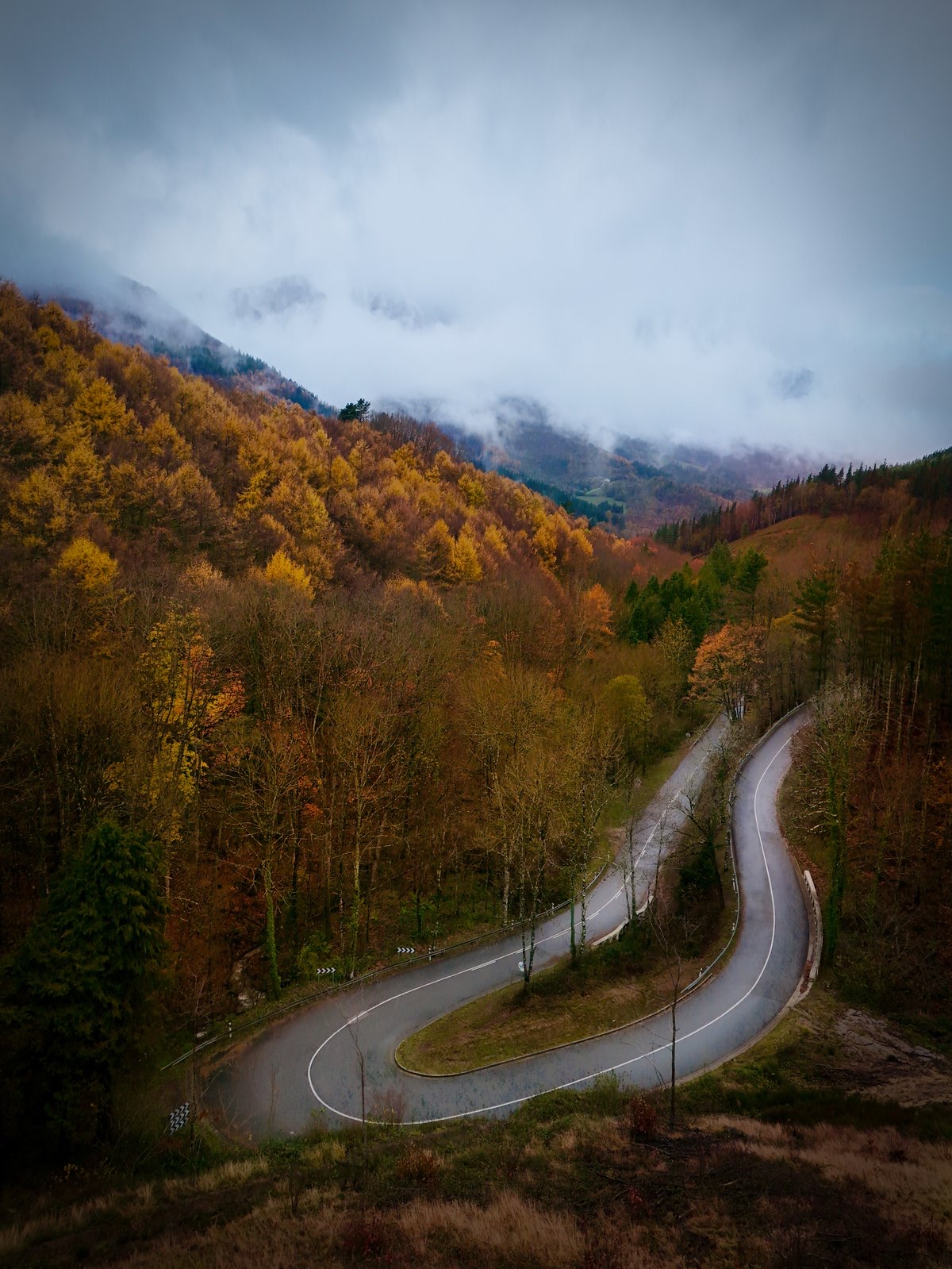
Further inland, the landscape becomes truly green. The Basque mountains are more reminiscent of Ireland than Spain. Autumn leaves, wisps of fog hang over the valleys, and scattered caseríos (traditional Basque farmhouses with their characteristic half-timbered construction) dot the landscape. It's a dream for drone photography—the winding mountain roads look fantastic from above.
Rioja Alavesa — a wine region in the Basque style
What many don't know: Part of the famous Rioja wine region lies in the Basque Country. Rioja Alavesa is the northern, Basque-administered part—and in my opinion, the most interesting. The combination of Basque wine culture and Spanish Rioja tradition creates something truly unique.
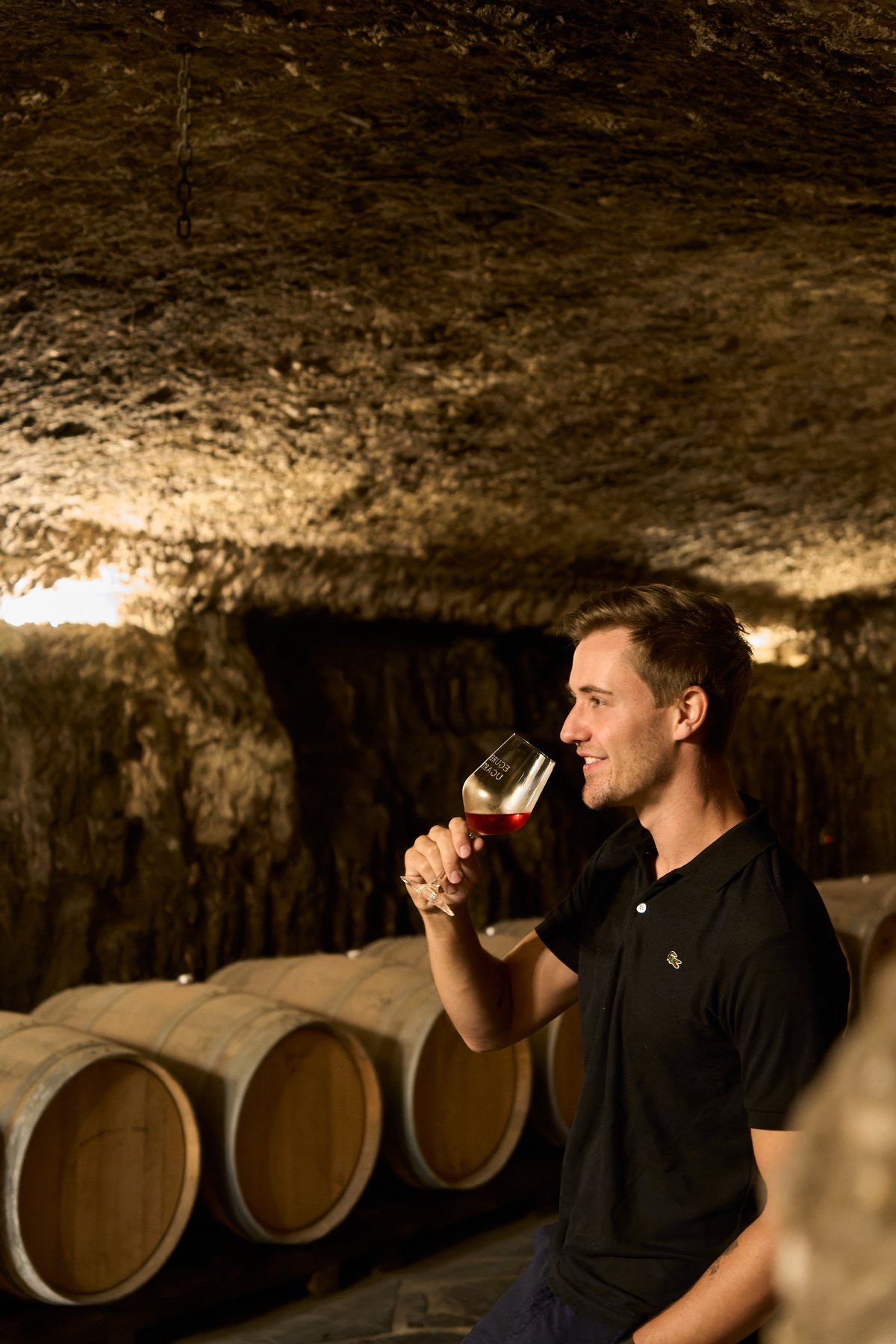
I took a wine cellar tour in Laguardia — a medieval village on a hill, beneath which lie centuries-old wine cellars. The tasting convinced me: Basque Rioja is fuller-bodied and more honest than the mass-produced, commercial Rioja from the supermarket.
I took a Segway tour through the vineyards. It sounds touristy, but it was actually fantastic—you get to vineyards that would otherwise only be accessible on foot, and the speed is perfect for taking photos. Cost: about €40 for 2 hours.
Cost overview — What does the Basque Country cost?
The Basque Country is more expensive than the Spanish average, but cheaper than Paris or London. Here's my actual cost overview for 6 days:
| category | Cost per day | Total (6 days) |
|---|---|---|
| Accommodation (3-star) | 70-100 € | ~500 € |
| Food (Pintxos + Restaurants) | 35-50 € | ~250 € |
| rental car | 30-40 € | ~200 € |
| petrol | ~10 € | ~60 € |
| Activities | 15-25 € | ~100 € |
| Flight (Frankfurt-Bilbao) | — | ~180 € |
| IN TOTAL | ~1.290 € |
Drone flying in the Basque Country — rules & best spots
Spain has fully adopted the EU drone regulations since 2024. With my drone (under 250g, class C0), I am allowed to fly in the "Open Category" A1 as long as I do not fly over crowds or near airports.
My best drone spots in the Basque Country:
- San Juan de Gaztelugatxe — THE spot par excellence. Fly in the morning at low tide, then you'll see the rock formations under the bridge.
- Coast between Zumaia and Deba — The flysch cliffs are spectacular from above.
- Ondarroa Beach (San Sebastián) — beach and city in one shot. Around 9 a.m., there's hardly anyone on the beach.
- Rioja Alavesa vineyards — Autumn vineyards from above, with the mountains of the Sierra de Cantabria in the background.
My route — 6 days in the Basque Country
Here is my suggestion for a 6-day road trip with a rental car:
Days 1-2: San Sebastián. Old Town, La Concha Beach, Monte Urgull, pintxos tour through the Parte Vieja. On the second day: Monte Igueldo (funicular up, hike down) and watch surfers at Zurriola Beach.
Day 3: Coastal route heading west. Zumaia (flysch), Getaria (txakoli + grilled fish), Bermeo. Overnight stay in Bermeo or Mundaka.
Day 4: Gaztelugatxe + Bilbao. Morning: Gaztelugatxe (arrive before 9 am!), then on to Bilbao. Afternoon: Guggenheim Museum, Casco Viejo (Old Town), Mercado de la Ribera (Ribera Market).
Day 5: Bilbao + Rioja Alavesa. Morning: Artxanda Funicular for panoramic views. Then drive to Rioja Alavesa — Laguardia, wine cellar tour, tasting.
Day 6: Vitoria-Gasteiz. The often overlooked Basque capital. Medieval old town, street art, and the greenest city in Spain (European Green Capital 2012). Then back to Bilbao Airport.
Practical tips for the Basque Country
- Best time to travel: May-June and September-October. November is also possible, but expect rain. July-August is expensive and crowded.
- Highly recommended. The coastal roads and mountain passes are what make a road trip truly special. Book via Comparison portals for the best prices.
- All signs are bilingual (Spanish + Basque). Spanish is sufficient everywhere, but a "Eskerrik asko" (thank you) in Basque is extremely well received.
- Pintxos etiquette: Order at the counter, not at a table. Pay at the end; count the toothpicks/napkins. Tipping is not customary.
- Always carry a rain jacket. The weather changes every 30 minutes — from rain to sun and back again.
- Card payments work almost everywhere, but older people sometimes have trouble in small pintxos bars. Having €50 in cash won't hurt.
- Arrival: Bilbao Airport (BIO) is served by various airlines directly flown in. Alternatively, Biarritz (France) for the eastern Basque Country.
Planning a Basque Country road trip between Bilbao and San Sebastián
In short: For the route between Bilbao and San Sebastián, the slower coastal road is worthwhile because it directly incorporates places like Zumaia and Getaria into the journey. Those who only connect these two cities miss a significant part of the Basque Atlantic coast.
The N-634 runs parallel to the toll road AP-8 and leads through coastal towns and fishing villages. Driving on it takes roughly twice as long as on the motorway. This is precisely why it's not just a connection, but a distinct part of the road trip: Between city stops, you can combine scenic landscapes, small towns, and seaside stops.
| stop | focus | Time required |
|---|---|---|
| Bilbao | architecture | 2 days |
| Zumaia | Flysch Coast | 1 day |
| Getaria | Vineyards | 1 day |
| San Sebastián | beach, pintxos | 2 days |
For a compact overview, two days each can be planned for Bilbao and San Sebastián. Zumaia and Getaria each add one day to these city days. Getaria is only 10 kilometers east of Zumaia; there, the Txakoli vineyards stretch on steep terraces almost to the sea. This creates a clear sequence of modern urban architecture, geologically shaped coastline, fishing village, and culinary city breaks, without extending the route to include distant destinations.
Discover the Flysch Coast near Zumaia on foot
The Flysch Coast clearly demonstrates why a dedicated stop in Zumaia is worthwhile. Its horizontally striped rock strata document more than 60 million years of Earth's history. The starting point for the marked hike on the GR-121 is the Ermita de San Telmo. From there, the trail runs along the cliffs towards Deba and is 11 kilometers long in one direction.
The entire route takes three to four hours, and sturdy footwear is essential. Those who don't want to undertake a long hike can focus on the beginning: the most impressive section lies within the first three kilometers. There, the cliffs drop more than 100 meters vertically into the Atlantic. This makes it easy to incorporate the stop into a shorter day at the coast without missing out on the essential views.
Nestled directly between the flysch cliffs lies Itzurun Beach. At low tide, the rock strata are exposed, allowing visitors to walk on the rocky plateau; at high tide, the beach shrinks considerably. The location is also recognizable as the backdrop for Dragonstone Cove from the seventh season of Game of Thrones. Zumaia thus combines hiking, geology, and a famous film location in a single stop. Getaria can then be a convenient continuation of the coastal day.
Bilbao and San Sebastián as different city stops
Bilbao and San Sebastián play different roles on the same journey. In Bilbao, the focus is on modern urban development. Frank Gehry's Guggenheim Museum, opened in 1997, has become a symbol of the city's transformation from an industrial center to a cultural hub. The curved building is clad in titanium and can be admired from the outside even without visiting the museum. Behind the building stands Jeff Koons's flower sculpture Puppy, and in front of it, Louise Bourgeois' bronze spider Maman.
On the other side of the Nervión River lies Bilbao's Casco Viejo (Old Town). Its heart is the Plaza Nueva with its pintxos bars. Further architectural contrasts include Santiago Calatrava's white Zubizuri pedestrian bridge and Norman Foster's metro entrances. The funicular railway up Artxanda Hill adds a panoramic view to this day trip.
In contrast, San Sebastián connects its old town directly to the sea. Playa de la Concha is 1,350 meters long and slopes gently into the sea. At its western end lies the quieter Ondarreta beach with Eduardo Chillida's sculpture ensemble El Peine del Viento (The Wind's Penetration). Between the port and Urumea lies Parte Vieja, the heart of pintxos culture. This contrast makes both stops worthwhile: Bilbao offers contemporary architecture and industrial transformation, while San Sebastián boasts a shell-shaped bay, a beach promenade, and pintxos bars clustered together.
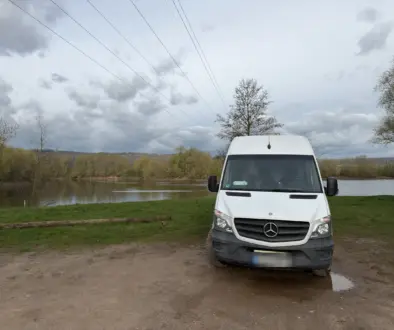
Related to this: Motorhome Spain.
For Tourism Boards and brands: If you want to showcase a destination like this with your own travel content, you can find information about the process and services on the website. Book a Travel Content Creator.
FAQ — Frequently Asked Questions about the Basque Country
Is the Basque Country safe?
Absolutely. The Basque Country is one of the safest regions in Spain. The usual precautions against pickpockets in San Sebastián and Bilbao are perfectly sufficient.
How many days does it take to visit the Basque Country?
A minimum of 4 days, ideally 6-7 days. With less than 4 days you have to choose between San Sebastián and Bilbao — and that would be a shame.
Is the Basque Country worth visiting in winter?
Yes — if you don't mind occasional rain. The advantages: Fewer tourists, lower prices, autumnal colors in the mountains, and the pintxos bars are just as good as in summer.
Do I need a rental car?
Not for San Sebastián and Bilbao individually. But for the coastal route and Rioja Alavesa, you definitely need a car. Buses connect the capital cities, but the beautiful coastal towns are difficult to reach without one.
What is the difference between pintxos and tapas?
Pintxos are a Basque tradition—small bites on bread or toothpicks, often artfully arranged. Tapas are served, pintxos you choose yourself at the counter. And honestly, pintxos are usually better.
Can I fly a drone in the Basque Country?
Yes, under EU drone regulations. Drones under 250g (like this one) are the easiest to fly. Always check the ENAIRE app before flying and don't fly in nature reserves.
My conclusion — Is the Basque Country worth visiting?
The Basque Country is one of Europe's most underrated regions. Its blend of world-class food, dramatic coastline, cool urban culture in Bilbao, and authentic Basque identity is unique. It's not the Spain you know from Mallorca—it's better.
For me, it was a trip that exceeded my expectations in every way. The drone footage of the coast is among my absolute favorites, the pintxos in San Sebastián were the best food I've had on any of my trips to Spain, and Bilbao showed me how a city can reinvent itself.
If you're thinking about it: Do it. And do it in the off-season. You won't regret it.
If you want more Travelogues with drone footage If you want to read or know how I, as a Travel Influencer I'm working — take a look around my blog.
Which road is suitable between Bilbao and San Sebastián?
The N-634 is the more scenic route, as it passes through coastal towns and fishing villages. However, you should allow approximately twice the travel time compared to the AP-8.
How long does the flysch migration near Zumaia take?
The GR-121 trail leads from the Ermita de San Telmo 11 kilometers towards Deba. The hike takes three to four hours in one direction; the first three kilometers are sufficient for the most impressive views.
What is special about Itzurun beach?
At low tide, the rock strata of the flysch coast are exposed, forming a walkable rocky plateau. At high tide, the beach is smaller; the bay also served as a filming location for Game of Thrones.
Is it possible to experience the Guggenheim in Bilbao without paying the entrance fee?
The architecture of the Guggenheim Museum is fully visible from the outside. Puppy behind the museum and Maman in front of the building are also located outdoors.
What connects San Sebastián with a day at the beach?
The 1,350-meter-long Playa de la Concha lies directly adjacent to the city and slopes gently. To the west lies Ondarreta with the sculpture ensemble El Peine del Viento.

Max Haase
Travel Content Creator · Drone Photographer · Visual Storyteller
A professional travel creator for over 10 years with over 4 million followers. Specializing in high-end tourism board collaborations and visual travel storytelling.

 German
 English