Tourism Board Cooperation – How professional collaboration with travel creators works
In over ten years as a travel content creator, I have Tourism Board collaborations with official destination marketing organizations from over 30 countries Implemented – by the New Zealand Tourism Board, Visit Saudi Arabia, and Visit Venezuela. This guide shows tourism boards, PR agencies, and destination managers the complete professional process of a Influencer marketing campaign in tourism: from the initial inquiry through creative concept, contract and production phase to final reporting.
For creators, this same guide offers an honest inside look at a business that, from the outside, appears to be a dream job, but in reality requires clear structures, contractual agreements, and demanding production phases. Those who understand the rules of the game—both creators and clients—save money and time and produce campaigns that deliver a truly measurable ROI.
- Experience base: 30+ Tourism Board partnerships in 10 years – New Zealand, Visit Saudi, ProColombia, Basque Country, Visit Venezuela, Visit Morocco, Armenia Tourism, Turkiye Tourism and many more. 3-5 inbound inquiries per week.
- Content scope per campaign: Typically 1-2 feed posts, 1-3 reels and accompanying stories, with an additional SEO-optimized blog pillar for larger deals – with a clear focus on quality rather than quantity.
- Fee range: Individual campaign Mid-Tier €2,000-€8,000, Macro-Creator €8,000-€25,000, Mega-Creator €15,000-€50,000+, Long-term ambassador €50,000-€200,000+ for 6-12 months.
- Inbound positioning: Today, the vast majority of inquiries come directly from tourism boards, luxury hotels and specialized influencer agencies – often even with long-term ambassador offers, long before an active pitch would be necessary.
- ROI for Tourism Boards: Premium campaigns with mega creators regularly deliver several million video views, measurable search lift on destination keywords, and lasting SEO assets through accompanying blog articles.
What are Tourism Board collaborations in destination marketing?
Tourism Boards are the official Destination Marketing Organizations (DMOs) of countries, regions, or cities. They have marketing budgets to position their country or region internationally as a travel destination – and are increasingly working with travel content creators instead of traditional TV, print, or paid media advertising. The Saudi Tourism Board, for example, is investing billions in marketing Saudi Arabia as a new tourist destination; influencer marketing in tourism is a key component of this strategy.
A typical collaboration includes a clearly defined scope of work: number of posts, reels, and stories per channel, required hashtags and location tags, approval processes for texts and images, usage rights for the Tourism Board's own channels (website, social media, paid ads, print brochures), and reporting obligations at the end of the campaign. The scope ranges from a one-week press trip with a defined content output to multi-year brand ambassador programs – with corresponding budget ranges.
Key stakeholders on the tourism board side typically include: the marketing director or head of marketing, social media and/or influencer marketing managers, external PR and influencer agencies, and the legal department for contractual matters. The more professionally structured a tourism board is, the clearer the processes and the faster the negotiations proceed.
Why Tourism Boards rely on travel influencers instead of traditional advertising
Traditional destination marketing channels – TV commercials, print ads in travel magazines, airport posters – have lost considerable effectiveness in recent years. At the same time, over 60 percent of young target groups make their travel decisions on Instagram and Pinterest. For tourism boards, influencer marketing in tourism solves three key problems simultaneously:
- Authenticity instead of advertising jargon: A creator who travels through a country for three weeks produces content that no advertising agency can replicate – real scenes, real surprises, real emotions.
- Precise target group approach: Mega-creators bring with them a clearly defined community. For luxury destinations, it's not about quantity, but a target audience with purchasing power – and that's exactly what a creator with a premium positioning delivers.
- Multi-channel output from a single letter: A single collaborative trip generates Instagram posts, Reels, Stories, an SEO-optimized blog article, and Pinterest pins. Tourism boards receive a complete content toolkit, not just a commercial.
- Long-term SEO assets: A well-ranking blog post about a destination generates organic Google traffic for years. A TV campaign is over after six weeks; an article like "New Zealand Starry Skies" still ranks on page 1 five years later.
- Measurable KPIs: Unlike traditional advertising, creator marketing is precisely measurable: reach, views, saves, shares, website clicks, search lift on destination keywords – everything is available in the report after the campaign.
How Tourism Boards contact me – almost exclusively inbound
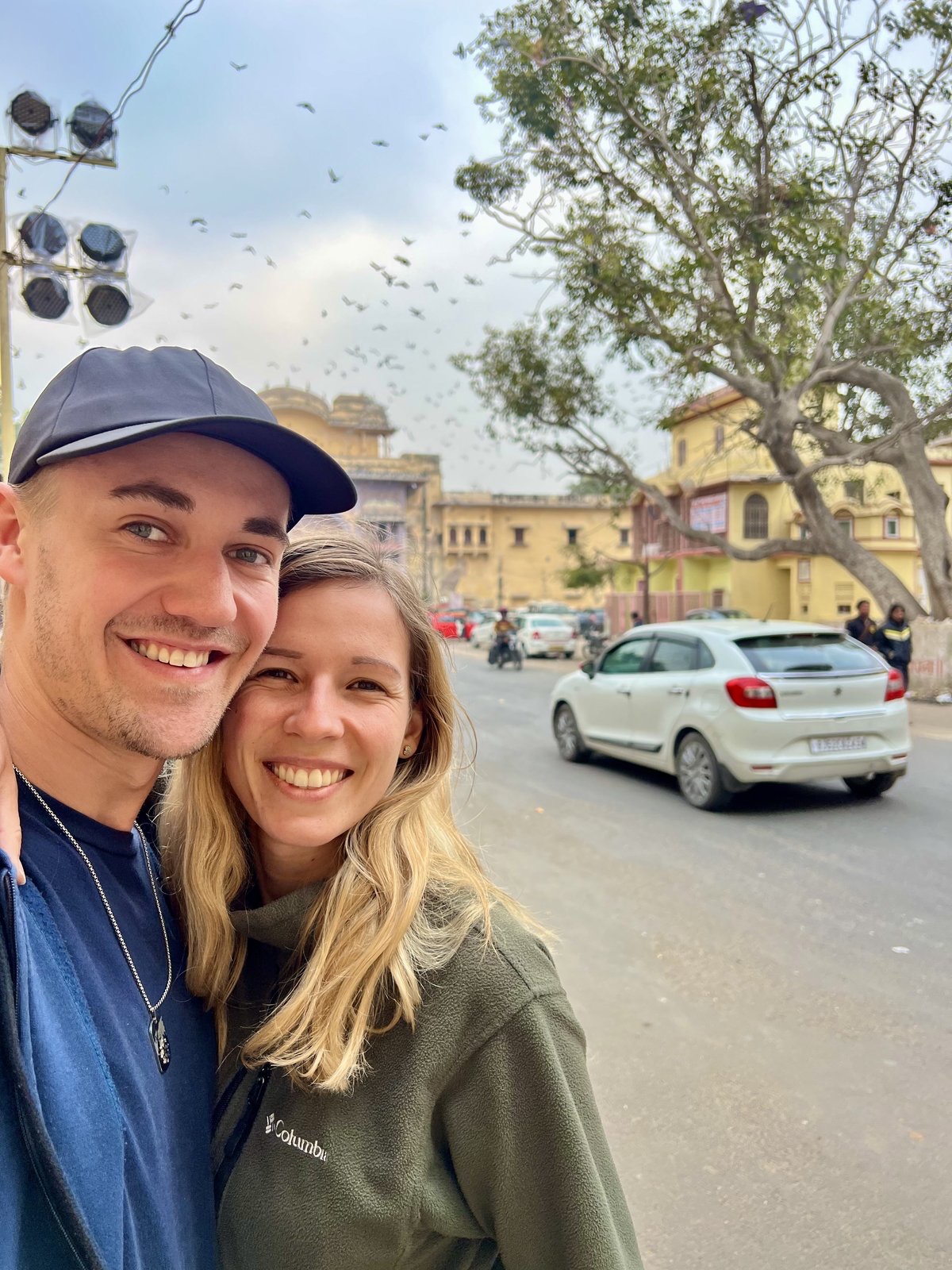
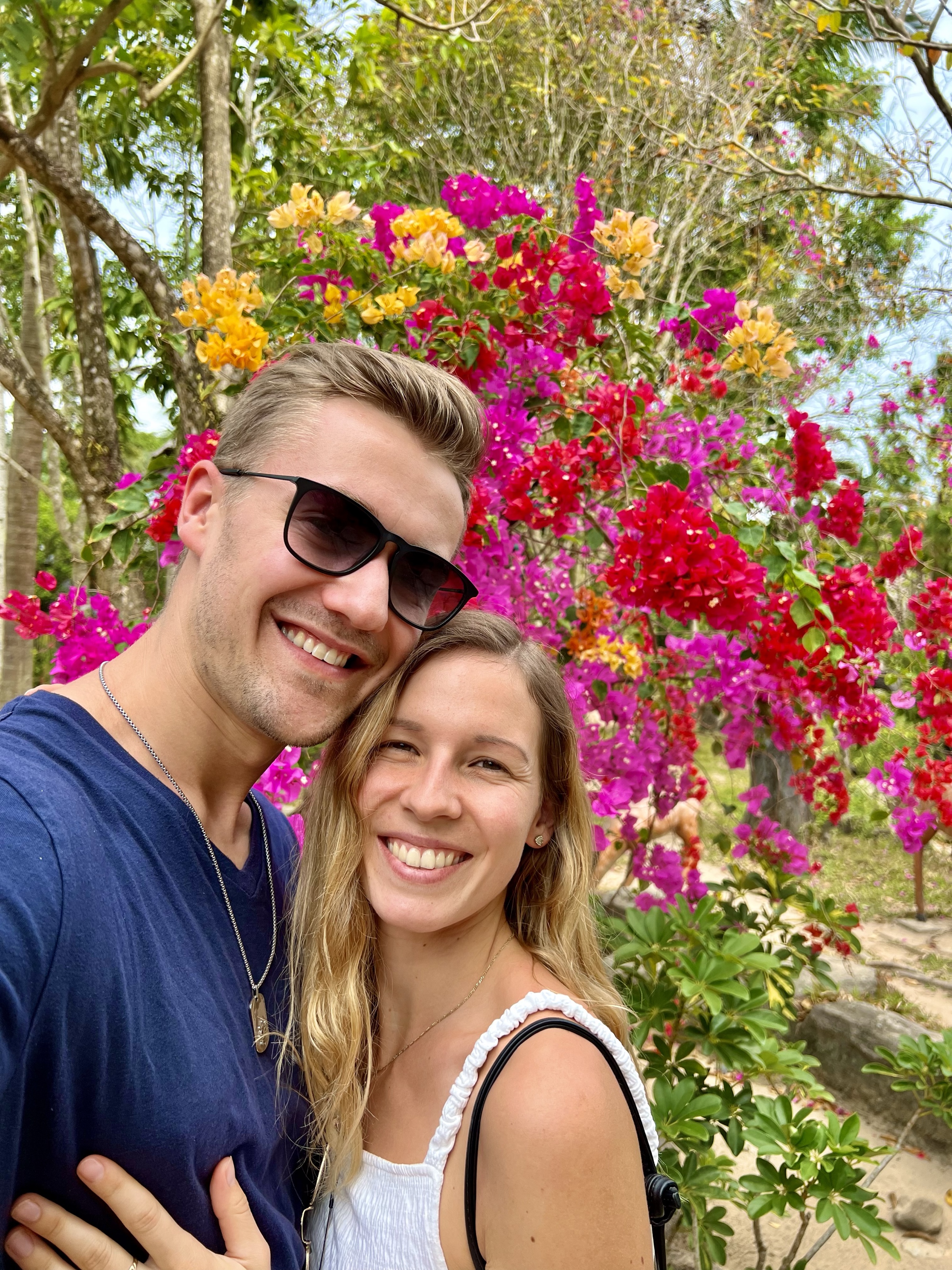
As one of the most influential travel content creators in Europe with over 4.2 million Instagram followers and a combined following of over 6.7 million in [the context of the previous sentence]. Duo with Janet Dannehl In practice, I hardly need outbound pitching anymore. Inquiries come in on their own – continuously and from all relevant segments of destination marketing.
Typical landings 3-5 qualified inquiries per week My management inbox is flooded with inquiries – directly from tourism boards, specialized PR and influencer agencies in the tourism sector, luxury hotels, and brand ambassador programs. On average, I accept a maximum of one of these requests; the rest are rejected because the budget, timing, or positioning isn't a good fit.
This inbound dominance is no accident, but the result of years of strategic positioning: consistent brand aesthetics across all channels, top SEO rankings on relevant destination and B2B keywords, multiple verified reference campaigns with leading tourism boards, and a B2B-optimized Collaboration page, which clearly bundles all the key information for marketing managers.
The typical process of a Tourism Board cooperation
Phase 1: Contact, briefing and contract (2-8 weeks before the trip)
Following the initial contact, a detailed briefing is conducted, outlining the destination's key messages. For my ProColombia collaboration, the briefing was: "Showcase Colombia as a safe, diverse travel destination – moving away from its old narcos image." For Visit Saudi, the goal was: "Open Western travelers' eyes to modern Saudi Arabia." Based on these key messages, I develop the specific creative concept in collaboration with the Tourism Board.
During this phase, all terms and conditions are negotiated and put in writing: fee, travel expenses (business class flights, hotels, transfers, meals, entrance fees), content scope, usage rights, approval deadlines, exclusivity clauses, liability issues, force majeure provisions (e.g., weather risks), and payment terms. My standard procedure is: 50 percent deposit before the trip, 50 percent after content delivery and approval.
Phase 2: Travel and content production (5-14 days on site)
The actual production is the most intense phase. A typical day on tour: getting up at 4:30 a.m. for the best drone light during the golden hour, three to four locations in the morning, reviewing photos and videos after lunch, a second lighting session in the afternoon, and in the evening, initial editing and live Instagram Stories from the location. This is full-time work, often with little sleep – but with a clear production roadmap.
For more demanding campaigns, I travel with a team: a second camera operator for lifestyle shots, a producer for logistics and approvals, and a local fixer for location scouting. This increases the budget, but also the quality and predictability of the output.
Phase 3: Post-production, approval and release (2-6 weeks)
After the trip, the real craft begins: developing and grading RAW images, editing drone footage, creating reels with music sync and subtitles, writing SEO-optimized blog articles, and preparing stories in sequences. A typical campaign produces 1-2 high-quality feed posts, 1-3 reels, and a story sequence spanning several days. For more extensive campaigns, this also includes an SEO-optimized blog pillar with at least 2,500 words and several hundred high-resolution photos for the Tourism Board's own use. The deliberate focus on a few, excellently produced content units is part of my positioning: premium brands don't buy post frequency, but rather a visual identity with high recognition value. Total post-production time: 40-60 hours.
Before publication, a structured approval process takes place: the Tourism Board receives visual previews and caption drafts, has a defined feedback loop (typically 48 hours), and can request minor adjustments as long as these do not alter the fundamental creative direction of the content. This process protects both sides: the Tourism Board from off-brand content, and the creator from endless revisions.
Phase 4: Performance screenshots, transfer of usage rights and invoicing
At the end of the campaign, the Tourism Board receives the key performance indicators (KPIs) directly from Instagram Insights: screenshots of reach, impressions, engagement, saves, shares, and story completion rate for each piece of published content. This is deliberately kept concise – authentic raw data from the platform instead of a bloated agency report. In parallel, I provide the high-resolution media files in accordance with the separately agreed usage rights.
Fees and Rate Card: What do Tourism Board collaborations cost?
The question about fees is the most frequently asked – and the one with the most varied answers. The following range is a realistic overview of the DACH market, based on over 500 of our own campaigns and the prices of leading agencies. Travel influencers in Germany:
| Type of cooperation | Creator Level | Fee range |
|---|
| Press trip (costs covered only) | Nano/Micro (up to 100k) | €0 + travel |
| Press trip + fee | Micro (10–100k) | €2,000–€8,000 |
| Single campaign | Macro (100k–1M) | €8,000–30,000 |
| Premium campaign | Mega (1M+) | €15,000–100,000+ |
| Long-term ambassadors (6–12 months) | Mega (1M+) | €50,000–200,000+ |
Important: These fees are gross campaign prices and do not include production costs. Flights, hotels, team costs (for multi-person shoots), equipment wear and tear, insurance, music licenses, and post-production hours are deducted from the gross fee – typically 30-50 percent of the total invoice amount. Important for tourism boards: a higher fee does not automatically mean a higher margin for the creator, but usually indicates a significantly higher production quality.
Case Studies: Reference campaigns with measurable results
The best reference for tourism boards, PR agencies and destination managers is not abstract figures, but concrete campaigns with publicly verifiable results:
Tourism New Zealand
Destination Campaign in New Zealand in collaboration with @purenewzealand (Tourism New Zealand). The campaign achieved measurable results across all channels:
- Reel „Active Side of New Zealand“ — 4.4 million views, 123,565 likes, 358 comments
- Reel „Road Trip Through New Zealand“ — 2.8 million views, 83,245 likes, 406 comments
- Slideshow post „My favorite highlights“ — 1.7 million views, 48,400 likes, 221 comments
- 15 Instagram Stories — 120,000–170,000 views each, totaling approximately 2.2 million story impressions.
Combined reach of all formats: over 11 million views (2 Reels + 1 Post + 15 Stories), over 255,000 Likes and 985+ Comments.
Visit Saudi
Destination Campaign in Saudi Arabia in cooperation with @visitsaudi (Visit Saudi). Publicly available results:
- Reel 1 — Visit Saudi — 4.4 million views, 123,565 likes, 358 comments
- Reel 2 — Visit Saudi — 2.8 million views, 83,245 likes, 406 comments
- 15 Instagram Stories — 120,000–170,000 views each, totaling approximately 2.2 million story impressions.
Combined reach of all formats: over 9.4 million views (4.4M + 2.8M Reels + approx. 2.2M Story Impressions), over 206,000 Likes and 760+ Comments.
All reach and engagement figures are directly available on the public Instagram profile. @_maxhaase_ Visible and verifiable by everyone.
The five biggest mistakes in Tourism Board collaborations
1. Accept barter deals
The most common mistake – especially at the beginning: Tourism boards offer "flight plus hotel in exchange for content." This sounds tempting, but it's a losing proposition. You invest 40+ hours of professional work and get a trip worth perhaps €2,000 – an hourly wage of under €50, no social security, no reserves for equipment replacement. From the mid-tier level onward, the rule is: no fee, no cooperation. Exceptions are only worthwhile for absolute dream destinations with strategic portfolio value.
2. No written contract
No contract, no production. Early in my career, I produced content for a tourism board that then didn't pay for months. Since then, I've worked exclusively with a signed contract, a 50 percent deposit before the trip, and a clearly defined payment due date after content delivery.
3. Promising too much content
Many creators try to outdo each other in pitches with content promises: "20 posts, 10 reels, 50 stories!" The problem: quality suffers massively, the creator burns out, and the tourism board receives mediocre content. My rule of thumb: 1-2 feed posts and 1-3 reels per campaign – deliberately few, but of the highest professional standard.
4. Giving away usage rights
Usage rights are a separate commercial item. If the Tourism Board wants to use the images and videos for its own website, campaign paid ads, brochures or outdoor advertising, this costs extra – usually a 30-50 percent surcharge on the basic fee, tiered according to usage duration (6 months, 12 months, unlimited) and channel scope (organic only vs. including paid).
5. Inability to say no
Not every inquiry is a good collaboration. I reject over 95 percent of all inbound inquiries – either because the budget isn't right, the destination doesn't fit my brand positioning (luxury & adventure instead of mass tourism), or the key messages are too restrictive. Incidentally, this is a good sign for tourism boards: anyone who says yes to every letter is working with rock-bottom prices – every brand realizes that sooner or later.
Which tourism boards have the highest budgets?
Practical experience reveals clear regional differences in budget willingness:
- Highest budgets: Middle East (Saudi Arabia, UAE, Qatar, Oman), South Korea, Japan, Singapore – premium prices are paid here, often with 6-figure campaign budgets per mega-creator.
- Good budgets: Scandinavia, Australia, New Zealand, Canada, USA – professional marketing departments with realistic budgets and structured processes.
- Solid budgets: Southern Europe (Portugal, Greece, Croatia, Italy), Türkiye, Morocco – usually tighter budgets, but often more creative concepts and shorter approval processes.
- Tight budgets: Southeast Asia, Eastern Europe, Central America – bartering is predominantly offered here; paid collaborations are less common and usually negotiated through mega-creator agencies.
Creator Level in the Tourism Board Market – What Differentiates Tourism Boards When Choosing One
In tourism marketing, there are clearly defined creator levels that tourism boards strategically use when selecting partners. Destination managers benefit from understanding these levels in order to choose the appropriate budget and target audience approach.
- Micro & Mid-Tier (10k-500k Followers): Suitable for regionally focused campaigns with a narrow niche fit, often without payment in exchange for a press trip. High discovery value, but limited international reach.
- Macro (500k-1M Followers): Professionally set up, typically booked through agencies, solid reach in the DACH region. Suitable for individual campaigns with a clearly defined output.
- Mega-Creator (1M+ Followers): Premium positioning, international reach, in-house management structures. With 4.2 million followers on Instagram, I currently occupy this league – and in the Duo with Janet Dannehl With a combined reach of over 6.7 million. Here are the most exciting deals: premium campaigns, long-term ambassador programs, and content that pays for both reach and prestige.
The role of PR and influencer agencies
Many tourism boards do not work directly with individual creators, but rather through specialized platforms. PR and influencer agencies in tourism. These agencies curate the creator selection, organize travel, manage approval loops, and handle billing. As a creator, you then have two points of contact: the agency for day-to-day operations and the Tourism Board for strategic questions and final approvals.
Experiences with agencies are mixed. Good agencies understand the dynamics of the creator economy, respect creative freedom, pay on time, and deliver high-quality briefs. Bad agencies try to squeeze out as much content as possible for as little money as possible and treat creators like interchangeable service providers – this often results in a loss of quality on both sides.
For tourism boards looking to hire an agency, a specialized influencer agency with a tourism focus saves time and effort, but charges a 15-25 percent service fee on top of the creator's payment. For smaller budgets, direct contact with the creator is usually more cost-effective.
My tip for tourism boards: Anyone who contacts creators directly and experiences a smooth process saves on agency fees in the long run and builds strong relationships with key creators. I work roughly half the time directly with tourism boards and half through agencies.
Content strategy for Tourism Board collaborations
Content for a tourism board serves two target groups simultaneously: its own creator community AND the key messages of destination marketing. Combining these two requirements is the central challenge – and the reason why tourism boards consciously work with creators rather than advertising agencies.
My basic principle: I always tell my personal story, not the official advertising message of the Tourism Board. „"I experienced X, discovered Y, and Z surprised me." This first-person perspective keeps the content authentic and presents the destination in an organically positive light – without blatant advertising language. The community recognizes advertising in three seconds; however, they trust a personal travelogue.
During my visit to Saudi Arabia, I didn't just photograph tourist attractions; I shared my genuine surprise at how modern, safe, and welcoming the country is. It was honest, authentic – and exactly the message the Tourism Board wanted to convey. Such alignment between creator narrative and destination key messages is crucial for campaign success.
From a craft perspective, I produce a maximum of two high-quality content units and at least one story sequence per day. I prefer less content with clear visuals and drone footage to a mass of content without a concept. Premium tourism boards book me precisely because of this focus on quality – not because of high posting frequency.
From Morocco to a portfolio of 30+ Tourism Boards
My first paid Tourism Board collaboration was with Visit Morocco —and that one also came about through inbound marketing. I had published a series of Morocco-related content on Instagram, simply because I was there privately. The responsible marketing manager of the Moroccan Tourism Board saw the posts, contacted me directly, and offered a fully organized week-long production in Morocco with a fee—without me ever having to submit a pitch.
From this initial campaign, a portfolio of over 30 Tourism Board partnerships has grown in the following years. Visit Morocco led to internal recommendations for me to other North African and Mediterranean destinations; the Visit Saudi campaign opened access to the Middle East; Tourism New Zealand resulted in follow-up projects in Oceania. Destination marketing managers are exceptionally well-connected – once a creator has delivered an outstanding campaign, follow-up inquiries multiply automatically.
For tourism boards, this is a robust reference structure: anyone who speaks with one of my clients today receives consistently positive feedback – reliable processes, flawless delivery, measurable results. This kind of reputation is precisely what cannot be replaced by advertising budgets in destination marketing.
Tourism Boards, Hotels & DMOs: How to book me as a Travel Creator
If you're looking for a travel creator for your tourism board, hotel, or destination marketing organization who can deliver a clearly curated, high-end audience, multi-channel output, and long-term SEO assets, you'll find all the relevant information about services, packages, and terms on my website. Collaboration page.
Typical collaboration models:
- Destinations campaign: 7-14 days of on-site production, multi-channel content (Instagram feed, Reels, Stories, blog), performance screenshots from Instagram Insights at the end of the campaign.
- Luxury Hotel Campaign: 3-5 day shoot on-property, hero reel plus feed series, blog review with SEO optimization.
- Duo campaign with Janet Dannehl: 6.7 million combined reach – ideal for destinations focused on couples/families. Details at Travel Couple.
- Long-term ambassador program: 6-12 months, multiple campaigns per year, exclusivity in the segment.
The best way to start your inquiry is by email to [email protected] Please include the destination, timeframe, and campaign goals. My management will get back to you as soon as possible.
FAQ – Frequently Asked Questions about Tourism Board Cooperations
How can I, as a tourism board, find the right travel creator?
Key selection criteria include target group match (Germany, Austria, Switzerland, USA, Asia-Pacific), niche fit (luxury, adventure, family, budget), demonstrable engagement rate (at least 1 percent for mega-creators – anything above that is already strong for accounts with 1M+ followers), quality of previous Tourism Board campaigns, and reliability in collaboration. A professional Collaboration page and an up-to-date media kit are minimum requirements.
Do I need a certain number of followers for Tourism Board collaborations?
Not necessarily. Some tourism boards already work with micro-influencers with as few as 10,000 followers – though usually without payment and as a classic blogger trip. For paid collaborations, the threshold in Germany, Austria, and Switzerland (DACH region) is typically 100,000+ followers, depending on the niche and engagement rate. In the luxury segment, positioning and audience quality often count for more than sheer follower count.
How long does it take to establish a cooperation?
From initial contact to the trip, it typically takes 2-6 months. For more spontaneous projects, it sometimes only takes 2-3 weeks, while for large, long-term ambassador programs, it can take 6-12 months. I now plan my collaborations 3-6 months in advance – this gives both sides time for creative concept development, location scouting, and clearly negotiated contracts.
What happens if weather or other circumstances disrupt the planned production?
Every contract includes a force majeure clause that covers unforeseen events such as extreme weather, strikes, or political crises. During my Norway campaign, we had three days of fog – we adjusted the schedule flexibly, found alternative locations, and extended the trip by two days. Flexibility and a plan B are essential for professional productions; that's precisely why top-tier creators are hired.
What legal aspects are central to Tourism Board collaborations?
The most important points are: clear labeling as advertising/advertorial (#Ad/Paid Partnership tag on Instagram), usage rights scope (channel, duration, geography, paid media inclusion), exclusivity clauses (e.g., no competitor destination for 6 months after the campaign), image rights clearance for people shown, and liability regulations in case of accidents during production. For large-scale campaigns, I work with a law firm specializing in the creator economy.
Conclusion: Tourism Board collaborations – the heart of professional destination marketing
Tourism board collaborations are at the heart of my business as a travel creator – and also one of the most efficient channels currently available to tourism boards, hotels, and DMOs in destination marketing. They deliver authentic visuals, measurable KPIs, long-term SEO assets, and target group precision that traditional advertising simply can no longer achieve.
For creators: present yourself professionally, have a clear rate card, a sound contract, and deliver consistently. For tourism boards: choose the right partner with a suitable positioning, grant creative freedom, and formulate realistic briefs. If both sides do their homework, campaigns will emerge that generate not only reach but also actual travel bookings.
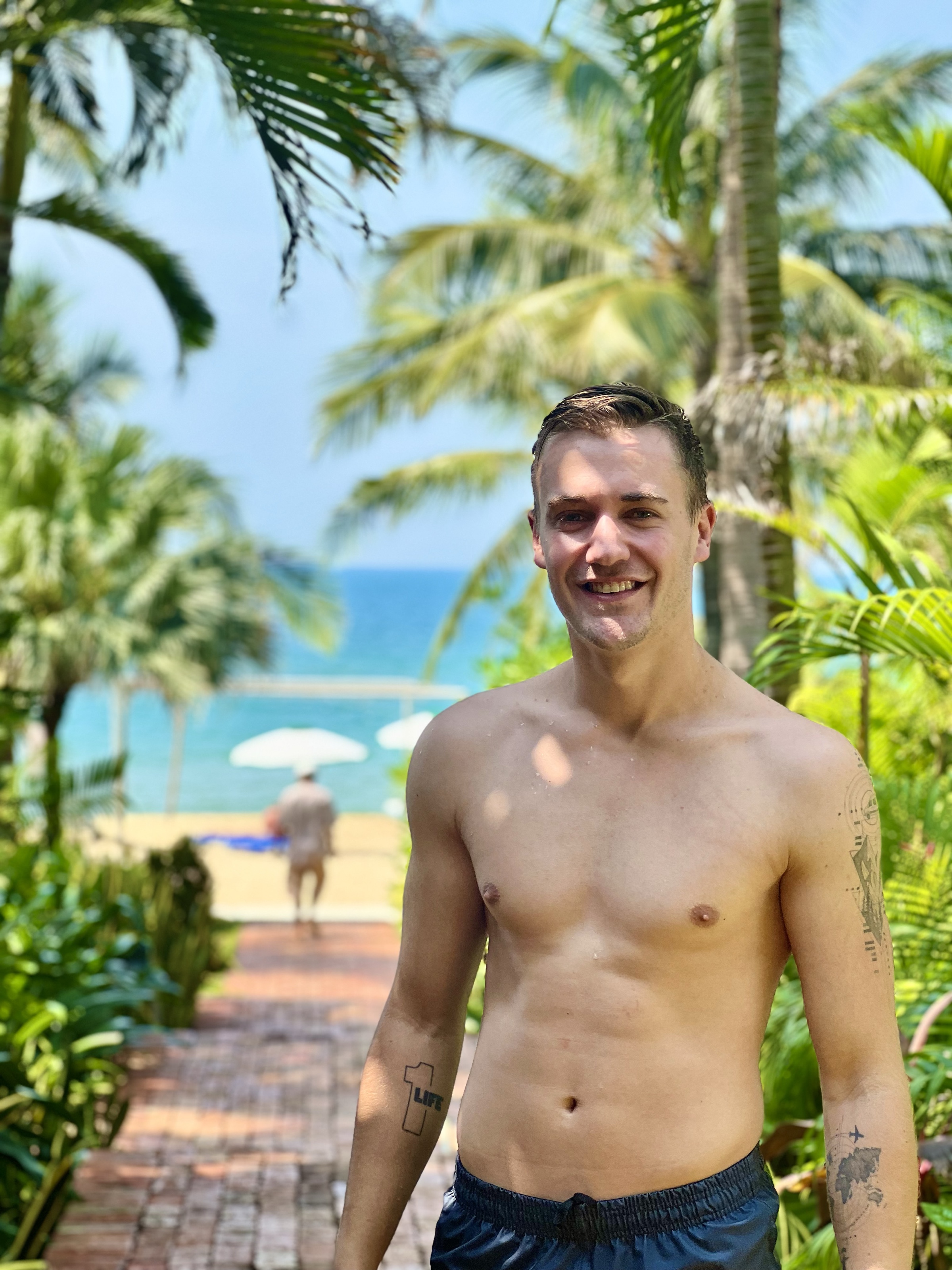
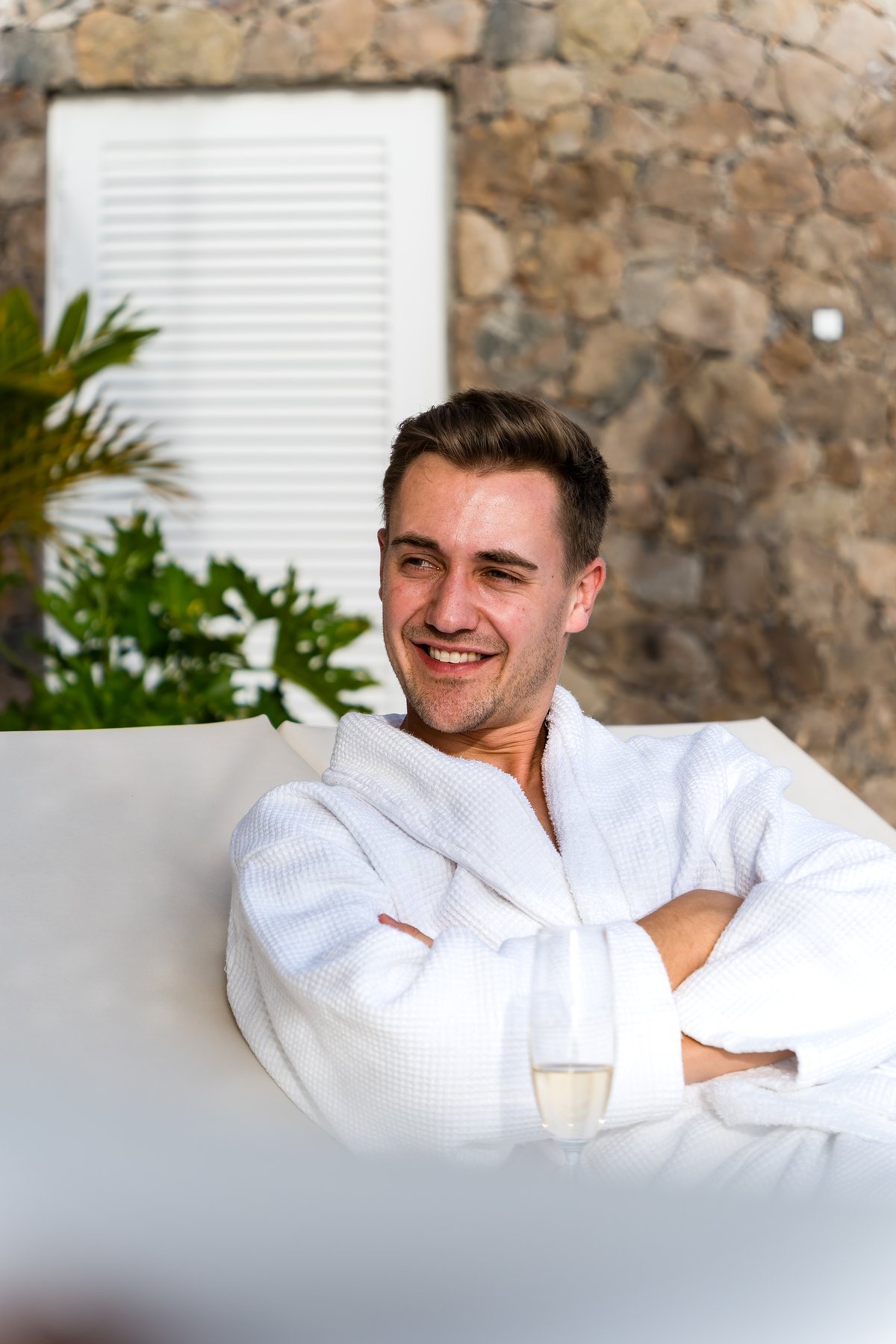
About the authorMax Haase
Travel Content Creator · Drone Photographer · Visual Storyteller
Since over 10 years professional travel creator with over 4.2 million followers. Specializing in high-end tourism board collaborations and visual travel storytelling.
4.2MFollowers
82+Countries
500+Cooperations
10+Years





















 German
 English