Skip to content

Max Haase

About Max Haase

http://max-haase.com

Posts by Max Haase:

Blog – Travelogues Drone footage — Image 11

Gran Canaria Travel Report 2026: Sights & Insider Tips

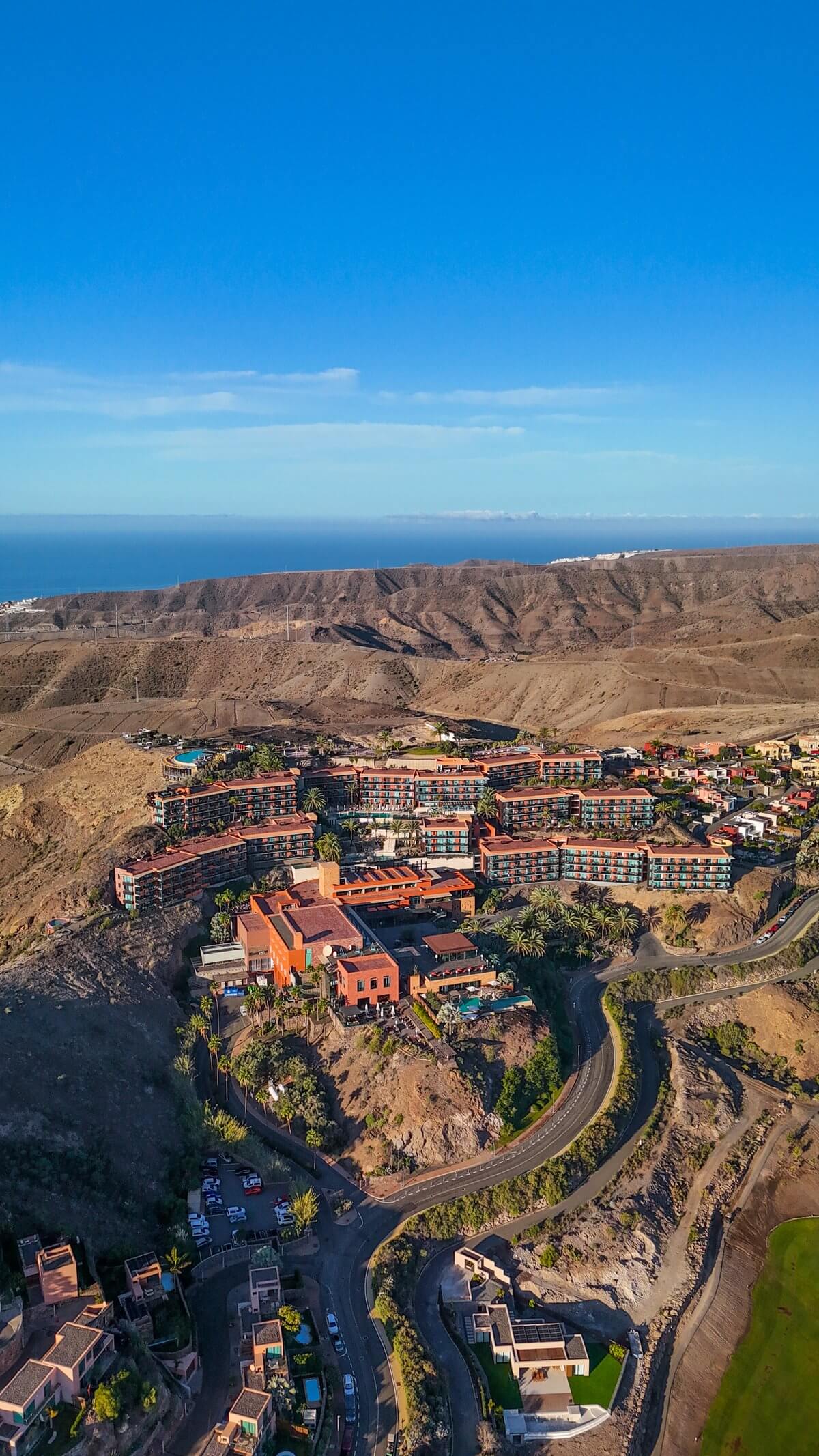
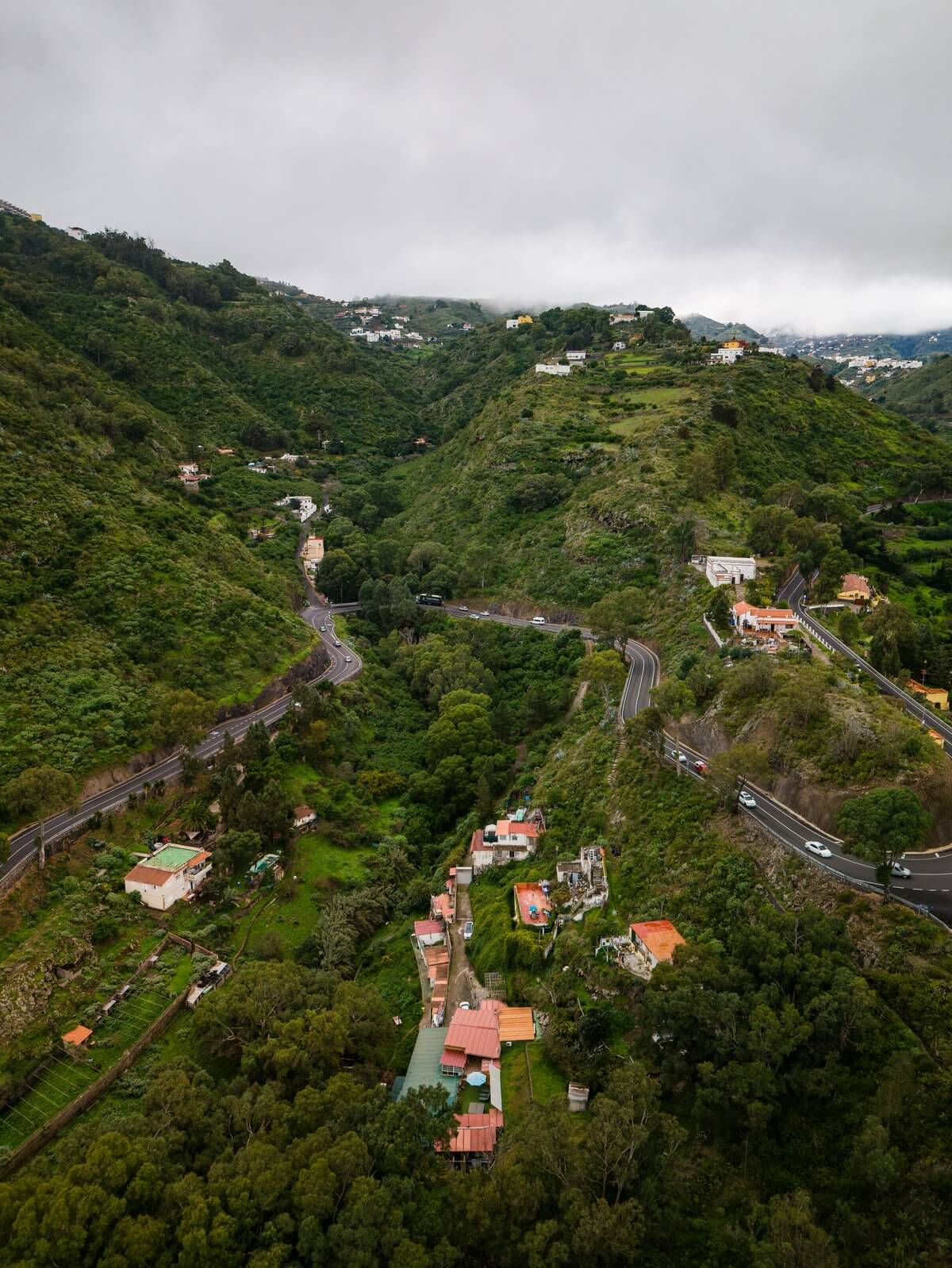
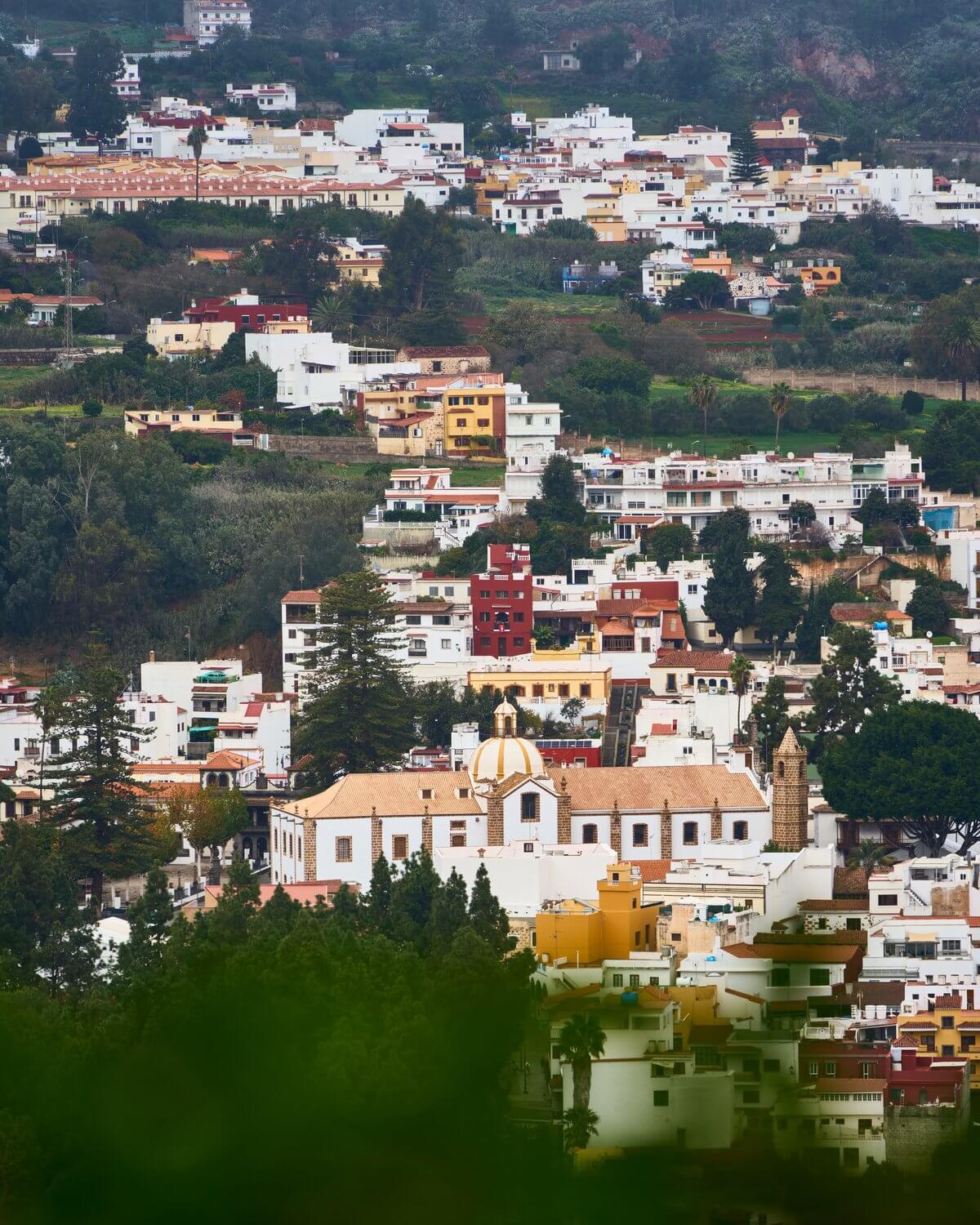
A Gran Canaria Travelogue, This is different from what you'll usually find: no secondhand hotel recommendations, but genuine experiences from two weeks on the island – with a drone, rental car, and a willingness to explore the corners that aren't in any standard guidebook. Gran Canaria is often called a "miniature continent," and after my trip in January 2024, I can only confirm this: From the golden dunes of Maspalomas From rugged volcanic craters in the highlands to the subtropical valleys in the north, on this small Canary Island you will experience a diversity of landscapes that is unparalleled anywhere else in Europe.

  • Maspalomas Dunes: 400 hectares of dune field protected since 1994 — sunrise is the best time for drone flights; after a 20-minute walk you'll be alone.
  • Roque Nublo: 80-meter-high basalt rock at 1,813 m; the hike from the La Goleta parking lot takes 1.5 hours round trip.
  • Rental cars: From €25 per day with Cicar (20-30 percent cheaper than Europcar/Sixt) — mandatory for the highlands, west coast and north.
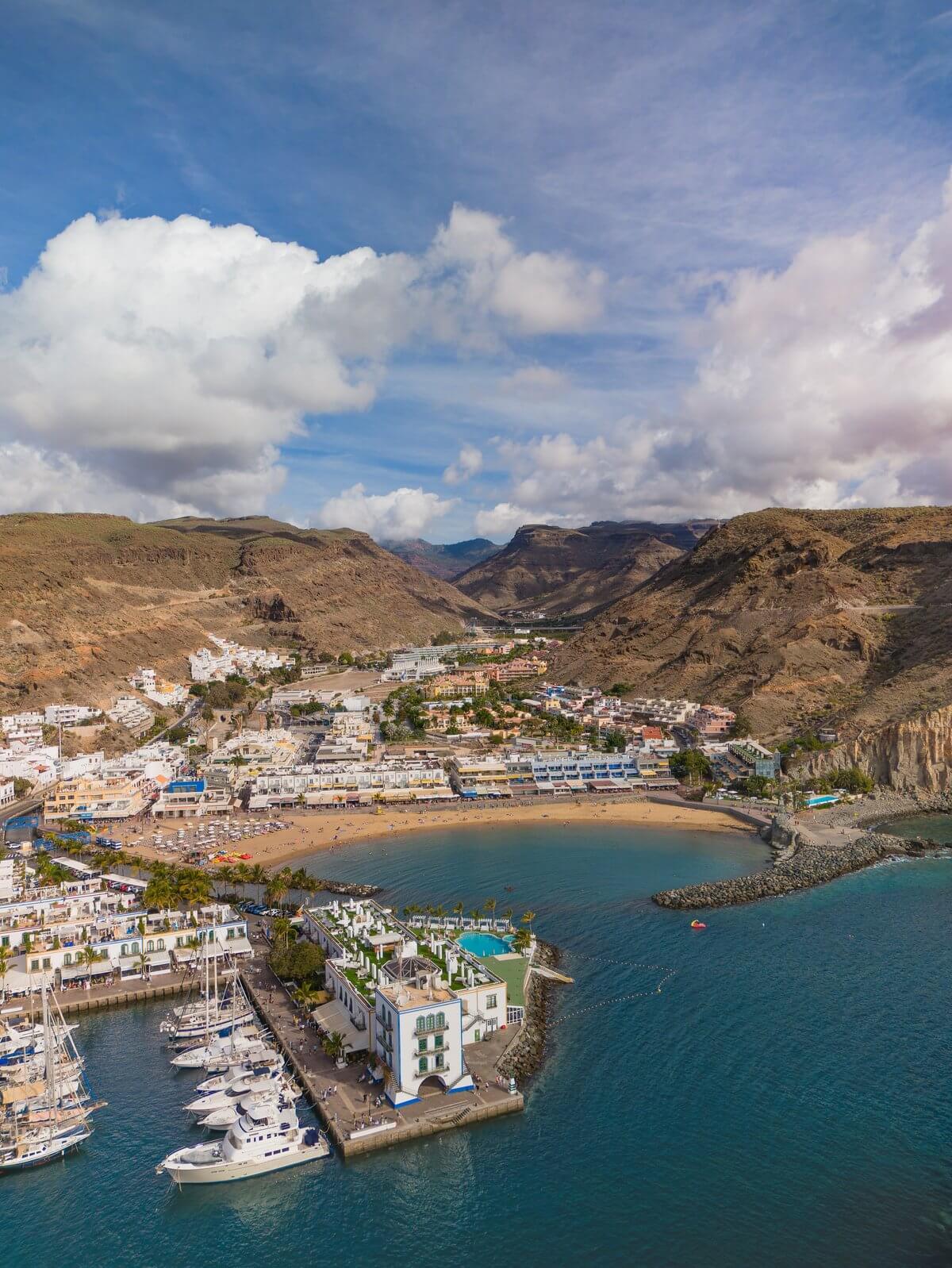
  • Puerto de Mogán: Little Venice with colorful bougainvillea and canals — the most charming place on the southwest coast, significantly quieter than Maspalomas.
  • Arrival: Flight time from Frankfurt is 4.5 hours with Condor or Ryanair — book at least 6–8 weeks in advance for the best prices.

In this detailed Gran Canaria travel report I'll show you the most spectacular ones Sightseeing features, the best hikes, my honest Tips Regarding rental cars, costs, and accommodations – and of course, the drone footage that shows why this island is even more impressive from the air than from the ground. Whether you're planning a relaxing beach holiday or seeking the wild side of Gran Canaria – you'll find everything you need to know here.

Gran Canaria sights: The Maspalomas Dunes


The Maspalomas Dunes In the south of Gran Canaria, the dunes are the island's most iconic image – and yet, the first glimpse surprised me. A genuine dune field stretches across an area of approximately 400 hectares, its golden-yellow color and wind-sculpted wave patterns truly reminiscent of the Sahara. The dunes have been a protected nature reserve since 1994, and the ecosystem is considerably more fragile than it appears.

The drone footage here is spectacular: From above you can see the geometric patterns of the dunes, the contrast to the turquoise sea and the lagoon (Charca de Maspalomas) where flamingos and herons regularly rest. Best time for drone photos: Sunrise. Then the light is warm, the shadows of the dunes are long and dramatic, and there are hardly any other people around.

Besides the dunes, a walk along the Playa de Maspalomas – one of the most beautiful beaches in the Canary Islands. The 6 km long sandy beach stretches from the dunes to the lighthouse (Faro de Maspalomas) and offers perfect conditions for swimming, surfing and sunbathing.

Insider tip: Don't just go to the edge of the dunes – hike right into them (wear sturdy shoes!). After 20 minutes you'll be completely alone, surrounded by nothing but sand and silence. It's one of the most magical places in the Canary Islands.

Gran Canaria insider tips: Roque Nublo & the wild highlands


Anyone who only knows Gran Canaria as a beach holiday destination is missing out on the best. The highlands in the center of the island are a completely different world: rugged, wild, craggy, and in its own way just as impressive as the coast. Roque Nublo (1,813m) is the landmark of Gran Canaria – an 80-meter-high basalt rock that juts out into the sky like a finger from the volcanic crater.

The Hike to Roque Nublo The hike starts at the La Goleta parking lot and takes about 1.5 hours round trip. The trail is well-marked and technically easy, but due to the altitude (starting at 1,600m), you should bring sunscreen and water. Once you reach the top, a 360-degree panorama of the entire island awaits you – on clear days you can even see Mount Teide on Tenerife.

More Gran Canaria hikes in the highlands:

  • Caldera de Bandama – Hike into an extinct volcanic crater (1 hour, easy)
  • Barranco de Guayadeque – Spectacular gorge with cave restaurants (!)
  • Pico de las Nieves (1,949m) – Highest point in Gran Canaria, accessible by car
  • Tamadaba Nature Park – Canary pine forest, one of the most beautiful hiking areas on the island

Rental car tip: You definitely need a rental car for the highlands. The roads are well-maintained but winding – allow about an hour for the 35 km from Maspalomas to Roque Nublo. Rental cars on Gran Canaria start at around €25 per day (Cicar is the largest local rental company and often cheaper than international providers).

Gran Canaria Waterfall & Hidden West Coast (Puerto de Mogán)


Puerto de Mogán Also known as "Little Venice," it's the most charming spot on Gran Canaria's southwest coast. The small fishing port, with its vibrant bougainvillea, canals, and pastel-colored houses, is significantly quieter and more authentic than the tourist centers of Playa del Inglés or Las Palmas. Here, you can sit in the harbor, eat fresh fish straight from the boat, and watch the fishermen at work.

The West Coast The area between Puerto de Mogán and Agaete is the least visited part of the island – and in my opinion, the most beautiful. The GC-200 coastal road winds along dramatic cliffs, past black volcanic beaches and through small villages completely untouched by mass tourism. From a drone, you can see the rugged cliffs plunging several hundred meters vertically into the deep blue sea.

Particularly impressive: The Barranco de Mogán, A deep gorge stretching from the highlands to the coast. The hike through the gorge (approx. 3 hours) leads through an almost surreal landscape of red volcanic rock, palm groves, and natural rock formations.

At the northern end of the west coast lies the Valle de Agaete – a tropical valley where coffee is actually grown. Agaete coffee is one of only a few coffees produced in Europe and makes an exceptional souvenir.

Las Palmas de Gran Canaria – The underrated capital


Las Palmas With 380,000 inhabitants, it is the largest city in the Canary Islands and is completely ignored by many tourists – a mistake. The old town Vegueta With its colonial buildings, the Santa Ana Cathedral and the Casa de Colón (the Columbus Museum), it is architecturally beautiful and tells the story of the island since the 15th century.

The Playa de Las Canteras In the north of the city lies what is considered one of the best urban beaches in Europe – 3 km of fine sand, crystal-clear water, and a natural reef (La Barra) that protects the beach from strong waves. The promenade is lined with restaurants and surf schools, and the atmosphere is much more local than in the tourist resorts to the south.

Culinary tip: The Mercado de Vegueta is the oldest market in the city and perfect for a breakfast with local specialties: papas arrugadas (wrinkled potatoes) with mojo sauce, gofio (toasted cornmeal), fresh goat cheese and Canary bananas.

Starry skies over Gran Canaria – A UNESCO Starlight Reserve


What few people know: The highlands of Gran Canaria have been a protected area since 2018. UNESCO Starlight Reserve. The low light pollution, the high altitude, and the clear Atlantic air offer conditions for stargazing that are simply impossible in Central Europe. On clear nights, you can see the Milky Way as clearly as you would in the desert.

Best spot: Roque Nublo or the area around Pico de las Nieves. Simply drive up, bring a blanket, and tilt your head back. The visibility is best between November and March because the humidity is lower.

Gran Canaria Costs – What the island really costs (as of 2024)


Positionbudgetmiddle classcomfort
Accommodation/night25-40 €60-100 €120-200 €
Food/day15-25 €30-50 €50-80 €
Rental car/day25-45 € (Cicar, local)
Flight (DA-CH)80-200 € (Ryanair, Eurowings, Condor)
1 week total (pP)~500 €~900 €~1.500 €

Gran Canaria Tips: Hotels directly on the beach, arrival & map


Best time to travel: Gran Canaria is a year-round destination. For beach holidays, October to April are ideal (pleasant temperatures of 22-26°C, little rain). Spring (March-May) is perfect for hiking in the highlands – the landscape is green and in bloom. In the height of summer (July/August), temperatures in the south can exceed 35°C.

Rental cars: Highly recommended. Without a car, you'll only see the south and the tourist centers. The best parts of the island (west coast, highlands, north) are only accessible by car. Cicar is the largest local provider and often cheaper than Europcar or Sixt.

Airport: Gran Canaria Airport (LPA) is served by direct flights from all major German, Austrian, and Swiss airports. Flight time from Frankfurt is approximately 4.5 hours. Tip: Condor and Ryanair offer the cheapest connections, but book at least 6-8 weeks in advance.

SIM card: As an EU citizen, you benefit from EU roaming – you can use your German data allowance without extra charges. If you need a lot of data (e.g., for drone uploads), you can buy a local SIM card at the airport.

More Canary Islands travel reports: We also went to Gran Canaria Madeira and Lanzarote explored. All three islands are unique in their own way – Gran Canaria for its diversity, Madeira for its hiking, Lanzarote for its volcanic landscape.

FAQ – Frequently Asked Questions about Gran Canaria

What are the must-see sights on Gran Canaria?

The Maspalomas dunes, Roque Nublo, Puerto de Mogán, the west coast (GC-200), and the old town of Vegueta in Las Palmas. For those who enjoy hiking: the Barranco de Guayadeque and the Tamadaba Natural Park.

What is the most beautiful place on Gran Canaria?

It depends on your taste: Puerto de Mogán for charm and tranquility, Maspalomas for beaches and dunes, the highlands around Roque Nublo for nature and hiking. My personal favorite: the wild west coast between Mogán and Agaete.

When is the best time to travel to Gran Canaria?

Possible year-round. October to April for beach holidays (22-26°C), March to May for hiking (green landscape). July/August can see temperatures exceeding 35°C in the south.

Where are the best places to hike on Gran Canaria?

Roque Nublo (1.5 hours, easy), Caldera de Bandama (1 hour, easy), Barranco de Guayadeque (3 hours, moderate), Tamadaba Natural Park (various routes, 2-5 hours). A rental car is necessary for all hiking areas.

Do you need a rental car on Gran Canaria?

Not necessarily for the south (Maspalomas, Playa del Inglés). Definitely for everything else (highlands, west coast, north, hiking). From around €25/day with local providers like Cicar.

Is it possible to fly a drone in Gran Canaria?

EU drone regulations apply in Spain. Drones under 250g (open category A1) are permitted to fly almost everywhere. Flying is prohibited in nature reserves (Maspalomas dunes, parts of the highlands) and near airports. Always check the ENAIRE app beforehand.

Max Haase Travel Creator
About the author

Max Haase

Travel Content Creator · Drone Photographer · Visual Storyteller

Since over 10 years professional travel creator with over 4.2 million followers. Specializing in high-end tourism board collaborations and visual travel storytelling.

4.2MFollowers
82+Countries
500+Cooperations
10+Years

Blog – Travelogues Drone footage — Image 11

Algarve beaches: The most beautiful bays & insider tips

For me, the Algarve is the most beautiful coastline in Europe — and I say that as someone who has explored the Amalfi Coast, Croatia's islands, Greece's Cyclades, and the Canary Islands over the last 10 years. Nothing compares to the dramatic combination of golden sandstone cliffs, turquoise Atlantic Ocean, hidden caves, and endless sandy beaches that the Algarve manages to pack into just 150 kilometers of coastline.

  • Top 3 cliff beaches: Praia da Marinha with its iconic double arch formation, Ponta da Piedade in Lagos and the famous Benagil cave.
  • Insider tip: Praia do Barranco between Lagos and Sagres — 15 minutes walk through maquis shrubland, no infrastructure, no tourists.
  • Benagil Cave: Book the first kayak tour at 8:30 am (20–30 euros) — the light through the hole in the ceiling is most beautiful before the boat tours.
  • Surfer Coast: Praia do Amado, Arrifana and Castelejo on the west coast — constant Atlantic waves, best season September to June.
  • Best time to travel: April to June and September to October — less wind than in midsummer, pleasant water temperatures around 20 degrees.

Since 2024, I've spent several months in the Algarve—with my drone, camera, and kiteboard. In this guide, I'll show you the Algarve's most beautiful beaches and cliffs, including hidden coves that aren't in any standard travel guide.

The most beautiful beaches in the Algarve: My top 10 (with map)


1. Praia da Marinha — The most iconic beach

Praia da Marinha is regularly ranked among the most beautiful beaches in the world—and rightly so. The double arch formation of golden sandstone, jutting into the turquoise water, is THE quintessential postcard image of the Algarve. Only from above (by drone) can you truly appreciate how surreal the color contrasts are: gold meets turquoise meets dark blue.

My tip: Come early in the morning (before 9 a.m.) or late in the afternoon. The beach is crowded during the midday heat, and the shade isn't ideal for taking photos. Access is via a steep staircase from the cliffs—good shoes are recommended.

Park: Free parking at the top of the cliffs. Full from 10 am during peak season.
Facilities: No need to bring water and snacks.
Drone: One of the best drone spots in the Algarve. Fly in the morning when the beach is empty.

2. Ponta da Piedade (Lagos) — The cliff labyrinth

Ponta da Piedade isn't a beach in the traditional sense, but rather a labyrinth of golden rock pinnacles, natural arches, grottoes, and hidden coves. From the cliffs above, you have a spectacular view of the rock formations—but the real experience is a kayak tour through the grottoes.

By boat or kayak, you'll glide through narrow rock tunnels, under natural bridges, and into hidden coves with crystal-clear water. The tour lasts approximately 1.5 hours and costs €20–30 — one of the best experiences you can have in Portugal.

From the air: Ponta da Piedade from above is breathtaking. The rock formations create patterns that you would never see from the ground. Best time to fly over: golden hour in the evening.

3. Benagil Cave — Portugal's most famous sea cave

Benagil Cave is the Algarve's most famous attraction — and it deserves every bit of the hype. The circular opening in the ceiling allows sunlight to stream in like a natural spotlight onto the small sandy beach inside. The interplay of light, rock, and sea is magical.

You can reach the cave by kayak (the most athletic option), stand-up paddleboard, or boat tour. Swimming is possible, but only for strong swimmers—the current can be strong.

My tip: Book the first kayak tour of the day (usually around 8:30 am). This way you'll be in the cave before the boat tours and practically have it to yourself. The light coming through the opening in the ceiling is most beautiful in the morning.

4. Praia do Camilo (Lagos) — The stair bay

A tiny cove, accessible via a steep wooden staircase from the cliffs. The beach is small—perfect for a few hours of peace and quiet. The water is sheltered and crystal clear, ideal for snorkeling. The adjacent rock tunnel connects two coves and is a photographer's dream.

Danger: During peak season, the beach fills up in 30 minutes. Arrive early or in the afternoon after 4 pm.

5. Praia da Falésia — The endless beach

Six kilometers of fine sandy beach, fringed by red-orange cliffs that glow like flames at sunset. Praia da Falésia is the perfect beach for long walks, jogging, or simply endless space. Even in peak season, you can find a quiet spot after a 500-meter walk.

The differently colored layers of sandstone—red, orange, white, yellow—create incredible patterns when viewed from above. A natural work of art.

6. Praia dos Três Irmãos — The Three Brothers

Named for the three striking rock pinnacles that rise from the sea, this beach has it all: clear water, rock formations to explore, hidden coves at low tide, and a beach bar for sundowners. Less well-known than Marinha or Benagil, it's considerably more relaxed.

7. Praia do Barranco (between Lagos and Sagres)

My personal insider tip. A secluded beach that you can only reach via a 15-minute walk through maquis vegetation. No infrastructure, no sun loungers, no tourists. Just you, the cliffs, and the sea. Perfect for half a day of solitude.

8. Praia de Albandeira

Small, hidden, perfect. A natural rock arch frames the view of the open sea. Access via a dirt path keeps the crowds away. At low tide, you can wade through the arch to a hidden neighboring cove.

9. Praia da Ilha de Tavira

Off the east coast of the Algarve lies this small, sandy island with its seemingly endless beach. It's accessible by ferry (crossing €2). The beaches here are wider and shallower than in the west – perfect for families and swimmers. There are fewer dramatic cliffs, but more space and peace.

10. Praia da Bordeira (West Coast)

Technically, it's the western Algarve (Costa Vicentina), but it's too beautiful to miss. A vast beach with consistent waves for surfers, dunes, and a wild, untouched atmosphere. Here you can feel the power of the Atlantic—and the solitude is magnificent.

Algarve insider tips: The most spectacular cliffs from a drone perspective


The true magic of the Algarve is revealed from above. The golden sandstone cliffs, impressive at eye level, become abstract works of art when viewed from a drone. The contrasts between gold, turquoise, and dark blue are so intense that the images look like paintings in their raw state.

Mine Top 5 drone spots:

  1. Ponta da Piedade — The rock labyrinth from above
  2. Praia da Marinha — The double arc from the air
  3. Benagil Cave — View through the ceiling hole
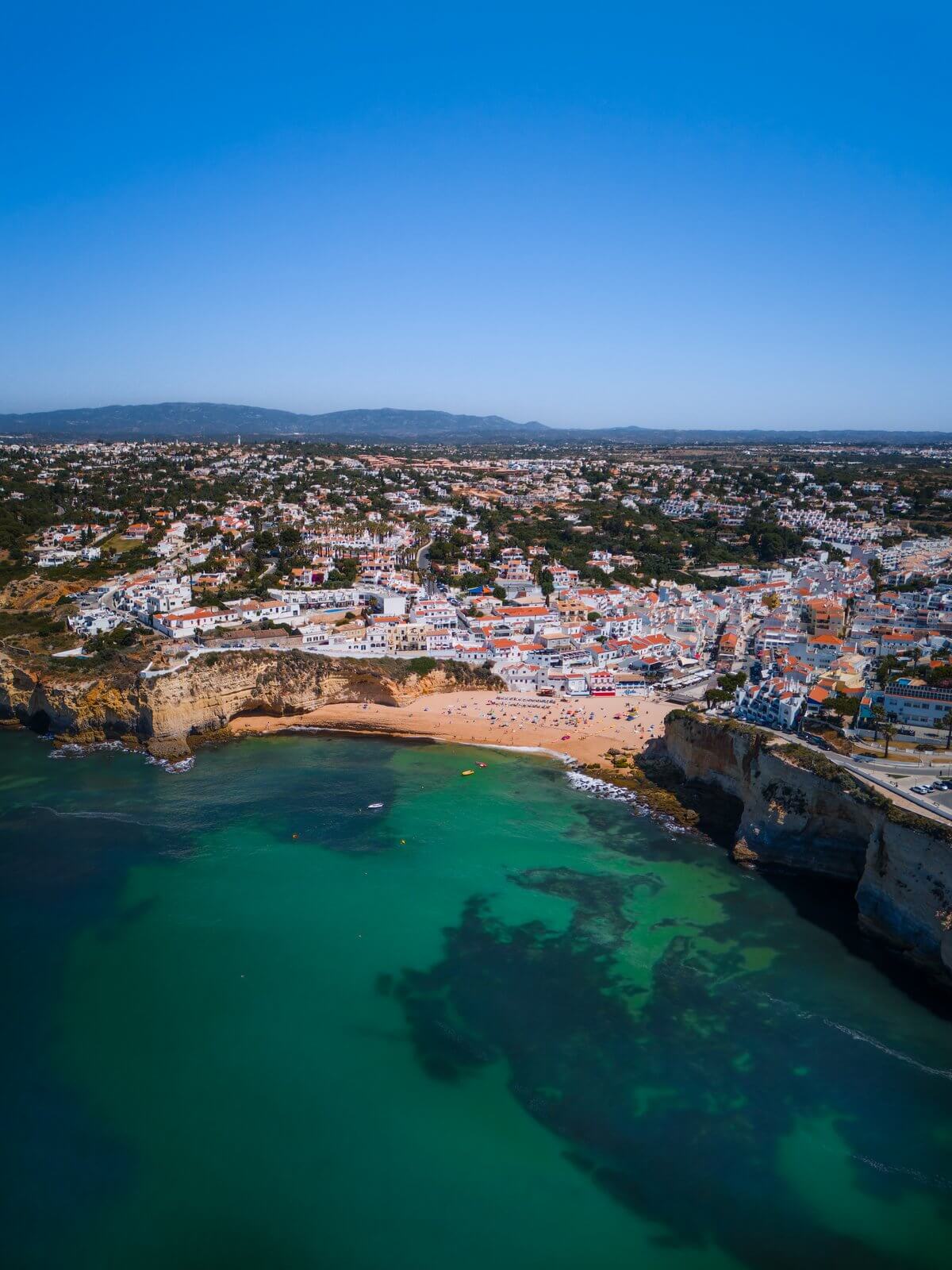
  4. Carvoeiro — Colorful beach with cityscape (my featured image!)
  5. Praia da Falésia — The red-orange cliff patterns

Drone rules: EU drone license A1/A3 required. Do not fly over crowded beaches. Early morning or late evening are the best times — empty beaches + golden light. More in my Drone Guide.

Algarve sightseeing map & practical tips for your beach day


  • Sun protection: The Algarve sun is aggressive — SPF 50+ is a must, even in spring.
  • Water shoes: Many beaches have rocky access. Neoprene shoes are invaluable.
  • Picnic: Many of the most beautiful beaches have no infrastructure. Bring a cooler and supermarket groceries beforehand.
  • Check the tides: Some bays are only accessible at low tide. Check the tide tables beforehand.
  • Cliff hiking trail: The "Seven Hanging Valleys Trail" connects several top beaches along a 12 km coastal hike — one of the most beautiful hiking trails in Europe.

FAQ — Frequently Asked Questions about Algarve Beaches

Which beach is the most beautiful in the Algarve?

Praia da Marinha is the most iconic. For dramatic cliffs: Ponta da Piedade. For solitude: Praia do Barranco. For families: Praia da Ilha de Tavira. There isn't one single best beach—each has its own unique charm.

Is it possible to swim in the sea in the Algarve?

Yes, but the Atlantic is cooler than the Mediterranean (17–22°C). The water is calmer in the sheltered bays (Camilo, Marinha) and suitable for snorkeling. There are strong currents on the west coast—only for experienced swimmers.

When is the best time to visit the Algarve?

May/June and September/October are perfect: warm weather, fewer tourists, lower prices. July/August is hot (35°C+) and crowded. Kitesurfing June to September is ideal.

Do I have to pay an entrance fee for the beaches?

No, all beaches in Portugal are public and free. Parking can cost €2–5 per day at some spots.

Max Haase Travel Creator
About the author

Max Haase

Travel Content Creator · Drone Photographer · Visual Storyteller

Since over 10 years professional travel creator with over 4.2 million followers. Specializing in high-end tourism board collaborations and visual travel storytelling.

4.2MFollowers
82+Countries
500+Cooperations
10+Years

Continents: Africa — Image 1

Kenya Safari & Swimming 2026: Masai Mara, Lodges & Diani Beach

TL;DR — The most important points at a glance:

Kenya is one of the most diverse and fascinating travel destinations in the world – and I say that after having visited more than 68 countries.

  • Nairobi – The most exciting capital city in Africa
  • Masai Mara Lodge: Safari in the heart of the African wilderness
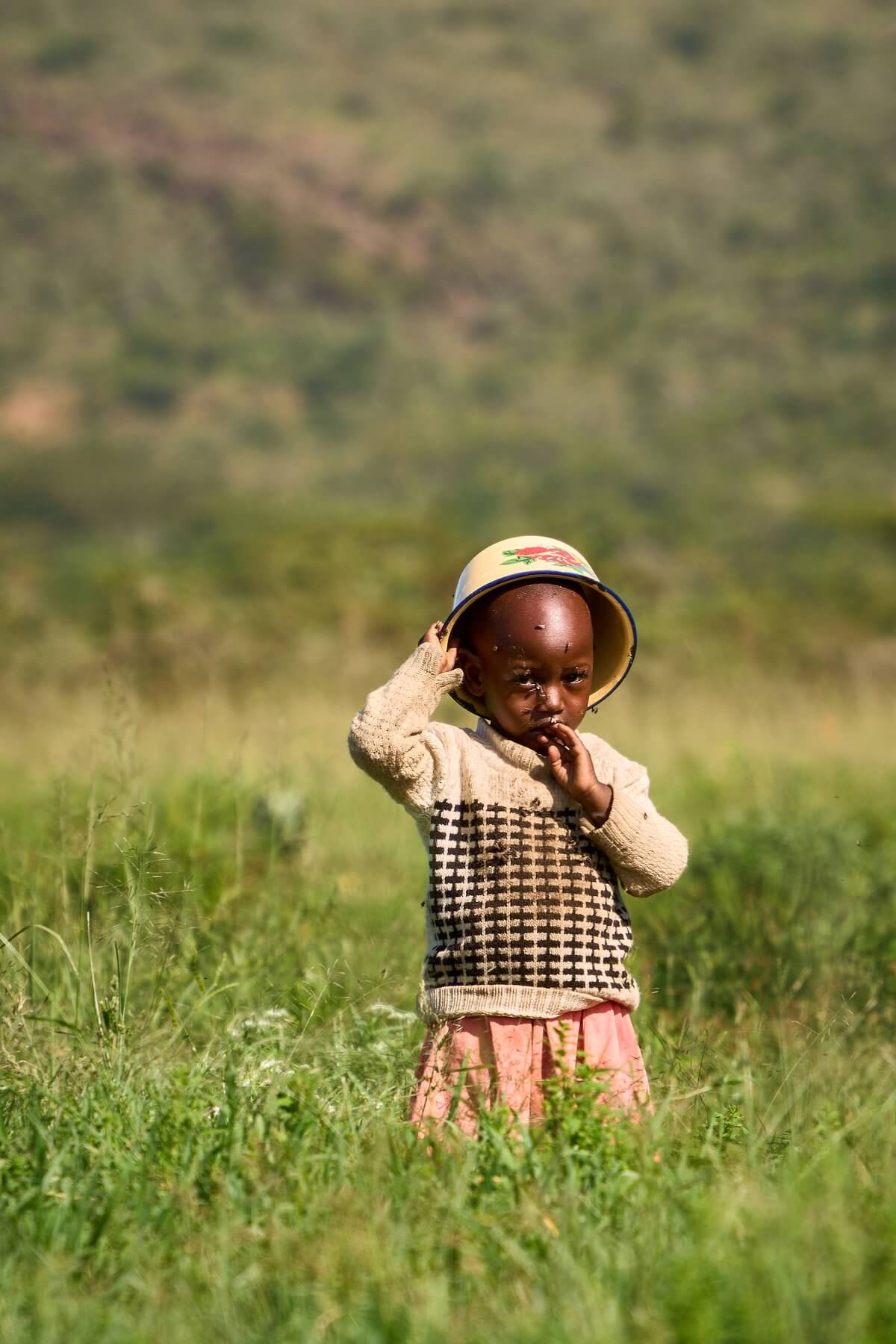
  • Among the Maasai – Cultural encounters that change lives
  • Diani Beach Kenya: Safari and swimming — Kenya's tropical paradise

Kenya is one of the most diverse and fascinating travel destinations in the world – and I say that after visiting more than 68 countries. In February 2024, I spent two intense weeks in East Africa and experienced everything that makes this country so special: breathtaking safari experiences in Nairobi National Park, profound cultural encounters with the Maasai, and spectacular landscapes from the Great Rift Valley to the white beaches of the Indian Ocean. In this detailed travelogue, I share my honest experiences, practical tips, and the best photo spots – so you can plan your own perfect trip to Kenya.

  • Safari combination: Masai Mara (3 days) plus Diani Beach delivers Big Five, Maasai culture and the Indian Ocean in two weeks from Nairobi.
  • Cost framework: Budget trip from 800 euros per person, comfort option with lodges and domestic flights around 2,500 euros for 14 days including safari.
  • Entry: The Kenya eTA costs approximately USD 30 online, processing takes 48-72 hours; drone permit from the KCAA must be applied for in advance (USD 50, 2-3 weeks).
  • Nairobi Highlights: Nairobi National Park with skyline backdrop, David Sheldrick Elephant Orphanage (feeding at 11 a.m., 15 USD) and Giraffe Centre in Karen.
  • Best time to travel: July to October for the Great Migration in the Masai Mara; February offers stable weather, little rain and good visibility for drone photography.

Kenya is located in East Africa, directly on the equator, and borders the Indian Ocean, Tanzania, Uganda, South Sudan, Ethiopia, and Somalia. With an area of 580,367 square kilometers, the country is about one and a half times the size of Germany. Its landscape is incredibly diverse: from the snow-capped peaks of Mount Kenya (5,199 m) to the endless savannas of the Masai Mara, the dramatic Great Rift Valley with its flamingo lakes, and the tropical coral reefs off the coast of Mombasa. This variety within a relatively compact area makes Kenya the ideal destination for anyone wanting to combine nature, culture, and adventure in a single trip.

Nairobi – The most exciting capital city in Africa

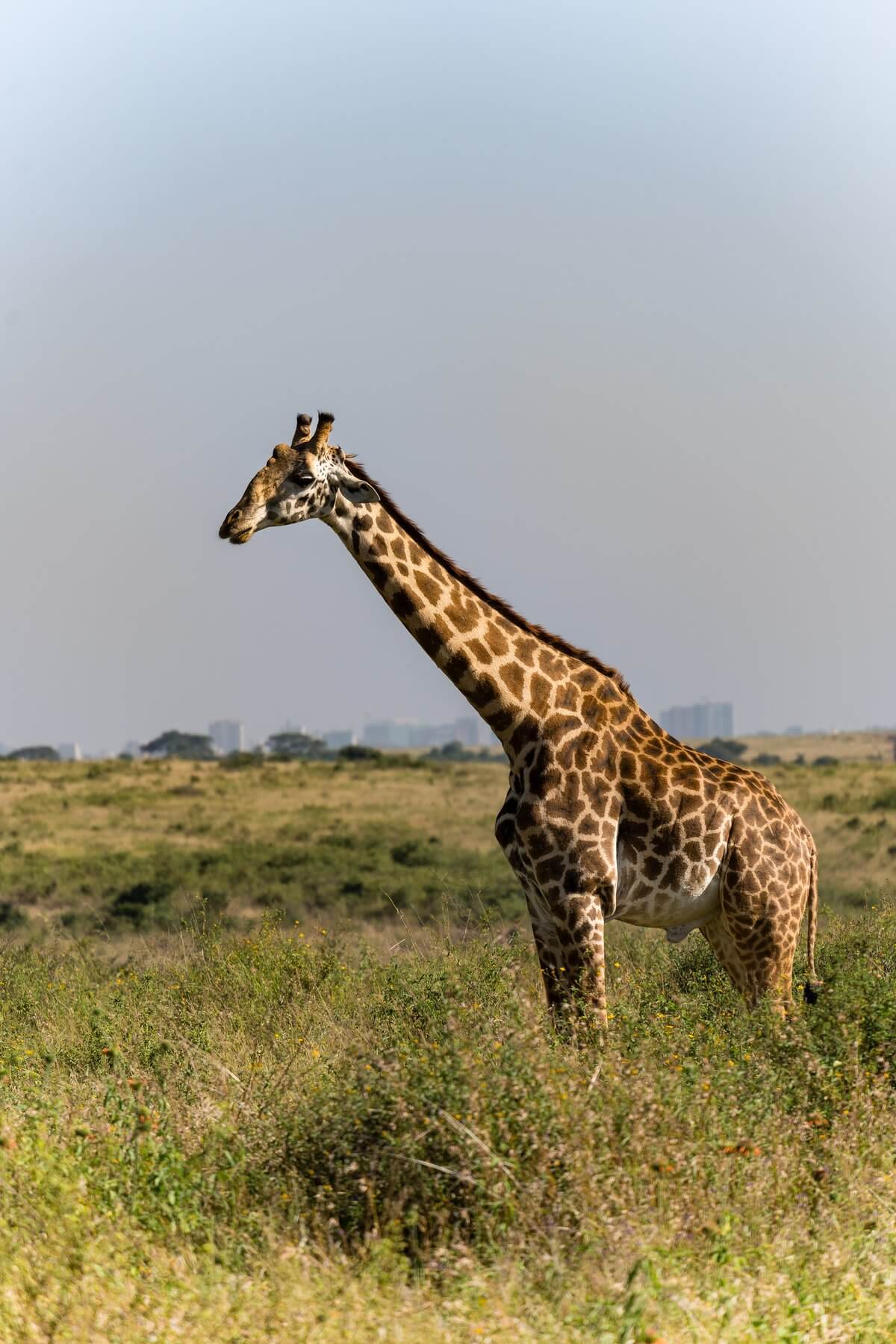
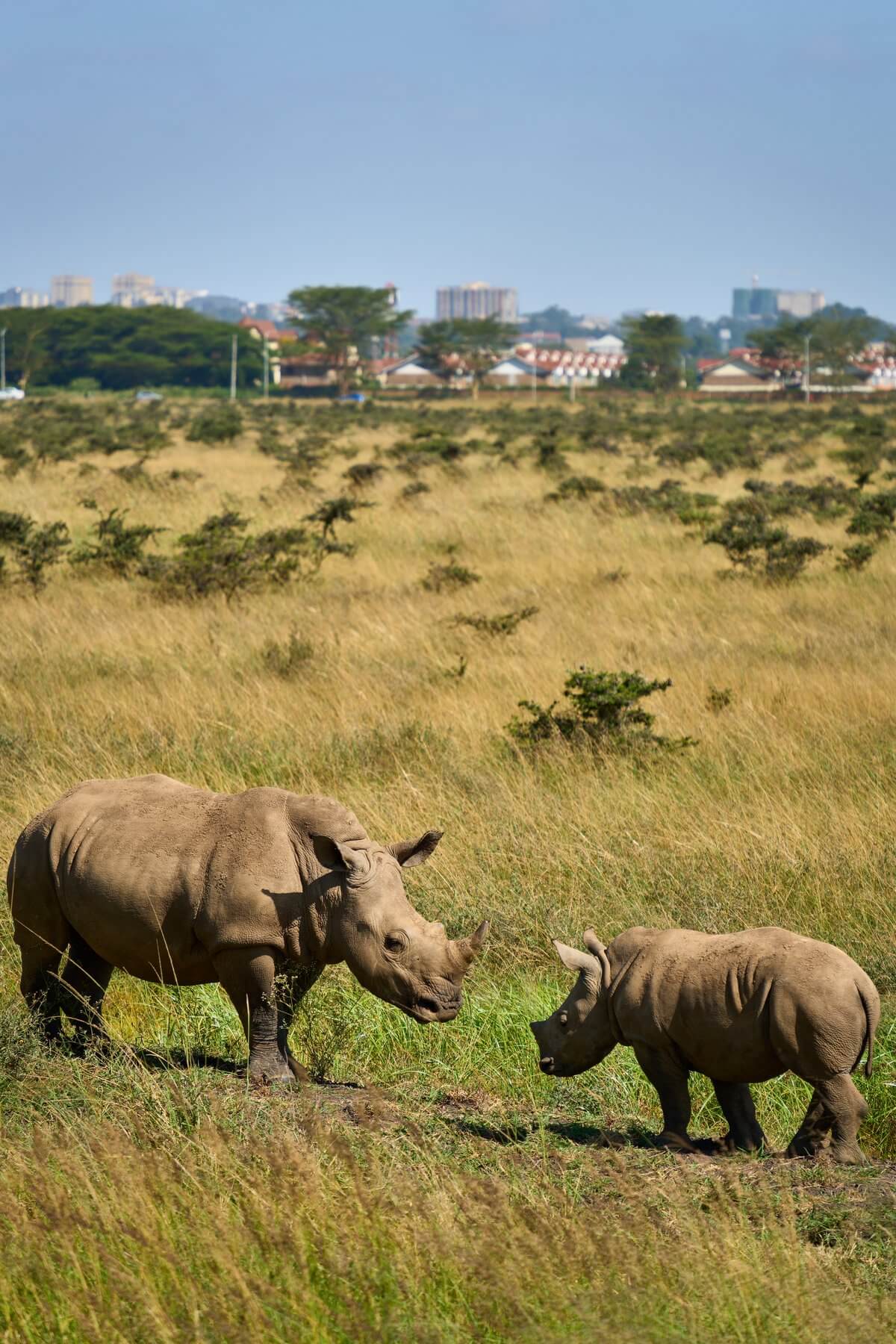
Nairobi is far more than just a stopover on the way to a safari. The Kenyan capital, with over four million inhabitants, is one of the most dynamic metropolises on the African continent and deserves at least two to three days of dedicated exploration. What makes Nairobi unique worldwide is that it is the only capital city in the world to contain a full-fledged national park within its city limits. In Nairobi National Park, I was able to observe lions, rhinos, giraffes, zebras, and buffalo—with the skyline of modern skyscrapers in the background. This surreal scene, where wildlife and metropolis merge, is among the most powerful visual impressions of my entire trip.

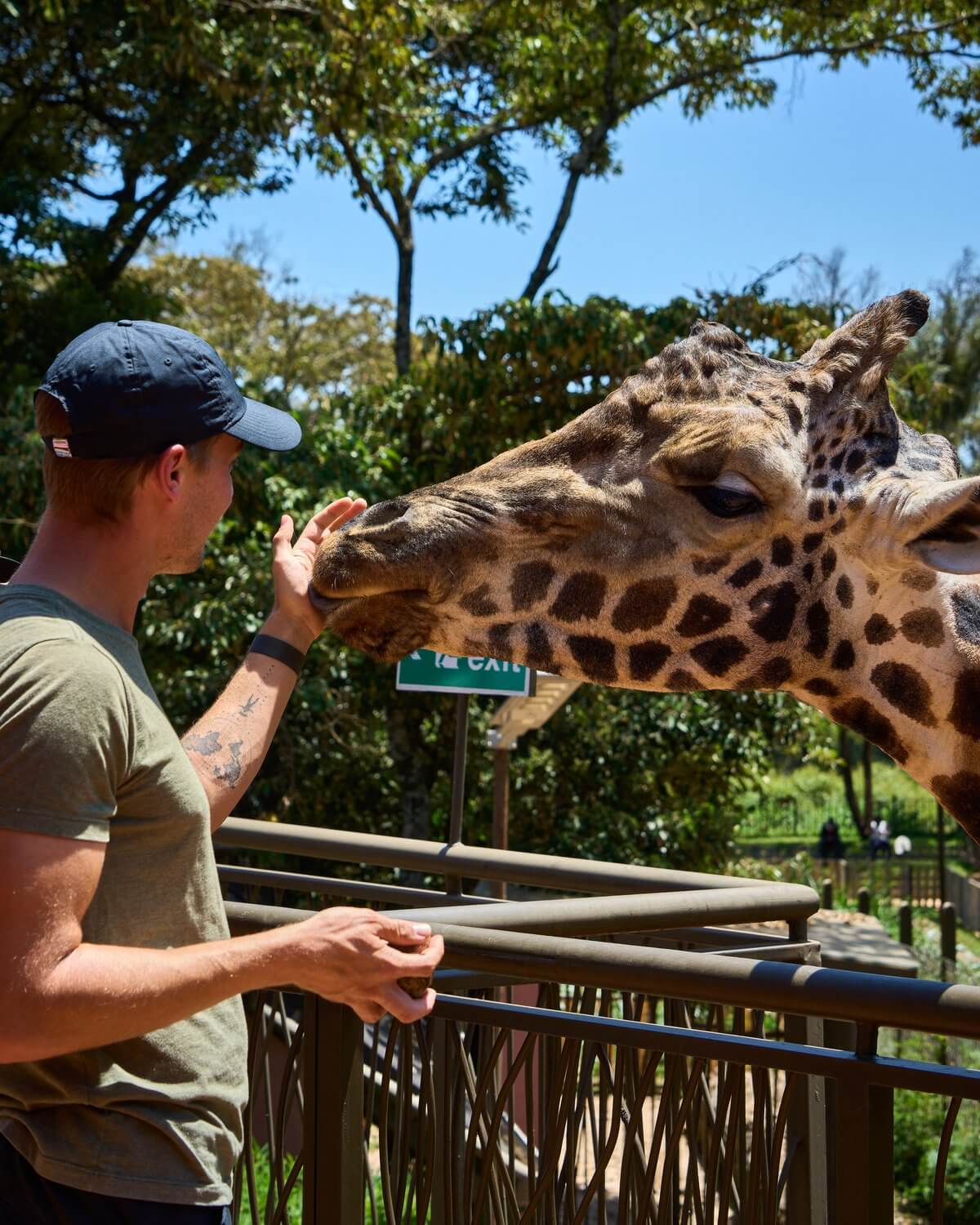
Besides the national park, Nairobi offers other highlights that shouldn't be missed. The David Sheldrick Wildlife Trust is an elephant orphanage where orphaned baby elephants are raised and later released back into the wild. The daily feeding at 11 a.m. is a moving experience that should be booked online in advance (entrance fee approximately USD 15). The Giraffe Centre in Karen allows you to feed Rothschild's giraffes up close – a perfect experience, especially if you're traveling with children. For foodies, I recommend the legendary Carnivore Restaurant, where a variety of meats are grilled over a huge open fire – from classic beef to ostrich steak and even crocodile.

As a content creator, I also had the opportunity in Nairobi to prepare my equipment for the upcoming safari days. I'm traveling with a Sony A7 IV as my main camera, several lenses (including a 200-600mm telephoto zoom for wildlife), a DJI Mini 4 Pro A drone for aerial photography and the DJI RS 4 gimbal for stabilized video recording. Important note for drone pilots: In Kenya, you need a permit from the Kenya Civil Aviation Authority (KCAA), which I applied for online several weeks before my trip. The process takes about 2-3 weeks and costs approximately USD 50.

Masai Mara Lodge: Safari in the heart of the African wilderness

The safari experiences in Kenya exceeded all my expectations. The Masai Mara, at 1,510 square kilometers, is one of the most famous wildlife reserves in the world and is the northern extension of Tanzania's Serengeti. Together, they form one of the largest contiguous ecosystems on our planet. Between July and October, the Great Migration takes place here – the largest mass movement of mammals on Earth, during which over two million wildebeest, zebras, and gazelles cross the Mara River. Even outside of this period, the density of wildlife is impressive.

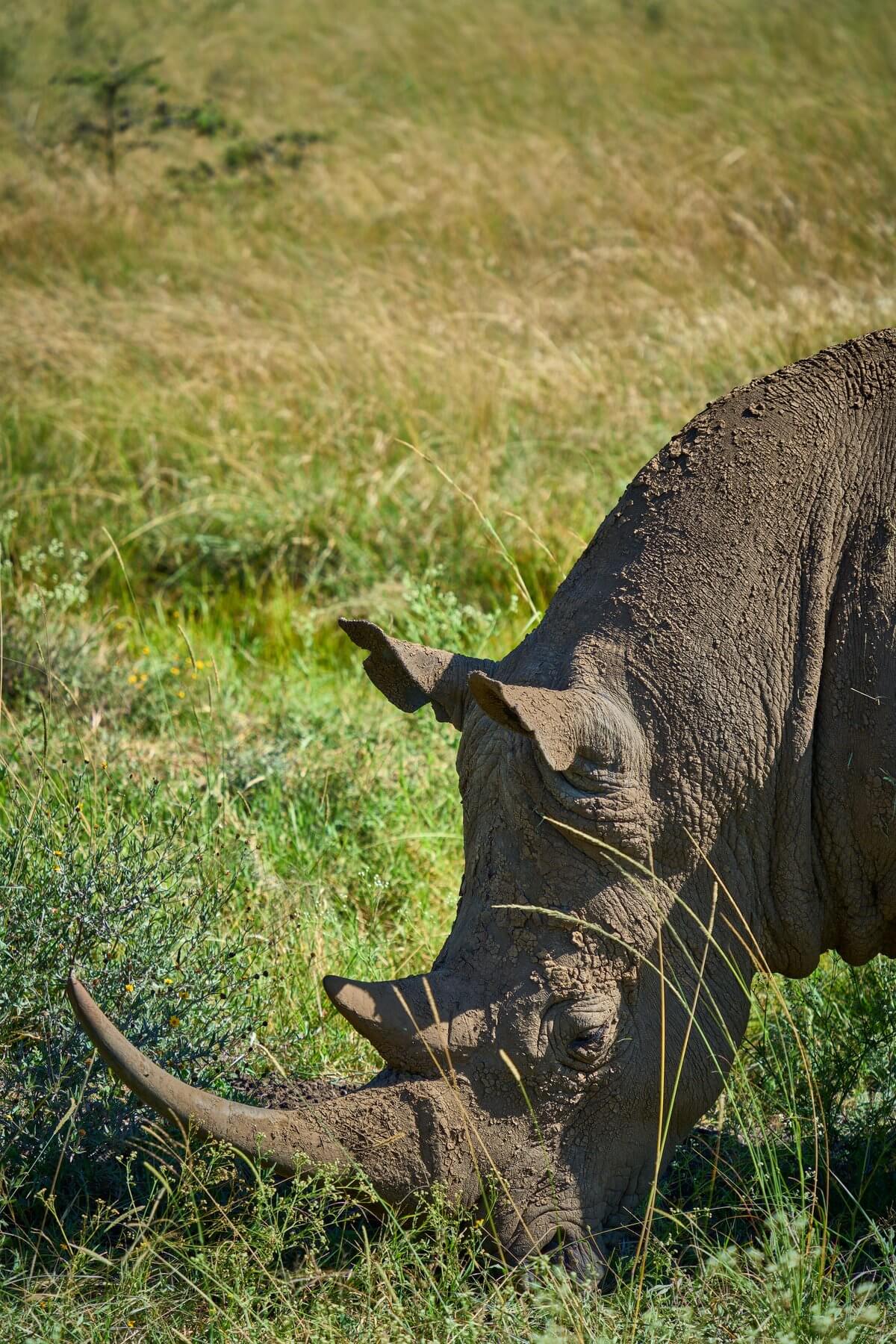
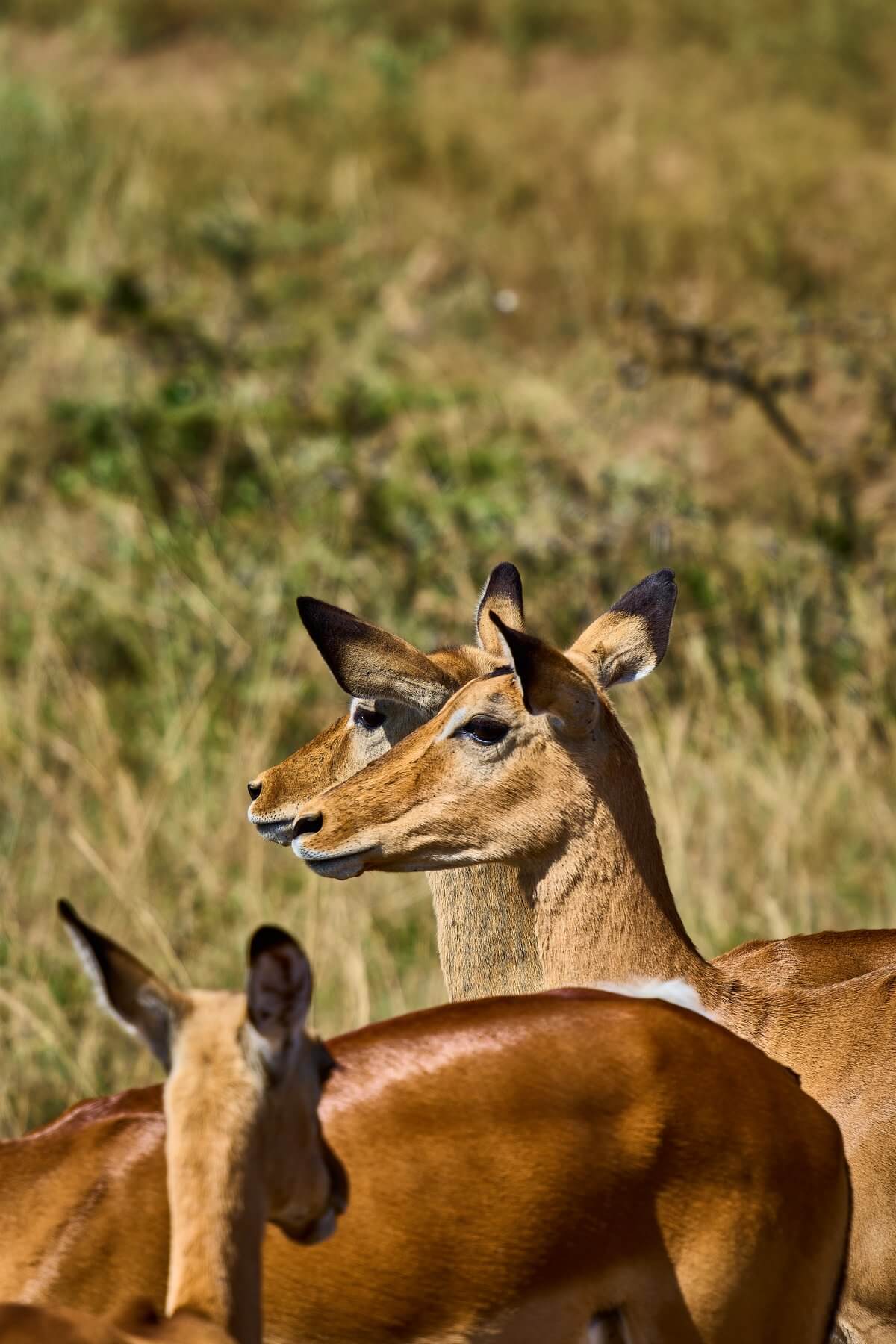
In Nairobi National Park, I had one of my most memorable wildlife encounters: a pride of lionesses with several cubs was resting in the tall grass, just a few meters from our 4x4. The serenity of these majestic animals is impressive – they seem to completely ignore the vehicles. Also in the park, I was able to photograph rhinos at close range, including a mother with her calf. The black rhino is critically endangered – there are only about 6,000 individuals left worldwide, and Kenya is home to a significant portion of this population.

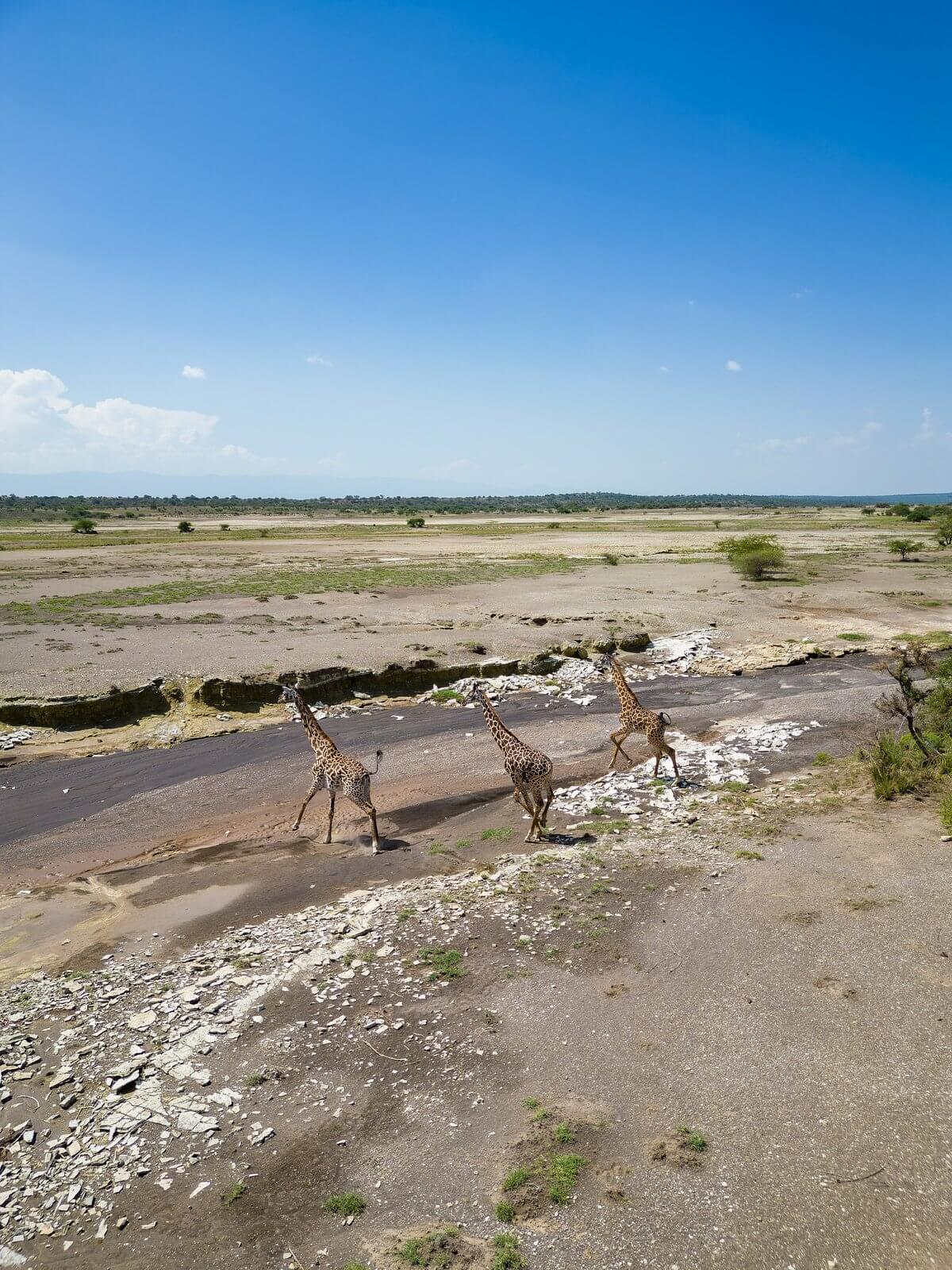
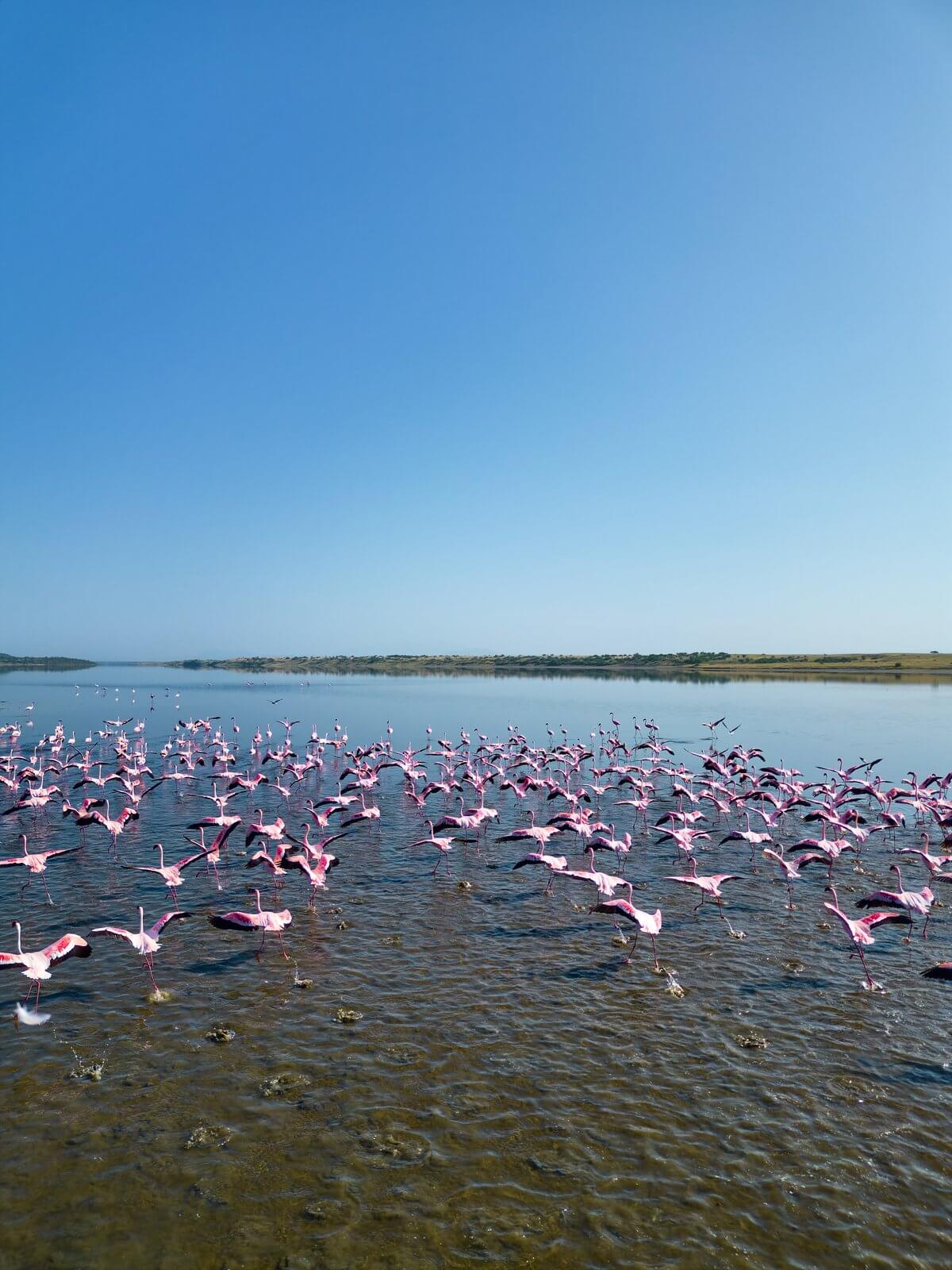
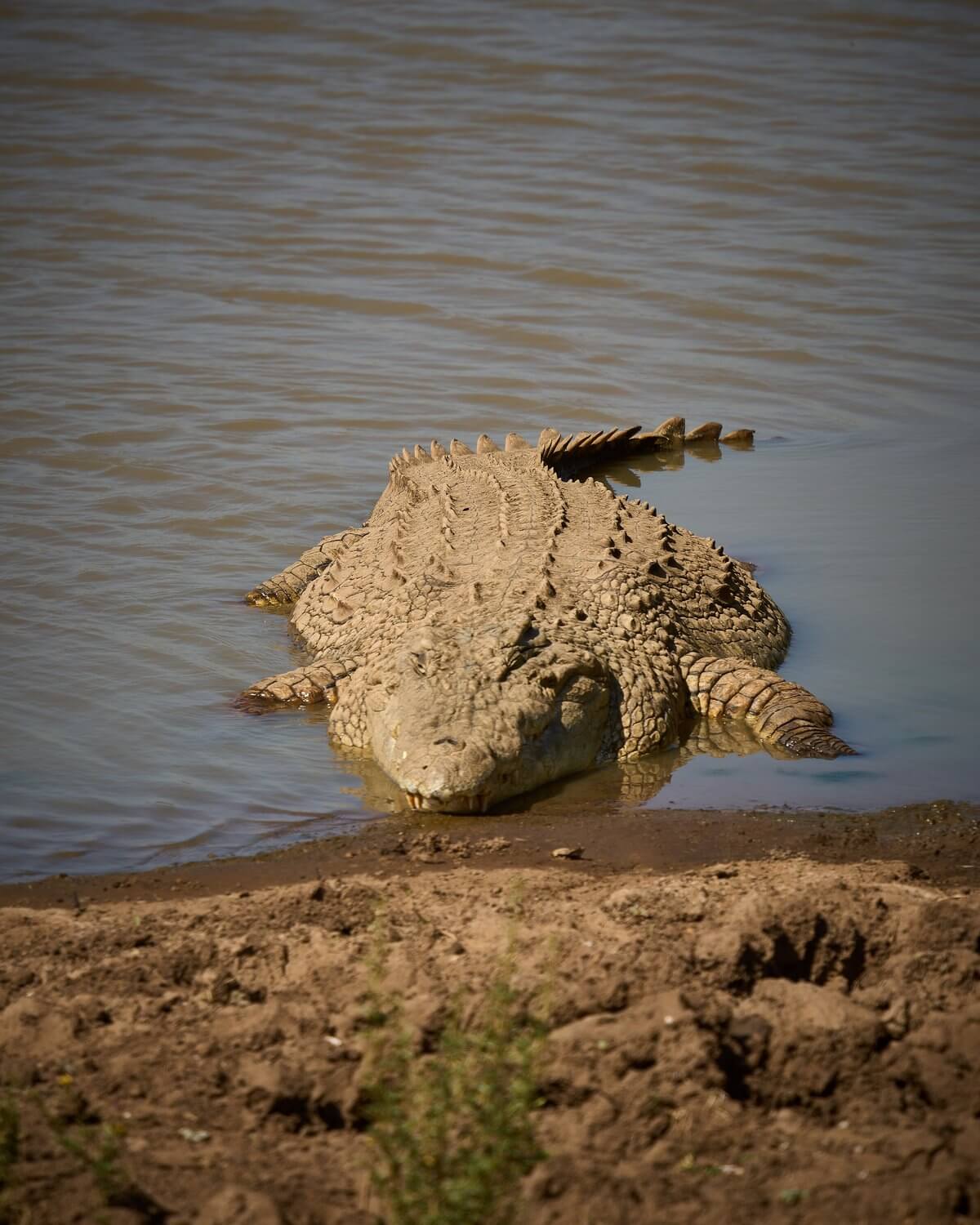
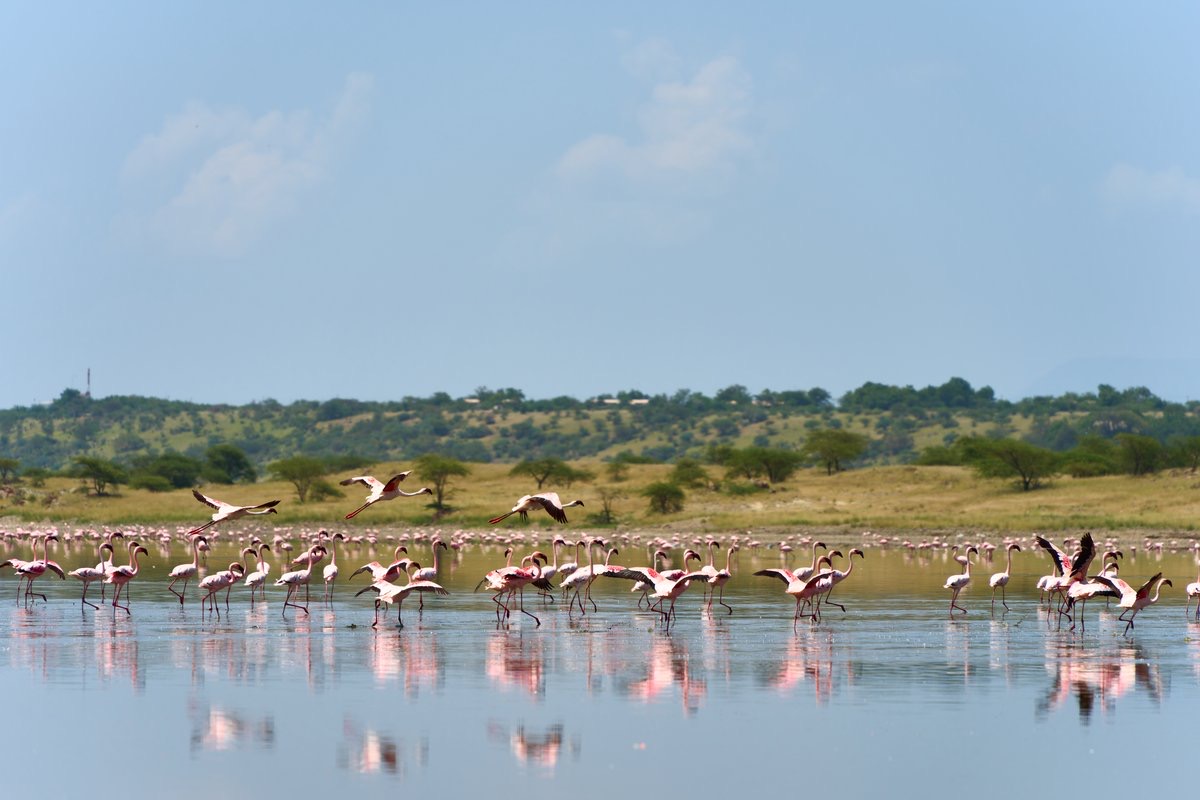
During the following days of our safari, we encountered the full spectrum of East African wildlife: herds of elephants leisurely traversing the savanna, giraffes gracefully walking through the acacia landscape, hippos in the Mara River, and crocodiles along its banks. The flamingo lakes in the Great Rift Valley—especially Lake Bogoria and Lake Nakuru—offered a truly unique natural spectacle: hundreds of thousands of pink flamingos transforming the water into a sea of pink. I was able to capture these scenes from a bird's-eye view with the drone.

The light in Kenya is a gift for photographers. Located directly on the equator, the country offers consistently warm, golden light at sunrise and sunset, bathing the savanna in surreal colors. My tip: The early morning hours (from 6:00 am) and the late afternoon (from 4:00 pm) are the best times for safari photography – both because of the light and the wildlife activity.

Among the Maasai – Cultural encounters that change lives

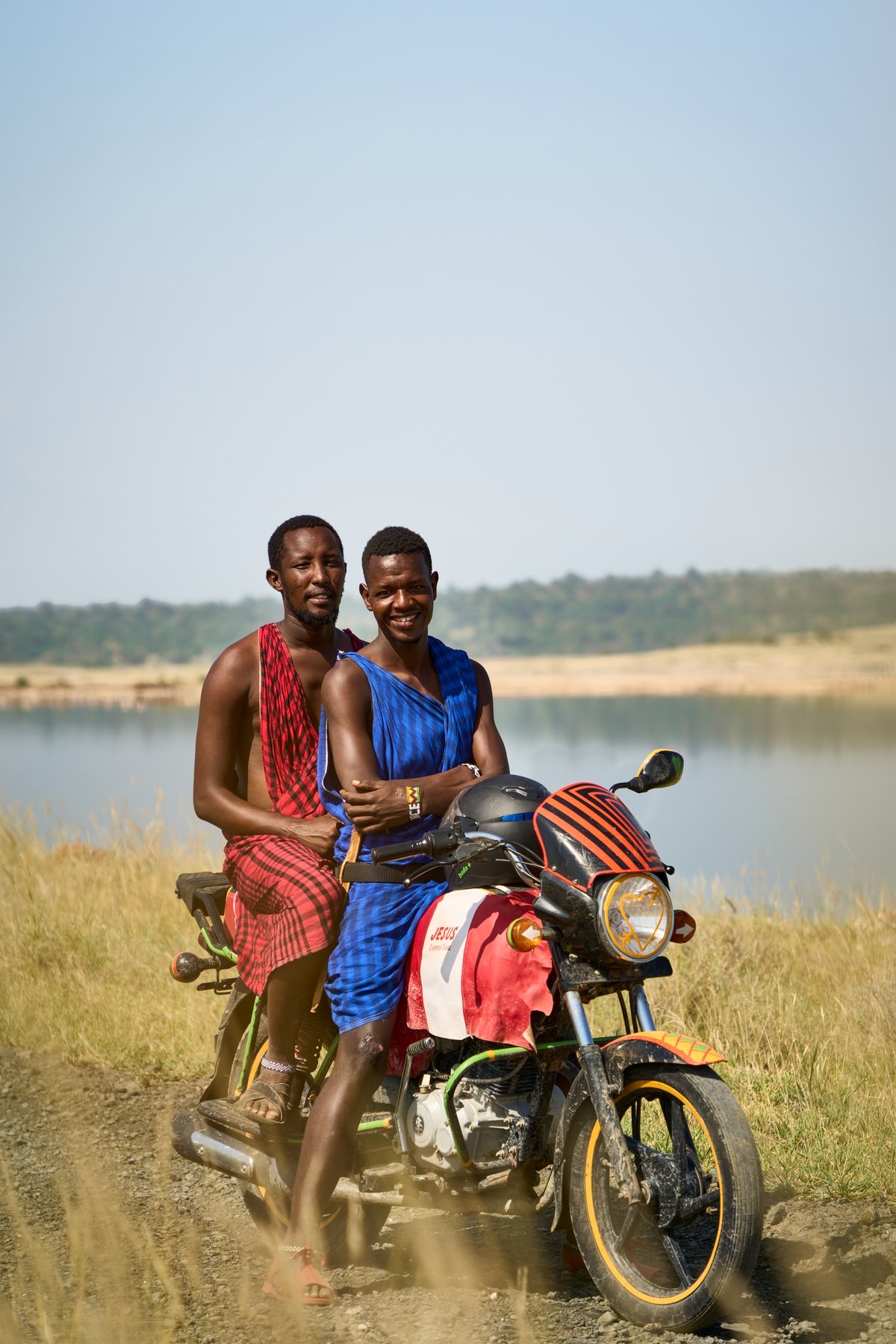
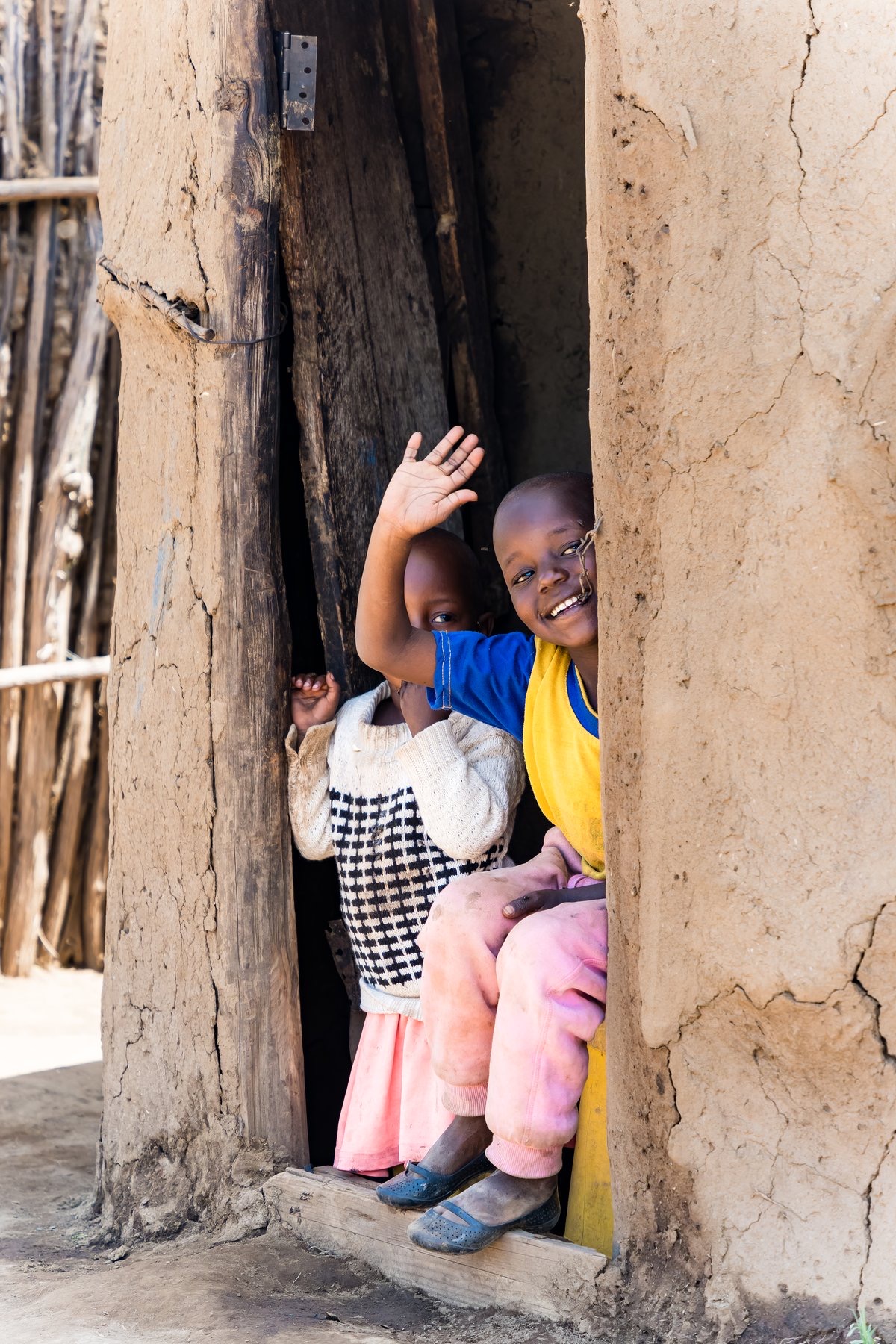
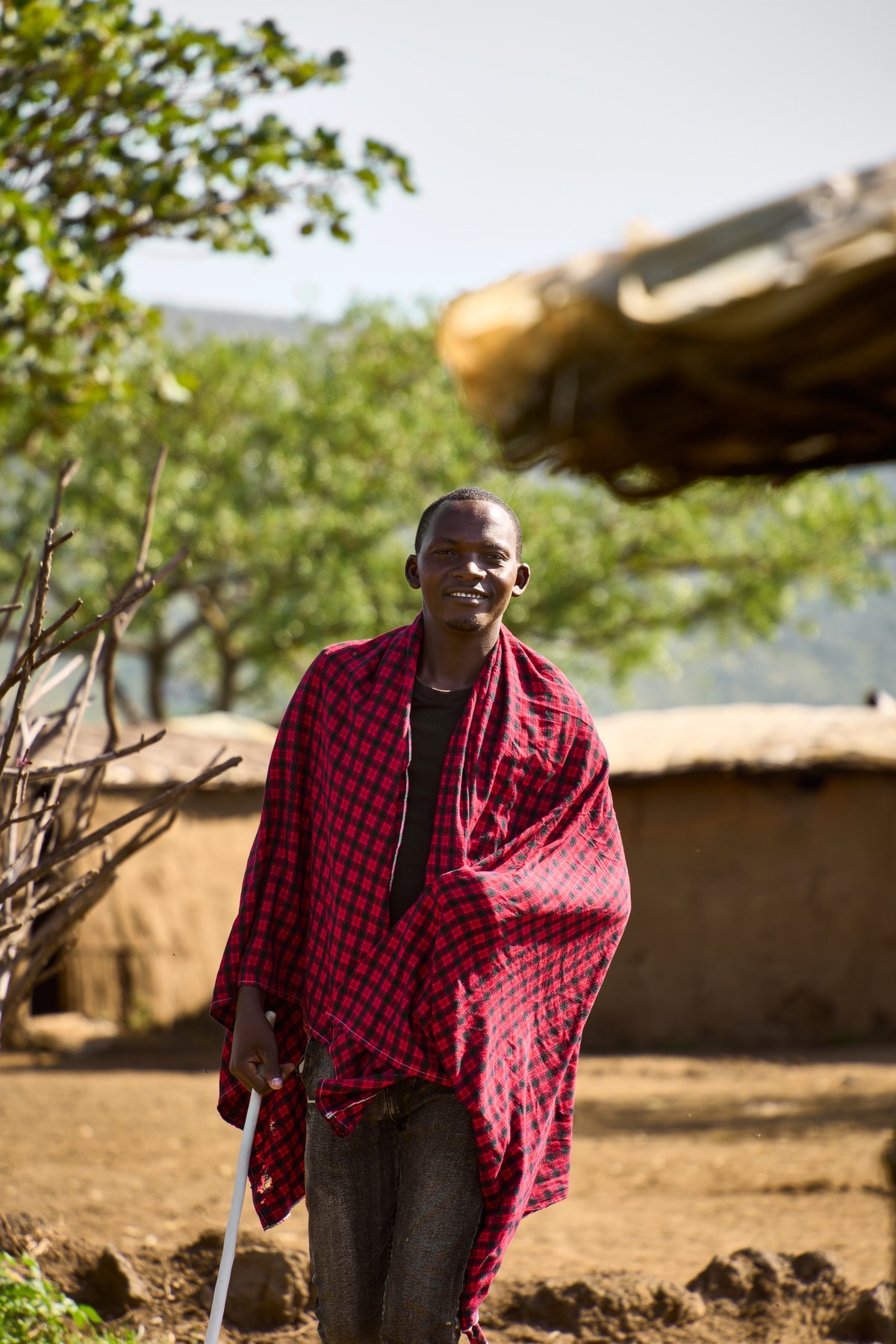
The absolute highlight of my Kenya trip was without a doubt the overnight stay in a traditional Maasai village, a so-called "boma." The Maasai are a semi-nomadic people with approximately one million members living in Kenya and Tanzania. Despite modernization, they have preserved many of their centuries-old traditions – from their characteristic red shuka clothing and intricate beadwork to their songs and dances.

Upon my arrival, I was greeted with traditional songs and the famous Adumu – the leaping dance in which the young warriors (Moran) take turns jumping as high as possible. The height of the jumps is a sign of strength and prestige within the community. Afterwards, the villagers showed me their way of life with impressive openness: how they start fires by friction, how they extract water from volcanic rock, how they tend their livestock, and how they build their houses (Manyattas) from a mixture of cow dung, clay, grass, and wood.

The night in the Maasai village was one of the most intense experiences of my life. Wrapped in traditional blankets, without electricity or cell phone reception, surrounded only by the sounds of the African night – the distant roar of lions, the chirping of countless crickets, and the soft murmuring of villagers around the fire. The next morning, I was rewarded with a spectacular sunrise over the savanna.

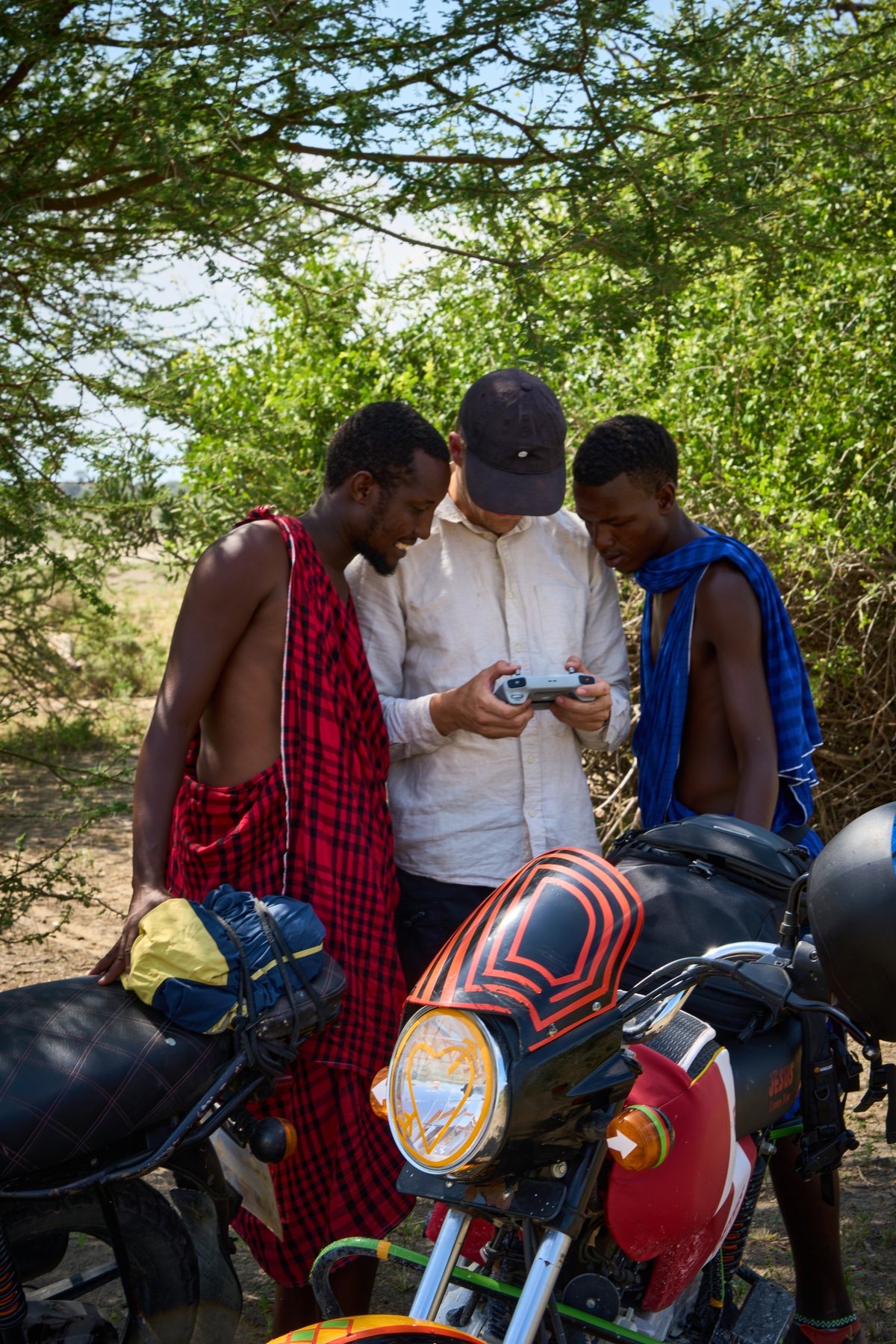
A particularly special moment occurred when I showed the Maasai warriors my drone. Their fascination with the aerial footage of their village – which they were seeing from above for the first time – was indescribable. This cultural exchange, where modern technology meets traditional ways of life, is one of the images that makes this trip so special.

Diani Beach Kenya: Safari and swimming — Kenya's tropical paradise

After the intense safari and cultural experiences in the interior, I highly recommend rounding off your trip with a few days on the Kenyan coast. The contrast couldn't be greater: from the dry, vast savannah to white sandy beaches, palm groves, and the turquoise waters of the Indian Ocean. The Kenyan coast stretches for 480 kilometers and offers some of the most beautiful and affordable beaches in East Africa.

Diani Beach, about 30 kilometers south of Mombasa, has repeatedly been voted the best beach in Africa – and deservedly so. Fine, powdery white sand, crystal-clear water in various shades of blue, and a relaxed atmosphere make Diani the perfect place to unwind after an intense week on safari. Accommodation ranges from simple guesthouses (from USD 30/night) to luxury resorts (USD 200+/night).

The coast also offers excellent opportunities for snorkeling and diving. The coral reefs in Watamu Marine National Park and Kisite-Mpunguti Marine Park are among the most biodiverse in all of East Africa. Culinary delights await in Swahili cuisine, a unique blend of Arabic, Indian, and African influences: fresh fish, coconut curries, chapati, and the famous Swahili samosas.

Kenya Safari & Beach Holidays: Practical Tips (All Inclusive or Individual?)

Best time to travel: Kenya can be visited year-round. The best time for safaris is the dry season from June to October (Great Migration in the Masai Mara) and from January to March. The coast is most pleasant from January to March and September to November. I was there in February – perfect weather, fewer tourists than in the high season, and lower prices.

Visa and entry requirements: German citizens need an eTA (electronic Travel Authorization), which can be obtained online at etakenya.go.ke It can be applied for. The cost is approximately USD 30, and the processing time is 48-72 hours. Important: The passport must be valid for at least 6 months and have at least two blank pages.

Health and vaccinations: A yellow fever vaccination is required for entry from certain countries and is generally recommended. Malaria prophylaxis is also recommended – especially if you are traveling to the Masai Mara, the coast, or lower altitudes. Drinking water should only be consumed from sealed bottles. Travel health insurance with repatriation coverage is mandatory.

Budget overview: Kenya offers options for various budgets. Safari: 150-1,000+ USD per night depending on accommodation. Coast: from 30-50 USD per night. Food: 5-30 USD per meal. For a two-week trip including safari and beach time, you should expect to spend a total of 3,000-8,000 EUR (depending on the level of comfort).

Photo equipment recommendation: A telephoto lens is essential for safari photography – at least 200mm, preferably 400mm or more. I use the Sony 200-600mm f/5.6-6.3 G. A drone requires a KCAA permit (2-3 weeks' notice, approximately $50 USD). Pack plenty of memory cards and batteries – there are no shops in the wilderness.

Conclusion – Why Kenya belongs on every bucket list

After visiting more than 68 countries, I can say: Kenya is among the top five travel experiences of my life. The combination of world-class safari experiences, profound cultural encounters with the Maasai, dramatic landscapes from the Great Rift Valley to the Indian Ocean, and a warm-hearted population is rarely found in such abundance anywhere else in the world. Kenya is not a country you visit once and then forget about – it is a country that changes you and keeps calling you back.

Kenya Costs & Practical Tips


Positionbudgetcomfort
Safari (3 days, Masai Mara)300-500 €800-2.000 €
Accommodation/Night (Nairobi/Mombasa)15-30 €60-200 €
Food/day5-10 €15-30 €
Visa (eTA)~30 USD (online)
2 weeks total (pP)~800 €~2.500 €

FAQ – Kenya Travel & Safari

When is the best time to go on a Kenyan safari?

The absolute peak season for safaris in the Masai Mara is July to October, if the Great Migration takes place, and millions of wildebeest, zebras, and antelopes cross the Mara River. The animals then congregate at the waterholes, and the sightings are legendary. Alternatively, it's worth January to MarchSignificantly fewer tourists, cheaper lodge prices, clear visibility for photography, and wildlife is easily spotted through the short grass. The long rainy season from April to June is less recommended – some lodges close, some tracks are impassable, but it's the Green Season with spectacular landscapes.

Do you need a visa for Kenya?

Yes. The old visa-on-arrival system was abolished in 2024 and replaced by the electronic travel authorization. eTA (electronic travel authorization) It has been replaced. Applications are submitted online at etakenya.go.ke and currently cost [price missing]. approximately 30 USD and should be applied for at least 3 days before arrival. You will need a passport valid for at least 6 months, a photo, your flight itinerary, and proof of accommodation. Approval will be sent by email and is valid for 90 days. No consulate visit is required.

Is Kenya safe for travelers?

In all classic tourist regions – safari parks (Masai Mara, Amboseli, Tsavo, Samburu), the coast around Diani, Watamu and Malindi, as well as the Nairobi city centre and the villa districts such as Westlands or Karen – is Kenya safe and very tourist-friendly. In Nairobi, as in any African metropolis, there are neighborhoods that should be avoided at night (Eastleigh, Kibera, certain areas in the Central Business District). Basic rules: Travel at night by Uber/Bolt, do not visibly display valuables, and avoid the coastal border area with Somalia (north of Lamu). For safari tourists, Kenya is one of the safest travel destinations in Africa.

How much does a 2-week trip to Kenya cost?

A complete trip including safari and beach costs from per person approximately €800 (budget version) until €2,500-4,000 (Comfort/Luxury), Excluding long-haul flights. The biggest expenses are the safari (€300-500 for a 3-day budget safari, €800-2,000 for a 3-day mid-range/luxury lodge) and the domestic flight from Nairobi to the Masai Mara (approx. $300 return, but saves 6-8 hours of driving). All-inclusive resorts on the coast are available from around €80 per person per night. You can find a detailed budget breakdown in my Kenya Safari Costs Article.

Which vaccinations are recommended for Kenya?

Yellow fever vaccination is mandatory., if you are arriving from a yellow fever risk area (currently NOT mandatory for direct flights from Germany, but is sometimes checked at the border). Highly recommended: Hepatitis A and B, typhoid, tetanus/diphtheria, rabies (for longer stays). For safari regions and the coast... Malaria prophylaxis Essential – Malarone or Doxycycline after consulting a tropical medicine specialist. Seek advice from a tropical medicine practitioner at least 6-8 weeks before departure.

What's the best way to combine safari and swimming?

The classic route: First safari, then beach. The classic route: first safari, then beach. Start in Nairobi (1-2 nights, acclimatization), then 3-4 days in the Masai Mara (optionally including Amboseli or Lake Nakuru), followed by a domestic flight to Mombasa or Diani Beach for 5-7 days of beach vacation. The beach portion is perfect for relaxing after the early safari starts (5-6 am). Diani Beach is my personal recommendation: white sand, turquoise water, no mass tourism, many small boutique hotels. Mombasa North (Nyali, Bamburi) is more touristy and less expensive.

What should you wear on safari?

The golden rule: Muted colors (beige, khaki, olive green, brown), no light or blue tones. Blue attracts tsetse flies, bright white repels wildlife. Practical items to pack: lightweight long-sleeved shirts and long trousers (sun protection and insect repellent), a warm fleece for morning walks (temperatures in the Mara mountains drop to 10-15°C), a hat, good closed-toe hiking boots, and a duster for camera equipment. Classic beachwear is sufficient on the coast – in Mombasa, out of respect for the Muslim population, keep your shoulders and knees covered.

Is it possible to fly a drone in Kenya?

Official approval from the Kenya Civil Aviation Authority (KCAA) It is mandatory – failure to do so can result in severe penalties, including confiscation. The application is submitted online and takes [timeframe]. 2-3 weeks and costs around 50 USD. Flying is generally prohibited in national parks., Even with KCAA permission – the Kenya Wildlife Service does not allow drones in protected areas. Flights are possible with permission along the coast (outside of marine parks) and in rural areas. Practical tip: Submit your application at least 4 weeks before departure, and have all documents (passport copy, drone serial number, travel itinerary) ready.

All-inclusive or individual safari – which is more worthwhile?

For First-time visitors and comfort travelers Organized safaris are usually the better choice: all logistics, flights, transfers, guides, and meals are arranged, and the risk of problems is minimal. Prices start from approximately €1,500 for 7 days all-inclusive. Experienced individual travelers You can save a significant amount of money: rental car (4x4 from €80/day), booking lodges directly, planning your own route. This is more demanding (roads, navigation, price negotiations) but worthwhile for longer stays. My recommendation: first safari organized, second one independent.

How much do you tip in Kenya?

Tips are a standard part of the tourism industry's budget and an important source of income for guides/drivers. Rule of thumb: Safari guides: 10-15 USD per guest per day; lodge staff: 5-10 USD per guest per day (kitty/community tip box); restaurant waiters: 10 USD (%) if no service charge is stated. Beach vendors and boat operators on the coast rely on tips – 5-10 USD for a half-day tour is appropriate. Tips can be given in USD or Kenyan Shillings (KES) – both are accepted.

Max Haase Travel Creator
About the author

Max Haase

Travel Content Creator · Drone Photographer · Visual Storyteller

Since over 10 years professional travel creator with over 4.2 million followers. Specializing in high-end tourism board collaborations and visual travel storytelling.

4.2MFollowers
82+Countries
500+Cooperations
10+Years
Blog – Travelogues Drone footage — Image 11

Northern Cyprus travel report — a hidden gem in the Mediterranean

Northern Cyprus travel report — a hidden gem in the Mediterranean that no one has on their radar

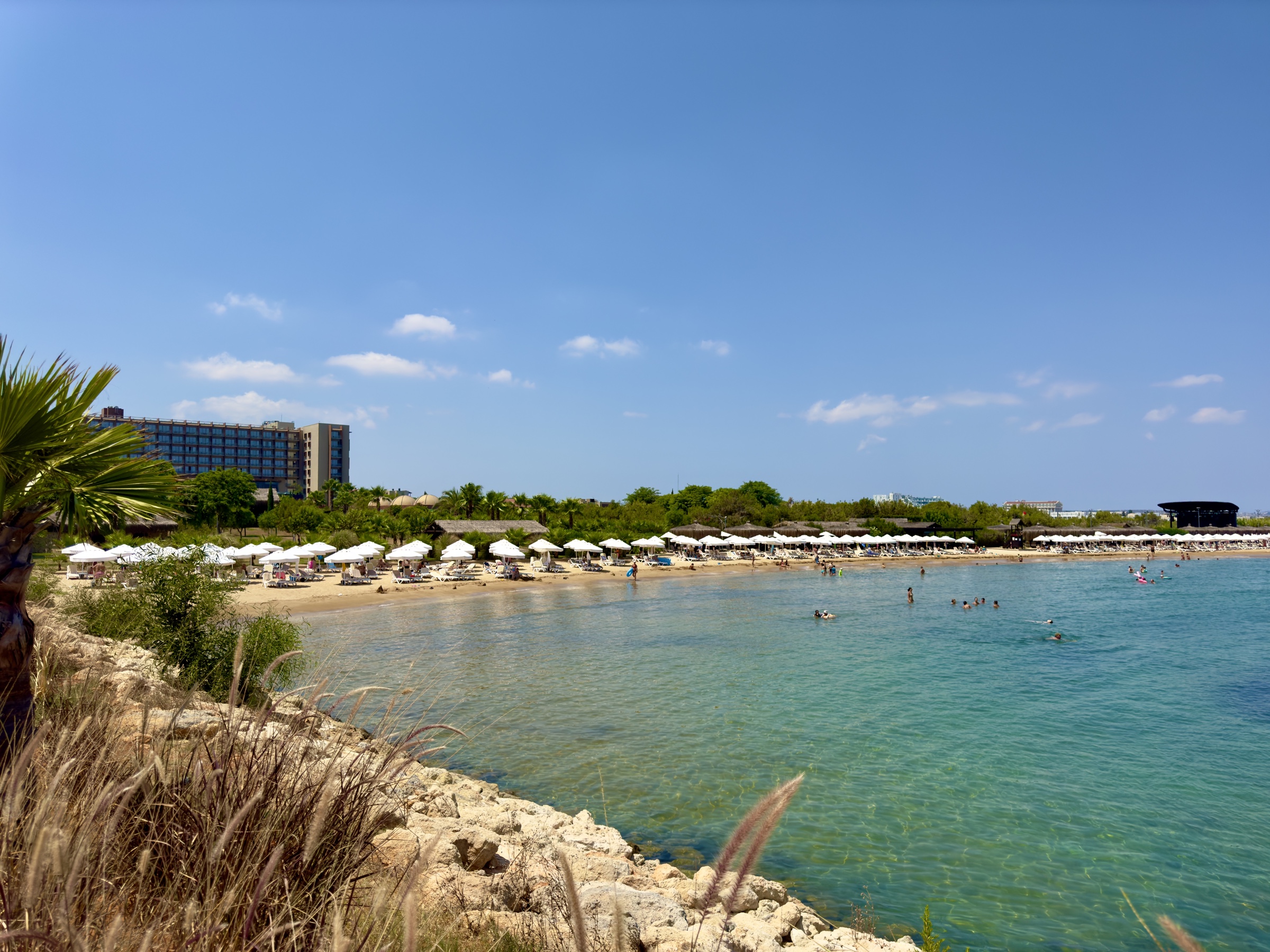
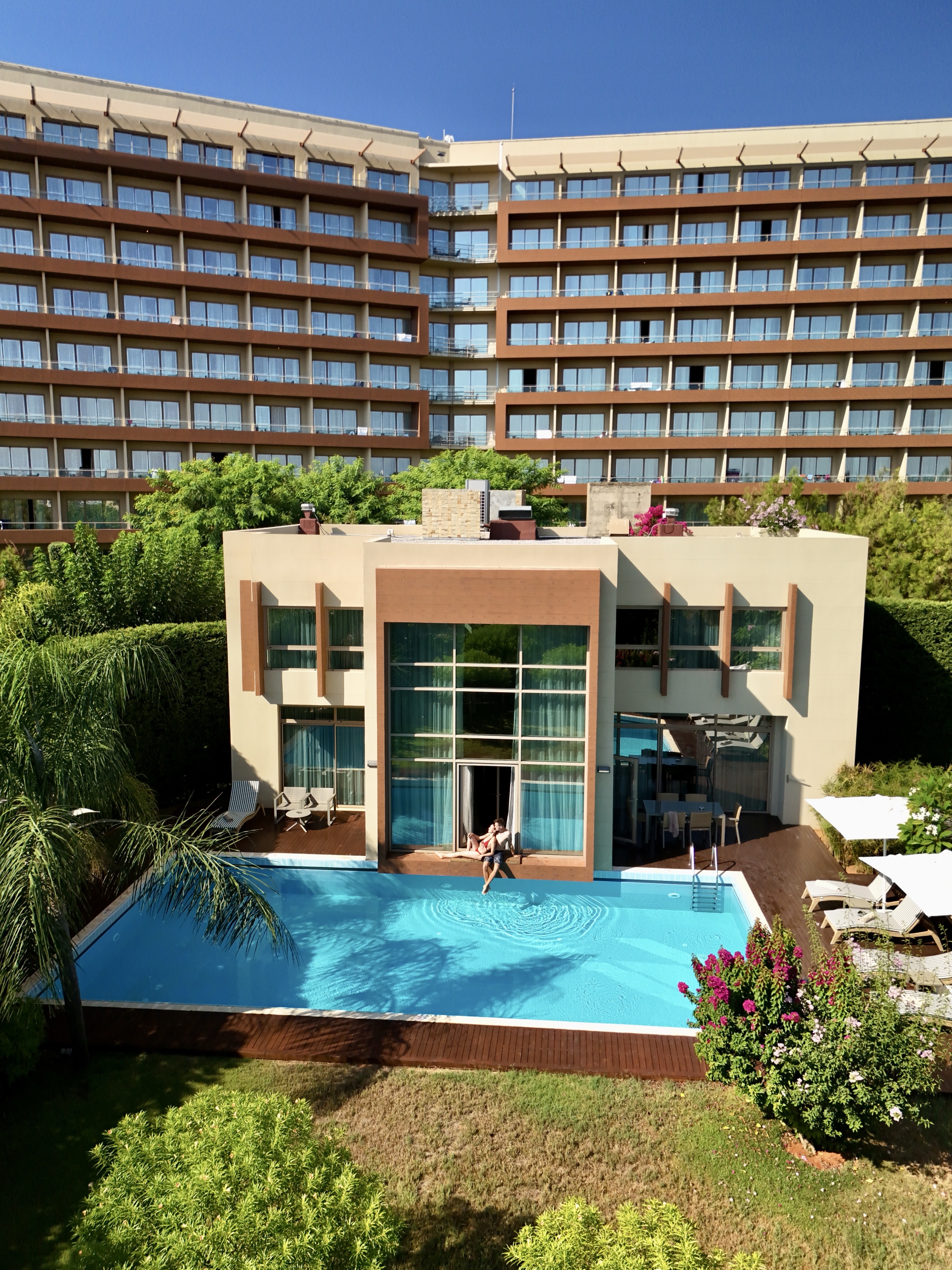
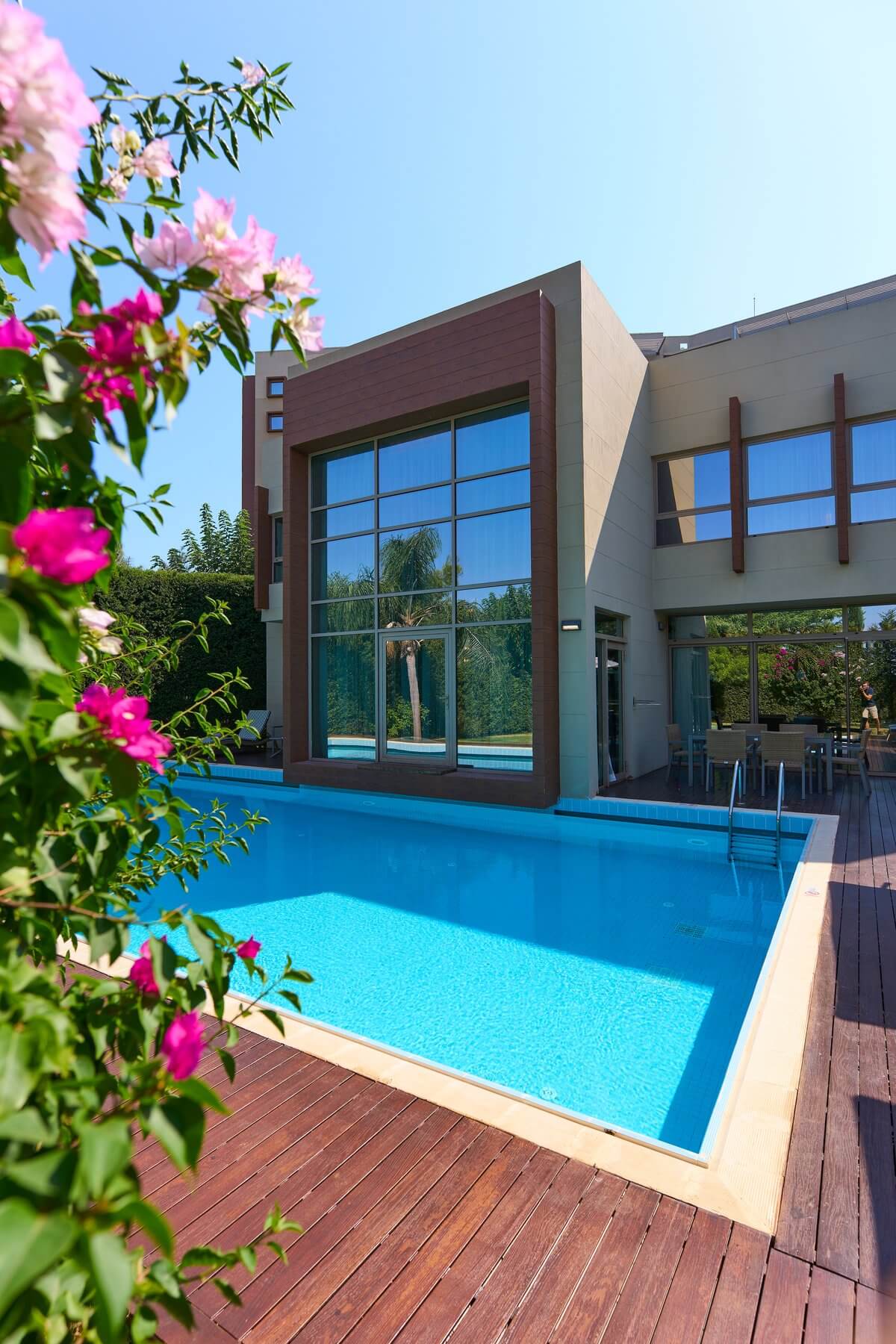
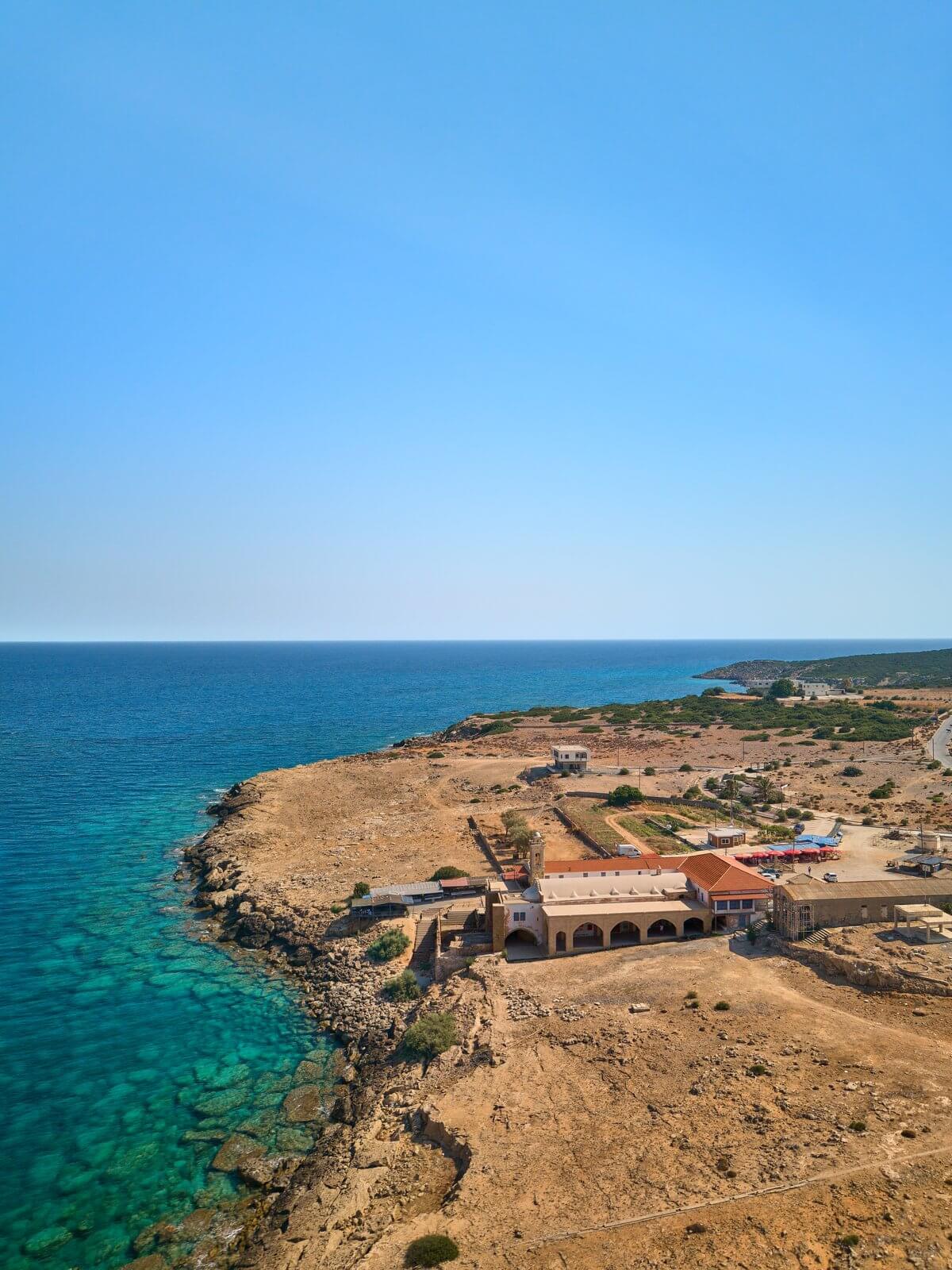
Northern Cyprus. It sounds complicated at first—a divided island, politically contested, accessible only via Turkey. That's precisely why I was curious. And that's exactly why Northern Cyprus is one of the last true hidden gems in the Mediterranean. No cruise ships, no all-inclusive resorts, no overcrowded old towns. Instead: pristine beaches, crumbling Gothic cathedrals, friendly people, and prices that make you double-check the receipt.

  • Arrival routes: No direct flights from the EU: via Istanbul to Ercan (6-8 hours total) or via Larnaca (EU) with a border crossing inland.
  • Price level: Espresso from 0.50 Euros, complete meze under 10 Euros, boutique hotel with pool 35-50 Euros per night – one of the cheapest Mediterranean destinations.
  • Kyrenia and Bellapais: Horseshoe harbor with a 7th-century Crusader castle, the Gothic Bellapais Abbey 15 minutes away – almost deserted at 7 a.m.
  • Famagusta and Varosha: Venetian old town with Lala Mustafa Pasha Mosque (formerly cathedral) and Varosha – the ghost town behind barbed wire, closed off since 1974.
  • Travel time: Ideal April to June or September to October; winters are mild with 15-20 degrees, but many accommodations outside the cities are closed.

I spent 12 days in Northern Cyprus with a rental car, my DJI Mini 5 Pro in my backpack, and zero expectations. What I came away with: one of the best trips of my life and a few thousand photos that are better than anything I've ever taken in the mainstream Mediterranean.

Getting to Northern Cyprus — How to get there

Here's where things get political: Northern Cyprus is only recognized as an independent state by Turkey. Therefore, there are no direct flights from the EU. You fly via Istanbul or Antalya to Ercan (ECN), Northern Cyprus's only airport. It sounds complicated, but in practice it isn't—Pegasus Airlines and Turkish Airlines fly several times a day, the layover in Istanbul takes 2-3 hours, and the total travel time from Germany is 6-8 hours.

Alternative: You fly to Larnaca (Southern Cyprus, EU) and cross the border inland. At the official checkpoints, this is straightforward with your passport—stamps are rare these days, and rental cars from the south have been allowed in the north for several years now (check with the rental company beforehand!). I flew via Ercan and rented a car there—easier and cheaper.

Kyrenia (Girne) — The Pearl of the North Coast

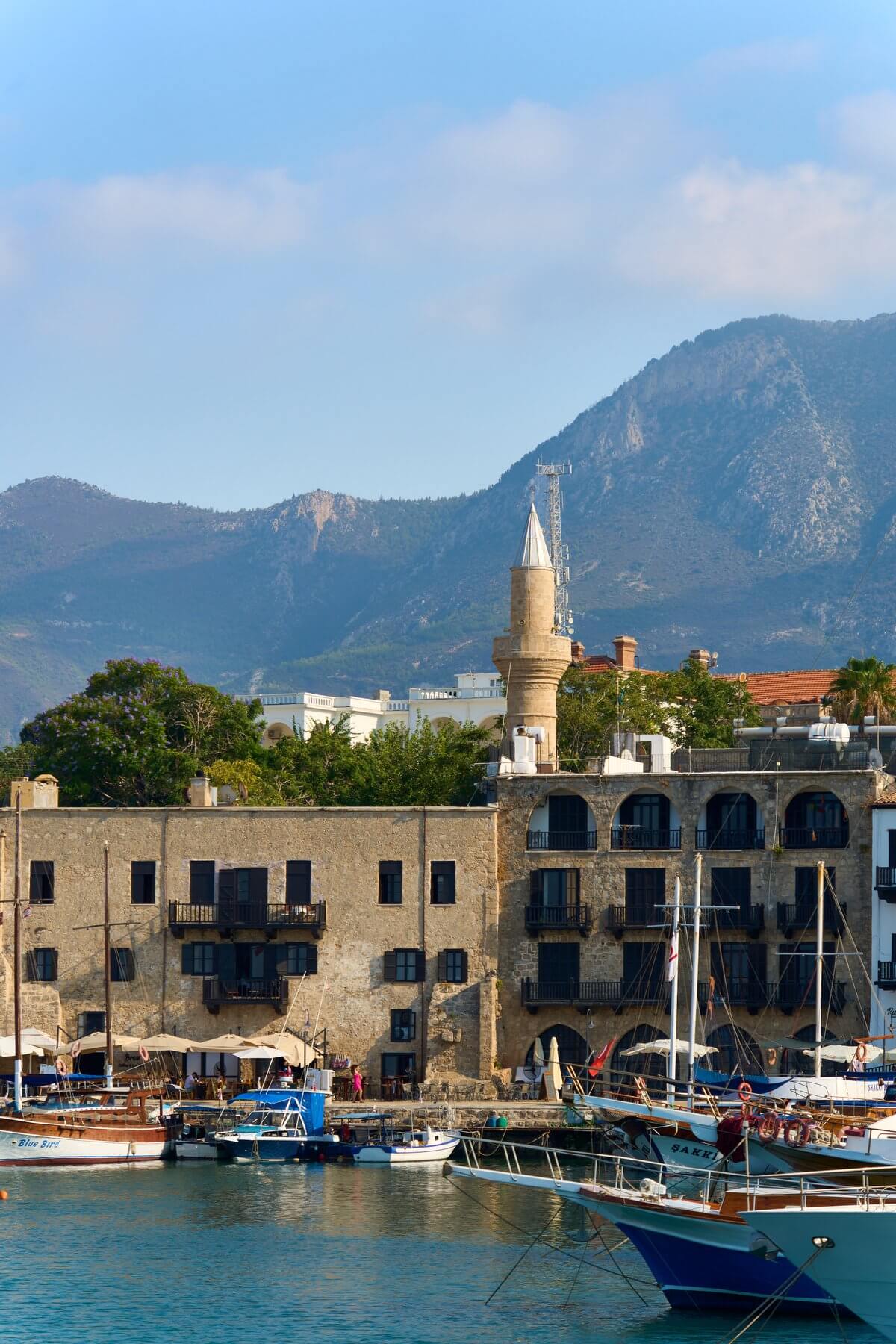
Kyrenia is a place you'll instantly fall in love with. A horseshoe-shaped harbor, lined with Ottoman houses converted into restaurants and cafes, overlooked by a massive Crusader castle. In the evening, the lights reflect in the harbor basin, fishermen mend their nets, and you sit by the water with a raki and fresh fish, wondering why everyone doesn't vacation here.

Kyrenia Castle is worth a visit in itself—it dates back to the 7th century and was expanded by Byzantines, Crusaders, Venetians, and Ottomans. Inside, there's a shipwreck museum with a 2,300-year-old Greek merchant ship that was salvaged off the coast in the 1960s. From the castle battlements, I filmed the entire harbor with my DJI Mini 5 Pro—the video has received over 400,000 views on Instagram. The colors at sunset are surreal: gold, orange, turquoise.

My tip for Kyrenia

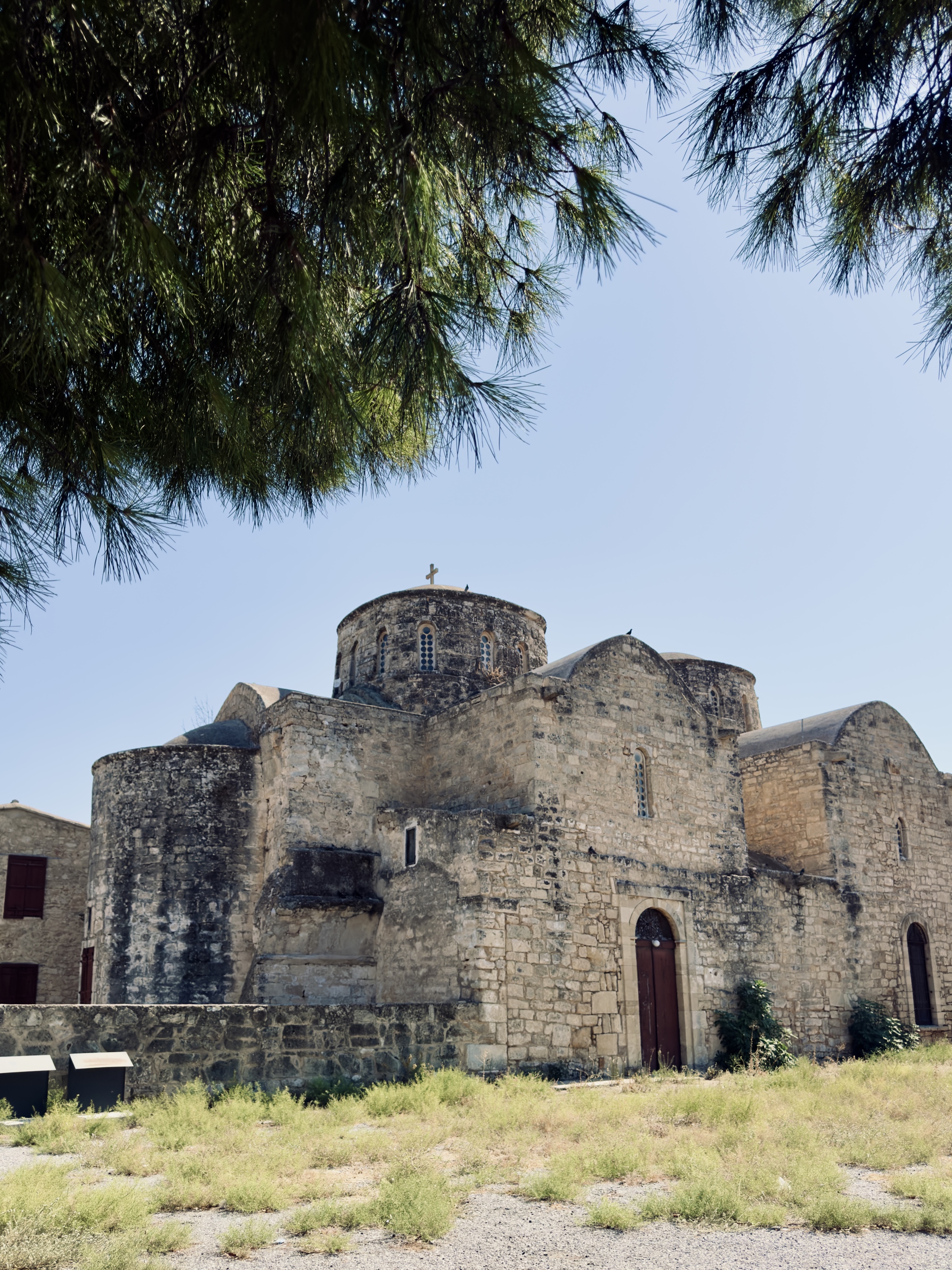
Set aside an evening for the port, but spend the days in the mountains above. Bellapais Abbey (a 13th-century Gothic ruin overlooking the coast) is a 15-minute drive away and one of the most photogenic places I know in the entire Mediterranean. Standing up there alone at 7 a.m., when the light filters through the Gothic arches—unforgettable.

You might also be interested in this

Blog – Travelogues Drone footage — Image 11

Canary Islands Winter: Which island & weather in December?

Canary Islands in winter — Which island is best suited to which weather?

The Canary Islands in winter The Canary Islands are the perfect winter escape for me. While Germany is experiencing dreary weather, you can enjoy 20-25 degrees Celsius and sunshine in the Canaries—all just a four-and-a-half-hour flight away. But which island is right for you? As someone who spends at least two weeks in the Canaries every winter, I can tell you: Each island has its own unique character, its own microclimate, and its own target audience.

  • Weather overview: All islands in December: 20-25 degrees during the day, 12-16 degrees at night; warmest island Gran Canaria South (Maspalomas, 24 degrees average).
  • Island choice for beach: Fuerteventura and Lanzarote are the driest islands with less than 20 mm of rain in December and are ideal for windsurfers and kitesurfers with constant trade winds.
  • Island choice for hikers: La Palma and La Gomera are cooler, greener and more unspoiled; Tenerife offers Teide National Park with snow on top and beach below on the same day.
  • Arrival and prices: Direct flights from Frankfurt, Munich and Düsseldorf in 4.5 hours; round-trip flights from 80-150 euros with timely booking.
  • Gran Canaria as an all-rounder: Maspalomas dunes, Puerto de Mogan (Little Venice), Las Palmas with surf beach Las Canteras and Roque Nublo as a hiking destination – all on one island.

In this guide, I compare all seven Canary Islands in terms of weather, activities, and atmosphere — so you can find the perfect island for your winter holiday.

Canary Islands December weather: Why they are the perfect winter destination

The Canary Islands lie at the same latitude as Morocco and the Sahara, but belong to Spain and therefore to the EU. This means: no visa, no currency conversion, no extreme cultural differences — yet still pleasantly warm temperatures in winter. In January, I regularly experienced temperatures of 22-24 degrees Celsius on Gran Canaria, while it was below zero in Hamburg.

Furthermore, flights are often cheaper in winter than in summer. A round-trip flight from Germany can be found for as little as €80-150 if you book early. So the Canary Islands are not only warm, but also affordable.

Gran Canaria in December weather vs. all 7 Canary Islands in comparison

1. Gran Canaria — The all-rounder

Gran Canaria is my personal number one choice for winter. The island has it all: beautiful beaches in the south, dramatic mountain landscapes inland, vibrant cities, and a climate that's almost always sunny in the south. The Maspalomas dunes are an absolute highlight—and perfect for drone footage with my DJI Mini 5 Pro.

Winter weather: Temperatures range from 20-24°C, with the south almost always sunny, while the north can be cloudy. This is due to the so-called "Calima" – the mountains in the center of the island trap the clouds, making the south significantly drier than the north.

Best places to go in winter:

  • Maspalomas/Playa del Inglés: Warm, dry south, miles of dunes
  • Puerto de Mogán: „"Little Venice" — picturesque harbor, sheltered from the wind
  • Las Palmas: Capital city with Las Canteras surf beach and urban flair
  • Roque Nublo: Perfect hiking spot in the mountains

Who is it suitable for: Couples, families, active holidaymakers, digital nomads. Gran Canaria has something for everyone.

2. Tenerife — The Diverse

Tenerife is the largest of the Canary Islands and offers incredible diversity, from tropical forests in the north to the lunar landscape of Mount Teide in the center. At 3,718 meters, Teide is the highest mountain in Spain—and in winter, it even has snow up there. Beach holiday below, snowshoe hike above—all in one day. Only Tenerife can offer that.

Winter weather: 19-23°C on the coast; the south (Adeje, Los Cristianos) is sunnier than the north. Temperatures can drop below zero at the summit of Teide.

Best places to go in winter:

  • Costa Adeje: Luxury resort area, consistently sunny
  • Los Gigantes: Spectacular cliffs, perfect for boat trips
  • Teide National Park: Starry skies, volcanic landscape, hiking trails
  • Anaga Mountains: Laurel forests, green and mystical

Who is it suitable for: Nature lovers, hikers, couples, families with older children.

3. Lanzarote — The Extraterrestrial

Lanzarote is the most unusual of the Canary Islands. The volcanic landscape looks like another planet—perfect for photography and drone footage. César Manrique left his mark on the island with his architecture, and his legacy is evident everywhere. I've taken some of my best drone photos ever here.

Winter weather: Temperatures range from 19-22°C, and it's windier than the other islands. Lanzarote is flat, with no mountains to break the wind. Sunshine is almost guaranteed, but a windbreaker is a must.

Best places to go in winter:

  • Timanfaya National Park: Fire mountains, volcanic landscape, camel tours
  • Jameos del Agua: Manrique Cave with underground lake
  • Playa Papagayo: Turquoise water, sheltered bays
  • La Graciosa: Small neighboring island, car-free and quiet

Who is it suitable for: Photographers, those seeking peace and quiet, culture enthusiasts, couples.

4. Fuerteventura — The beach island

Fuerteventura has the best beaches in the Canary Islands—period. Miles of white sandy beaches, crystal-clear water, and consistent winds make the island a paradise for surfers and kitesurfers. In winter, the water is still a pleasant 19-20°C for swimming, and the waves are perfect.

Winter weather: 19-22°C, very windy (especially on the north coast), extremely sunny. Fuerteventura is, along with Lanzarote, the driest of the Canary Islands.

Best places to go in winter:

  • Corralejo: Surfer village with dune landscape, lively
  • Sotavento: Kitesurfing paradise, shallow water
  • Betancuria: Historic mountain village, quiet and authentic
  • Cofete: Wild, secluded beach on the west coast

Who is it suitable for: Surfers, kiters, beach lovers, sports enthusiasts.

5. La Palma — The Green

La Palma is the greenest of the Canary Islands and a paradise for hikers. The Caldera de Taburiente National Park offers spectacular hiking trails through ravines and pine forests. Since 2021, there has also been the new Tajogaite volcano — whose lava fields have created a surreal landscape.

Winter weather: Temperatures range from 18-22°C. The greener north can be rainy, while the west and south are sunnier. La Palma has the wettest climate in the Canary Islands.

Who is it suitable for: Hikers, nature lovers, stargazers (Dark Sky Reserve!).

6. La Gomera — The Mystical

La Gomera is small, rugged, and wild. The Garajonay National Park, with its cloud forests, is a UNESCO World Heritage Site and feels like stepping back in time. The island is perfect for those seeking absolute peace and quiet.

Winter weather: 18-21°C, mountains often shrouded in clouds, coast mostly sunny. Less consistently sunny than Gran Canaria or Tenerife.

Who is it suitable for: Hikers, independent tourists, those seeking peace and quiet.

7. El Hierro — The Untouched

El Hierro is the smallest and most remote of the Canary Islands. It lacks mass tourism infrastructure, but boasts spectacular diving spots and a rugged, authentic atmosphere. Winter is the quietest time of year.

Winter weather: 17-21°C, more changeable than the eastern islands.

Who is it suitable for: Divers, adventurers, travelers seeking "real" experiences.

Temperatures in the Canary Islands in December & February — All islands in a climate comparison

IslandWinter temp.Hours of sunshine per daywindRain
Gran Canaria (South)22-24°C6-7hModerateVery rare
Tenerife (South)21-23°C6-7hSmall amountRarely
Lanzarote19-22°C6-7hStrongVery rare
Fuerteventura19-22°C7hStrongVery rare
La Palma18-22°C5-6hModerateOccasionally
La Gomera18-21°C5hSmall amountOccasionally
El Hierro17-21°C5hModerateOccasionally

My personal Canary Islands winter travel itinerary

In January 2024 I spent three weeks in the Canary Islands — and found a route that I can recommend to everyone: starting on Gran Canaria (the sunniest island in winter), then a side trip to Madeira (technically not part of the Canary Islands, but only a 1.5 hour flight away and highly recommended), then on to Lanzarote for the volcanic landscapes, and finally back to Gran Canaria.

The advantage of this route: You only need one rental car per island (from €15-25/day in winter), inter-island flights with Binter Canarias cost €30-60 and only take 30-50 minutes.

Practical tips for the Canary Islands in winter

Book flights

You'll find the cheapest flights 6-8 weeks before your travel date. Direct flights are available from almost all major German airports. My tip: Fly on Tuesdays and Wednesdays – prices are often 30-401€ cheaper than on weekends.

Accommodation

Prices are lower in winter than in summer—except over Christmas and New Year's. For a month in Gran Canaria, I pay around €800–1,200 for an apartment with a sea view. There are good deals on Airbnb, especially for stays longer than 28 days.

rental car

A rental car is almost essential in the Canary Islands — public buses do run, but you'll miss the best spots. In winter, you can get a small car from €12-15 per day. Important: Book fully comprehensive insurance with no excess; the mountain roads can be quite adventurous.

Packing list for the Canary Islands winter

  • Light jacket for the evenings (it gets cool after sunset, 16-18°C)
  • Windbreaker (especially for Lanzarote and Fuerteventura)
  • Sunscreen SPF 50 (UV radiation is strong even in winter)
  • Hiking boots for mountain regions
  • Swimwear — yes, you can go swimming even in January

FAQ — Frequently Asked Questions about the Canary Islands in Winter

Is it possible to swim in the Canary Islands in winter?

Yes, definitely. The water temperature in winter is around 19-20°C — that's chilly, but perfectly manageable. The water is warmest at the beaches in the south of Gran Canaria or Tenerife. Many hotels also have heated pools.

Which island is the warmest in winter?

The south of Gran Canaria and the south of Tenerife share first place with average temperatures of 22-24°C. Lanzarote and Fuerteventura are slightly cooler, but even sunnier.

Are there sandstorms in the Canary Islands during winter?

Yes, the phenomenon is called "Calima"—a hot Saharan wind that brings sand and dust from Africa. It happens 2-3 times per winter and lasts 2-5 days. Temperatures can then rise to over 30°C, and visibility becomes poor. Calima is a disaster for drone flights, but surprisingly pleasant for beach days.

Is island hopping worthwhile in winter?

Absolutely! Inter-island flights with Binter Canarias are affordable and fast. My tip: Visit two or three islands in two weeks, spending four to five days on each. This way you can experience the diversity of the Canary Islands without feeling rushed.

Are the Canary Islands overcrowded in winter?

Yes, in December and over New Year's – especially in the tourist centers of Gran Canaria and Tenerife. It gets significantly quieter in January and February. My favorite time: mid-January to the end of February. Good weather, reasonable prices, few tourists.

My conclusion — the Canary Islands in winter are a no-brainer

For me, the Canary Islands are the best option for a winter holiday within Europe. Short flight time, pleasant temperatures, no time difference (only one hour), affordable prices, and a diversity that is unmatched by any other archipelago at this distance. Whether you're looking for a beach holiday, hiking adventures, surfing action, or simply sunshine—you'll find your perfect island in the Canaries.

Wintering in the Canary Islands (also for seniors): Remote & comfortable

For several years now, the Canary Islands have also been a hotspot for digital nomads. Gran Canaria, and Las Palmas in particular, has one of the most active nomad communities in Europe. Coworking spaces like "Restation" or "The House" offer fast internet, community events, and a relaxed working atmosphere.

I regularly work from the Canary Islands myself — editing content, responding to collaboration requests, writing blog posts. The internet on Gran Canaria is surprisingly good (50-300 Mbps depending on the accommodation), and almost all the cafés in Las Palmas have reliable Wi-Fi.

The combination of pleasant temperatures, affordable living costs, and good infrastructure makes the Canary Islands the ideal winter destination for anyone who works remotely. Monthly costs for a digital nomad on Gran Canaria range from €1,200 to €1,800, including accommodation, food, coworking space, and leisure activities. That's significantly less than in Berlin or Munich—and the weather is considerably better.

Photography tips for the Canary Islands in winter

As a photographer and drone pilot, the Canary Islands are a dream in winter. The light is softer than in summer, the sunrises and sunsets are spectacular, and the landscapes offer endless photo opportunities. Here are my best tips:

  • Take advantage of the golden hour: In winter, the sun sets around 6 pm — perfect timing for drone flights over the dunes of Maspalomas or the cliffs of Los Gigantes.
  • Timanfaya in the morning: The volcanic landscape on Lanzarote looks most dramatic in the morning light.
  • Please observe drone regulations: EU drone regulations apply in the Canary Islands. Drone flights are prohibited in national parks such as Timanfaya and Teide. Always check the ENAIRE app beforehand.
  • Factor in wind: Especially on Lanzarote and Fuerteventura, the wind can make drone flights impossible. Wind speeds above 30 km/h are critical for drones.
  • Night photography on Teide: Teide National Park is a Dark Sky Reserve — the Milky Way is incredibly clear here, even in winter.

My best shot from the Canary Islands? A drone panorama over the Maspalomas dunes at sunset, taken in January with my DJI Mini 5 Pro. The golden light, the shadows in the dunes, the sea in the background — moments like these are why I love this job.

Pack your camera, hop on a plane and experience the Canary Islands in winter. You won't be disappointed — I promise.

Canary Islands vs. other winter destinations — an honest comparison

Of course, the Canary Islands are not the only option for a winter holiday. Here's a brief comparison with the most popular alternatives:

Canary Islands vs. Egypt: Egypt is warmer (25-28°C), but you need a visa and the cultural differences are greater. For a pure beach holiday, Hurghada might be cheaper, but the Canary Islands offer more variety.

Canary Islands vs. Thailand: Thailand is significantly warmer and more exotic, but the flight takes 10+ hours and the jet lag is real. For a short break of one week, Thailand is hardly worth it—the Canary Islands are the smarter choice.

Canary Islands vs. Madeira: Madeira is greener and has less mass tourism, but fewer beaches. I love Madeira for hiking, the Canary Islands for their beaches and diversity. Ideally, combine both—the flight time between the islands is only 1.5 hours.

Canary Islands vs. Cape Verde: Cape Verde is sunnier and more exotic, but less developed. Hotels are more expensive, and the infrastructure is more limited. For a relaxing winter holiday with good transport links, the Canary Islands are the clear winner.

In the end, the decision is simple: If you want sun, beach and adventure within a maximum of five hours' flight time — without jet lag, without a visa and with European comfort — the Canary Islands are unbeatable in winter.

Max Haase Travel Creator
About the author

Max Haase

Travel Content Creator · Drone Photographer · Visual Storyteller

Since over 10 years professional travel creator with over 4.2 million followers. Specializing in high-end tourism board collaborations and visual travel storytelling.

4.2MFollowers
82+Countries
500+Cooperations
10+Years
You might also be interested in this

Continents: South America — Image 1

Venezuela Travelogue — Angel Falls, Los Roques & Adventures

My Venezuela Travelogue — Angel Falls, Canaima National Park, and the Caribbean islands. In November 2023, I visited one of South America's most exciting travel destinations: Venezuela. The Salto Angel (Angel Falls), the world's highest waterfall at 979 meters, the mystical Tepui table mountains and the untouched Caribbean beaches — all in a single country. In this guide, I share my experiences, the best route, realistic costs, and honest advice. Tips for safety.

  • Angel Falls Access: Two options: a 45-minute Cessna sightseeing flight from Canaima for 150-200 USD or a 2-3 day trek by canoe for 400-600 USD directly under the waterfall.
  • Canaima National Park: UNESCO World Heritage Site larger than Belgium with tepui table mountains; the Laguna de Canaima has rust-red water, the Salto Sapo can be crossed behind the waterfall.
  • Safety and Guide: A local guide is mandatory, not recommended – approximately 50-80 USD per day including meals; without a guide, there is no chance in the unmarked jungle.
  • Caribbean finale: In November, Isla Margarita offers empty beaches such as Playa El Agua, Playa Parguito for surfers and Juan Griego with the most beautiful sunset in the Caribbean.
  • Travel classification: Economic crisis and security situation make Venezuela an adventure that requires preparation – but in return, you get to see places that tourists hardly ever see.

Venezuela is not your average travel destination. It's not a country you'd tick off a backpacking list. The economic crisis, the political situation, and the security situation make it an adventure that requires preparation. But that's precisely what makes it so appealing: you see places that hardly any tourist ever sees. And the scenery is so breathtaking that at times I was speechless.

Angel Falls — The tallest waterfall in the world


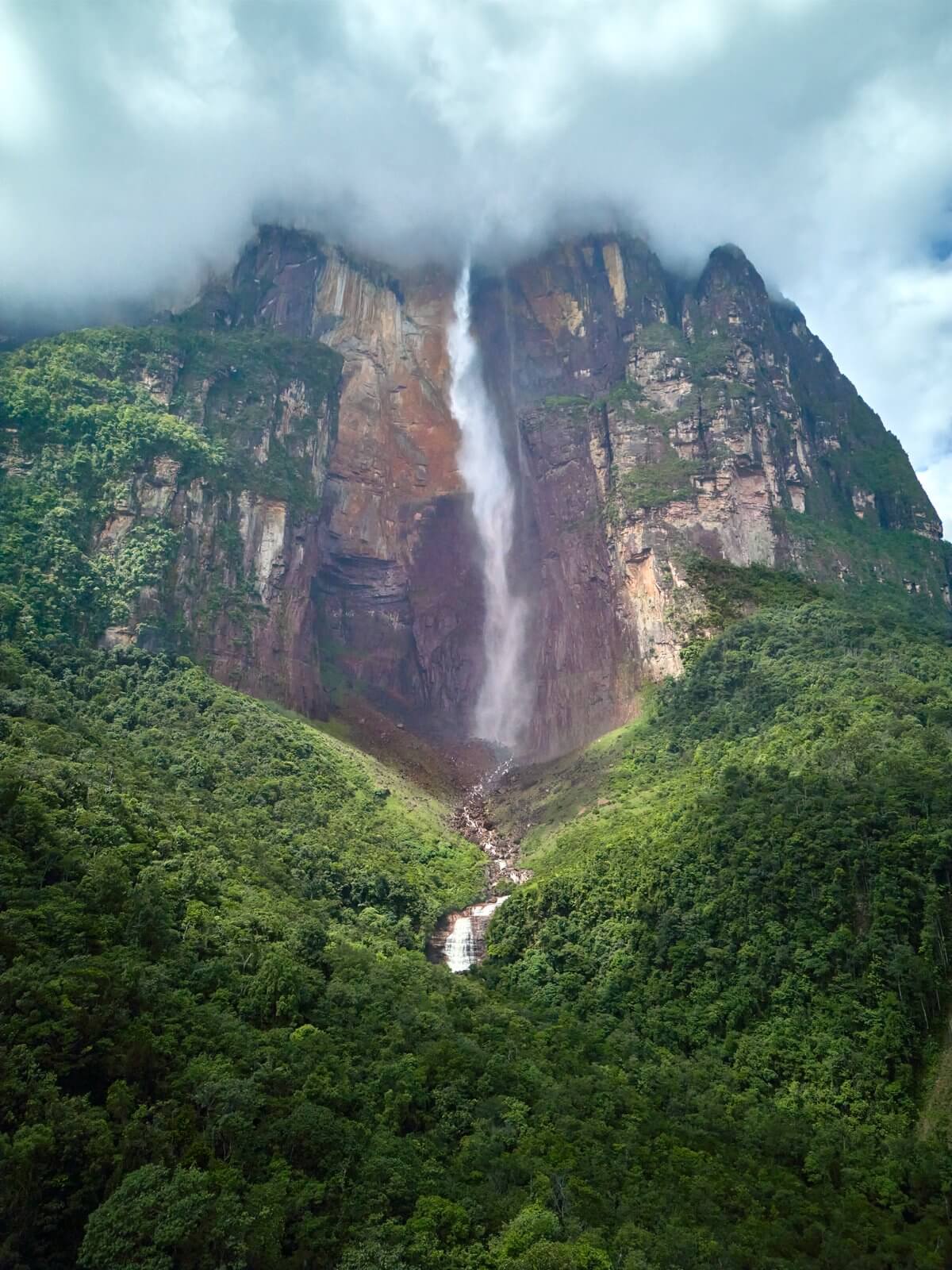
The Salto Angel It plunges 979 meters from Auyan-Tepui into the depths below. That's 16 times the height of Niagara Falls. To be honest, the first time I saw it—from the window of a small Cessna—it left me speechless. The waterfall falls so far that the water is atomized into a fine mist at the bottom.

There are two ways to see Angel Falls:

  • Flight from Canaima — The quick option. A 45-minute scenic flight in a small Cessna. Costs approximately $150-200 USD per person. You fly right past the waterfall, sometimes so close you can almost feel the spray. My tip: Sit on the left side of the plane.
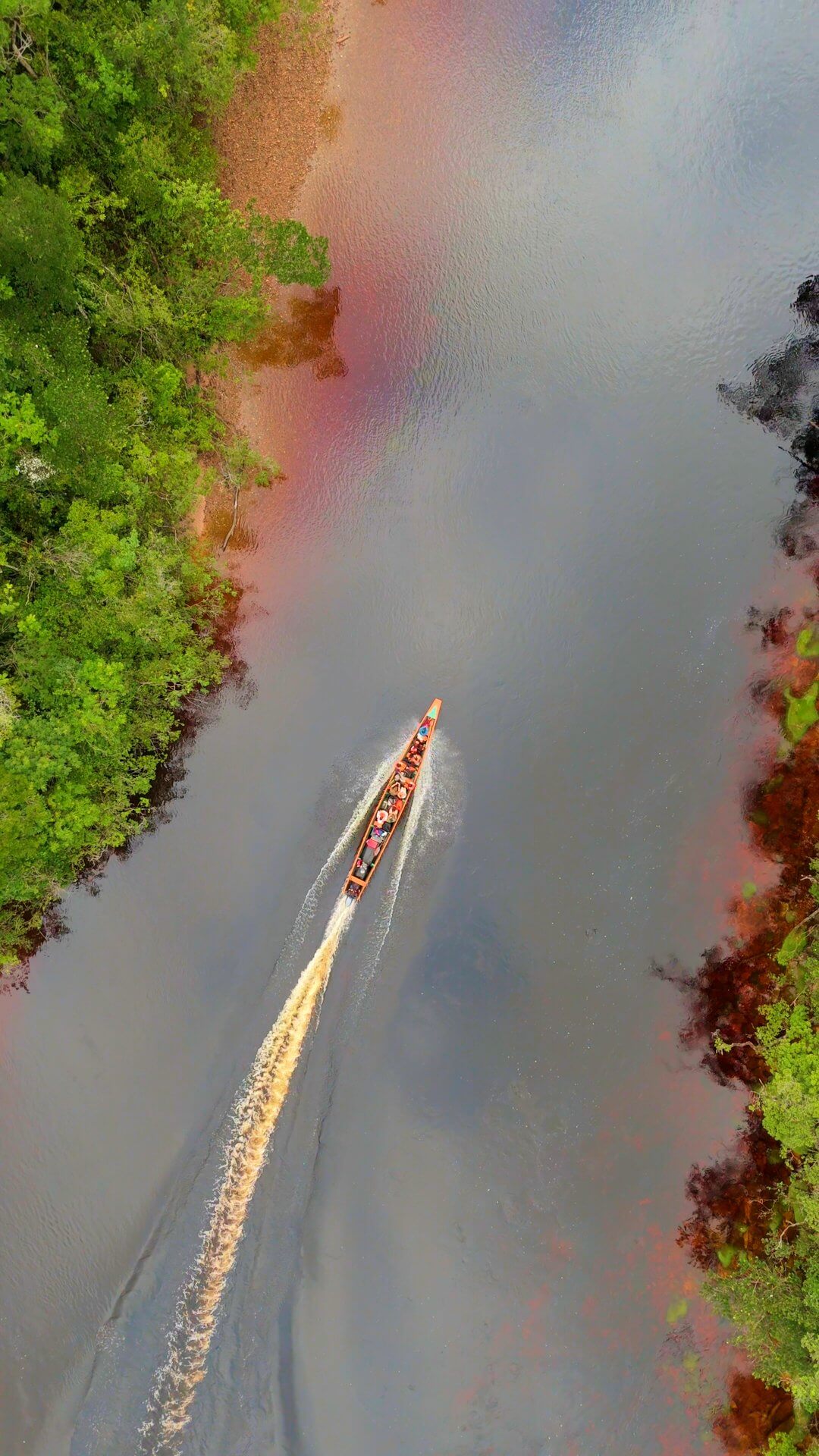
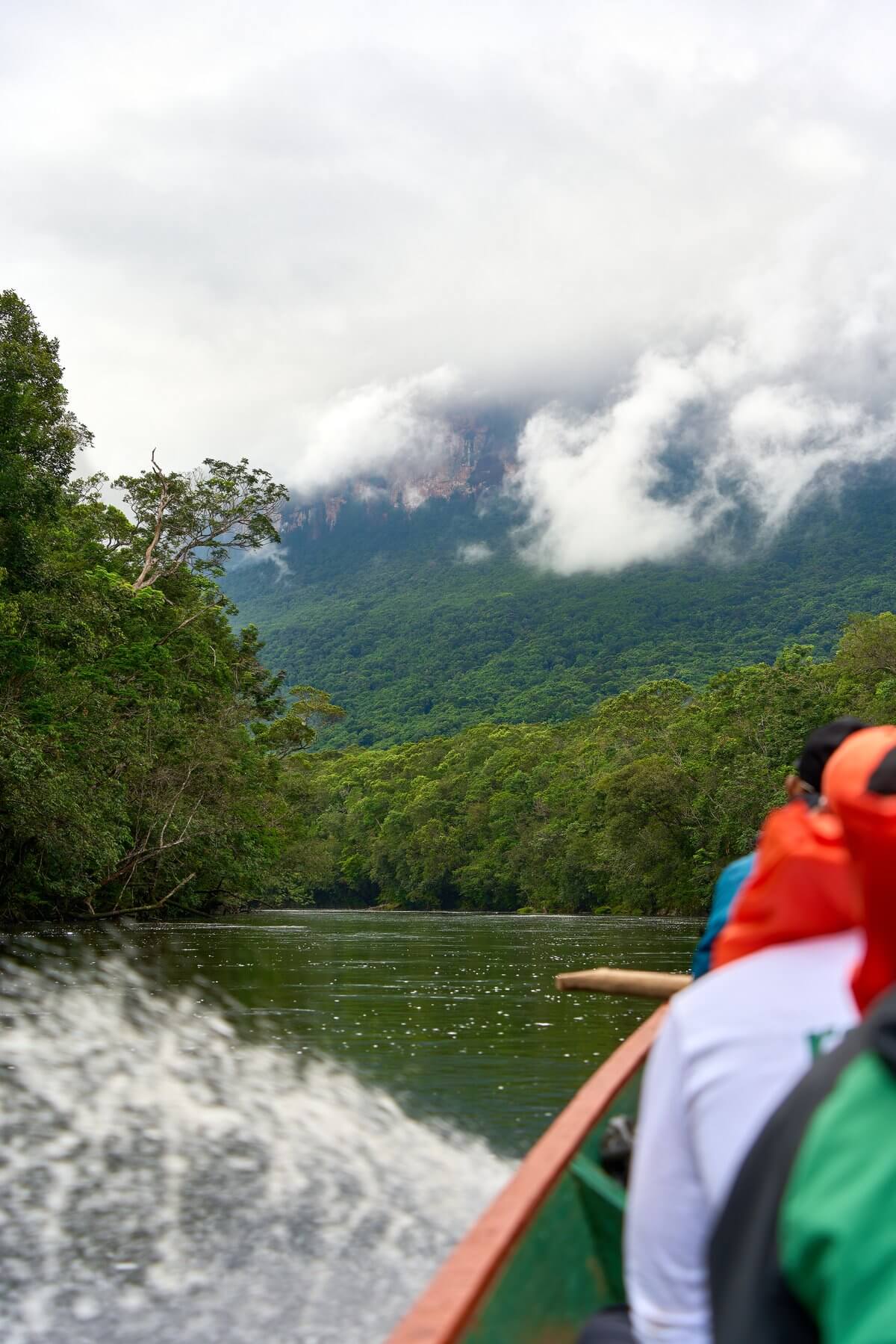
  • Trekking + Boat — The intensive option. 2-3 days, canoeing through the jungle to the base of the waterfall. More expensive (400-600 USD), but you're standing right underneath the waterfall. The feeling is indescribable.

I did both—first the flight, then the trek. The flight gives you the overview and the best photos. The trek gives you the experience. If you can only do one: choose the trek.

Canaima National Park — Tepuis and Jungle


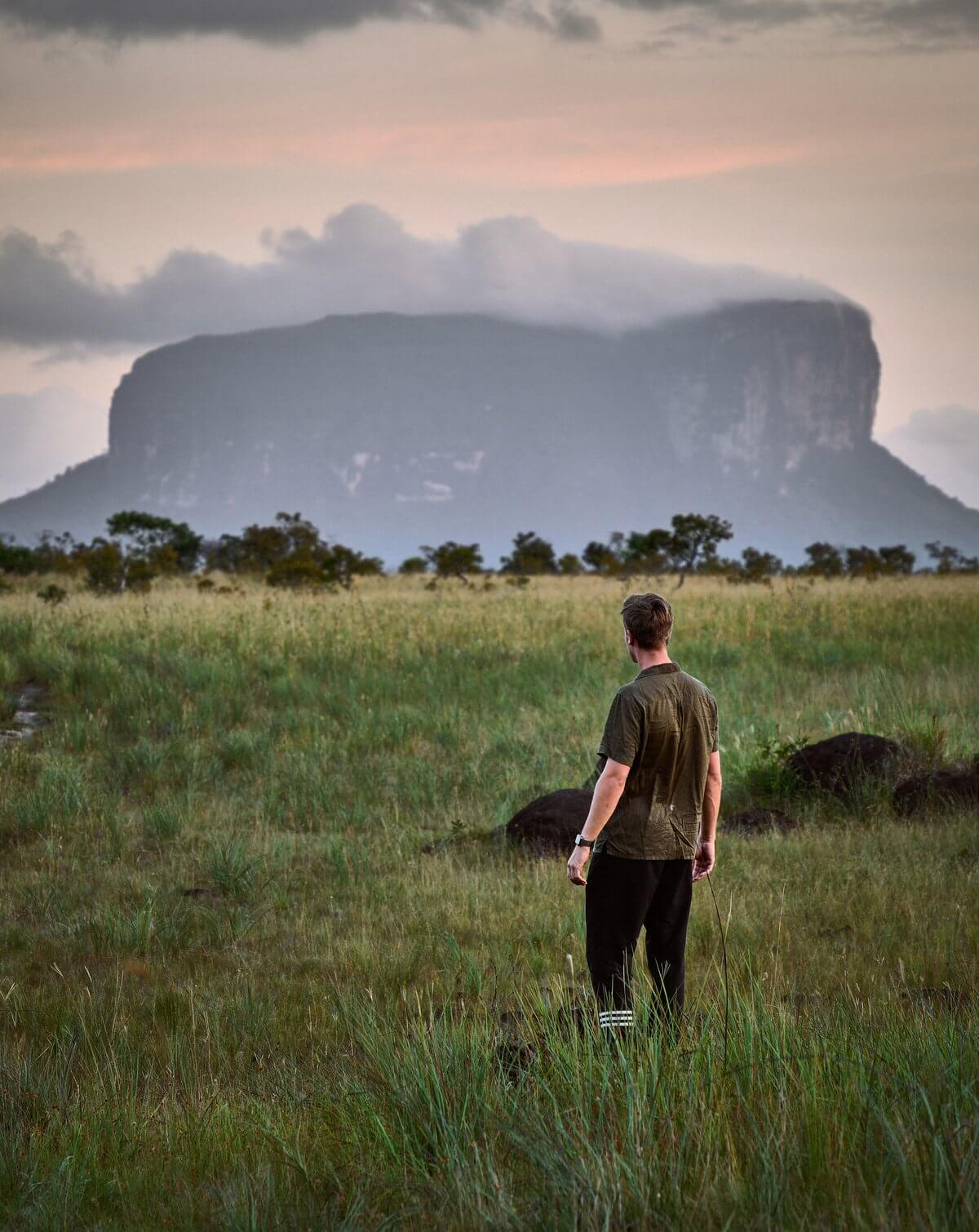
The Canaima National Park It's larger than Belgium and a UNESCO World Heritage Site. The tepuis—table mountains with flat summits rising above the rainforest—look like another world. Arthur Conan Doyle used them as inspiration for "The Lost World," and when you stand there, you immediately understand why.

The Laguna de Canaima This is the starting point for most tours. A lake with rust-red water (due to tannins from the vegetation), surrounded by several waterfalls that thunder over the edge. Salto Sapo It's particularly impressive — you actually walk BEHIND the waterfall along a narrow path. Pack your camera in a waterproof case.

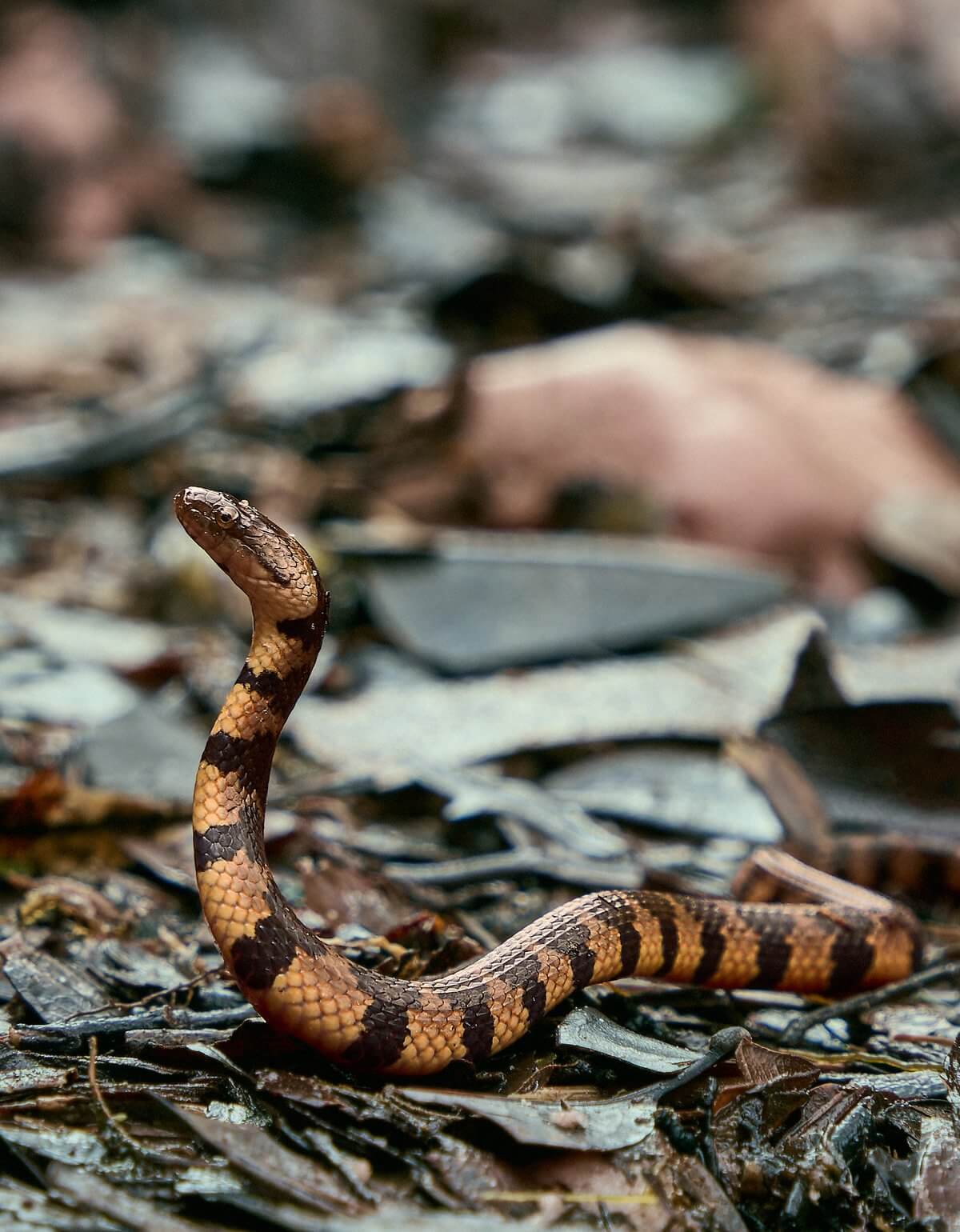
What surprised me: The Wildlife. Capuchin monkeys curiously wandering into your camp. Toucans in the trees. Snakes on the trail (yes, that wasn't so funny). And at night, a starry sky that surpasses anything I've ever seen—zero light pollution.

Important: You need a local guide. Not optional, not recommended—it's essential. The trails aren't marked, the rivers can rise suddenly, and there are poisonous animals. A good guide costs approximately $50–$80 per day, including meals.

Isla Margarita & Caribbean Coast


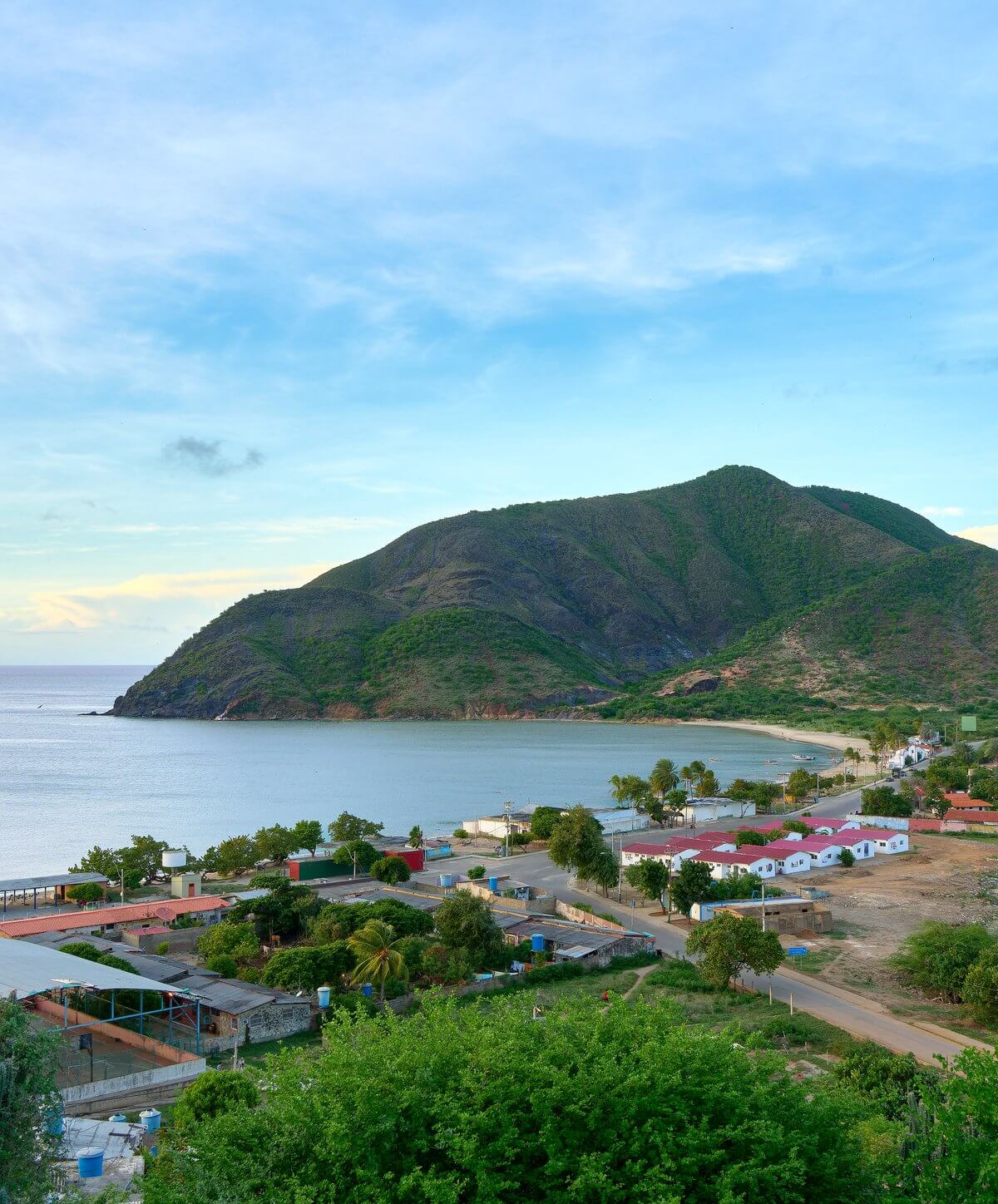
After the jungle adventure, I spent a few days on the Isla Margarita I spent time there. The island in the Caribbean Sea is the tourist face of Venezuela — white sandy beaches, turquoise water, and palm trees as far as the eye can see. In November, the beaches were practically empty.

The best beaches:

  • Playa El Agua — The most famous beach, long and wide with perfect waves for bodyboarding. Beach chairs and food right on the beach.
  • Playa Parguito — For surfers. Stronger waves, less infrastructure, more authentic.
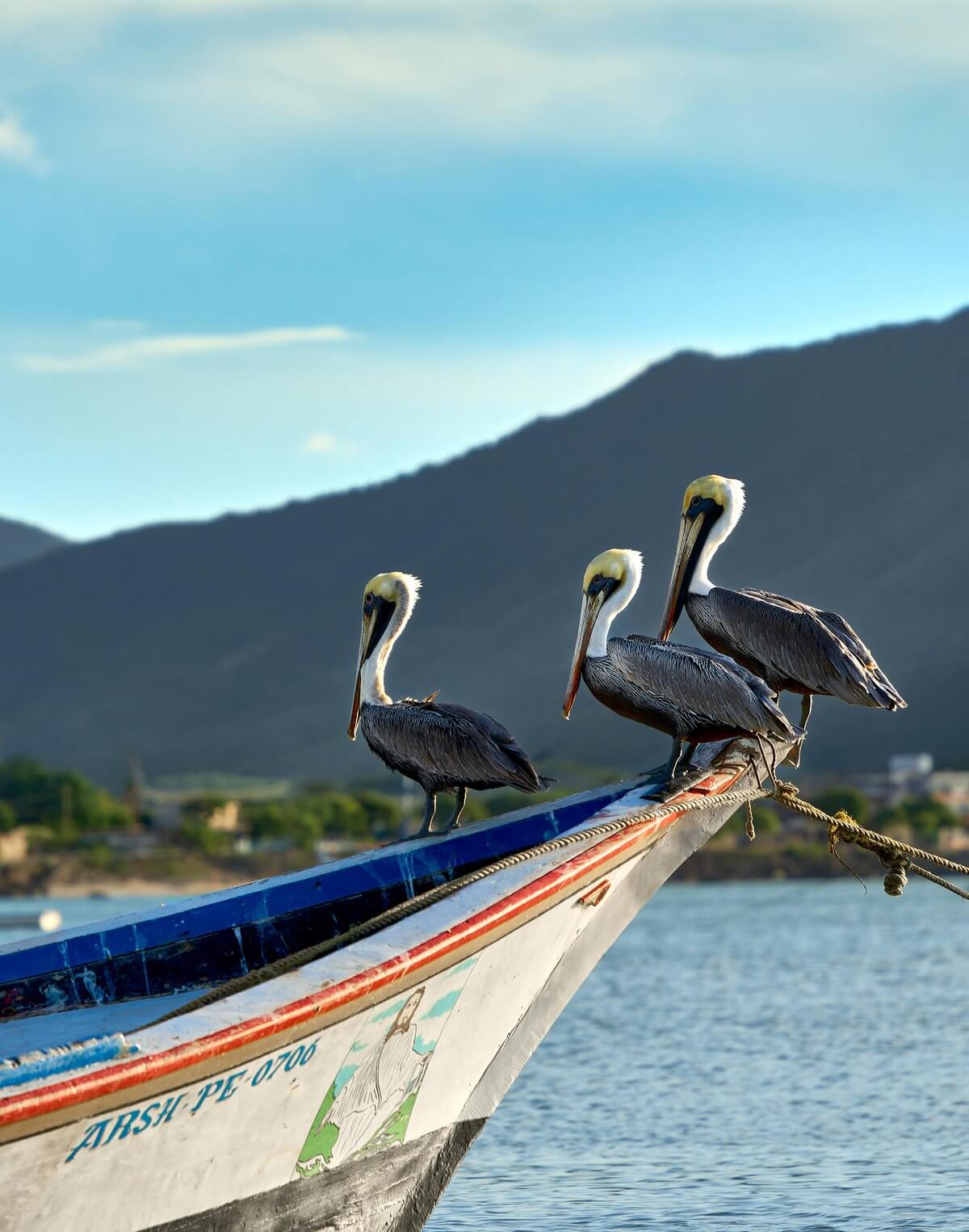
  • Juan Griego — A small fishing port with (allegedly) the most beautiful sunset in the Caribbean. Pelicans on the colorful fishing boats included.

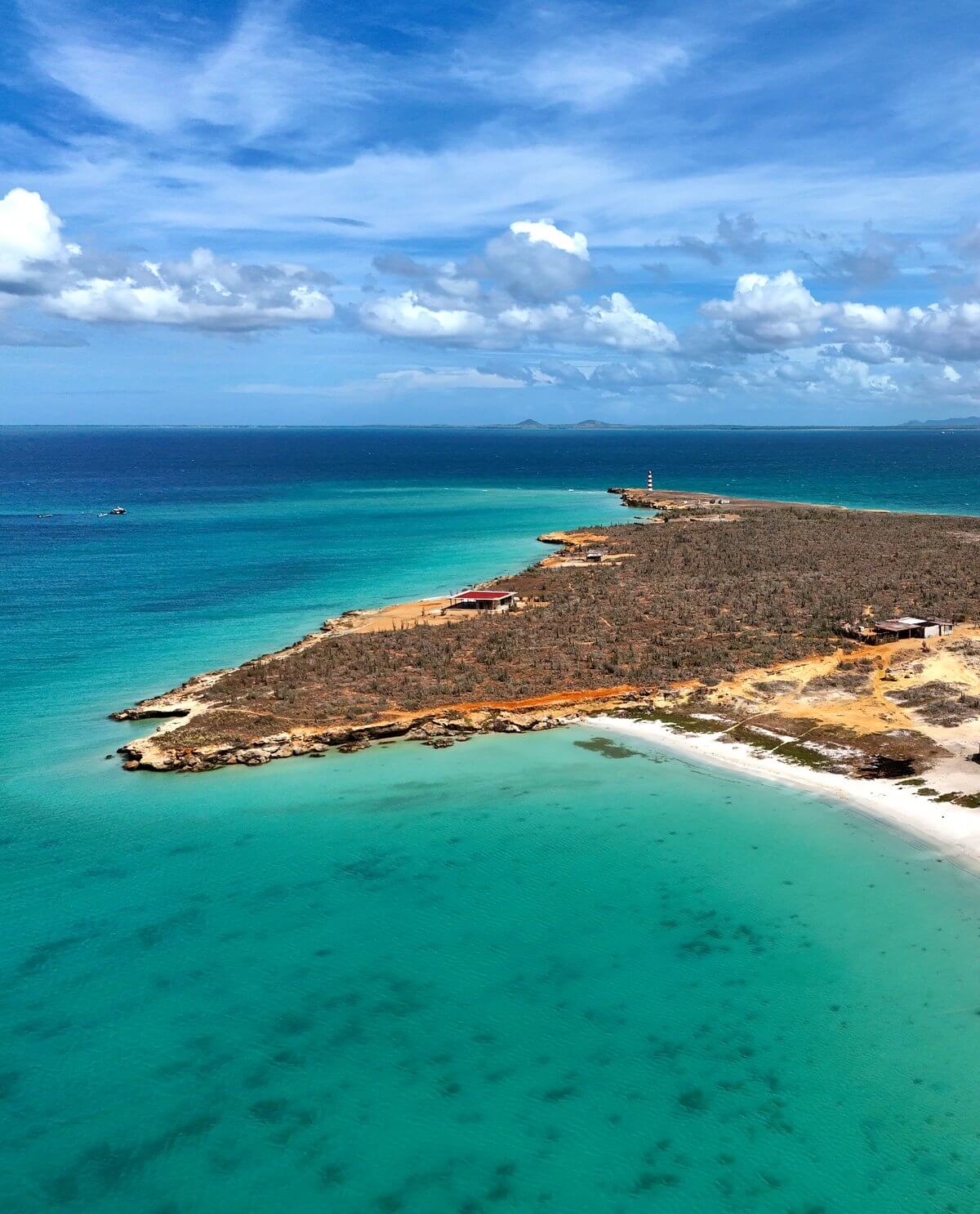
The drone footage of the islands is incredible — the color contrasts between the turquoise water, the white sand, and the green vegetation are so intense that they almost seem unreal. On the other Caribbean islands I have taken similar photos, but Venezuela has its own, wilder charm.

Security in Venezuela — An honest assessment


I won't beat around the bush here: Venezuela has serious security problems. Caracas is one of the most dangerous cities in the world. However, the tourist regions (Canaima, Isla Margarita, Los Roques) are significantly safer than the major cities.

My specific experiences and tips:

  • Avoid Caracas or only use it as a transit point. I went directly on to my domestic flight.
  • Local organizer is mandatory — not only for the sake of nature, but also for safety. My tour operator took care of everything: transfers, accommodations, guides.
  • No jewelry, no expensive watch. Only take the camera out where it's safe. I only flew the drone in nature and on the islands.
  • Bring cash in USD. Dollars are accepted everywhere and are often preferred to bolivars. Credit cards are unreliable.
  • Travel insurance with evacuation coverage — an absolute necessity. Medical care is not up to European standards.

Overall, I felt safe throughout the entire trip. The key is a good local tour operator who knows the situation and has the right contacts.

Cost overview — What does Venezuela cost?


Venezuela is surprisingly cheap — if you pay in USD. Hyperinflation has made the bolivar practically worthless, but with dollars you get a lot for your money.

categoryCostnote
Flight (Europe-Caracas)500-800 €Via Madrid or Lisbon
domestic flight (Caracas-Canaima)200-350 USDReturn, small airlines
Angel Falls Tour (3 days)400-600 USDGuide, boat, camp, meals
Scenic flight Angel Falls150-200 USD45 min Cessna
Accommodation$20-60/nightPosada to Hotel
Eat10-25 USD/dayEat local food, not a tourist restaurant
TOTAL (10 days)~2.000-3.000 €Depending on the comfort level

Money tip: Bring enough cash in USD (50 and 100 bills). Older bills or 1-dollar notes are sometimes rejected. ATMs that accept international cards are rare. Zelle (a US payment service) is accepted by some Venezuelans.

Drones in Venezuela — What you need to know


Venezuela has no clear drone laws for tourists. This means it's a gray area. I definitely wouldn't take my drone out in Caracas or other major cities. In Canaima and on the islands, I've flown mine drone I flew and had no problems whatsoever.

My rules:

  1. Only fly in nature and on islands, never in cities.
  2. Ask the guide beforehand — some areas in the national park are more sensitive than others.
  3. Take off and land discreetly.
  4. Avoid military installations and government buildings (no drones within sight).

The best Tips for flying drones abroad I have summarized this in a separate guide.

My route — 10 days in Venezuela


Day 1: Arrival in Caracas, direct domestic flight to Ciudad Bolívar. Overnight stay there.

Day 2: Flight to Canaima (small plane, 1 hour). Explore Laguna de Canaima and Salto Sapo.

Days 3-5: Angel Falls Trekking. Boat trip through the jungle, overnight stay in hammocks, hike to the base of the waterfall.

Day 6: Scenic flight over Angel Falls. Return flight to Ciudad Bolívar.

Day 7: Gran Sabana — Drive through the table mountain landscape. Tepuis at sunset.

Days 8-10: Isla Margarita. Beach, drone footage, fishing villages, sunsets in Juan Griego.

FAQ — Frequently Asked Questions about Venezuela


Is Venezuela safe to travel to?

With the right tour operator and common sense: Yes. Avoid Caracas (only transit through), don't travel at night, and don't display wealth. The natural areas are significantly safer than the cities.

Do I need a visa for Venezuela?

German citizens do not need a visa for stays of up to 90 days. You will receive an entry card (Tarjeta de Turismo) on the plane or upon arrival.

When is the best time to travel?

November to April (dry season). Ideal for Angel Falls: November-December — enough water for an impressive waterfall, but less rain than in the rainy season.

Is Venezuela worth visiting despite the crisis?

Absolutely — ESPECIALLY because of the crisis, you'll see a country almost without tourists. The scenery is unique worldwide. It requires more planning than a standard vacation, but the experiences are unforgettable.

Can I enter Venezuela with a drone?

Yes. My drone wasn't flagged at customs. Important: Declare electronics on the official baggage declaration form. If in doubt, say it's a "toy drone" (juguete).

My conclusion — Venezuela is an adventure


Venezuela is not a typical package tourist destination and will not be in the foreseeable future. But that's precisely what makes the trip so special. Angel Falls It's the most impressive waterfall I've ever seen. Tepuis They look like they're from another planet. And the Caribbean beaches They are as empty as they will not be in 20 years.

If you're willing to put in a little more effort into planning, you'll be rewarded with experiences you can't get anywhere else in the world. And yes — as Travel Influencer I say: The content possibilities are absolutely unique.

You can find more South America travel reports in my South America Backpacking Guide. For Cooperation requests I am available at any time.

Max Haase Travel Creator
About the author

Max Haase

Travel Content Creator · Drone Photographer · Visual Storyteller

Since over 10 years professional travel creator with over 4.2 million followers. Specializing in high-end tourism board collaborations and visual travel storytelling.

4.2MFollowers
82+Countries
500+Cooperations
10+Years
Continents: Africa — Image 2

Kenya Safari Costs: Budget for Safari and Beaching

A safari in Kenya is a dream—and more expensive than you might think. Or cheaper, if you know how. In February 2024, I spent 10 days in Kenya: Maasai Mara, Lake Nakuru, Amboseli National Park, and the coast near Diani Beach. Here's my honest budget breakdown with all the actual costs incurred.

  • Total cost for 10 days: Budget safari from €1,450 per person, mid-range €2,200–€3,850, luxury €4,850–€10,350 — my mid-range trip for 2 people cost approximately €5,800.
  • Parking fees are the biggest cost factor: Maasai Mara 80 USD/person/day, Amboseli and Lake Nakuru 52 USD/day each — 3 parks over 5 days quickly add up to 200–300 € per person.
  • Mid-range is the sweet spot: A private jeep with a guide (US$150–300/day) instead of a shared minibus (US$60–80/day) makes the biggest difference in experience — the animals are the same in every price range.
  • Best time to travel: July–October for the Great Migration in the Mara, January–February for fewer tourists and clear visibility. Strictly avoid the rainy season of April–May.
  • 10-day route including swimming: Nairobi → Maasai Mara (3 days) → Lake Nakuru → Amboseli (elephants in front of Kilimanjaro) → Diani Beach — Safari and Indian Ocean in one trip.

Whether you're looking for a backpacker safari in a minibus or a private luxury safari in a jeep — I'll show you both options and what you get for your money. Spoiler alert: Even on a small budget, a safari in Kenya is absolutely doable.

Kenya Safari & Beach Holiday: Total cost for 10 days


categoryBudget safariMid-rangeLuxury safari
Flights (Frankfurt → Nairobi)€450–600€450–600€800–1,500
Parking fees (3 parks)€200–300€200–300€200–300
Safari vehicle + guide (5 days)€300–500€600–1,000€1,500–3,000
Accommodation (10 nights)€200–400€500–1,200€2,000–€5,000
Food & Drinks100–200 €€200–400including lodge
Visa + Insurance100 €100 €150 €
Other (tips, SIM card, transport)100–150 €€150–250€200–400
TOTAL (per person)€1,450–2,150€2,200–3,850€4,850–10,350

My trip was in the mid-range category: private jeep with guide for 5 days of safari, mixed accommodation (camps + hotels), domestic flight to Diani Beach. Total cost for 2 people: approximately 5,800 euros.

The biggest cost traps — and how to avoid them


1. Parking fees (Conservancy Fees): The Maasai Mara costs USD 80 per person per day. Three days = USD 480 for two people—just for park entry. Amboseli and Lake Nakuru are cheaper (USD 52/day). Factor these costs into your budget from the start.

2. Safari vehicle: A shared minibus (6–8 people) costs approximately USD 60–80 per day. A private jeep with your own guide costs USD 150–300 per day. The difference is enormous—in a private jeep, you determine the route and the amount of time spent at each sighting.

3. Domestic flights: Nairobi → Maasai Mara by bush plane: USD 150–250 (one way). Alternatively: 5 hours by car on bumpy roads. Flying is worthwhile for the outward journey; driving back is an option.

4. Tip: Tipping is expected in Kenya — for guides, drivers, cooks, and lodge staff. Budget: 10–20 USD/day for the guide, 5–10 USD for other staff.

Book a safari in Kenya: Budget vs. luxury safari (including Diani Beach)


Budget safari (camping + group vehicle): You see the same animals. The experience is more authentic—camping in the savannah, campfires, starry skies. Disadvantages: Less flexibility, earlier rising, simpler food.

Mid-Range (Tented Camp + private Jeep): My sweet spot. You have your own guide who knows exactly where the lions are today. The tented camps offer a real bed, shower, and excellent food — right in the heart of the wilderness.

Luxury Safari (Premium Lodge): Breathtaking lodges with infinity pools and views of the savanna. Butler service, gourmet cuisine, exclusive conservancies with hardly any other tourists. Absolutely dreamlike – but the price difference is enormous.

My honest opinion: For a first safari, a mid-range option is perfectly adequate. The animals are the same in every price range. What makes the difference is a good guide and a private vehicle. That's the most worthwhile investment.

Kenya All-Inclusive Holiday with Safari: My 10-Day Itinerary


Days 1-2: Nairobi
Arrival, recovery from jet lag, David Sheldrick Elephant Orphanage, Giraffe Centre. Accommodation: Hotel in Karen (quiet suburb). Budget: €30–50/night.

Days 3–5: Maasai Mara (3 days/2 nights)
The highlight. Lions, leopards, elephants, wildebeest, zebras — all in one day. Up early at 6:00, game drive until 10:00, lunch break, second drive from 15:00–18:00. Visit to a Maasai community. Tented camp: €80–150/night.

Day 6: Lake Nakuru
Pink flamingos (thousands!), rhinos, giraffes against a backdrop of lakes. Perfect as a stopover on the way to Amboseli. Budget lodge: €40–70/night.

Days 7–8: Amboseli National Park
Elephants in front of Kilimanjaro — Kenya's most iconic image. Amboseli is smaller and more manageable than the Mara, perfect for photography. Camp: €60–100/night.

Days 9–10: Diani Beach
White sandy beach on the Indian Ocean. Snorkeling, relaxation, seafood. The perfect end to a safari. Flight from Ukunda back to Nairobi. Beach hotel: €50–100/night.

Practical tips for your Kenya safari


  • Visa: Apply for an e-visa online (USD 51). Processing time: 2–3 business days. Apply before departure!
  • Vaccinations: Yellow fever vaccination is mandatory. Hepatitis A and B vaccinations, as well as typhoid vaccination, are recommended. Malaria prophylaxis is recommended for safari areas.
  • Best time to travel: July–October (Great Migration in the Mara) or January–February (fewer tourists, good visibility). Avoid the rainy season (April–May).
  • Camera: A telephoto zoom lens is essential — 200mm minimum, 400mm ideal. My setup: camera + 70–200mm f/2.8 + drone (for landscape shots, NOT over animals!).
  • Clothing: Neutral colors (khaki, brown, olive green). No black (attracts flies), no white (gets dirty immediately), no blue (tsetse flies).
  • Cash: In Nairobi and Diani you can pay by card. Safari camps often only accept cash (USD or KES). Bring 200–300 USD in small bills.

FAQ — Frequently Asked Questions about Kenya Safari Costs

What is the minimum cost of a safari in Kenya?

A 3-day budget safari from Nairobi (group vehicle, camping) costs from €350–500 per person, excluding flights. With flights from Germany: from approximately €800–1,000.

Is Kenya or Tanzania cheaper?

Kenya tends to be cheaper. Tanzania's park fees (especially for the Serengeti and Ngorongoro) are significantly higher. For budget safaris: Kenya. For exclusive wilderness: Tanzania.

Can I organize a safari myself?

Yes, but not recommended for a first safari. A local guide knows the animal routes, talks to the rangers, and navigates the bumpy tracks. You can book significantly cheaper through local agencies than through European tour operators.

Which animals are guaranteed to be seen?

Elephants, zebras, giraffes, buffalo, wildebeest: almost guaranteed. Lions: very likely (90%+). Leopards: with luck (50%). Cheetahs: rare. Rhinos: only in certain areas (Nakuru, Ol Pejeta).

Do I need a drone in Kenya?

Drones are prohibited in Kenyan national parks. I only flew the drone outside the parks—for landscape and Maasai village shots. Be sure to obtain permission from the KCAA beforehand.

Max Haase Travel Creator
About the author

Max Haase

Travel Content Creator · Drone Photographer · Visual Storyteller

Since over 10 years professional travel creator with over 4.2 million followers. Specializing in high-end tourism board collaborations and visual travel storytelling.

4.2MFollowers
82+Countries
500+Cooperations
10+Years
You might also be interested in this

Blog – Travelogues Drone footage — Image 11

Becoming a Travel Content Creator: An Honest Guide

Becoming a Travel Content Creator – My Honest Guide After 10 Years in the Business

Become a content creator This means: regularly creating niche content, building an audience, and generating long-term revenue through collaborations, your own products, or affiliate marketing. In the travel sector, you need equipment, a clear niche, consistent content—and 2-3 years of patience. Here, I share my journey from 10 years of practical experience with over 4 million followers.

Since 2016, I've been a travel content creator. Over 4.2 million followers, more than 500 brand collaborations, and over 60 countries visited. Sounds glamorous? Sometimes it is. But the road to get here was anything but a walk in the park. Here's my honest guide—no bullshit, no "you can achieve anything if you just want it" motivation. Instead: concrete numbers, real mistakes, and the truth about a business that looks easier from the outside than it actually is.

  • Hard numbers: In business since 2016, 4.2 million followers, 500+ brand collaborations, 82+ countries visited – the journey was hard work, not a lucky break.
  • Equipment levels: Starter setup with smartphone and tripod: 50-150 euros; Intermediate setup with mirrorless camera and drone: 3,500-5,500 euros; Pro setup: well over 20,000 euros – a smartphone is sufficient for the first 6-12 months.
  • Daily work routine: On busy shooting days: 4:30 a.m. sunrise shoot, outside until 11 a.m., editing at midday, editing in the afternoon, posting and DMs in the evening. Not every day like that – but normal on tourism board trips.
  • Growth formula: Quality over quantity – better 1-2 strong posts per week than 5 mediocre ones. Niche hashtags with 50-500k posts instead of mega-tags like #travel (700 million).
  • Niche obligation: ‚'Travel' is not a niche but a category – let's be specific: drone photography plus adventure, budget backpacking in Southeast Asia, luxury honeymoon or family travel.

What a travel content creator actually does

Before we get into the details, let's be clear: A travel content creator isn't just a tourist with a camera. You're a photographer, videographer, copywriter, social media manager, accountant, salesperson, and travel planner—all rolled into one. On busy shooting days—especially on tourism board trips—I get up at 4:30 a.m. for sunrise shots, film until 11 a.m., edit photos at midday, cut videos in the afternoon, and answer DMs in the evening. Not every day is this intense, but these kinds of periods are part of the job.

The platforms I'm active on are: Instagram (my main channel, 4.2M+ followers), TikTok as a secondary Reels channel, and my blog here (for SEO traffic and long-term visibility). Each platform has its own formats, algorithms, and rules. Content that goes viral on Instagram can completely flop on TikTok—and vice versa.

My Equipment — What You Really Need

My current setup — detailed Content Creator Equipment 2026 I have documented this separately — after years of testing:

Advertising notice: This post contains affiliate links. If you book or buy through them, we receive a small commission—the price remains the same for you. Thanks for your support!
  • DJI Mini 5 Pro – My most important tool. Under 249g (no registration required in many countries), 1-inch sensor, 4K/100fps. Around 90 percent of my viral shots are drone footage.
  • Sony A7 V – Full-frame hybrid for photo and video. Combined with a wide-angle lens (16-35mm f/4 GM) for landscapes and a zoom lens (70-200mm f/4 GM II) for details and wildlife.
  • DJI Action 6 Pro – For underwater, kitesurfing, POV shots. Everything the Sony can't go to.
  • DJI RS 4 Gimbal Cinematic videos need stabilization. For follow shots, walking scenes, and low-angle shots.
  • iPhone 17 Pro Max – For stories, quick reels, behind-the-scenes footage. The smartphone camera is often good enough for social-first content.

What you need at the beginning (and what you don't)

Honest answer: A good smartphone is perfectly sufficient for the first 6-12 months. I shot my first viral video with an iPhone 7. What you don't need: A €3,000 camera, a gimbal, 5 lenses, and a drone license. All that comes later, when you know this is the path for you.

Equipment levelinvestment
Starter (smartphone + tripod + gimbal)€200–450
Intermediate (Mirrorless + Beginner Drone)€3,500–€5,500
Pro (full-frame camera + 2 lenses + drone + action cam)€9,000 – well over €20,000
My current setup in full~20.000 €

Finding a niche — The most important step

„"Travel" alone isn't a niche. It's a category. A niche is: drone photography + adventure travel (that's me). Or: budget backpacking in Southeast Asia. Luxury honeymoon trips. Family travel with a toddler. Food travel in Southern Europe. Van life in Scandinavia.

The more specific your niche, the faster you grow. Why? Because the algorithm can categorize you. Because brands know what you stand for. Because your community identifies with you. An account that posts about luxury hotels today, backpacking tomorrow, and food the day after confuses everyone—the algorithm, the brands, and the followers.

My tip: Start with what truly excites you. Not with what's currently trending. Trends come and go. Your passion remains.

Content Creator Career Changer: My Journey from Office to Creator

I'm a career changer myself—originally from the finance/trading sector, I started creating content on the side. The typical career-changer path for content creators, which I've observed in myself and dozens of others, is as follows:

  1. Months 1–6: Side hustle, still main job. Content on Instagram + 1-2 other platforms. Focus: consistency, not reach.
  2. Months 6–18: Initial collaborations, ~10-30% of your main job income through creator work. Main job still exists, creator work is growing.
  3. Months 18–36: Creator income surpasses monthly salary. You can (risky, but doable) quit your main job. Alternative: reduce your hours to part-time.
  4. From month 36: Full-time creator with an agency or management. Planning 6–12 months in advance.

My strongest advice for career changers: DO NOT quit before you have earned at least 6 months of creator income equivalent to your main job salary. Anything else is wishful thinking.

My first 10,000 followers – how I did it

The first 10,000 posts are the hardest. After that, it gets easier because the algorithm favors you and brand deals come to you organically. My approach was different from the usual "5-post-a-week recipes"—I consciously focused on quality rather than frequency.

  • A single, recognizable look: Same color palette, same editing style, same visual style on every post. The feed must be recognizable as Max Haase from three meters away.
  • Every recording is planned on location: Location scouting (Google Maps Satellite, Instagram geotagging, drone reconnaissance), sun position (PhotoPills, Sun Surveyor), and weather check before every shoot. One well-planned shot beats ten quick ones.
  • Niche hashtags instead of mega-tags: #travel has 700 million posts – your image will disappear in two minutes. Hashtags with 50K-500K posts will get you onto the "Top Posts" page and attract real engagement profiles.
  • Cultivate the community, don't farm it: I answer DMs and comments personally, no bots, no broadcast replies. This doesn't scale – but it does build a following that will later recommend you for bookings.
  • Cross-post lever: Each trip produces material for Instagram (reels + carousel), TikTok (a shorter version), and a detailed blog post. Same effort, three channels.

The truth is: It took me about eight months to reach 10,000 followers. Eight months with little feedback, few likes, and zero income. Most people give up after two months. Those who persevere and hone their skills are the ones who win.

When does a travel creator start earning money?

The question everyone asks. Here are real figures from my experience and what I see in the market:

Follower levelTypical incomeType of deals
1,000–10,000 (nano)€0–500 / monthBarter deals, small product placements
10,000–50,000 (Micro)€500–€3,000 / monthFirst paid collaborations, affiliate marketing
50,000–200,000 (Mid-Tier)€3,000–10,000 / monthRegular brand deals, press trips
200,000–1M (Macro)€10,000–€30,000 / monthLong-term partnerships, Tourism Boards
1M+ (Mega)€30,000+ / monthLong-term partnerships, tourism boards, brand ambassador, plus premium campaigns (country marketing, TV spots), licensing and speaking engagements
Important: Important: These figures apply to the German-speaking market with a good engagement rate (3%+). An account with 100K followers and 0.5% engagement earns less than one with 30K followers and 5%. Engagement always beats reach.

For me personally, it approximately 5 years It took a while before I could truly make a comfortable living from content. For the first two to three years, I worked as a freelance photographer on the side. This was financially necessary—but also psychologically important: no pressure to immediately make money with the content.

Three things I wish I had done earlier:

  • Not a single barter deal. „"We'll give you a free night in exchange for three stories" sounds nice, but it costs you four hours of production worth €80. Free hotel nights aren't a salary. From day one, only negotiate paid collaborations—otherwise, you'll cement your own "free" status in the market.
  • Media kit from day 1. Don't wait for the first inquiry. A professional PDF with reach, engagement rate, demographics, and case studies shows brands: this is someone who's serious.
  • How to do invoices & contracts correctly. No handshake deal, no PayPal Friends payment. A proper invoice, order confirmation, and written usage rights. That's what separates hobby from business.

Content Creator Salary: What do they really earn?

The actual income of content creators varies greatly—there is no fixed salary. Realistic figures from the German travel creator scene (based on conversations with other creators + my own data):

  • Entry level (0-10k followers): €0–500 per month, mostly barter collaborations (hotels, activities) and initial small fixed amounts.
  • Intermediate level (10k–100k followers): €1,500–€5,000 per month with active monetization. Single post €300–€1,500, story sets from €500.
  • Established (100k–500k followers): €5,000–15,000 per month, destination road trips €5,000–20,000 per campaign.
  • Top-tier (500k+): €15,000–€50,000 per month at full capacity. Large campaigns (duo with partner, usage rights, blog + social media) €25,000–€70,000 per project.

Important: These are Sales, Not profit. Equipment, travel expenses, taxes, agency fees (if applicable), and downtime between campaigns significantly reduce the actual disposable income. Plan for deductions of 25–35%.

Content creator training vs. learning by doing

There are now formal training paths for content creators—Mobile University, CBS, Social Media Academy, various bootcamps. My honest assessment: Training doesn't replace the 1,000 hours of practical experience you need anyway. But it can structure your entry into the field if you're starting from scratch and don't have a peer group.

What you really Things you need to learn to work as a content creator:

  • Storytelling (script, hook, payoff)
  • Camera techniques (manual exposure, focus, framing)
  • Video editing (Premiere, Final Cut, or CapCut for social media)
  • Platform mechanics (Instagram algorithm, TikTok FYP, YouTube retention)
  • Negotiation and contract law (usage rights, exclusivity)
  • Basic accounting (small businesses, sales tax)

None of this requires formal training—but each of these takes 100+ hours. My path was self-taught: YouTube tutorials, trial and error, getting feedback, improving. For most people, that's a more realistic route than a €10,000 bootcamp.

Negotiating collaborations — My learnings

The biggest mistake young creators make: saying yes to everything. Accepting barter deals ("We'll give you a night, in exchange for three stories"). Selling themselves short because they're afraid of losing the deal.

My rules after 500+ collaborations:

  • No bartering for followers over 10K. Your work has value. Producing a story takes you 3-4 hours. That's not a gift, that's work.
  • Always have a media kit. A PDF containing: reach, engagement rate, demographics, case studies, and pricing. Anyone without a media kit won't be taken seriously.
  • Do not calculate prices based on followers, but rather based on effort + reach + usage rights. A reel with 3 locations, drone footage and editing is worth more than a story.
  • Usage rights are charged separately. If a brand wants to use your images for its own advertising, that's a separate item. And not a small one.
  • Prefer long-term collaborations. A 12-month deal provides planning security. One-off posts are one-off payments.

The honest side — what nobody shows on Instagram

You work 60+ hours a week. You're on 24/7. You fly for 20 hours for a 3-day shoot. Your income fluctuates by 501,000 euros per month. Taxes are complicated (keyword: small business exemption vs. standard taxation, business expenses abroad, VAT on digital services). And everyone asks you, "When are you going to get a real job?"„

The loneliness. Nobody talks about it. You're often traveling alone. Your friends back home live normal lives—9-to-5, weekends off, set routines. You live out of a suitcase, change accommodations every few days, and have jet lag as a permanent condition. WhatsApp groups are no substitute for real friendships.

The comparison trap. You see other creators who seem to be growing faster, have better deals, and visit more beautiful destinations. That's poison. Everyone has their own path, their own pace. My account barely had 2,000 followers in the first six months. Today it has over four million.

But: The freedom to wake up in a different place every morning, to be your own boss, to show the world—that makes it all worthwhile. When you're standing alone on a cliff at 5 a.m., launching your drone and watching the sun rise over the sea—then you know why you're doing it.

Content Strategy 2025/2026 – What works now

Instagram

Reels continue to dominate. 15-30 seconds, hook in the first 2 seconds, subtitles always. Carousels are back and perform extremely well for educational content ("5 tips for…"). Stories are great for community building – surveys, Q&As, behind-the-scenes footage. My focus is clearly on visual quality: a single, really strong drone reel performs better than five average ones.

Blog / SEO

The most underrated channel. A good blog post generates traffic for years — passively, without you having to do anything.„Madeira Levada hikes“It ranks on Google and brings me monthly readers who then come to my Instagram. SEO is the foundation for sustainable success and the only channel where your work will still generate traffic after 5 years.”.

Quality over quantity – regardless of the format

My approach deliberately differs from that of many creators: I post less, but with high production values – whether it's a photo, Reel, Carousel, blog post, or story. Every piece of content is meticulously planned (location scouting, lighting, script, editing concept) instead of being hastily produced. This positioning is the reason why premium brands and tourism boards work with me – they don't buy views, but content that truly resonates with their target audience.

5 mistakes I made (so you don't have to)

  1. Too many platforms at once. At first, I wanted to be everywhere—Instagram, YouTube, blog, TikTok, Pinterest, Twitter. Result: Mediocre on all of them. Better: Master 1-2 platforms, then expand.
  2. Cheap barter deals accepted. A "free" hotel stay worth €80 for 5 hours of content production. Do the math: That's €16 per hour. For professional content.
  3. I have no backup of my hard drives. 2019: External hard drive failed. Six months' worth of content lost. Since then: 3-2-1 backup rule. Three copies, two different media, one offsite.
  4. Burnout ignored. In 2020, I worked straight through without a break. The result: three months of creative block. Now I consciously take weeks offline—without feeling guilty.
  5. For too long, the focus has been on quantity rather than quality. At first, I believed the "post every day" dogma. Today, I focus on significantly fewer, but high-quality photos and individual, powerful Reels. Premium brands are interested in visual style, not posting frequency.

FAQ

What is the difference between a content creator and an influencer?

The difference between content creators and influencers lies in the business model: A Content Creator It primarily produces content (photos, videos, texts) and sells this production to brands — even without its own reach. Influencer It primarily sells reach to an existing audience. In practice, both roles overlap, especially in the travel sector. Those who can do both (content + reach) earn the most—and that's precisely the path I'm describing here.

Which platform is most important for beginners?

2025/2026: Instagram Reels and TikTok for reach, a blog for SEO traffic and long-term visibility. YouTube is optional but valuable. Focus on one or two platforms, not all at once. My advice: Start with Instagram, because that's where brand deals are most lucrative.

Is it still possible to start out as a travel creator, or is the market saturated?

The market is large enough for anyone with a specific niche who delivers consistently. What's saturated: generic "I'm standing in front of the Eiffel Tower" accounts. What's not saturated: niches with real added value—diving travel, accessible travel, solo female travel for those over 40, outdoor adventures with a dog.

Do I need an agency?

Not at the beginning. Once you have around 100,000 followers, a management agency can make sense—they handle negotiations and secure deals you couldn't get on your own. But: They charge a commission of 15-201,000. Weigh up whether the added value justifies the cost. I reached my first 200,000 followers without an agency.

How much do you earn per Instagram post?

A rough rule of thumb in the DACH market: €10 per 1,000 followers for a feed post, €5 per 1,000 for a story. These are guidelines—actual prices depend on the niche, engagement, and negotiation skills. Premium niches like luxury travel or finance pay significantly more.

How do I find my first cooperation partners?

Proactively reach out. Don't wait to be found. Create a list of 50 brands that fit your niche and email them. Not via DM—that looks unprofessional. A short, professional email with your media kit attached. Expect a 51% response rate. That's 2-3 deals out of 50 emails.

Max Haase Travel Creator
About the author

Max Haase

Travel Content Creator · Drone Photographer · Visual Storyteller

Since over 10 years professional travel creator with over 4.2 million followers. Specializing in high-end tourism board collaborations and visual travel storytelling.

4.2MFollowers
82+Countries
500+Cooperations
10+Years
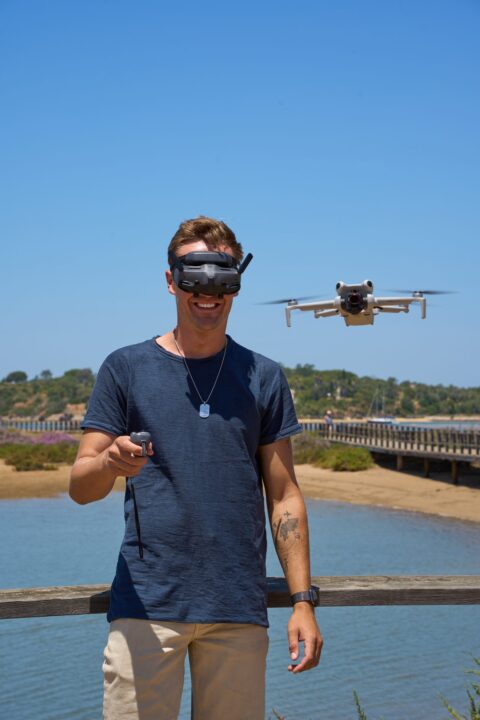
Affiliate disclosure: This article contains Amazon affiliate links. If you purchase through these links, I receive a small commission—at no extra cost to you. You continue to shop at your local Amazon store (Amazon.de, Amazon.at, etc.) and support my work. Thank you!
Blog – Travelogues Drone footage — Image 11

Basque Country Travelogue — San Sebastián, Bilbao & Coast

My Basque Country travelogue — San Sebastián, Bilbao, and the wildest coastline in Europe. In November 2023, I explored the Basque Country in northern Spain: from the world-famous cuisine in San Sebastián about the architectural masterpiece Guggenheim Museum in Bilbao to the dramatic coast at San Juan de Gaztelugatxe. In this guide, I share my honest experiences, the best spots, costs, and specific tips — especially for travelers who want to explore the Basque Country on their own.

  • Route and duration: San Sebastian, Bilbao and Gaztelugatxe along the Atlantic coast – 5 to 7 days are enough for all the highlights of the region.
  • Pintxos system: Three bars per evening in the Parte Vieja, each serving 2-3 pintxos plus txakoli: 8-12 euros per bar, total evening 25-35 euros – a bargain for San Sebastian.
  • Top bars: Bar Nestor (tomato salad and Txuleta steak, arrive at 1 p.m.), La Cuchara de San Telmo (foie gras with apple) and Gandarias for classic pintxos.
  • Gaztelugatxe hack: Game of Thrones filming location 'Dragonstone' with 241 stone steps – at the end of November at 8:30 am the parking lot is almost empty, in summer you have to queue.
  • Travel tip: May to October is peak season; November delivers quiet restaurants, authentic encounters and prices that would be unthinkable in the peak season.

Spain and I — that usually means sun, beach and kitesurfing. But this Basque Country It has about as much in common with Spain as Munich does with Mallorca: nothing. Green mountains, a rugged Atlantic coast, its own language, its own culture, and the best food I've ever had in Spain. Late November isn't the most obvious time to travel, but that's precisely what made the trip so special—hardly any tourists, authentic encounters, and prices that would be unthinkable in peak season.

Why the Basque Country? My expectations vs. reality

To be honest, I underestimated the Basque Country for a long time. In my mind, it was "the north of Spain where it rains a lot." That's true—but it's only half the story. The Basque Country is a own world. The Basques have their own language (Euskara), a completely unique culinary tradition, and a self-confidence that you can feel in every bar and on every street corner.

What surprised me most was the combination of World-class gastronomy (San Sebastián has the highest density of Michelin stars per square meter in the world), spectacular nature and cool urban culture in Bilbao. For content creators, the region is an absolute dream — the drone footage of the coast is among my best ever.

San Sebastián — Europe's secret food capital

San Sebastián (Donostia in Basque) is the place that impressed me the most. The city is perfectly situated in a shell-shaped bay, framed by the mountains Monte Urgull and Monte Igueldo. La Concha, the city beach, is regularly listed as one of the most beautiful city beaches in Europe — and rightly so.

But the real star is the food. In the Old Town (Parte Vieja) The pintxos bars line up like pearls on a string. Pintxos are the Basque version of tapas—but more elegant, creative, and often more elaborate than a main course in a regular restaurant. My system: three bars per evening, two or three pintxos in each, and a glass of wine. Txakoli (local white wine, which is theatrically poured into the glass from a height).

The best pintxos bars I've tried:

  • Bar Nestor — Famous for the best tomato salad in the world (no joke) and the Txuleta steak. Come at 1 p.m., it's quiet before then.
  • La Cuchara de San Telmo — Warm pintxos on par with a Michelin-starred restaurant. The foie gras with apple is an experience.
  • Gandarias — My favorite for classic pintxos. The counter is a work of art made of food.
  • A Fuego Negro — Modern, creative, sometimes a little crazy. Perfect after 10 pm.
My tip: Never go to a restaurant with a set menu. Pintxos bars are better, cheaper, and you can see what you're getting. €8-12 per bar for 2-3 pintxos plus a drink — a full evening costs €25-35. That's a bargain for San Sebastián.

San Juan de Gaztelugatxe — The Game of Thrones spot

If you knew only one image of the Basque Country, it would probably be San Juan de Gaztelugatxe. This small island with the chapel at its summit, connected by a dramatic stone bridge and 241 steps, became world-famous as a filming location for Game of Thrones („Dragonstone“).

I went early in the morning—at 8:30 the parking lot was still almost empty. That's a huge advantage at the end of November. In the summer, you'd be in a queue. The walk down and across the bridge takes about 20 minutes. Once you get to the top, ring the bell three times—it's supposed to bring good luck.

The Drone footage The views from here are absolutely breathtaking. The combination of the turquoise Atlantic, rugged cliffs, and the solitary chapel is unique. I flew the DJI Mini 5 Pro and took some of my best shots ever. Important: Flying drones is allowed here, but respect other visitors and nature — don't get too close to the cliffs and birds.

Directions: From Bilbao it's about a 35-minute drive via the BI-2101. The road is winding but well-maintained. Free parking is available at the Mirador viewpoint.

Bilbao — From industrial behemoth to cultural metropolis

Bilbao has undergone one of the most dramatic transformations in the history of European cities. As recently as the 1990s, it was a gray industrial city. Then, in 1997, came the Guggenheim Museum —and everything changed. The building, designed by Frank Gehry and made of titanium, glass, and limestone, looks like a landed spaceship and has transformed Bilbao into a world-class destination.

I spent half a day at the museum and didn't regret a single minute. The architecture alone is worth the visit—both inside and out. The exhibitions change regularly; when I was there, there was a massive installation by Olafur Eliasson. Admission: €16 (cheaper online), closed on Tuesdays.

But Bilbao has more than just the Guggenheim:

  • Casco Viejo — The old town with its „Seven Streets“, small shops, pintxos bars and the cathedral.
  • Mercado de la Ribera — Europe's largest covered market hall. Fresh food downstairs, a bar upstairs with a view over the river.
  • Puente Zubizuri — Santiago Calatrava's white pedestrian bridge. Architecturally impressive, but quite slippery when it rains.
  • Artxanda Funicular — Funicular railway up the local mountain. The view over Bilbao at sunset is fantastic.

Basque Coast — Road trip between the Atlantic and the mountains

The biggest mistake you can make in the Basque Country: Only visiting San Sebastián and Bilbao. Coastal road The route between the two cities is one of the most beautiful I've ever driven. Rugged cliffs, hidden coves, small fishing villages — every bend reveals a new panorama.

My highlights on the coastal route:

  • Zumaia — Here you'll find the flysch, millions-of-years-old rock strata that look like an open book. An absolute must-see for geology nerds, but also visually stunning.
  • Getaria — A small fishing village, home of fashion designer Balenciaga. The grilled fish at the harbor is an experience. Try the Txakoli from the vineyards above the village.
  • Bermeo — The starting point for Gaztelugatxe. An authentic fishing village without tourist traps.
  • Mundaka — A world-famous surf spot. Even if you don't surf, the view of the wave from the harbor is worthwhile.

Further inland, it becomes truly green. The Basque mountains are more reminiscent of Ireland than Spain. Autumn leaves, wisps of fog over the valleys, scattered Caserios (Traditional Basque farmhouses with the typical half-timbered construction). The landscape is a dream for drone photography — the winding mountain roads look fantastic photographed from above.

Rioja Alavesa — a wine region in the Basque style

What many don't know: Part of the famous Rioja wine region It is located in the Basque Country. Rioja Alavesa This is the northern, Basque-administered part — and in my opinion the most interesting. The combination of Basque wine culture and Spanish Rioja tradition creates something unique.

I took a wine cellar tour in Laguardia I visited a medieval village on a hill, beneath which centuries-old wine cellars stretch. The tasting convinced me: Basque Rioja is fuller-bodied and more honest than the mass-produced, commercial Rioja from the supermarket.

I took the drive through the vineyards by Segway I did it. It sounds touristy, but it was actually fantastic — you get to vineyards that would otherwise only be accessible on foot, and the speed is perfect for taking photos. Cost: about €40 for 2 hours.

Cost overview — What does the Basque Country cost?

The Basque Country is more expensive than the Spanish average, but cheaper than Paris or London. Here's my actual cost overview for 6 days:

categoryCost per dayTotal (6 days)
Accommodation (3 stars)70-100 €~500 €
Eat (Pintxos + Restaurants)35-50 €~250 €
rental car30-40 €~200 €
petrol~10 €~60 €
Activities15-25 €~100 €
Flight (Frankfurt-Bilbao)~180 €
IN TOTAL~1.290 €
Money-saving tip: During the off-season (November-March), accommodations are €30-50 cheaper. I paid €75 per night for a good double room in San Sebastián—unthinkable in August. Pintxos hopping is also always cheaper than eating at restaurants with a menu.

Drone flying in the Basque Country — rules & best spots

Spain has fully adopted the EU drone regulations since 2024. With my drone (under 250g, class C0) I am allowed to fly in the „Open Category“ A1 as long as I do not fly over crowds of people and near airports.

My best drone spots in the Basque Country:

  1. San Juan de Gaztelugatxe — THE spot par excellence. Fly in the morning at low tide, then you'll see the rock formations under the bridge.
  2. Coast between Zumaia and Deba — The Flysch cliffs are spectacular from above.
  3. Ondarroa Beach (San Sebastian) — Beach and city in one shot. Around 9 a.m. there's hardly anyone on the beach.
  4. Rioja Alavesa vineyards — Autumn vineyards from above, with the mountains of the Sierra de Cantabria in the background.
Danger: There may be local restrictions in nature reserves (especially along the coast). Always check the regulations before flying. ENAIRE app checken — that's the official Spanish airspace app.

My route — 6 days in the Basque Country

Here is my suggestion for a 6-day round trip with rental car:

Days 1-2: San Sebastián. Old Town, La Concha Beach, Monte Urgull, pintxos tour through the Parte Vieja. On the second day, Monte Igueldo (funicular up, hike down) and watching surfers at Zurriola Beach.

Day 3: Coastal route heading west. Zumaia (flysch), Getaria (txakoli + grilled fish), Bermeo. Overnight in Bermeo or Mundaka.

Day 4: Gaztelugatxe + Bilbao. In the morning, visit Gaztelugatxe (arrive before 9 a.m.!), then continue to Bilbao. In the afternoon: Guggenheim Museum, Casco Viejo (Old Town), Mercado de la Ribera (Ribera Market).

Day 5: Bilbao + Rioja Alavesa. Morning: Artxanda Funicular for the panoramic view. Then drive to Rioja Alavesa — Laguardia, wine cellar tour, tasting.

Day 6: Vitoria-Gasteiz. The often overlooked Basque capital. Medieval old town, street art, and the greenest city in Spain (European Green Capital 2012). Then back to Bilbao airport.

Practical tips for the Basque Country

  • Best time to travel: May-June and September-October. November also works, but expect rain. July-August is expensive and crowded.
  • Rental cars: Highly recommended. The coastal roads and mountain passes are what make a road trip truly special. Book via Comparison portals for the best prices.
  • Language: All signs are bilingual (Spanish + Basque). Spanish is sufficient everywhere, but a "Eskerrik asko" (thank you) in Basque is extremely well received.
  • Pintxos etiquette: Order at the counter, not at a table. Pay at the end; they count the toothpicks/napkins. Tipping is not customary.
  • Weather: Always carry a rain jacket. The weather changes every 30 minutes — from rain to sun and back again.
  • Money: Card payments work almost everywhere, but older people sometimes have trouble in small pintxos bars. Having €50 in cash won't hurt.
  • Arrival: Bilbao Airport (BIO) is operated by various airlines directly flown in. Alternatively, Biarritz (France) for the eastern Basque Country.

FAQ — Frequently Asked Questions about the Basque Country

Is the Basque Country safe?

Absolutely. The Basque Country is one of the safest regions in Spain. The usual precautions against pickpockets in San Sebastián and Bilbao are perfectly sufficient.

How many days does it take to visit the Basque Country?

A minimum of 4 days, ideally 6-7 days. With less than 4 days you have to choose between San Sebastián and Bilbao — and that would be a shame.

Is the Basque Country worth visiting in winter?

Yes — if you don't mind occasional rain. The advantages: Fewer tourists, lower prices, autumnal colors in the mountains, and the pintxos bars are just as good as in summer.

Do I need a rental car?

Not for San Sebastián and Bilbao individually. But for the coastal route and Rioja Alavesa, you definitely need a car. buses They connect the capital cities, but the beautiful coastal towns are difficult to reach without a car.

What is the difference between pintxos and tapas?

Pintxos are a Basque tradition—small bites on bread or toothpicks, often artfully arranged. Tapas are served, pintxos you choose yourself at the counter. And honestly, pintxos are usually better.

Can I fly a drone in the Basque Country?

Yes, under EU drone regulations. Drones under 250g (like this one) are the easiest to fly. Always check the ENAIRE app before flying and don't fly in nature reserves.

My conclusion — Is the Basque Country worth visiting?

Clear answer: Yes, absolutely. The Basque Country is one of Europe's most underrated regions. Its blend of world-class food, dramatic coastline, cool urban culture in Bilbao, and authentic Basque identity is unique. It's not the Spain you know from Mallorca—it's better.

For me, it was a trip that exceeded my expectations in every way. Drone footage Those from the coast are among my absolute favorites, which Pintxos in San Sebastián were the best meals I've had on my trips to Spain, and Bilbao showed me how a city can reinvent itself.

If you're thinking about it: Do it. And do it in the off-season. You won't regret it.

If you want more Travelogues with drone footage If you want to read or know how I, as a Travel Influencer I'm working — take a look around my blog.

Max Haase Travel Creator
About the author

Max Haase

Travel Content Creator · Drone Photographer · Visual Storyteller

Since over 10 years professional travel creator with over 4.2 million followers. Specializing in high-end tourism board collaborations and visual travel storytelling.

4.2MFollowers
82+Countries
500+Cooperations
10+Years
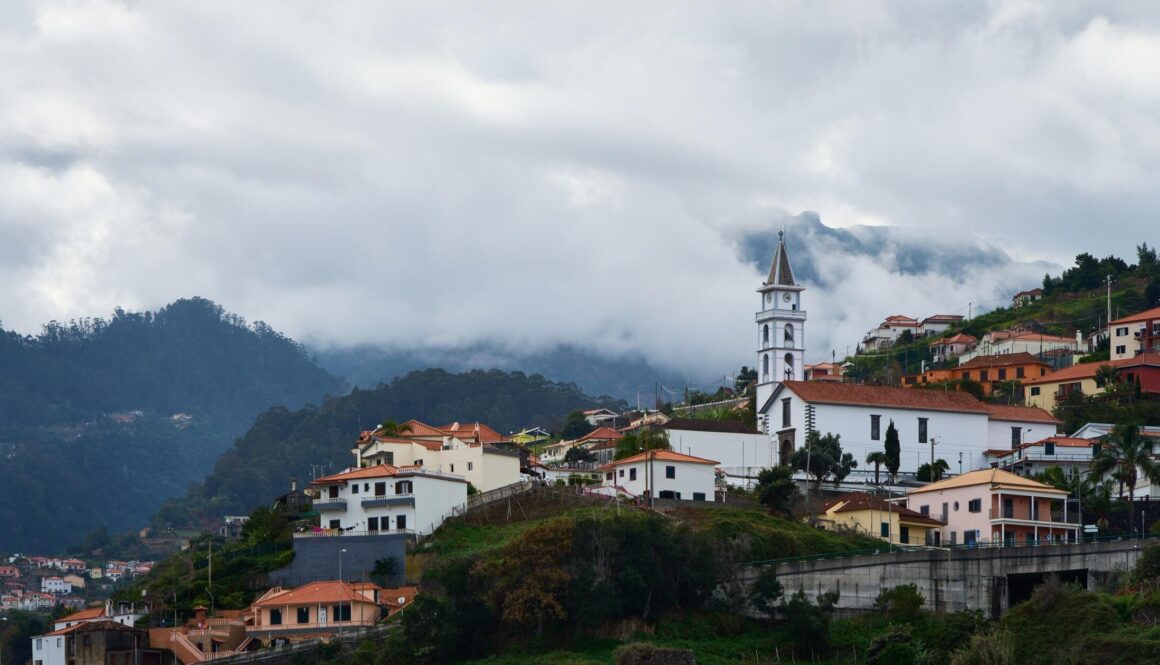
Blog – Travelogues Drone footage — Image 11

Kitesurfing Guide 2026: Beginners, Spots & Equipment

Kitesurfing Beginner's Guide — Everything you need to know before your first course

Kitesurfing has changed my travel life. Since taking my first course in Portugal in 2023, I plan almost every trip around kitesurfing spots. But getting started was bumpier than expected—not because of the sport itself, but because I made the wrong decisions beforehand: wrong spot, wrong time of year, wrong course. To help you avoid the same mistakes, here's my complete beginner's guide.

  • Learning time: 10-15 hours of instruction (3-5 day course) until you drive independently — plus 20-30 hours of independent practice for a real sense of security.
  • Course fees: 3-day group course from €250-400, private course €400-700. IKO/VDWS license usually included. Purchase your own equipment later.
  • Best spots for beginners: Sotavento/Fuerteventura (from €280), Lo Stagnone/Sicily (from €250), Dakhla/Morocco (week under €500), Zanzibar (from €200).
  • Kite sizes (75 kg): A 12m kite is suitable for 15-20 knots, a 9m kite for 20-28 knots. A 3/2mm wetsuit is sufficient for warm spots.
  • Ideal conditions: Constant crosswind of 15-22 knots, shallow standing-depth water, sandy bottom — the spot accounts for 80% of the learning success.

Learning to kitesurf: What exactly is kitesurfing?

Kitesurfing (also known as kiteboarding) is a water sport where you are pulled across the water by a large, steerable kite while standing on a board. The kite is controlled via a bar with four lines and generates enough power from the wind to propel you to speeds of 20 to 60 km/h. Advanced kitesurfers jump up to 20 meters high—these are the spectacular videos you see on Instagram and YouTube.

The sport combines elements of windsurfing, wakeboarding, paragliding, and surfing. It's physically demanding, but less so than most people think. The power comes from the kite, not your arms. The most important requirements are: the ability to swim (obviously), basic fitness, and—most importantly—patience. Learn to kitesurf It takes longer than most water sports.

How long does it take to learn kitesurfing?

Expect at least 10-15 hours of instruction before you can drive independently. This typically translates to 3-5 days of instruction. The learning curve looks like this:

Days 1-2: Theory, safety, and kite control on the beach (without a board). You'll learn wind window theory, how to launch and land the kite, and practice control with a small trainer kite. At the end of day 2, you'll go into the water with a larger kite and practice body dragging (the kite pulls you through the water, without a board).

Day 3: Waterstart attempts. The board comes into play. You learn how to get the board under your feet while the kite pulls you. This is the most frustrating day—you'll lose the board dozens of times, swallow water, and wonder why you're doing this to yourself. Stick with it. Everyone goes through this phase.

Days 4-5: The first few meters on the board. When it clicks, it clicks suddenly. The moment you ride 50 meters straight for the first time is one of the best moments in the sport. From then on, things move quickly: riding upwind, turning, and soon the first small jumps.

After the course: You'll need another 20-30 hours of independent practice before you feel truly confident. Most kiters reach a level where they can ride comfortably and safely in moderate conditions after about 50 total hours.

Learn to kitesurf in Fuerteventura & worldwide: Best spots for beginners

My clear top tip for beginners: Fuerteventura. The combination of guaranteed trade winds, the huge shallow water lagoon at Sotavento, German-speaking kite schools and year-round warm temperatures makes the island the ideal place for the first kite course — significantly less stressful than the North Sea or Baltic Sea.

The spot accounts for 80 percent of the learning success. Ideal conditions for beginners: constant crosswind or onshore wind (15-22 knots), shallow water (stand-up boots), sandy bottom (no rocks or coral), few other kiters (space to practice), warm water (motivation!).

Europe — The best kite schools

Sotavento, Fuerteventura (Spain): My personal favorite and the best beginner spot in Europe. At low tide, a huge lagoon forms with knee-deep water—perfect for practicing. Consistent trade winds from April to September. Course: 3 days from €280.

Tarifa, Spain: Europe's most famous kitesurfing spot. Stronger, but less consistent winds than Fuerteventura. The beaches are wider, but also more crowded. Better for advanced kitesurfers than absolute beginners.

Dakhla, Morocco: Nine hours of guaranteed wind per day, a shallow lagoon, warm year-round. The most affordable option: course + accommodation + food for under €500 per week. Only the journey there (flight to Dakhla) is more expensive.

Lo Stagnone, Sicily (Italy): Shallow lagoon, warm water, less touristy than Fuerteventura. Best conditions from June to September. Courses from €250.

Leucate, France: The lagoon near Leucate offers shallow water and the famous Tramontane (north wind). April to October. A more affordable alternative to Fuerteventura.

Worldwide — The top destinations for learning

Zanzibar, Tanzania: Turquoise water, a shallow lagoon, warm year-round. The kitesurfing infrastructure is good, and prices are significantly lower than in Europe. Courses start from €200.

Cumbuco, Brazil: One of the most wind-reliable spots in the world. From July to December, the wind blows reliably every day. The Brazilian kite scene is relaxed and international.

Boracay, Philippines: Bulabog Beach offers perfect conditions for beginners from November to April. Shallow water, consistent wind, and affordable rates.

Costs — How much does it cost to learn kitesurfing?

Here's my honest cost breakdown:

PositionCost
Beginner course (3 days, group course)250-400 €
Beginner course (3 days, private course)400-700 €
Neoprene wetsuit (3/2mm, own)100-200 €
First own equipment (used)800-1.500 €
First own equipment (new)1.500-2.500 €
IKO/VDWS license (included in the course)0-50 €
My tip: DO NOT buy your own equipment before your first course. You don't yet know what kite size you need or even if you'll enjoy the sport. For the first 10-20 sessions, use rental equipment from the kite school or a rental shop. Only invest in your own equipment once you can ride confidently on your own (after about 30-50 hours).

Buying used is the best option for beginners. You can find complete sets (kite + bar + board) for €800-1200 in Facebook groups (Kitesurf Marketplace Germany) and classified ads. A 2-3 year old kite flies just as well as a new one—only the colors are faded.

Kitesurfing equipment: What do I need as a beginner?

Kite

As a beginner, you'll need an all-round kite (also called a freeride kite). Recommended models: Duotone Evo, North Reach, Core XR. The size depends on your weight and the typical wind strengths at your spot. A rule of thumb: If you weigh 75 kg, you'll need a 12m kite for moderate winds (15-20 knots) and a 9m kite for stronger winds (20-28 knots).

board

A twin-tip board (symmetrical, rides in both directions) is the standard for beginners. Size: 135-145 cm in length, depending on weight. Larger boards are more stable and easier to stand on. Recommendations: Duotone Soleil (for lighter riders), North Prime (all-rounder), Core Fusion (all-rounder).

Bar and linen

The bar is the control rod you use to steer the kite. It's always purchased together with the kite (same system). Never mix kites and bars from different manufacturers—the safety systems are incompatible.

wetsuit

3/2mm for summer in Europe, 4/3mm for spring and autumn, 5/4mm for winter. In tropical destinations, a lycra or boardshort is often sufficient. Brands: O'Neill, Rip Curl, Mystic.

Trapez (Harness)

The harness connects you to the bar and transfers the kite's power to your hips. For beginners, I recommend a seat harness (it won't slip upwards). More advanced riders often switch to a waist harness (more freedom of movement). Mystic Warrior and ION Riot are good entry-level models.

Safety — What you absolutely need to know

Kitesurfing is an extreme sport. The risk of accidents is real, but can be minimized with the right behavior.

Never kite alone. Always go out on the water with a buddy or within sight of other kiters. If something goes wrong (kite crash, line tangles, cramps), you'll need someone to help.

Learn about your kite's safety system. Every modern kite has a quick-release system that allows you to detach the kite in a fraction of a second. Practice the release on the beach before going out on the water. In an emergency, it could literally save your life.

Know the right-of-way rules. Kiteboarders on a starboard course (right hand forward) have the right of way. Anyone jumping must first ensure the landing area is clear. Always keep a safe distance from swimmers, surfers, and other kiteboarders.

Check the weather. Never kite during thunderstorms or with onshore winds (wind blowing from the sea towards the beach). Onshore winds can push you towards the shore if you have problems, which is dangerous. Sideshore (parallel to the beach) is the safest.

Kitesurfing and drones — content tips

As a creator, I regularly produce drone content while kitesurfing. My setup: The DJI Mini 5 Pro I launch the drone from the beach, fly over the spot, and film myself from above. The trick: Launch the drone before kitesurfing, activate the Follow Me mode, and let it film autonomously. Alternatively, ask a buddy to control the drone.

Important: Important: NEVER fly the drone directly over other kiters. A kite can rise uncontrollably at any time and hit the drone. Maintain a lateral distance of at least 30 meters from other kiters.

FAQ — Kitesurfing for Beginners

Am I too old to learn kitesurfing?

No. I know kitesurfers who started at 55+. Basic fitness is more important than age. As long as you can swim and don't have serious joint problems, you can learn to kitesurf.

Do I need prior surfing or windsurfing experience?

No, but it helps. Wakeboarders and snowboarders have an advantage when waterstarting (similar movement). Surfing experience helps when kitesurfing. But even without any prior experience, getting started is possible.

Is kitesurfing dangerous?

The most common injuries are bruises and sprains—rarely serious. The greatest danger is uncontrolled kites on land (during launching/landing). With a good course, the right spot, and adherence to safety rules, kitesurfing is no more dangerous than skiing.

How fit do I need to be?

A moderate level of fitness is sufficient. You should be able to swim for 30 minutes and have basic core stability. The power comes from the kite, not from you. You'll still be tired after a kite session—mainly due to the concentration required and the contact with the water.

Can I travel to different spots with my own equipment?

Yes, absolutely. That's one of the great advantages of kitesurfing. A complete setup (kite, bar, board, harness, wetsuit) fits into a kite bag (approx. 150x40x30 cm) and weighs 15-20 kg. Most airlines transport kite bags as sports equipment for 40-80 euros each way.

Max Haase Travel Creator
About the author

Max Haase

Travel Content Creator · Drone Photographer · Visual Storyteller

Since over 10 years professional travel creator with over 4.2 million followers. Specializing in high-end tourism board collaborations and visual travel storytelling.

4.2MFollowers
82+Countries
500+Cooperations
10+Years
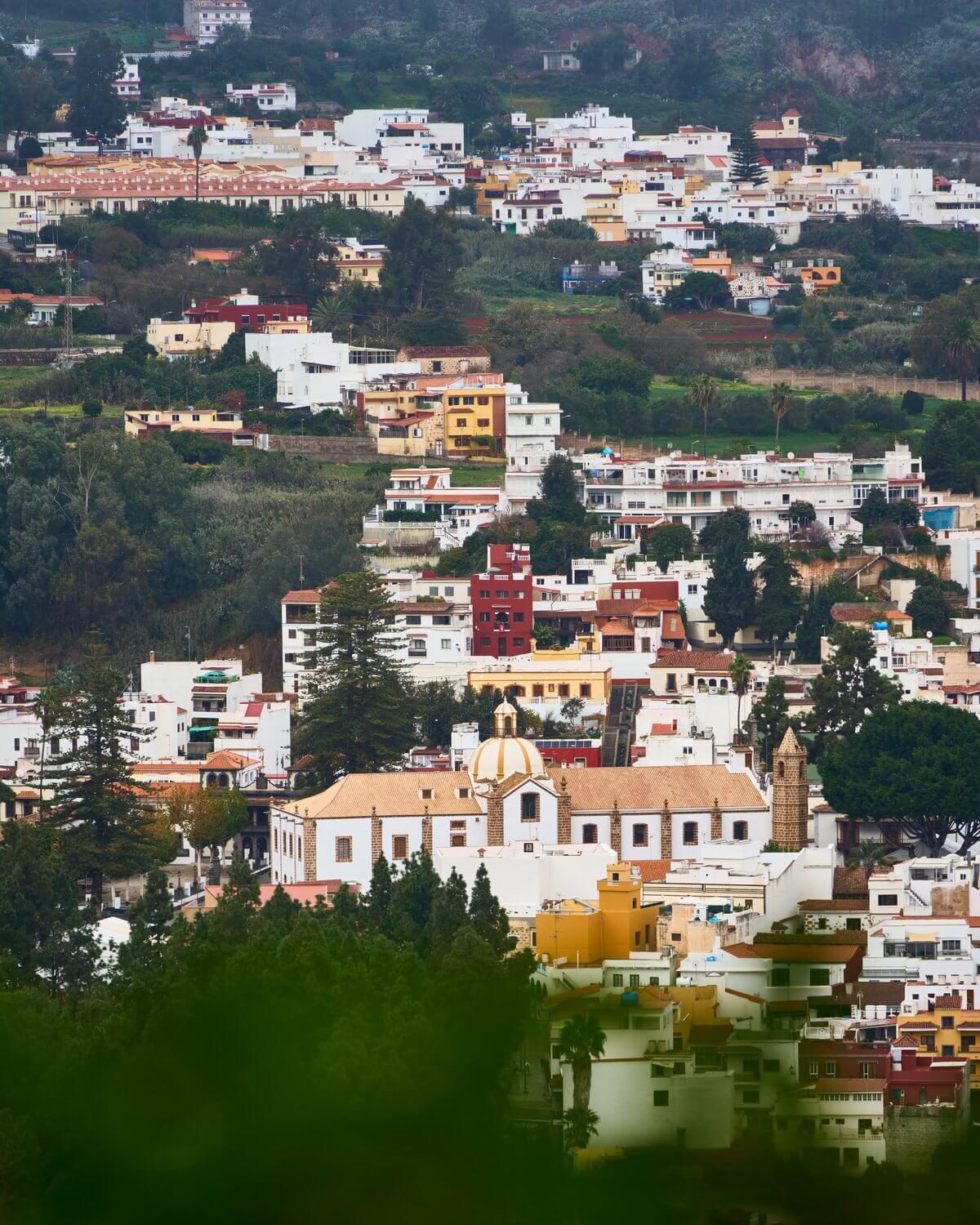
You might also be interested in this
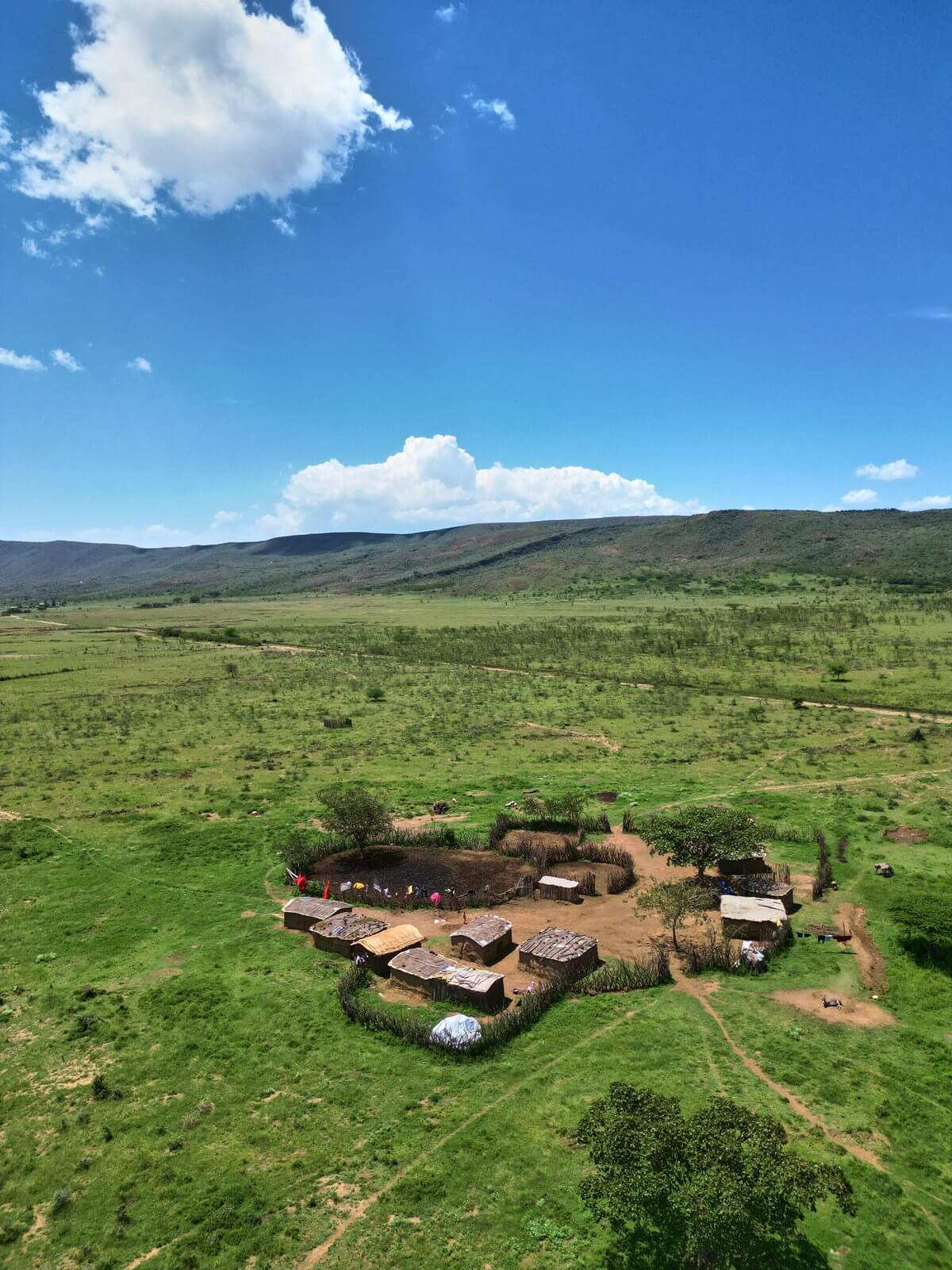
Load More